
Place Represented: Nile Valley, Egypt
Time Represented: Old Kingdom, About 2800 – 2200 BC
Culture: Egyptian
Religion: Ancient Egyptian Polytheism
Although I may not keep with chronological order for all of the feasts, I have done so for my second feast, which focused on Ancient Egypt. Although the cuisine expanded in later centuries as more foods were introduced, particularly from the Middle East, I did a representation of the Old Kingdom, since that is what most of the research materials focused on. In addition, with fewer introduced ingredients, it could be more unique and less like the last feast.
With that being said, however, there were a lot of similarities, with a lot of crops having already been introduced through pre-civilization Neolithic (early agricultural era) trade. By the Old Kingdom, barley, early wheat varieties, figs, dates, and grapes had already been introduced. Whether vegetables such as onions, garlic, leeks, lettuce, cucumbers and legumes had native varieties or had been introduced from Asia was not clear, but either way, by the time period in question, such foods were well-established. Oxen were used for plowing the fields and provided meat and milk, but sheep and goats seemed to be less present. It is speculated that may have been since linen was more common for clothes than wool and leather. What is certain, however, is that land to graze animals was limited, since the fertile floodplain was bordered directly by the desert, with no marginal grazing land in between. With these circumstances, it seems that the Egyptians saw little use for sheep, goats, and pigs, especially since the Nile was full of fish and fowl, and the nobles could hunt for other varieties of meat.
Despite the relatively low amount of animal products in the average diet, it appears to not have any serious deficiencies, and the Egyptians seemed fairly happy on it. Since the Nile’s flooding was much more consistent and reliable than that of the Tigris and Euphrates (due to having several retention lakes along its route from Central Africa to help equalize the water levels), the food supply was more secure. This had a profound impact on the culture and religion, especially in the view of the gods and afterlife. While the Mesopotamians saw their gods as violent and capricious, demanding and inconsistent, providing only a cold, dark realm for the souls or the departed to wait for nothing, the Egyptians were much more optimistic, seeing their gods as more just and consistent, and it was the Egyptians who believed in a bountiful land of food waiting in the afterlife for all those who had lived righteously. Even on earth, the Egyptians tended to have a good diet. Bread and beer were staples, alongside a good amount of vegetables and legumes such as chickpeas, lentils, lettuce, onions, garlic, leeks, cucumbers, and all manner of bulbs and stalks. This was supplemented by fish, waterfowl, dairy products, fruits such as figs, dates, grapes, jujubes, and melons, vegetable and sesame oils, and, on feast days and for the wealthy, meat, wine, and sometimes game.
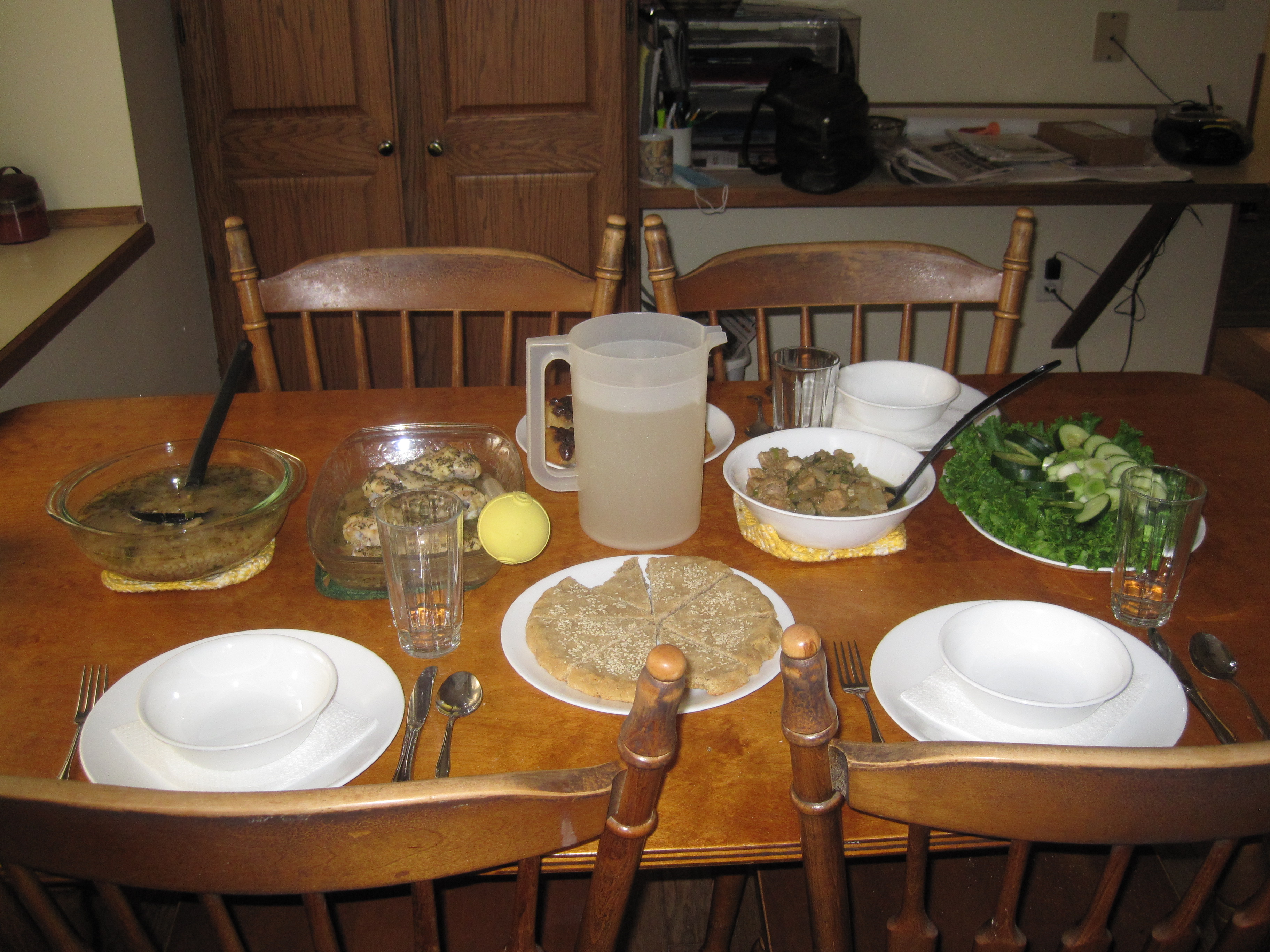
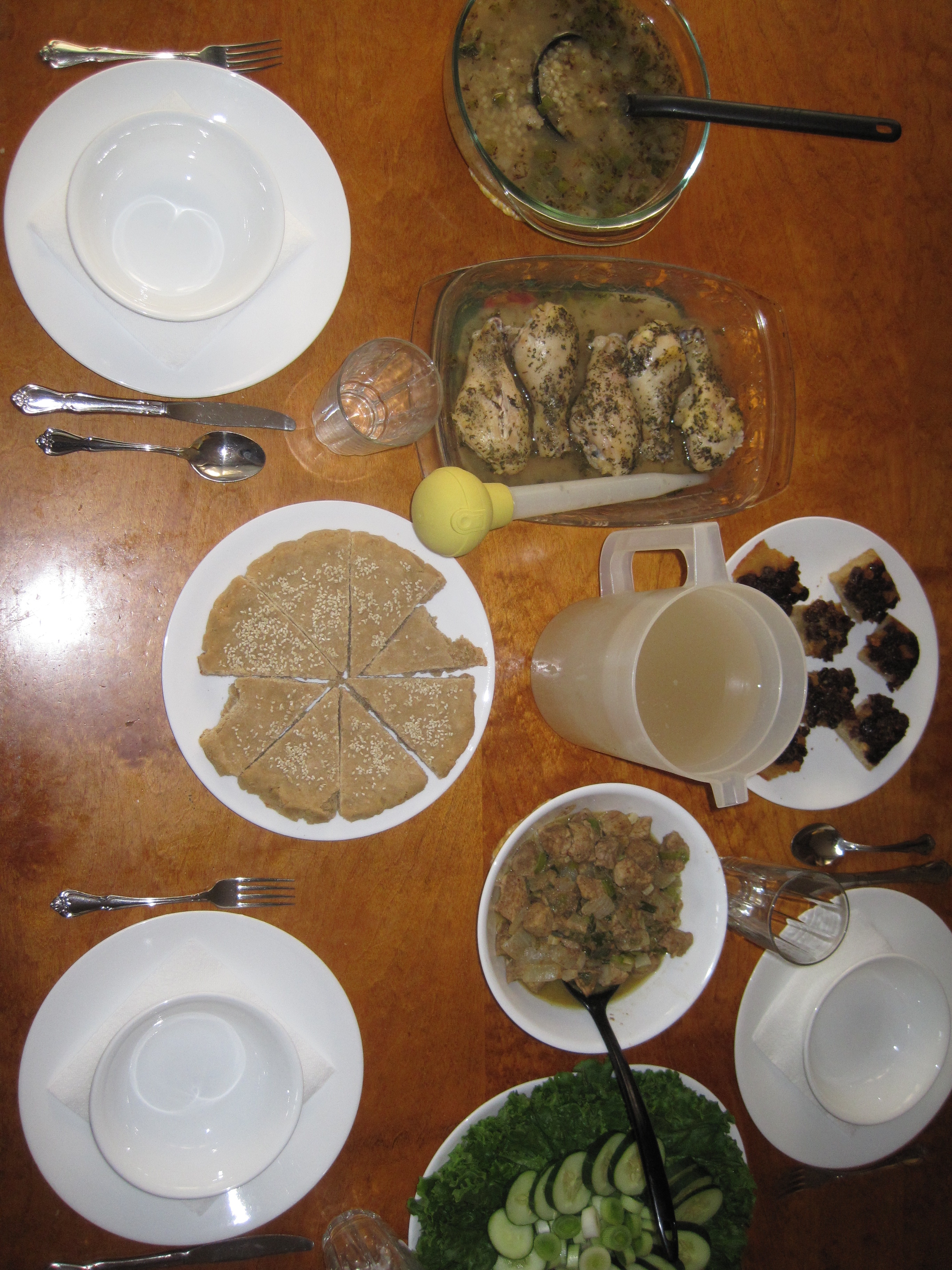
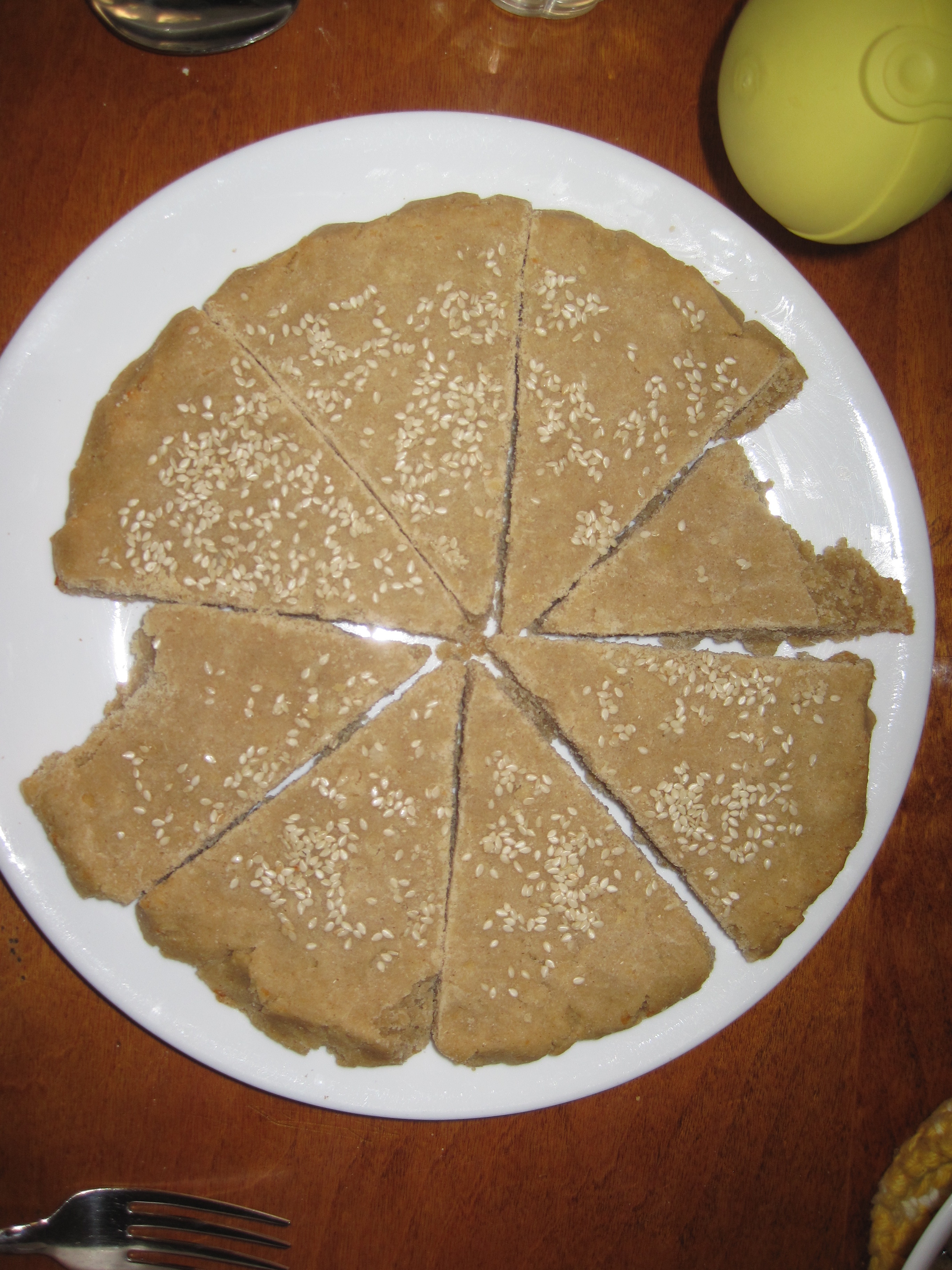
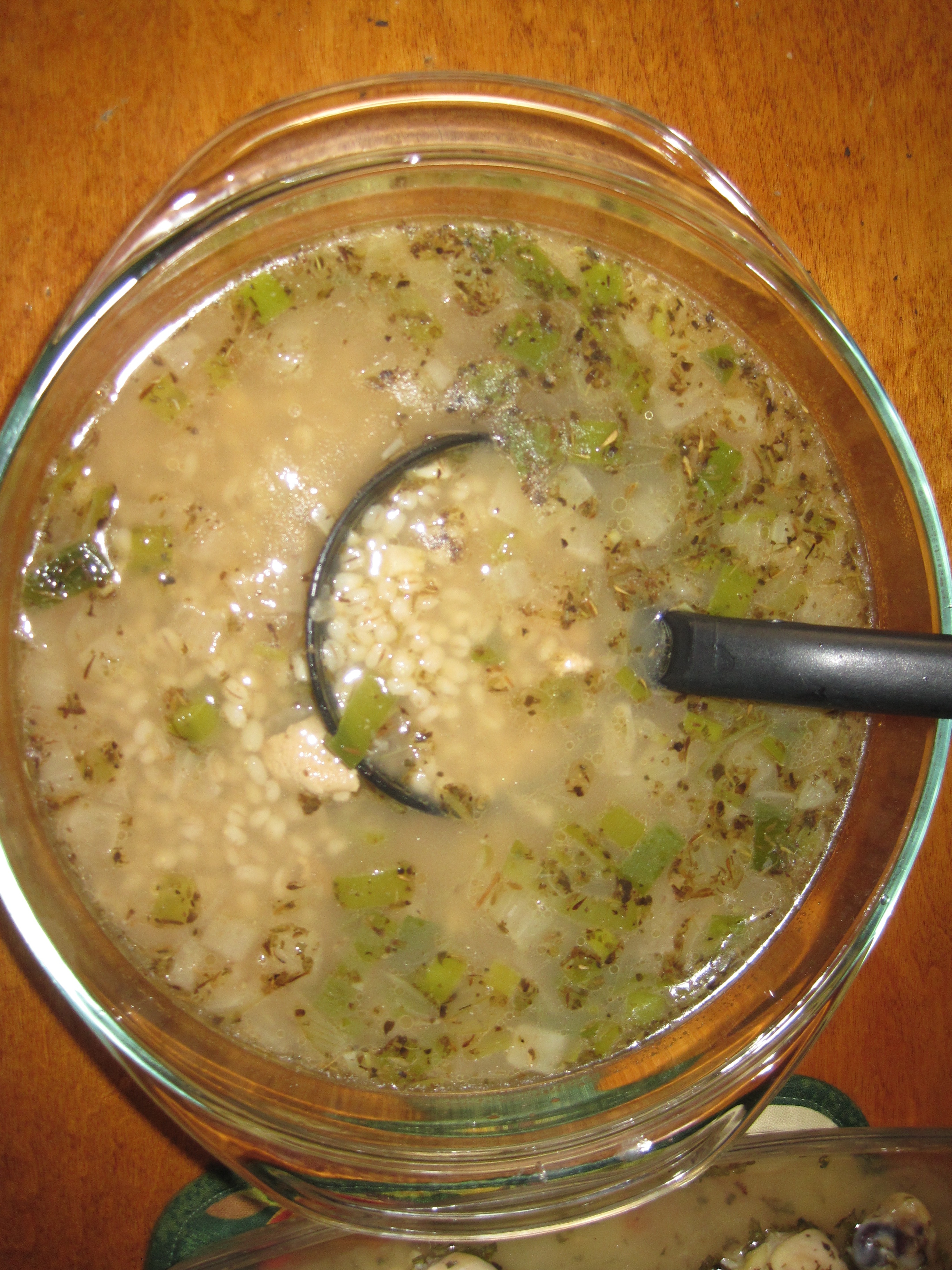
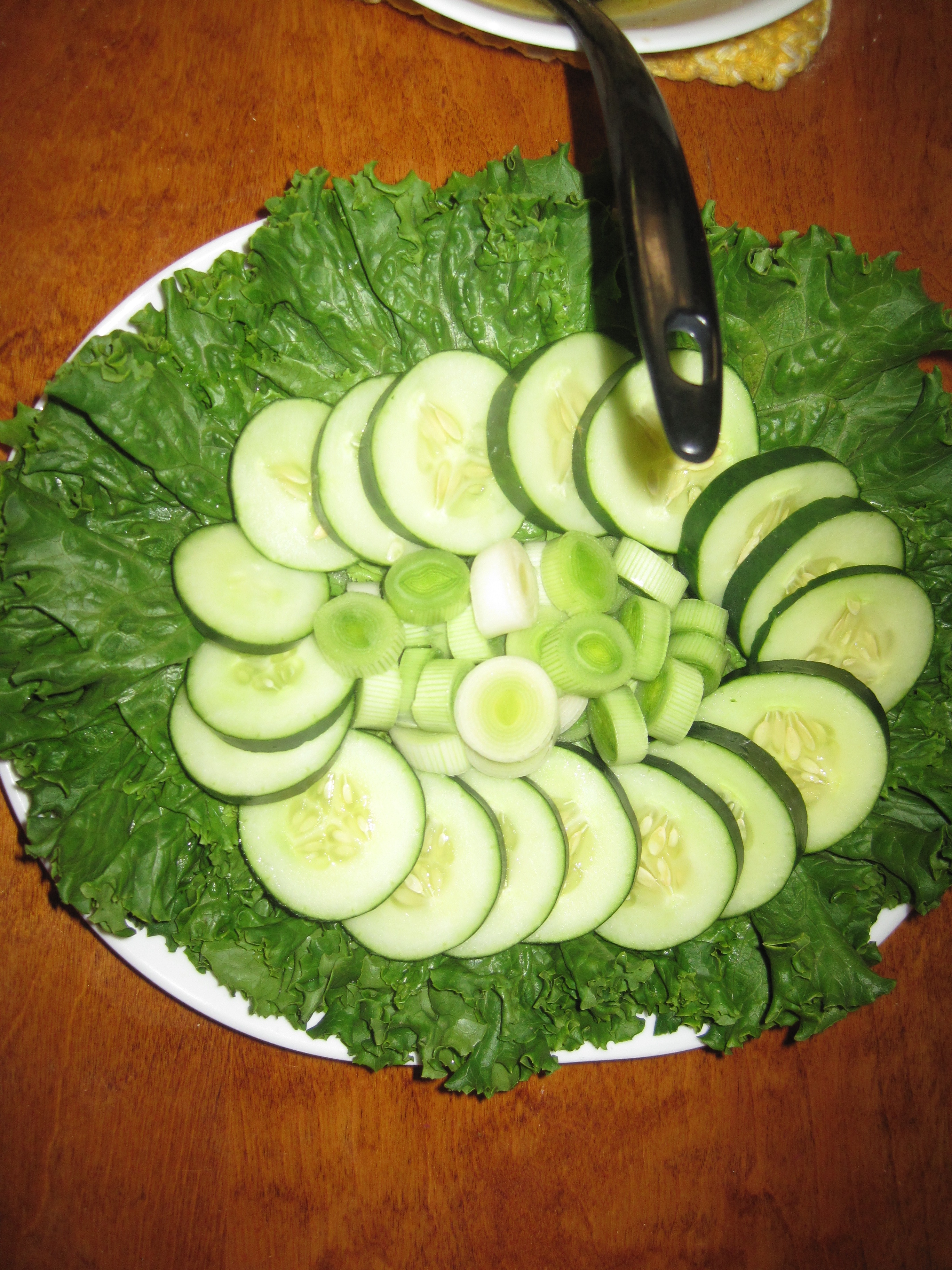
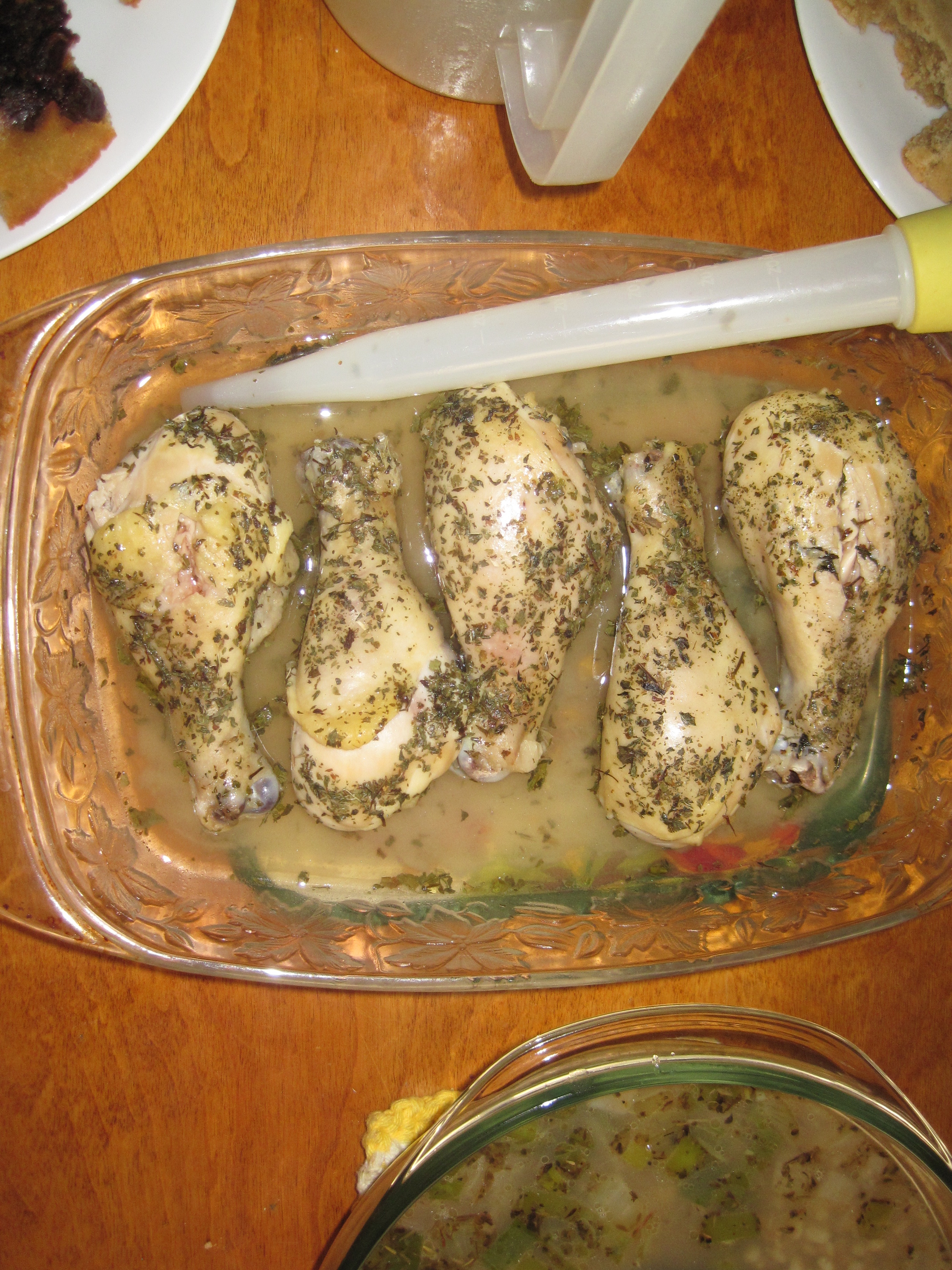
With the history in mind, I set out planning a menu. Since the Egyptians served lots of bread and either beer or wine for all meals, I began by baking a plain white pizza crust (for almost as long as there has been bread, the elites have had access to leavened white bread) with an egg wash and sesame seeds and pouring a pitcher of grape juice (my wine substitute). I then moved on to protein and vegetables. The Egyptians are recorded to have made a fair amount of stews, perhaps since they can be kept warm easily and since stewing would probably help tenderize the tough oxen that were generally only slaughtered once their productivity began to decline. Thus, I made a beef stew with a bit of vegetable oil to sauté the onions, garlic, leeks, and beef with the cumin, and salt, water to simmer it, and celery and parsley added near the end for more flavor. I also made a lentil stew with lentils, onion, garlic, leeks, cumin, coriander, and salt, which cooked as the beef stew cooked. When that was nearly done I put some salmon in the oven, basted with butter and seasoned with salt, dill, and parsley. While the Egyptians did not eat a huge amount of dairy products, there was certainly butter and cheese available. While that cooked I arranged a vegetable platter for the side and a fruit platter for dessert. The vegetables included lettuce, cucumbers, parsley, and roasted garlic. Although ancient societies would often eat raw onions and leeks, the last feast proved that to be a bit much for me. For dessert, I prepared the most common ancient dessert by far: a fruit platter. With summer in full swing, I was able to create a striking platter of red, green, and black grapes with watermelon cubes. By then, everything was ready, and the moment of truth had arrived.
Upon consideration, I can say with certainty that the feast was a success. The beef and lentil stews were flavorful and the beef was very tender, the fish with butter and herbs was wonderful, and the roasted garlic was fantastic on the bread. Meanwhile, the grape juice, vegetables, and fruit provided a pleasant fresh contrast. Overall, the feast was quite enjoyable. I seem to be getting the hang of this. Although the next feast will not be until October since I am back at school and will not be home until then, I will post something when I have decided for sure on a theme. Most likely, it will be Indus Valley, but only time will tell.


 Feasting Through Time