

Menu: Asparagus Soup with Amaretti and Crisped Leeks, Lasagna Squares with Braised Broccoli Rabe, Butterflied Roasted Leg of Lamb, Slow-Cooked Plum Tomatoes, Spring Greens with Mint, Ricotta Cheesecake
Recommended Wine: Dry Castelli White (like Frascati), Campanian Taurasi (ruby-red with plum, berry, spice and vanilla flavors)
Of all the menus I have tackled, this is perhaps the most ambitious yet. Previous posts cover a combination of ordinary and Sunday dishes. This is a holiday feast. We are invited to imagine Easter in Rome, with bright decorations and flowers everywhere. In Rome, spring lamb is the typical Easter roast, heavily seasoned with rosemary. The menu also includes other spring classics like asparagus and fresh greens, along with a unique lasagna dish, slow-roasted tomatoes with garlic and herbs, and a ricotta cheesecake with a few different flavoring options. If you prefer, artichokes, another Roman favorite, can replace the soup or salad.
As a whole, this menu is a taste of Roman food history. As mentioned in a previous post a while back, the Ancient Romans were fond of their produce. Among other vegetables, they loved asparagus, leeks, and lettuce. Asparagus and early lettuce are typically some of the first vegetables available in the spring, which is also the time for lambs and suckling pigs. Historically, milk and egg production dropped during the winter months before rising again, which is probably how eggs came to be associated with Easter. Even in ancient times, before Christianity, Romans could enjoy lamb with fresh herbs, asparagus, salad, and ricotta cheesecake in the spring.
There is some debate on whether or not the ancients had a form of pasta, but if they did, its widespread use was a Medieval innovation. Trade with various Muslim states, especially in Sicily, brought rosemary, increased almond cultivation, lemons, bitter oranges, and sugar to Italy. Medieval Europeans loved almonds and used them extensively, especially during Lent, when almond milk frequently replaced dairy. As sugar became more widespread (though still a huge luxury) during the Late Middle Ages, it was incorporated into the variety of cookies and confections being developed.
The Columbian Exchange changed everything. Maize, chocolate, vanilla, turkeys, potatoes, tomatoes, peppers and zucchini all arrived from the Americas, though not all were accepted right away. Peppers and tomatoes in particular took a long time to become widespread, but by the late 19th century, they were ubiquitous in Southern Italian cuisine, along with zucchini. Meanwhile, dramatically increased sugar supplies made the proliferation of new pastries and confections possible. These soon became linked to another new introduction, coffee, from the Middle East and East Africa.
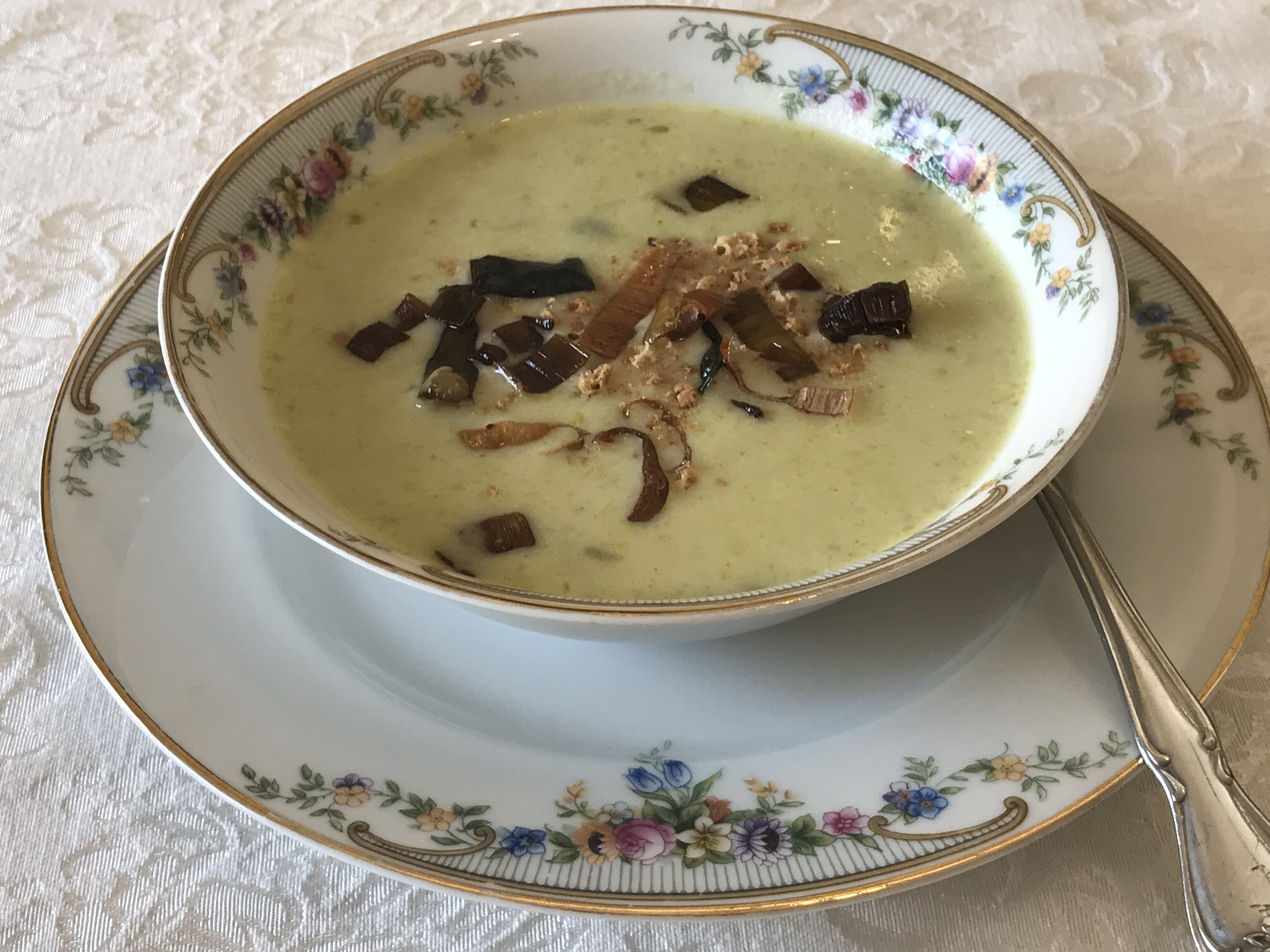
What is essentially a cream of asparagus soup, flavored with leeks and thickened with potatoes, is served with two interesting garnishes. First is crushed amaretti; crunchy almond cookies with a slightly meringue-like texture. The other is sliced leeks, fried until lightly browned and crispy. This combination might sound strange, but the sweet, crunchy cookie crumbs are a nice contrast to the soup and the crisped leeks were quite addictive. The flavor was a balance of asparagus and leeks, with neither overpowering the other, accented by a bit of almond. The only thing I would change is to maybe use a bit less liquid, as the soup was fairly thin, but that’s a matter of personal preference.
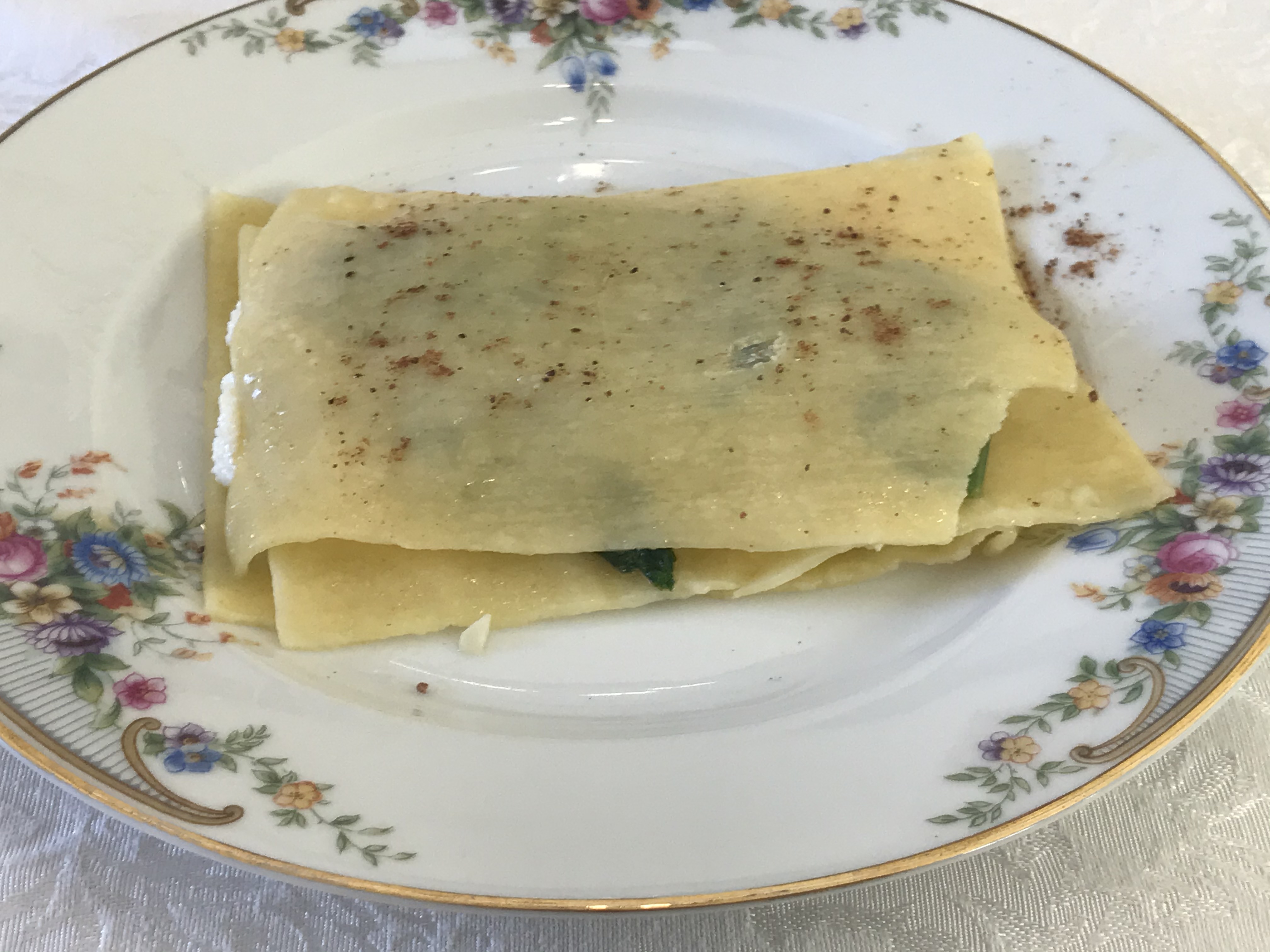
For the pasta course, we have an interesting spin on lasagna. Rather than layered and baked in a single pan, fresh pasta squares and broccoli rabe (here replaced with mustard greens) are cooked separately, then layered with ricotta on each individual plate. While this method did free up oven space for the other dishes, it involved more work at mealtime. Only a few of the pasta squares can cook at a time, and they cook in about a minute. Once finished, each batch is placed in a bowl with a bit of butter to stay hot and hopefully avoid sticking. This was still a bit of an issue, and the ricotta, which was not heated, cooled down the finished dish. It was still pretty good, but more warm/lukewarm than hot.
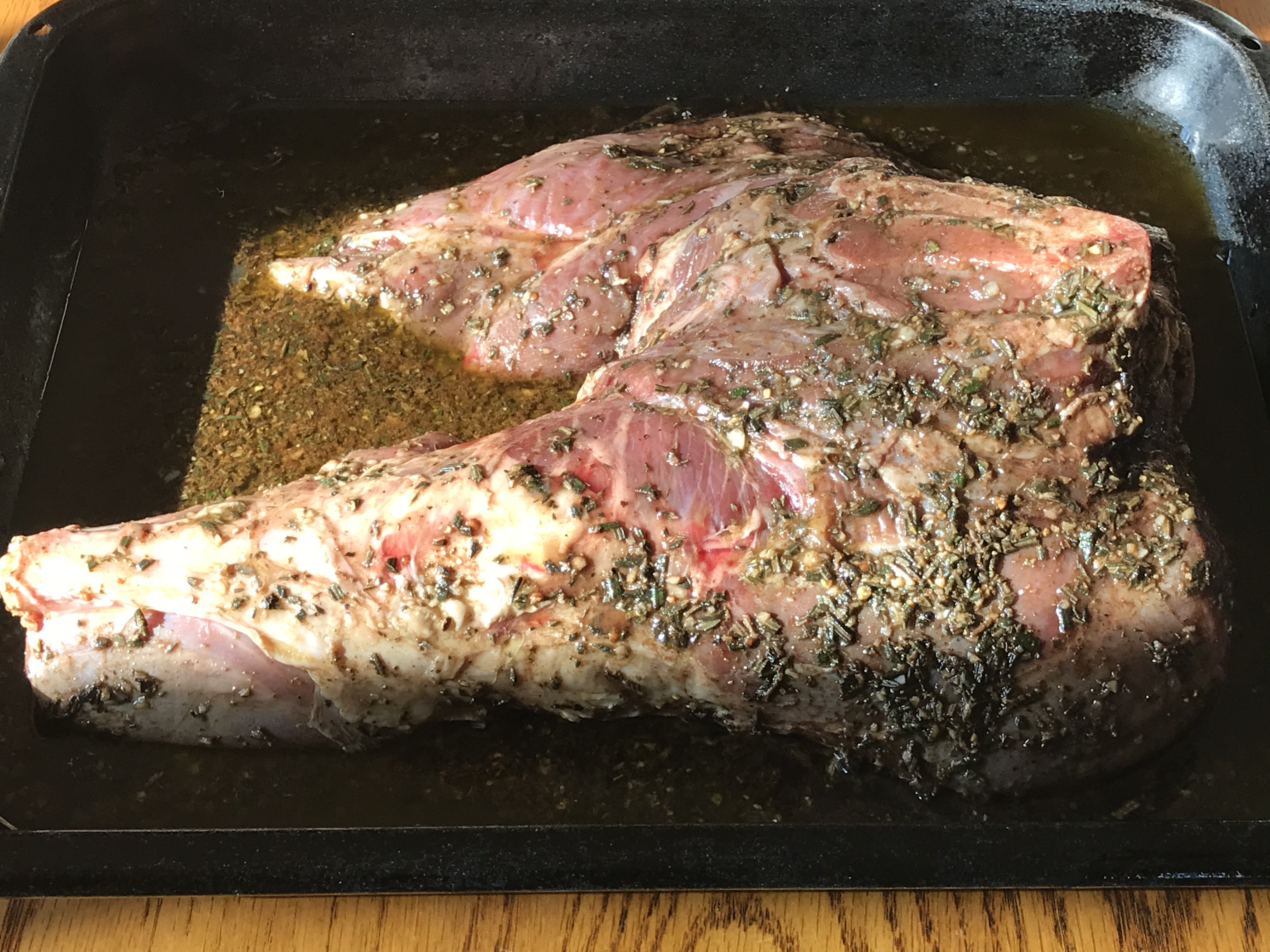
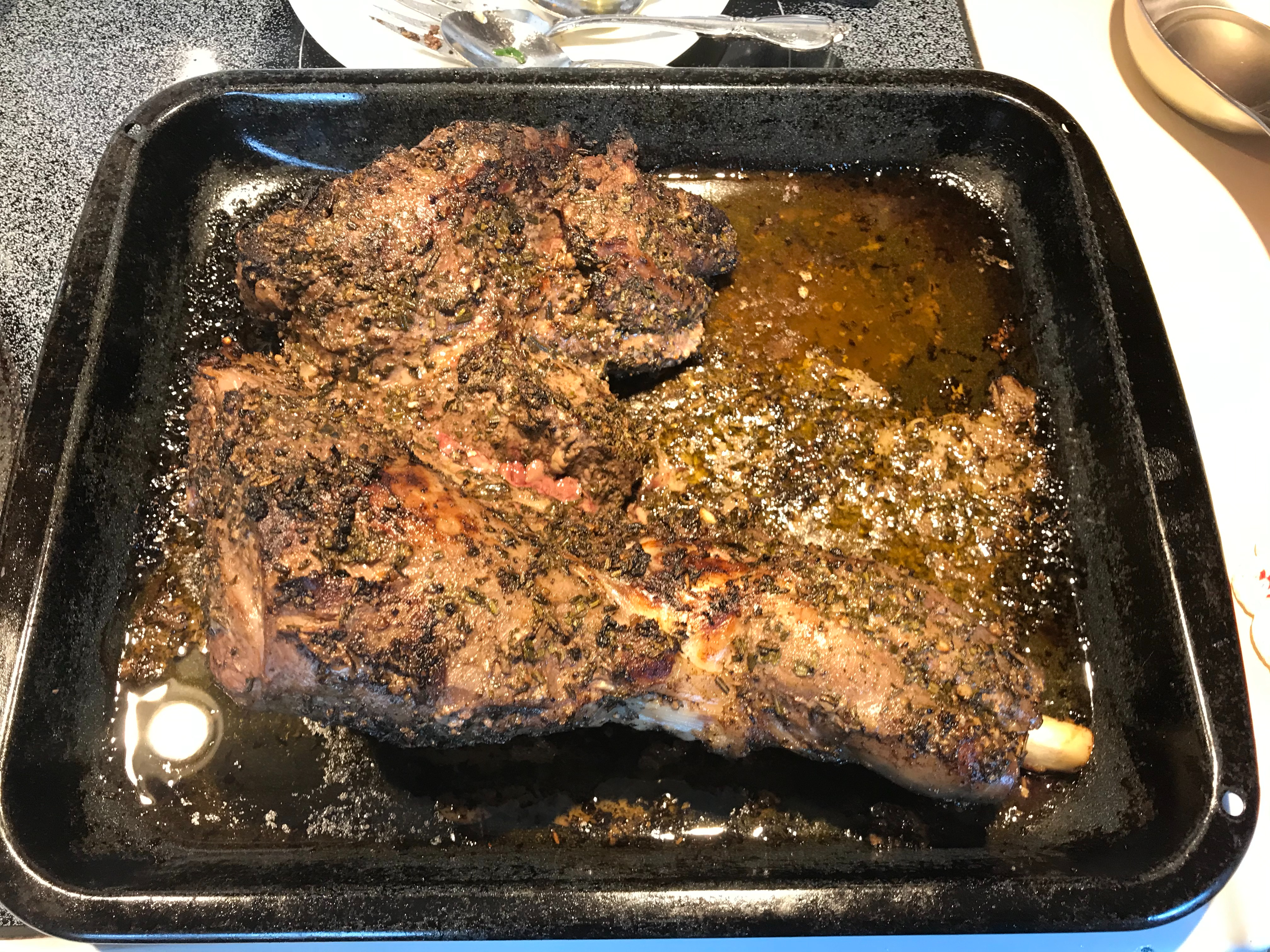
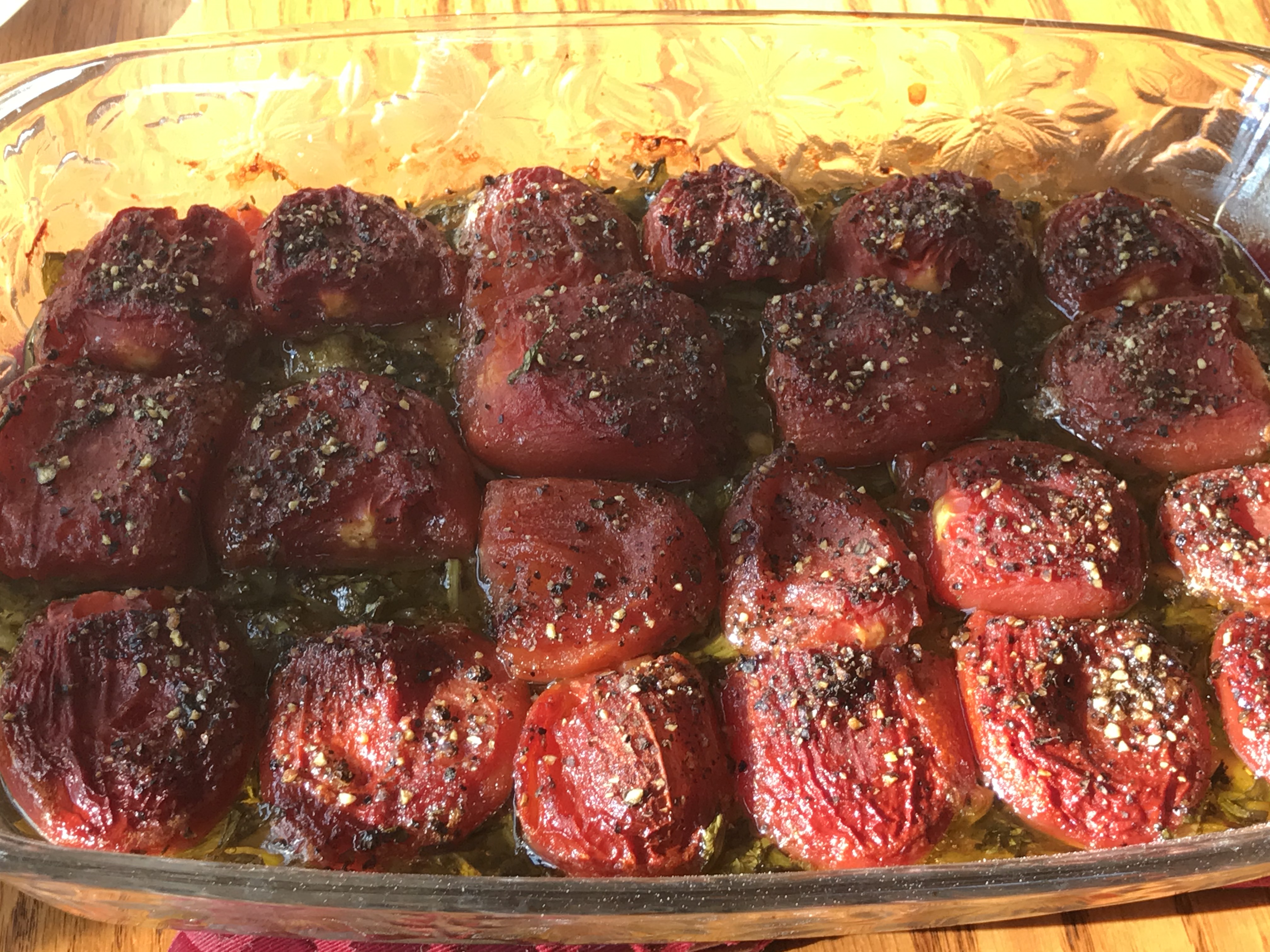
The lamb was the most technically challenging dish on the menu. Originally, I planned to get a few lamb chops and marinate them rather than use a leg of lamb, but since the latter was on sale for a really good price I decided to try it. (I’m a few months behind on posting, this was around Easter). The recipe says to ask the butcher to butterfly and trim it, but since I bought it frozen and shrink-wrapped that wasn’t an option. After letting it thaw for a few days, I would have to try and hope for the best. To be honest, I think I did a pretty good job, at least as far as getting it to lay flatter in the roasting pan, which was the point. After marinating overnight in a mix of vinegar, oil, garlic and herbs, it was broiled and occasionally basted with the marinade. The seasonings gave the meat a great flavor, and the sweet, acidic tomatoes worked really well alongside the rich, distinctive flavor of the lamb.
The salad, a mix of spring greens and arugula with a bit of mint, had a vinegar and oil dressing with a bit of garlic and anchovy. Since the amount of anchovy was small, it did not taste fishy, rather, it just added another layer of flavor. I wouldn’t have thought of putting mint in a salad, but it worked really well with the other flavors.

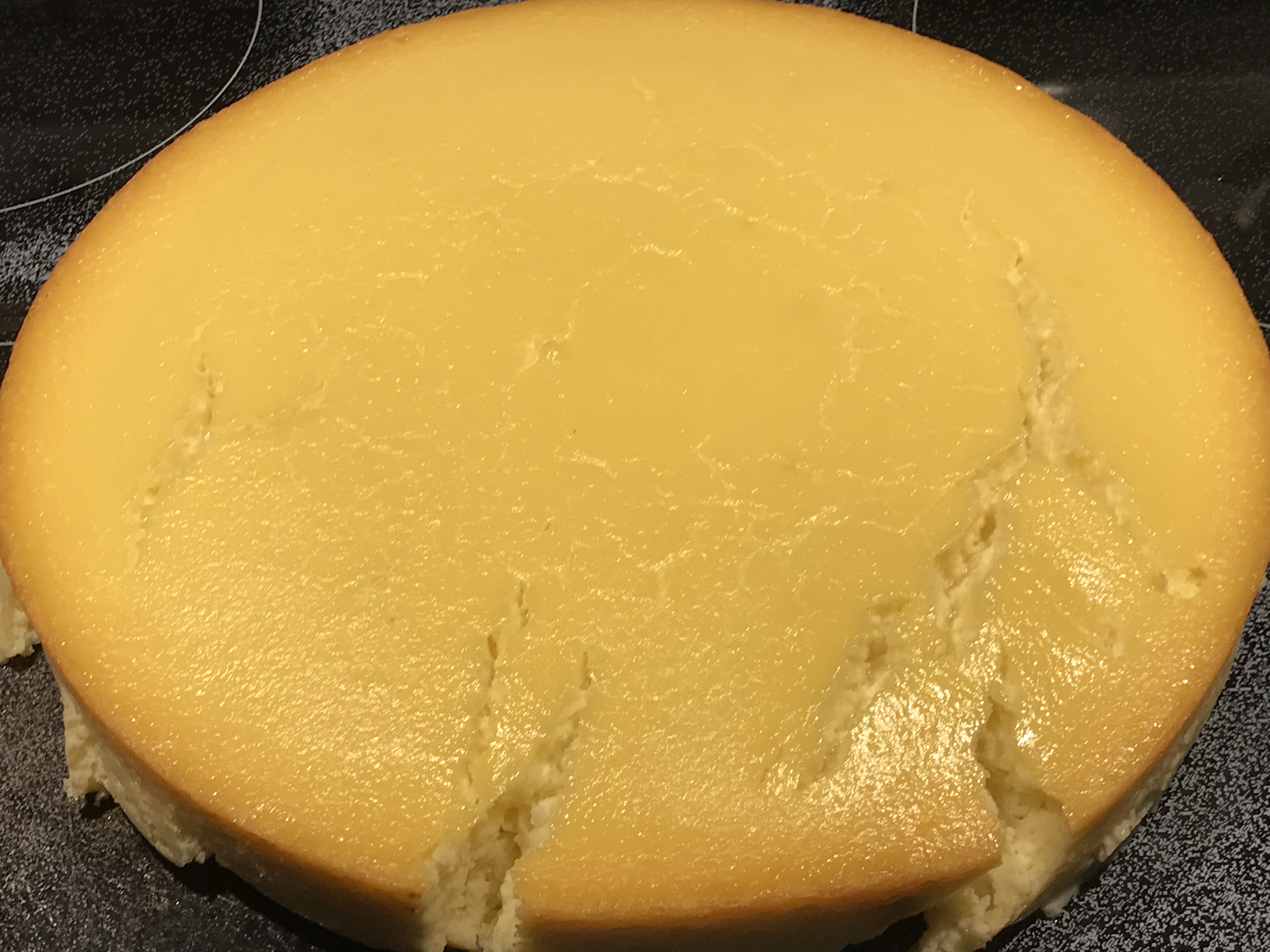
I did have a few difficulties with the cheesecake. The recipe instructs the cook to line the bottom of a springform pan with a piece of buttered parchment paper and serve the cheesecake while still slightly warm. A few different flavoring options are available; chopped candied peel, vanilla bean, or fruit-flavored brandy. I chose candied lemon peel, which seemed perfect for spring. For some reason, after the designated amount of time, it was nowhere near done. Even after some extra time at a low temperature to try and firm it up, there was still a lot of liquid in the center, but at that point we decided that maybe that’s the way it’s supposed to be and had some anyway. It was still pretty good, but the middle part was still pretty soupy and the lemon flavor seemed somewhat weak.

A night in the refrigerator transformed the cheesecake. Chilling firmed it up and made it easier to slice, while the extra time gave the homemade candied lemon peel a chance to infuse its flavor. Though not a requirement, I would recommend making this a day beforehand and serving it cold. If making this again, I would probably reduce the sugar slightly and add a tablespoon of flour to help bind it together. Still, the whole menu was a thoroughly enjoyable taste of spring.
 Feasting Through Time