
Region: Lombardy
Menu: Broccoli Baked with Prosciutto, Milan-Style “Veal” Shanks, Milan-Style Risotto, Baby Spinach Salad with Oil and Lemon Dressing, Fresh Orange Slices with Slivers of Orange Zest
Recommended Wine: Various reds from Lombardy

Milan is famous for many things. It is Italy’s business capital, a world-renowned fashion center, and home to more than 2000 years of history. In the 3rd and 2nd Centuries BC, Roman culture spread from there and other cities across the Po Valley. During the 4th and 5th Centuries AD, Western Roman Emperors often resided there instead of in Rome. Here they crossed paths with the Church Fathers, many of whom, including Saints Ambrose and Augustine, lived there for at least part of their careers. In the Middle Ages, Milan emerged as one of the main trading hubs of Northern Italy, even rivaling Venice and Genoa in the 14th and 15th Centuries. Other claims to fame include its silk industry, the world-famous La Scala Opera, and fabulous Gothic cathedral.
Then there’s the food. Historically (and currently), Milan had a lot of wealthy residents, and it is the cuisine of the privileged that is most well-known. Milanese-style veal cutlet resembles Austrian schnitzel. Panettone, loaded with butter and egg yolks, has become a Christmas treat all over the world. Gorgonzola and mascarpone are just two of the region’s notable cheeses. But perhaps most famous is the duo featured here: braised veal shank with golden risotto.
The name of the veal shank is osso buco, which roughly translates as “bone with the hole.” Inside the bone is the marrow. With its high fat content and soft texture when cooked, bone marrow was historically a delicacy and is still treasured in many parts of the world. For an authentic osso buco, it is essential, and often the dish is served with special narrow spoons for extracting it. (Text, pg. 100) A sprinkle of minced garlic, lemon peel, and parsley brightens an otherwise heavy entrée.
Risotto Milanese gets its golden color from saffron, a spice used for this purpose as much as for its flavor. From Ancient Greece and Rome all the way to India, saffron was used as a dye. Ancient peoples often associated it with the sun and sometimes considered it sacred. In the Middle Ages, it was used to make elaborately gilded meats and poultry and add color to pastries, jellies, and other dishes. An early form of risotto may have been colored with saffron at this time, but probably would have been simply cooked in broth or almond milk and possibly flavored with sugar and spices. The addition of butter was a later, Early Modern addition.
As discussed in previous posts, spinach and lemons were introduced to Europe during the Middle Ages. Both were adopted quickly, with spinach mostly replacing other greens (like sorrel) previously used in cooking. Lemons didn’t replace vinegar as a key sour ingredient, but their juice became a supplement while their aromatic peels were added to various dishes as an additional flavor. Around the same time, bitter and sour “Seville” oranges were introduced and were used in similar ways. Sweet oranges came later, in the 16th Century, brought by Portuguese sailors returning from East Asia. Unlike most other fruits, they ripen in the winter, making them a popular Christmas treat for those who could afford them.
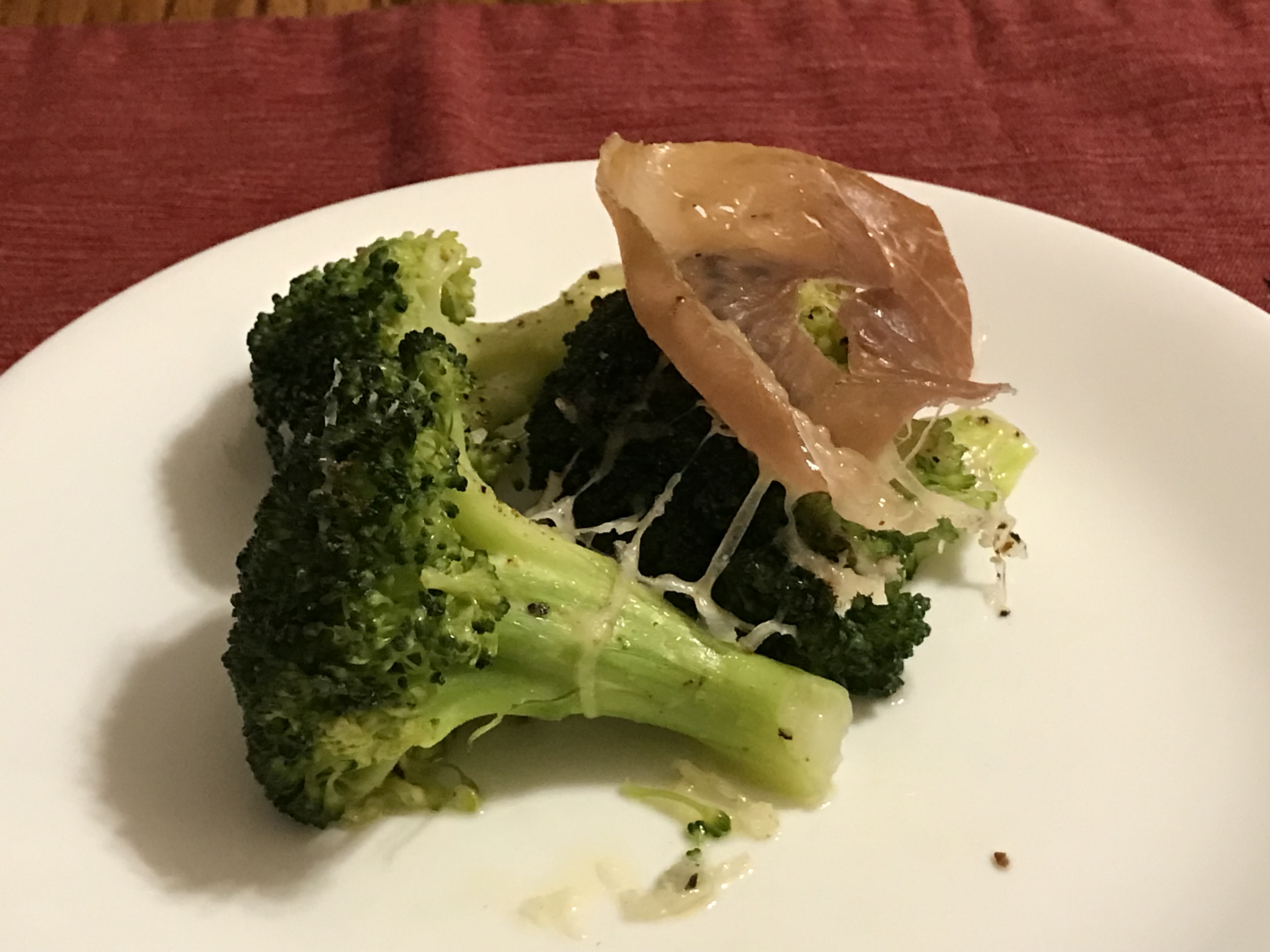
This was a fantastic dinner overall. The buttery, lemony broccoli with parmesan cheese was an interesting change of pace, though the prosciutto was probably not necessary. There was plenty of flavor without it. The osso buco was well-deserving of its status as a classic. I made it with beef shank instead of veal, but kept everything else the same. The beef became tender over the long cooking time, a mix of carrot, onion, and celery gave the sauce a great flavor, while the gremolata, a mix of parsley, garlic, and lemon peel, brightened everything. Even the bone marrow, which I was a little unsure about, tasted rich and buttery when spread on the meat.
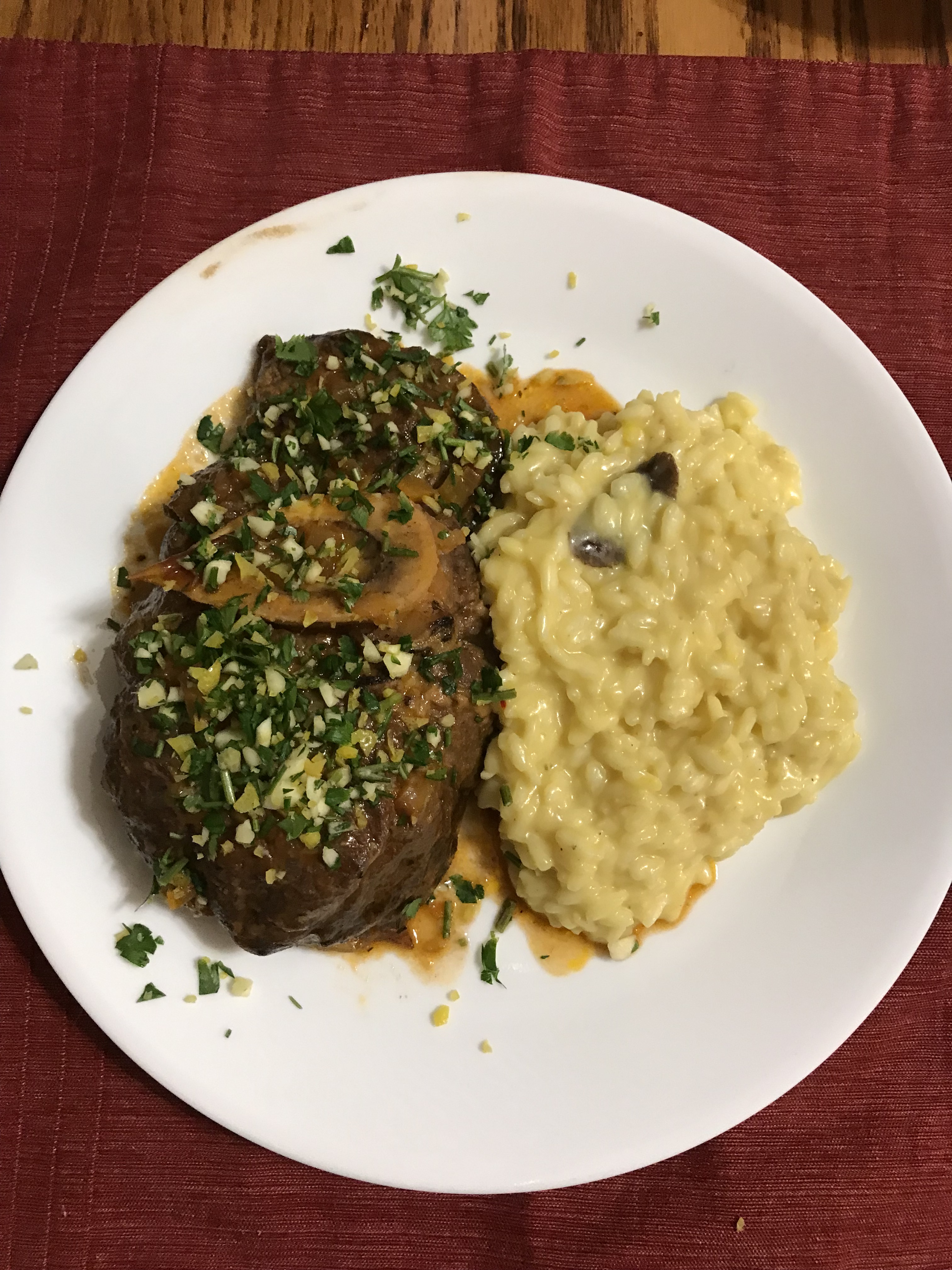
Having a creamy risotto was a nice contrast to the highly-flavored meat and sauce, but I had two problems with the recipe. First, the saffron was not soaked in water or broth before being added. As a result, it didn’t finish releasing its color before the cooking was finished, so the risotto was fairly pale. As the dish sat on the table, orange spots appeared around the saffron threads. In addition, the medicinal flavor was pretty strong. Personally, I think a plain risotto would be a better complement, but it was still good. Any food that’s been around for hundreds of years tends to be.
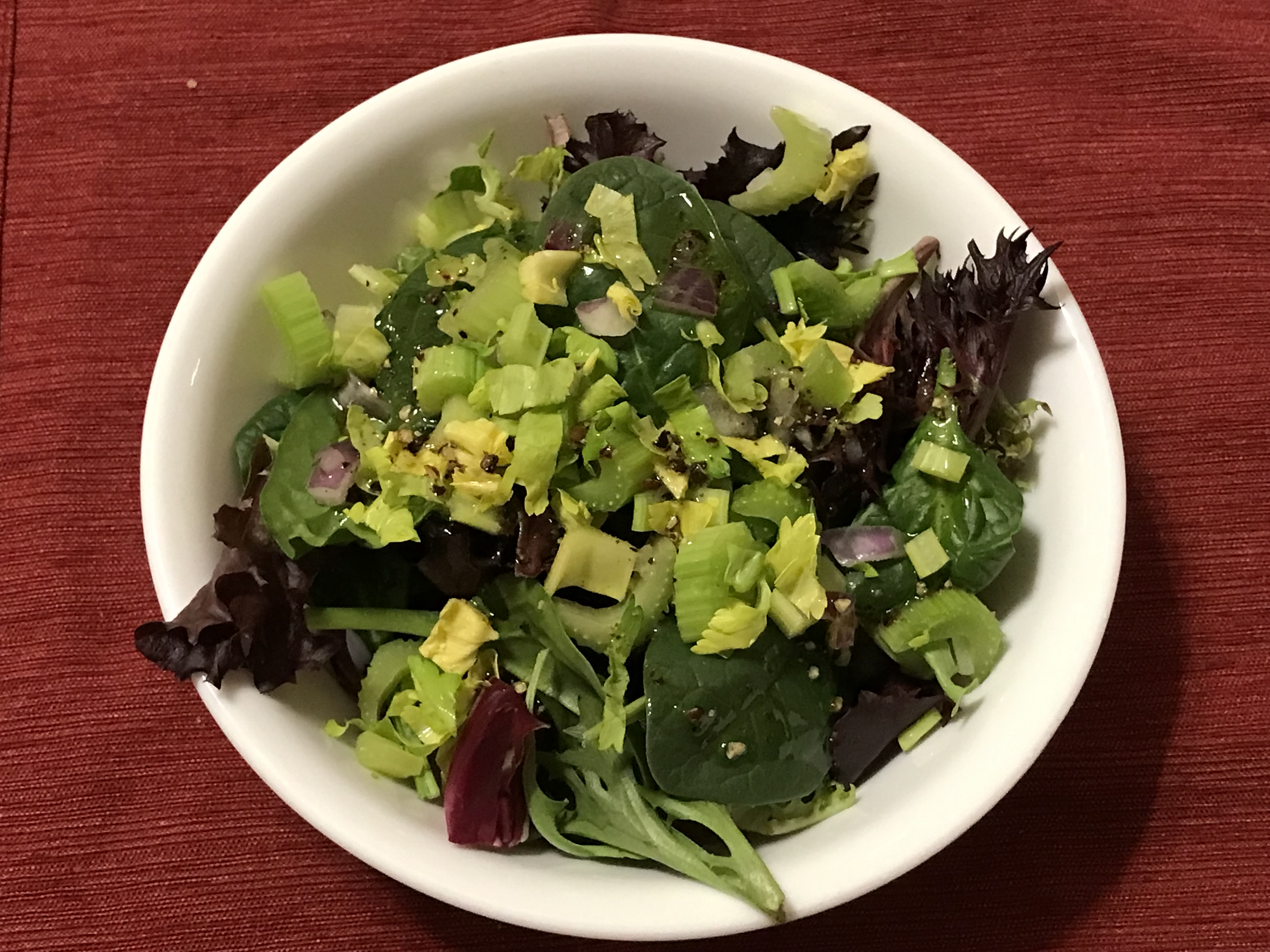
The salad was a nice palate cleanser, but the dressing seemed really sour. This has often been an issue with dressings that use lemon juice instead of vinegar. I’m not sure if Italian diners like sour flavors more or if the grocery near me has particularly acidic lemons. Either way, a tiny bit of sugar or honey would go a long way in balancing out the acidity without necessarily tasting sweet. If serving this again, not only would I add a bit of sugar or honey, but I would serve it after the broccoli. Even though all menus in the book that include salad place it after the main course, the bright, sour flavor makes more sense here. The salad can refresh the palate after the rich broccoli; the oranges serve the same purpose after the meat and rice.

After all the meat, butter, and cheese, the oranges make a perfect dessert. The light syrup and sprinkling of zest add another level of complexity but keep them light and refreshing. I had a slight issue when the melted sugar hardened as soon as I added the fresh juice, but with lots of stirring and a little reheating I was able to get everything combined. These extra touches enhanced the oranges, but for a simpler dinner, plain orange slices or clementines would be good too. With the heavier foods common in the winter months, oranges provide a great contrast, plus fiber and lots of vitamin c. What more can you ask for in a winter dessert?
 Feasting Through Time
The history of the various foods is so interesting. This sounds like a dinner I would enjoy!