

Region: Naples/Adriatic Coast
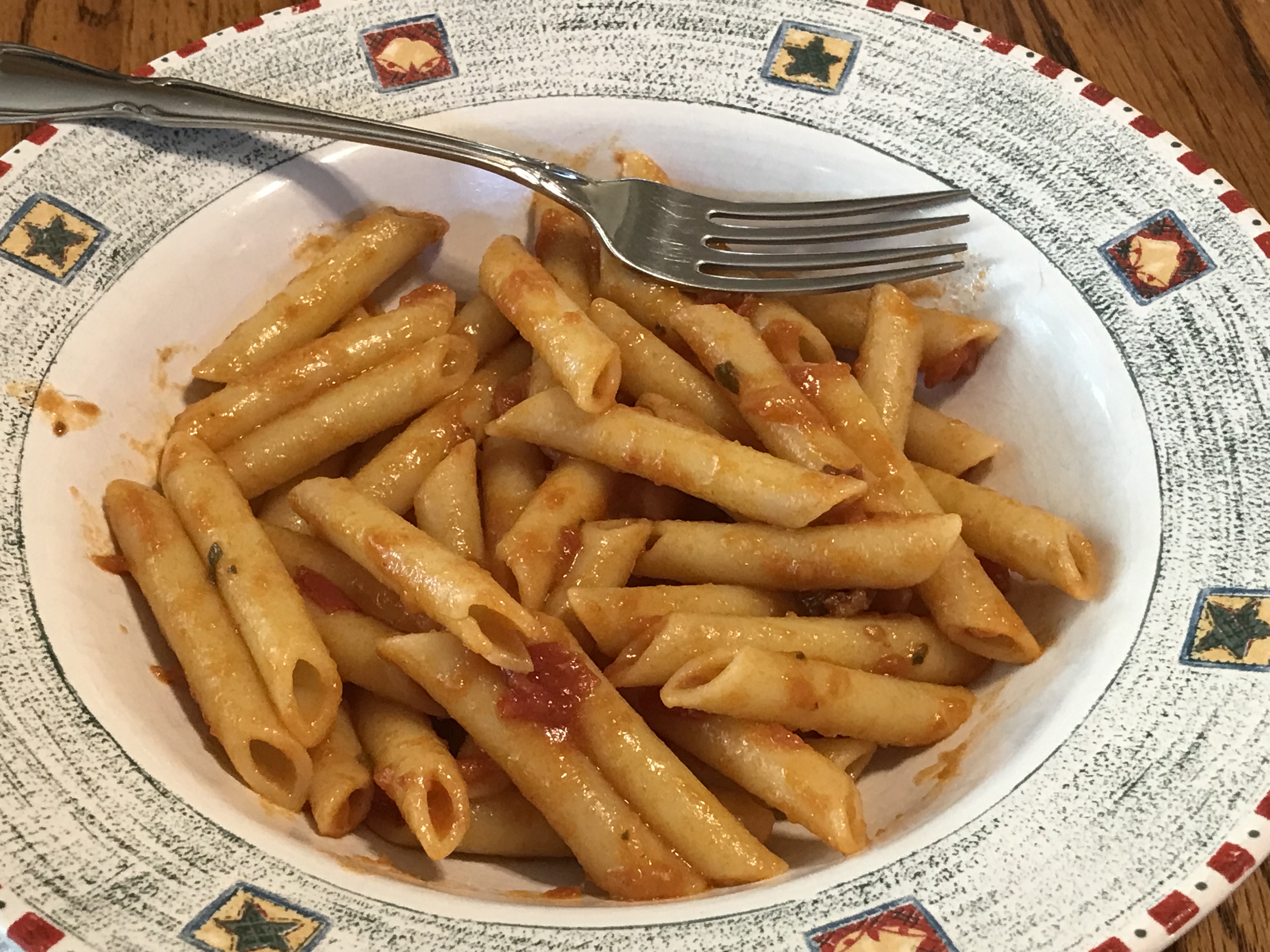
Menu: Penne with Pork Tomato Sauce, Sliced Pork, Carrots with Marsala, Romaine Watercress and Snow Peas with Lemon, Almond-Orange Meringue Cookies
Recommended Wine: Gragnano
Ragu, a rich sauce with tomatoes and meat, is popular all over Italy, but two main styles are most famous. The first, Bologna-style, is more of a meat sauce flavored with tomatoes and is popular across the North. The second, Neapolitan-style, is a tomato sauce flavored with meat, which is then served as a separate course. Variations of this second style are prevalent across the South, and here we have a basic version, flavored with pork shoulder. The difference in the two styles probably has to do with the fact that in the historically less affluent South, there was more incentive for diners to fill up on pasta before serving the meat.
This brings up an important point about typical Italian meal structure. The number of courses included depends on if it is an everyday or celebratory meal, but they usually follow a specific sequence: antipasti (appetizers), primi (pasta, risotto, polenta, or another starch or soup), secondi (meat or fish) with contorni (vegetable sides), salad, fruit and cheese (the most typical dessert), and dolci (sweets). If meat or fish is included (it may or may not be), it is always served after the starch. Here we have pasta with the tomato sauce as a first course, sliced pork for the second with carrots as a side, followed by salad, then cookies.
Humans and pigs have a fascinating history. First domesticated around 8000 BC, pigs quickly proved their value to early farming peoples. While they didn’t provide wool, surplus milk for human use, or pull plows, pigs mature quickly and breed much faster than sheep, goats, or cattle. This made them the most efficient source of meat, making up for their shortcomings in other regards. Plus, they could eat almost anything. Despite all this, pork taboos have been widespread across the Middle East for thousands of years.
At first glance, this is baffling. After all, this is where pigs were first domesticated. People in the earliest Mesopotamian civilizations ate pork without issue. Evidence suggests it was fed to workers building the pyramids. But over time, more and more taboos appeared, particularly after 1000 BC. There were some complete prohibitions like in the Hebrew Bible. In other cases, pork was seen as an inferior food for those who couldn’t afford meat otherwise, or an unclean food that was fine for the common people but unfit for priests and nobles. At the same time in Europe, where pigs had been introduced, and in China, where they were domesticated independently, no such problems arose and pork continued to be eaten widely.
There are a number of theories for this. One is that centuries of environmental damage in the Middle East reduced the area suitable for raising pigs. Another is that the introduction of chickens, which eat similar food, are small enough to eat at a single meal, and also produce eggs, made pigs unnecessary. Regardless, pigs remained essential in Europe, where they had plenty of woodland to forage in. Plus, in the cooler climate, preserving the meat as bacon, ham, or sausage was easier to do.
In cuisines where meat is limited, pork often acts as much as a flavoring as a source of protein. Cured pork products are frequently used for this, but here fresh pork shoulder or butt is used. After the meat is cooked, it is kept warm while the sauce is eaten with the pasta. If serving pasta first is to encourage people to fill up before having any meat, this dish did its job. The pork flavor was clearly present and provided an incredible richness to the sauce. Saving room for the other courses took substantial willpower. As expected, the sliced pork that followed was excellent; very tender and flavorful.
Carrots might seem surprising in an Italian menu, but they were eaten as far back as Ancient Rome, though they might not have been orange. New varieties were introduced from the east in the Middle Ages, though the story about the orange carrot being created by the Dutch to honor their ruling family in the 17th Century seems unlikely to be true. A drawing in a 6th Century manuscript clearly shows an orange carrot, though during the Renaissance white, yellow, red and purple carrots were also common. These other colors have recently regained popularity in a big way, even becoming trendy. Hopefully this particular trend sticks, as each of the varieties has a slightly different flavor, and they are just so pretty. But for this menu, we have regular orange carrots, cooked with a bit of sugar and marsala, and topped with minced scallions.
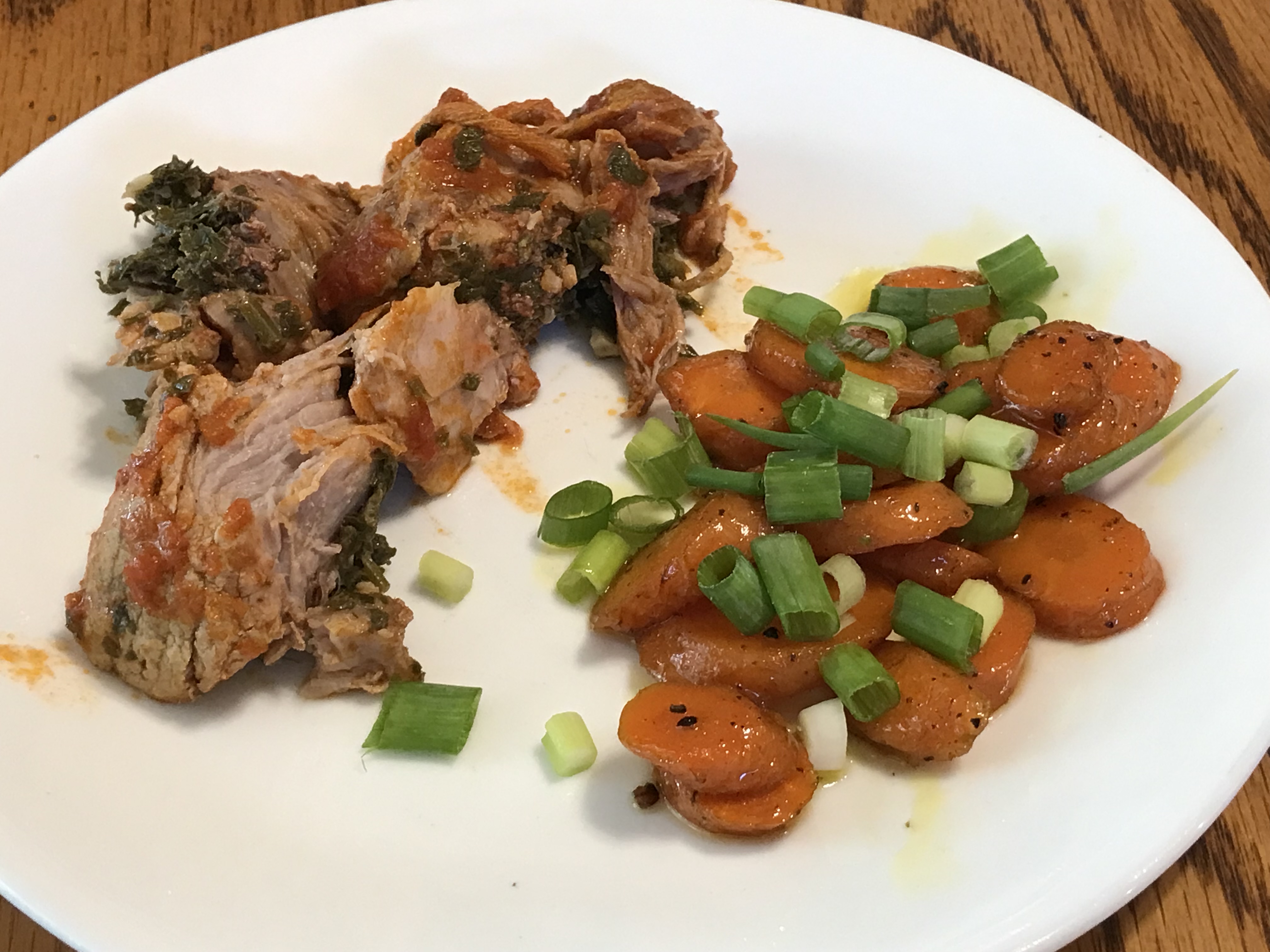
Every now and then, there is a dish that makes me think “Whoa, I made this?” This was one of those dishes. The marsala worked a lot better with carrots than with oranges, and the sugar produced a lightly browned glaze, and everything worked together for an incredible depth of flavor. A sprinkling of scallions on top added a nice contrast in taste and color. Though made with affordable ingredients, these would fit right in on a fancy restaurant menu. The advantage of making them at home is that you can have a normal portion size, leftovers, and avoid the restaurant markup in cost.
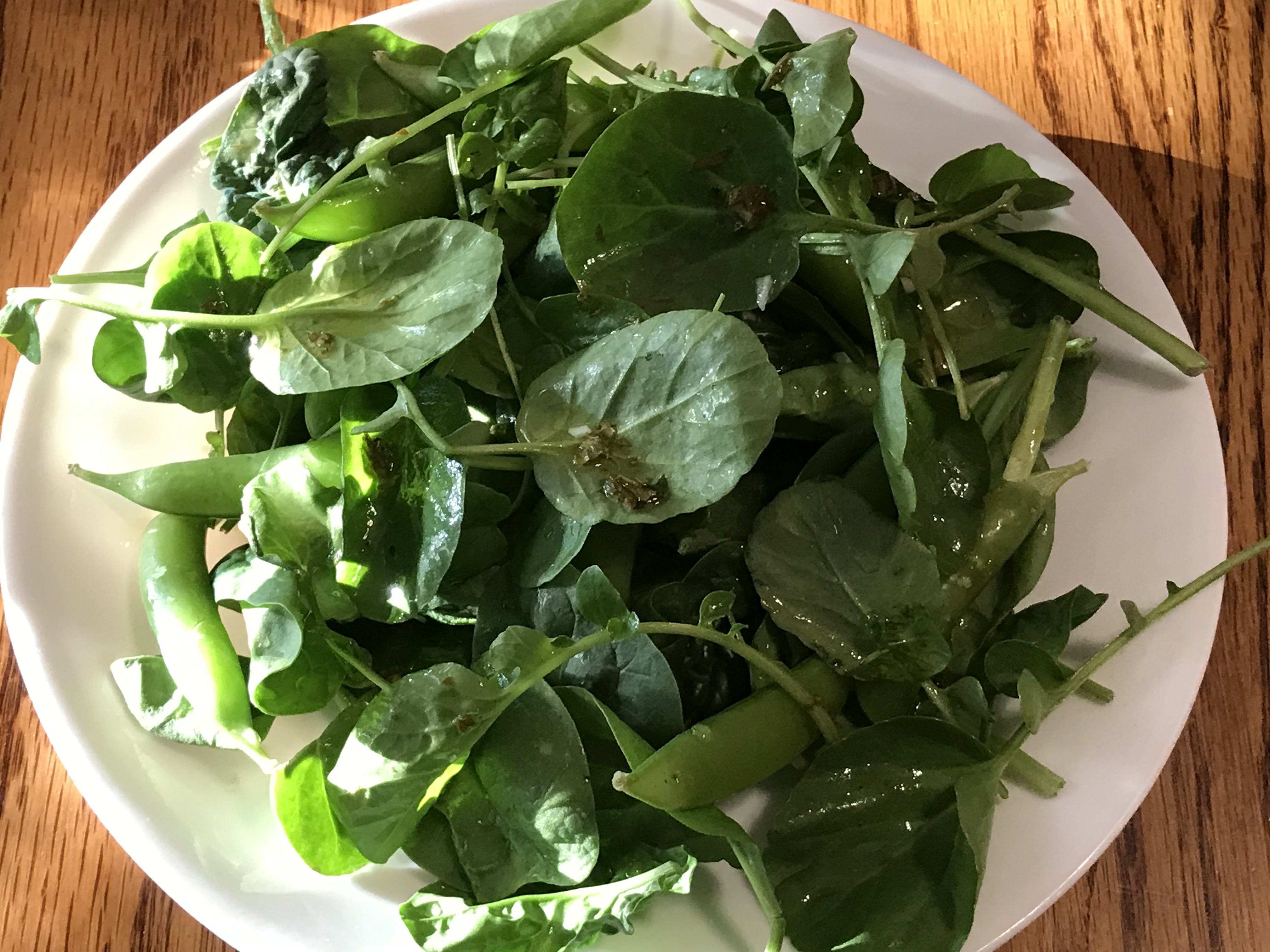
Watercress and snow peas provided interesting contrasts for the salad; peppery for the watercress, sweet and crunchy for the snow peas. The dressing was a bit too sour, but in small quantities worked fine.
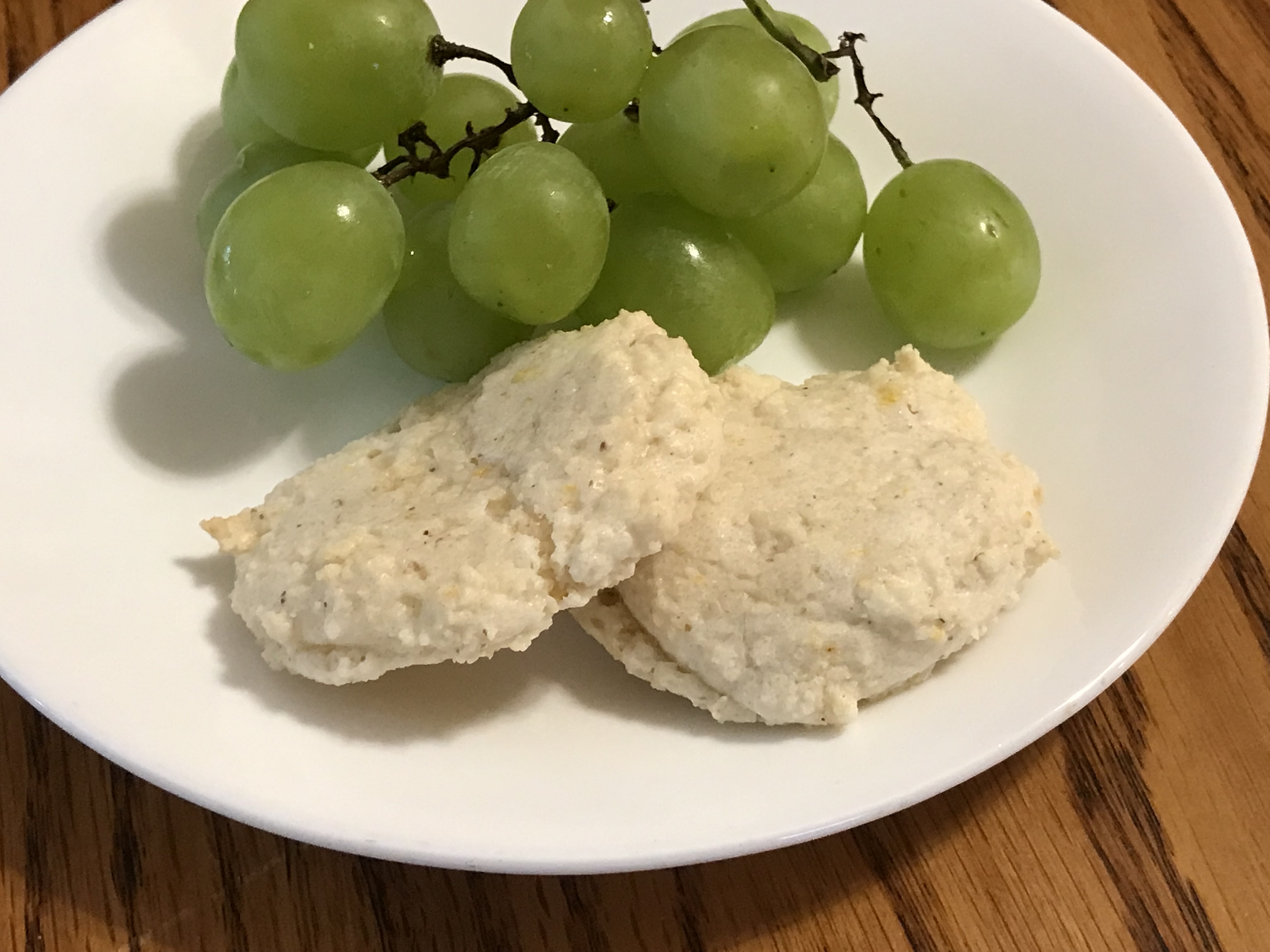
The cookies were based on a meringue, which is a whipped mixture of sugar and egg whites. As pointed out in the book, these were sort of like the ricciarelli from Siena, with almonds and orange peel. They reminded me of macarons, with a crispy outside and chewy inside, though these were supposed to be crunchy. I suspect that humidity may have played a role in the texture not quite matching up, since meringue is known to be touchy on humid days. However they were supposed to turn out, they were delicious. Maybe I’ll tackle actual macarons at some point in the future.
 Feasting Through Time
Great post!
This is a menu I would have really enjoyed eating. Your family members are fortunate to try your great meal preparations! Yes, I think the information you include in your post is so interesting.