Menu: Lasagna Baked with Meat Sauce, Bologna-Style (also mentioned in 1000 Foods)
Let’s revisit ragu. In a previous menu, I discussed the Neapolitan/southern style, where tomatoes play a central role. In Bolognese/northern style ragu, the meat predominates, while the tomatoes are just a flavoring. The meat is ground, rather than in big pieces, and is eaten in the sauce with the pasta, rather than as a separate course. Bologna-style ragu is frequently eaten with tagliatelle (but not spaghetti), as well as in lasagna.
Advertisements
Different types of lasagna are eaten all across Italy and have spread around the world. The type most familiar in the US features dried pasta, tomato sauce, ricotta and mozzarella cheeses, and usually ground beef or sausage. In the Naples region, recipes sometimes include slices of meatballs and hard-boiled eggs. In Bologna, fresh pasta, tinted green with spinach, Bolognese ragu, and bechamel sauce are used. Grated parmesan is the only cheese.
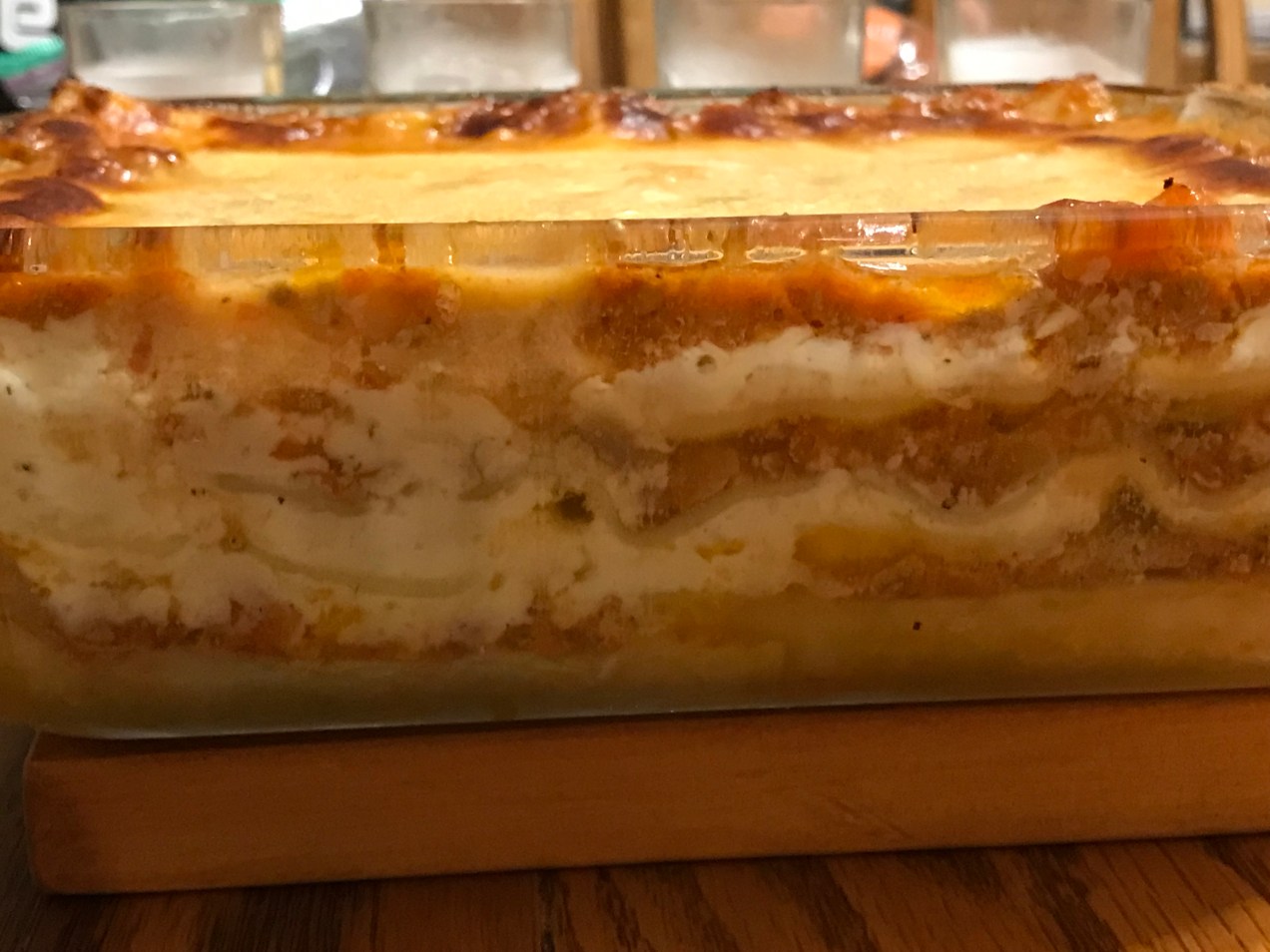
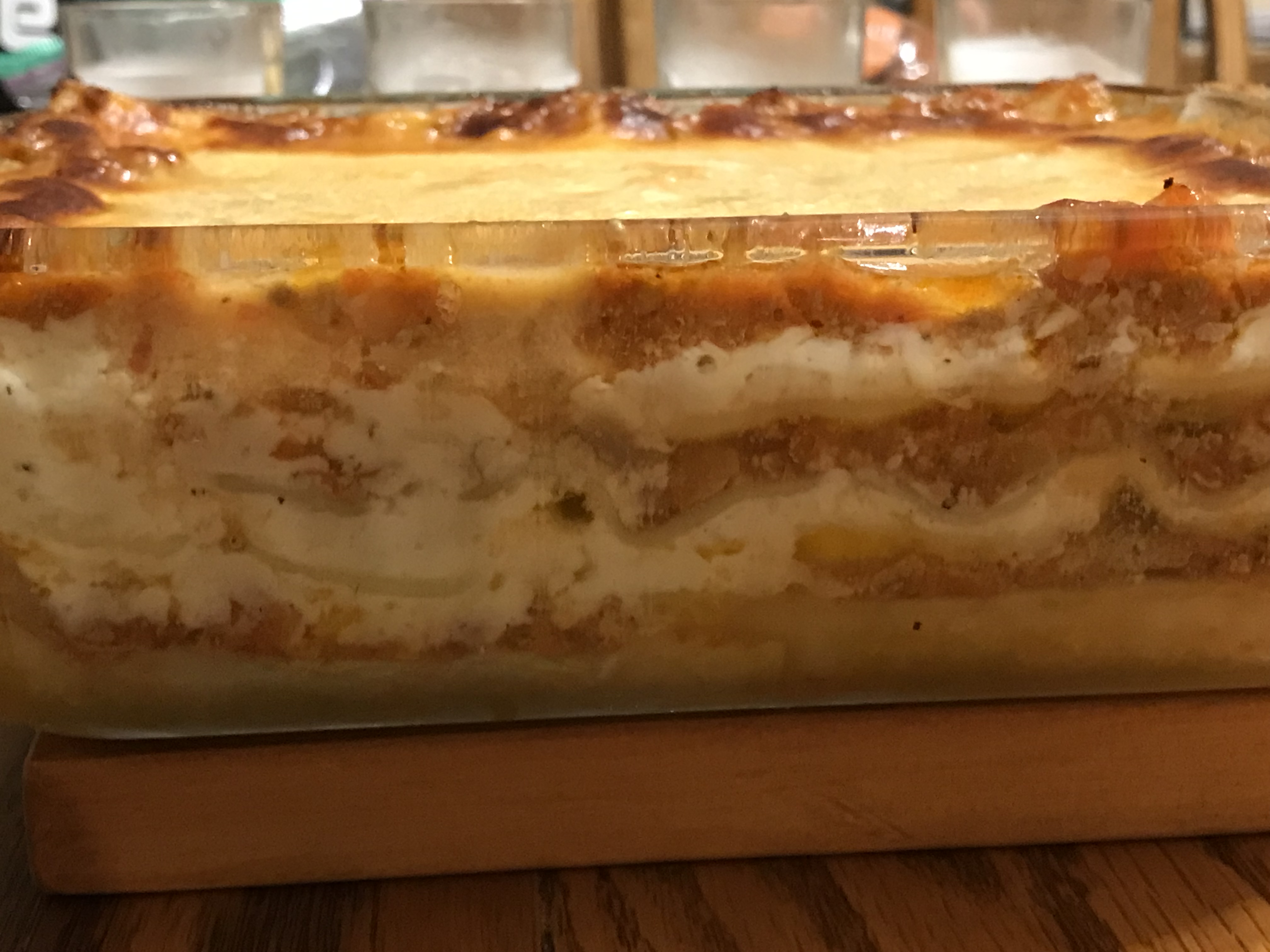
Side view, showing the layers
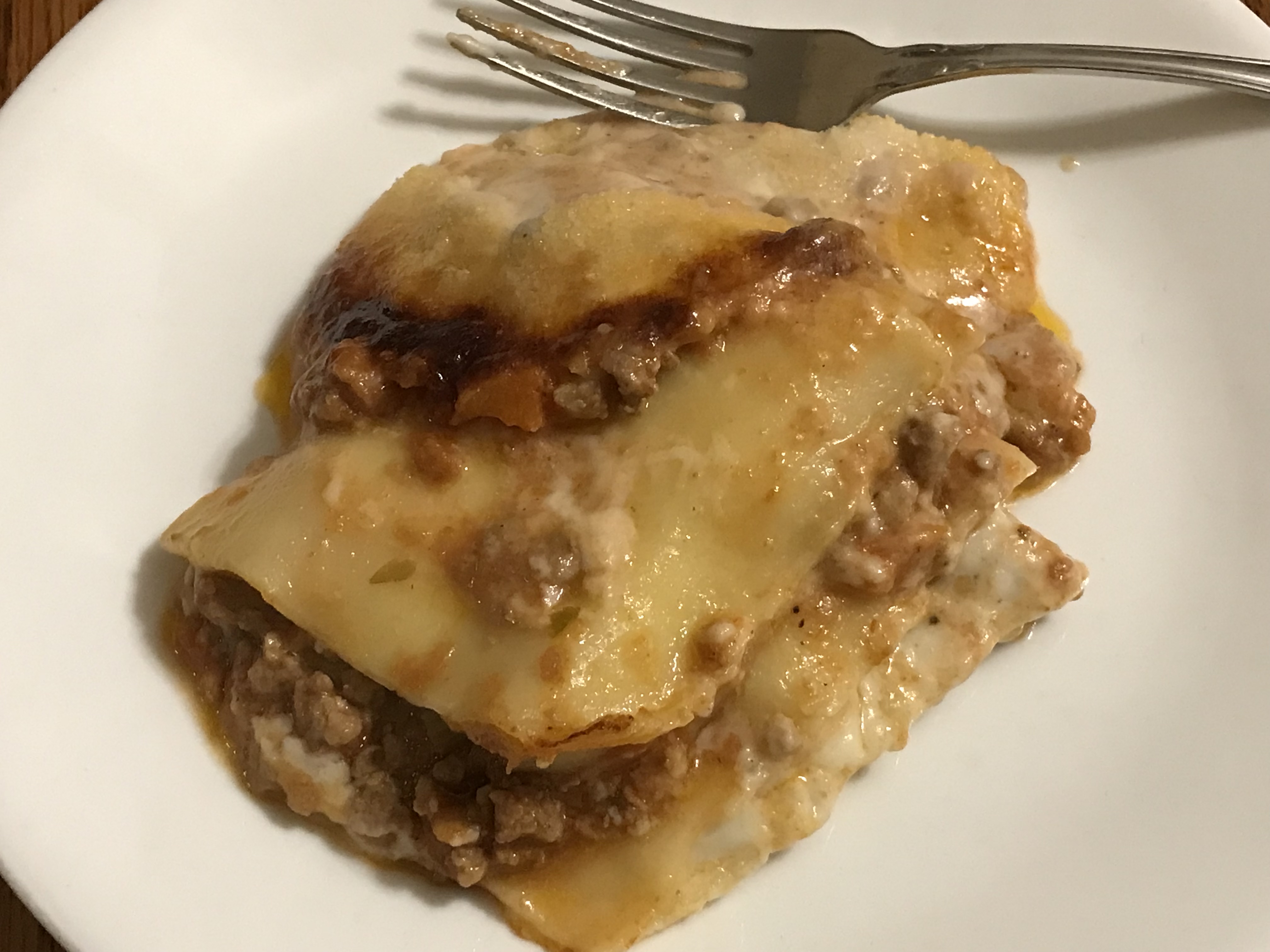
I didn’t have fresh spinach pasta or the time to make it, so I used store-bought fresh pasta sheets, pre-cooked before layering in the dish. Since the pasta and both sauces are already cooked, the lasagna only needs to be baked until it’s heated through and the parmesan is browned. With more meat, less tomato, and bechamel in place of most of the cheese, it was a tasty change of pace from my usual “Midwest potluck” recipe.
That said, I still prefer the Italian-American “red sauce” version. The pasta has more of an “al dente” texture, and having two cheeses is better than having just one. It does take at least an hour to bake, but this isn’t active time. But that’s just my personal preference, and the Bologna variation was good. And like all varieties of lasagna, it reheats well. The leftovers provided several enjoyable lunches.
If you enjoyed this post, subscribe to get new contents by email! It’s free, and you can unsubscribe at any time.
Most people enjoy hot chocolate, especially when it’s cold outside. Today, good quality mix is affordable and widely available, but when they were first invented, chocolate drinks were a luxury. Chocolate was first discovered in Central America. The Maya loved it, and the Aztecs traded for cocoa beans, which didn’t grow in their homeland near modern Mexico City. Cocoa beans were even used as currency. Counterfeit beans made of clay were frequently a problem, which demonstrates just how valuable chocolate was. Because it was labor-intensive to grow and process, Mesoamerican chocolate was a drink for the rich.
The chocolate that Pre-Columbian kings and nobles drank was very different from chocolate today. Typically, it was cold and bitter. Mesoamericans often flavored the chocolate with flowers, vanilla, or even chilies, but rarely sweetened it. They didn’t have sugar, but why they didn’t utilize other sweeteners is a mystery. Maybe it was just a matter of taste. What they did do was pour the chocolate between two cups before serving, to create a nice foam.
Advertisements
Exactly why the Maya, Aztecs, and other native groups went crazy for unsweetened chocolate is unclear, but maybe they appreciated its fat content enough to overcome the bitter taste. Maybe they liked the caffeine content and eventually got used to the flavor. Or maybe it was chocolate’s reputation as an aphrodisiac. Regardless, the Aztecs were importing and collecting massive quantities of cocoa beans as tribute when the Spanish showed up.
At first, the Spanish couldn’t understand what all the fuss was about. Many thought it was dangerous, that it caused leprosy, or that it would make their beards fall out. Soon some of them decided to risk it, probably because of its alleged aphrodisiac qualities. Eventually, they began adding sugar and milk, removing the chili peppers, adding spices like cinnamon, and serving it hot. Once the recipe was adjusted, chocolate was brought from Mexico to Spain, then the rest of Europe. Until the 19th Century, there was no chocolate candy. It was always a drink.
Advertisements
Mexican hot chocolate can be thought of as an example of “fusion cuisine,” from long before the term was coined. Cocoa beans and the vanilla often used to as a flavoring are native to Mesoamerica. Europeans introduced sugar and dairy cattle to the Americas. They also brought cinnamon, the other main flavoring, which originated in Asia.
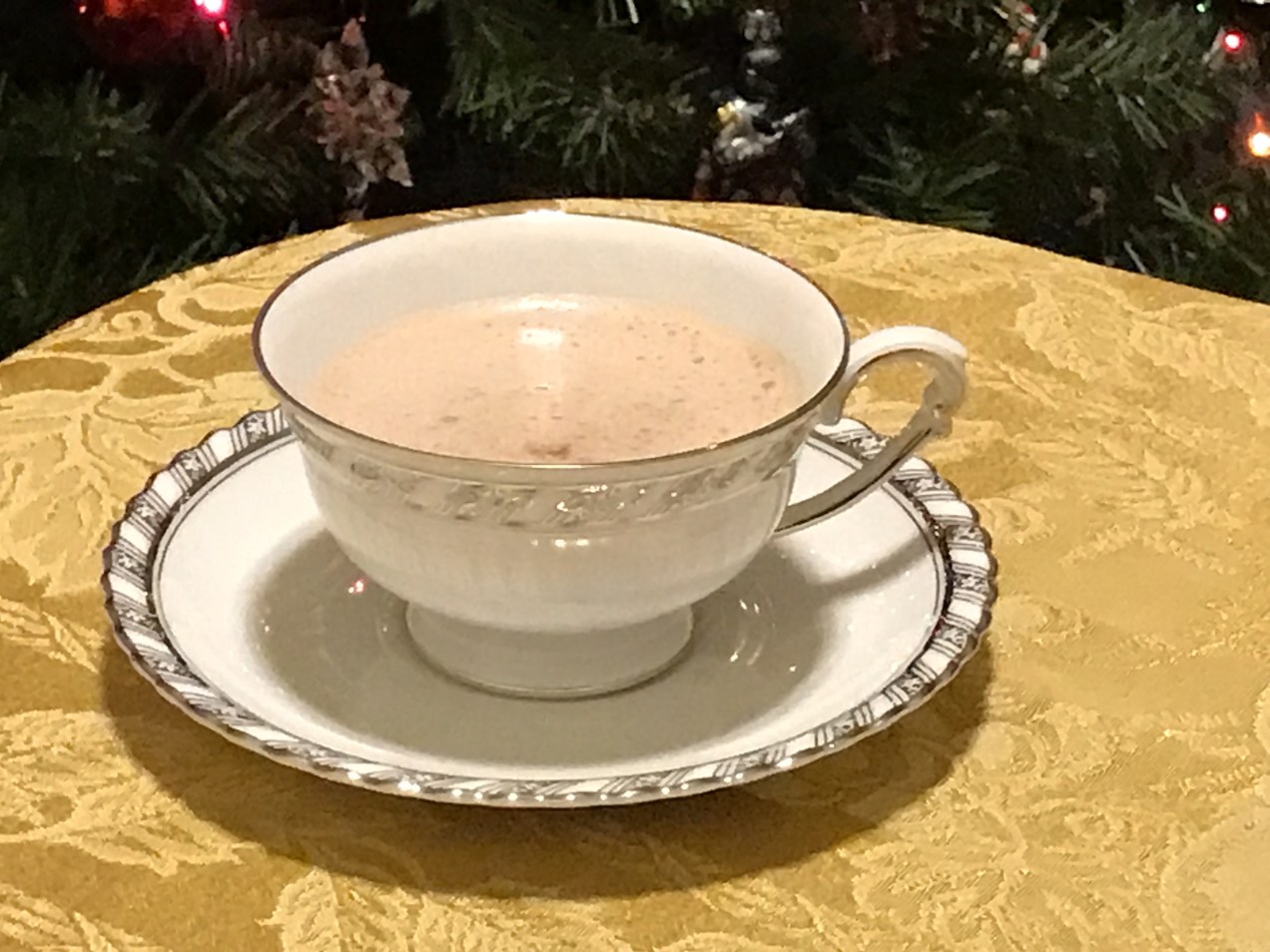
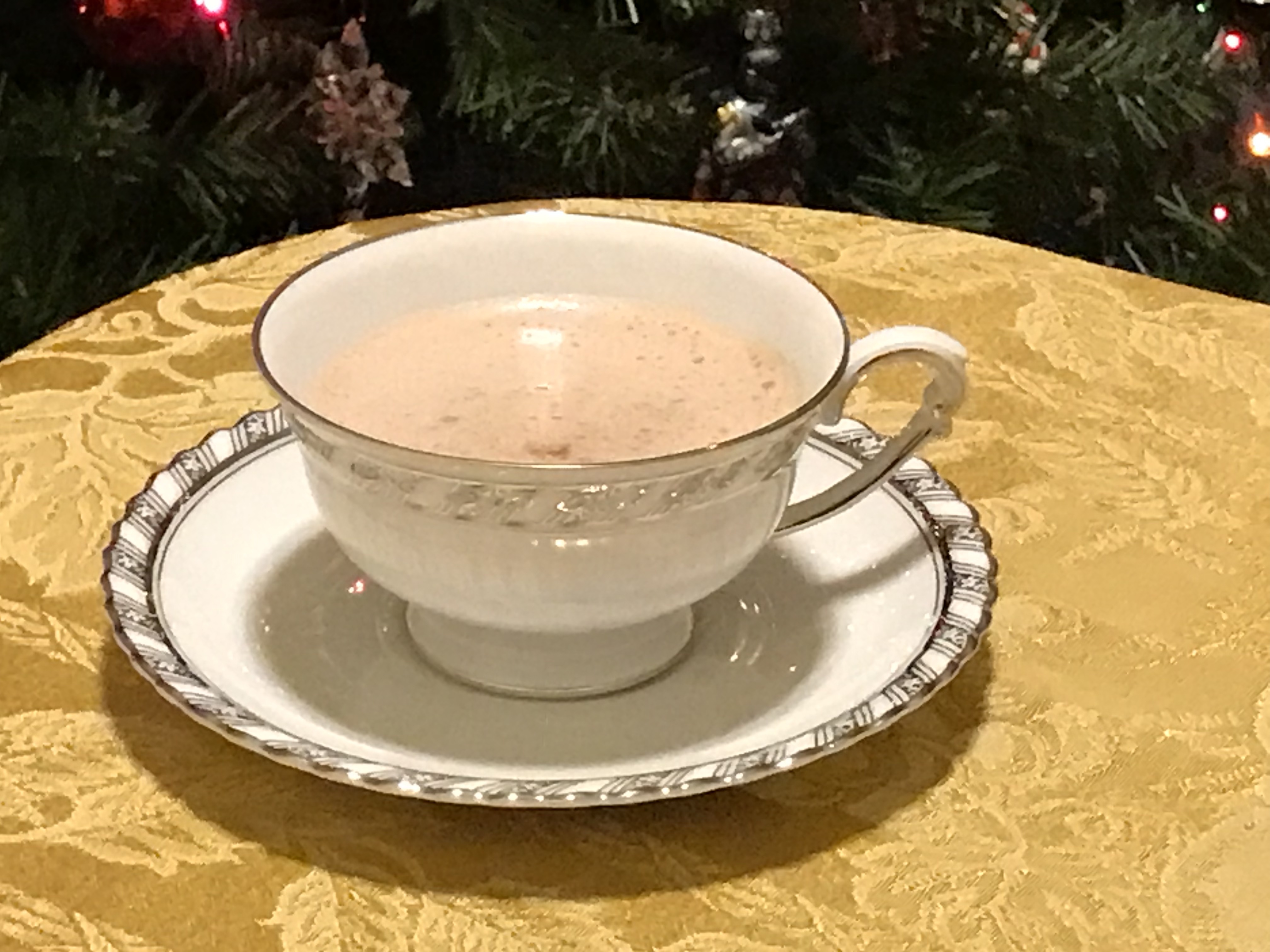
One of the best-known Mexican hot chocolate brands is Ibarra. I was able to find it at a local Mexican grocery. Each container has multiple solid tablets, which each make four servings. They are sort of like baking chocolate, but grittier from sugar crystals spread through the mix. It’s super easy to make. Just add the tablet and some milk in a saucepan, and heat until the chocolate is melted and the mixture steams. Constant whisking helps prevent scorching and makes it frothy. Using an immersion blender after cooking adds extra froth.
Using chocolate tablets instead of cocoa powder gave the hot chocolate a smooth, creamy texture, but it was a little on the sweet side. This is easy enough to remedy by adding an extra cup of milk and adding a square of bittersweet baking chocolate. The cinnamon flavor wasn’t very strong, but that might be due to the type of cinnamon in question. In the US and Canada, cassia cinnamon is the default, but in Latin America, it’s Ceylon or “soft stick” cinnamon. Since I was looking for the stronger flavor of cassia cinnamon, I might have missed it. Regardless, it was an excellent winter drink.
To make it, here’s what you need:
5 cups milk (I used 2%)
1 Ibarra hot chocolate tablet
1 square (1/2 oz) bittersweet baking chocolate
And here’s what you do:
Heat the milk and chocolates in a saucepan on medium heat, whisking constantly to fully blend the ingredients and prevent scorching.
When the mixture steams, remove from heat and either whisk vigorously or use an immersion blender to make it foamy.
Ladle the mixture into cups and serve, making sure each cup has some foam.
Risotto comes in many varieties. I’ve already made four of them as part of menus in A Cook’s Tour of Italy, and there are several more in 1000 Foods to Eat Before You Die. This particular version comes from the Friuli region near Venice. Close to the borders with Austria and Slovenia, Friuli was even controlled by Austria for much of the 18th and 19th Centuries. During this time, and from large-scale trade before and after, a number of Germanic dishes worked their way into the cuisine of northeastern Italy. Sauerkraut is found across the region, and in Trentino-Alto-Adige, apple strudel is a local specialty. The transfer went in the other direction, too, with Italian influences reaching Vienna and beyond.
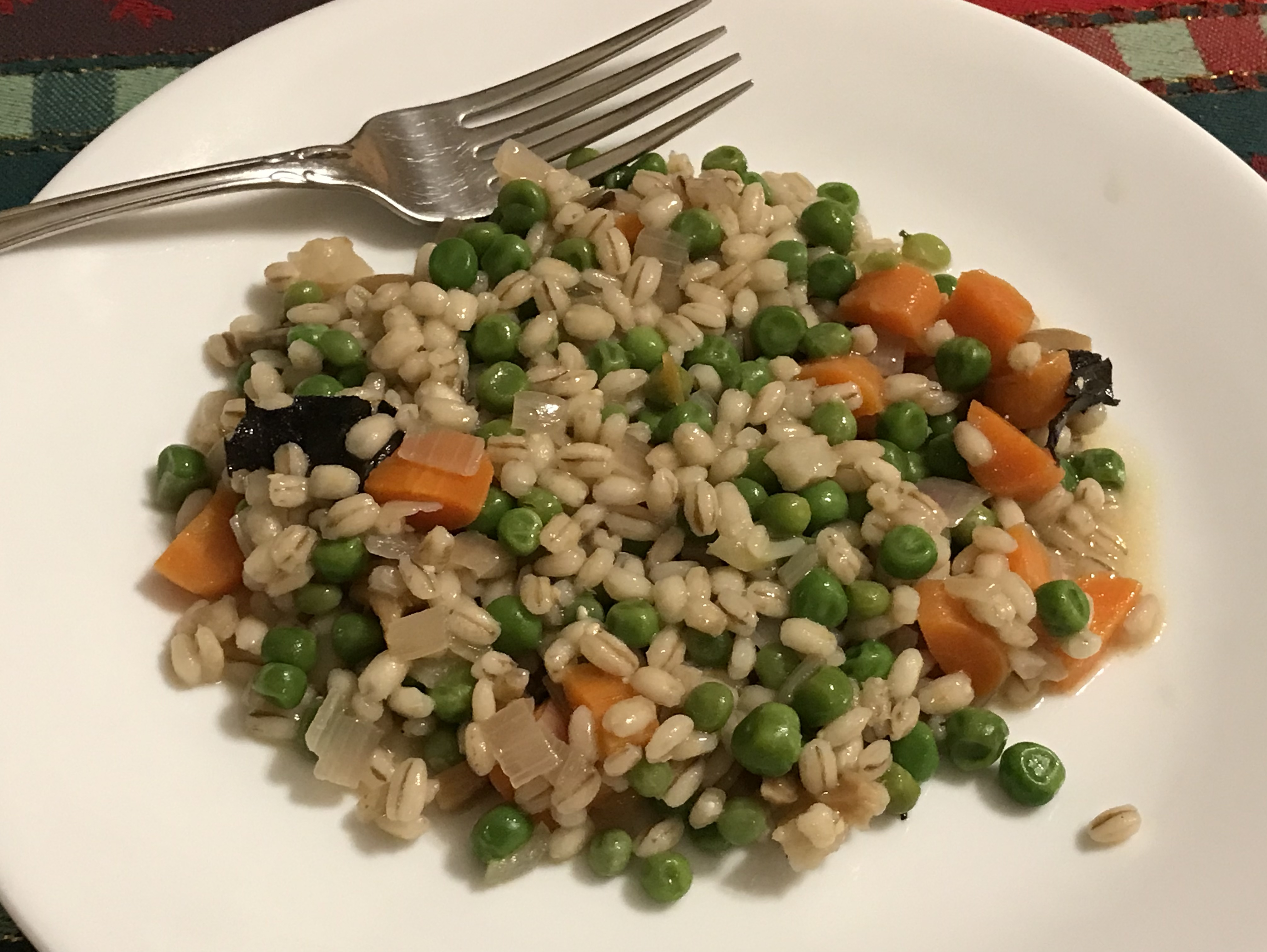
Instead of using rice, a risotto-type dish is made in Friuli with barley, or orzo, hence the name. Exactly why barley replaces rice is unclear, but it seemed like an interesting variation. Since store-bought pancetta is somewhat pricey, I made my own with side pork and kosher salt, curing in the fridge for two days. Bacon is a decent substitute, but its smoked flavor is noticeably different. After sautéing the chopped pancetta with butter and shallots, the barley is added. Like with risotto rice, it soaks up the broth, which is added bit by bit. Constant stirring rubs starch off the barley grains and mixes it into the broth, creating a creamy texture. Vegetables can also be added. I used carrots, dried mushrooms, and frozen peas, all of which are consistently good over the winter. Other options might include asparagus in spring or zucchini in summer. A bit of local parmesan cheese, grated in at the last minute, finished everything perfectly.
Advertisements
The barley gave the orzotto a fascinating texture and flavor. It was chewier than rice and had a bit more flavor, but wasn’t overpowering. All the flavors were in balance except for the salt, which was, as in the caldo Gallego, a bit strong. Interestingly enough, I made the two recipes on the same day, ready for the next week’s lunches and weeknight dinners. Unlike the soup, I do know where the extra salt in the orzotto came from – the homemade pancetta. Not realizing how much salt the pork strips had absorbed, I didn’t even think to wipe the extra off the outside. With low-sodium broth and no added salt, I thought the balance would be right. It was still very good, and I have everything to make another batch except shallots.
When people think of Spanish cuisine, chances are they think of paella, gazpacho, and tapas. Deeper thought might recall acorn-fed ham, chorizo, olla podrida, and bitter “Seville” oranges, or other typically “Mediterranean” foods. But these dishes are not the whole story. Like France and Italy (and the US, China, and probably any other decent-sized country), Spain has its own regional climates and cuisines. Galicia, in the northwest corner, is one such region. Like neighboring Asturias to the east, Galicia has a cooler climate and more rain than the rest of the country. Like Normandy in some ways, the land is favorable for cattle raising and apple trees, there is enough rain to successfully grow corn, and seafood is widely available. An excellent description of Spanish regional cuisine can be found in Claudia Roden’s The Food of Spain.
Advertisements
Galicia and Asturias were populated with Celtic-speaking peoples at some point in the last few centuries BC. It’s unclear what language the previous inhabitants spoke, and how much they intermarried and assimilated with the newcomers, but the region retained its Celtic character for centuries. Greek and Phoenician trading colonies were mainly in the south and east, and when Hannibal’s father and brother conquered much of the country in the late 3rd Century BC, they too focused on these areas. The Romans conquered the Carthaginian holdings in Spain soon after, but wasn’t until the 1st Century AD, almost 300 years later, that they fully controlled Galicia. As the Western Roman Empire fell apart, the Visigoths came to control the old Roman province. In the early 8th Century, Muslim armies from North Africa captured most of Iberia, but most of Asturias remained independent, and Galicia was reconquered quickly. The Reconquista originated in these regions, and they retained their unique culture.
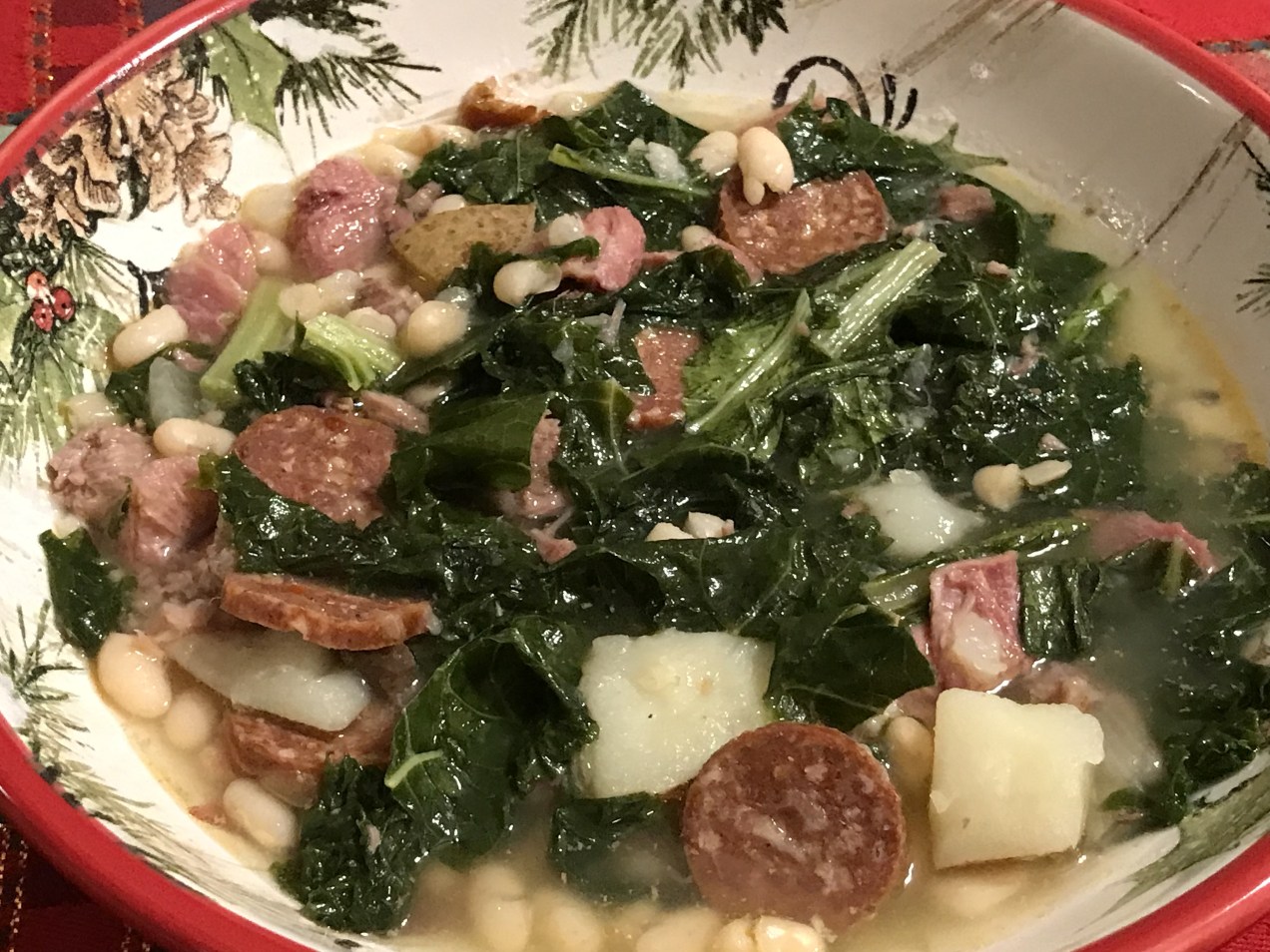
Hilly, mountainous terrain made these regions harder to conquer, but could also make life harder for the average resident. Historically, most of the population was required by economic necessity to eat a largely vegetarian diet. Except for feast days and other special occasions, meat was usually a flavoring as much as a source of protein. Across Spain, there are a variety of slow-cooked soups and stews, where cured pork products flavor vegetables and beans. In caldo Gallego, which translates as “Galician soup/stew,” chorizo and salty smoked pork are the meats, while beans add more protein and onions more flavor. The vegetables are potatoes and a kale-type cabbage. In other words, a good choice for eating healthy in the winter.
Advertisements
To make it, I first simmered some smoked ham shanks to tenderize and extract some of their flavor. After removing the meat and putting it back in the pot, I added the beans, onions, and chorizo nuggets. When the beans were almost done, I added the potatoes, then, at the last minute, kale and turnip greens. Everything was cooked properly, nothing was overdone, and the flavors blended together well. The only thing I couldn’t understand was the level of salt. Neither the ham nor the chorizo was that salty, and I didn’t add any extra. Was pre-soaking the beans in salted water to blame? Maybe I added more salt to the soaking water than I thought, or was supposed to rinse the beans. The stew was still good, and historically most winter dishes would have been salty from using preserved ingredients, but next time, I’ll be more careful and remember to rinse the beans.
If you wish to make this yourself, here is the recipe I developed. You’ll need:
1 package smoked ham shanks (2 pieces)
8 oz dry Spanish-style chorizo, sliced
8 oz dried white beans (navy or great northern), soaked overnight in water to cover with 1 tsp salt and drained
2 yellow onions, coarsely chopped
2 medium potatoes (I used russets, but other varieties will work)
1 bunch kale, coarsely chopped
1 bunch turnip greens, coarsely chopped
And here is how to make it. The stew takes a few hours to cook, but most of that isn’t active time.
Place the ham shanks in a large pot, with just enough water to cover. Bring water to a boil, then simmer for about 1 hour, until the meat is falling off the bones.
Remove the ham shanks from the broth. When cool enough to handle, pull off and coarsely chop the meat, returning it to the pot. Discard the bones, but if you can extract the marrow, add that to the stew as well.
Add the chorizo, beans, and onions to the pot and cook for about an hour, until the beans are almost soft, stirring occasionally.
Cut the potatoes into roughly 1/2 inch cubes and add to the stew, cooking for 20 to 30 minutes, until tender. If they break down a bit, that’s fine, since this thickens the stew.
About 10 minutes before serving, add the kale and turnip greens. Once they’ve wilted and cooked down, the stew is ready.
Ladle the stew into bowls and serve with bread, if desired.
If you thought this was interesting or want more recipes, subscribe to get new content in your email. It’s free, it won’t cost you anything, you have nothing to lose, and did I mention it’s free? This is the first full recipe I’ve developed, but there will be many more to come.
Visions of sugarplums dance in children’s heads in The Night Before Christmas. The Sugarplum Fairy is one of the most, if not the most, famous character in The Nutcracker ballet. But many people don’t know what a sugarplum is, yet alone eaten one. To make things complicated, the word means different things in different countries. And to make things confusing, not all varieties contain plums. Some don’t even contain fruit.
Plums are sometimes candied in a sugar syrup, and they are beautiful to look at. Crystallized fruits seem to be especially popular in Italy and southern France, where anything from cherries and pears to melons, pineapple, and even pumpkin form lovely, jewel-like displays. Sugar has been used as a preservative for hundreds of years, allowing fruit to be kept for months after its usual season ends. This process works by pulling some of the water out of the fruit. Since bacteria need water to survive, candying (or salting, for that matter) can dramatically slow the rate of spoilage. Plus, humans are naturally inclined to enjoy sweet flavors. A few months back, I attempted to candy some plums from the local apple orchard, but they had softened too much after several days in the fridge and fell apart in the hot sugar syrup. Maybe next year.
Advertisements
On the other end of the spectrum, in British English, sugarplums were usually nuts or spices, covered in layer after layer of a hard sugar coating, often brightly colored. The price of the core ingredients, plus the time it took to build up all those layers, made these sugarplums an occasional treat, suitable for Christmas and other special occasions. The best modern example, although they are no longer called sugarplums, are Jordan almonds. Besides almonds, candied fennel, caraway, or coriander seeds were popular. As for why they were called sugarplums, supposedly it was because they were roughly the size of many dried fruits. All dried fruits were called plums at one time, even if they were actually figs or apricots. To make things even more confusing, sometimes sugarplums were a mix of chopped dried fruit and nuts, spiced and rolled in sugar.
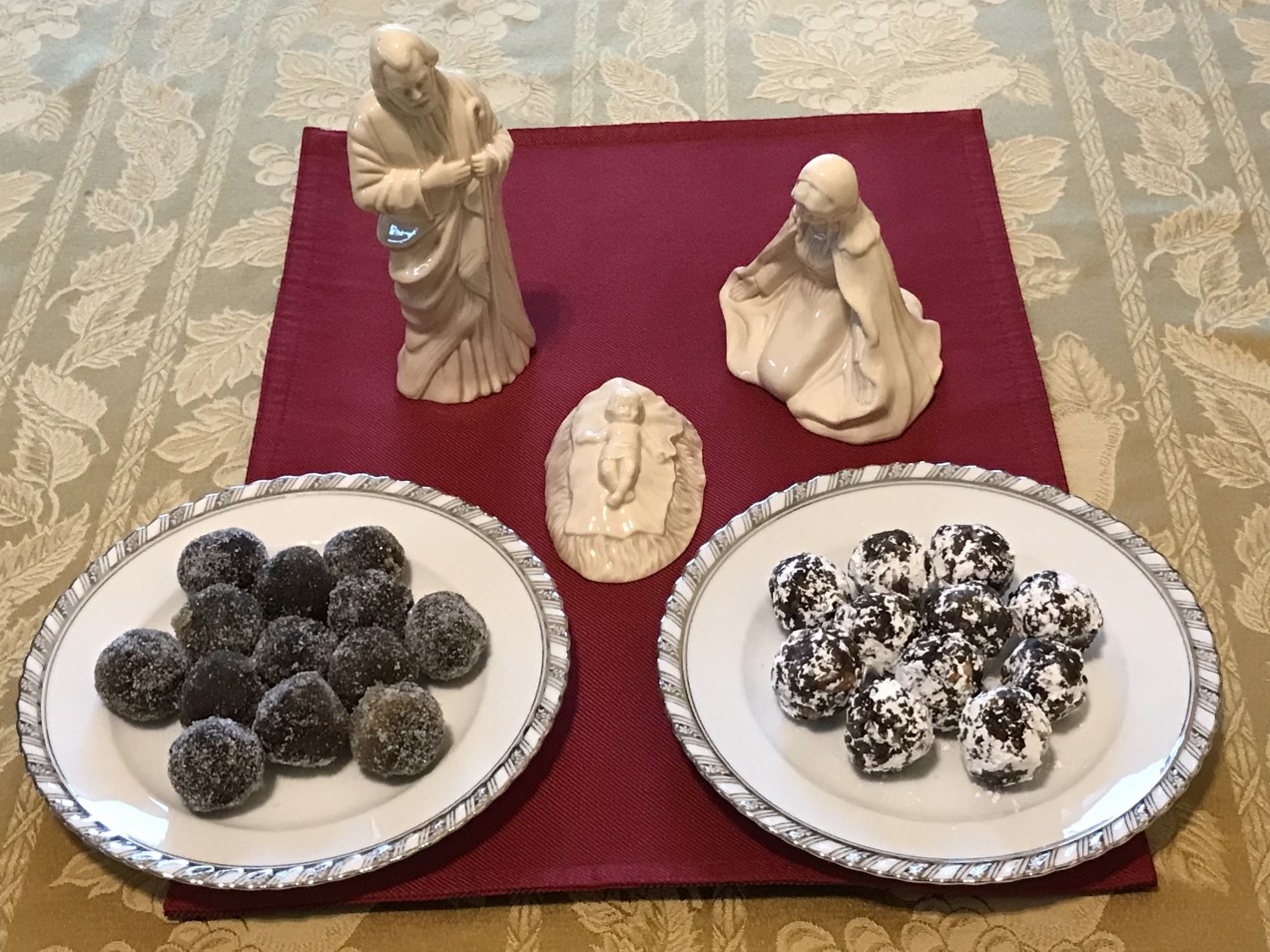
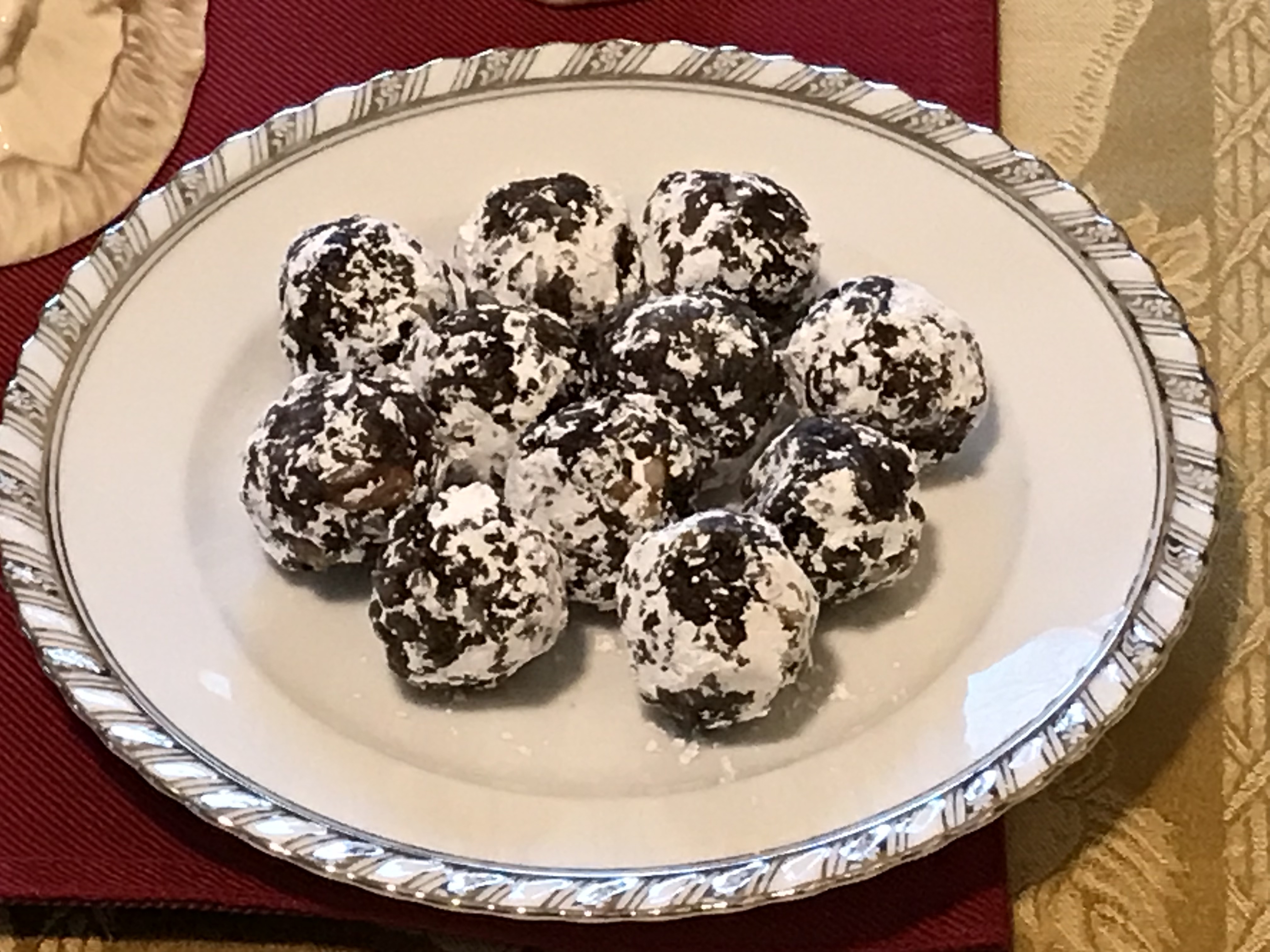
Portuguese sugarplums, or bombos de figo, are made with dried figs or prunes, which are dried plums. I used a mix of two thirds figs, one third prunes. The fruit is steamed to soften, ground up, and seasoned with cinnamon and cloves. A ball of this mixture is formed around a toasted almond, which takes the place of a pit. They are then rolled in sugar. According to the text, Byzantine sugarplums don’t contain plums. Usually, they have figs, dates, and raisins, chopped rather than ground. Walnuts and pistachios add more texture, and they are flavored with cinnamon and cloves, plus candied ginger and orange zest. These are rolled in powdered sugar for a snowball-like appearance.
Portuguese sugarplumsByzantine sugarplums
I made both varieties, and enjoyed them both. The dried fruit was nice and sweet without too much added sugar, and the spices made things interesting. The extra flavor from the ginger and orange zest, plus the chunky and chewy texture, gave the Byzantine variety a bit of an edge, but the toasted almond “pit” in the Portuguese variety was a nice touch. How much sugarplums were originally associated with Christmas is unclear. They may have been just a special-occasion treat in general. Regardless, the warm spices are perfect for this time of year.
If you liked this post, please subscribe! It’s free and you’ll receive an email whenever I create a new post. No cost, ensure that you’ll never miss a post, what do you have to lose?
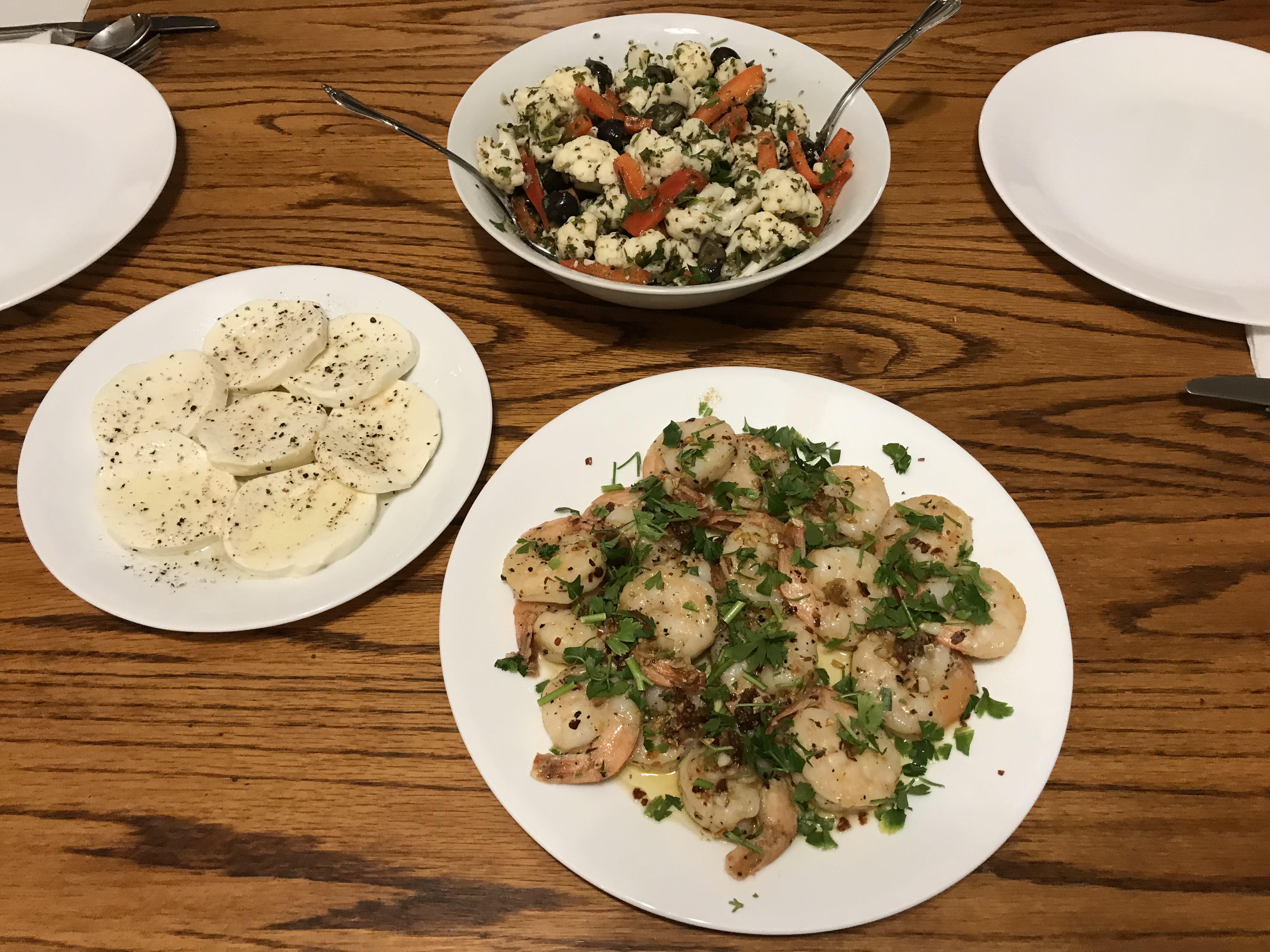
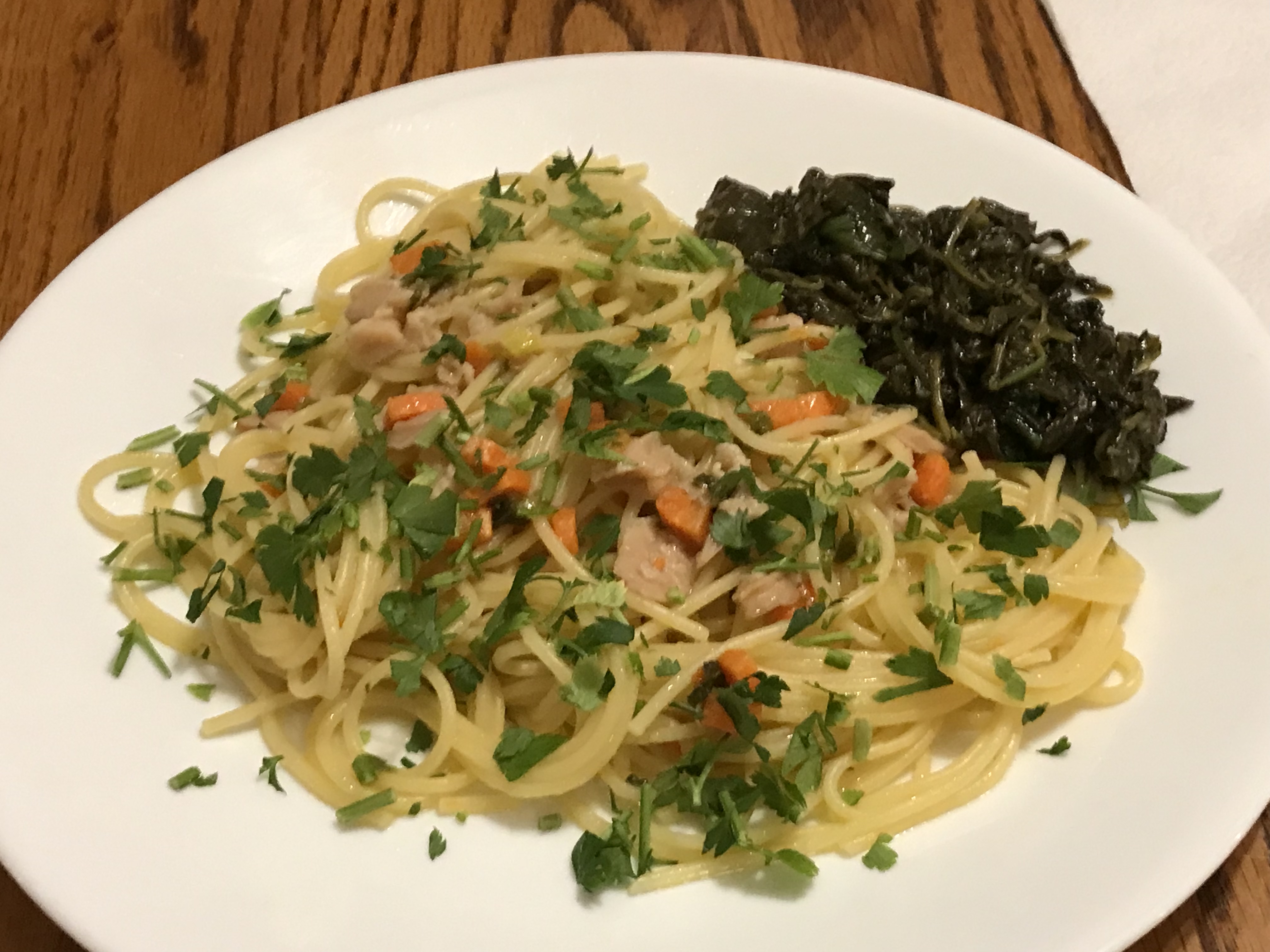
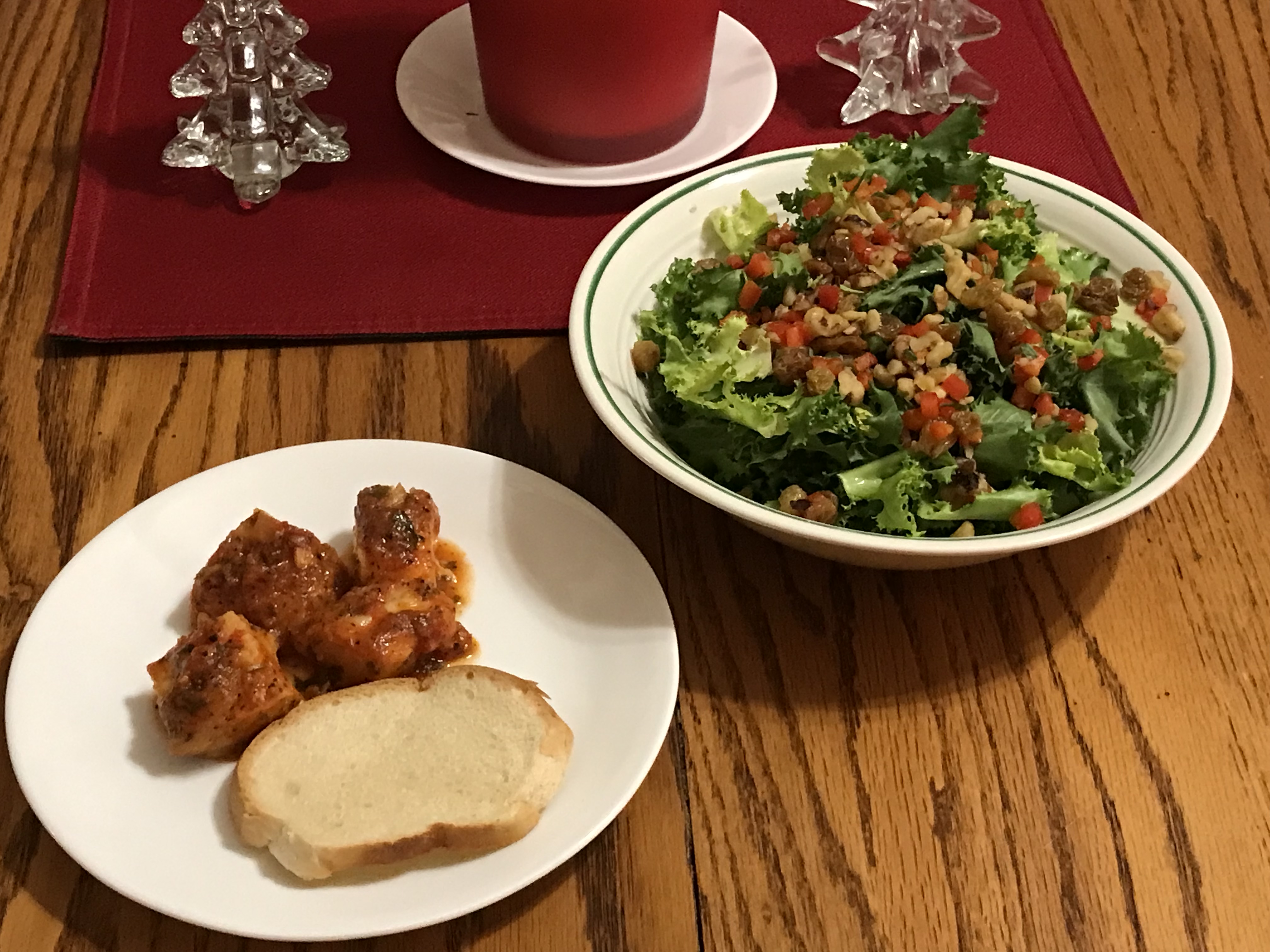
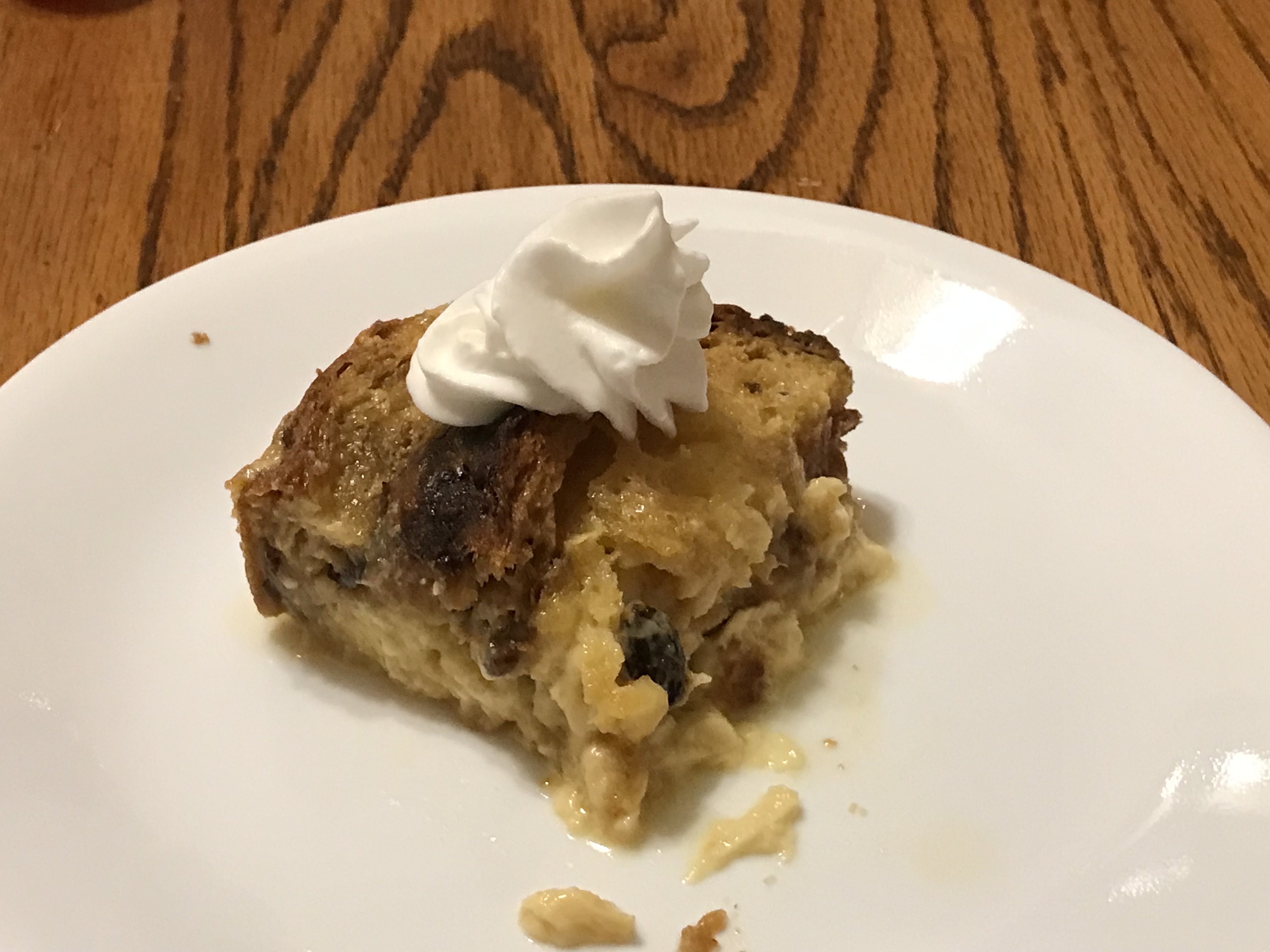
Menu: Seasoned Fresh Mozzarella, Peppery Shrimp 1-2-3, Neapolitan Cauliflower Salad, Spaghettini with Clams, Carrots, and Wine, Fish Filets Neapolitan Fishermen’s Style, Spinach with Oil and Lemon, Hearts of Escarole with Red Pepper Confetti, Panettone Bread Pudding
Recommended Wine: Capri or Sicilian dry white
Anywhere Christmas is celebrated, it is an occasion for feasting. Medieval Europeans loved a whole roasted boar with an apple in its mouth and hot spiced beer and wine. Gingerbread and other sweets were banquet treats in Elizabethan England, especially at Christmastime. Victorians liked roast beef, goose, or turkey, with plum pudding, mince pies, oranges, and nuts. In modern Australia, where Christmas is in the summer, holding a barbecue is popular. Exactly what people eat depends on personal preferences and cultural traditions, but the important thing is sharing it with loved ones.
In many places, including parts of Italy, the biggest feast is on Christmas Eve. This is interesting, because at one time, people fasted during Advent. There would be a simple meatless meal on Christmas Eve, people would go to midnight mass, then on Christmas Day enjoy eating lots of meat after a month of abstaining. Over time, the Christmas Eve meal became more elaborate. Eventually, in the area around Naples, it became the Feast of the Seven Fishes, supposedly for the seven sacraments. In some cases, it would even be twelve, for the twelve Apostles. To make things more complicated, the seven (or twelve) types of fish had to be in different dishes. A soup or salad with multiple varieties could only count as one dish.
To make everything easier to cook and eat, Mr. Famularo reduces the number of seafood dishes to three. This could be for the Trinity (text, pg. 198), but regardless, three “fishes,” plus all the other dishes in the menu, were a big enough challenge. The cauliflower salad could be made ahead of time, ingredients could be prepared, and the bread pudding assembled and left to soak up the custard, but a lot of last-minute prep was unavoidable. To make things easier, I split things up and made the fish filets and escarole salad on a second night.
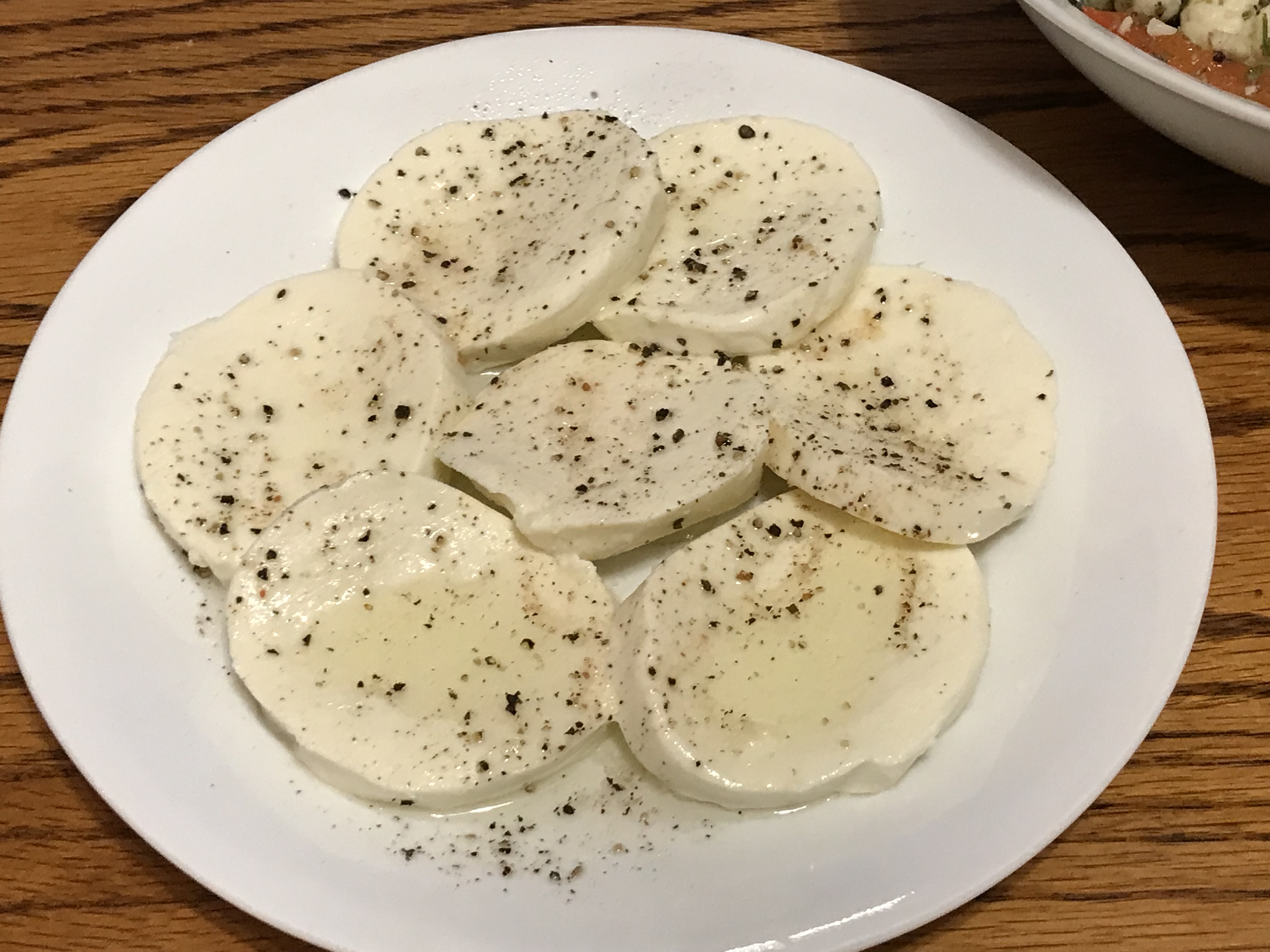
The first dish was composed of fresh mozzarella slices, sprinkled with olive oil and black pepper. Ideally, the cheese would be provolone burrinos, which have a piece of butter in the center. Since there is no Italian deli or food store near me that stocks them, I used the suggested alternative. The best fresh mozzarella in Italy is made from water buffalo milk (mozzarella di bufala), though cow’s milk varieties seem to have always been common. Some historians think the water buffalo was introduced to Italy by the Goths in the 5th and 6th Centuries AD. The technique of stretching the curds in hot water to produce mozzarella’s characteristic chewy texture appears to have been developed at some point after that. A few factories near me produce high quality fresh mozzarella, and you can even buy it ready-sliced in a log. The oil and pepper added some extra flavor, but even on its own, it was delicious.
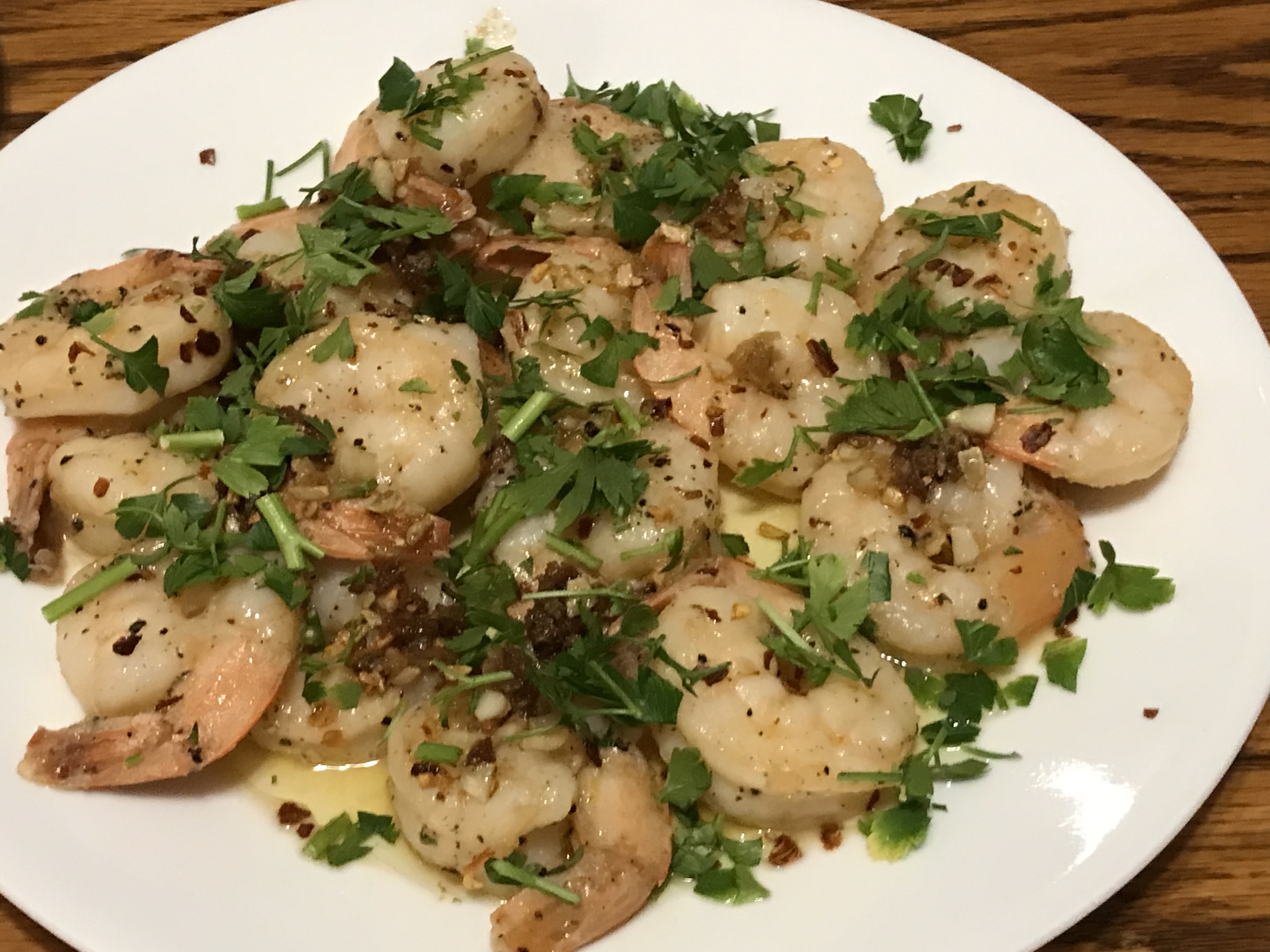
Success continued with the shrimp. What was unusual was that red pepper flakes were only sprinkled over it after it was sauteed. The oil was kept on the stove to briefly cook the garlic, just enough to add color before the garlic oil was sprinkled over the dish. It was interesting to add the seasonings after the shrimp was finished cooking, but it kept the pepper and garlic from scorching or darkening. A sprinkle of green parsley contrasted nicely with the red pepper.
The cauliflower salad was definitely different, but tasted great. Another great thing about it is that it can, and for the best flavor should, be made a day ahead. Cauliflower is firm enough not to get soggy when marinating and soaking up the flavor from the dressing. I wouldn’t have thought of cauliflower as a salad vegetable, but it worked beautifully.
The second fish, the thin spaghetti with clams and carrots, was not such a success. While I hadn’t cared for the steamed clams in the Liguria/Portofino seaside menu, I had enjoyed chopped clams in a tomato-clam sauce in one of the Venetian menus, so I expected this would be similar. It wasn’t bad, but I still didn’t enjoy its strong fishy flavor. Tomato sauce had helped balance it, but there was no tomato in this recipe. Fortunately, Mr. Famularo does not follow a strict “no combining seafood and dairy” rule common in Italian cuisine, since some extra parmesan cheese made the pasta almost good. Good enough to eat the leftovers, in fact, but not good enough to make again.
The spinach was less edible. Part of the issue was that I was too cheap to buy fresh spinach in December and used frozen instead. That one was on me. But there was another issue. After cooking, the spinach got its addition of lemon juice. The problem is that the color and texture of some foods are affected by the pH of the dish, or how acidic it is. Bases are the opposite of acids. When green vegetables are cooked with a base, usually baking soda, their color stays especially green. Cooking them with an acid turns them an unappealing brown color, though their texture is unaffected. Lemon juice is highly acidic, and adding it after cooking didn’t help. The spinach immediately changed color, and using frozen instead of fresh did affect the texture, creating a gross-looking brown sludge. Maybe using fresh spinach is the key, since this is supposedly one of the favorite ways to cook spinach in Italy (text, pg. 202). The taste was ok, but the texture and appearance of this dish made it hard to eat.
I had better luck with the fish filets and salad. Due to time constraints, those were made on a second night. The fish was eaten with a tomato-garlic-herb sauce. I wouldn’t have thought of using it with seafood, but the flavors worked together well. The escarole in the salad was a little bitter, but balanced with diced red pepper “confetti,” golden raisins, walnuts (replacement for pine nuts), and capers.
People have been making bread pudding for hundreds of years. Along with toasting, soaking stale bread with eggs is a great way to revive it. This particular variety, made with sweet, eggy panettone, soaked in a honey syrup and a creamy custard, was particularly rich. Panettone was originally from Milan, and is now a Christmas staple across Italy. Making a bread pudding was a unique way to include it in the menu. The cooking time was a lot longer than the recipe said, but dessert was worth the wait.
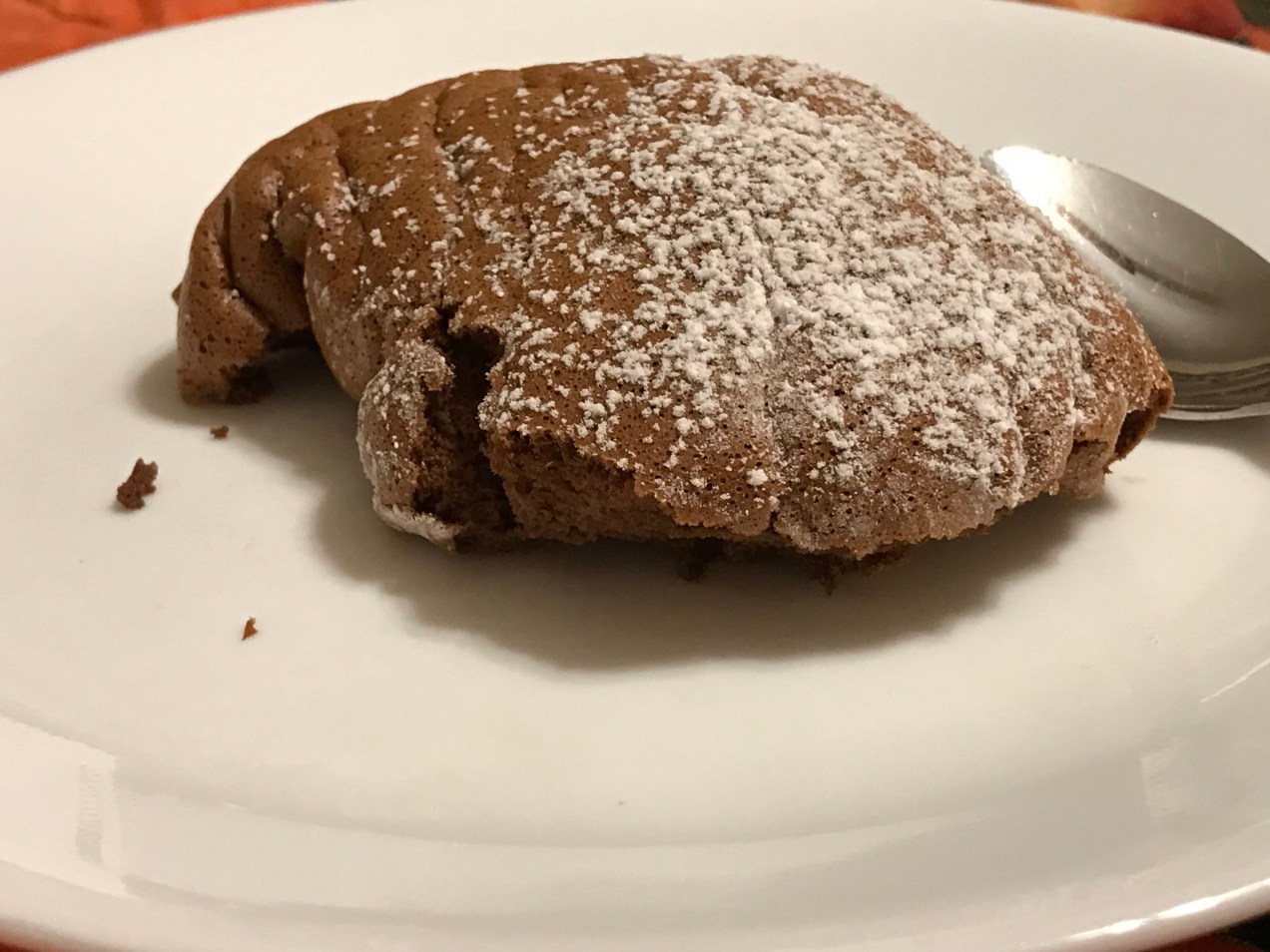
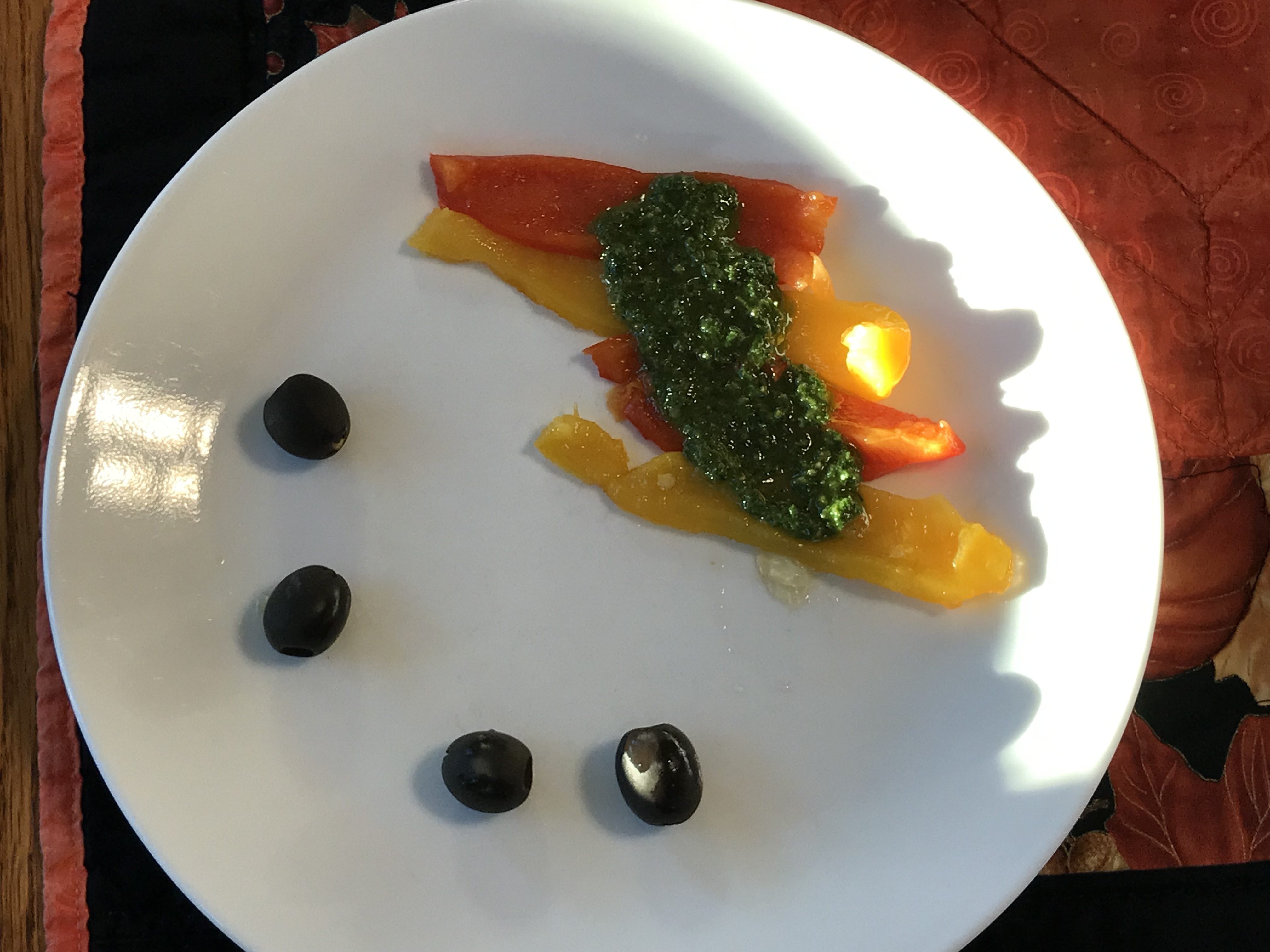
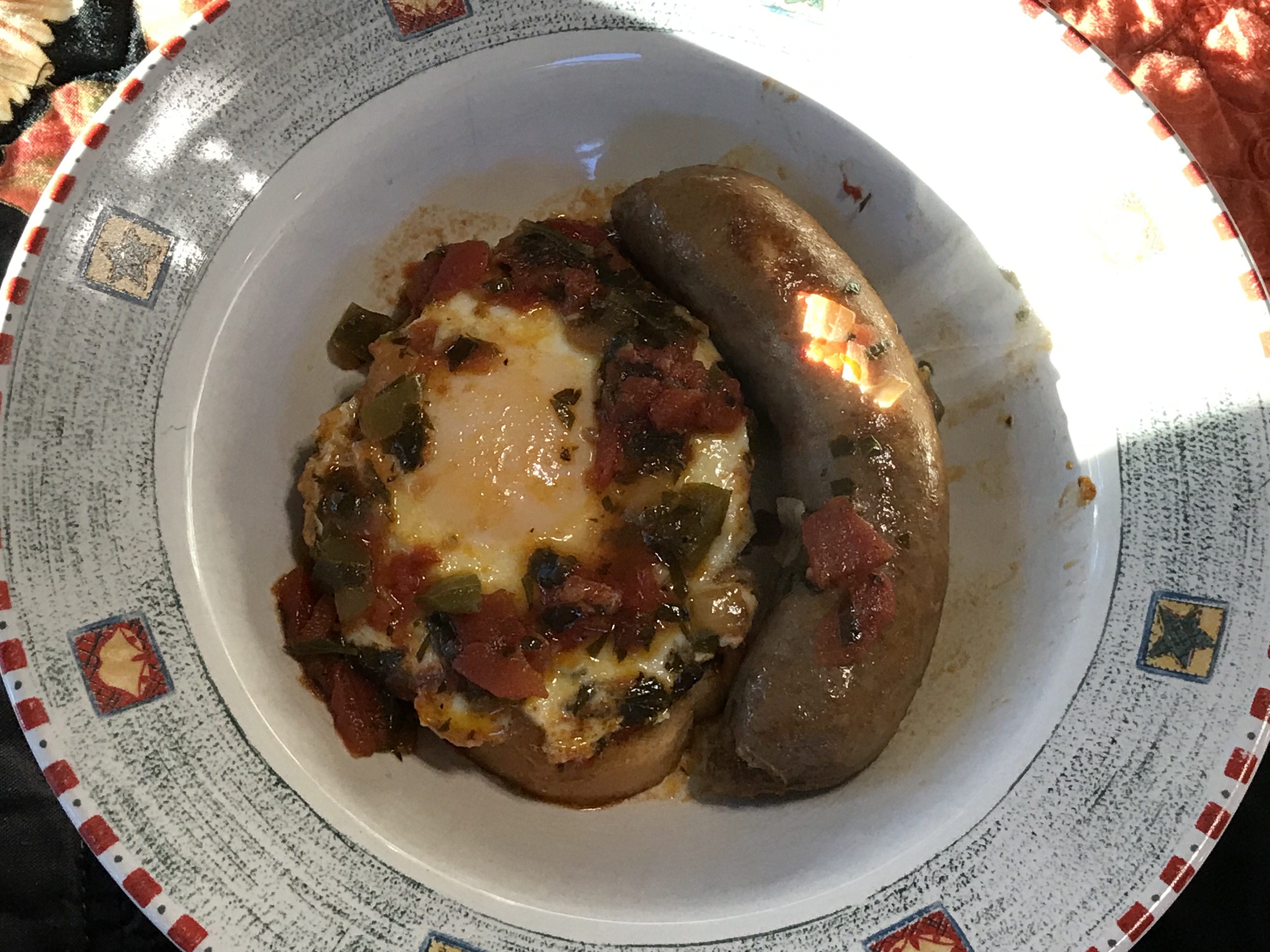
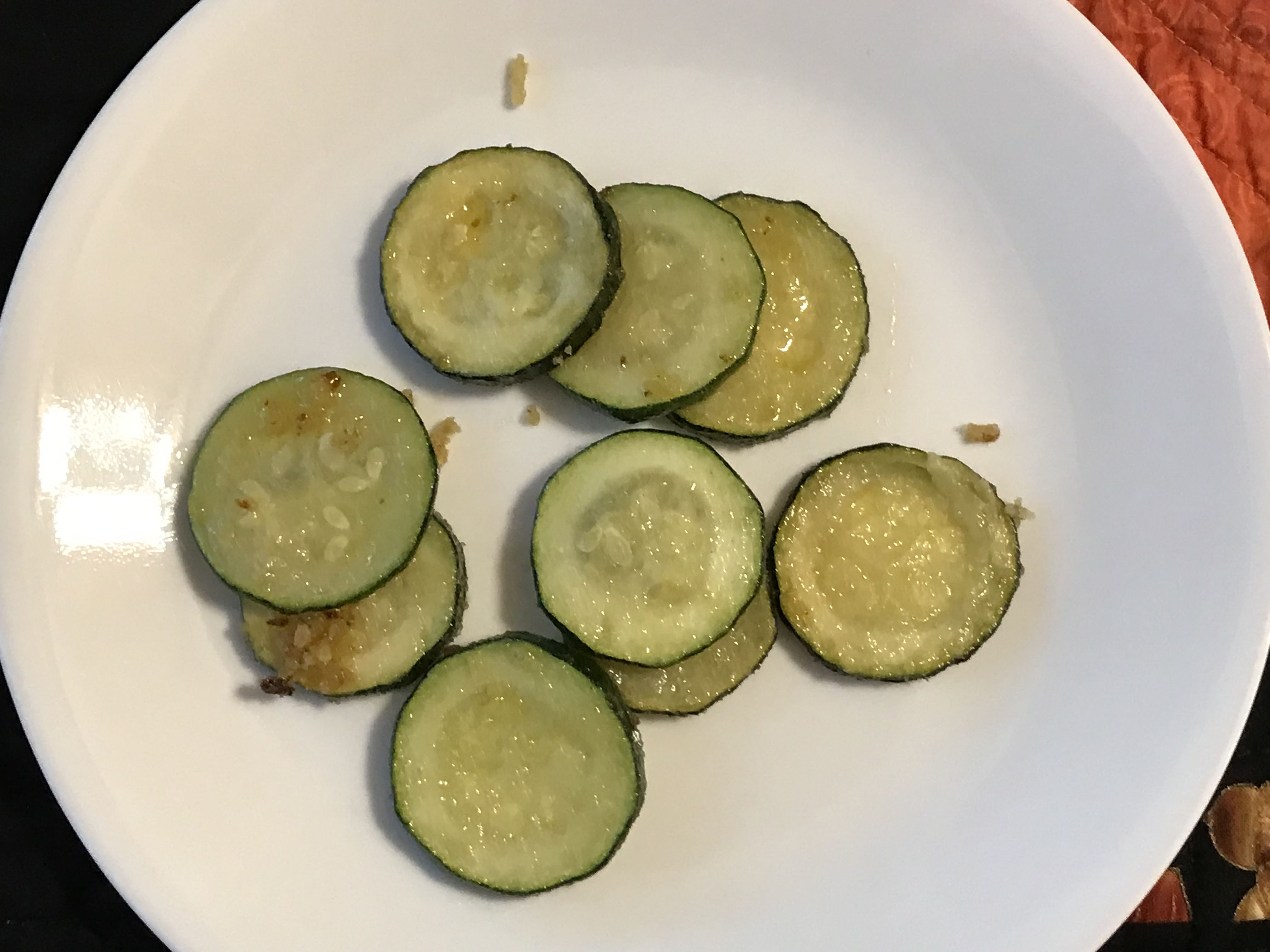
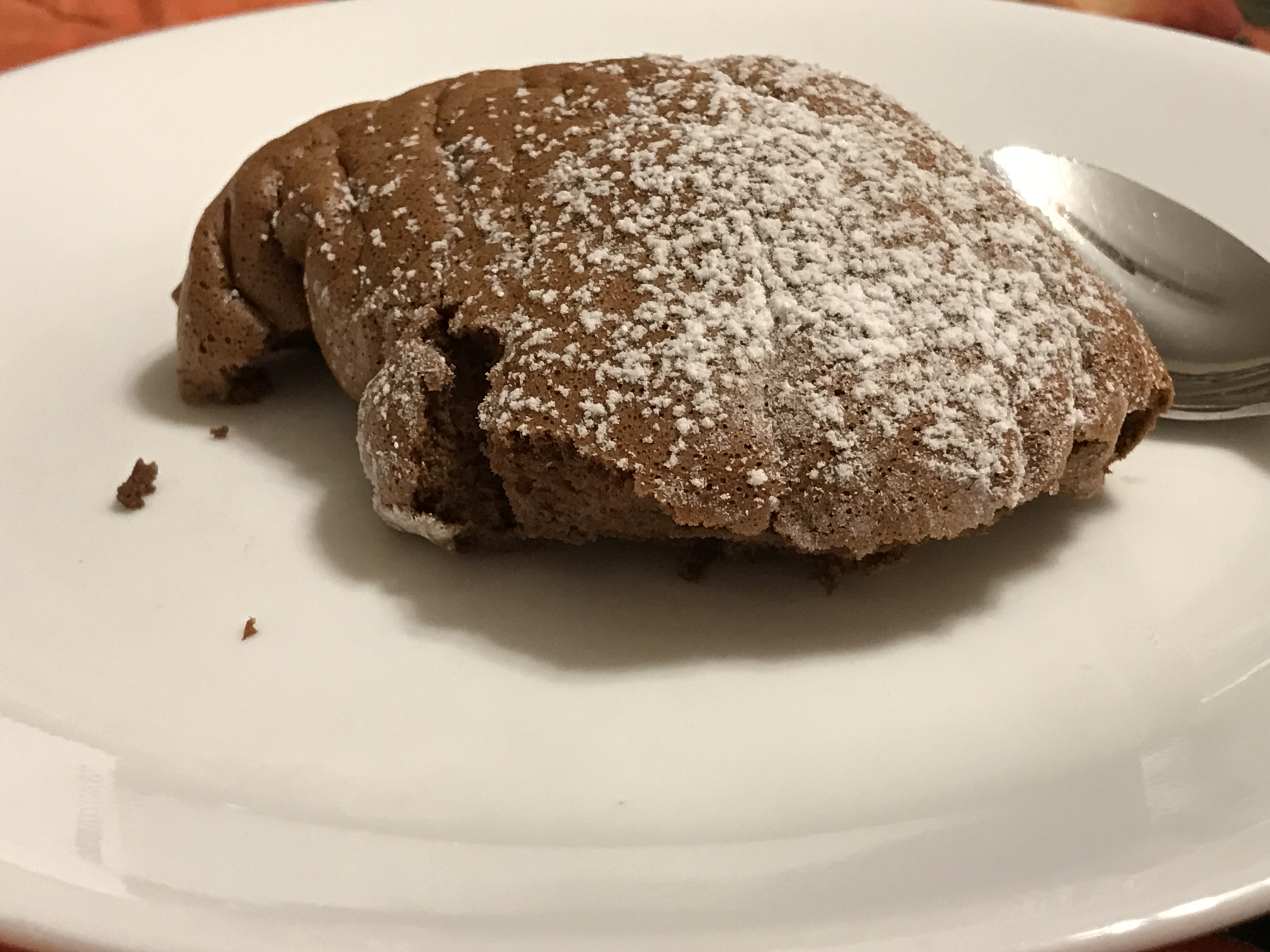
Menu: Grilled Peppers in Anchovy Sauce with Roasted Olives, Eggs in Purgatory with Grilled Sausages, Fried Zucchini Slices, Chocolate Souffle with Fig Preserves
Like tomatoes and potatoes, peppers originated in the Americas. Europeans distrusted them at first, preferring to use them as decorative plants instead of as food. The reason seems to be that peppers are part of the nightshade family, which has several deadly members, but eventually, either through necessity or curiosity, sweet bell peppers became popular around the Mediterranean. Hot peppers had better luck in Africa and Asia. One popular way of preparing them is by grilling or roasting.
An interesting addition to the roasted peppers is an anchovy sauce. While anchovies are often viewed as “gross” in much of America, they have been popular for over 2000 years. They were a popular flavoring in Ancient Rome, as was garum, a salty fermented fish sauce. There are references to them as bar snacks in Shakespeare’s time, salty nibbles to stimulate thirst. I think it would be funny if, instead of pretzels or salted peanuts, a modern bar set out plates of anchovies. Just to see patrons’ reaction.
I don’t typically care for anchovies or olives, though the preparation methods in this menu did help. Combining the anchovies with oil, garlic, and herbs softened their flavor, and baking the olives with rosemary to infuse them had a similar effect. They were still not my favorite dishes, but that was just a matter of personal taste.
The eggs and tomato sauce with sausage was more successful. I’m not sure how the name “eggs in purgatory” came about, but poaching them in tomato sauce was an interesting experiment. They got a bit more cooked than I meant to, resulting in an unpleasant grainy texture for the yolks, but the whites and sauce were good, as was the bread to soak it up. The sausage used was hot Italian, since chili peppers are a popular flavoring in Basilicata and Calabria.
Among the many ways to cook zucchini is to fry it. Because they are high in water, zucchini slices must be dried before frying or they won’t brown properly. Here a dip in flour with salt and pepper absorbs any excess moisture while providing a bit of extra texture. The surface coating isn’t thick enough to become a breading, but it does produce a very thin, crispy layer.
I had never made a souffle before, but it was fascinating. Here’s how it works. Egg whites are whipped to introduce tiny air bubbles. They are carefully folded into the remaining ingredients to avoid popping the bubbles. Because gases expand when heated, the souffle will rise in the oven. The same principle is used in Genoese sponge cakes to make them rise. The tricky part with souffles is serving them without deflation. As the air bubbles trapped inside cool down, they shrink. I’ve heard somewhere that “guests must wait for the souffle; the souffle will not wait for the guests,” this is why.
When I first pulled it out of the oven, the souffle was puffed up well over the top of the ceramic baking dish. It started to deflate before I could get a picture, but it still had a nice spongy texture and good flavor. The fig jam was a little sweet. In the future, I would probably use strawberry or cherry instead, but that’s a minor thing. The rest comes down to figuring out how much deflation is inevitable, how much can be avoided, and enjoying the experiments along the way.
If you would like to fund further experiments, I would be delighted if you supported my work.
Menu: Prosciutto with Roasted Peppers, Fresh Clams with Wine, Green Peas Grandmother Style, Lemony Apple Cake
Recommended Wine: Cinque Terre dry white
Roasted peppers also found in 1000 Foods
Roasted peppers are a popular appetizer all over Italy. The red variety are especially pretty and tend to be the sweetest. A particularly attractive presentation involves a combination of red and yellow, sometimes with orange and/or green added to the mix. The peppers can be served plain, marinated, in salads, in sauces, or on canapes. Here they have a vinegar-based marinade and are served with on buttered white bread with ham. The recipe calls for prosciutto, but since it is kind of expensive and has a stringy texture, I used black forest deli ham instead. The combination worked very well. Side note: In Italy, pepperoni refers to peppers, not the spicy red salami disks found on pizzas.
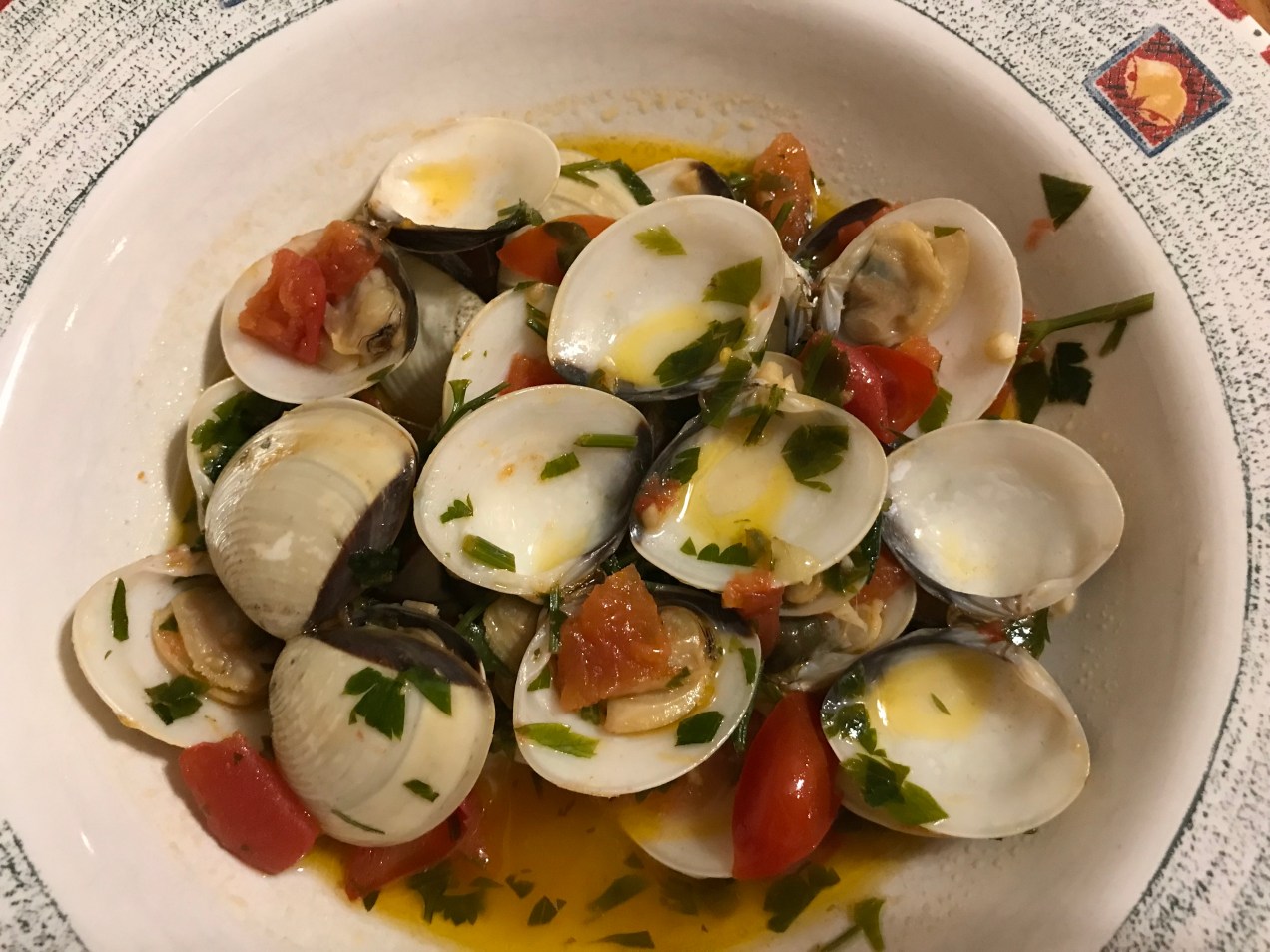
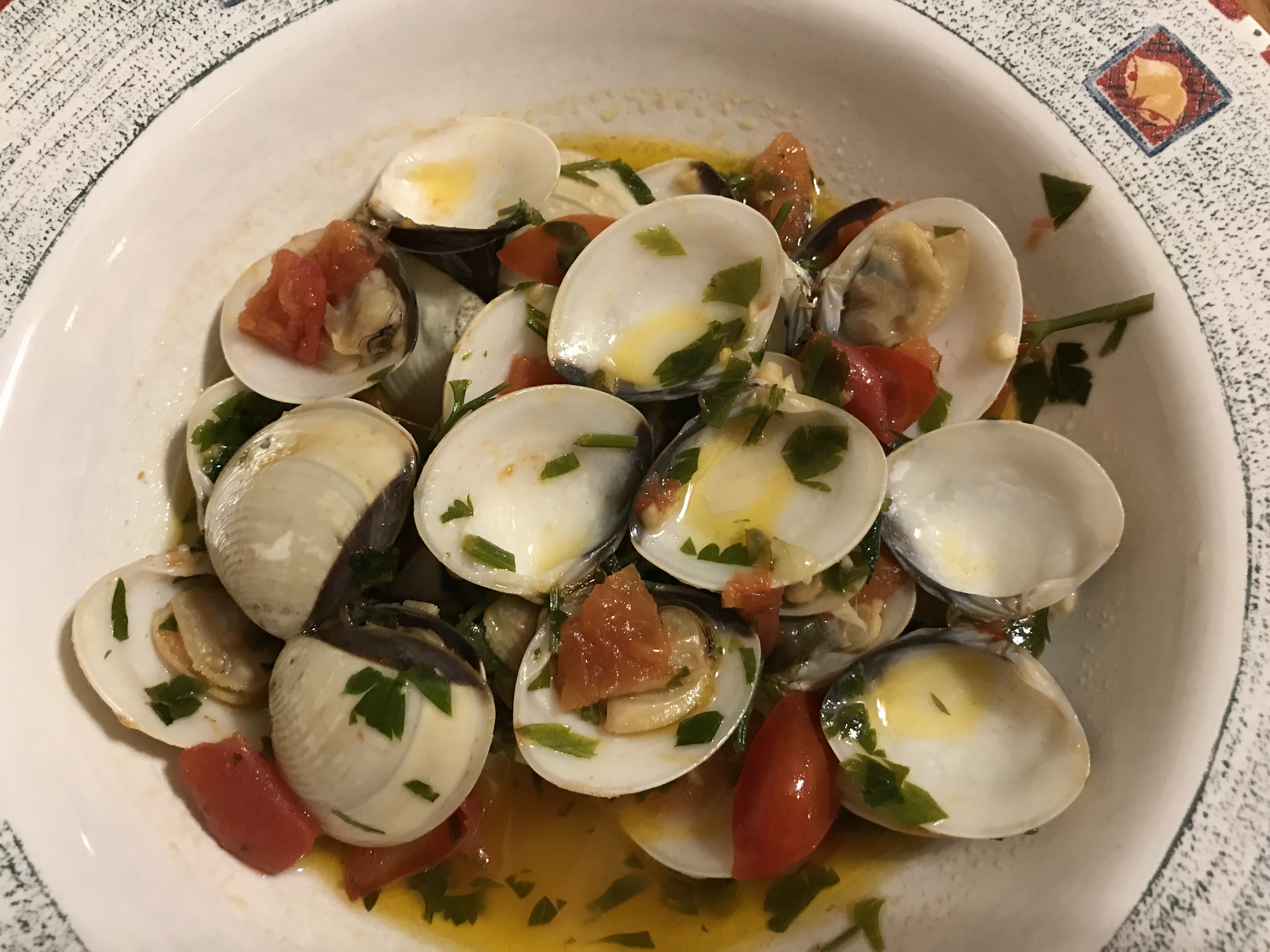
I’m not usually a fan of clams, but after being pleasantly surprised by the tomato-clam sauce a while back, I had high hopes for this recipe. Frozen clams were steamed/braised in precooked wine (to burn off the alcohol), which seemed like it would counter the “fishy” flavor like tomatoes did. That didn’t work as well as hoped. They were edible, but I didn’t necessarily enjoy them.
People have been eating starchy “field peas” for millennia, but sweet “garden peas” came much later. Most likely, they were developed by Dutch botanists in the early 17th Century. In France, the court of Louis XIV went crazy for them. Since the French court set fashions for the rest of Europe, sweet peas were soon found across the continent. Presumably the Italians, who had always appreciated vegetables more than most, adopted them quickly. One popular way of cooking them is in the Venetian risotto, risi e bisi.
There are a number of “homestyle,” or “grandmother’s-style,” recipes for peas. In this case, a small amount of pancetta or bacon is used as a flavoring, and a bit of butter, flour, and chicken broth make a light sauce. Some fresh herbs brighten the dish. Everything is balanced; sweet, fat, and salt, but the flavors are mild and easy to enjoy. There’s nothing here that most picky eaters would have an issue with.
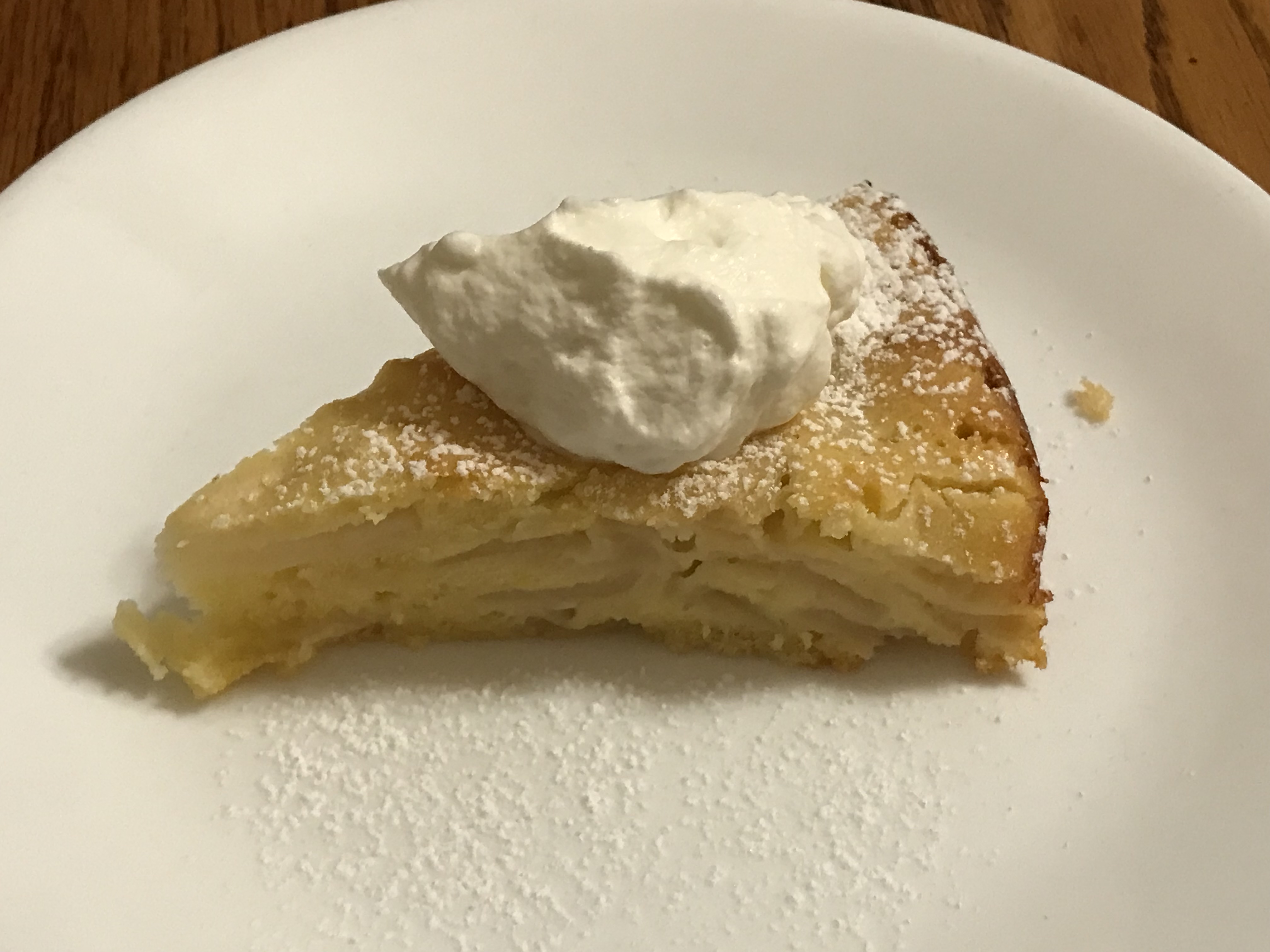
The cake tasted as good as it looks.
The best dish in the menu was the apple cake. A sponge cake batter is flavored with lemon peel and extract, apple slices are folded in, and everything is baked in a springform pan. That was an unusual touch, but made unmolding easy. The lemon flavor was a nice complement to the apple, and adding a bit of lemon zest to some whipped cream made an excellent dessert even better. Minus the clams, everything was delicious.
If you’re enjoying my writing, please consider supporting my work with a small donation. I really appreciate any support.
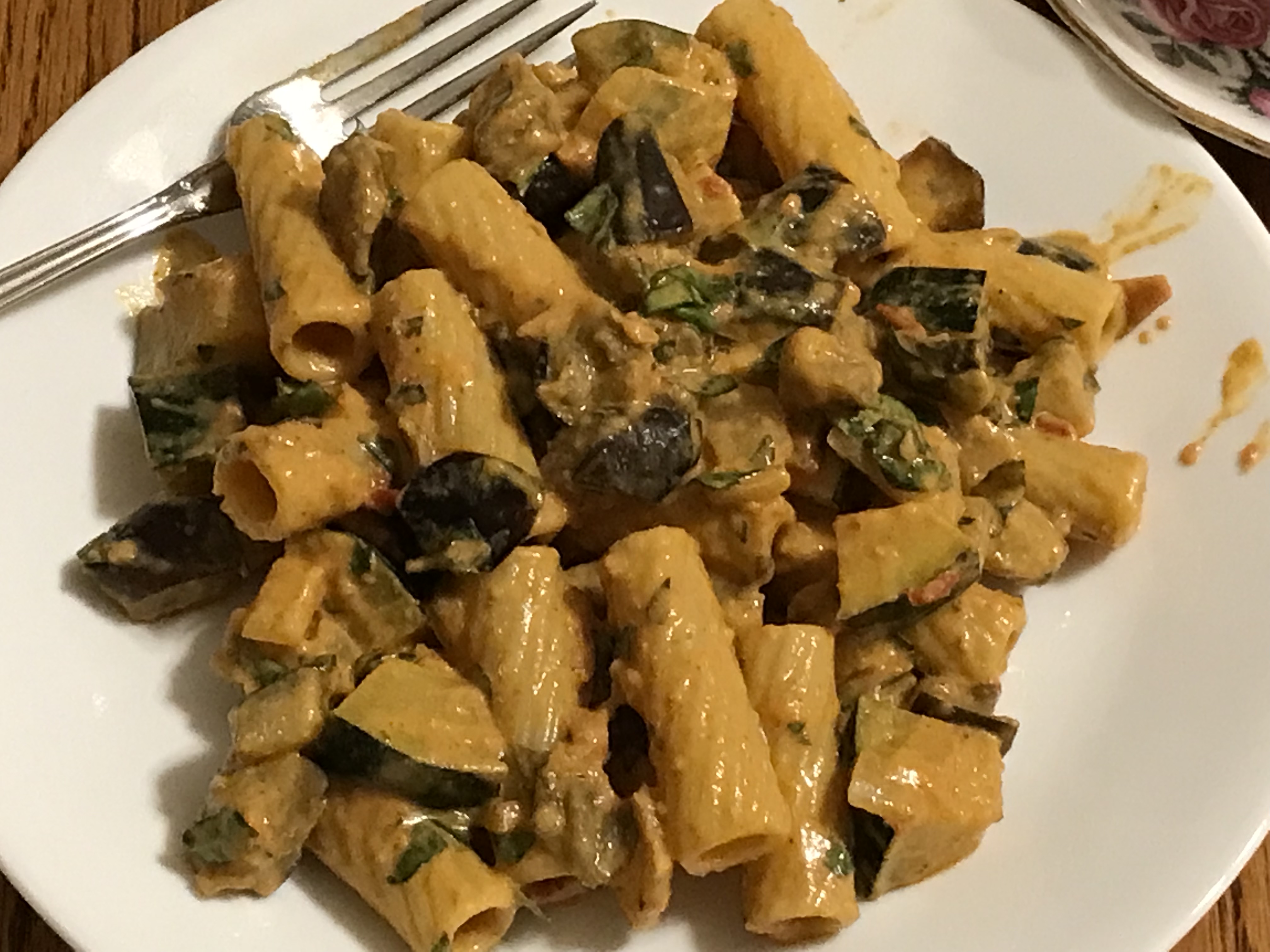
Menu: Rigatoni with Eggplant in a Creamy Curry Sauce, Salad of Assorted Lettuces with Capers and Tarragon, Peach “Soup” with Marsala
Recommended Wine: Sicilian Rosso del Conte
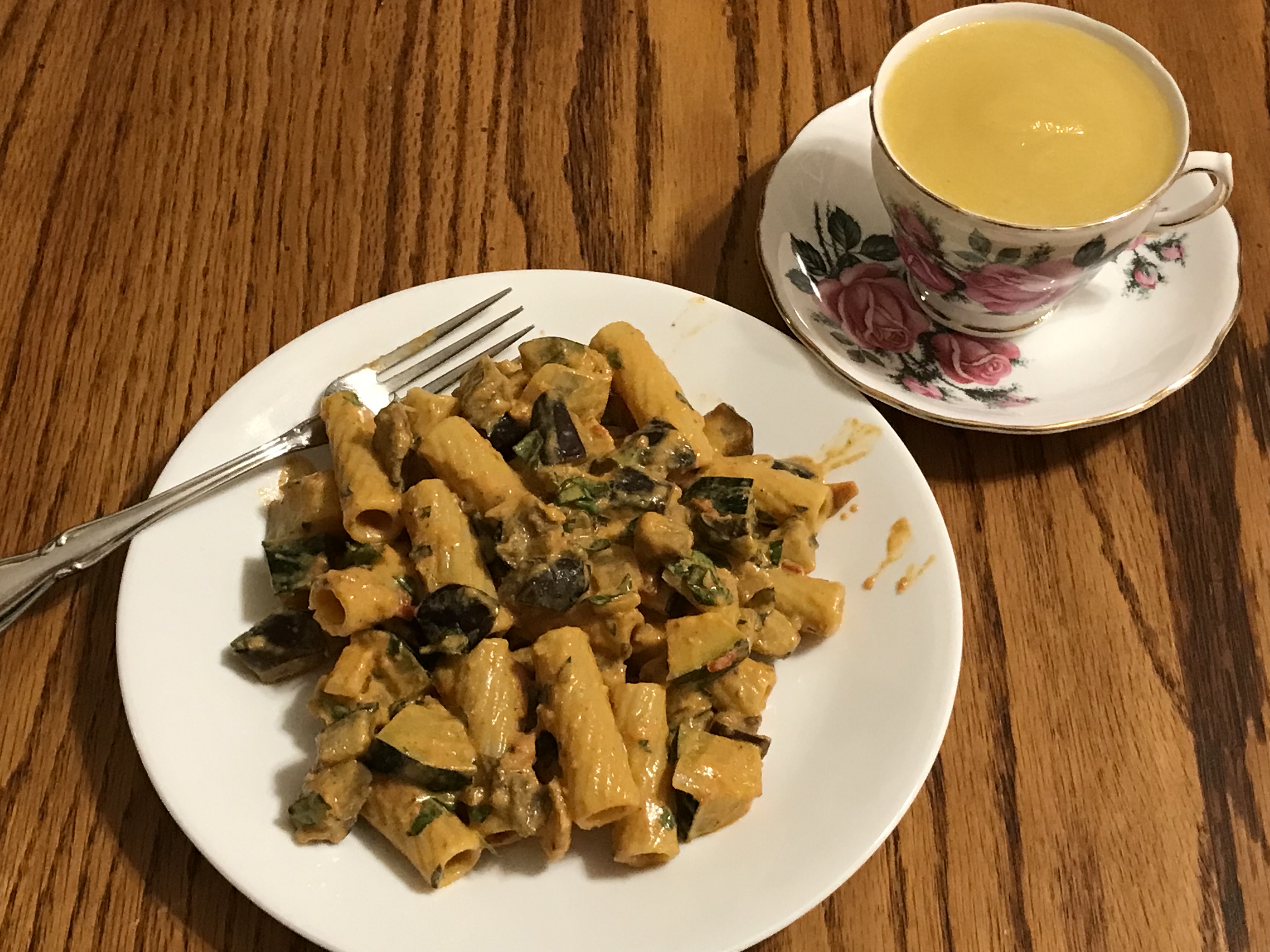
Sicily has been known for the quality of its wheat since antiquity. Good agricultural land drew colonists from the Greek city-states, and it was one of the main granaries of the Roman Empire. The hard durum wheat grown there makes particularly good dried pasta, which is prepared in a huge number of different ways. One popular recipe uses sardines for pasta con sarde. A recipe with perhaps more universal appeal is pasta alla Norma, with tomatoes, eggplant, and zucchini, and named after a famous opera. This particular variation is enhanced with curry powder and enriched with half-and-half.
The flavor was good, but using a zucchini the size of my lower arm from fingertips to elbow was not the best choice. When they get that big, zucchini tend to get tough. This one had a distinctly woody texture and peel that was a bit hard to cut through. But as long as I ate around the zucchini, the pasta, eggplant, and creamy tomato-curry sauce was worked well together. I wouldn’t have thought of putting curry in a pasta dish, but it turned out to be a good combination.
Capers grow wild all around the Mediterranean. The buds, preserved in salt or pickled in brine, have a strong, olive-like flavor. As long as they are used in small amounts, capers are an interesting enhancement for meat, fish, and vegetables. A few of them chopped up added a salty bite to the salad dressing. They have been popular since the days of Ancient Rome, when strong, salty flavors were particularly appreciated.
Peaches originated in China and spread west from there. By the time of the Roman Empire, they had reached the Mediterranean. Sweet, juicy, and perishable, they were often viewed as somewhat luxurious compared to fruits that could be effectively dried or cellared. Heavily associated with summer, fresh peaches are difficult to ship even today, at least when fully ripe. As a result, out-of-season specimens are often picked underripe and tend to be pricey. This recipe avoids those problems by using frozen peaches, which are usually the best choice during the rest of the year.
In an interesting twist on tradition, here the peaches are used to make a dessert “soup,” with a bit of sugar and marsala. Personally, I didn’t like the flavor or texture. The peaches clashed with the marsala, and pureed soups in general are not my favorite. Replacing the marsala with a bit of lemon juice helped with the flavor, but didn’t solve the texture issues. Sometimes a new idea works, but sometimes it’s better to stick with tradition.
With Thanksgiving just finished and Christmas around the corner, let’s talk about turkey. As one of the few domesticated livestock native to the Americas, it was a favorite treat for the Aztecs. They often ate it in tamales. When Columbus brought the first turkeys to Europe, they were immediately added to poultry yards. Not all Europeans knew where they came from, hence the names like “Turkey cock” or “Indian chicken.” But their origin didn’t matter. European diners knew that a previously unknown type of edible fowl had appeared from somewhere. It was big and showy, tasted good, and therefore belonged on holiday tables. By the time English settlers in Virginia and Massachusetts saw wild turkeys in North America, their domestic cousins were widespread in England.
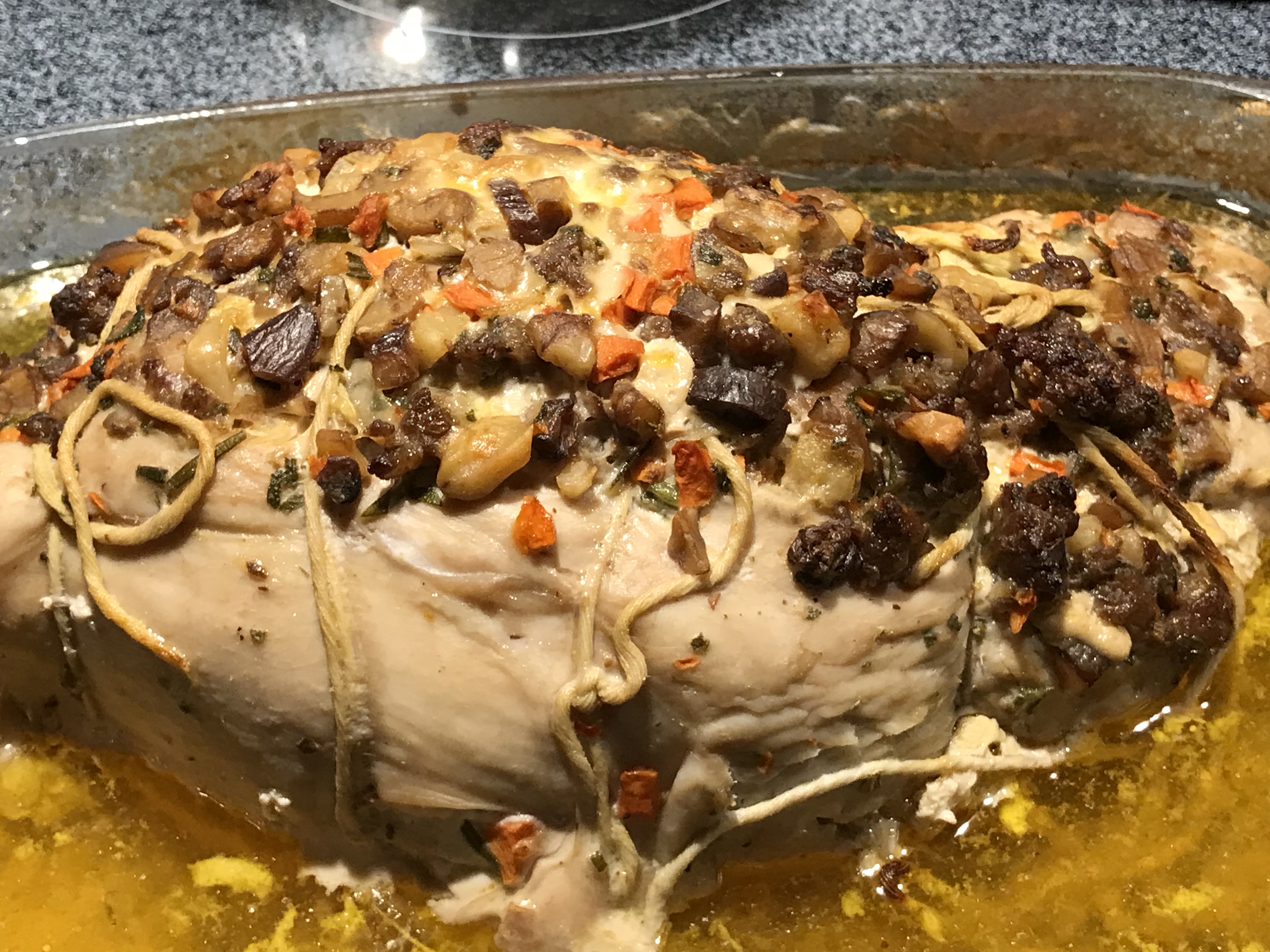
Roasting and stuffing a whole turkey is just one way of preparing it. Another showy presentation comes from flattening a boned turkey breast, adding a stuffing, and rolling everything up like a giant jelly roll. In this particular recipe, popular in Lombardy (around Milan), the stuffing includes sausage meat, chestnuts, walnuts, vegetables, and herbs. After baking, the roast is sliced to reveal the spiral pattern and served with a sauce of slightly-thickened pan drippings. I didn’t manage to flatten the meat enough to get a spiral roll, just a stuffed circle, but it still tasted good. Steamed broccoli complemented the meat without overpowering it. The turkey roll was too complicated to make regularly, but would be great for a small Thanksgiving or Christmas.
If you enjoy this blog, please consider making a donation. Any contributions help offset the cost of ingredients and help make more posts possible.













 Feasting Through Time