Summer meze
food history, middle eastern cuisine, recipes, summer, Uncategorized, vegetarian

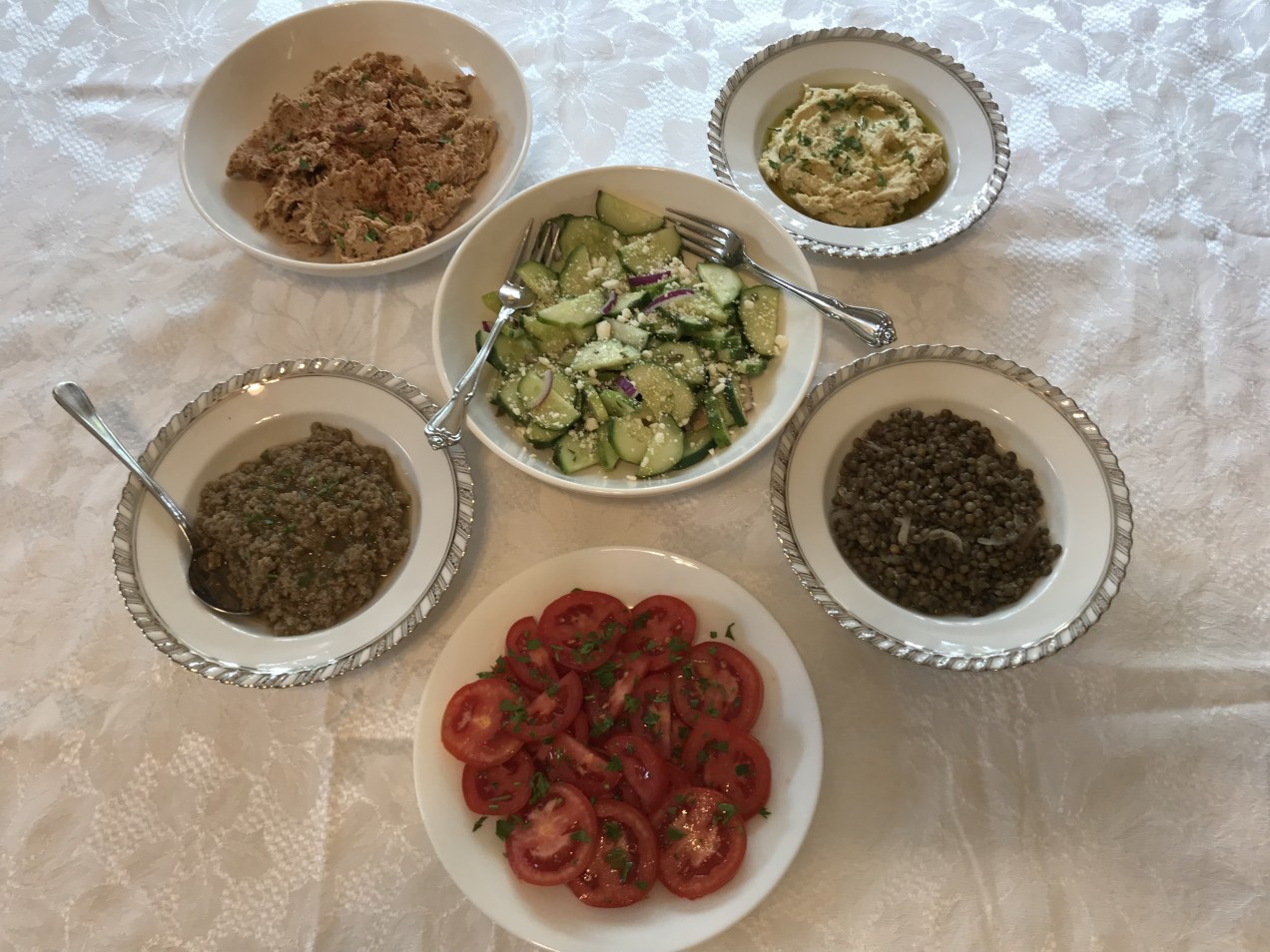
Assorted Meze: Perfect Appetizers/Sides for a Barbecue

This spread is way easier than it looks

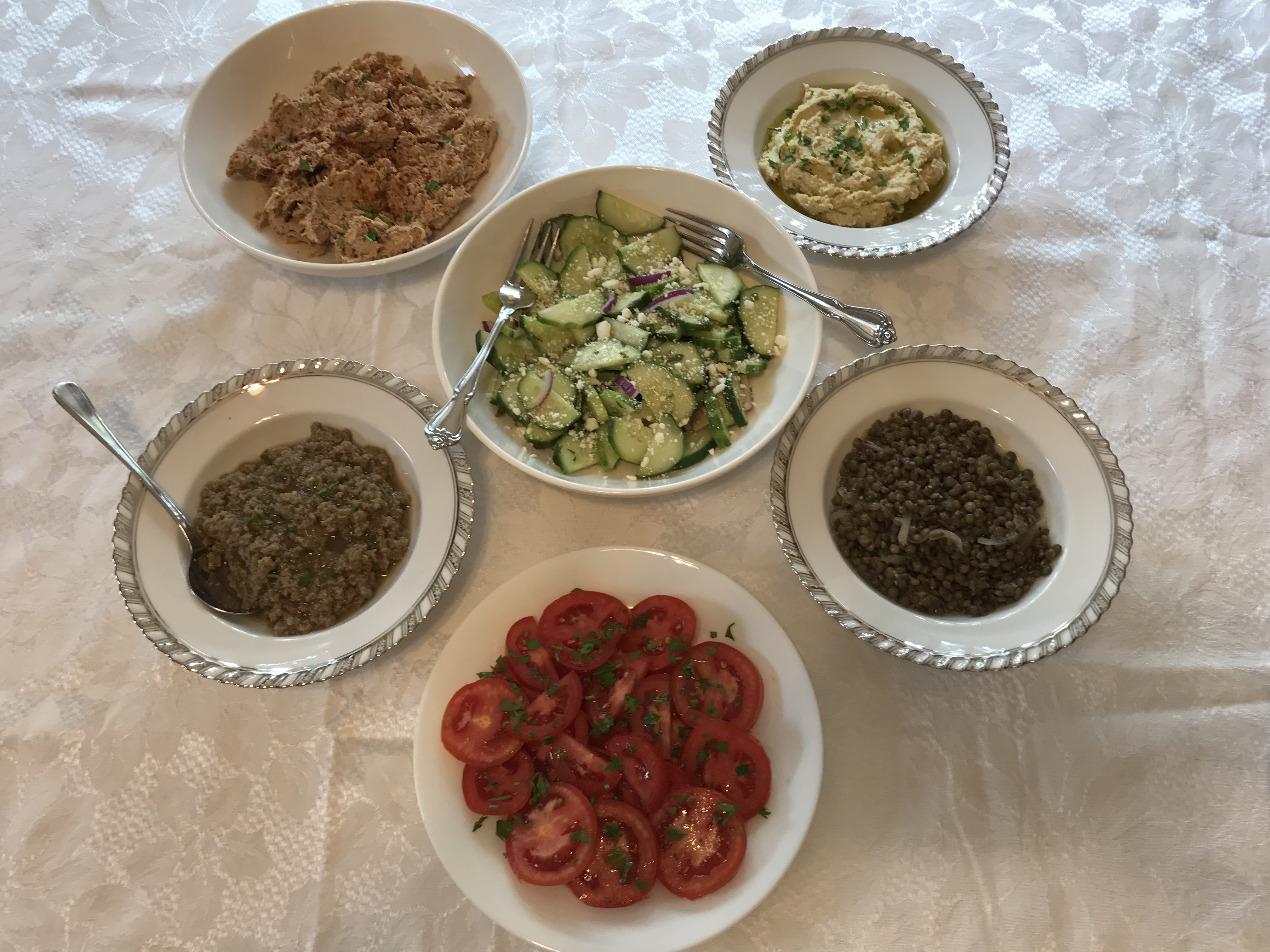
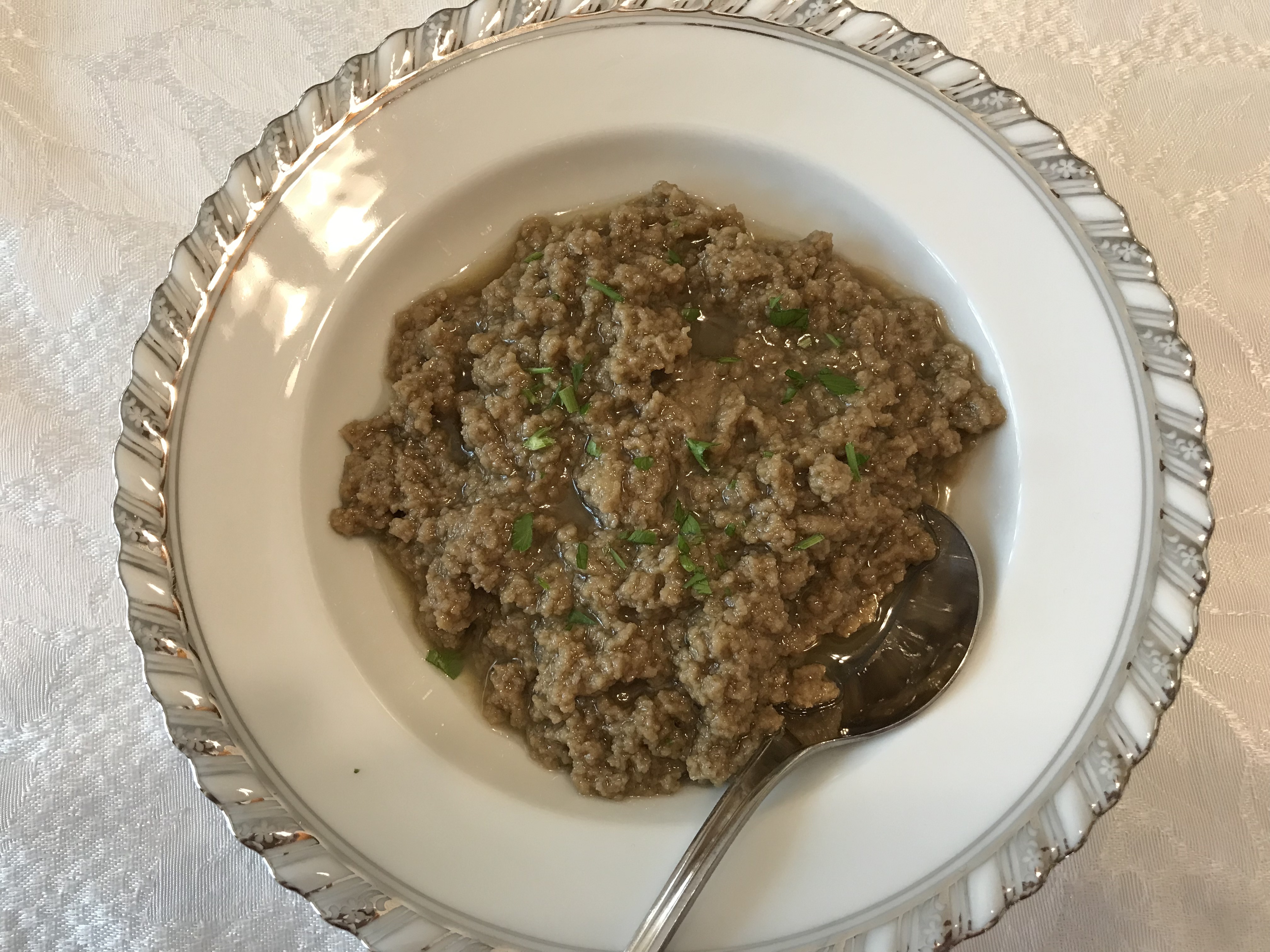
Menu: Hummus, Tahini Dip, Tomato Salad, Cucumber Salad, French-Style Lentil Salad, Turkish-Style Chicken with Walnut Sauce (last two recipes in subsequent posts)

            Just as Spain has tapas and Italy has antipasti, Greece and the Middle East have meze. Reading through Mimi Sheraton’s description of the different varieties in 1000 Foods to Eat Before You Die (on pages 498 – 500), it became abundantly clear they would be perfect for entertaining a crowd, particularly during the summer. Most of the common varieties are served cold or at room temperature, and so could be made ahead. Only a few need last minute cooking, and many require no cooking at all. For a barbecue, meze would be ideal to either nibble before the other food comes off the grill or to serve alongside the main dishes.

            Because meze are traditional over such a large area, with diverse landscapes, climates, and traditions, the variety is endless. Common options include olives, vegetable and legume salads, sausages, various dips like hummus or baba ghanoush, fish, stuffed grape leaves, fried items, tabbouleh, and phyllo pastry turnovers, alongside more local specialties. A large proportion of meze are flavored with lemon, garlic, olive oil, or fresh herbs.

            Meze usually serve as a leisurely meal on their own, so having a variety with some substantial dishes is important. So is plenty of pita bread. For a representative summer/early fall selection, I chose hummus (a classic and always a favorite), tahini dip (interesting on its own), tomato, cucumber, and lentil salads, and Cerkez tavugu (Turkish chicken with walnut sauce). As long as you have a food processor, this entire menu is easy to put together. It’s a good idea to make the hummus, tahini dip, lentil salad, and chicken dish a day ahead to allow time for flavors to meld.

To make hummus:

            Across the Middle East, hummus is frequently eaten as a main dish with pita bread. The idea makes perfect sense. Historically, people got much more protein from legumes like chickpeas than from meat. Comparatively speaking, the chickpeas and flavorings were relatively affordable staples. True connoisseurs say that the best hummus is made with a mortar and pestle, with dried chickpeas, but to save time, canned chickpeas and a food processor make a delicious, protein and vitamin-packed snack or meal.

            Ingredients:

  • 1 can chickpeas/garbanzo beans (about 15.5 ounces), drained
  • 4 cloves garlic (peeled, crushed with the side of a knife, and roughly chopped
  • ½ cup tahini (sesame seed paste)
  • Juice of ½ to 1 lemon
  • ¼ cup olive oil, plus more to drizzle if desired
  • Chopped parsley to garnish, if desired
  • Pita bread and/or vegetables, for serving

            Directions:

  1. Combine the chickpeas, garlic, tahini, and juice of ½ lemon in the bowl of a food processor with a pinch of salt. Process to make a thick, slightly gritty paste, scraping bowl as necessary.
  2. With the motor running, slowly add the olive oil through the feed tube. Once the oil is incorporated, taste for salt and lemon, adding more if necessary.
  3. Add water to thin hummus to the desired consistency. ¼ cup produces a thick paste, for a thinner paste, use ½ cup.
  4. Spoon hummus into a bowl. If desired, drizzle with olive oil and garnish with parsley, olives, roasted peppers, etc. (In the Middle East, pomegranate seeds are a popular garnish).
  5. Serve with pita bread and/or vegetables for dipping.

To make tahini dip:

            Tahini actually makes a fascinating, although distinctly bitter, dip on its own. Personally I prefer it sweetened for halva or used for hummus, but the bittersweet flavor is beloved across the Middle East. Here its flavor is further enhanced with garlic, salt, and lemon juice. All you have to do is crush 1 garlic clove with ¼ teaspoon salt in a mortar and pestle until it becomes a sticky paste. Stir the garlic paste into ½ cup of tahini, and mix in 2 teaspoons lemon juice and 2 tablespoons water. The paste will appear to “seize,” just keep stirring to smooth it out. Don’t add more water, which will make the oil separate out. Place in a bowl and serve with pita bread and/or vegetables (during the late summer and early fall, fresh carrots are particularly tasty).
To make tomato salad:

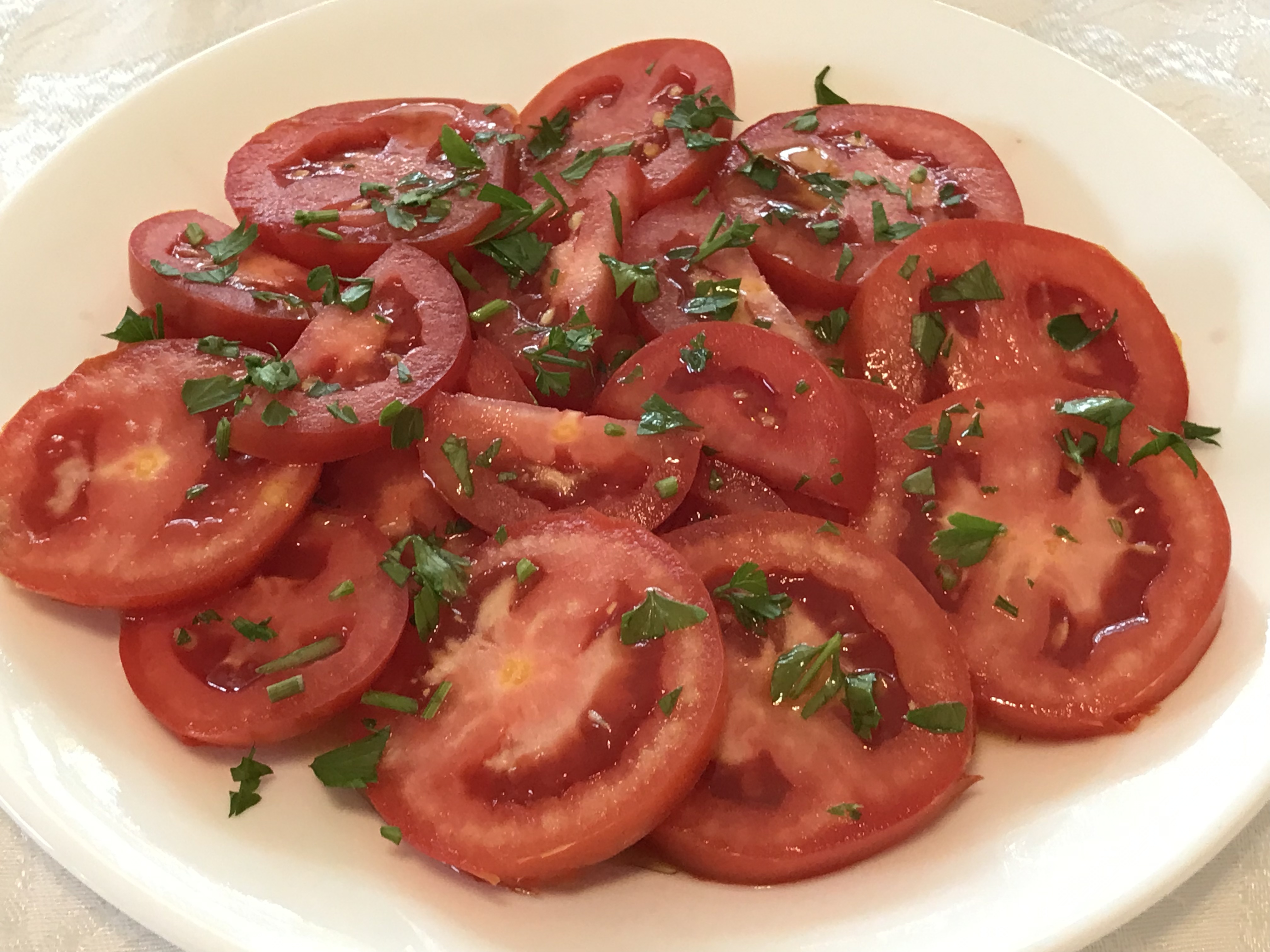
            First, make sure you have fresh seasonal tomatoes. If so, cut them into chunks or thin slices, place on a plate, drizzle with olive oil, salt and pepper to taste, and garnish with chopped parsley for a beautiful red and green effect. (If tomatoes aren’t in season, choose a different meze dish for the best flavor.)

To make cucumber salad:

            Cucumbers, with their mild flavor and high water content, are quite refreshing, which reminds me of a story I heard recently. During the early centuries AD, Christian ascetics competed with each other, seeing who could eat the least food, go the longest without sleep, and so on. This was particularly common in the deserts of Egypt and Syria. In one instance, an ascetic tested his resolve by sitting in the hot sun with a cucumber and seeing how long he could go without eating it. He lasted for several days (presumably he had some water), at which point I shudder to think of the condition of the cucumber.

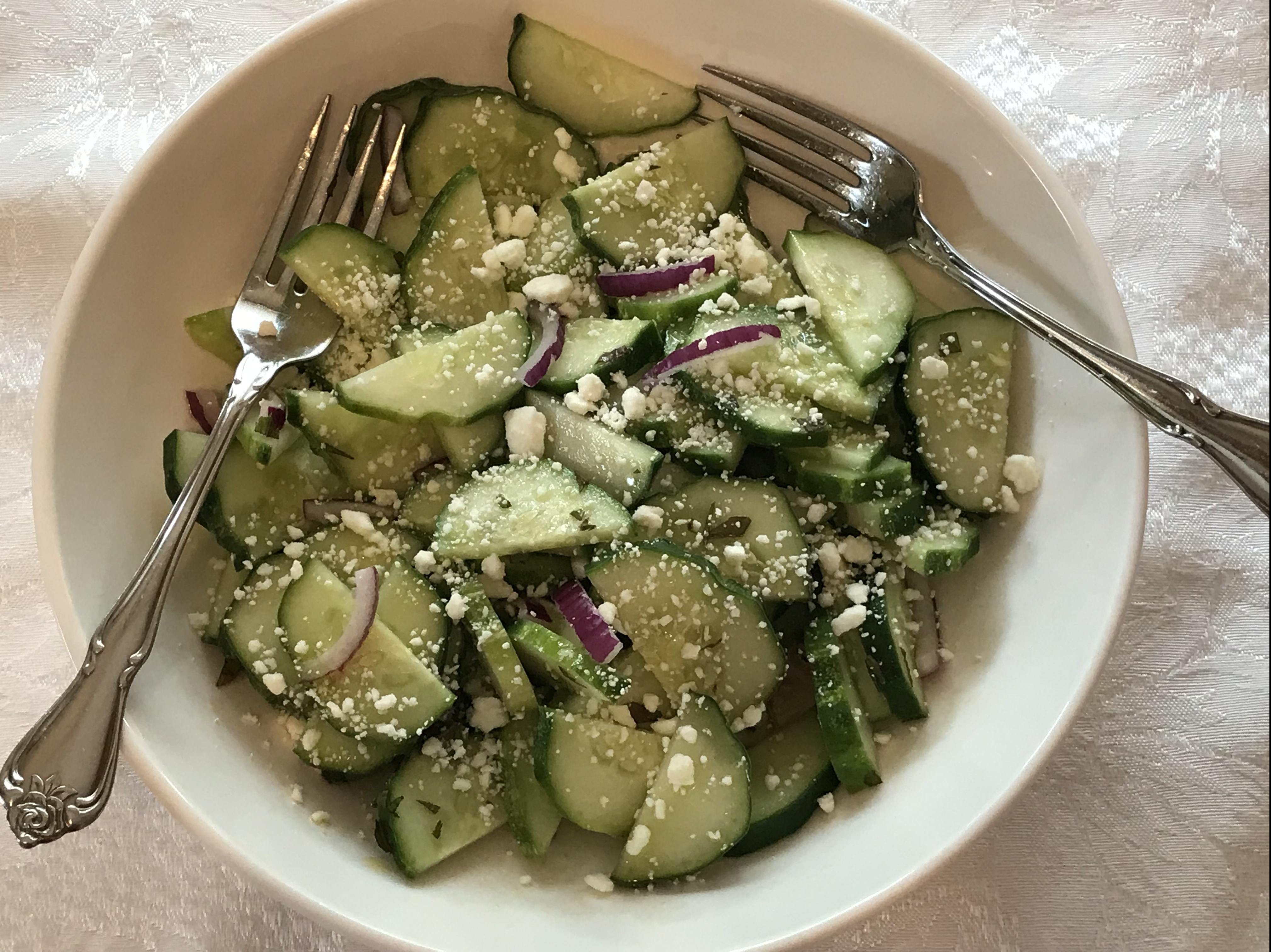
            For a better-tasting salad, use 2 large or 4 small cucumbers. Peel them if desired, and slice thinly. Toss with ¼ red onion, also thinly sliced, 2 tbsp olive oil, 1 tbsp red or white wine vinegar, and a few finely chopped mint leaves. If desired, add a few crumbles of feta cheese.

            Another common way to prepare cucumbers for meze is to combine with yogurt. Next time, I’ll have a recipe for green lentil salad, so be sure to subscribe.

One-Time
Monthly
Yearly

Make a one-time donation

Make a monthly donation

Make a yearly donation

Choose an amount

$5.00
$15.00
$100.00
$5.00
$15.00
$100.00
$5.00
$15.00
$100.00

Or enter a custom amount

$

Your contribution is appreciated.

Your contribution is appreciated.

Your contribution is appreciated.

DonateDonate monthlyDonate yearly
Standard
dessert, lebanese cuisine, middle eastern cuisine

Dessert from the Desert: Dates in Clove Syrup (Murabba El Balah)

Not bad dates, if you’ll pardon the Indiana Jones reference.

1000 Foods (pg. 514) for information, recipe is my own creation

            For a unique dessert, we have dates in clove syrup. Date palms are more tolerant of heat and drought than most other plants, making them essential in the hot deserts of the Middle East and North Africa. The fruit is sweet, high in nutrients, and calorie-dense, a useful feature in the past. Before sugar, dates were the main sweetener in the region, added to a variety of breads, porridges, and sweet cakes in Ancient Egypt and Mesopotamia. Usually, they were preserved by drying in the hot sun, a method still widely used.

            People have been stuffing dates for at least two thousand years, and probably for even longer. Once the pit is removed, the fruit has a hollow center. Dates were a popular luxury in the Roman Empire. Since the trees don’t produce fruit in Italy, they had to be imported from the Middle East and North Africa. Almonds, which fit into the centers almost perfectly, were a favorite filling, either on their own or in a more complex mixture. Murabba El Balah, a Lebanese specialty, also uses almonds for a nice contrast in flavor and texture.

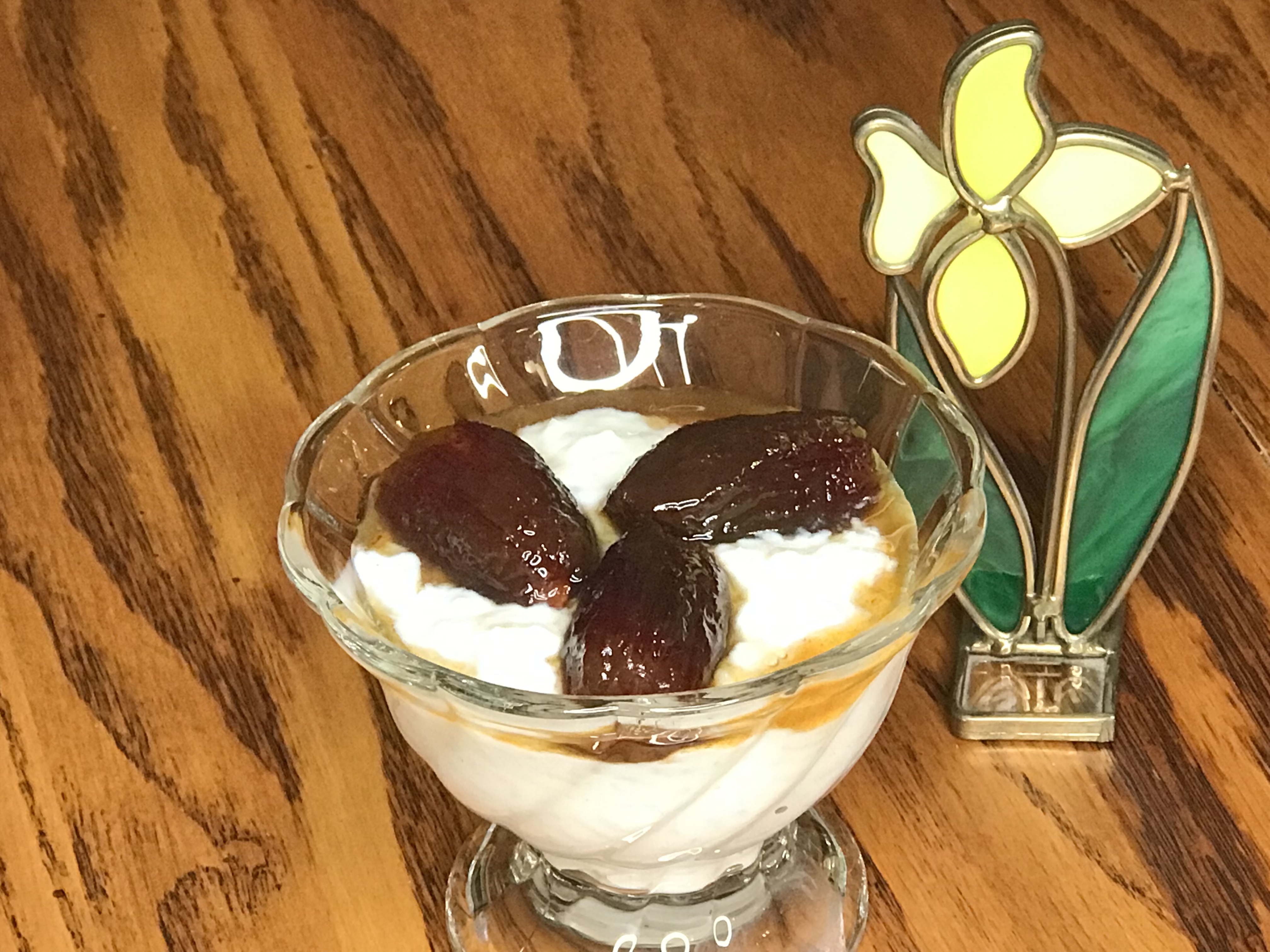
            Normally the dish uses fresh dates. Since those are extremely hard to find, I developed a recipe using the dried variety. After soaking in hot water the dates can be peeled, and the pits removed with a nut pick or knitting needle. I put two almonds in each date, toasted for extra flavor. After steeping for several days, the fruit is chewy and extremely sweet. To avoid being overwhelming, I’ve included a recipe for lightly sweetened rice pudding. The syrupy dates are a popular garnish for puddings of all sorts.

            They have a great flavor and nice crunch, but are a bit of a sugar bomb, for lack of a better term. Dates are already very sweet, and a sugar syrup only increases it. Because of this, they go even better with pancakes, oatmeal, cream of wheat, and the like, which aren’t usually pre-sweetened. Plain yogurt would be another excellent choice.

            Note that the dates need to soak in the clove syrup for at least four days, so plan ahead. The rice pudding is very thick, because that’s the way I prefer it, but you can thin it with a bit more milk once it’s cooled. No vanilla or cinnamon is included because the clove syrup would overpower it, but if you want to add some, by all means go ahead.

            Ingredients:

  • 20 – 24 dates (about 1 pound dried with pits, less if pitted)
  • 40 – 48 toasted unsalted almonds (2 per date)
  • 24 whole cloves
  • 1 ½ cups sugar

For rice pudding (if desired)

  • 4 cups (1 quart) whole or 2% milk
  • 6 tablespoons white rice, long or short grain (short grain makes a thicker pudding)
  • 1 tablespoon sugar

            Directions:

  1. Place dates in a medium saucepan with just enough water to cover, about 2 cups. Bring water to a boil, shaking pan occasionally. Remove from heat, cover, and let stand for at least an hour, or until cool.
  2. Peel dates, starting from areas where the peel has bubbled up. Remove pits with nut pick or knitting needle if necessary. Set fruit aside, discarding peels and pits. Strain cooking liquid and return to pan.
  3. Add the cloves to the cooking liquid and bring it back to a boil. When boiling, add the 1 ½ cups sugar and boil, stirring, for two or three minutes, or until the sugar is dissolved. Remove from heat.
  4. While the syrup partially cools, stuff two whole almonds into each date. Pour the warm syrup over the stuffed dates and gently stir. Let cool to room temperature, then marinate in the refrigerator for at least four days. Due to the sugar content, these will stay good for a few weeks.
  5. Remove the cloves and serve with rice pudding, ice cream, or yogurt.
  6. For the pudding, heat the milk, rice, and tablespoon sugar in a saucepan over medium heat, stirring frequently, until mixture simmers. Turn down heat to medium low, then cook for about 15 minutes until thickened, stirring frequently to prevent scorching. Chill before serving if desired.

            Don’t worry if you accidentally eat a clove. It might dull your sense of taste a for a few minutes, but that’s as far as side effects go. As usual, make sure to subscribe to get free posts and recipes sent right to your inbox. If you’re feeling extra generous and want to donate a few bucks to support my work, you can do that too.

One-Time
Monthly
Yearly

Make a one-time donation

Make a monthly donation

Make a yearly donation

Choose an amount

$5.00
$15.00
$100.00
$5.00
$15.00
$100.00
$5.00
$15.00
$100.00

Or enter a custom amount

$

Your contribution is appreciated.

Your contribution is appreciated.

Your contribution is appreciated.

DonateDonate monthlyDonate yearly
Standard
middle eastern cuisine, recipes, vegetarian

Lent Friday Special: Shakshuka (eggs in tomato sauce)

1000 Foods (pg. 697) for information, recipe is my own creation

            Lent recently ended, along with its associated dietary restrictions. Fortunately for those of us inclined to follow Lent Friday fasting rules, eggs and dairy products have been permitted for the last few hundred years. Fish fries are always an option, but for an easy dinner at home that follows both the letter and spirit of Lent, it’s hard to beat eggs. (Or cheese, but that’s a topic for another post. Seriously, instead of fried fish sandwiches, fast food places should offer fried cheese as a meat alternative. I guarantee there’s a market for it.) They’re quick-cooking and versatile, perfect for an evening when you’re tired after the work week. An easy, quick-cooking egg recipe is the Middle Eastern dish shakshuka.

            Tomatoes aren’t just for Italian food. Once they were introduced to the Mediterranean, they were widely adopted across the Middle East and North Africa. The plants thrive in the abundant sunshine, as do sweet and hot peppers. One use for them is in shakshuka, a thick, spicy tomato sauce used to poach or scramble eggs. It’s often a breakfast dish in the Middle East, but also makes a great vegetarian lunch or dinner. The prettiest appearance comes from poaching the eggs whole, producing a mix of red, white, and yellow. Personally, I prefer to scramble the eggs and pour them into wells in the sauce. Either way, a sprinkle of cilantro brightens it up and adds even more color. If you happen to have the gene that makes cilantro taste like soap, I’m sure chopped parsley would be a good substitute. This should be served alongside some bread.

            Ingredients:

  • 1 – 2 tablespoons olive oil
  • 1 onion, chopped
  • 1 green pepper, chopped
  • 2 garlic cloves, smashed and minced
  • ½ teaspoon red pepper flakes
  • ½ teaspoon cumin
  • 1 can (about 15 – 16 oz) crushed tomatoes (not tomato sauce)
  • 4 eggs
  • 2 tablespoons milk
  • 1 bunch cilantro (also called fresh coriander), chopped
  • Bread, for serving

            Directions:

  1. Heat the olive oil in a large skillet over medium heat, then add the onions and peppers with a pinch of salt, sautéing until soft.
  2. Add the garlic, red pepper flakes, and cumin, stirring for about a minute. Stir in the crushed tomatoes.
  3. Reduce the heat to medium-low. Cook for about 10 minutes, stirring occasionally, until the sauce thickens.
  4. Meanwhile, beat the eggs with the milk and a pinch of salt.
  5. Make four “wells” in the sauce, then pour in the eggs, dividing evenly. If the wells overflow a bit, that’s fine. Cover the pan and cook until the eggs are set, about 5 – 8 minutes.
  6. Sprinkle with about half the cilantro, setting aside the remainder for anyone who wants extra. Serve with bread.

This quantity serves two people, but to feed more, just add another two eggs and one tablespoon milk per person. If serving more than four, double the sauce and use two skillets. And for more fun facts and recipes, make sure to subscribe for free.

Standard