food history, jamaican cuisine, recipes

Jamaican “Sorrel” Punch: Ruby Red for the January Blues

1000 Foods (pgs. 693 – 694)

            Let’s face it: January can be depressing. Thanksgiving, Christmas, and New Year’s are over, Valentine’s Day is six weeks off, and in much of the northern hemisphere, it’s cold and the landscape is barren. In some places, such as Venice and New Orleans, this is Carnival season, but in others, people are going on a diet to lose those Christmas pounds. Something cheery is needed.

            Hibiscus flowers are lovely. Native to India, British sailors and botanists introduced them to the other tropical and subtropical parts of their empire in the 18th and 19th Centuries. Once the flowers reached Jamaica, locals appreciated them for more than just their beauty. Hibiscus blossoms are also edible. For some reason, they are called “sorrel” in Jamaica, India, and the Middle East when they are eaten. Most likely, this is due to the herb sorrel and hibiscus flowers both having a sour flavor. Hibiscus is also fruity, and, when steeped in hot water, produces a lovely red infusion.

            In Jamaica, dried hibiscus blossoms are used to make a popular Christmas punch. In the US, many Latin American groceries carry them. Once the mixture is brewed, often with ginger and/or other spices, it is sweetened and sometimes spiked with rum. Even though Christmas is over, sorrel punch seems like a good new year’s or anytime beverage. And honestly, the bright color and flavor would be a great antidote for the “January blues” and a nice contrast with typically heavy winter dishes. Plus, hibiscus is rich in vitamin C, helpful after the germs you’ve probably been exposed to over the holidays. It’s also rich in iron, which the vitamin C helps the body absorb.

            For sorrel punch, I began with Jillian Atkinson’s recipe on Serious Eats (https://www.seriouseats.com/jamaican-sorrel-hibiscus-drink), but modified it to quantities and ingredients I had available. I used one quart (4 cups) of water, 2oz of dried hibiscus flowers, about 2.5oz sliced candied ginger, 3 whole cloves, and three small pinches of ground allspice. After boiling for 8 minutes, the mixture cools on the stove, then is chilled overnight to finish infusing. To prevent any metal flavor from leaching into the punch, I transferred it to a plastic container.

            After infusing overnight, the punch is strained and sweetened to taste. The recipe uses a simple syrup of sugar and water, but I just stirred four tablespoons of sugar into the mix, which seems to be about the right balance. It takes a bit longer to dissolve, but that quantity will dissolve eventually. The punch was best when diluted with about 1 part water to 2 parts hibiscus infusion, but that can be adjusted to taste. It’s often spiked with Jamaican rum, but is perfectly good without it, making sorrel punch a great festive drink for those who wish to abstain from alcohol.

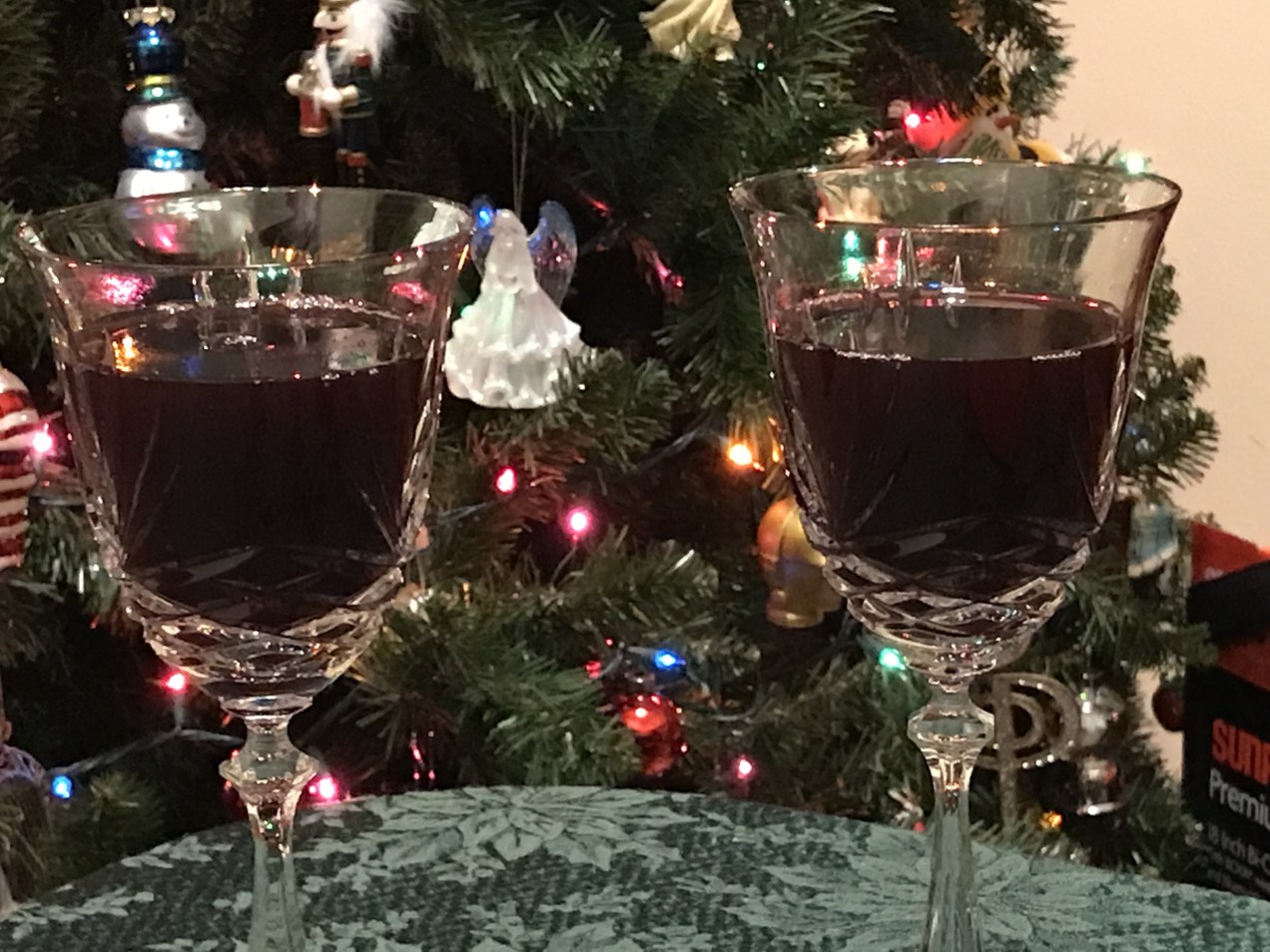
Looks like red wine, probably stains like it

            Hibiscus has an interesting flavor, slightly floral, but distinctly fruity, almost like cranberry. The infusion is pretty sour on its own, so adding a bit of sugar balances it out. The ginger and cloves gave it a pleasant flavor like mulled cranberry cider, but a bit different. It’s hard to describe. The best way to find out more is to try it.

Standard
american cuisine, food history, recipes

Divine Citrus Refreshment: Ambrosia

1000 Foods (pgs. 519 – 520)

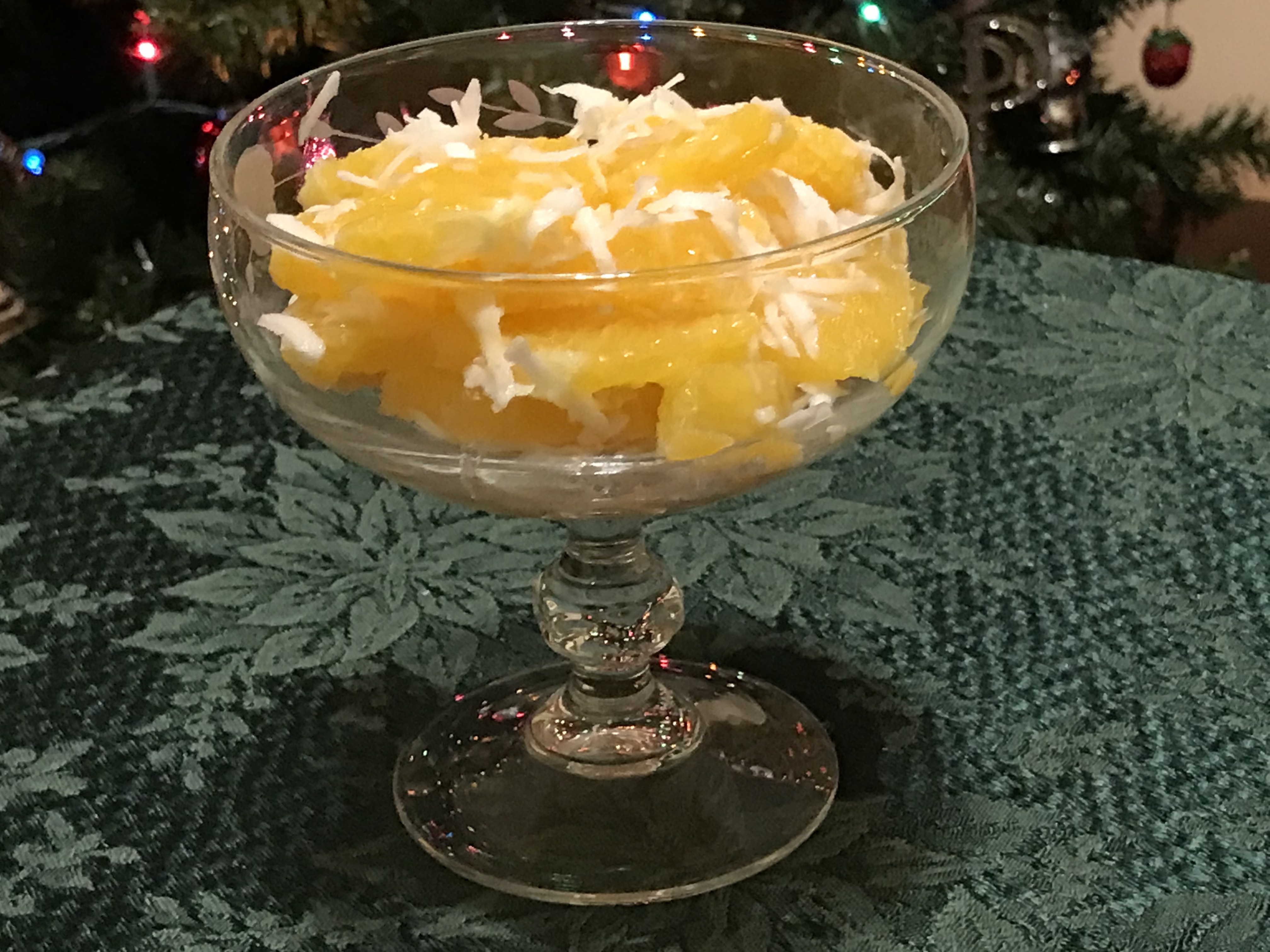
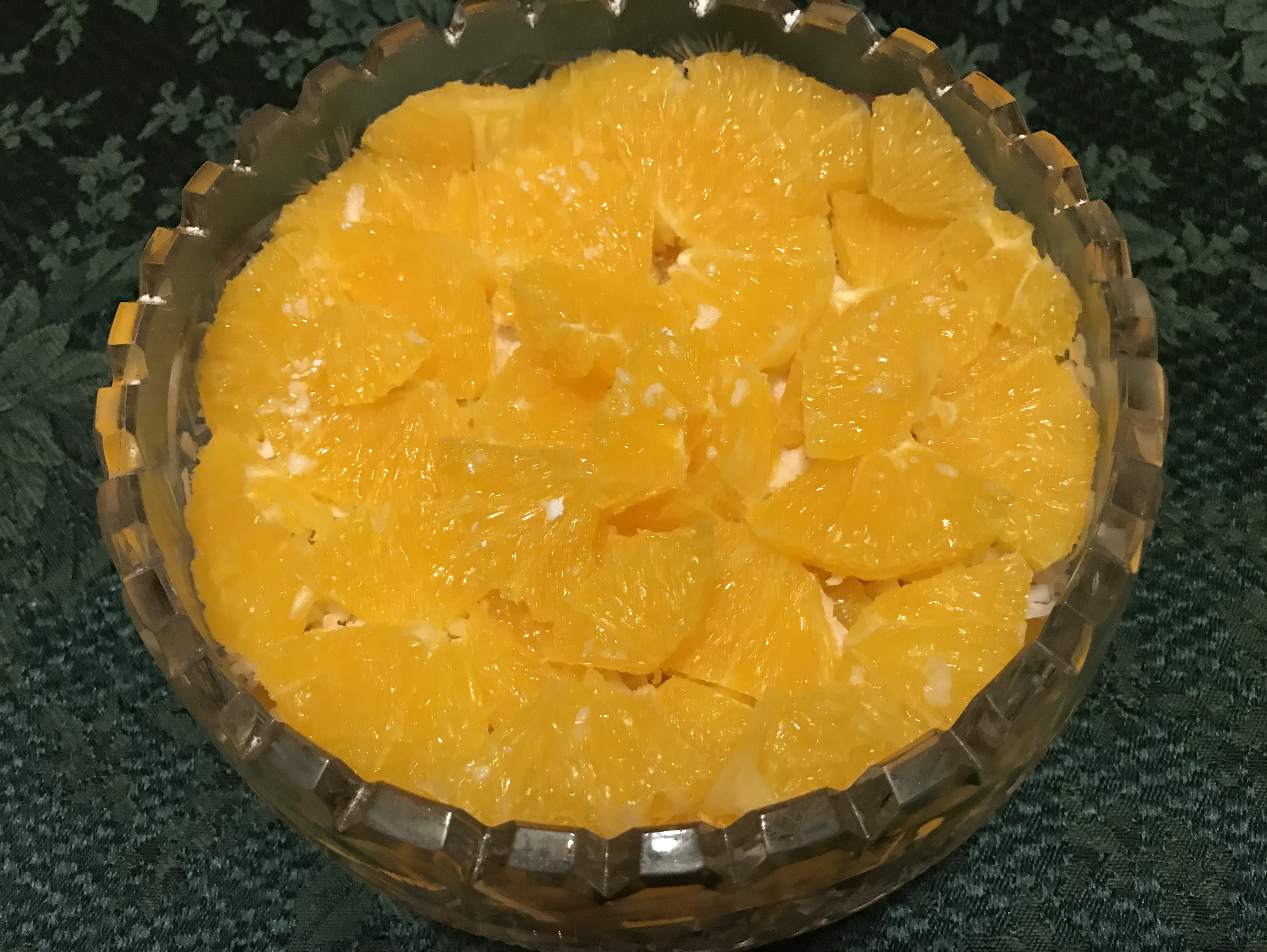
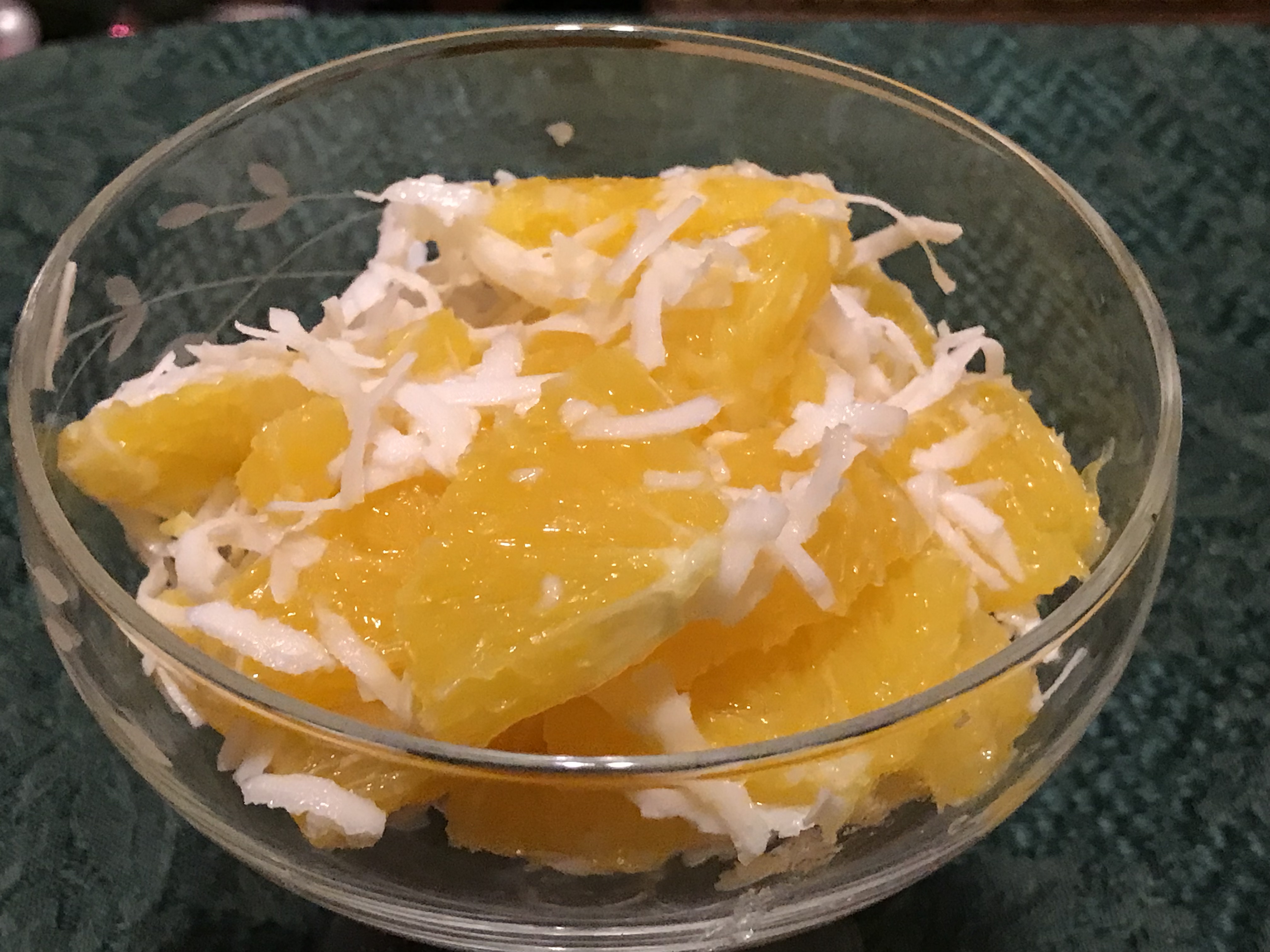
            According to Greek mythology, ambrosia was what the gods ate on Mt. Olympus. In the US, particularly the Southeast, it came to mean a mixture of oranges and grated coconut. It’s especially popular at Christmastime, peak season for oranges. In the past, difficulties with transportation made oranges and other citrus fruits relatively expensive in areas where they couldn’t be grown. As transportation improved in the late 19th Century and prices dropped, cooks in the US Southeast developed a layered dessert with sliced oranges and shredded coconut. A bit of powdered sugar helps the orange slices release some of their juices.

            Sometimes other fruits or a bit of liquor is added, but the oranges and coconut are always central. Presumably, this is the type of ambrosia featured in To Kill a Mockingbird, set in Alabama in the 1930s. Along with the ambrosia, Aunt Alexandra fixed three kinds of meat and two cakes. Presumably there was also bread, rolls, biscuits, or cornbread, and some sort of vegetables. In the 1950s, with the explosion in available convenience food, a mix of canned fruit, coconut, sometimes pecans and/or marshmallows, cool whip, and occasionally mayonnaise was developed. Without the mayonnaise, that actually sounds pretty good, but here we have the original, basic version.

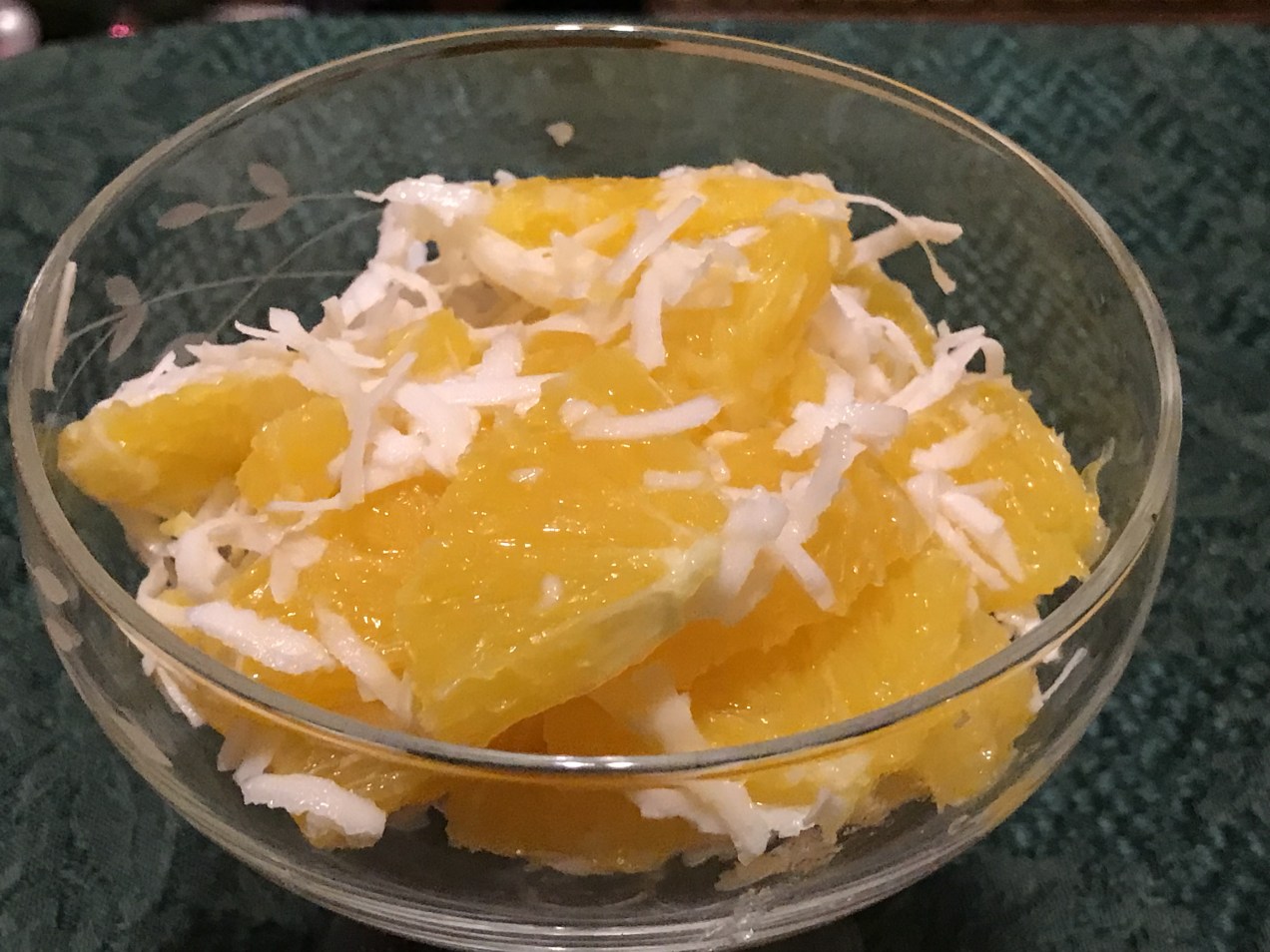
Doesn’t that look divine?

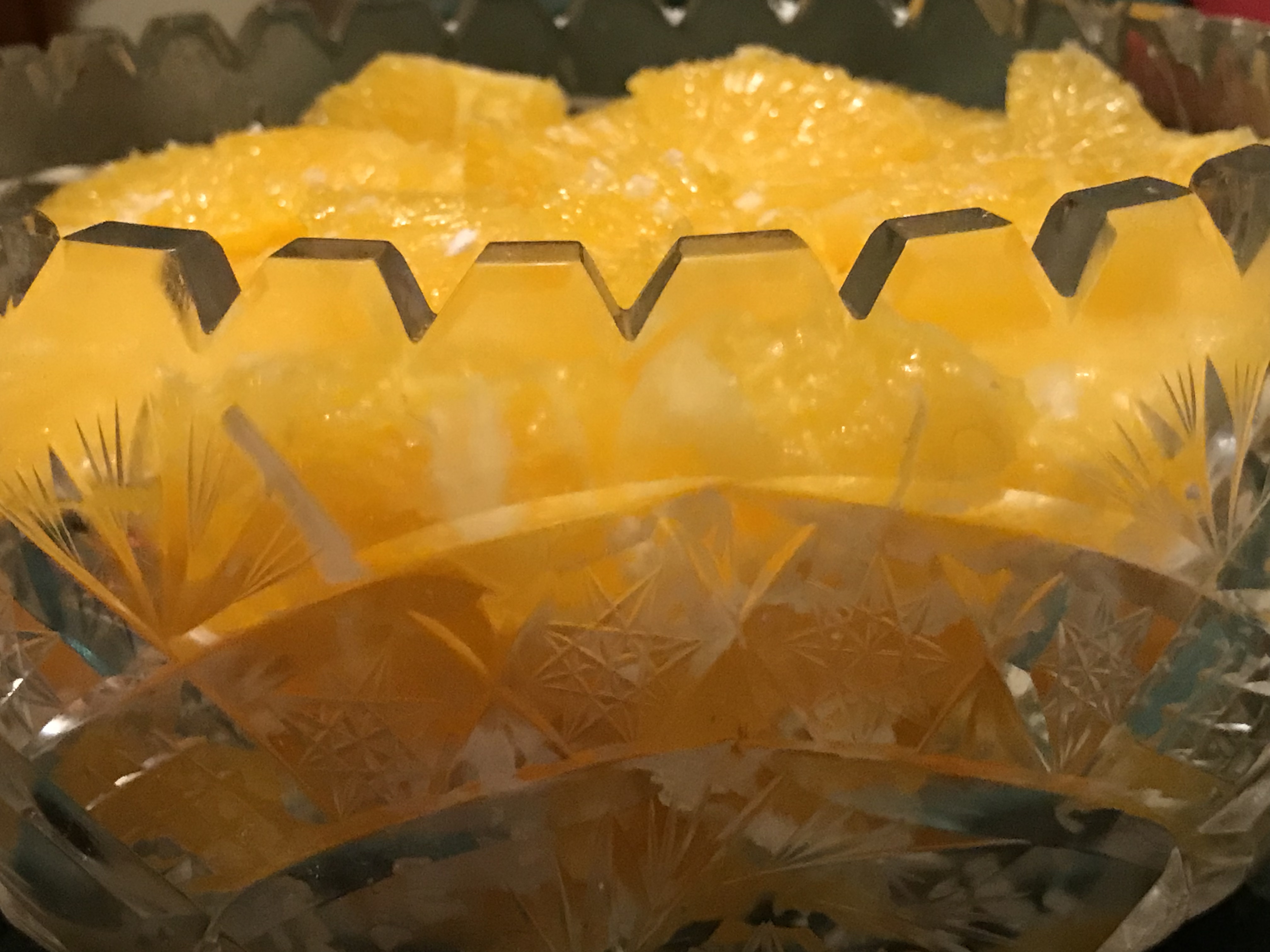
            It’s super simple to make. All you need are oranges, shredded coconut, and powdered sugar. I used five oranges and about a cup of coconut, soaked in hot water for about fifteen minutes to soften. The oranges are peeled, quartered, sliced, and layered in a glass serving dish. The slices are sprinkled with a bit of powdered sugar, then a layer of coconut, repeated until the oranges are used up. On the last layer of oranges is just the powdered sugar. The ambrosia is so pretty, and tastes just as good.

Standard
food history, mexican cuisine, recipes

The Americas’ Original Hot Beverage: Mexican Hot Chocolate (Updated with Recipe)

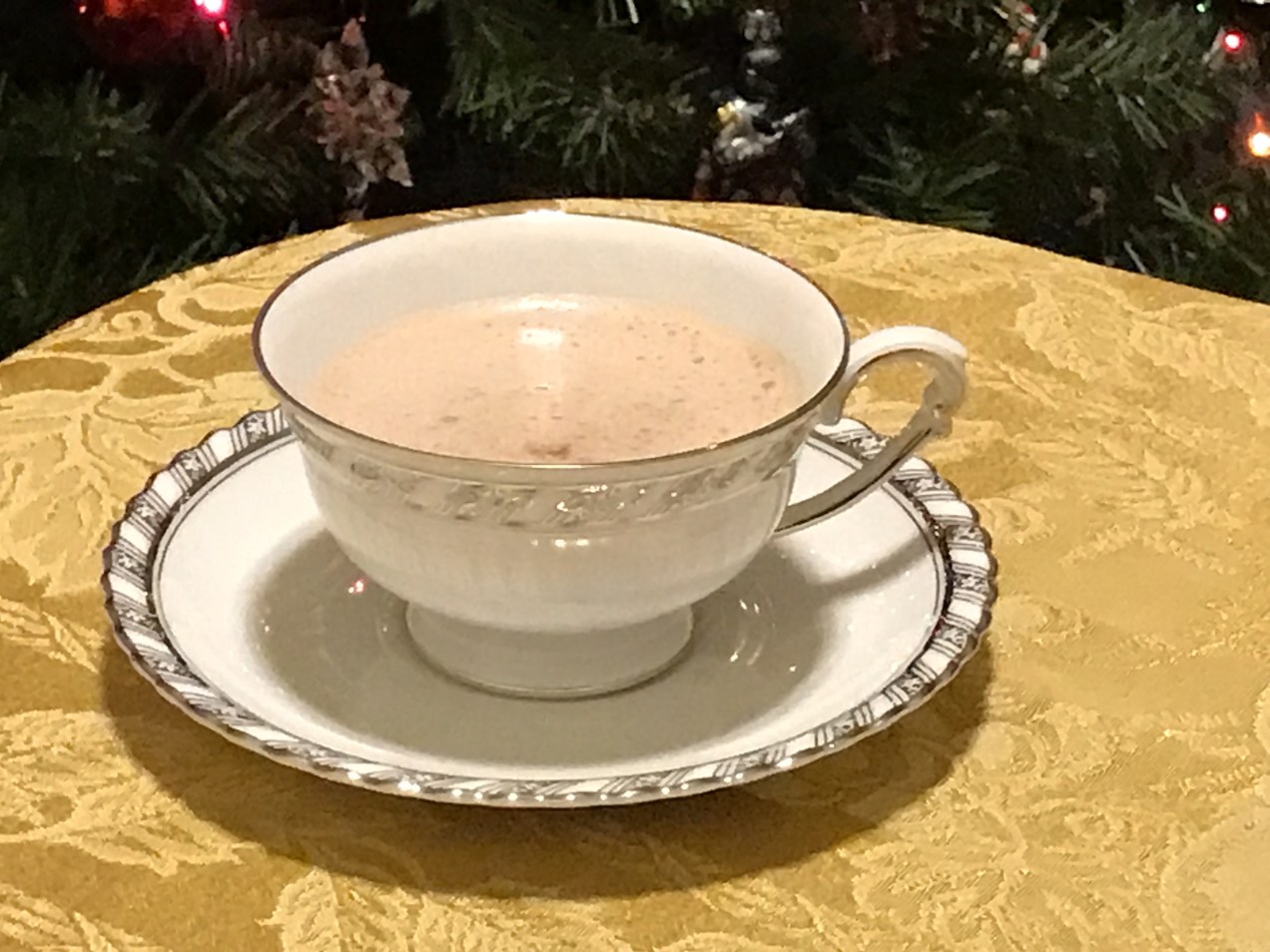
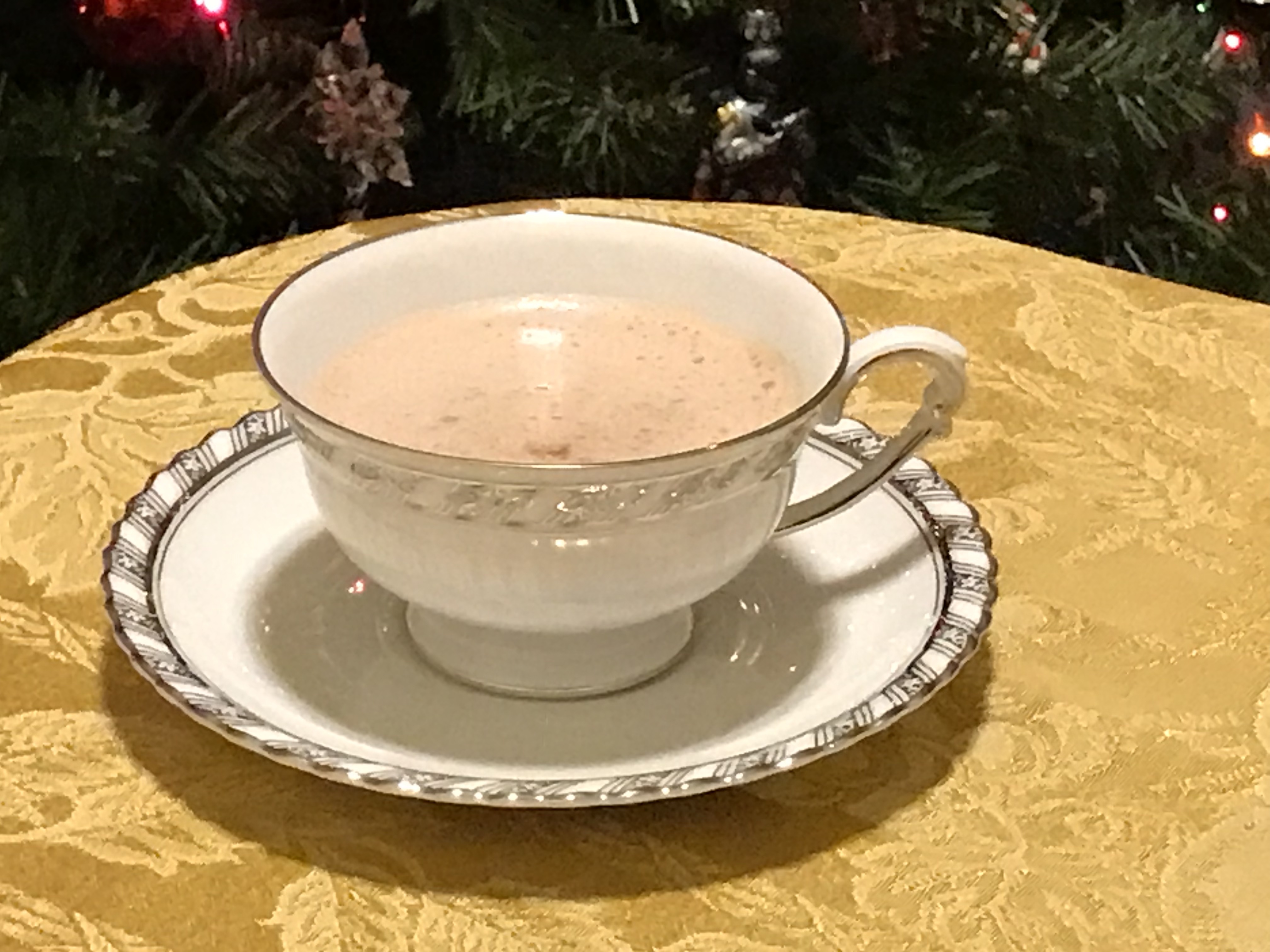
Hot chocolate, nice and foamy

1000 Foods (pgs. 652 – 653)

            Most people enjoy hot chocolate, especially when it’s cold outside. Today, good quality mix is affordable and widely available, but when they were first invented, chocolate drinks were a luxury. Chocolate was first discovered in Central America. The Maya loved it, and the Aztecs traded for cocoa beans, which didn’t grow in their homeland near modern Mexico City. Cocoa beans were even used as currency. Counterfeit beans made of clay were frequently a problem, which demonstrates just how valuable chocolate was. Because it was labor-intensive to grow and process, Mesoamerican chocolate was a drink for the rich.

            The chocolate that Pre-Columbian kings and nobles drank was very different from chocolate today. Typically, it was cold and bitter. Mesoamericans often flavored the chocolate with flowers, vanilla, or even chilies, but rarely sweetened it. They didn’t have sugar, but why they didn’t utilize other sweeteners is a mystery. Maybe it was just a matter of taste. What they did do was pour the chocolate between two cups before serving, to create a nice foam.

Advertisements

            Exactly why the Maya, Aztecs, and other native groups went crazy for unsweetened chocolate is unclear, but maybe they appreciated its fat content enough to overcome the bitter taste. Maybe they liked the caffeine content and eventually got used to the flavor. Or maybe it was chocolate’s reputation as an aphrodisiac. Regardless, the Aztecs were importing and collecting massive quantities of cocoa beans as tribute when the Spanish showed up.

            At first, the Spanish couldn’t understand what all the fuss was about. Many thought it was dangerous, that it caused leprosy, or that it would make their beards fall out. Soon some of them decided to risk it, probably because of its alleged aphrodisiac qualities. Eventually, they began adding sugar and milk, removing the chili peppers, adding spices like cinnamon, and serving it hot. Once the recipe was adjusted, chocolate was brought from Mexico to Spain, then the rest of Europe. Until the 19th Century, there was no chocolate candy. It was always a drink.

Advertisements

            Mexican hot chocolate can be thought of as an example of “fusion cuisine,” from long before the term was coined. Cocoa beans and the vanilla often used to as a flavoring are native to Mesoamerica. Europeans introduced sugar and dairy cattle to the Americas. They also brought cinnamon, the other main flavoring, which originated in Asia.

            One of the best-known Mexican hot chocolate brands is Ibarra. I was able to find it at a local Mexican grocery. Each container has multiple solid tablets, which each make four servings. They are sort of like baking chocolate, but grittier from sugar crystals spread through the mix. It’s super easy to make. Just add the tablet and some milk in a saucepan, and heat until the chocolate is melted and the mixture steams. Constant whisking helps prevent scorching and makes it frothy. Using an immersion blender after cooking adds extra froth.

            Using chocolate tablets instead of cocoa powder gave the hot chocolate a smooth, creamy texture, but it was a little on the sweet side. This is easy enough to remedy by adding an extra cup of milk and adding a square of bittersweet baking chocolate. The cinnamon flavor wasn’t very strong, but that might be due to the type of cinnamon in question. In the US and Canada, cassia cinnamon is the default, but in Latin America, it’s Ceylon or “soft stick” cinnamon. Since I was looking for the stronger flavor of cassia cinnamon, I might have missed it. Regardless, it was an excellent winter drink.

To make it, here’s what you need:

  • 5 cups milk (I used 2%)
  • 1 Ibarra hot chocolate tablet
  • 1 square (1/2 oz) bittersweet baking chocolate

And here’s what you do:

  1. Heat the milk and chocolates in a saucepan on medium heat, whisking constantly to fully blend the ingredients and prevent scorching.
  2. When the mixture steams, remove from heat and either whisk vigorously or use an immersion blender to make it foamy.
  3. Ladle the mixture into cups and serve, making sure each cup has some foam.
Standard