Uncategorized

Cook’s Tour of Italy Menu 30 (Pgs. 98 – 102): Milanese Risotto Menu

Region: Lombardy

Menu: Broccoli Baked with Prosciutto, Milan-Style “Veal” Shanks, Milan-Style Risotto, Baby Spinach Salad with Oil and Lemon Dressing, Fresh Orange Slices with Slivers of Orange Zest

Recommended Wine: Various reds from Lombardy

            Milan is famous for many things. It is Italy’s business capital, a world-renowned fashion center, and home to more than 2000 years of history. In the 3rd and 2nd Centuries BC, Roman culture spread from there and other cities across the Po Valley. During the 4th and 5th Centuries AD, Western Roman Emperors often resided there instead of in Rome. Here they crossed paths with the Church Fathers, many of whom, including Saints Ambrose and Augustine, lived there for at least part of their careers. In the Middle Ages, Milan emerged as one of the main trading hubs of Northern Italy, even rivaling Venice and Genoa in the 14th and 15th Centuries. Other claims to fame include its silk industry, the world-famous La Scala Opera, and fabulous Gothic cathedral.

            Then there’s the food. Historically (and currently), Milan had a lot of wealthy residents, and it is the cuisine of the privileged that is most well-known. Milanese-style veal cutlet resembles Austrian schnitzel. Panettone, loaded with butter and egg yolks, has become a Christmas treat all over the world. Gorgonzola and mascarpone are just two of the region’s notable cheeses. But perhaps most famous is the duo featured here: braised veal shank with golden risotto.

            The name of the veal shank is osso buco, which roughly translates as “bone with the hole.” Inside the bone is the marrow. With its high fat content and soft texture when cooked, bone marrow was historically a delicacy and is still treasured in many parts of the world. For an authentic osso buco, it is essential, and often the dish is served with special narrow spoons for extracting it. (Text, pg. 100) A sprinkle of minced garlic, lemon peel, and parsley brightens an otherwise heavy entrée.

            Risotto Milanese gets its golden color from saffron, a spice used for this purpose as much as for its flavor. From Ancient Greece and Rome all the way to India, saffron was used as a dye. Ancient peoples often associated it with the sun and sometimes considered it sacred. In the Middle Ages, it was used to make elaborately gilded meats and poultry and add color to pastries, jellies, and other dishes. An early form of risotto may have been colored with saffron at this time, but probably would have been simply cooked in broth or almond milk and possibly flavored with sugar and spices. The addition of butter was a later, Early Modern addition.

            As discussed in previous posts, spinach and lemons were introduced to Europe during the Middle Ages. Both were adopted quickly, with spinach mostly replacing other greens (like sorrel) previously used in cooking. Lemons didn’t replace vinegar as a key sour ingredient, but their juice became a supplement while their aromatic peels were added to various dishes as an additional flavor. Around the same time, bitter and sour “Seville” oranges were introduced and were used in similar ways.  Sweet oranges came later, in the 16th Century, brought by Portuguese sailors returning from East Asia. Unlike most other fruits, they ripen in the winter, making them a popular Christmas treat for those who could afford them.
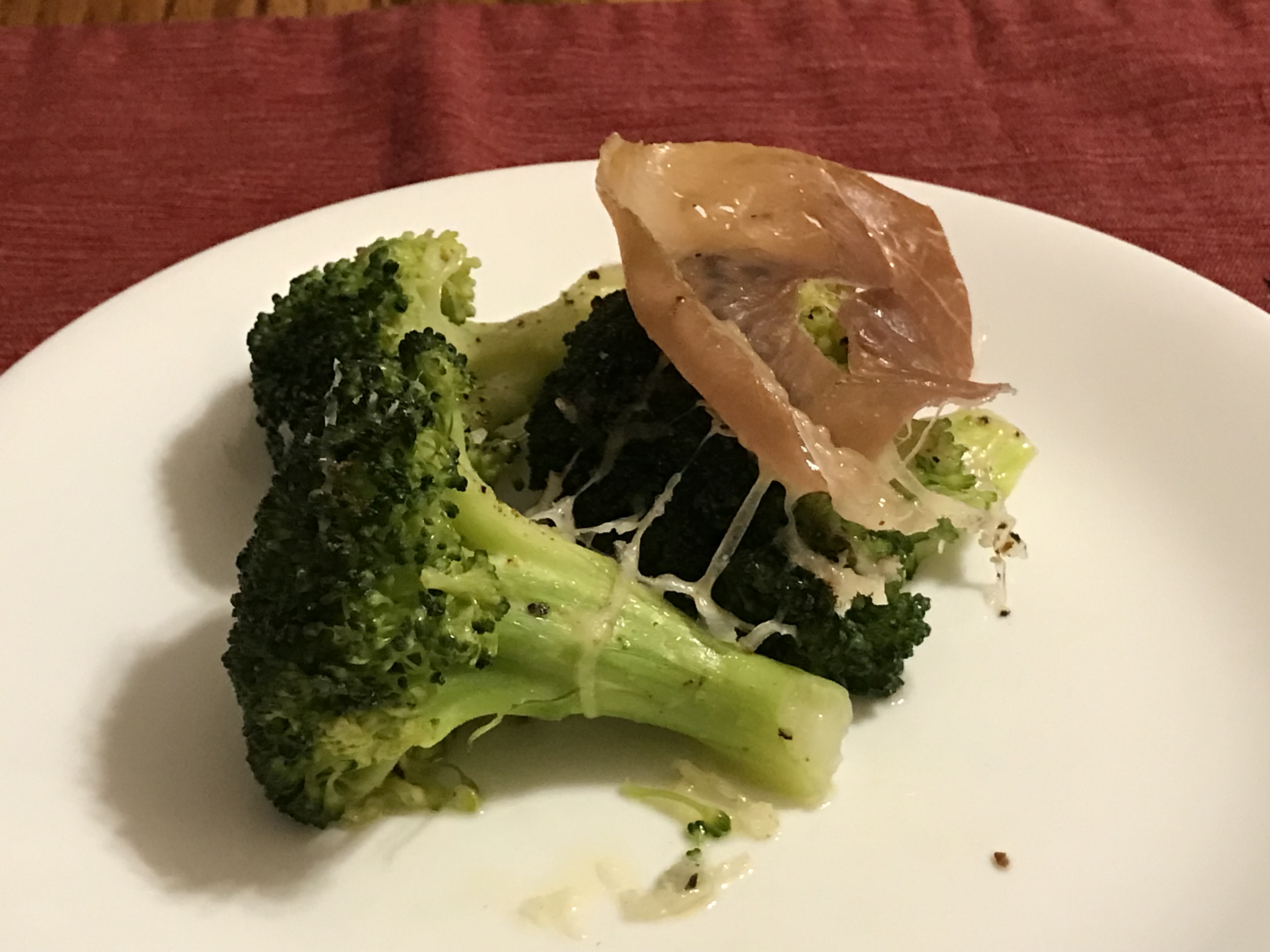
            This was a fantastic dinner overall. The buttery, lemony broccoli with parmesan cheese was an interesting change of pace, though the prosciutto was probably not necessary. There was plenty of flavor without it. The osso buco was well-deserving of its status as a classic. I made it with beef shank instead of veal, but kept everything else the same. The beef became tender over the long cooking time, a mix of carrot, onion, and celery gave the sauce a great flavor, while the gremolata, a mix of parsley, garlic, and lemon peel, brightened everything. Even the bone marrow, which I was a little unsure about, tasted rich and buttery when spread on the meat.
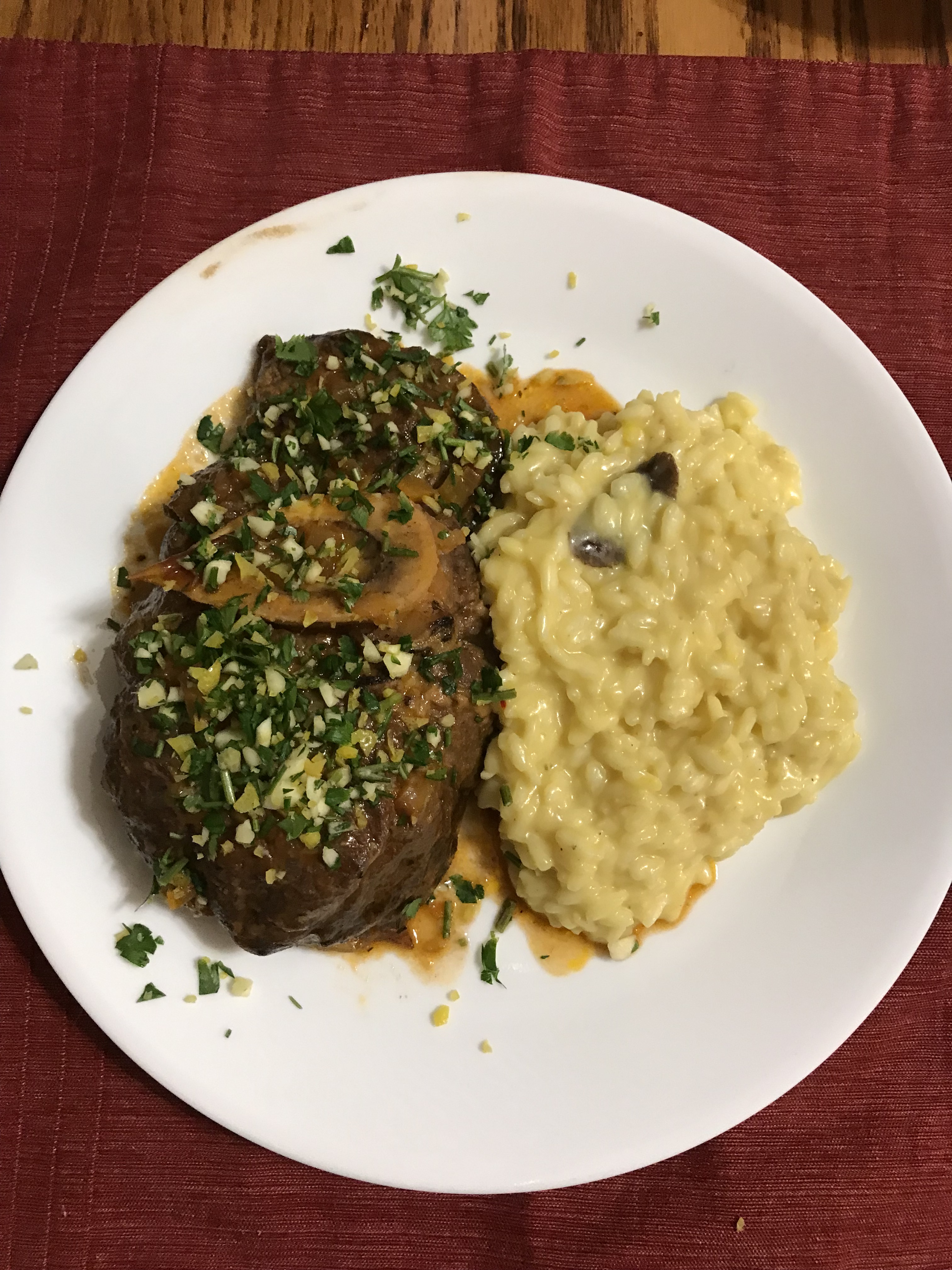
            Having a creamy risotto was a nice contrast to the highly-flavored meat and sauce, but I had two problems with the recipe. First, the saffron was not soaked in water or broth before being added. As a result, it didn’t finish releasing its color before the cooking was finished, so the risotto was fairly pale. As the dish sat on the table, orange spots appeared around the saffron threads. In addition, the medicinal flavor was pretty strong. Personally, I think a plain risotto would be a better complement, but it was still good. Any food that’s been around for hundreds of years tends to be.
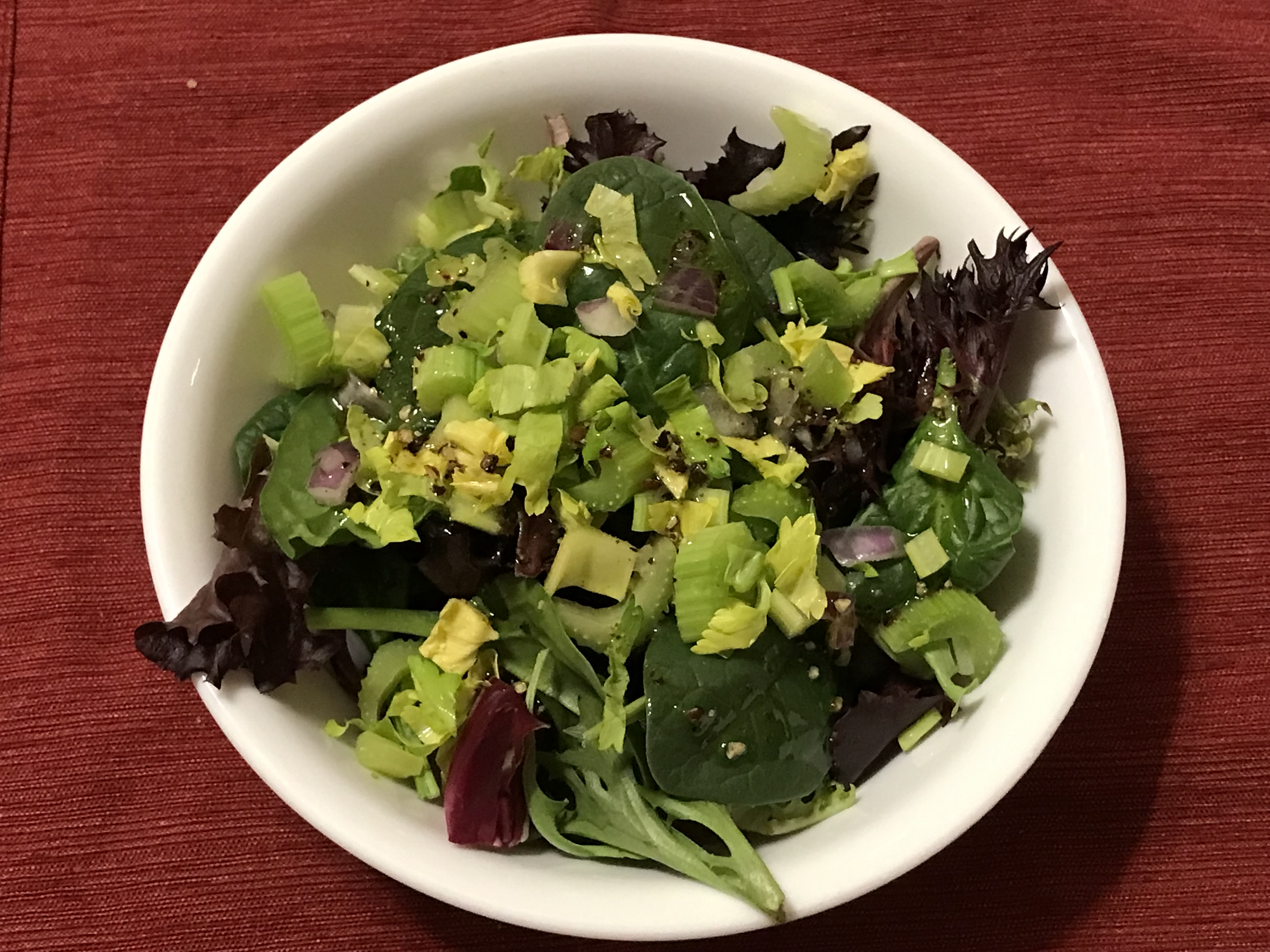
            The salad was a nice palate cleanser, but the dressing seemed really sour. This has often been an issue with dressings that use lemon juice instead of vinegar. I’m not sure if Italian diners like sour flavors more or if the grocery near me has particularly acidic lemons. Either way, a tiny bit of sugar or honey would go a long way in balancing out the acidity without necessarily tasting sweet. If serving this again, not only would I add a bit of sugar or honey, but I would serve it after the broccoli. Even though all menus in the book that include salad place it after the main course, the bright, sour flavor makes more sense here. The salad can refresh the palate after the rich broccoli; the oranges serve the same purpose after the meat and rice.

            After all the meat, butter, and cheese, the oranges make a perfect dessert. The light syrup and sprinkling of zest add another level of complexity but keep them light and refreshing. I had a slight issue when the melted sugar hardened as soon as I added the fresh juice, but with lots of stirring and a little reheating I was able to get everything combined. These extra touches enhanced the oranges, but for a simpler dinner, plain orange slices or clementines would be good too. With the heavier foods common in the winter months, oranges provide a great contrast, plus fiber and lots of vitamin c. What more can you ask for in a winter dessert?

Standard
Uncategorized

Cook’s Tour of Italy Menu 45 (Pgs. 139 – 140): Turkey Breast Baked with Prosciutto and Cheese to Resemble a Cardinal’s Hat

Region: Veneto

Menu: Prosciutto-Wrapped Turkey Breast with Cheese, Marinated Tomatoes

            Compared to most other forms of poultry, turkeys are a recent arrival in Europe. Native to North America, they were first brought back to Europe by Columbus at some point during the 1490s. Unlike tomatoes, potatoes, and chocolate, which took decades or even centuries to become widespread, the turkey caught on pretty much right away. Turkeys were being raised in Spain within 20 years and were popular in England by Shakespeare’s time.

            The reason for this is probably due to Medieval and Renaissance dining customs. At the time, the “noblest” foods were the various types of fowl, and the variety consumed was astounding. Along with chickens, geese, and ducks, kings and nobles raised pigeons on their estates, hunted pheasants and quails, and even ate things like larks, cranes, and herons. For banquets, the centerpiece would be the biggest, showiest bird they could find, often a swan or peacock. While these displays were impressive, particularly when the roasted birds were sewn back into their feathers to arrive at the table looking alive, most sources suggest that neither of them tasted particularly good. When another impressively-sized bird that did taste good became available, it’s hardly surprising that it became popular immediately.

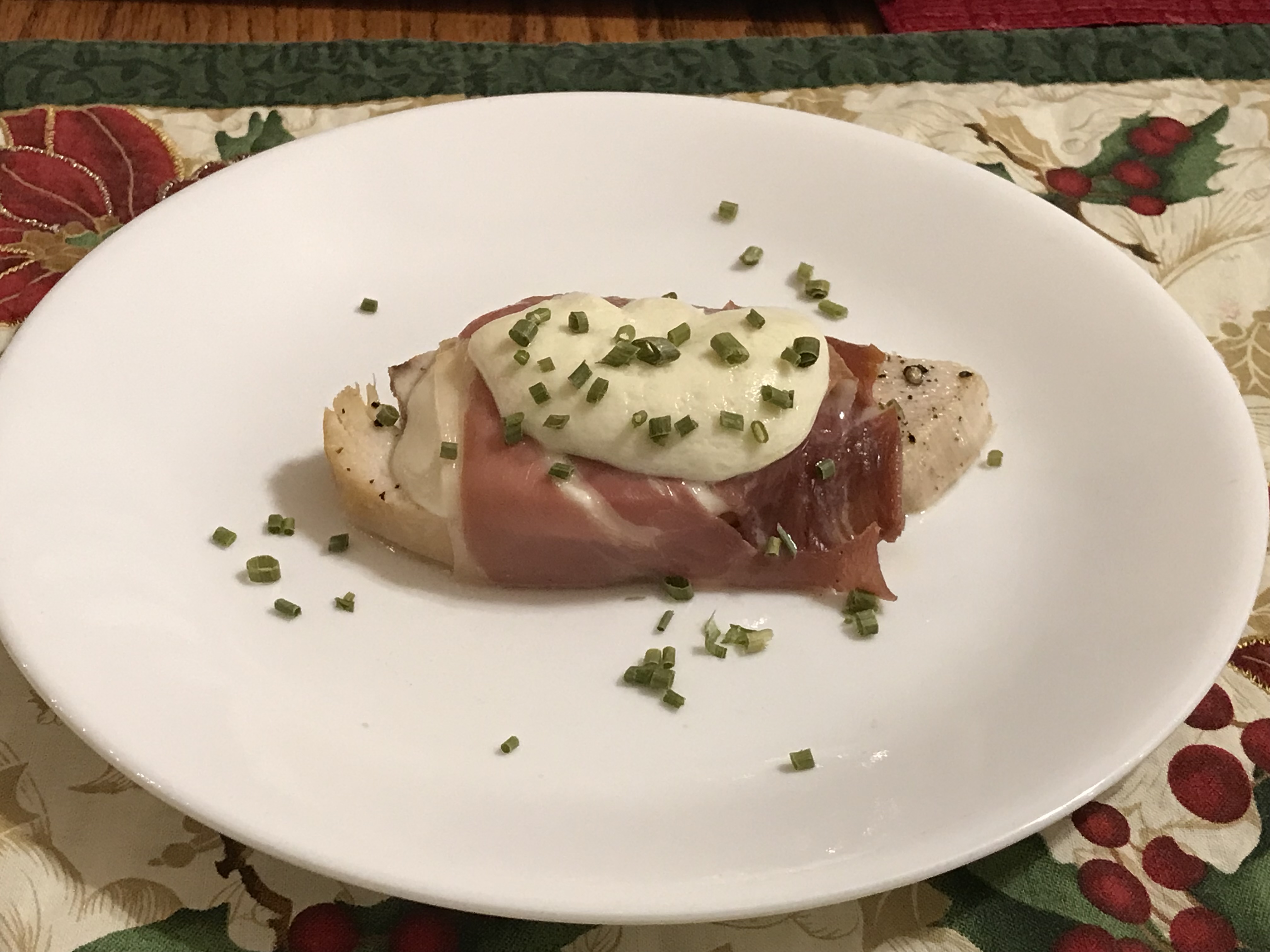
            Contrary to what most people think of when they hear the phrase “Italian food,” roast turkey is actually a popular Christmas dish in many parts of the country. Here is a simpler preparation, where a slice of turkey breast is wrapped in prosciutto, topped with cheese, broiled, then topped with marinated tomatoes or beets. This is supposed to resemble a Cardinal’s hat, but admittedly, I’m having trouble seeing it. I’m not sure if this played a role, but I did make a minor adjustment. The recipe called for slices of raw turkey breast, but since I had leftover roast turkey, that was what I used. I was a little worried about it drying out, but the prosciutto and cheese kept that from happening. It was pretty good, but I’m not sure if I’d make this again, given all of the other dishes that can be made with leftover turkey.

Standard
Uncategorized

Cook’s Tour of Italy Menu 50 (Pgs. 163 – 166): Dinner at a Friend’s House, Parma

Region: Emilia-Romagna

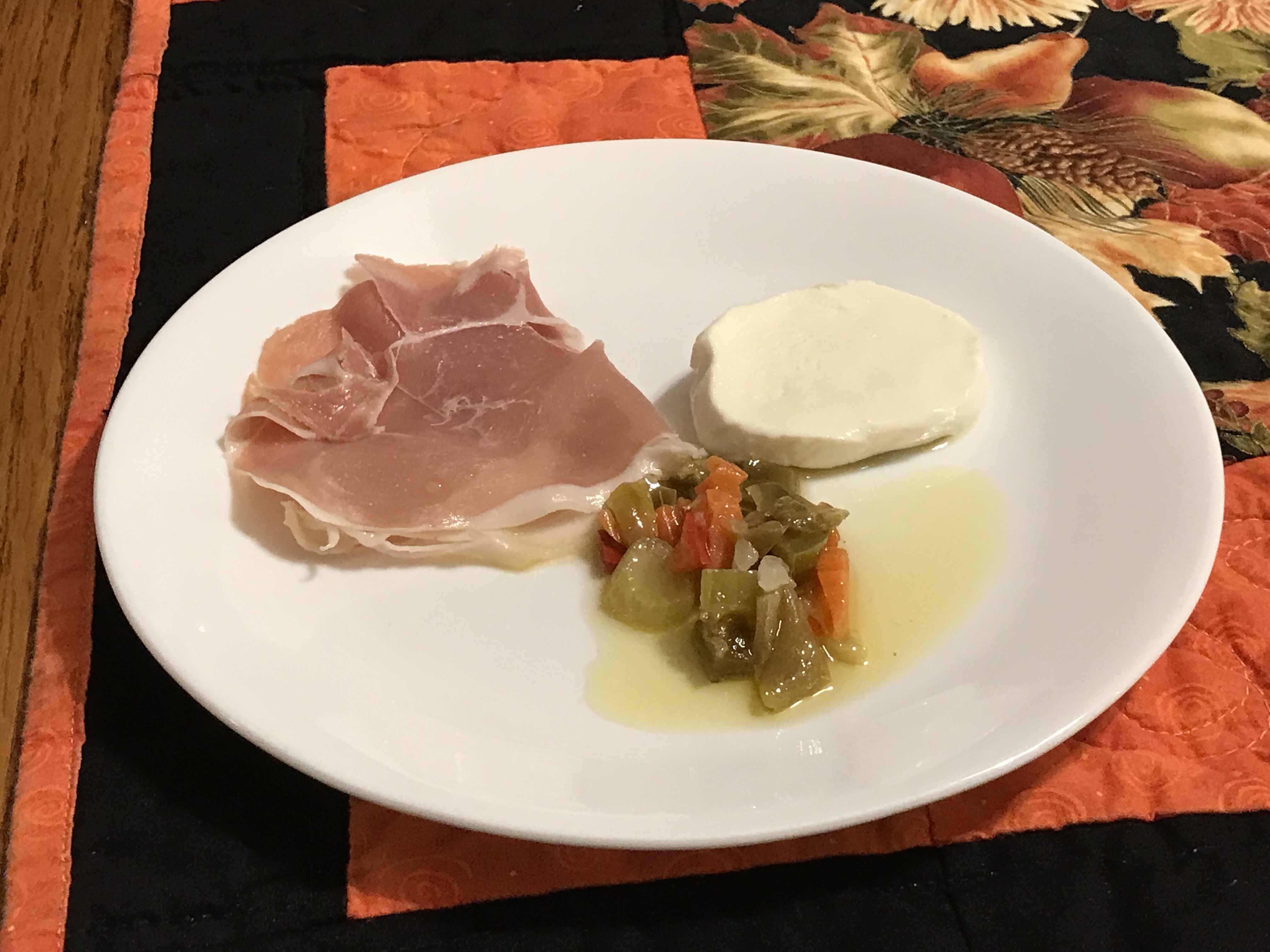
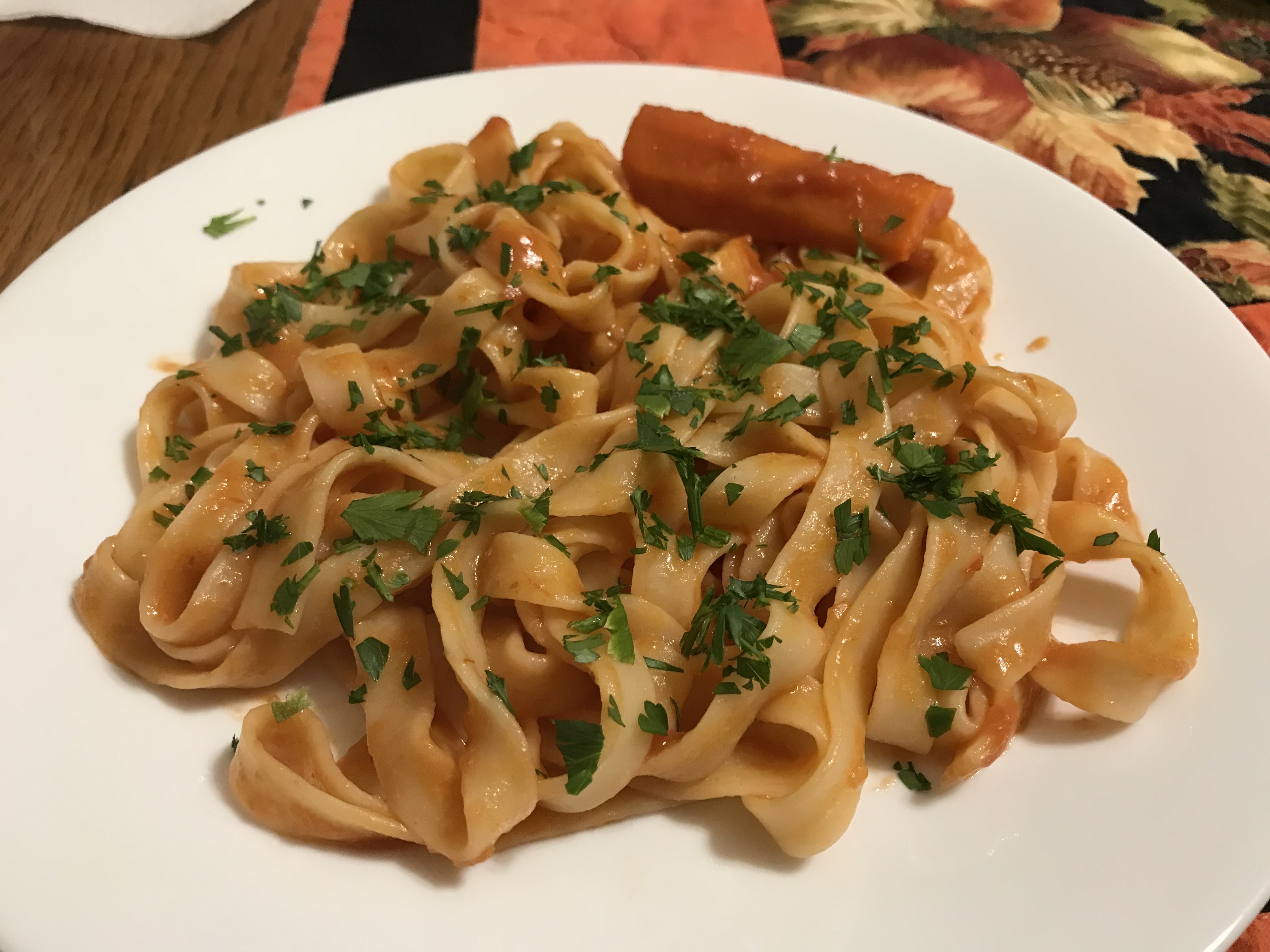
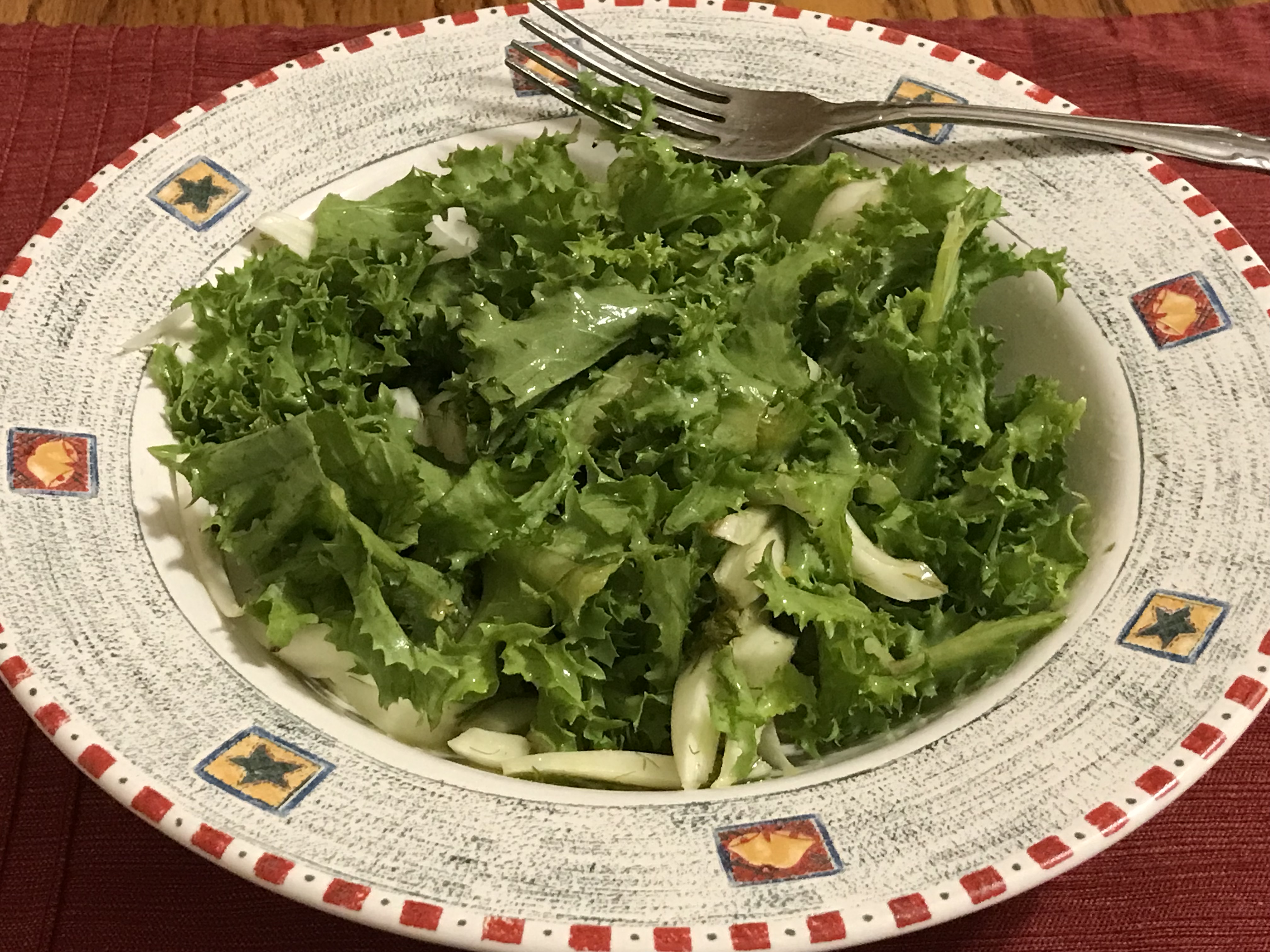
Menu: Cured Meats and Pickled Vegetables, Tagliatelle with Buttery Tomato Sauce, Salad with Herb Dressing, Pears Baked in “Wine” with Mascarpone

Recommended Wine: Sparkling Lambrusco or Lambrusca di Sobara

            In Parma, as in the rest of Emilia-Romagna, fresh egg pasta is a specialty. As mentioned in a previous post, eggs used to be a bit of a luxury. While the common people couldn’t eat them in pasta on a daily basis, it was more affordable in historically richer Emilia-Romagna than in much of the South, where poverty and social inequality were more extreme. Thus, fresh pasta, made with eggs and often stuffed, is associated with Northern Italy, while dried, eggless pasta is more common in Southern Italy. This menu includes not only a fresh pasta, but other regional specialties like Parma ham, mortadella, a buttery sauce, orchard fruit, and cow’s milk cheese.

            The first course is a selection of preserved items, an essential part of the diet in the days before refrigeration. Salting, drying, and pickling are all featured here. For thousands of years, people have salted and air-dried meats, especially pork, all over Italy. The variety of hams and sausages are endless, and in Emilia-Romagna, the most famous are prosciutto ham and mortadella, a lightly-spiced sausage often studded with pistachios. Vegetables are often preserved in vinegar, which tends to be plentiful in areas with a lot of wine production. Salt and vinegar both inhibit bacterial growth, while drying removes the water that bacteria need to survive.

            I had some trouble finding mortadella. The closest thing I could find was ring bologna, which while based on the original and probably of very good quality was not quite the same. I ended up replacing the mortadella with mozzarella cheese, which was a nice contrast to the stronger-flavored prosciutto and pickled vegetables.

            Normally, tomato-based sauces are bright and zesty while white sauces are rich, but this sauce bridged the gap in a remarkable way. Flavored with onion, carrot, and a lot of butter, it’s filling but not heavy and has a nice depth of flavor. With a sprinkling of parmesan cheese and parsley, this dish is simple and delicious, with an interesting history. Pasta has been eaten with butter and parmesan cheese since at least the Renaissance, but at that time adding sugar and spices was as common as adding herbs like parsley or basil. Heavy spices and sugar became less popular in the 16th and 17th Centuries, but tomato sauce did not become popular until the late 18th or early 19th Century. All of this means that until about 200 years ago, this seemingly classic dish would not have been found.

            The salad was better than I expected. Even though I don’t usually like anything with a strong licorice flavor (like fennel), here it’s sweetness and aroma balanced the bitter chicory and sour dressing really well. In fact, given how bitter and sour the mix was, it probably could have used more fennel. Another option would be to add in another green with the chicory and dilute the lemon juice a bit.

            Whether raw or cooked, pears have been a dessert favorite for over 2000 years. The Ancient Romans ate them plain or baked them in a sort of custard. Baking or stewing them in wine with spices has been common since the Middle Ages. Here, they are baked with white wine, sugar, cinnamon, and cloves, then served with a bit of mascarpone cheese. The recipe calls for white wine to keep the color from “competing with the mascarpone” (Text, pg. 165). That wasn’t an option here, since I wanted a non-alcoholic dish and red grape juice was easier to find. And personally, I think the red exterior and beige interior, with a little bit of white cheese in the center, is just so pretty. The pears tasted as good as they looked, though I must admit that I liked the dessert even better when replacing the mascarpone with a scoop of ice cream. Still, the fabled cuisine of Emilia-Romagna didn’t disappoint.

Standard
Uncategorized

1,000 Foods, 1 Really Weird Video

The Cook, the Thief, His Wife, and Her Lover (pg. 9)

            We start with our new source not with a food, but with a video. Ms. Sheraton alluringly describes the British film, featuring Dame Helen Mirren, as a feast for the eyes. A wealthy criminal and his wife regularly dine at a fancy restaurant where the preparation and service of haute cuisine is elaborately portrayed. During the meals, the wife frequently slips away to conduct an affair with another regular customer in the bathroom and kitchen. At some point, there is murder and cannibalism involved. Based on the description, I was expecting over-the-top comedy with lots of food porn.

            As it turned out, it was over-the-top drama with borderline actual porn. It had a dark, film noir kind of feel, and I kept waiting in vain for the plot to develop. Food displays were peripheral, rather than central, and there were a lot of things that didn’t make sense. Why is a restaurant in London, where rents and property values are very high, using its kitchen space so inefficiently? Where were the health inspectors? And why didn’t the thief, who seemed to run a successful organized crime operation, figure out his wife was having an affair until someone else told him? They weren’t being exactly subtle. Maybe the film was supposed to be a sort of sophisticated modern art, but I didn’t get it or care for it.

Standard
Uncategorized

Adding Another Source

            While I continue to cook my way through A Cook’s Tour of Italy, there is a lot more of the world to see and taste. Almost every country has its own regional cuisines, and what we eat says a lot about our history and values. A few months ago, I got a fascinating book as a birthday present from a friend: 1,000 Foods to Eat Before You Die by Mimi Sheraton. With its global scope plus history and folklore, it has been a remarkable read. Entries are grouped together by region, which is especially helpful in finding connections.      

As I read, I have been compiling a spreadsheet to keep track of everything, since a thousand entries is a lot to remember. To make things even more interesting, some of the entries are not specific foods at all, but restaurants and markets to visit, paintings to admire, and even a few books and movies. In some cases, imagination must fill in for tasting. While I do not plan to sample everything on the list (due to cost, ethics, availability, safety concerns, or personal taste), each item provides another snapshot into regional and global patterns.

Standard
Uncategorized

Cook’s Tour of Italy Menu 38 (Pgs. 121 – 125): Dinner for 4, Venice

Region: Veneto

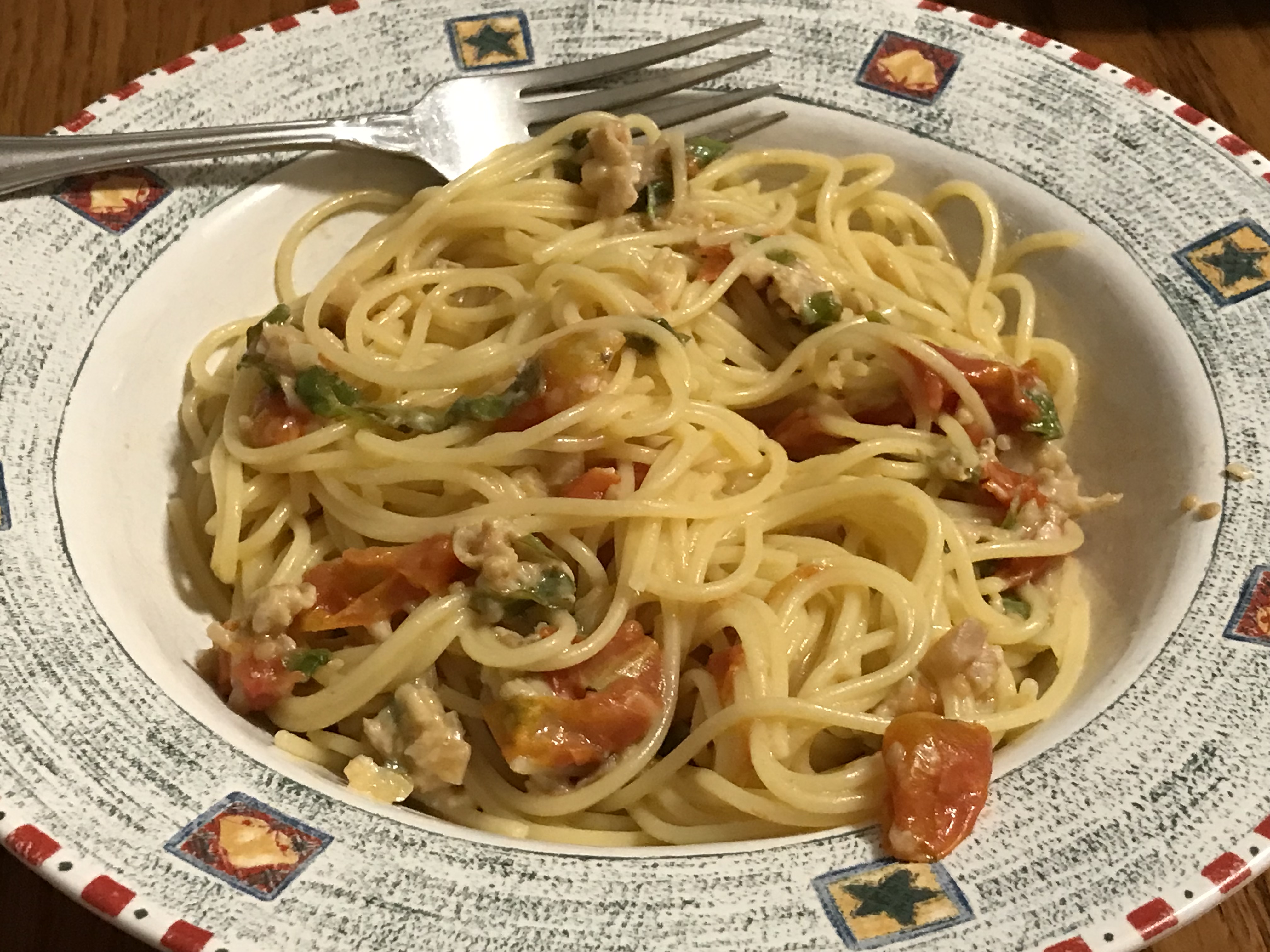
Menu: Thin Spaghetti with Tomato-Clam Sauce and Fresh Basil, Cornish Hens with Herbs and Pancetta, Marinated and Sauteed Radicchio, “Zabaglione” with Fresh Berries

Recommended Wine: San Leonardo (a Bordeaux-like red from Trentino)

            Venetian cuisine is most famous for seafood and rice, but they are not its sole components. Pasta, though not as popular as rice and polenta, is common, served with all manner of fish and shellfish, or sometimes beans for a vegetarian dish. Meat and vegetable specialties include liver and onions, smothered cabbage, and radicchio. Combined with things like creamed, whipped salt cod and cuttlefish stew, these elements of Venetian cuisine are far from the tomato-heavy dishes popular further south.

            Exactly why tomato sauces are so much more popular in the South than in the North when tomatoes can be grown throughout Italy is not entirely clear, but I have a theory. In another cookbook, I found a map showing where each starch (bread, rice, polenta, and fresh and dried pasta) is most common. Overlaid on the map were lines showing where sauces are mostly tomato-based, which bore a striking resemblance to a map of Spanish possessions in Italy in the 16th and 17th Centuries. In other words, Sicily, Sardinia, and the southern half of the mainland were under Spanish control during the two centuries of the Columbian Exchange. Since it was Spanish explorers who first brought these new foods to Europe, it would make sense that these foods would have arrived sooner and spread faster in regions they controlled. While this theory doesn’t explain everything (especially why corn caught on sooner and more thoroughly in the North, which was not under Spanish control), it could have been a contributing factor.

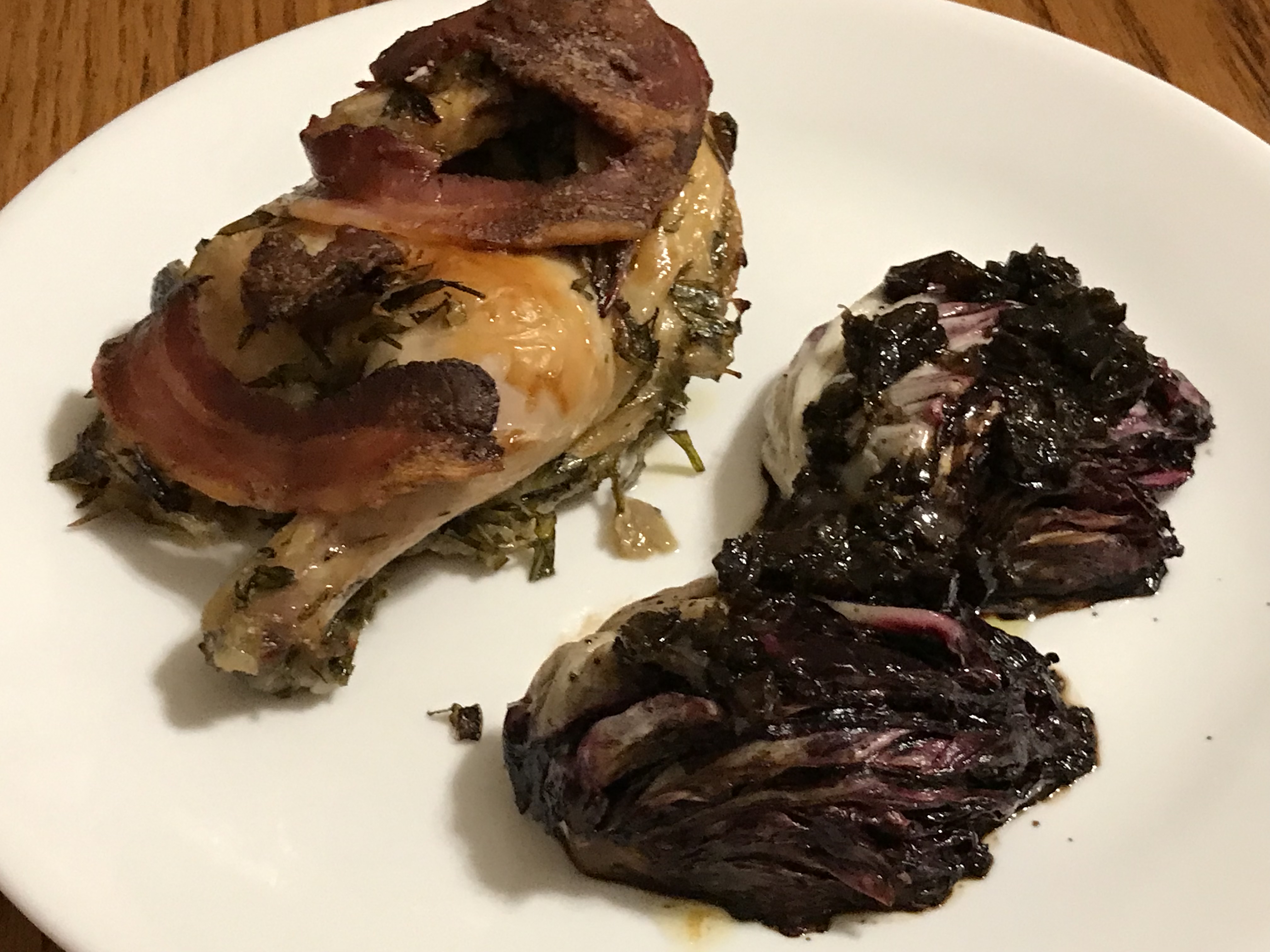
            Regardless, tomato sauces are not unheard of in the North. This menu features an interesting one, made with cherry tomatoes and enriched with clams. Clam sauces are not usually my favorite, and after my experience with the deviled eggs I considered omitting them. Ultimately, I’m glad I didn’t. The tomato really cut the “fishiness,” while the clams and a sprinkle of parmesan cheese added substance. I was surprised by how much I enjoyed it. Similar success came with the Cornish hens (an option to use instead of quail), though I omitted the truffle oil. It’s pretty hard to go wrong with chicken, herbs, and bacon.

            The radicchio was not as successful. Though it is one of the most popular vegetables in Venice and other parts of Northeast Italy, I found it way too bitter. The balsamic vinegar, shallots, and lemon zest in the sauce helped some, and a small bite of radicchio with each bite of chicken provided a nice contrast, but the bitter taste was still hard to get used to. It must be an acquired taste.

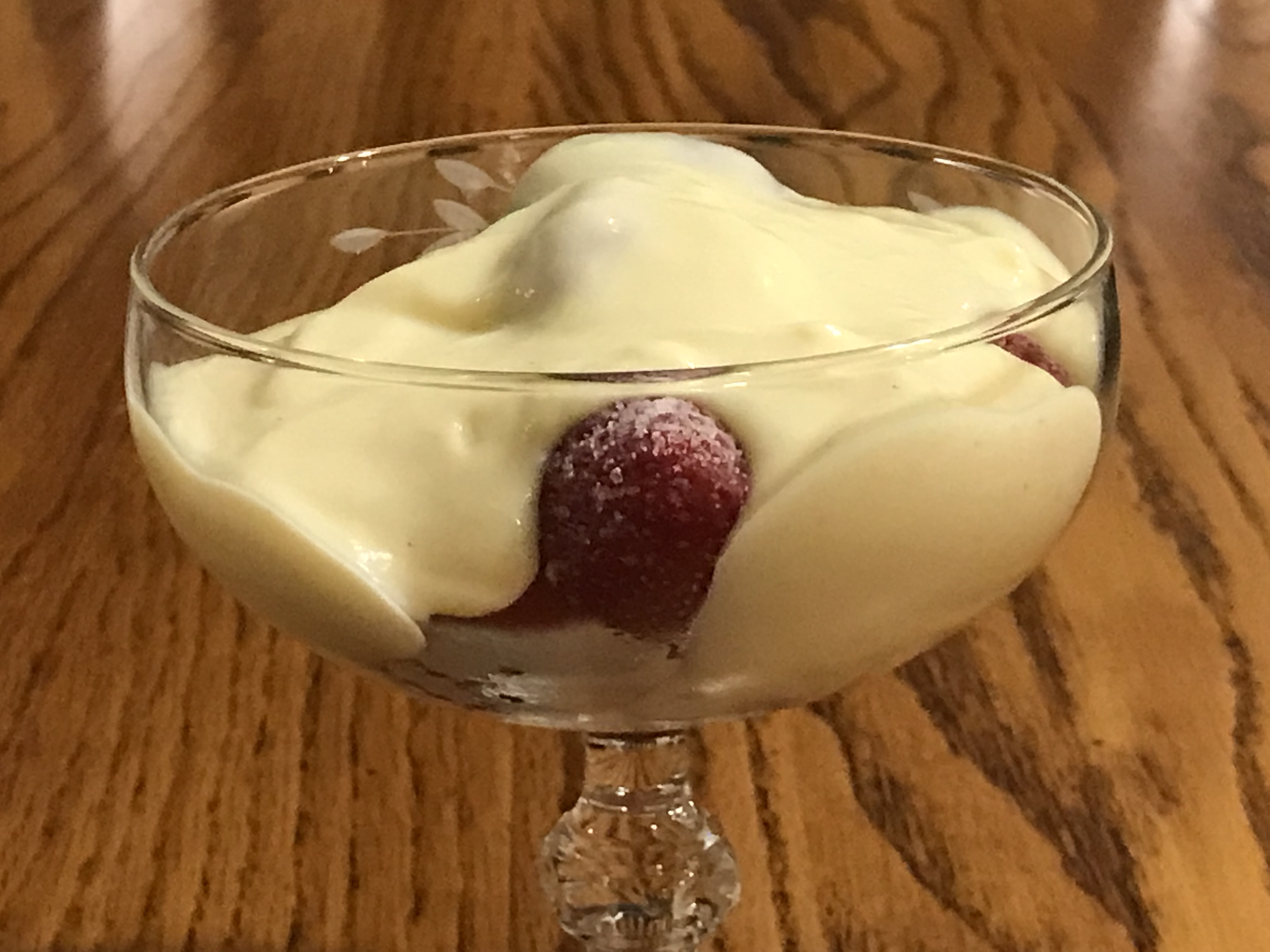
            Dessert was slightly modified from the text. It still consisted of fresh berries with a custard sauce, just a different type of custard sauce. The recipe calls for zabaglione, which, as mentioned in previous posts, is a custard made with wine instead of milk. For some reason, the mix of egg yolks and wine thickens more as it’s heated than a milk-based custard does. This particular zabaglione recipe also includes grappa, a type of brandy made from grape seeds and skins, pressed to extract any remaining juice. It was invented in the region and is often used to preserve fresh berries. (Text, pg. 124) Thus, berries with a grappa-infused custard are a natural choice for dessert.

            However, as also mentioned in previous posts, I don’t personally care for zabaglione. As replacing the wine with milk produces a very thin custard that doesn’t thicken adequately without curdling the eggs, a replacement was necessary. I chose homemade vanilla pudding as the closest alternative. While not quite the same, it’s a good match with the berries, and a fine ending to a Venetian-style dinner.

Standard
Uncategorized

Cook’s Tour of Italy Menu 68 (Pgs. 217 – 220): Menu for 4, Near Brindisi

Region: Naples/Adriatic South (Along the Adriatic Coast)

Menu: Peppers with Almonds, Basilicata Style, Chicken with Spicy Herbed Tomatoes, Baked Caramelized Onions, Tangerine Sherbet with Lemon

Recommended Wine: Campanaro Fiano di Acellino (from near Naples) or Greco di Tufo Vignadangelo

            The Adriatic Coast has a long history. The area was home to a number of Greek city-states in the first millennium BC, as was most of Southern Italy. During the 3rd Century BC, as the Romans moved into the area, the city-states brought in their ally Pyrrhus of Epirus. Despite a series of tactical victories, King Pyrrhus lost too many troops to sustain the war, thus giving rise to the term Pyrrhic victory. The region was subsequently part of the Roman Empire, then the Gothic Kingdom of Italy. In the 6th Century AD, it was the launching point of Byzantine Emperor Justinian’s attempt to retake the Western Empire. Though the Lombards took the region soon after, followed by the Franks under Charlemagne, Byzantine enclaves remained into the 11th Century, when the Normans captured the region.

            On a side note, the rise and fall of the Normans is one of the more fascinating stories in Medieval history. After a spectacular rise in the 11th Century, they reached the peak of their power in the 12th. At one point, they controlled not only their native Normandy, but also England, much of Western France, Southern Italy, Sicily, and the Crusader States in the Holy Land. But in the 1180s, territories began slipping from their grasp. After the loss of the Kingdom of Jerusalem in 1187, the rest of the Crusader States followed by 1291, when their final stronghold of Acre was captured by the Mamluk forces, who were based in Egypt. The Anglo-Norman kings lost Normandy itself in 1204. Sicily was lost in 1282. In the late 14th Century, during the Hundred Years’ War between France and England, the Normans living in France began to see themselves as French, while the Anglo-Normans became truly English. By the end of the Middle Ages, the Normans were what they were a few hundred years before: a unique local culture, but restricted to Northwestern France and subject to the French king.

            In the 15th Century, the forces of Aragon, who had conquered Sicily in the 13th Century, conquered the Kingdom of Naples, gaining control of the southern half of mainland Italy. Soon after, in 1480, the Ottoman Empire attempted to invade Italy through the region, occupying the city of Otranto. Though the arrival of reinforcements halted the invasion and the death of Sultan Mehmed II ended it for good, hundreds of the local population were martyred during the yearlong occupation. For most of the next 400 years, Spanish Habsburgs and then Bourbons controlled the area. Italy was finally unified in the 1860s.

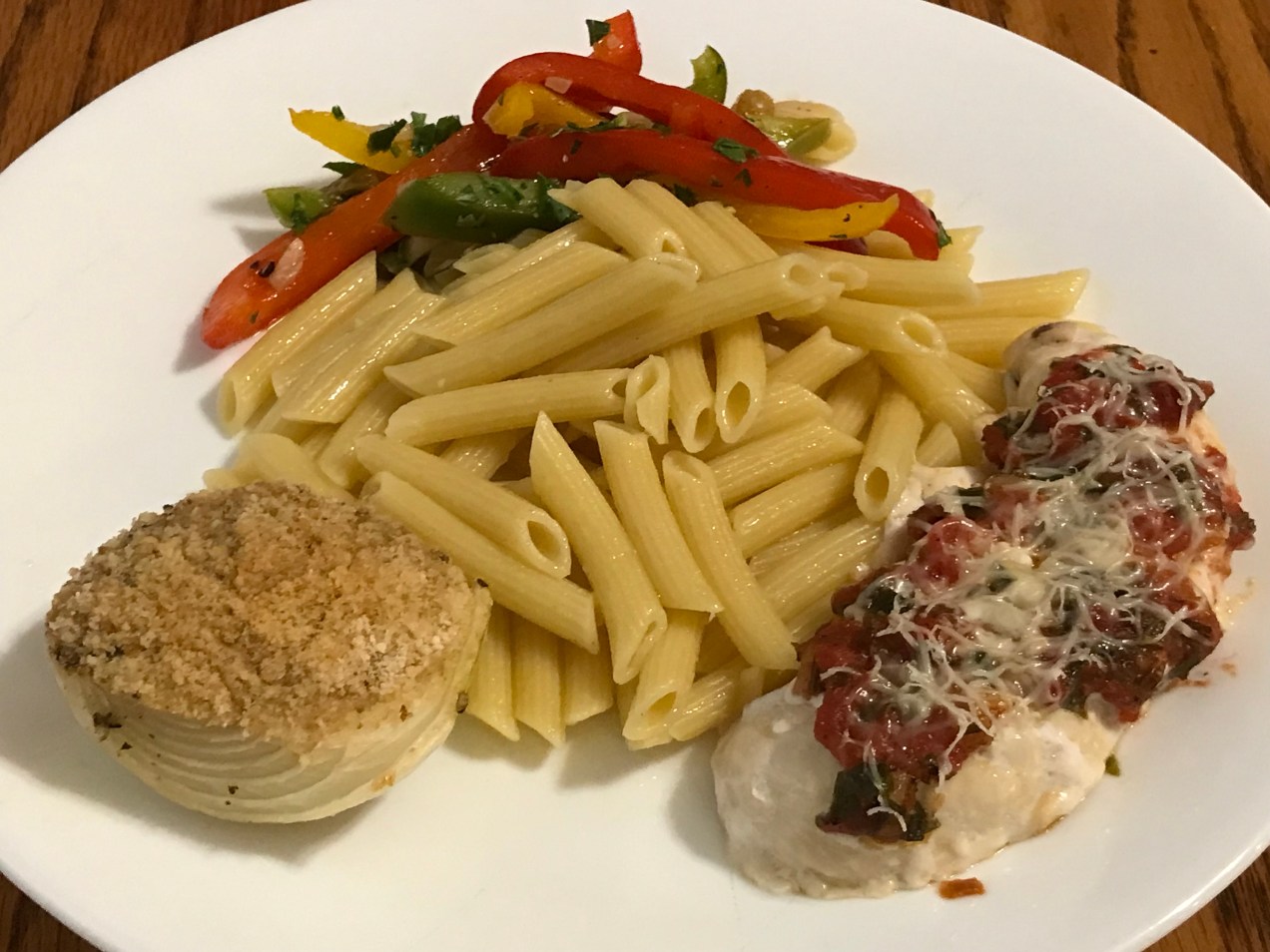
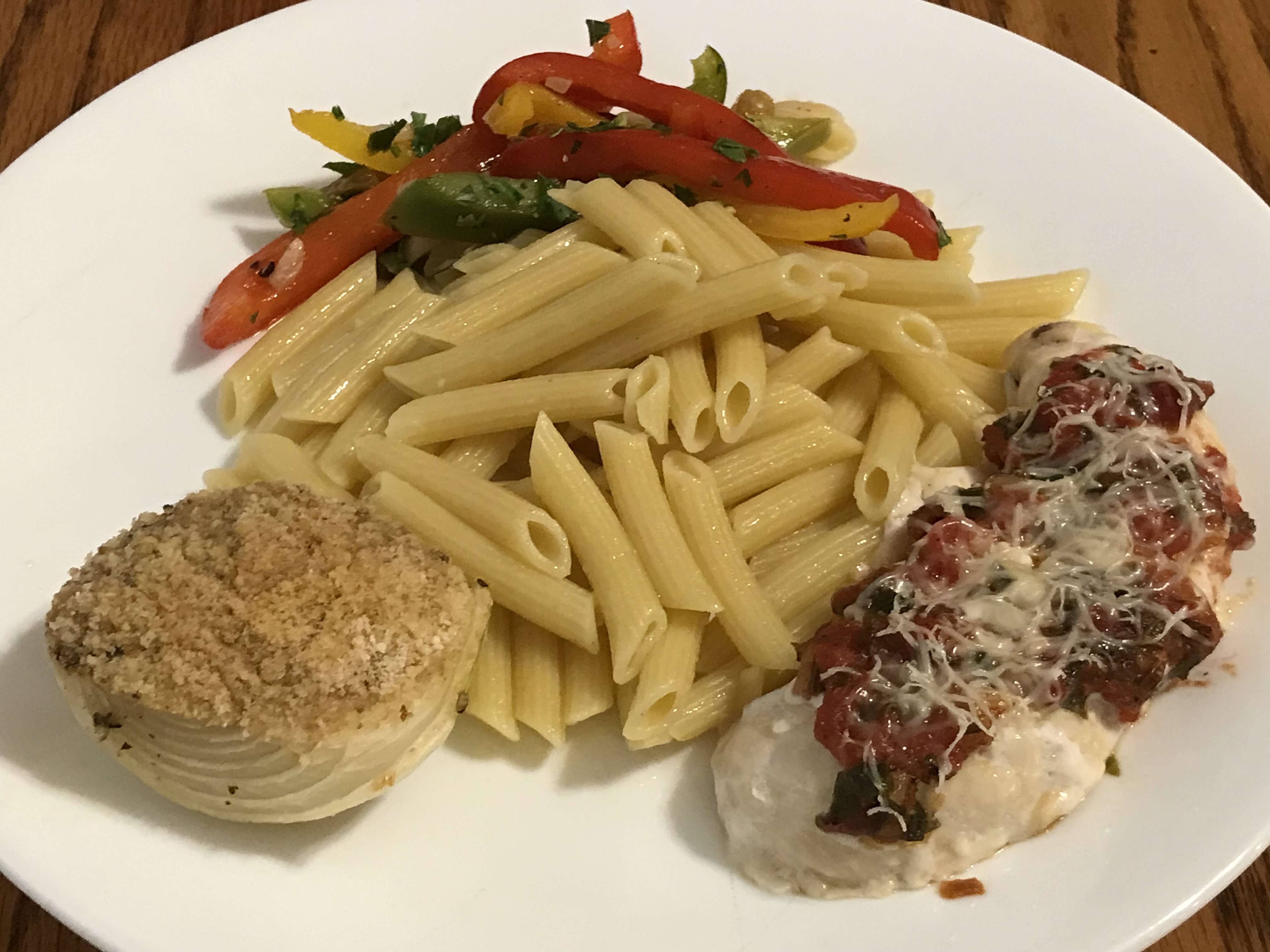
            The cuisine here is much like in the rest of Southern Italy, with lots of olive oil, vegetables, citrus fruits, and some seafood. To be completely honest, this was not my favorite menu, although I would make the chicken again. The spicy tomato sauce added a nice flavor and kept the meat from drying out. As I have in the past, I replaced the pricey seafood (in this case lobster) with chicken. Pretty much any protein tastes good with tomato sauce and cheese, so there’s no reason to break the bank. As the menu seemed to lack a starch, I added some plain pasta to accompany the stronger-flavored dishes.

            While typically associated with meat or seafood, sweet and sour sauces can and historically have been used on a wide range of foods, including vegetables. Personally, though, the sweet and sour peppers were not to my taste. There was nothing wrong with them, but I like peppers better in an omelet, stuffed, or in stuffed pepper soup. The onions were also a bit of a disappointment. It may have been due to the type of onions, but they never became melt-in-your-mouth soft in the oven like they were supposed to, even with some extra time. Despite this, the leftover peppers and onions made a pretty good omelet filling the next day.

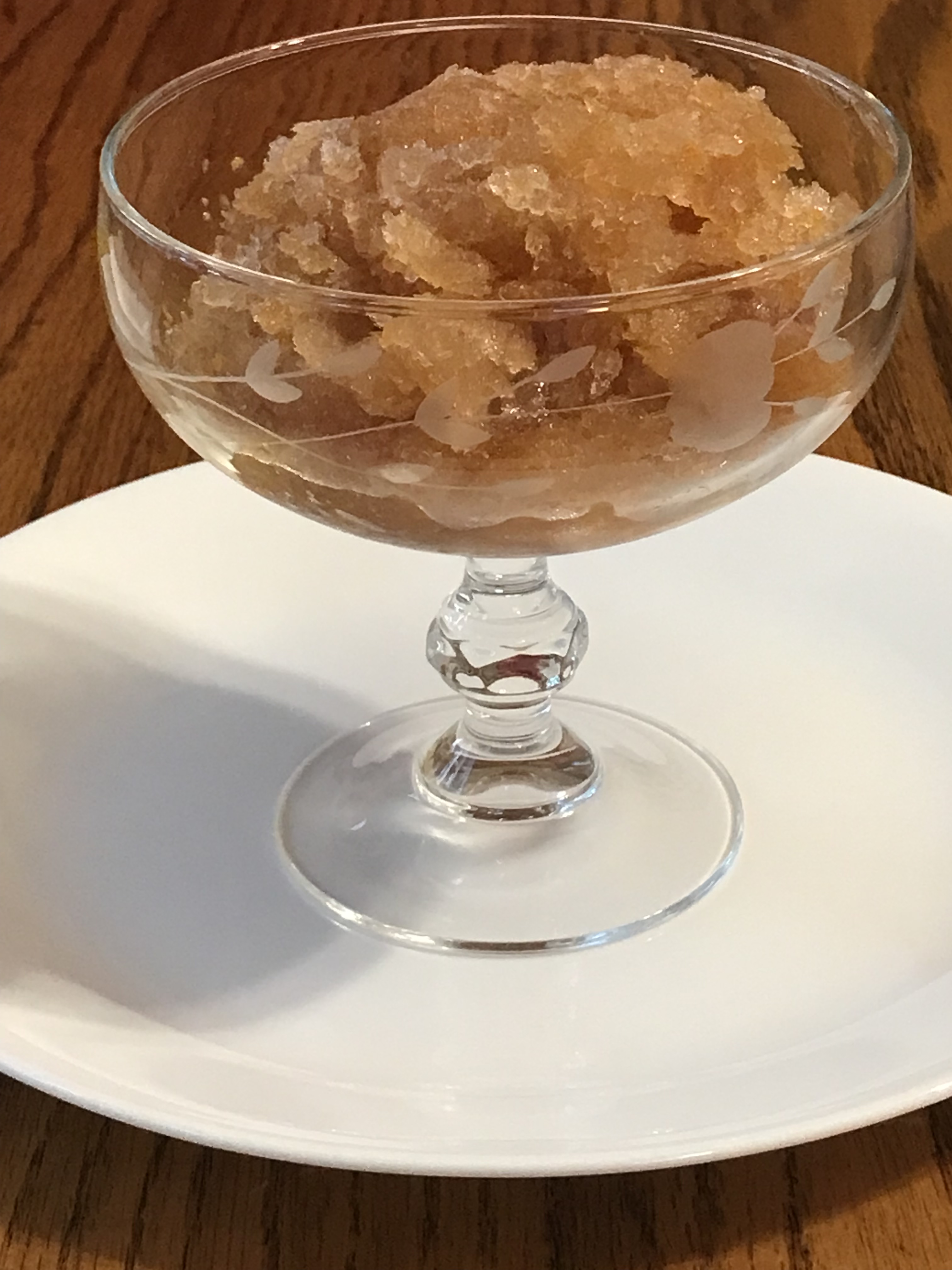
            The sherbet/sorbet didn’t turn out quite like I would have hoped, though some modifications I made may be to blame. To make it non-alcoholic, I replaced the lemon liqueur with a lemon syrup and the wine with sparkling juice. I was concerned that removing the alcohol would make the mixture freeze too solid, but the extra sugar in the syrup was enough to avoid that problem, which is why it was included. If you’re curious, both alcohol and sugar lower the freezing point of water-based liquids. The final flavor was decent, but too sweet to eat on its own, almost like marmalade. When combined with lemon-flavored sparkling water, however, it became like a slush and was fairly enjoyable, though I’m not sure I’d go through the trouble of making it again.

Standard
Uncategorized

Cook’s Tour of Italy Menu 82 (Pgs. 256 – 262): Al Fresco Meal for the Feast of the Assumption, Sicily

Region: South Mainland/Islands (Sicily)

Menu: Caponata, Roasted Red, Orange and Yellow Peppers, Rotelle Pasta Salad with Cucumber Sauce, Sicilian Stuffed Beef Roll, Chicken with Blood Orange and Caper-Anchovy Sauces, Sicilian Cream Cake

Recommended Wine: Vino di Tavola di Sicilia or Corvo Rosso for red, Greco di Tufo Vignadangelo (from near Naples) for white

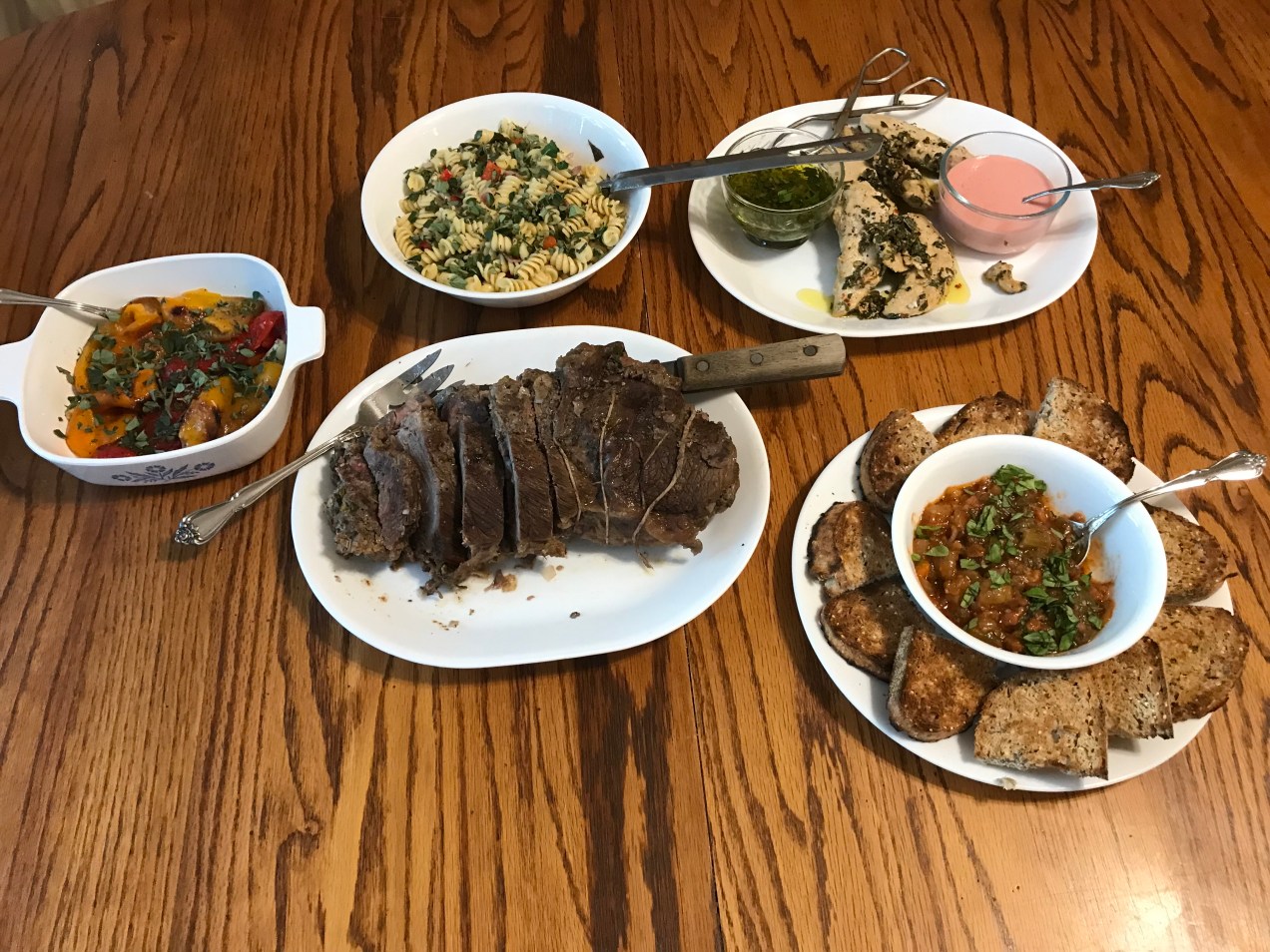
            We remain in Sicily to celebrate the Feast of the Assumption, which falls on August 15 each year. At that time of year, the weather is hot and fresh produce abounds, making a produce-heavy picnic, able to be made ahead and eaten at room temperature, a natural choice for the occasion. To celebrate Sicilian-style, we have a feast full of the region’s famous dishes and flavors: caponata, blood oranges, capers, anchovies, and a cake filled with ricotta, chocolate, and candied fruit. It was a substantial undertaking, but more than worth it for the amazing taste of history.

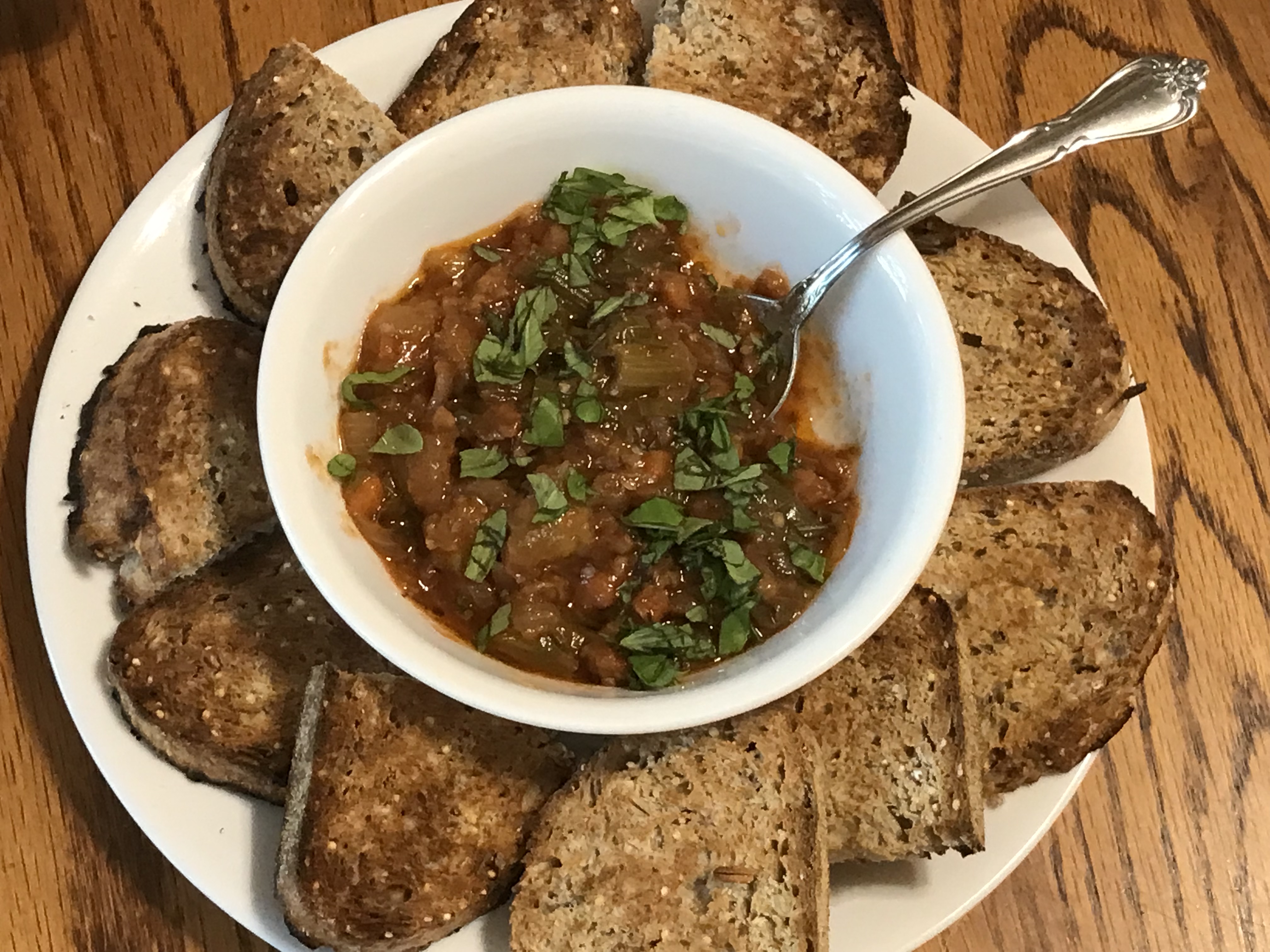
            Caponata, a sweet-and-sour eggplant dish with celery and onions, demonstrates Sicilian cuisine’s history perfectly. The agrodolce, or sweet-and-sour, flavor has a long history. In ancient times it usually came from vinegar and either honey or grape must, which is boiled-down grape juice. The taste for sweet-and-sour continued into the Middle Ages, when citrus fruits and sugar were introduced and verjuice (the sour juice pressed from unripe grapes) became common. As mentioned previously, eggplant was introduced during this period as well. Another sweet and sour ingredient, tomatoes, were introduced a few centuries later, after Columbus, finally making the version here possible. With a homemade tomato sauce to coat the vegetables, the caponata required several steps, but it could all be done ahead of time.

            The flavor was good, but the quantity of vinegar added gave it a really sour edge. Maybe I’m just not used to it, but I found it difficult to eat much of it at once. The recommended pieces of toast were really a necessity to balance things out. I used a crusty bakery wheat/multigrain bread, which has more flavor than white Italian bread and can stand up to the vinegary caponata. A bit of cheese, though not called for in the recipe, further balances the punch.

            Like the caponata, the roasted peppers could be done beforehand and left to marinate in vinegar, oil, salt and pepper. If you have the book, you might notice that the actual recipe has the roasted bell pepper halves stuffed with tuna mousse. While the ingredients (tuna, butter, and a little cognac) sound reasonable enough, I had no desire to try it. After the eggs with tuna mayonnaise, I’ve learned my lesson. To avoid omitting a dish, I roasted the peppers just like the recipe called for and marinated them unstuffed. And they were great. Since they all got eaten the first night, I would call that a success.

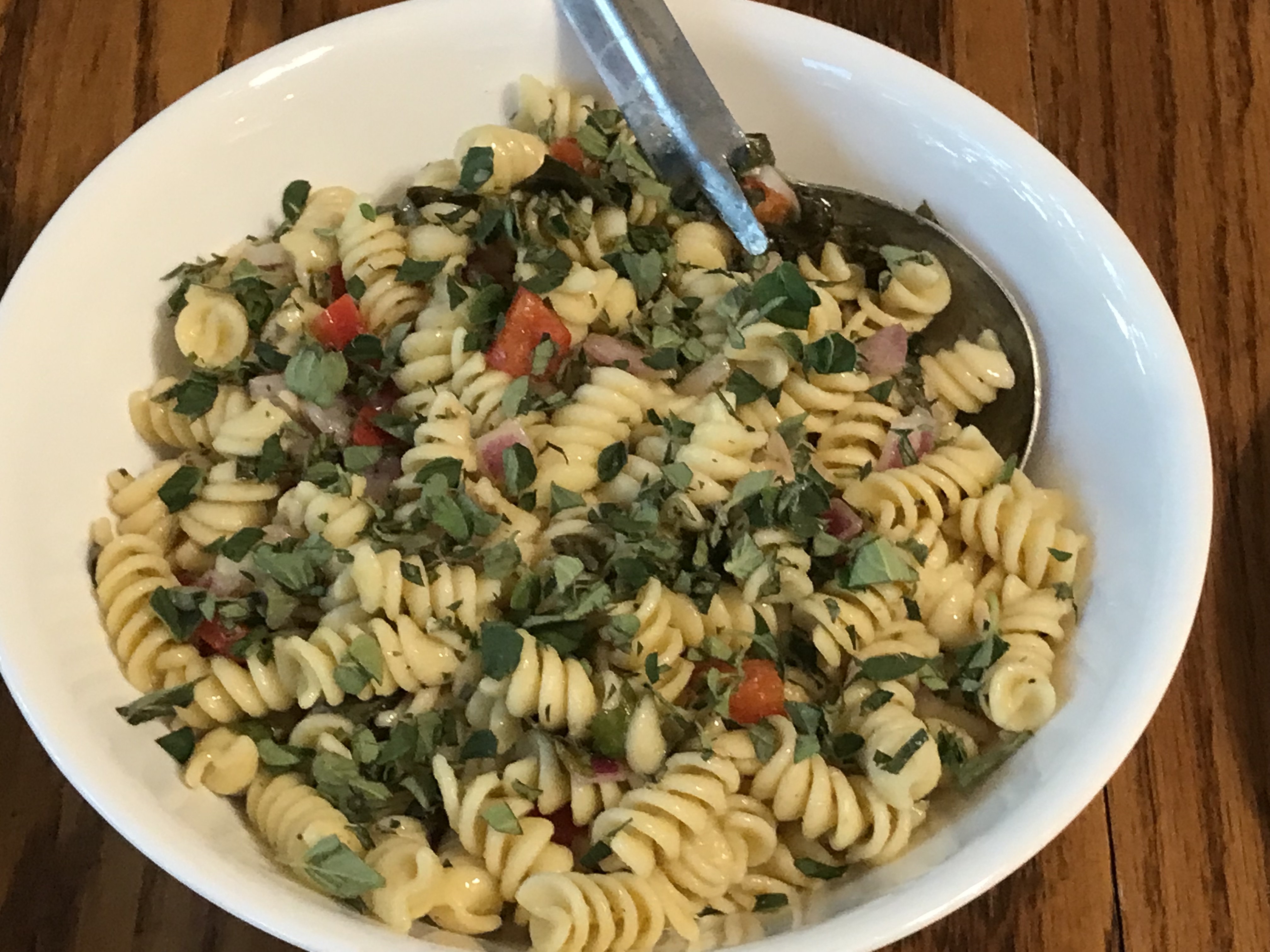
            Another success was the pasta salad. While I don’t mind it, pasta salad is not normally one of my favorites, but this was wonderful. Most of the ingredients are pretty typical: pasta, onions, diced bell pepper, vinegar, oil, and herbs. The lack of bottled salad dressing helps, and lots of fresh basil really brightens things up. What makes this recipe unique is the sugar and pureed cucumber in the dressing. The little bit of sweetness doesn’t give a real strong sweet and sour flavor, but balances things out nicely, and the cucumber adds even more freshness. We all loved it. And it was so pretty.

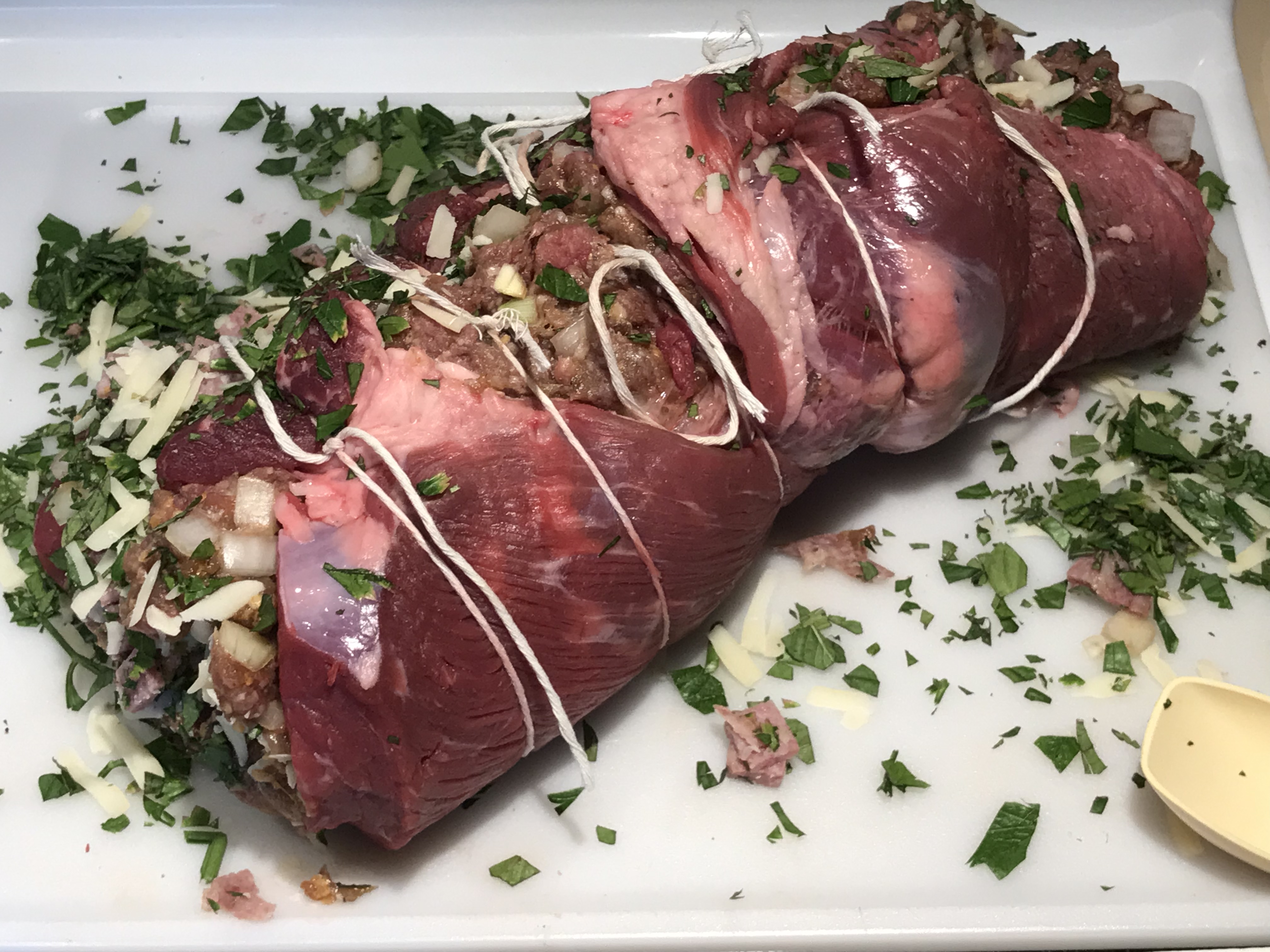
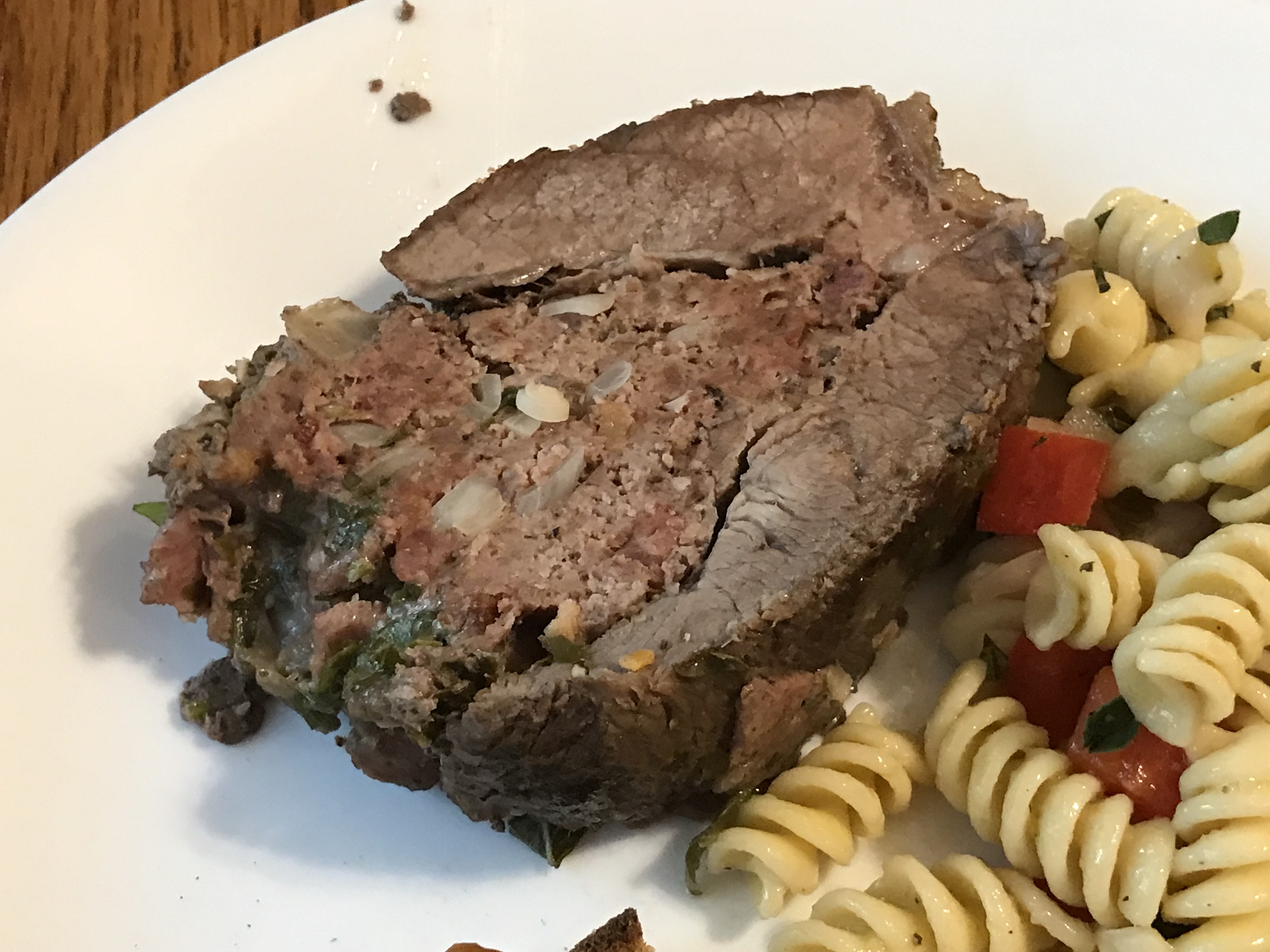
            The beef roll, a substantial piece of meat stuffed with more meat, sausage, eggs, cheese, herbs, and a bit of nutmeg, almost certainly has an aristocratic background, though the ingredients are affordable to more people today. This was a bit more technically challenging. After flattening a lean piece of beef, the ground meat mixture is spread over it, followed by sprinklings of cheese and herbs. From what I can tell, the next step is supposed to be to roll it up into a spiral. That didn’t exactly happen. I must not have flattened it enough, since I could only just manage to form a circle around the filling, though the effect was still quite impressive, if I do say so myself. Then I narrowly dodged a catastrophic mishap.

            At the time, we were dog sitting for my uncle’s then 9-month-old yellow lab puppy. In other words, constantly looking for food, and big enough to put her head on the edge of the table. I was working on the beef roll while the dog was outside and put the platter on the table, since the stove and counter were pretty cluttered. Then the dog was let in. I decided to keep working while having half an eye on her, but when I turned around for a second, she took the chance to jump up and get her mouth right by the roll, ready to take a bite. After that near miss, I made room on the stove. Then the browning and braising went without issue.

            For some reason, the meat was still a little tough. Maybe it had something to do with the fact that the roll was too tall for the pan cover to fit on completely. Regardless, it had a good flavor and excellent filling. Unlike the other dishes, which contained lots of basil and/or oregano, this one was flavored with parsley and mint (and probably a bit of canine saliva) and lacked the sweet-sour flavor of the other dishes. After lots of vinegar in the caponata and more in the peppers and pasta salad, this was a nice change of pace. As for the texture, slowly reheating the leftovers in a saucepan with the braising liquid tenderized the meat significantly.

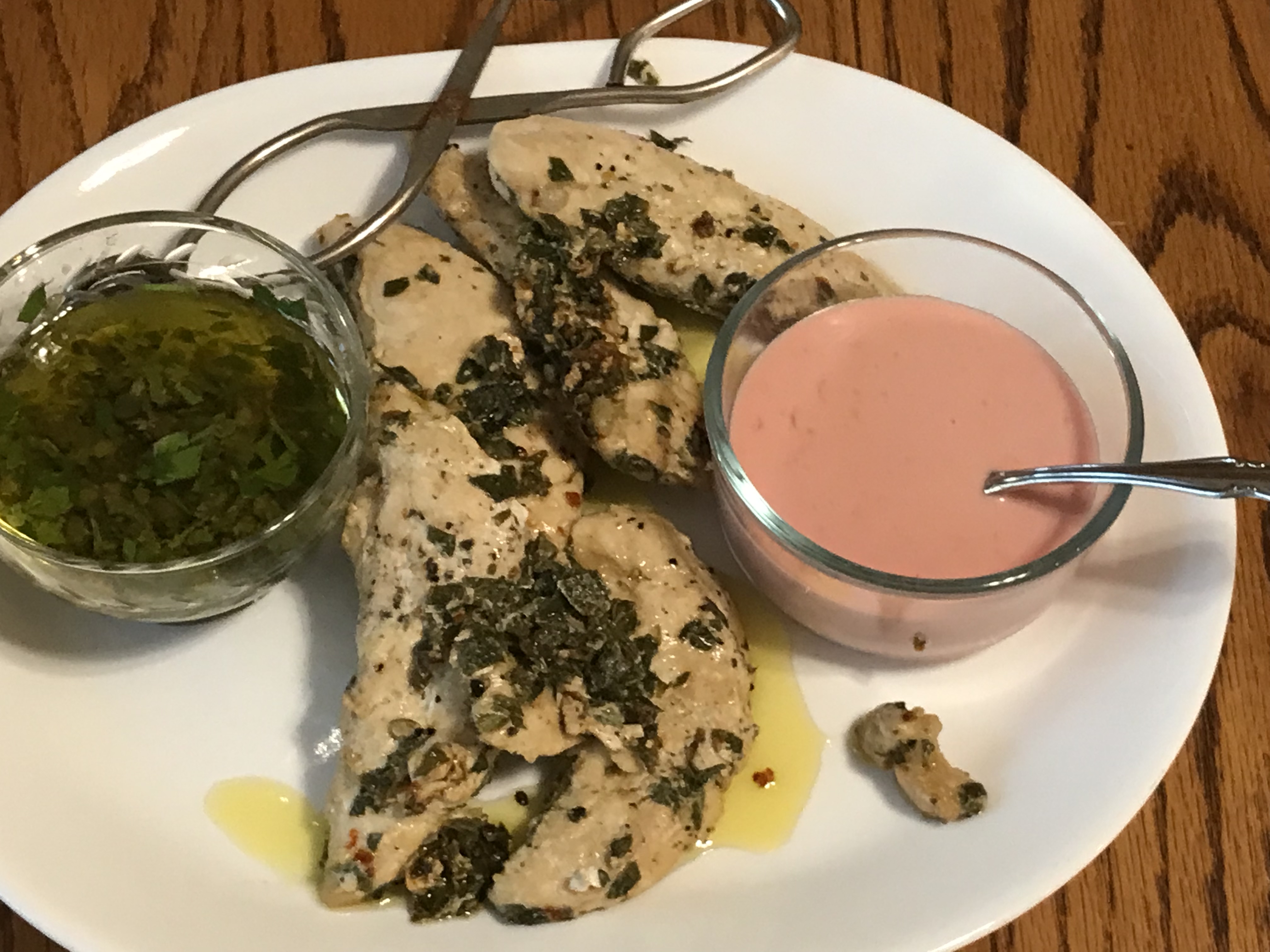
            For the next dish, we are back to tart, acidic flavors and I did something that I’ve done a few times in this project: replace seafood with chicken. There are a few reasons for doing this. First, it’s a lot cheaper. The recipe here calls for swordfish, which is traditional to Sicily but quite pricey. While the two don’t taste the same, the neutral flavor of chicken goes with pretty much anything. And there weren’t pieces of swordfish conveniently in the freezer, ready to cook.

            Just as the recipe called for, I cooked the chicken with lemon juice, salt, pepper, and herbs. It was served with two sauces: a homemade mayonnaise, tinted with blood orange juice, and a thin vinegar-based anchovy-caper sauce. The chicken was good, but to be honest, neither sauce was my favorite. The homemade mayonnaise was better than store-bought (in the sense that it didn’t gross me out), but still wasn’t to my personal taste, and the blood orange flavor was barely detectable. I would have preferred the juice directly squeezed onto the chicken, where its flavor would be more pronounced. The caper-anchovy sauce was a bit better, but the salty, vinegary, briny flavor was pretty strong, except in very small amounts.

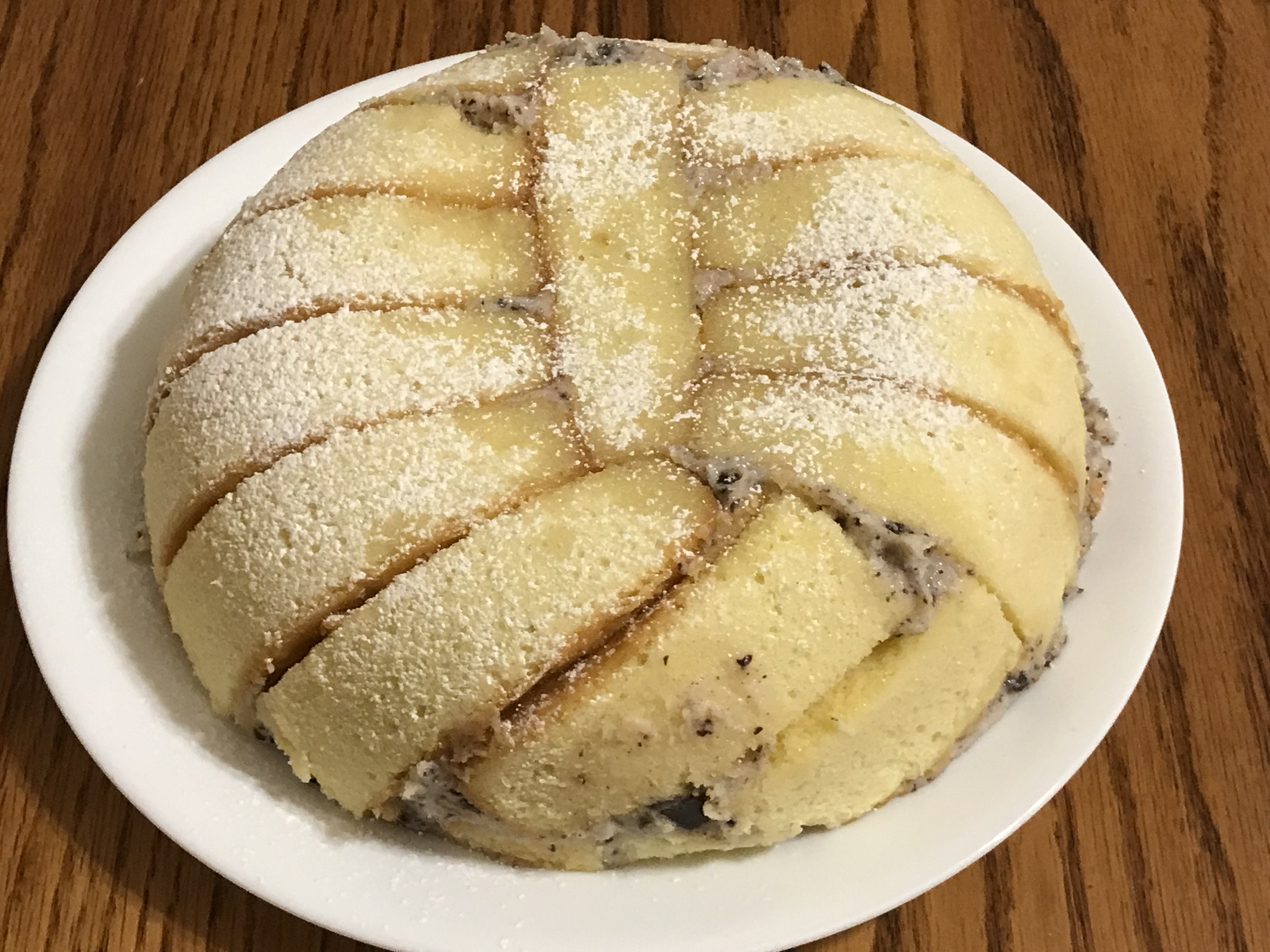
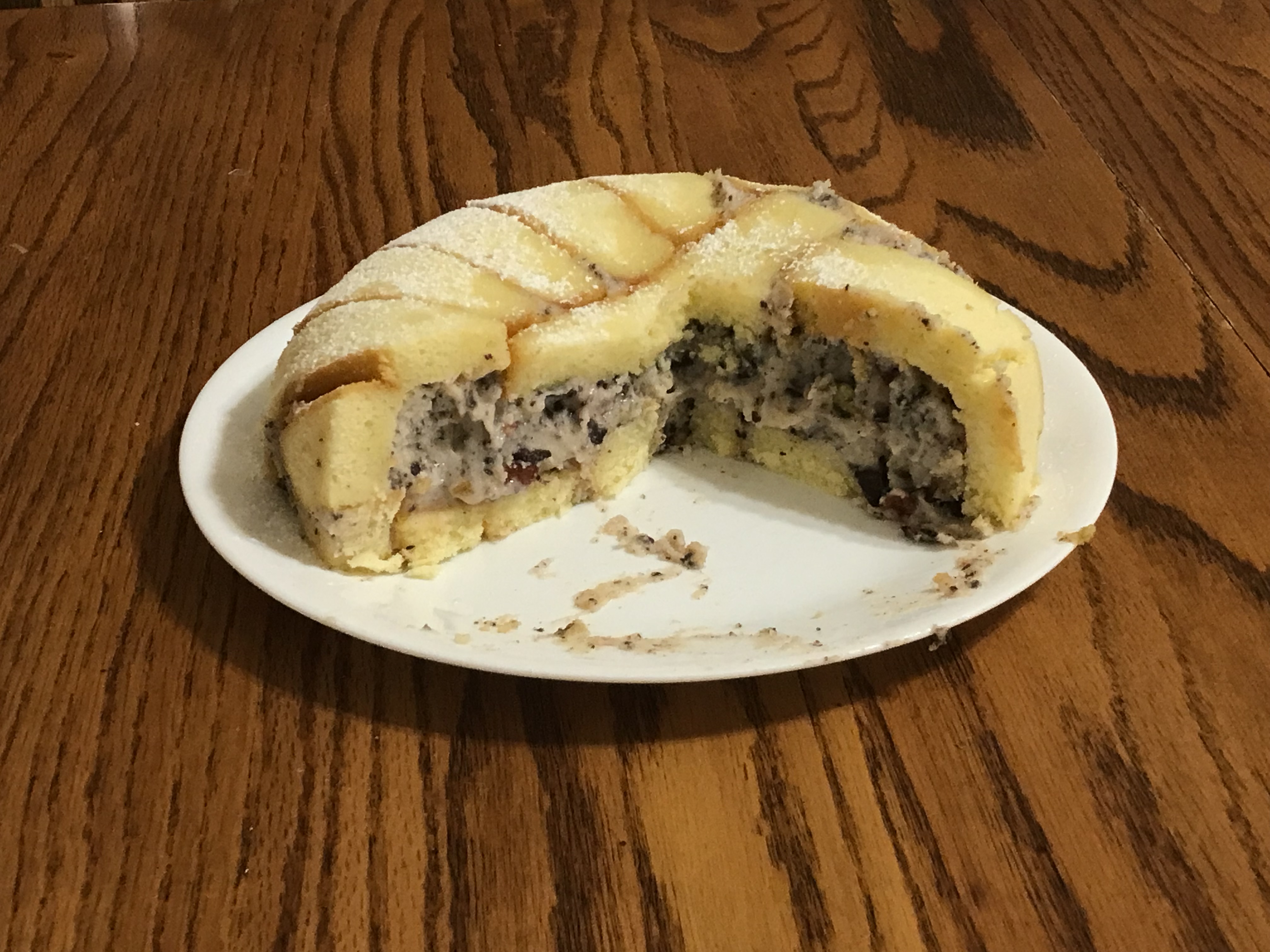
            My favorite part of the feast, as is often the case, was dessert, though the pasta salad and beef roll weren’t far behind. Sicilian cassata is traditionally made by lining a bowl with sponge cake pieces, adding a sweet ricotta filling full of candied fruit and chopped chocolate, covering the filling with more cake pieces, then weighting it all in the refrigerator overnight. The next day, it is typically covered with a green pistachio marzipan. This particular recipe skipped the marzipan icing in favor of a simple sprinkle of powdered sugar. It was definitely a bit fiddly to put together, but the end result was beautiful and delicious.

            On its own, the sponge cake can be a bit dry, so it really benefits from being pressed overnight with the filling. Scented with vanilla and orange and loaded with candied fruit, it is a little on the sweet side, but making the chocolate bittersweet and adding some extra pistachios balanced it out. This was definitely another of my favorite desserts from the book, though unlike the apricots from the previous post, it is too complicated to make on a regular basis. But that’s fine, since it was never designed to be an everyday cake. The whole menu is designed for a celebration.

Standard
Uncategorized

Cook’s Tour of Italy Menu 81 (Pgs. 253 – 255): Trattoria Menu, Taormina

Region: South Mainland/Islands (Sicily)

Menu: Eggs with Tuna Mayonnaise, Greek-Style Lamb and Vegetables, Apricots with Amaretti Crumbs and Cream

Recommended Wine: Primitivo di Manduria (red from Southern Italy)

            Finally, we venture to Sicily, home of some of the most well-known Italian food. There are two sides to traditional Sicilian cuisine. One is the rich, elaborate fare traditionally reserved for the small elite, featuring pies, meats, molded dishes and pastries. The other is the ingenious peasant fare, designed to make the most of humble ingredients. Bread, pasta, vegetables, and legumes, accented with things like vinegar, olives, capers, anchovies and citrus fruits, helped compensate for the low levels of animal protein. Despite the island being a sought-after (and fought-over) breadbasket, featuring some of the most dazzling royal and noble courts from ancient times onward, the peasantry has frequently been among the poorest in Europe.

            This may seem like a paradox at first glance, but this pattern is common throughout history. Highly productive agricultural regions, like Naples, Sicily, and the Ile-de-France region around Paris have had some of the wealthiest and most sophisticated elites of their time, but not usually the most prosperous peasants. Higher yields meant higher taxes and greater social inequality. In some cases, commoners had lower standards of living than those in more marginal areas. Throughout its history, Sicily has been one of those cases.

            The history of Sicily could fill several scholarly volumes, but here’s a brief summary. As a large, fertile, centrally located island, it was unsurprisingly fought over by every power that passed through the area. From antiquity there were native Italic peoples plus all the usual suspects: Greeks, Phoenicians, Carthaginians, and Romans. The island played a crucial role in turning the tide of the Peloponnesian War, which lasted from 431 – 404 BC, pitting Athens and its not-always-willing allies against Sparta and other states that felt threatened by Athenian expansion over the course of the 5th Century BC. Until Athens overreached with the Sicilian Expedition from 415 – 413 BC, it had generally held the upper hand. After an attempted conquest of Syracuse went disastrously wrong (I’ll go into details in a later post, since it’s a fascinating story), Athens was predominantly on the defensive and was ultimately defeated.

            A battleground for centuries between Greeks and Phoenicians, Sicily was conquered by the Romans during the First Punic War between 264 and 241 BC. It was an important and wealthy Roman province until the 5th Century AD, when it was captured by Vandals, a Germanic people who had found a new home in North Africa. The Byzantine Empire (the surviving eastern half of the Roman Empire after the western half fell) under Emperor Justinian I recaptured the island in the 6th Century, only to lose it again in the 9th and 10th, this time to the Arabs. A spectacular flowering of arts, culture, and scholarship occurred during the century and a half or so of Arab rule. It was also during this time that citrus fruits, for which the land is so famous today, were introduced, alongside rice, sugar, spinach, and eggplants. Pasta also appears to have been introduced during this period. Then came the Normans, who conquered much of Southern Italy and the Middle East as well as England. In 1282, a revolt called the Sicilian Vespers allowed the Kingdom of Aragon to capture the island and hold it into the 18th Century.

            It was during the late 15th and early 16th Centuries, when Aragon was united with Castile, that New World crops and animals began crossing the Atlantic. While Castile sponsored expeditions to the Americas, Aragon was drawn into the Italian Wars, starting when Charles VIII of France invaded Naples in 1494. Columbus and his men brought plant and animal specimens back to the court of the famed Ferdinand and Isabella, from where they were presumably transported to Naples and Sicily over the next few decades. While not all of the new arrivals were quickly embraced (turkeys were within a decade, tomatoes and potatoes took a few centuries), by the end of the 18th Century, maize, tomatoes, peppers, zucchini, and chocolate had transformed Sicilian cuisine.

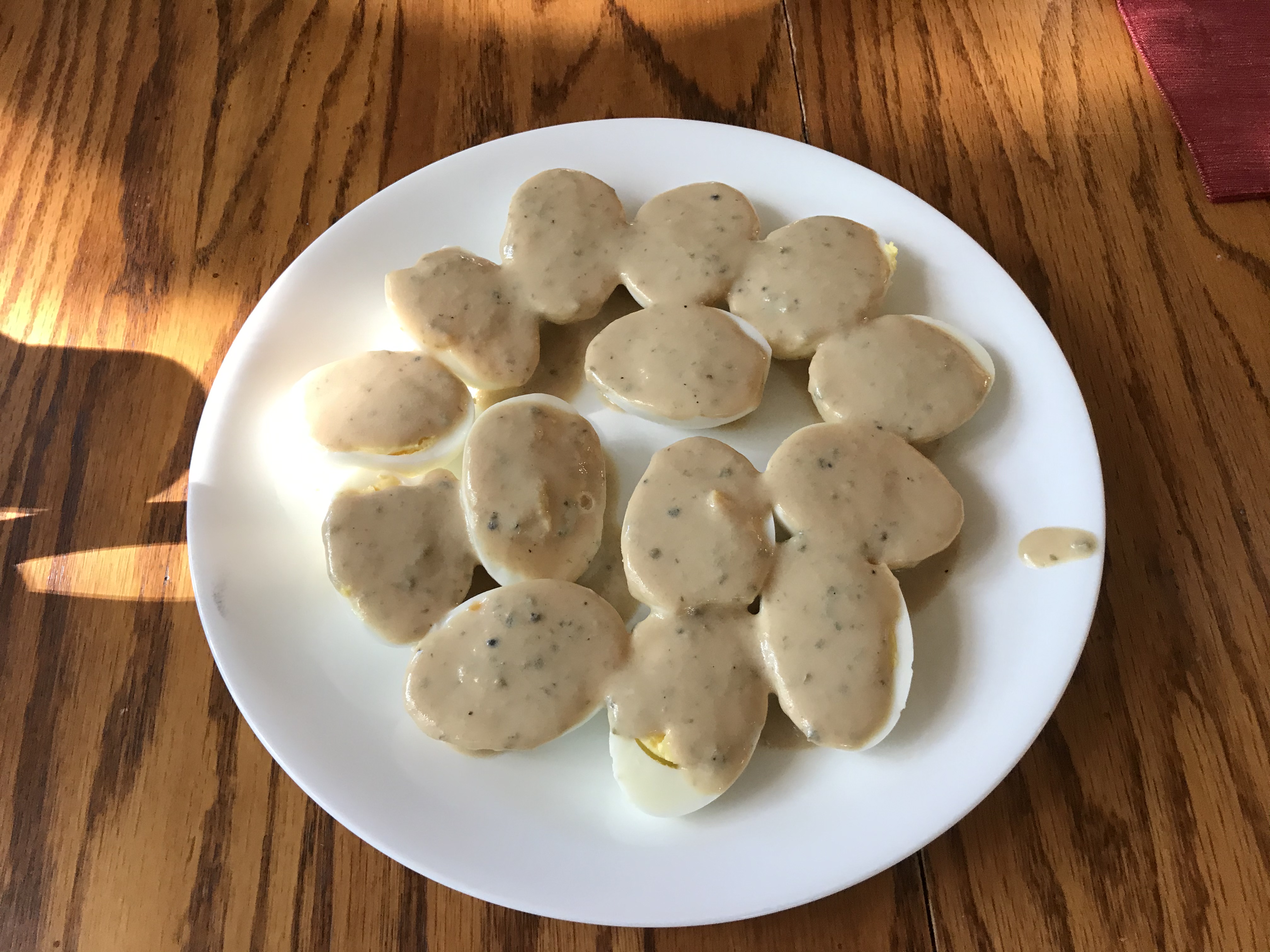
            Turning from history to food, we start with the only dish from this project that I truly hated: eggs with tuna mayonnaise. It may not sound too bad if you like hard-boiled eggs, which I do not. Their taste is objectively fine, but the smell is too much for me to get over. The kitchen and fridge ended up reeking of sulfur, and the sauce didn’t improve things. It starts with mayonnaise, another food I don’t like, though the homemade kind used here is better than store-bought. After using egg yolks to emulsify vinegar and lemon juice with oil, canned tuna and capers are blended in. The end result is an unappealing light tan sludge, full of classic Sicilian flavors. If you’re wondering why I made this, given my distaste for hard-boiled eggs and mayonnaise, there are two reasons. First, it’s part of the menu, which for this project I try to follow as closely as possible. Second, these are supposedly a classic Italian appetizer, so I thought they were worth a try. As it turned out, they weren’t. My fellow diner thought they were pretty good and really liked the sauce, but I could only manage a little nibble. While foods that stick around tend to do so because some people like them, nothing suits everyone’s personal taste. Lesson learned, never again. From here, things could only improve.

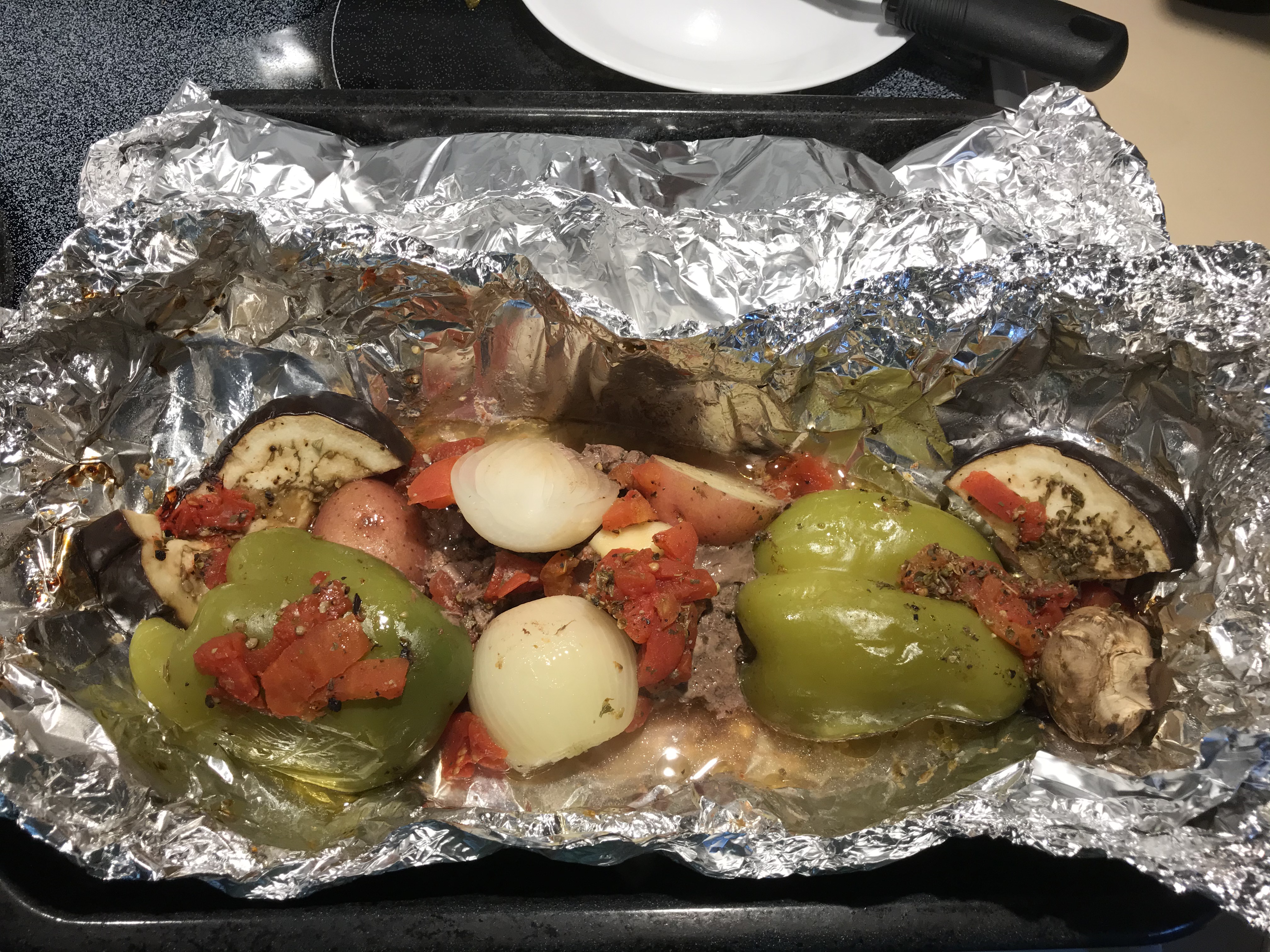
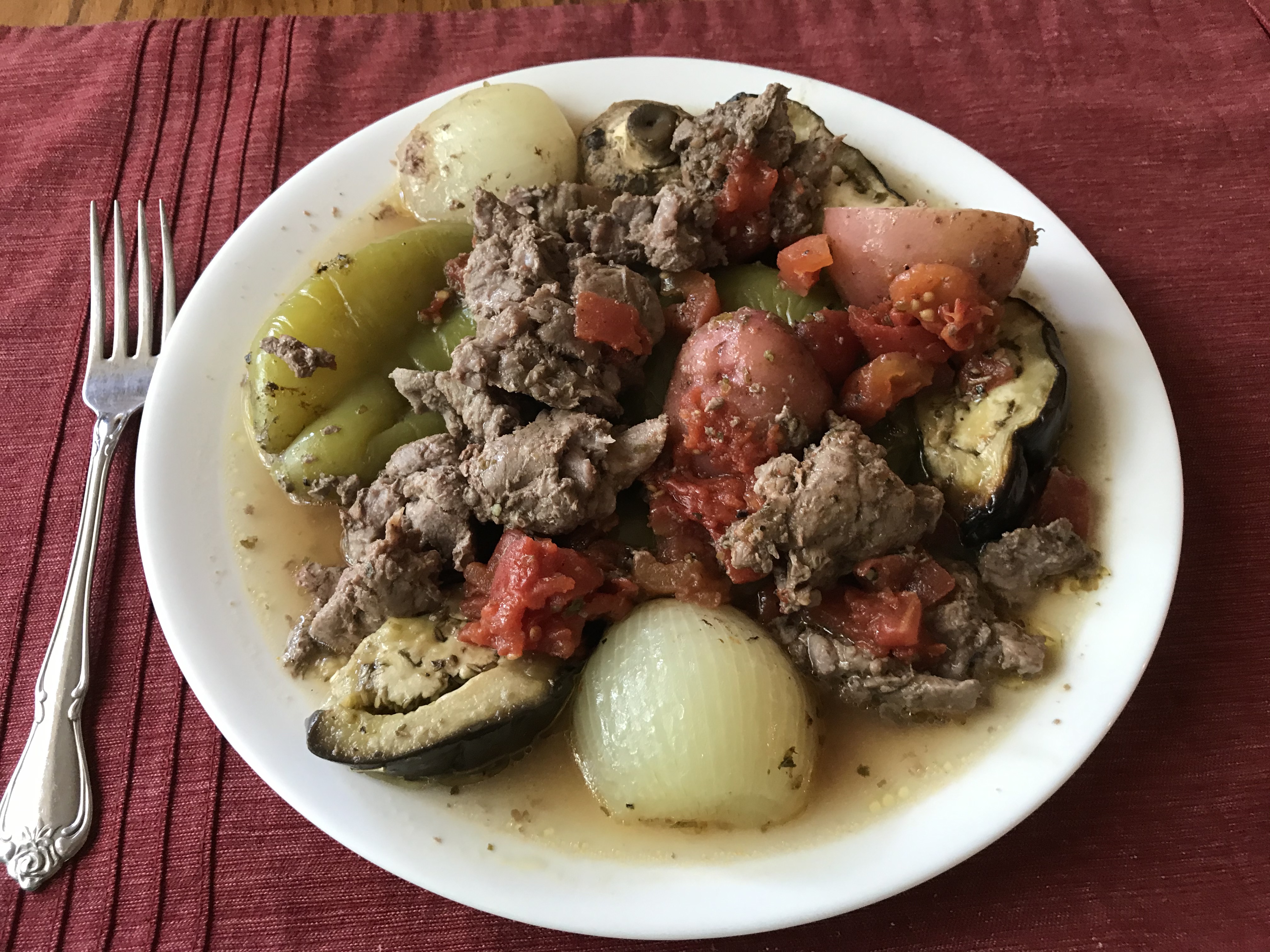
            And they did improve. The main course was a lamb “stew,” cooked in foil packets. The meat and vegetables were flavored with salt, pepper, oregano, and a bit of garlic. I personally thought it could use a little more seasoning, but that’s just a matter of personal preference. Maybe mincing the garlic, rather than just halving it, would help the flavors meld a bit more. Still, the meat was nice and tender and the vegetables were neither under nor overcooked. This dish would be worth making again, experimenting with a few minor modifications.

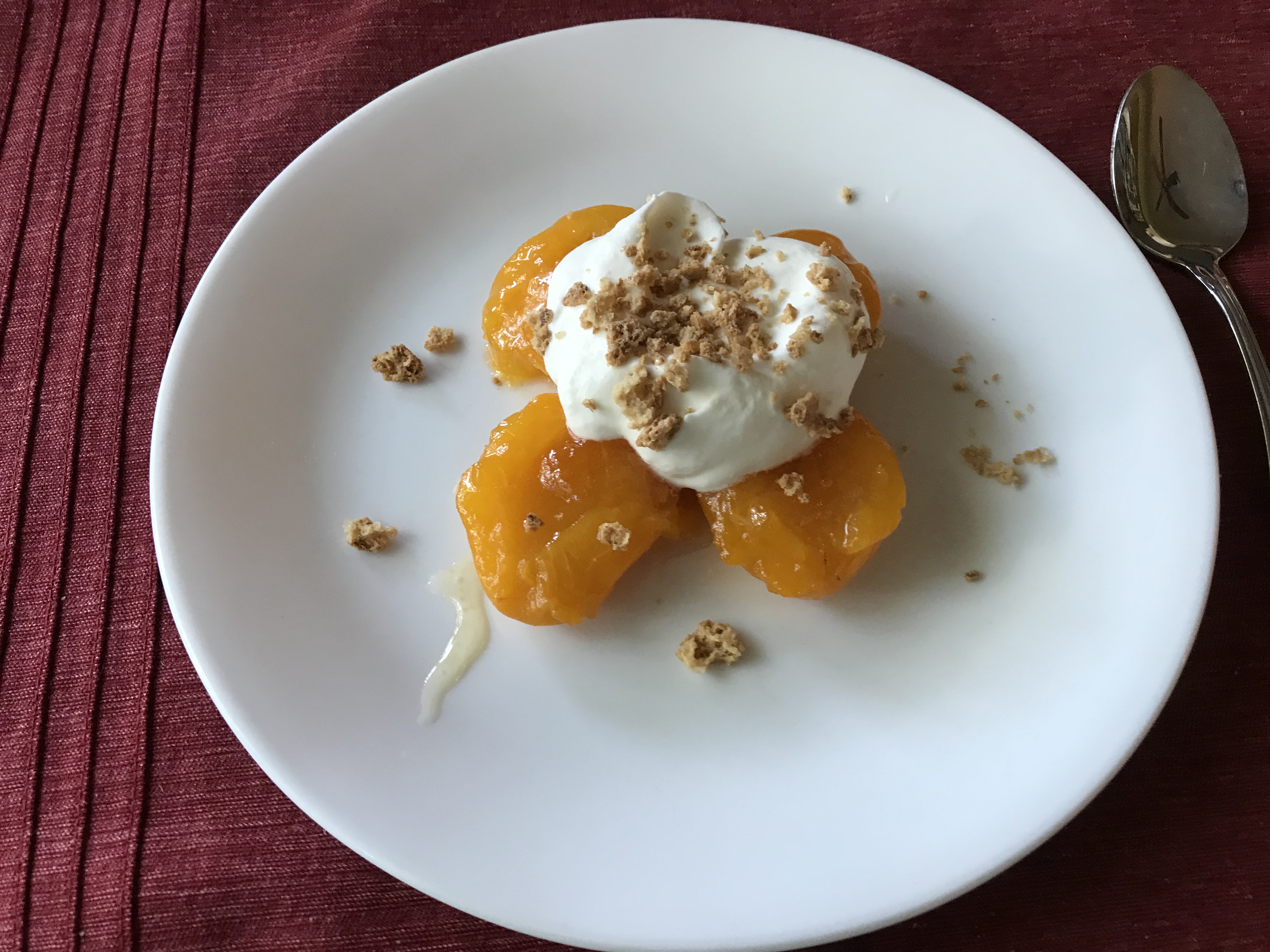
            Finally, there was a spectacular dessert, which is actually why I decided to make the menu in the first place. It features poached apricots, which get their name from the Latin word praecox, meaning early, since they ripen before most other fruits. The fresh variety, which Mr. Famularo recommends, is not always available where I live, so when I saw them in the store, I decided I had to try them. In the original recipe, they are poached in a mixture of wine and hazelnut liqueur and more liqueur is added to flavor the whipped cream. As I didn’t want to buy an entire bottle of either, I substituted grape juice and hazelnut syrup, reducing the sugar to compensate. The result was fantastic. The balance between the sweet-tart apricots, syrupy sauce, cream and amaretti crumbs was just perfect, and the hazelnut flavor infused throughout made the dish. I’m sure that other fruits would work in this dessert, possibly with adjusted poaching time. It is too good to restrict to apricot season.

Standard
Uncategorized

Cook’s Tour of Italy Menu 85 (Pgs. 265 – 266): Pork, Cabbage and Bean Casserole

Region: South Mainland/Islands (Sardinia)

            Finally, we travel to the last region in the book, the southernmost part of the mainland, Sicily, and Sardinia. Like Sicily, Sardinia has been invaded and conquered over and over for the last few thousand years. The earliest inhabitants built huge stone structures called nuraghe that still dot the landscape today. For centuries it was a battleground between Etruscans, Greeks, and Phoenicians/Carthaginians, all vying for locations to set up strategic trading ports. Romans later joined in the fray, followed by Vandals, Byzantines, Arabs, Pisans, and Genoese. From the 15th to 18th Century the island was controlled by the Kingdom of Aragon and its successor, unified Spain. The Spanish were followed by the Kingdom of Sardinia-Piedmont, which eventually unified Italy. All of these peoples left their mark on the culture and food, creating a unique region “not a bit like the rest of Italy.” (Text, pg. 241)

            Interestingly, despite their strategic location, the native Sardinians were not major seafarers. While there has always been trading and fishing along the coast, the hills and mountains have historically been at least as important. Pastoralists raised sheep, goats and pigs, fattening the latter on acorns. Perhaps more carnivorous than neighboring cuisines, traditional Sardinian fare includes roasted meat, cured pork, and sheep and goats’ milk cheeses alongside the usual bread, pasta and vegetables.

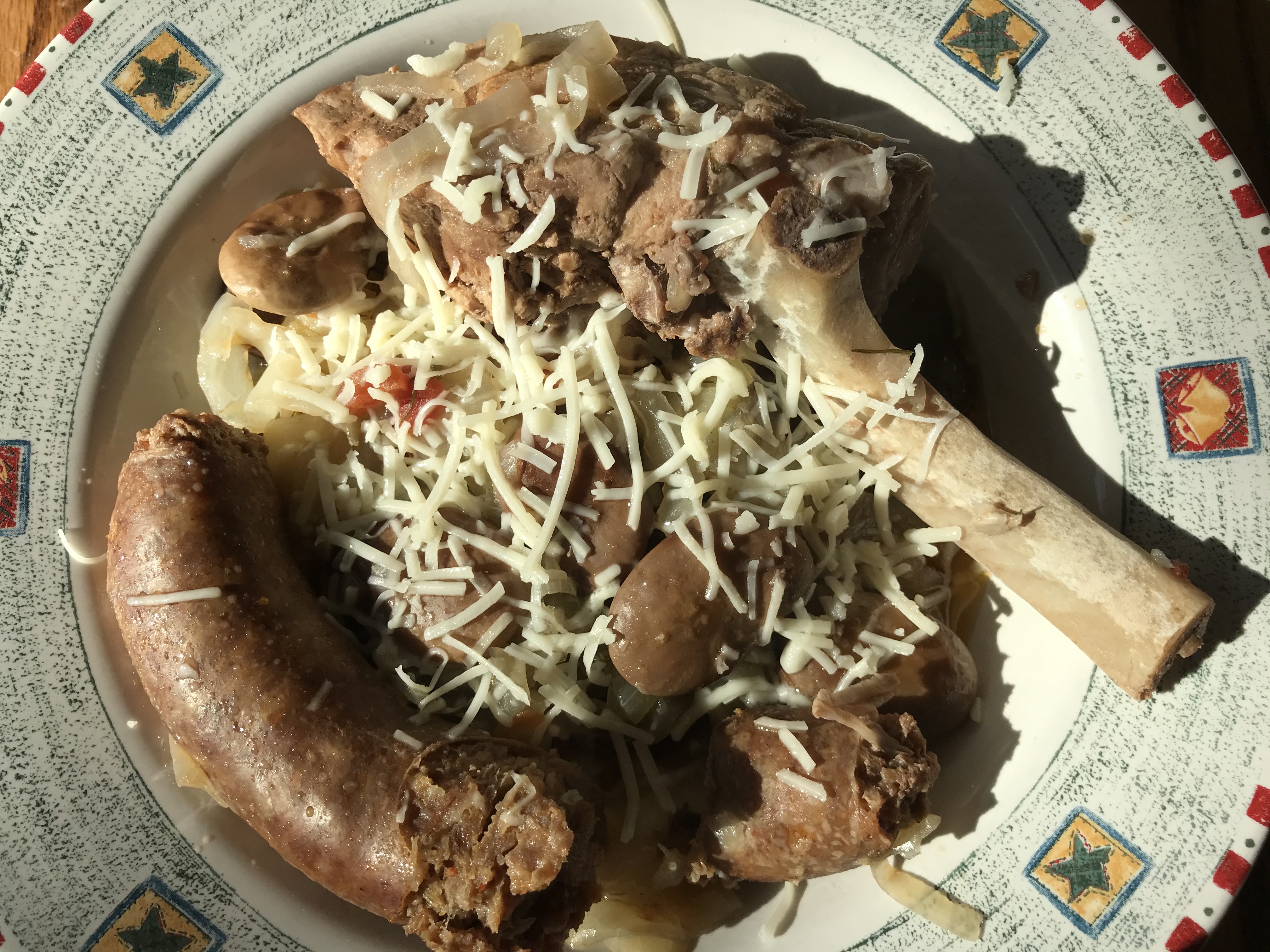
            To that end, we have a Sardinian one-pot stew/casserole, with pork, fava beans, cabbage and fennel. Traditionally pigs’ feet were used, but this recipe uses Italian sausage and spareribs. The meat flavors the bean and vegetable “fillers,” with extra flavor coming from a sprinkle of Pecorino Romano cheese. Presumably this is to be served with bread.

            I ran into two problems with the recipe. First, the pot was not big enough. Once the meat, beans, tomatoes and liquid were in, there was not enough room for the cabbage and fennel. I had to add it a bit at a time, waiting for previous additions to cook down a bit before adding more. The other issue was with the texture of the cabbage and beans. Soaked fava beans and cabbage are supposed to be added at the same time. As a result, the cabbage was really overcooked by the time any of the beans were cooked. Further complicating things, the beans weren’t all done at the same time. For some reason, there were fully-cooked, soft beans right next to distinctly crunchy ones.

            Still, as long as the diner picks around any undercooked beans, the dish is generally enjoyable. I would make a few changes, however. First, the broth would benefit from a bit of garlic, since it was somewhat bland. And as mentioned before, the cabbage doesn’t need anywhere near as long of a cooking time. Personally, I would only add it about half an hour before the casserole is finished. Finally, I would substitute great northern beans or something similar for the favas, as they are a lot more consistent and easier to find.

Standard