Uncategorized

Feast #2: Ancient Egypt

Place Represented: Nile Valley, Egypt

Time Represented: Old Kingdom, About 2800 – 2200 BC

Culture: Egyptian

Religion: Ancient Egyptian Polytheism

Although I may not keep with chronological order for all of the feasts, I have done so for my second feast, which focused on Ancient Egypt. Although the cuisine expanded in later centuries as more foods were introduced, particularly from the Middle East, I did a representation of the Old Kingdom, since that is what most of the research materials focused on. In addition, with fewer introduced ingredients, it could be more unique and less like the last feast. 

With that being said, however, there were a lot of similarities, with a lot of crops having already been introduced through pre-civilization Neolithic (early agricultural era) trade. By the Old Kingdom, barley, early wheat varieties, figs, dates, and grapes had already been introduced. Whether vegetables such as onions, garlic, leeks, lettuce, cucumbers and legumes had native varieties or had been introduced from Asia was not clear, but either way, by the time period in question, such foods were well-established. Oxen were used for plowing the fields and provided meat and milk, but sheep and goats seemed to be less present. It is speculated that may have been since linen was more common for clothes than wool and leather. What is certain, however, is that land to graze animals was limited, since the fertile floodplain was bordered directly by the desert, with no marginal grazing land in between. With these circumstances, it seems that the Egyptians saw little use for sheep, goats, and pigs, especially since the Nile was full of fish and fowl, and the nobles could hunt for other varieties of meat.

Despite the relatively low amount of animal products in the average diet, it appears to not have any serious deficiencies, and the Egyptians seemed fairly happy on it. Since the Nile’s flooding was much more consistent and reliable than that of the Tigris and Euphrates (due to having several retention lakes along its route from Central Africa to help equalize the water levels), the food supply was more secure. This had a profound impact on the culture and religion, especially in the view of the gods and afterlife. While the Mesopotamians saw their gods as violent and capricious, demanding and inconsistent, providing only a cold, dark realm for the souls or the departed to wait for nothing, the Egyptians were much more optimistic, seeing their gods as more just and consistent, and it was the Egyptians who believed in a bountiful land of food waiting in the afterlife for all those who had lived righteously. Even on earth, the Egyptians tended to have a good diet. Bread and beer were staples, alongside a good amount of vegetables and legumes such as chickpeas, lentils, lettuce, onions, garlic, leeks, cucumbers, and all manner of bulbs and stalks. This was supplemented by fish, waterfowl, dairy products, fruits such as figs, dates, grapes, jujubes, and melons, vegetable and sesame oils, and, on feast days and for the wealthy, meat, wine, and sometimes game.

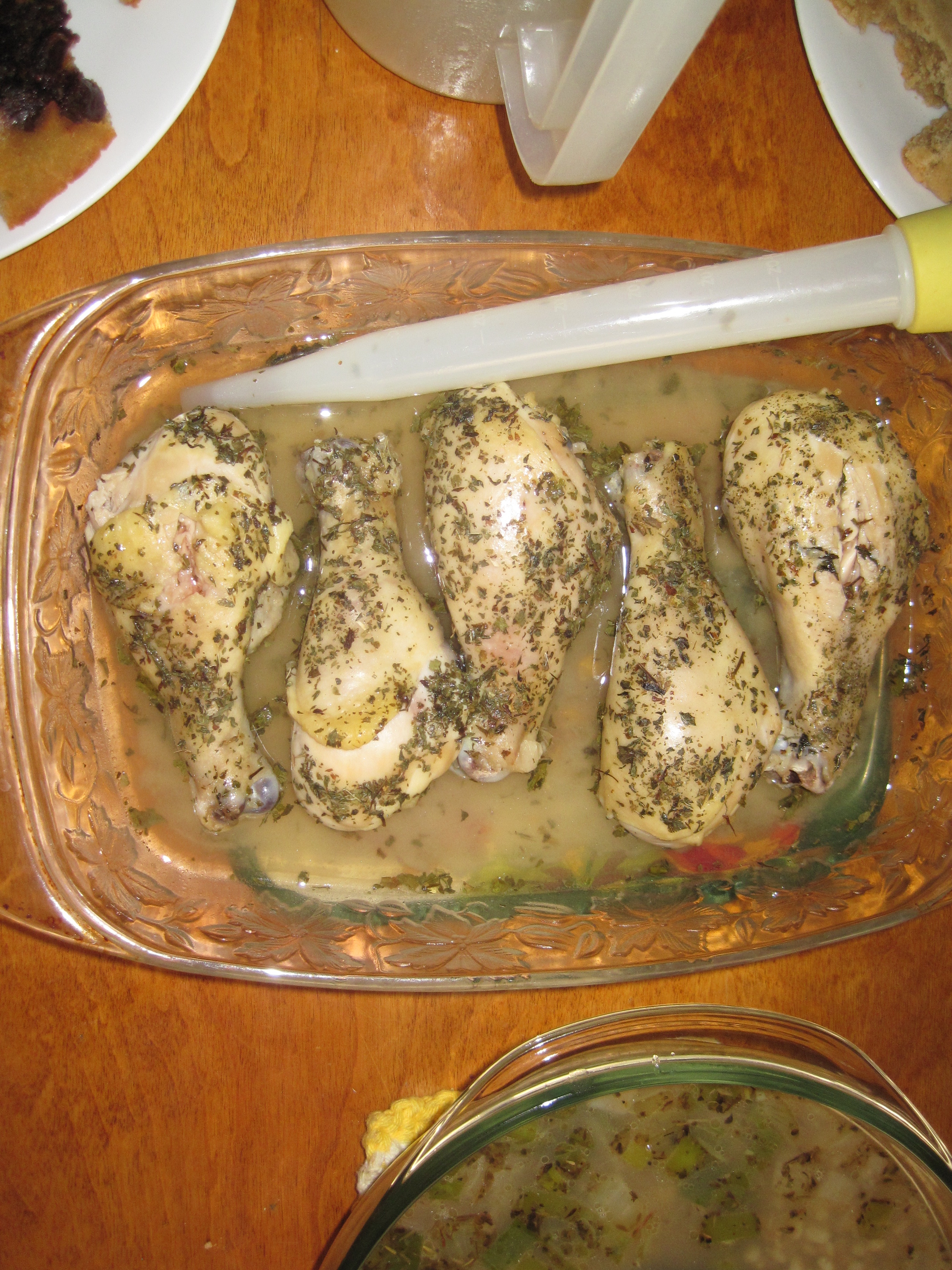
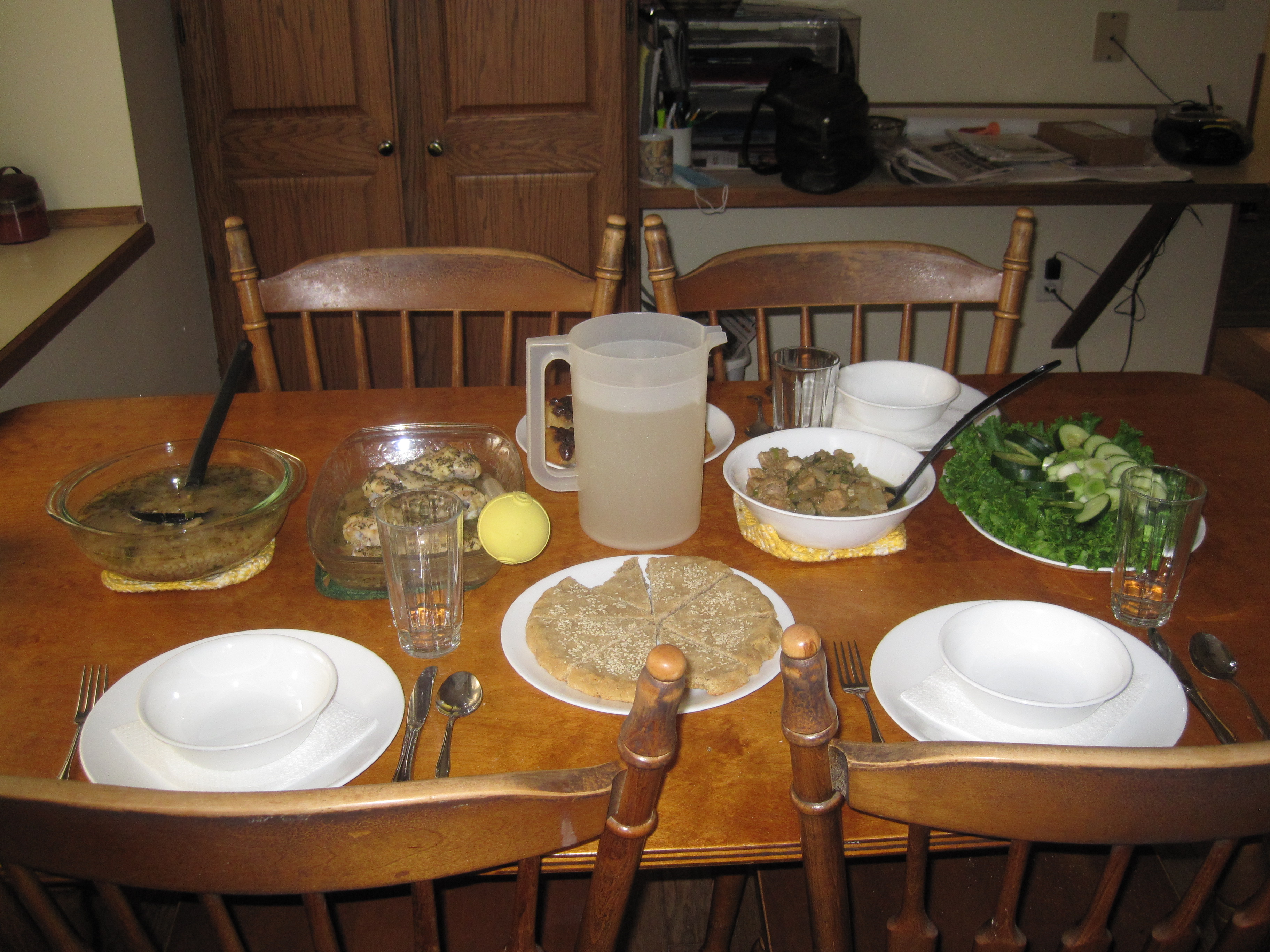
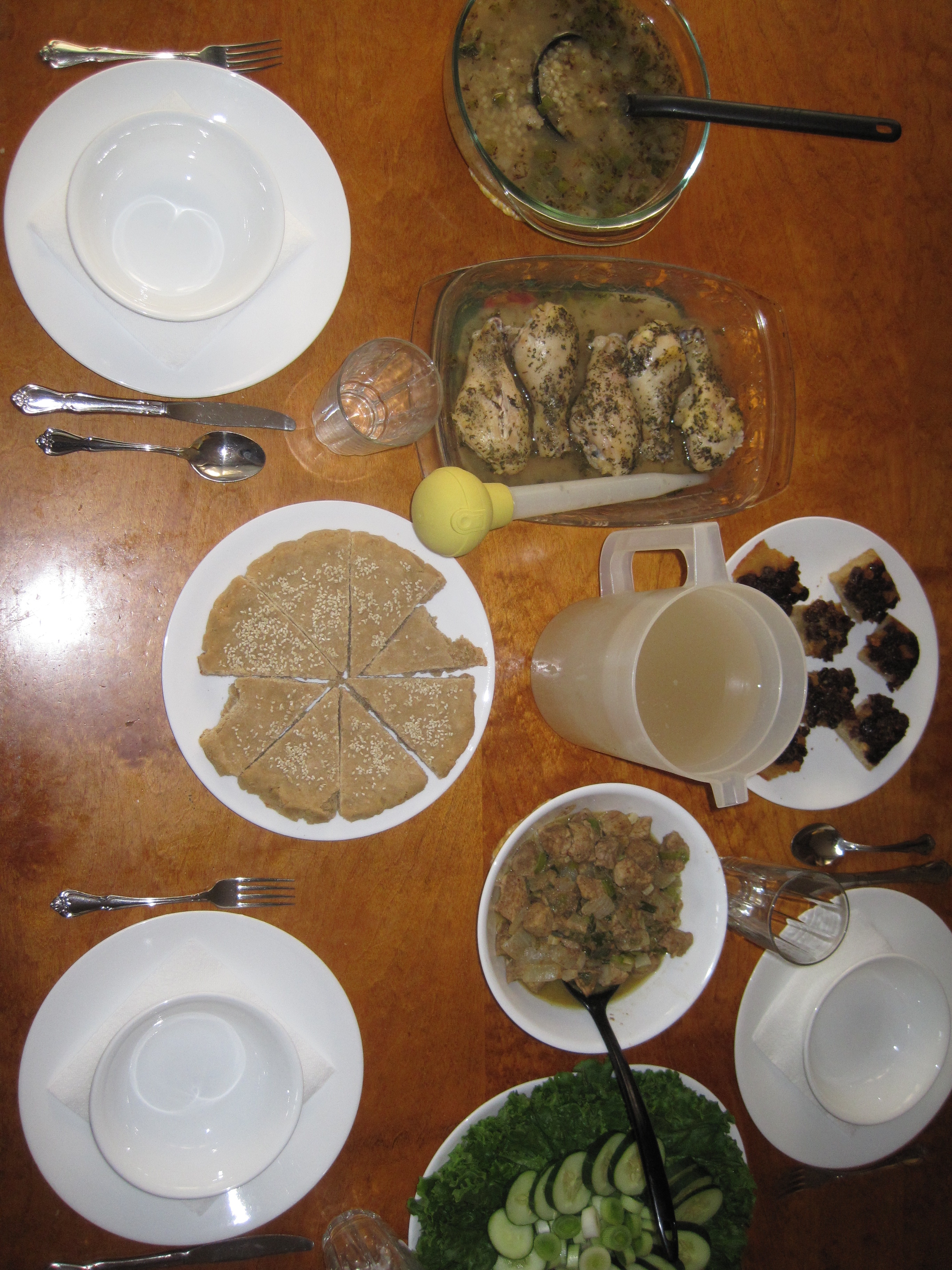
With the history in mind, I set out planning a menu. Since the Egyptians served lots of bread and either beer or wine for all meals, I began by baking a plain white pizza crust (for almost as long as there has been bread, the elites have had access to leavened white bread) with an egg wash and sesame seeds and pouring a pitcher of grape juice (my wine substitute). I then moved on to protein and vegetables. The Egyptians are recorded to have made a fair amount of stews, perhaps since they can be kept warm easily and since stewing would probably help tenderize the tough oxen that were generally only slaughtered once their productivity began to decline. Thus, I made a beef stew with a bit of vegetable oil to sauté the onions, garlic, leeks, and beef with the cumin, and salt, water to simmer it, and celery and parsley added near the end for more flavor. I also made a lentil stew with lentils, onion, garlic, leeks, cumin, coriander, and salt, which cooked as the beef stew cooked. When that was nearly done I put some salmon in the oven, basted with butter and seasoned with salt, dill, and parsley. While the Egyptians did not eat a huge amount of dairy products, there was certainly butter and cheese available. While that cooked I arranged a vegetable platter for the side and a fruit platter for dessert. The vegetables included lettuce, cucumbers, parsley, and roasted garlic. Although ancient societies would often eat raw onions and leeks, the last feast proved that to be a bit much for me. For dessert, I prepared the most common ancient dessert by far: a fruit platter. With summer in full swing, I was able to create a striking platter of red, green, and black grapes with watermelon cubes. By then, everything was ready, and the moment of truth had arrived.

Upon consideration, I can say with certainty that the feast was a success. The beef and lentil stews were flavorful and the beef was very tender, the fish with butter and herbs was wonderful, and the roasted garlic was fantastic on the bread. Meanwhile, the grape juice, vegetables, and fruit provided a pleasant fresh contrast. Overall, the feast was quite enjoyable. I seem to be getting the hang of this. Although the next feast will not be until October since I am back at school and will not be home until then, I will post something when I have decided for sure on a theme. Most likely, it will be Indus Valley, but only time will tell.
Standard
Uncategorized

Feast #1: Ancient Mesopotamia

IMG_0189

Table View From Side

IMG_0190

Table View From Above

IMG_0191

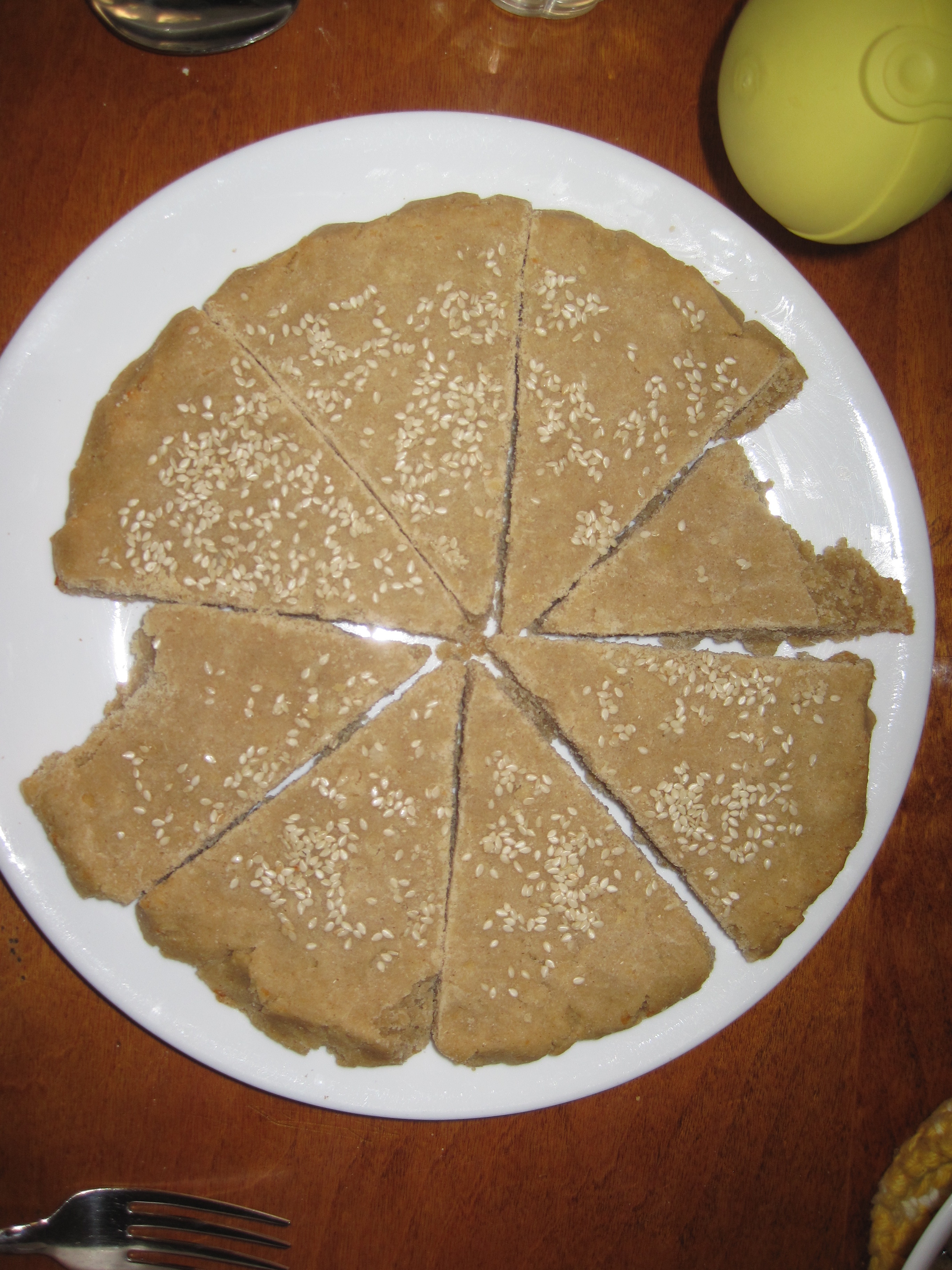
Barley Bread, Enriched with Cottage Cheese, Milk, Egg, and Sesame Seeds

IMG_0192

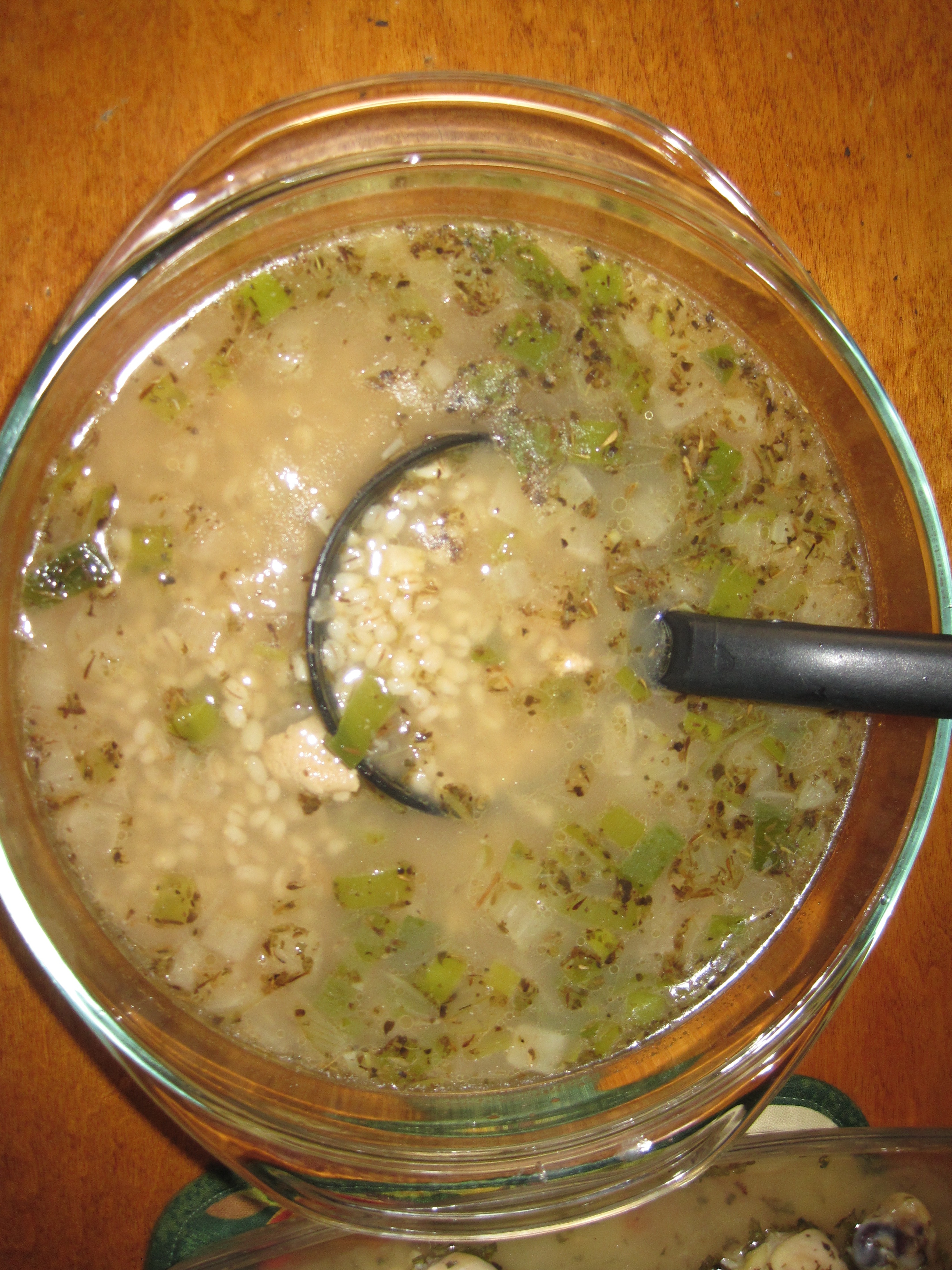
Barley Soup with Onion, Garlic, Leek, Pork, and Seasonings

IMG_0193

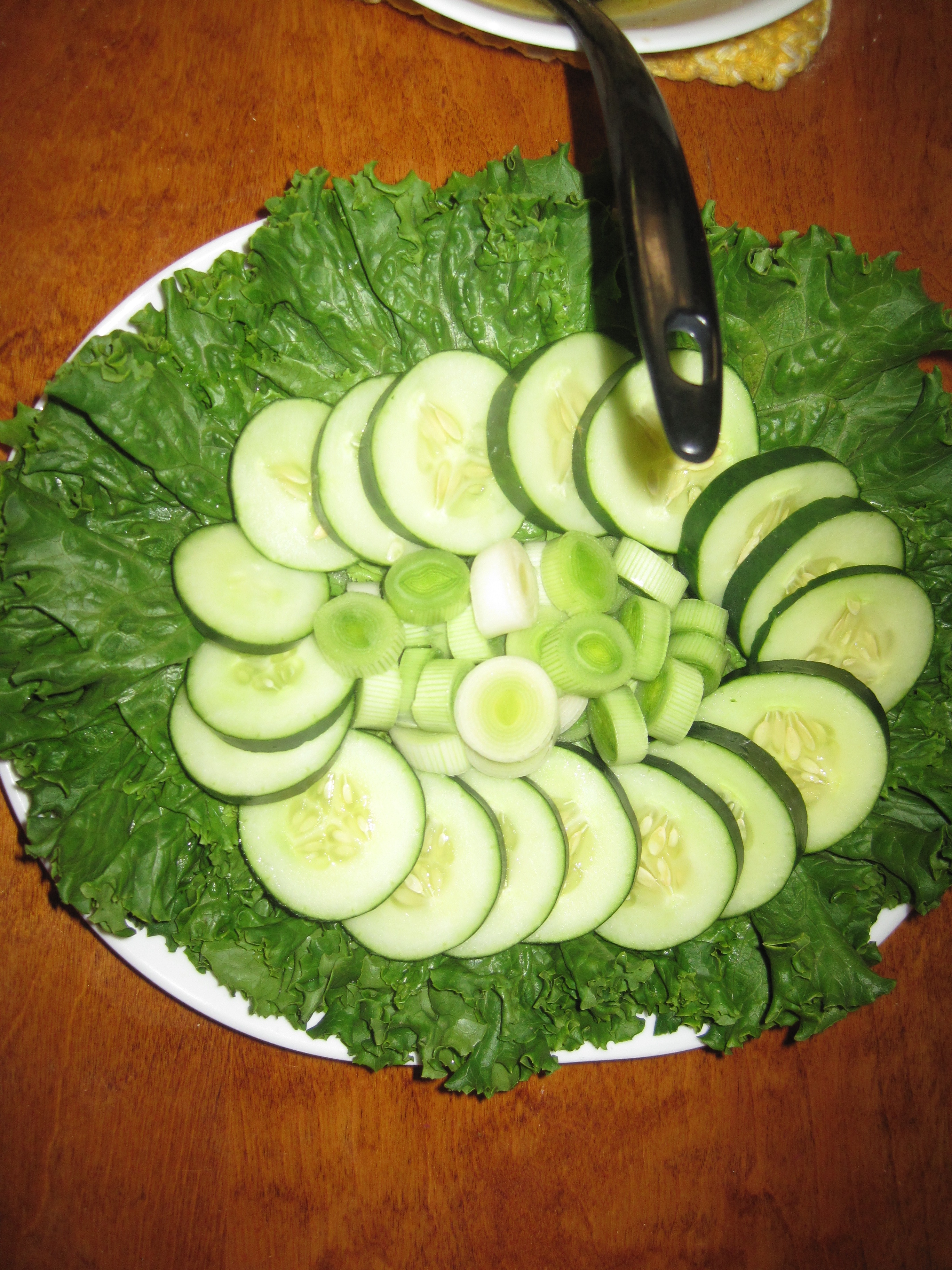
Vegetable Platter with Green Lettuce, Cucumbers, and Leeks

IMG_0194

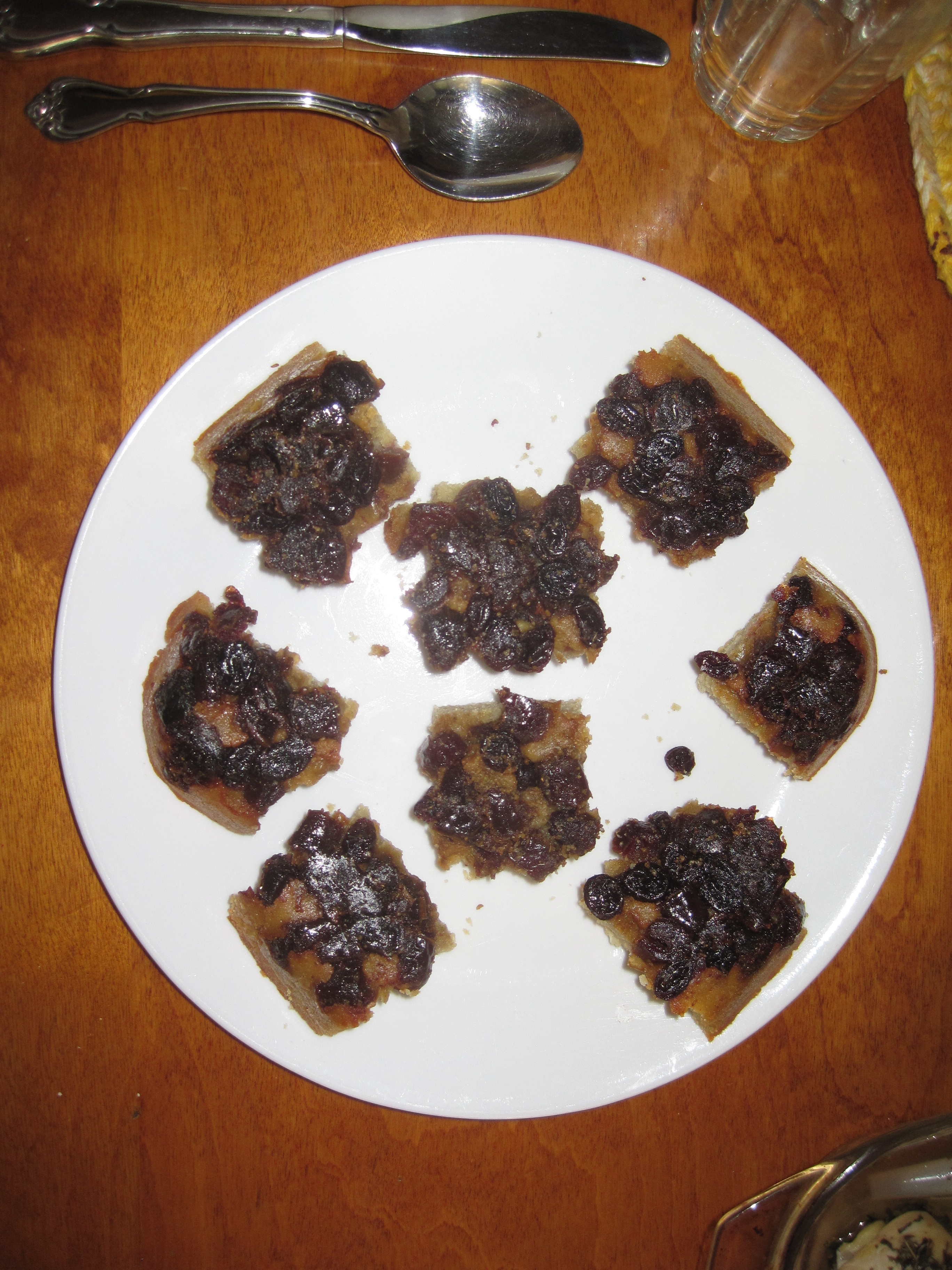
Palace Cake, Enriched with Cottage Cheese, Milk, and Lots of Butter, Flavored with a Bit of Fennel, and Sweetened with Raisins and Dates

IMG_0195

“Partridge” Basted in Vinegar and Coated with Spearmint and Salt

IMG_0196

Pork with Onion, Garlic, Leeks, Cumin, Coriander, Salt, and Mustard Powder

IMG_0197

“Beer,” Actually Water in Which Barley Was Cooked

Place Represented: Sumer/Akkad, Modern-Day Iraq

Time Represented: Between 3000 BC and 2400 BC

Culture: Sumerian/Akkadian

Religion: Ancient Mesopotamian Polytheism

For the first feast, I went back to the dawn of civilization, ancient Mesopotamia. While I had originally considered a hunter-gatherer or Garden of Eden feast, I ultimately decided that those eras probably did not have feasts to represent. The hunter-gatherers probably ate especially well when they had especially good luck in their endeavors, while it would make sense that food was always plentiful in the Garden of Eden. Therefore, I would imagine that neither eras had planned feasts, in the first case due to lack of knowledge of when there would be the largest surplus, in the latter case due to lack of necessity. Therefore, since those holding significant wealth and power have always been the ones holding feasts, it would make sense that feasting would appear at the dawn of civilization, at the same time significant social inequality appeared.

That leads us to ancient Mesopotamia, home at the time being studied to the Sumerians and the Akkadians, and during the next millennium and later to the Assyrians and Babylonians, as well as countless other peoples. While the people and customs changed over time, I am focusing on the earliest time period, Sumer and Akkad in the 4th and 3rd Millennia BC. During this time, as was still done until modern times, crops were grown in the rich soil deposited by the annual floods of the Tigris and Euphrates rivers and watered by irrigation systems. Livestock were grazed on the more marginal land nearby, and fish and fowl were harvested from the rivers. Although inconsistency in the flooding fairly often led to poor harvests and famine, most of the time there was a healthy diet of grains, legumes, vegetables, and beer, supplemented by dairy, fruit, and fish. For the elite and for special occasions there would be meat and poultry as well.

From my research, mostly on foodtimeline.org, but also a few other sites, I found that the most common grain was barley, although emmer and spelt (varieties of wheat) were also grown, especially in northern Mesopotamia, where the soil was less saline. The grain was made into an enormous variety of breads, as well as porridge and beer. These were the staples of the ancient Mesopotamian diet, supplemented with a fair amount of legumes such as broad (fava) beans and lentils. The most popular vegetable varieties were lettuce, cucumbers, and especially onions, garlic, and leeks, whose flavor profile was dominant in the cooking style. Spices such as cumin, coriander, mustard, mint, dill, fennel, and salt were also used to flavor the food, along with vinegar and honey. Fruits, however, were the main sweetener, especially dates, although figs, apricots, and quinces were also native to the area. It seems that pomegranates and grapes were introduced slightly later, although they seem to be present relatively early in history, and grapes certainly by Akkadian times, since raisins are an ingredient in one of the recipes I ended up using. Fish and river fowl such as duck were the most common sources of animal protein, with goat, mutton, oxen, pork, and land fowl such as pigeon, partridge, and quail available after temple sacrifices, at feasts, and for the wealthy. Eggs, cheese, and butter were quite common, and butter was viewed especially highly.

Two items regularly associated with Middle Eastern cooking that were not present at first and less common later in this time period were olives and grapes, as well as their most common derivatives, olive oil and wine. The reason for this seems to be that those crops were not native to Mesopotamia and did not grow as well there as around the Mediterranean Basin. When they began to be grown there I am not sure, but despite beer being more common throughout ancient history in the region, especially in the south, wine, whether domestic or imported, was present in the north during Akkadian times, along with raisins. Olive oil, however, was not in use at this time in Mesopotamia, despite an already long history around the Mediterranean.

With the history lesson mostly concluded, I now move on to discuss the dishes served. To make the preparation manageable, I used a combination of dishes that could be prepared ahead and those to be made soon before dinner. Since I had originally planned on attempting to make a beer of the time period, I my first thoughts were on the beverage, since it needed time to ferment. However, I then remembered that alcohol does not mix with one of my medications, and thought about how the process would probably make the kitchen smell very unpleasant while it fermented. Thus, I found a reasonable non-alcoholic substitute on a medieval cookery website that involved infusing water with a light barley flavor by boiling water and adding barley as it cools. So I made the barley water a day ahead and put the barley, which was cooked by the process, in the refrigerator to use over the next few days. I then made a recipe from foodtimeline.org as a dessert. This was a royal cake recipe that, in addition to the flour, milk, and eggs, was enriched by a bit of white cheese (cottage cheese used) and a lot of butter, was flavored with ground fennel seeds, and was sweetened by raisins and dates. After that baked, I used the leftover barley flour and cottage cheese, as well as an egg and some milk, to make an approximation of a bread from the period, topped with sesame seeds.

The next day, I started preparation by starting the “partridge” recipe. Since I am not sure where to find partridges and if I could they would probably be fairly expensive, I originally planned to use Cornish hens as a rough approximation, since they are relatively close in size. However, when I got to the store I saw that they were frozen solid, and since the feast was that evening, there was no time to thaw them. Thus, I used a package of chicken drumsticks instead. Once I got home, I followed the recipe mentioned somewhere online (I can’t remember where) and basted them with apple cider vinegar (by the time they were familiar with grapes they were familiar with apples, even in the hot climate apples would be transportable in vinegar form, and that is the vinegar I am most familiar with). They were then rubbed with spearmint and salt and put in the oven to bake.

While the chicken cooked, I started the pork and the soup. Pork was not taboo for the ancient Mesopotamians, and there were a large variety of grain and legume soups, so those seemed like good options. The boneless pork ribs was cooked in oil with onions, garlic, leeks, salt, cumin, coriander, and mustard powder, and the soup was sautéed onions, garlic, and leeks, flavored with salt, cumin, coriander, and a bit of pork, and the barley added for the last few minutes to heat through. While that all cooked, I arranged a vegetable platter of green leaf lettuce, cucumber slices, and sliced leeks. By then, everything was ready, and it was time to eat.

Overall, the feast was a success. The pork and the soup had a good flavor, and the chicken was excellent, having an excellent flavor and being very tender. The salad was good and added a nice bit of freshness, and the cake was quite a hit. I had actually been a little worried that it would not be sweet enough without any added honey, but it turned out that the dates and raisins made it plenty sweet. It kind of tasted like really buttery biscuits with jam.

However, although they did not taste bad, the bread and barley water were just okay. The bread was kind of bland, and denser than I expected, and the barley water did not have as much flavor as I had anticipated. There was nothing to complain about, but since leavened white bread has been available to the elites of society almost as long as there have been elites, from now on I am using the fresh pizza dough from the grocery store to make the bread. In addition, since wine was preferred over beer where it was available, from now on almost every feast will have grape juice. Still, it was a good experiment, and I look forward to many feasts to come.

Standard
Uncategorized

Relatively Recent Changes in Tastes

Although a bad cold has delayed the first feast, I thought I would share some of my observations of relatively recent food trends. I do this somewhat by remembering how food was different when I was little to how it is now, but mostly by looking at old cookbooks from the 1950s through the 1990s and comparing them to a modern cookbook. Although dietary staples change slowly, flavorings and preparation methods change much more rapidly, and in the last 30 – 60 years I can see some significant changes. First, what was required to make a “complete” meal has changed significantly, generally becoming simpler over time. However, while having less time available for cooking certainly plays a role, there is also the possibility of greater realism by cookbook authors, who now realize that even for those that have the time and money, it seems silly to prepare a soup or salad, protein, starch, vegetable, and cooked dessert every night for dinner. Despite what the ideals seemed to be, I doubt that the average 1950s household actually ate what was seen in movies and TV shows, especially since real income was lower and food prices, especially meat prices, were higher relative to income. Perhaps the upper middle classes, which could afford such food and to have a stay-at-home-wife, did, but just as huge banquets were the exception rather than the rule during Victorian times and earlier, so such abundance seemed unlikely for the average. With that in mind, however, the average worker’s diet was much better than it had been even half a century earlier, as society became somewhat more equal. Even while not being able to dine on the ideal fare on a daily basis, most of the populace could afford to recreate more modest versions of the ideal feast on special occasions. Now, with those qualifications aside, how have ideals and general preferred tastes changed over the last six decades? Looking at the main course, what is considered complete has changed significantly. While in the past it was typically separate meat, starch, and vegetables, now there are more one-dish meals, and vegetarian dishes are more mainstream. Quicker cooking methods are preferred, and there is often heavier spicing than in the past. Even the types of foods have changed. Beef is still a preferred meat, while chicken has gained a lot of popularity. Pork has lost some ground, but mutton and lamb have become very rare except for holidays and special occasions, along with goose, duck, and other game. Except for hunters, any game except duck is very hard to come by. Variety meats have also lost a lot of popularity. As for vegetables, there has been less change, but more exotic vegetables are gaining ground, as is the case with fruit. Tastes in fruit have changed, especially in desserts. Raisins, figs, dates, prunes, and candied fruits have lost a lot of popularity. This may in part be due to better preservation of fresh fruits, and may also be due to increased usage of chocolate, which has largely displaced fruit in many favorite desserts. Even beverages have changed. In the past, no formal dinner was considered complete without wine, but now, although many non-alcoholic drinks are not considered formal enough for a formal dinner, only serving water with the food is perfectly acceptable. If I have rambled in this post, I apologize, I have just had a lot to think about. The first feast will be coming up soon, focusing on Ancient Mesopotamia.

Standard
Uncategorized

Introduction

For a long time, I have been interested in both cooking and history, so I suppose that it is only natural that I would develop an interest in food history. My interest further increased when I discovered Guns, Germs, and Steel, a brilliant anthropological study by Professor Jared Diamond. This may seem like a jump between two topics, but there is a connection. The conclusion of the study is that certain geographic factors and local resources widely affect when (or even if) a society makes the transition from foraging for food to active food production and how rapidly and fully this change takes place. Essentially, it is all about what foods are available and how they are obtained. Hence, the study of food history and anthropology are intertwined. What is eaten, both by the elites and the common people, says a lot about the society. Ideals and norms about food share an insight into the ideals and norms of the world they were produced in. In the process, we can learn from history and often learn a bit about ourselves.

With that in mind, and inspired by the BBC series The Supersizers (available on Youtube, I highly recommend it), I will hold a feast of the time period being studied in each post. However, due to budget, time, and space restrictions, I will simplify and “tone down” the feasts to something that I can manage. Since I don’t have unlimited access to the state treasury, a kitchen large enough to roast a dozen oxen alongside all manner of fowl and fish, dozens of servants to staff the said kitchen, a feasting hall large enough to feed a few hundred people, or a convenient place to buy such historic delicacies as peacocks, swans, or flamingoes, I am unable to create a perfect representation of such feasts. However, with a bit of research into foods and cooking methods and some improvisation to fill in the gaps, I believe that I can, with a few substitutions for prohibitively expensive or hard-to-find foods, create a reasonable idea of the food and its culture using my average middle class kitchen to prepare a feast for my parents and a few friends and neighbors. After all, food prices relative to income are much lower than in the past, and many onetime luxuries are now commonplace. Thus, I can create what would have been considered a fairly good meal by a moderately wealthy family of the age with summer job income while still saving most of it for college expenses. Considering that, despite some of the issues of modern life, we live much better than our ancestors did even a hundred years ago. Now that is something to celebrate. So please, join us while we celebrate how the past made us who we are today. We have food.

Standard