
Region: South Mainland/Islands (Basilicata)
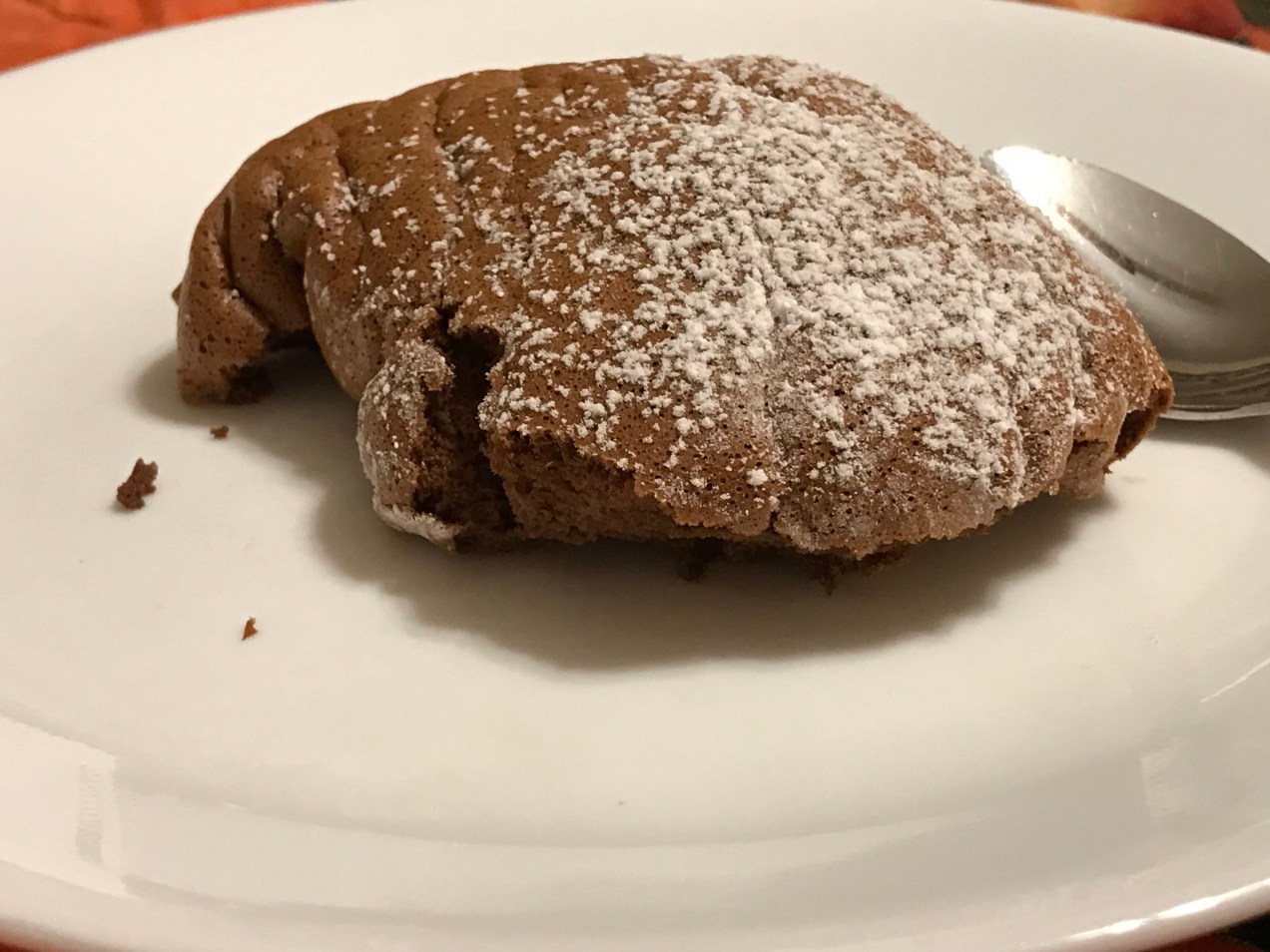
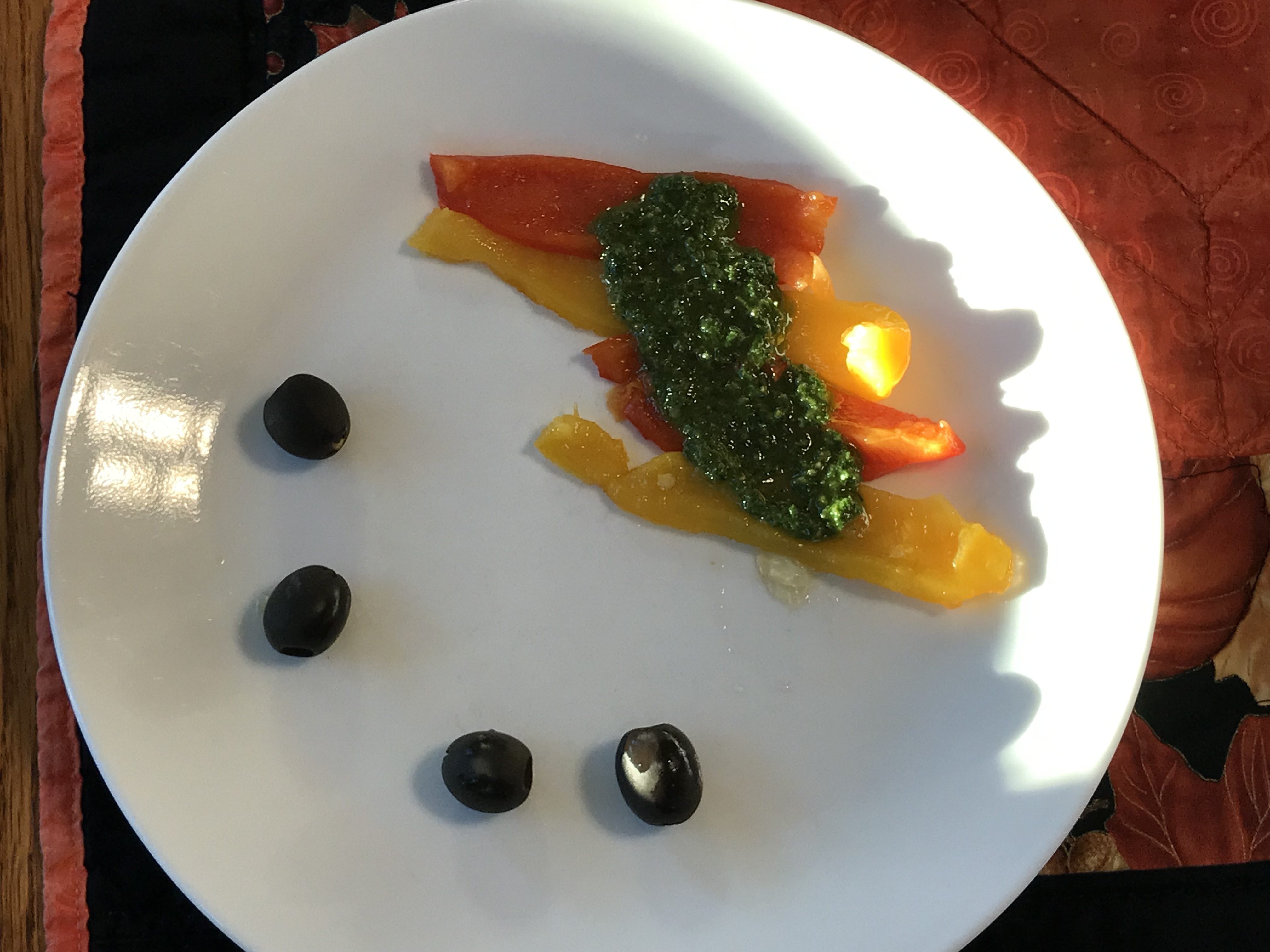
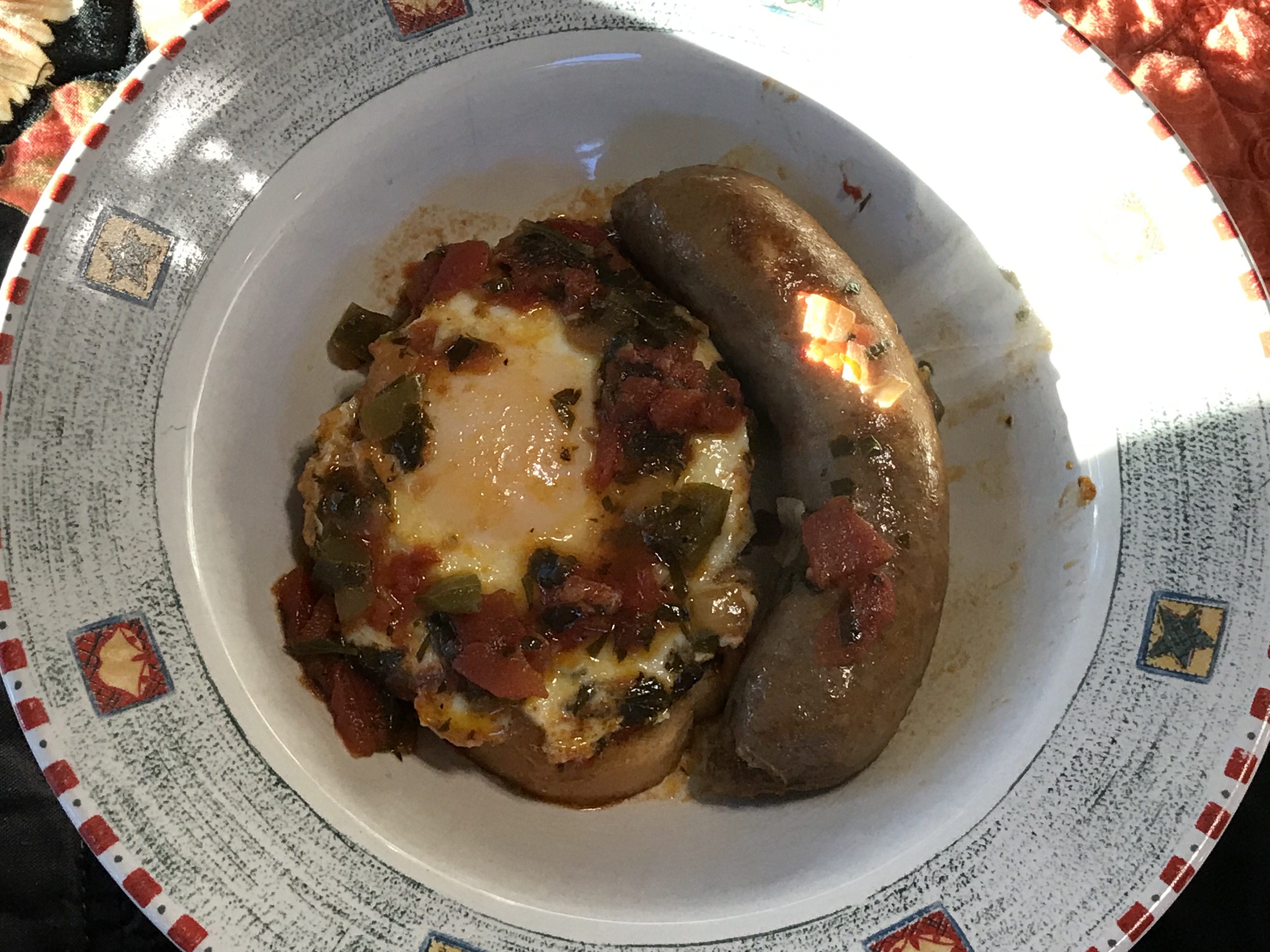
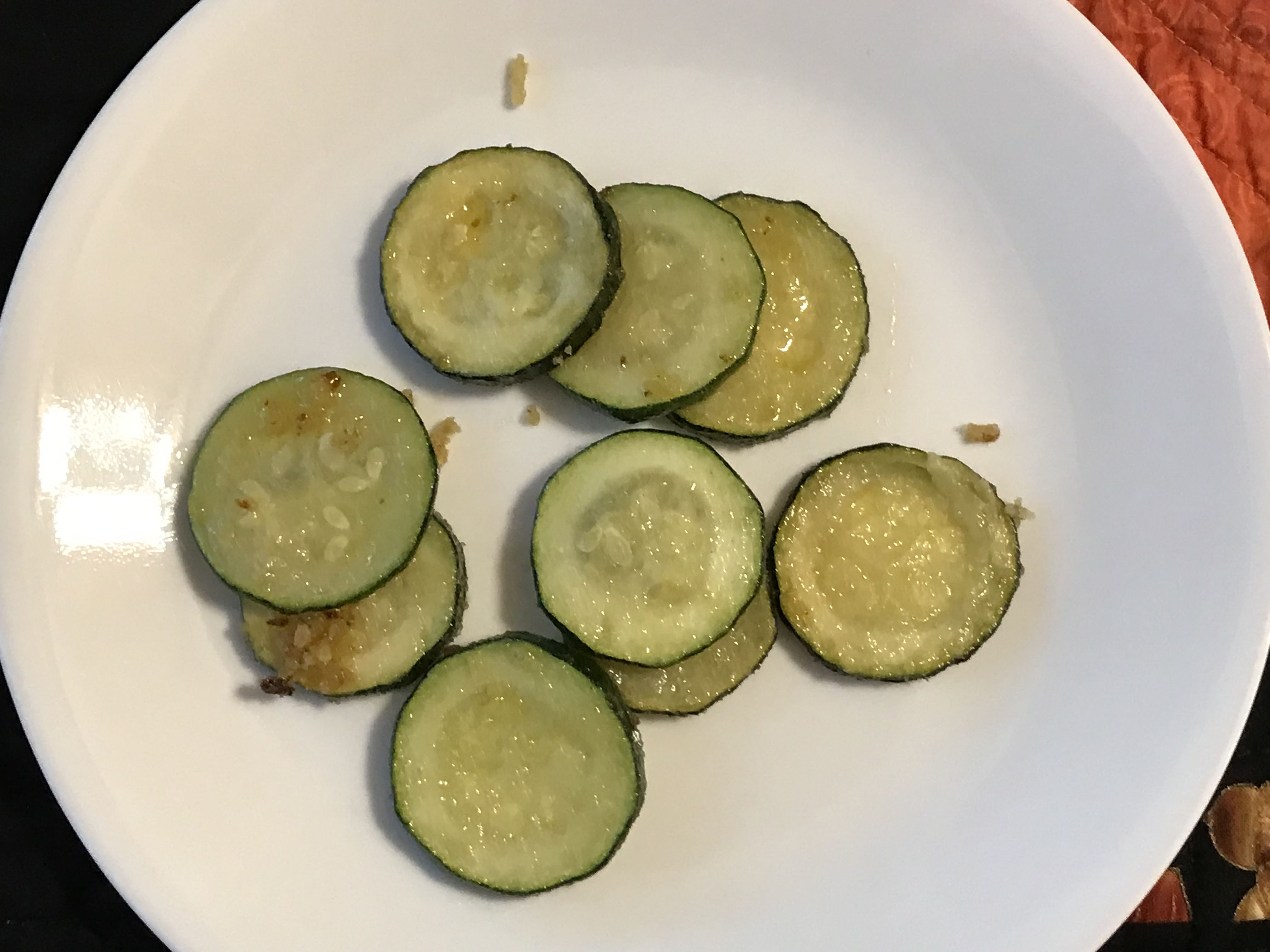
Menu: Grilled Peppers in Anchovy Sauce with Roasted Olives, Eggs in Purgatory with Grilled Sausages, Fried Zucchini Slices, Chocolate Souffle with Fig Preserves
Recommended Wine: Agliatico (high-alcohol Sicilian red)
Capers also found in 1000 Foods
Like tomatoes and potatoes, peppers originated in the Americas. Europeans distrusted them at first, preferring to use them as decorative plants instead of as food. The reason seems to be that peppers are part of the nightshade family, which has several deadly members, but eventually, either through necessity or curiosity, sweet bell peppers became popular around the Mediterranean. Hot peppers had better luck in Africa and Asia. One popular way of preparing them is by grilling or roasting.
An interesting addition to the roasted peppers is an anchovy sauce. While anchovies are often viewed as “gross” in much of America, they have been popular for over 2000 years. They were a popular flavoring in Ancient Rome, as was garum, a salty fermented fish sauce. There are references to them as bar snacks in Shakespeare’s time, salty nibbles to stimulate thirst. I think it would be funny if, instead of pretzels or salted peanuts, a modern bar set out plates of anchovies. Just to see patrons’ reaction.
I don’t typically care for anchovies or olives, though the preparation methods in this menu did help. Combining the anchovies with oil, garlic, and herbs softened their flavor, and baking the olives with rosemary to infuse them had a similar effect. They were still not my favorite dishes, but that was just a matter of personal taste.
The eggs and tomato sauce with sausage was more successful. I’m not sure how the name “eggs in purgatory” came about, but poaching them in tomato sauce was an interesting experiment. They got a bit more cooked than I meant to, resulting in an unpleasant grainy texture for the yolks, but the whites and sauce were good, as was the bread to soak it up. The sausage used was hot Italian, since chili peppers are a popular flavoring in Basilicata and Calabria.
Among the many ways to cook zucchini is to fry it. Because they are high in water, zucchini slices must be dried before frying or they won’t brown properly. Here a dip in flour with salt and pepper absorbs any excess moisture while providing a bit of extra texture. The surface coating isn’t thick enough to become a breading, but it does produce a very thin, crispy layer.
I had never made a souffle before, but it was fascinating. Here’s how it works. Egg whites are whipped to introduce tiny air bubbles. They are carefully folded into the remaining ingredients to avoid popping the bubbles. Because gases expand when heated, the souffle will rise in the oven. The same principle is used in Genoese sponge cakes to make them rise. The tricky part with souffles is serving them without deflation. As the air bubbles trapped inside cool down, they shrink. I’ve heard somewhere that “guests must wait for the souffle; the souffle will not wait for the guests,” this is why.

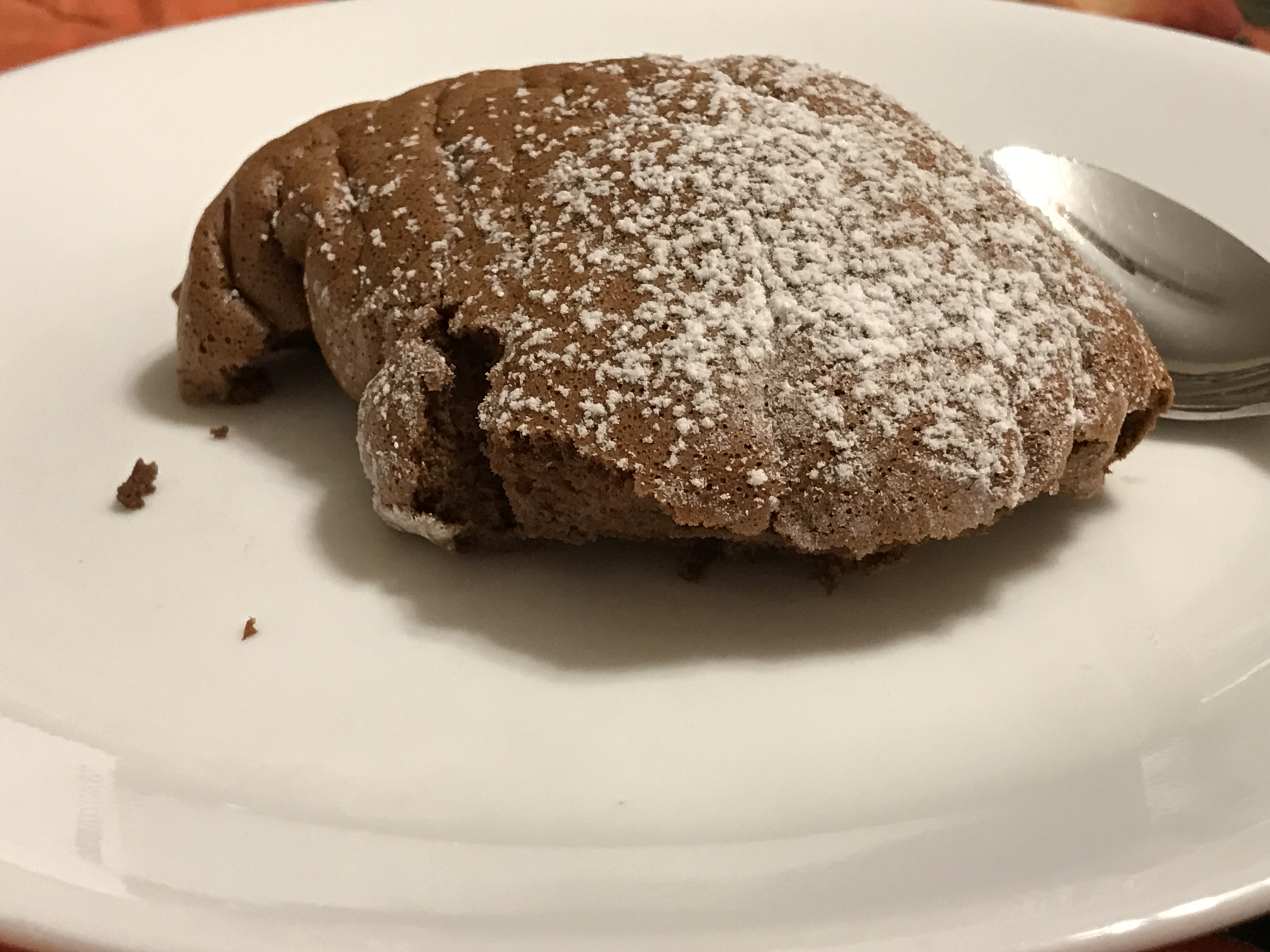
When I first pulled it out of the oven, the souffle was puffed up well over the top of the ceramic baking dish. It started to deflate before I could get a picture, but it still had a nice spongy texture and good flavor. The fig jam was a little sweet. In the future, I would probably use strawberry or cherry instead, but that’s a minor thing. The rest comes down to figuring out how much deflation is inevitable, how much can be avoided, and enjoying the experiments along the way.
If you would like to fund further experiments, I would be delighted if you supported my work.
Make a one-time donation
Make a monthly donation
Make a yearly donation
Choose an amount
Or enter a custom amount
Your contribution is appreciated.
Your contribution is appreciated.
Your contribution is appreciated.
DonateDonate monthlyDonate yearly
 Feasting Through Time