Black-Eyed Susan Cocktail
american cuisine, beverages, food history, recipes

Preakness Stakes Mocktail: The Black-Eyed Susan

Black-Eyed Susan Cocktail

            Tomorrow is the Preakness Stakes, the second leg in the Triple Crown. The Preakness is always run on the third Saturday in May at Pimlico in Baltimore. Some trainers say the two-week turnaround time is not enough for the horses to recuperate, and sometimes the Kentucky Derby winner won’t race. Sovereignty will not race tomorrow, meaning there will not be a Triple Crown winner this year. While not as famous as the Derby, the Preakness is still an interesting event, with two associated food traditions. Since Maryland is associated with blue crab from the Chesapeake Bay, it’s no surprise that the Preakness is known for crab cakes.

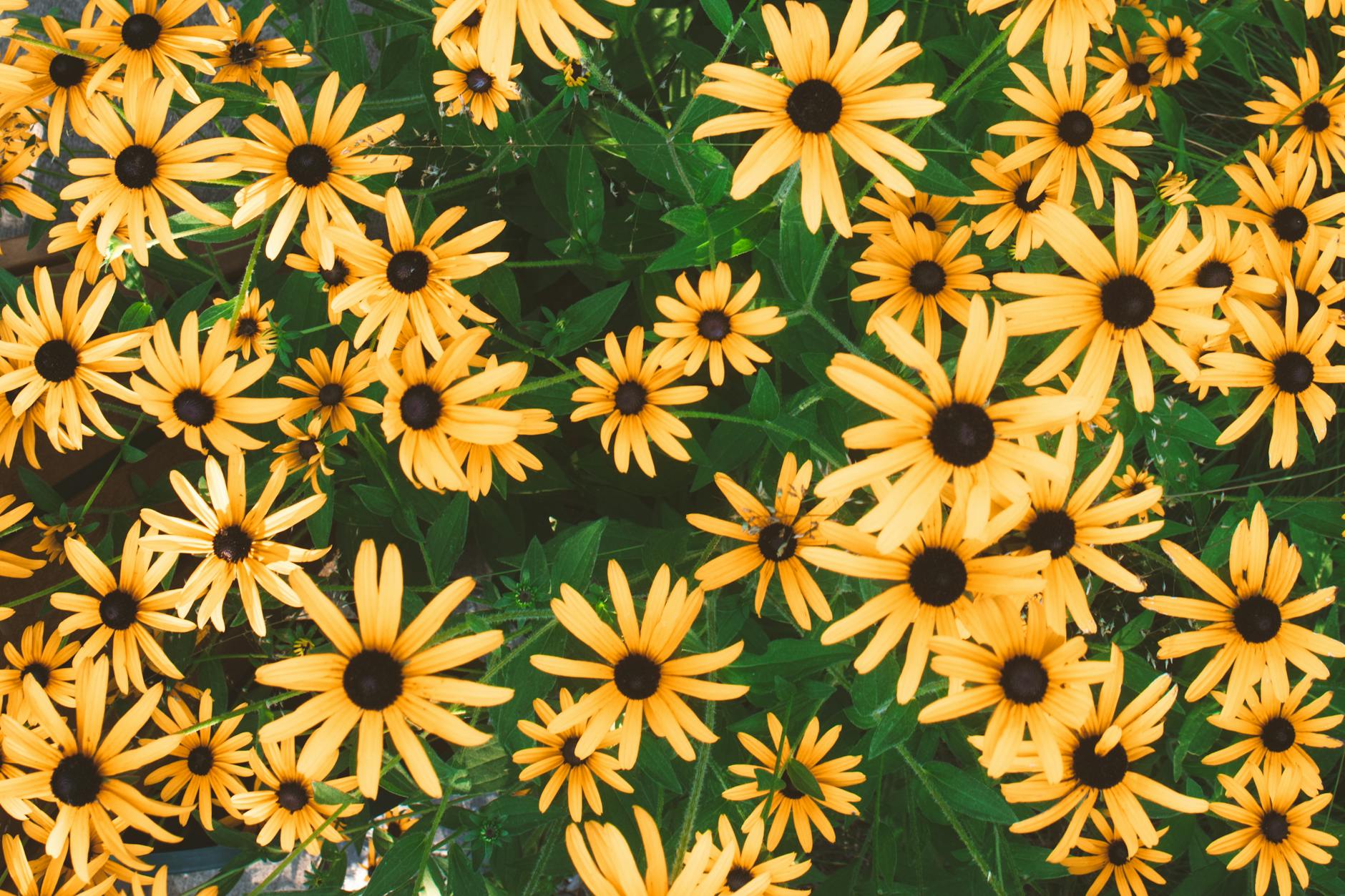
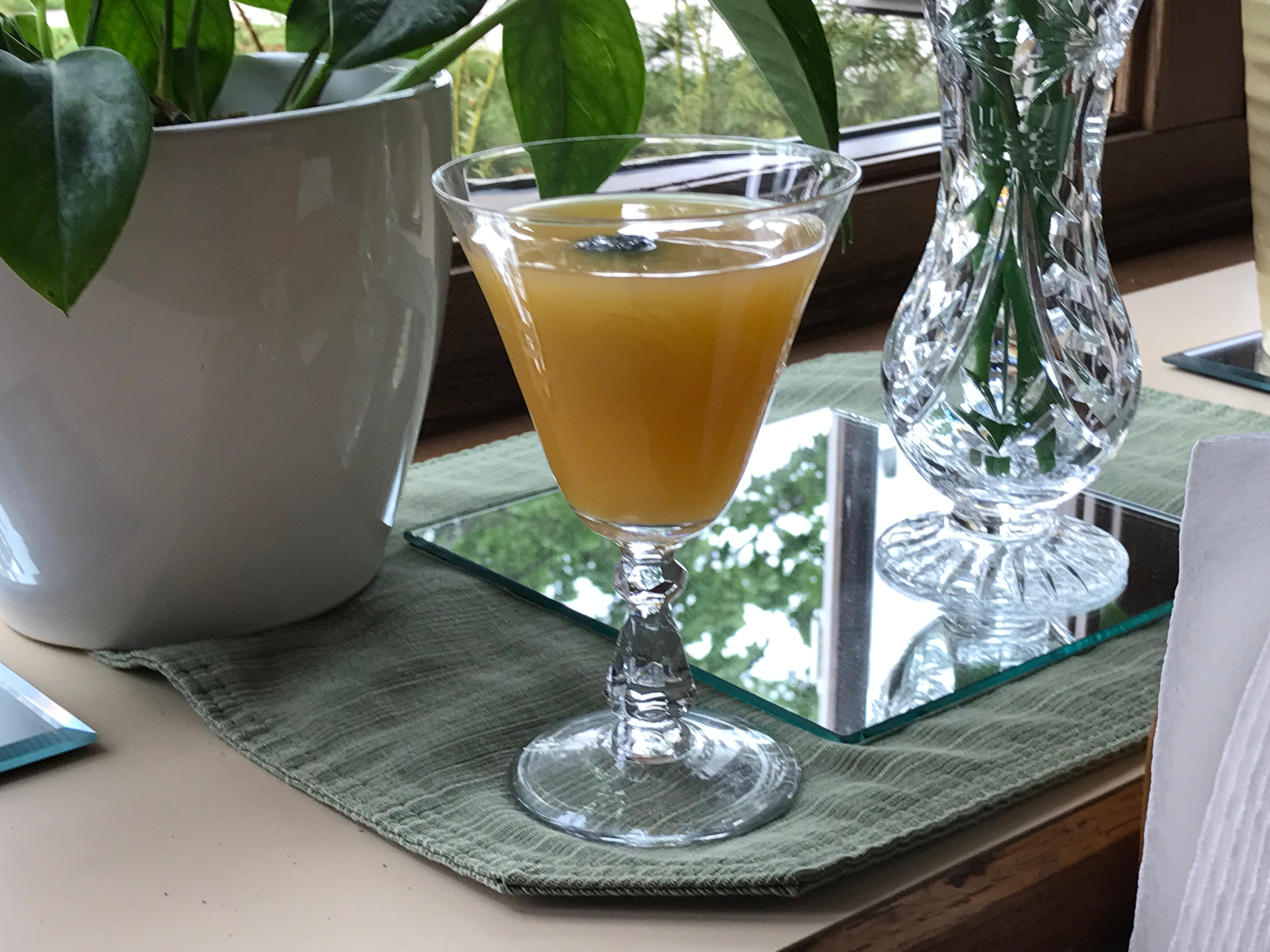
            The Preakness Stakes also has its own signature cocktail, called the black-eyed Susan. Most likely, it was named for the blanket of flowers draped over the winner. The Kentucky Derby has red roses, the Preakness has black-eyed Susans, and the Belmont Stakes has white carnations. Ideally, the cocktail will be about the same yellow-orange color as the flowers. Interestingly, black-eyed Susans are not yet blooming in Maryland.

Photo from Pexels.com

            Unlike the mint julep, the black-eyed Susan never seems to have had an “official” recipe. Invented in the 1970s, ingredients varied over time, even at Pimlico, and according to the drinker’s personal taste. The only constants are orange juice and vodka. Other ingredients might include pineapple juice, grapefruit juice, peach schnapps, rum, or bourbon. Frequently the drink will be finished with a blueberry or blackberry for the characteristic “black eye.” As long as there are at least two fruit flavors, pretty much anything goes.

Black-Eyed Susan Cocktail
Black eye demonstrated here. Definitely a resemblance, in an abstract way.

            Fruity cocktails lend themselves well to non-alcoholic variations. For my own version, I keep things simple with equal parts orange juice, pineapple juice, and tonic water with a bit of peach syrup. The tonic water is the “secret ingredient” that makes non-alcoholic cocktails more complex, and its bitter edge tastes a bit like grapefruit.

Here’s how to make it:

            For each serving, combine 1/3 cup orange juice, 1/3 cup pineapple juice, and 1/3 cup tonic water with a few ice cubes. Stir in a tablespoon of peach syrup (like what’s used in Italian sodas), or more to taste. For a low-alcohol but not completely alcohol-free cocktail, the syrup can be replaced with peach schnapps. If desired, add a blueberry or blackberry. It’s that simple, unlike the system for betting on the race.

            To get notifications of new posts sent straight to your inbox, make sure to subscribe for free. Of course, if you want to make a contribution, you’re more than welcome to.

One-Time
Monthly
Yearly

Make a one-time donation

Make a monthly donation

Make a yearly donation

Choose an amount

$5.00
$15.00
$100.00
$5.00
$15.00
$100.00
$5.00
$15.00
$100.00

Or enter a custom amount

$

Your contribution is appreciated.

Your contribution is appreciated.

Your contribution is appreciated.

DonateDonate monthlyDonate yearly
Standard
beverages, egyptian cuisine

Accompanying the Ful Medames: Egyptian Mint Tea

1000 Foods (pg. 704) for information, recipe is my own creation

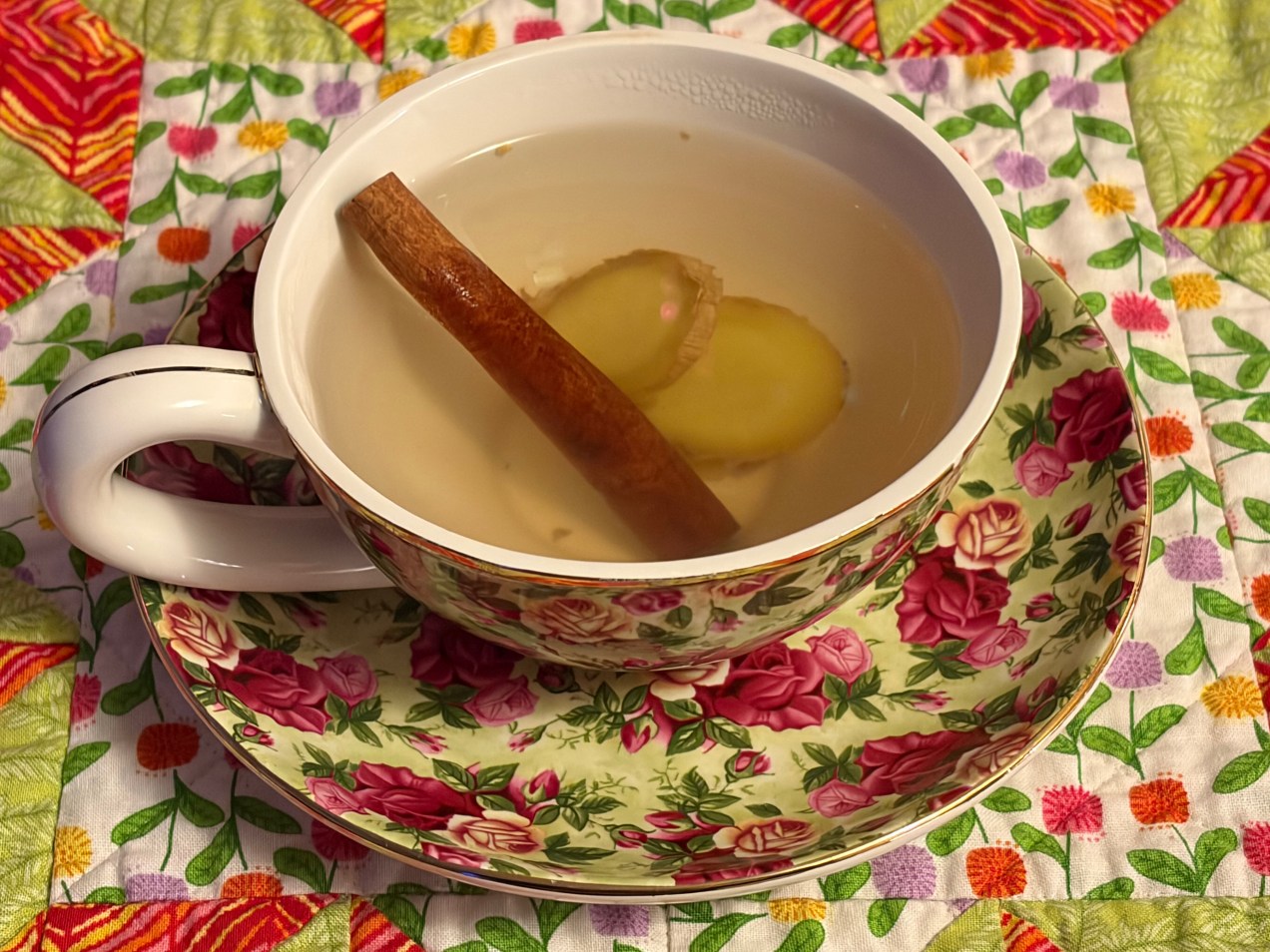
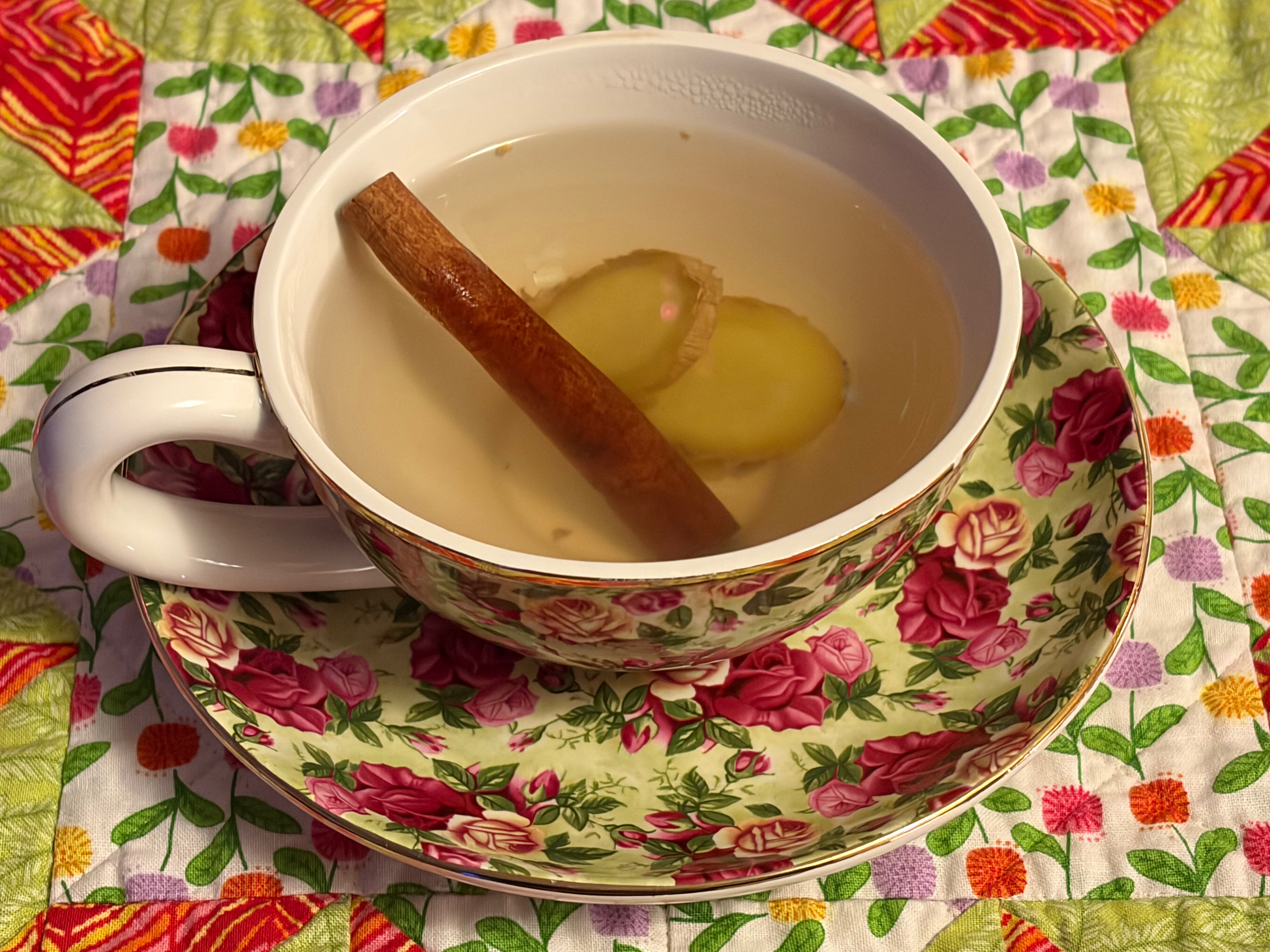
            Mint tea is popular across North Africa, with numerous regional variations. Mimi Sheraton discusses this in the text on page 704. We’ve already discussed the Moroccan variety, with lots of mint and a bit of green tea. Egyptian mint tea has less mint, more tea, and uses black tea instead of green. It’s similarly sweet, and is sometimes flavored with warm spices. I use a clove, a piece of cinnamon stick, and a pinch of cardamom for a flavor that’s present without overwhelming the mint. Note that black tea is brewed at a slightly higher temperature than green, so it can be added to the hot water right away.

            Ingredients:

  • 2 or 3 sprigs fresh mint
  • 2 teaspoons black tea leaves
  • Sugar to taste
  • 1 piece cinnamon stick, 3 to 4 inches
  • 1 whole clove
  • Small pinch ground cardamom

            Directions:

  1. Bring 2 cups of water to a boil. Remove, tear, and bruise the mint leaves. Place in a teapot or strainer cup with the tea leaves and spices.
  2. Add boiling water to the mint, tea leaves, and spices, and steep for 3 to 5 minutes.
  3. Strain into teacups, adding a pinch of sugar or more to taste.

            In Egypt, the tea is usually a lot sweeter, kind of like the sweet tea popular in the US Southeast, but served hot. Personally, I don’t like that much sugar, and prefer tea unsweetened in most cases. Flavored teas like this one are an exception, but a pinch of sugar per teacup or a few per mug is plenty.

Standard
beverages, food history, italian cuisine, recipes

Northwestern Italy’s Afternoon Pick-Me-Up: Bicerin

1000 Foods (pgs. 165 – 166) for information, recipe is my own creation

            Italians seem to love their coffee, but have some interesting opinions about what kind of coffee to drink when. Any coffee with milk, such as cappuccino, should only be drunk in the morning. Maybe that’s because many Italians don’t eat much breakfast and need the calories. Unless they’re drinking gallons of café lattes or adding sweeteners, they probably won’t be getting many, but maybe black coffee is too irritating on an empty stomach. It seems like adding milk to coffee in the afternoon, or after dinner, would cut the caffeine and allow for better sleep, but apparently that’s culinary heresy. But I don’t care for coffee unless it has a fair amount of milk and sugar, so what do I know?

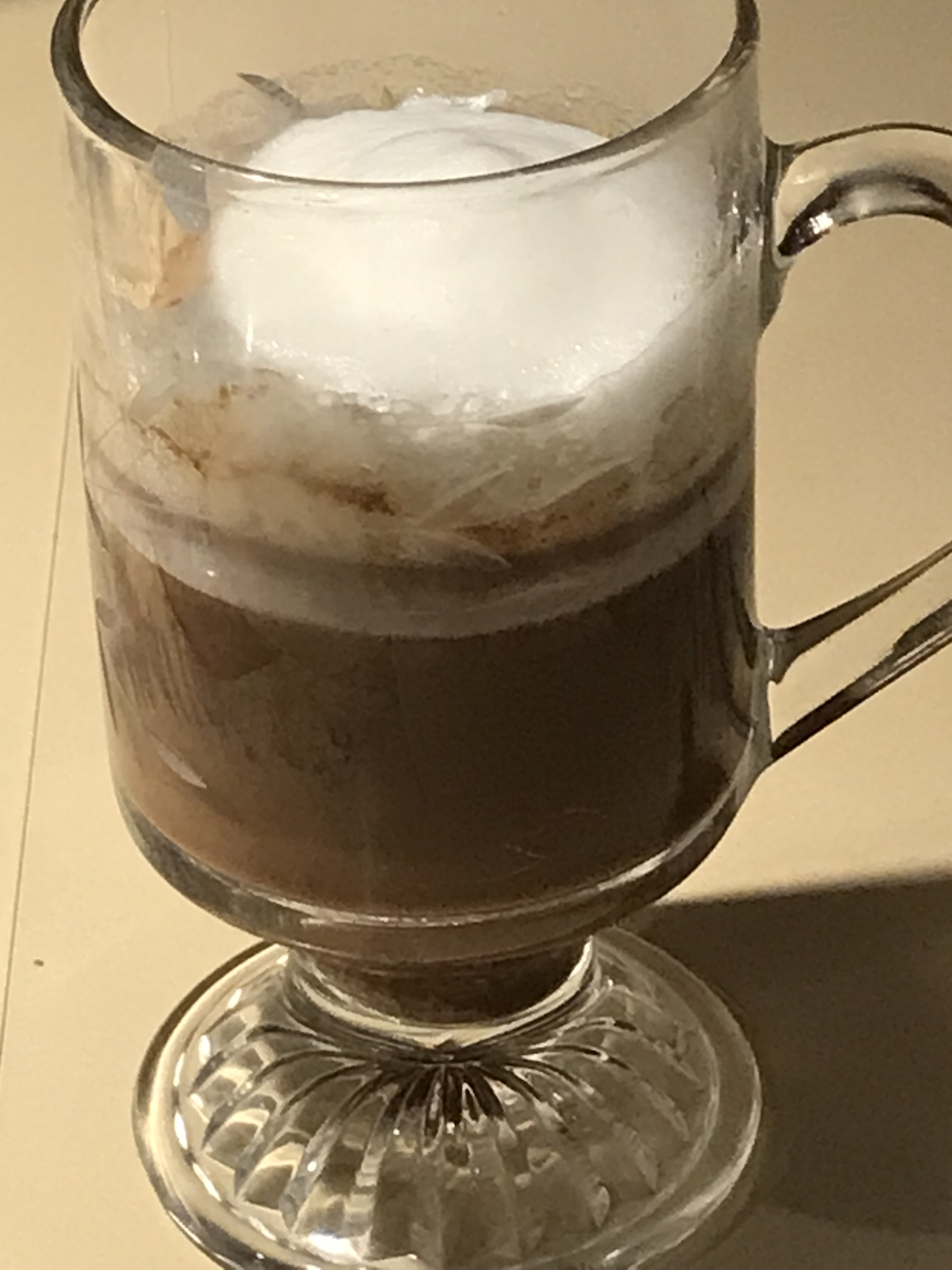
            One particularly delicious coffee drink is bicerin, essentially a fancy layered mocha native to Turin. A number of 19th Century authors loved it. To enjoy it at home, a heatproof glass is essential, as is “a steady hand,” in the words of Mimi Sheraton. The servings are small by American standards, but the drink is rich and meant to be savored. Espresso goes into the glass first, followed by thick hot chocolate. If this is done correctly and the chocolate is thick enough, it will sink to the bottom. Foamed milk goes on top, carefully, so it will stay separate, at least temporarily. Bicerin is not stirred. Rather, the layers mix as you drink it, and flavor gradually shifts from mostly coffee and milk to mostly chocolate.

            Charges of culinary heresy aside, bicerin is a great afternoon treat. Drinking it in the morning seems like a recipe for a sugar crash before lunch. Plus, it’s a bit fiddly to make, not ideal for someone who isn’t a morning person. For the right consistency, almost like a syrup, the hot chocolate should be made from scratch with chocolate pieces and milk. 2 ounces of bittersweet chocolate and 4 ounces (1/2 cup) of milk seems to be the right amount for two servings. Espresso needs to be made, and milk needs to be heated and foamed. For two servings, 6 ounces of espresso and 1 cup of a 50/50 mix of milk and half-and-half is about right. None of this is particularly difficult, but having all three elements hot and ready at the same time can be a logistical challenge to anyone still half-asleep.

            So in summary, you need: 2 ounces of bittersweet chocolate, 1 cup milk, 6 ounces espresso, and ½ cup half-and-half. Melt the chocolate in half of the milk, stirring frequently, until smooth. Remove from heat. Prepare the espresso however you choose. Combine the remaining milk with the half-and-half and heat, whisking almost constantly, until the mixture is foamy and steaming. The coffee goes in the glasses first, then the chocolate. Spoon the milk foam over the top, don’t stir, and serve. And enjoy by mid-afternoon at the latest. With three ounces espresso and an ounce of dark chocolate per serving, it will keep you up otherwise.

Standard
food history, jamaican cuisine, recipes

Jamaican “Sorrel” Punch: Ruby Red for the January Blues

1000 Foods (pgs. 693 – 694)

            Let’s face it: January can be depressing. Thanksgiving, Christmas, and New Year’s are over, Valentine’s Day is six weeks off, and in much of the northern hemisphere, it’s cold and the landscape is barren. In some places, such as Venice and New Orleans, this is Carnival season, but in others, people are going on a diet to lose those Christmas pounds. Something cheery is needed.

            Hibiscus flowers are lovely. Native to India, British sailors and botanists introduced them to the other tropical and subtropical parts of their empire in the 18th and 19th Centuries. Once the flowers reached Jamaica, locals appreciated them for more than just their beauty. Hibiscus blossoms are also edible. For some reason, they are called “sorrel” in Jamaica, India, and the Middle East when they are eaten. Most likely, this is due to the herb sorrel and hibiscus flowers both having a sour flavor. Hibiscus is also fruity, and, when steeped in hot water, produces a lovely red infusion.

            In Jamaica, dried hibiscus blossoms are used to make a popular Christmas punch. In the US, many Latin American groceries carry them. Once the mixture is brewed, often with ginger and/or other spices, it is sweetened and sometimes spiked with rum. Even though Christmas is over, sorrel punch seems like a good new year’s or anytime beverage. And honestly, the bright color and flavor would be a great antidote for the “January blues” and a nice contrast with typically heavy winter dishes. Plus, hibiscus is rich in vitamin C, helpful after the germs you’ve probably been exposed to over the holidays. It’s also rich in iron, which the vitamin C helps the body absorb.

            For sorrel punch, I began with Jillian Atkinson’s recipe on Serious Eats (https://www.seriouseats.com/jamaican-sorrel-hibiscus-drink), but modified it to quantities and ingredients I had available. I used one quart (4 cups) of water, 2oz of dried hibiscus flowers, about 2.5oz sliced candied ginger, 3 whole cloves, and three small pinches of ground allspice. After boiling for 8 minutes, the mixture cools on the stove, then is chilled overnight to finish infusing. To prevent any metal flavor from leaching into the punch, I transferred it to a plastic container.

            After infusing overnight, the punch is strained and sweetened to taste. The recipe uses a simple syrup of sugar and water, but I just stirred four tablespoons of sugar into the mix, which seems to be about the right balance. It takes a bit longer to dissolve, but that quantity will dissolve eventually. The punch was best when diluted with about 1 part water to 2 parts hibiscus infusion, but that can be adjusted to taste. It’s often spiked with Jamaican rum, but is perfectly good without it, making sorrel punch a great festive drink for those who wish to abstain from alcohol.

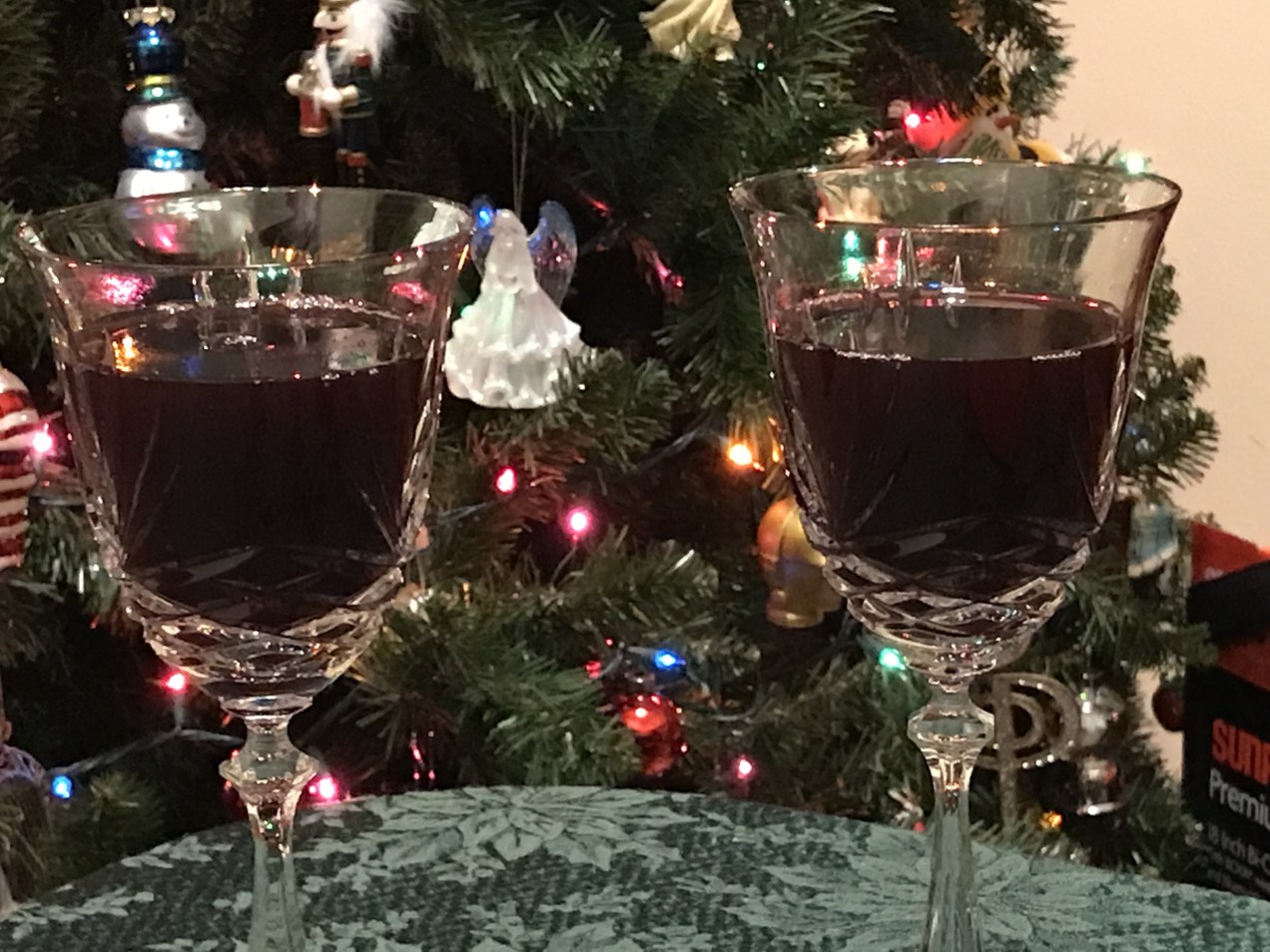
Looks like red wine, probably stains like it

            Hibiscus has an interesting flavor, slightly floral, but distinctly fruity, almost like cranberry. The infusion is pretty sour on its own, so adding a bit of sugar balances it out. The ginger and cloves gave it a pleasant flavor like mulled cranberry cider, but a bit different. It’s hard to describe. The best way to find out more is to try it.

Standard
food history, mexican cuisine, recipes

The Americas’ Original Hot Beverage: Mexican Hot Chocolate (Updated with Recipe)

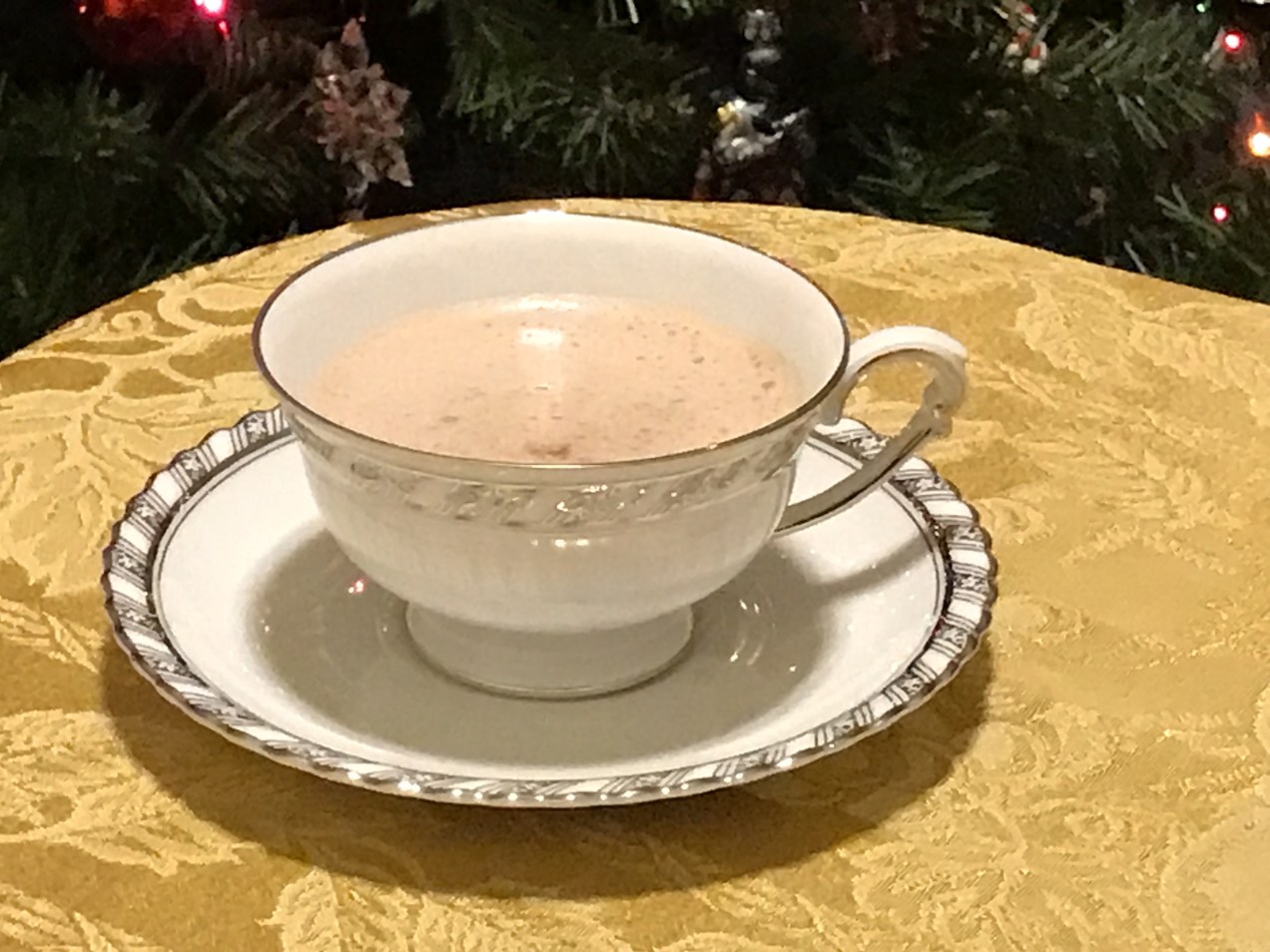
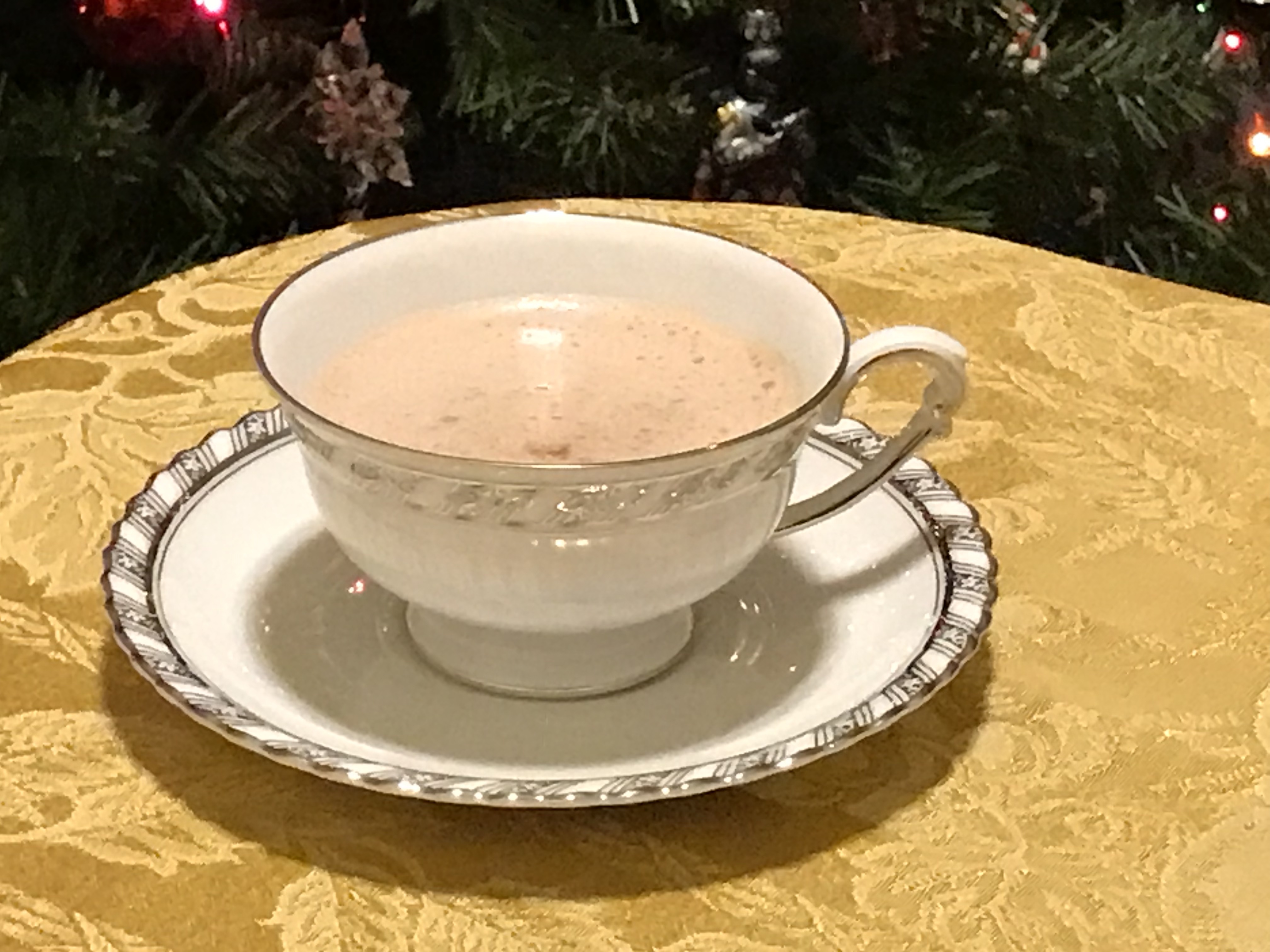
Hot chocolate, nice and foamy

1000 Foods (pgs. 652 – 653)

            Most people enjoy hot chocolate, especially when it’s cold outside. Today, good quality mix is affordable and widely available, but when they were first invented, chocolate drinks were a luxury. Chocolate was first discovered in Central America. The Maya loved it, and the Aztecs traded for cocoa beans, which didn’t grow in their homeland near modern Mexico City. Cocoa beans were even used as currency. Counterfeit beans made of clay were frequently a problem, which demonstrates just how valuable chocolate was. Because it was labor-intensive to grow and process, Mesoamerican chocolate was a drink for the rich.

            The chocolate that Pre-Columbian kings and nobles drank was very different from chocolate today. Typically, it was cold and bitter. Mesoamericans often flavored the chocolate with flowers, vanilla, or even chilies, but rarely sweetened it. They didn’t have sugar, but why they didn’t utilize other sweeteners is a mystery. Maybe it was just a matter of taste. What they did do was pour the chocolate between two cups before serving, to create a nice foam.

Advertisements

            Exactly why the Maya, Aztecs, and other native groups went crazy for unsweetened chocolate is unclear, but maybe they appreciated its fat content enough to overcome the bitter taste. Maybe they liked the caffeine content and eventually got used to the flavor. Or maybe it was chocolate’s reputation as an aphrodisiac. Regardless, the Aztecs were importing and collecting massive quantities of cocoa beans as tribute when the Spanish showed up.

            At first, the Spanish couldn’t understand what all the fuss was about. Many thought it was dangerous, that it caused leprosy, or that it would make their beards fall out. Soon some of them decided to risk it, probably because of its alleged aphrodisiac qualities. Eventually, they began adding sugar and milk, removing the chili peppers, adding spices like cinnamon, and serving it hot. Once the recipe was adjusted, chocolate was brought from Mexico to Spain, then the rest of Europe. Until the 19th Century, there was no chocolate candy. It was always a drink.

Advertisements

            Mexican hot chocolate can be thought of as an example of “fusion cuisine,” from long before the term was coined. Cocoa beans and the vanilla often used to as a flavoring are native to Mesoamerica. Europeans introduced sugar and dairy cattle to the Americas. They also brought cinnamon, the other main flavoring, which originated in Asia.

            One of the best-known Mexican hot chocolate brands is Ibarra. I was able to find it at a local Mexican grocery. Each container has multiple solid tablets, which each make four servings. They are sort of like baking chocolate, but grittier from sugar crystals spread through the mix. It’s super easy to make. Just add the tablet and some milk in a saucepan, and heat until the chocolate is melted and the mixture steams. Constant whisking helps prevent scorching and makes it frothy. Using an immersion blender after cooking adds extra froth.

            Using chocolate tablets instead of cocoa powder gave the hot chocolate a smooth, creamy texture, but it was a little on the sweet side. This is easy enough to remedy by adding an extra cup of milk and adding a square of bittersweet baking chocolate. The cinnamon flavor wasn’t very strong, but that might be due to the type of cinnamon in question. In the US and Canada, cassia cinnamon is the default, but in Latin America, it’s Ceylon or “soft stick” cinnamon. Since I was looking for the stronger flavor of cassia cinnamon, I might have missed it. Regardless, it was an excellent winter drink.

To make it, here’s what you need:

  • 5 cups milk (I used 2%)
  • 1 Ibarra hot chocolate tablet
  • 1 square (1/2 oz) bittersweet baking chocolate

And here’s what you do:

  1. Heat the milk and chocolates in a saucepan on medium heat, whisking constantly to fully blend the ingredients and prevent scorching.
  2. When the mixture steams, remove from heat and either whisk vigorously or use an immersion blender to make it foamy.
  3. Ladle the mixture into cups and serve, making sure each cup has some foam.
Standard