Uncategorized

Cook’s Tour of Italy Menu 19 (Pgs. 69 – 70): White Beans and Mushrooms (Tuscany)

Menu: White Beans and Mushrooms, Orange and Grapefruit Salad

IMG_2641

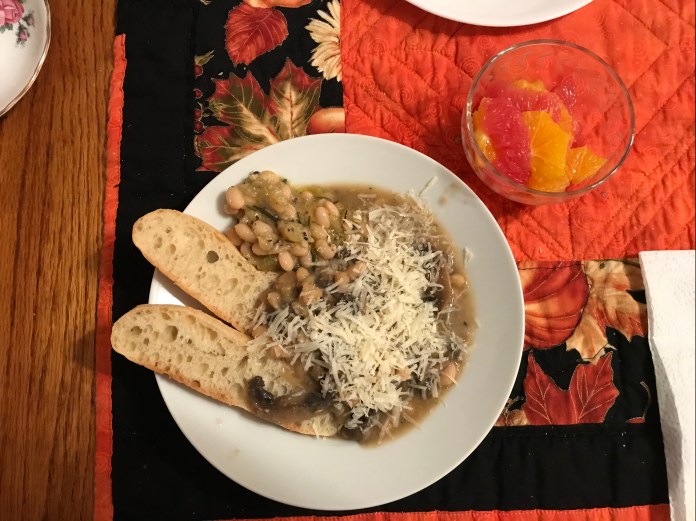
Remaining in Tuscany, we have another bean-based stew, served with bruschetta and parmesan cheese. Like elsewhere in Italy, the pre-modern population of Tuscany ate little meat, getting much of their protein from legumes. Even now, when meat is more widely consumed, beans remain a central part of the diet. Prior to Columbus, this would have been mainly peas, lentils, and fava beans, with white navy and cannellini beans becoming favored after their introduction from the New World. They are part of antipasti, side dishes, and most of all, soups and stews with a variety of ingredients. Here, they are included in a vegetarian stew with fresh and dried mushrooms.

This has to be one of the most satisfying meatless entrées I’ve ever tried. After the beans are cooked with celery, onions, garlic, and vegetable broth, some are removed and marinated with vinegar, olive oil, and rosemary. The rest are mashed or partially pureed in the pot before adding sautéed mushrooms. Each dish of beans and mushrooms is served with a spoonful of the marinated beans, a couple pieces of garlic-rubbed toast, and a sprinkle of parmesan cheese.

All of the flavors were balanced, with a nice contrast between the somewhat rich “stew” and acidic and herbal qualities of the marinated beans. The mix of protein from the beans, carbohydrates from the bread, and fat from the olive oil made the dish filling and satisfying, with the toasted bread adding a crunchy contrast to the otherwise soft dish. Really, I can’t praise this dish highly enough. It’s great as is, but the optional orange and grapefruit salad is a good accompaniment.

Standard
Uncategorized

Cook’s Tour of Italy Menu 1 (pg. 14-17): Lunch for 6 “On a Rooftop Overlooking the Spanish Steps” (Rome)

Menu: Artichokes Cooked in a Saucepan, Sweet Macaroni and Cheese, Sour Cherry Jam TartIMG_2540

Featuring some of Rome’s classic dishes, this menu of artichokes, pasta and a jam tart is, according to the text, relatively simple to prepare. Matters were somewhat complicated for me by a lack of experience with artichokes, lack of access to fresh ricotta, and somewhat dull knives (that have since been sharpened). While many Italian cheeses are available at the larger supermarkets, I have been unable to find a store that sells fresh ricotta and the nearest Italian grocery is 2 hours away, so I decided to make my own. I still haven’t mastered it, but if I make it a day or two ahead I can make a new batch if one doesn’t work out. Vinegar and salt are a negligible cost, and milk has been on sale at the nearest grocery store for $1.99/gallon for the last several months.

If you’re wondering about this last point, Wisconsin is having a crisis in the dairy industry at the moment and prices are down as a result. In theory, you can make about 2 pounds or 4 cups of soft cheese from a gallon of milk. I haven’t gotten to that level of yield quite yet and my results are inconsistent, but nevertheless, it seemed like this would be more like fresh ricotta than the ricotta in tubs.

Much of the preparation time was spent wrestling with the artichokes, although the result was most satisfying. Stuffing the insides with a mixture of chopped mint and parsley, minced garlic, salt and pepper and braising in water and olive oil yielded a well-flavored vegetable with a buttery texture and almost meaty taste. These were even better the next day, after the flavors had had time to meld. Just make sure to have plenty of napkins on hand, since these are messy to eat.

The pasta was yet another pleasant surprise. The mix of fresh ricotta, sugar, cinnamon and chives sounded a bit strange, but it tasted kind of like a sweet alfredo sauce and was surprisingly good. A little extra salt helped it make more “sense,” for lack of a better term, and bring the flavors together. It wasn’t as good as the other pasta dishes from the book, but it still made some nice leftovers for lunch the next day.

The star of the show, if you will, was the tart. There is an option to use a prepared pie crust rather than the homemade pastry provided in the recipe, but I would not do so. Said pastry, slightly sweetened with powdered sugar and flavored with a bit of lemon zest, was the best part, even if it did keep melting between my fingers as I was trying to weave the thin pieces of dough into a lattice top. It was about 90 degrees that day, so I ultimately rolled the top pieces into ropes and laid the horizontal strips across the vertical ones and it turned out fine. Jam fills in for fruit or pie filling here, I used a jar of Door County Cherry Jam and it worked beautifully. Though the recipe did not include this, a scoop of vanilla ice cream was a nice addition.

If you wish, Mr. Famularo again suggested serving this menu with Frascati, a white wine for which Rome is famous. Supposedly fresh-tasting, easy to drink and affordable, it is recommended for several menus in the Rome/Lazio chapter. According to the tour guides on a trip to Italy, this region tends to produce and drink more white wines, as does the area around Venice. I’m not sure if I actually had any Frascati in Rome but it is supposedly fairly typical of the area, so I’d imagine a lot of the table wine blends (which I think is what the tour gave us each night at dinner) are somewhat similar. If that’s the case, they are quite enjoyable, not too strong or too dry.


Standard
Uncategorized

Cook’s Tour of Italy Menu 4 (pg. 25-27): Lunch for 4, Grottaferrata (Rome/Lazio)

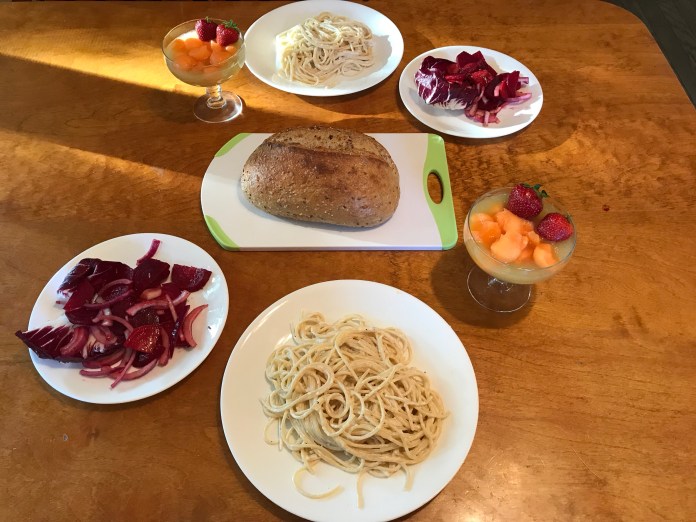
Menu: Roasted Beet Salad with Red Onions and Dried Fennel, Spaghetti with Lemon Sauce, Cantaloupe Melon Balls in Honeydew Puree, Bread

IMG_2525Still around Rome (maybe it’s just my imagination, but the menus and recipes seem, in many cases, to become more complicated as the book progresses), Mr. Famularo invites us to imagine lunch at a café after visiting a little-known gem in Grottaferrata, a town not far from Rome. There are numerous beautiful settings to imagine throughout the book, all wonderfully descriptive. Here, after being shown around a monastery museum by one of the monks, we can sit down to a lunch of a roasted beet salad, spaghetti with a lemon cream sauce, and a unique take on fruit salad for dessert.

To cook the beets, they are washed and scrubbed, rubbed with olive oil, sprinkled with salt, pepper and fennel seeds, and roasted in the oven in their own individual foil packets. I’ll admit, I cheated on this part a little bit by putting them all in one packet to save time and energy. After cooling enough to touch, they are peeled, sliced, and mixed with red onions, vinegar, oil and more fennel seeds. The salad is served on a few radicchio leaves. Except for this garnish, the beet salad can be prepared ahead of time. So can the fruit dessert, though again, assembly should be last minute. Cantaloupe melon balls, sprinkled with lemon juice and salt, are served in a honeydew puree and garnished with strawberries.

The spaghetti comes together fairly quickly. Essentially, garlic is sautéed in a bit of butter with grated lemon zest, then adding half and half as the pasta is cooking to al dente. Once the pasta is cooked, it is added to the pan with the sauce, followed by lemon juice. The acid slightly curdles the half and half, thickening the sauce without any flour, starch or eggs. Incidentally, that is also why it is uncommon to add both milk and lemon to tea, as the acid curdles the milk and essentially makes a hot sludge of homemade ricotta. Not what you want in tea, but the concept is used to great effect here.

This menu demonstrates two important features of many Italian regional cuisines: citrus fruits and the abundance of fruits and vegetables. Fitting into the ancient tradition of sweet and sour sauces (in Imperial times usually based on vinegar and honey), lemon and orange juice and the fruits’ aromatic peels were quickly adopted upon their introduction in the Medieval era, along with sugar. Though the taste for sweet and sour declined somewhat during the Early Modern era, particularly in the North, lemons and oranges remain ubiquitous throughout the peninsula.

The other notable feature is the attention given to produce. In the English-speaking world, vegetables in particular were historically an afterthought, often boiled and served with butter as a side dish or thrown into a soup or stew. In many parts of Italy, particularly the South, people have historically eaten less meat, providing extra incentive to make vegetables enjoyable. As far as I can tell, many Italians do enjoy them, judging by the number and diversity of recipes in Italian cookbooks. In addition, fruit and cheese are the most common everyday dessert, with many of the desserts we know (gelato, tiramisu, cannoli, etc.) eaten more commonly as afternoon snacks with coffee or on holidays. (Text, pg. 17)

The pasta was great, as I expected, as was the rest of the food. With both “salads,” I was admittedly skeptical but pleasantly surprised. I didn’t think I liked beets and maybe I still wouldn’t like the canned variety from the grocery store, but roasted with fennel seeds they are remarkable. If I make the salad again I would let the onions marinate in the vinegary dressing for a while before serving to reduce their potency, but I would just as soon just peel and slice the beets and roast them on their own with the mentioned seasonings in a foil packet. As a “sauce” for the cantaloupe and strawberries, the honeydew puree was good as well. I had a little trouble with the melon baller for the cantaloupe, but it did help provide a striking visual. I might skip the salt on the cantaloupe next time. If the cook wishes, a Frascati wine, classic and typical of the Rome/Lazio region, is recommended.

Standard
Uncategorized

Cooks Tour of Italy Menu 8 (pg. 37-38): Spaghetti with Pecorino Cheese and Black Pepper (Rome)

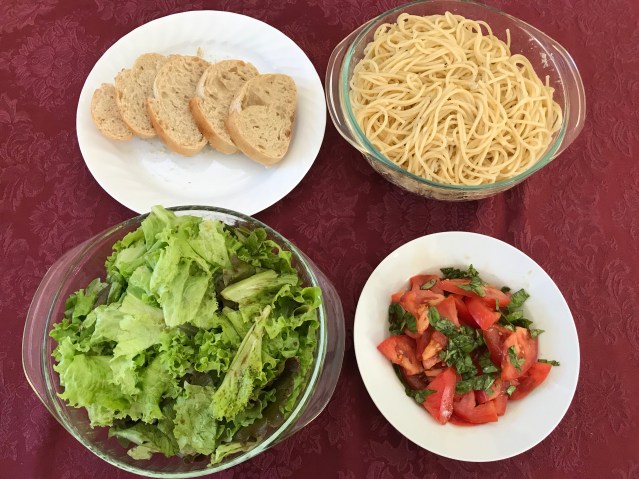
Again focusing on Rome, Mr. Famularo presents us with a one-dish favorite in and around the Eternal City, both in homes and restaurants. Enhanced by the recommended bread and salad, a common theme throughout the book, this pasta dish is perhaps the simplest one I’ve come across so far. It contains only three ingredients (five if you include the salted cooking water); spaghetti, grated pecorino Romano cheese, and freshly ground black pepper. All of these ingredients have a long history in Rome. Spaghetti has been eaten in the Lazio region for hundreds of years (possibly a custom imported from Naples), while pepper and sheep’s milk cheese have an even longer history.

In ancient times, sheep and goat’s milk cheeses were preferred to those from cow’s milk (possibly due to the former being better adapted to the rugged terrain that covers much of Italy). Even today, Rome’s favorite cheeses are, according to the text, pecorino Romano and fresh sheep’s milk ricotta. During the Pax Romana (traditionally 27 BC to 180 AD) the empire imported so much pepper from India that multiple emperors tried to restrict imports to stem the outflow of silver from the Roman economy. Incidentally, they tried to ban silk for the same reason, with no more success. As pepper became more available and its price dropped, it became more popular than ever, even as it lost its place as an exclusive status symbol.

This was all as simple to put together as promised. If the cheese is grated beforehand and the lettuce washed and dried, everything elsecan be done while the water is boiling and the pasta is cooking. The bread can be warmed, table set, tomatoes and basil washed and dried, and salad assembled. Once the pasta is finished cooking, all that has to be done is sprinkle cheese over it, add pepper (as the only seasoning a good amount should be used), pour over some reserved cooking water, and toss to melt the cheese.

IMG_2515Overall, this was simple but really good. Ordinarily I’m not a big fan of Romano cheese (it has a bit of a funky taste to it), but grated and used in moderate amounts with pepper, it produced a pasta dish with a good flavor but not too strong. The one thing I would change is that I would not put salt in the salad, even though it was recommended. Though I only added it, along with the vinegar and oil, at the last minute, it quickly made the lettuce soggy and gave it a strange texture, though it was fine on the tomatoes. Maybe a different type of lettuce wouldn’t soften as fast, but personally I would skip it in the future since the salad had plenty of flavor without it. Still, the pasta was great and I would definitely make this menu again.

Standard
Uncategorized

Cook’s Tour of Italy Menu 9 (pg. 38-39) Baked Pasta with Zucchini (Rome)

In his culinary tour of Italy, Mr. Famularo starts in the natural place: Rome. Called the Eternal City, Rome has been at the center of history for over 2000 years. From the time of the Roman Republic to the present day, each era has left its mark on the city in some way or another. Within a few blocks, you can find classical ruins, Renaissance churches, Baroque residences, and modern supermarkets, the old and new side by side.

Through all of this history, cuisine has evolved each step of the way. What has surprised me in studying this, though, is how different modern Roman cuisine is from that of Ancient Rome or the Medieval Papacy. From ancient times there has been an appreciation of good ingredients, including bread, cured pork products, cheeses, olive oil, wine, vegetables, and fruit, but preparation was often quite different. While many depictions in literature of ancient feasts are no doubt exaggerated, surviving recipes indicate that along with shellfish, egg dishes, and sweet and sour or pesto-type sauces, offal (including brains) was a favorite for all classes. Cumin and coriander were dominant flavors, at least a bit of fish sauce (called garum, much like a modern Thai fish sauce) was included in most recipes, and those who could afford it used lots of honey and pepper.

Pasta, the food most often associated with Italy today, did not really appear until the Middle Ages. Rice, sugar, eggplants, spinach, rosemary, basil and citrus fruits were introduced during this time, along with cinnamon, nutmeg, cloves and ginger. Garum disappeared, but the preference for sweet, sour and spicy flavors remained.

The biggest changes, however, came after 1492. Potatoes, maize, tomatoes, peppers, zucchini, turkeys, chocolate and vanilla arrived from the Americas, while coffee came from the Middle East. Over the next few hundred years, these ingredients transformed cuisine throughout Italy.

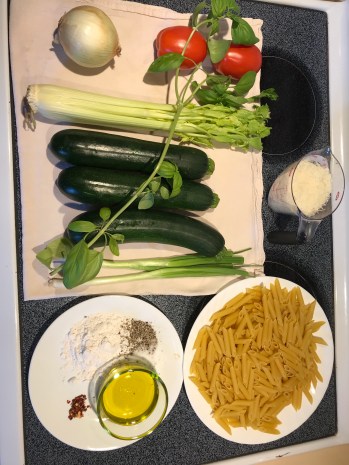
This menu, consisting of a baked pasta dish, bread, and salad, does a great job illustrating the history. Looking at the ingredients, you can see the onion, olive oil, cheese and pepper the ancients would have been familiar with, the pasta and basil introduced during the Middle Ages, and the tomatoes and zucchini, now ubiquitous in Italian cuisine, introduced after the time of Columbus.

02RRZsOYQ4mJ3F3gy+ftEA

This pasta tasted as good as it looks. The vegetables, herbs, and flour created a light but flavorful sauce in the oven, and the Romano cheese on top added an extra layer of flavor. The only thing I would change is next time I would add more salt to the pasta itself but not sprinkle any extra over the top of the cheese. Overall, this project is off to a great start.

Standard
Uncategorized

Food History Case Study: Italy

In recent months, I have come to realize that the best way to study food history may be to look at a specific nation as a case study. I chose Italy for a few reasons. 1: There is a fair amount of documentation going back to the Roman Era, almost 2000 years ago. 2: In the months after a trip to Italy last year, I have become fascinated by Italian regional history and cuisine. 3: I found a really great book on the subject at the local library, A Cook’s Tour of Italy by Joe Famularo (HP Books, Berkley Publishing Group, 2003). Not only does the book contain a few hundred recipes, Mr. Famularo put them into example menus, grouped the menus by region, and discussed the history and foods of each region at the beginning of every chapter. Combined with anecdotes about his travel, suggestions about what can be prepared ahead, and even wine suggestions for each menu, this book has everything.

Reading through the text made clear what I was already somewhat aware of: that there is not really a national “Italian” cuisine as there are many Italian regional cuisines, defined by each region’s climate and geography. Along with the general north/south divide (northern cuisines use more butter, meat, polenta, risotto, and fresh pasta while those in the south use more olive oil, seafood, vegetables and dried pasta), each region has its own unique traits and specialities. To understand the history and evolution of Italian food, I have set a goal to cook all of the menus in the book.

While these are modern regional recipes, the menus provide a fascinating insight into history. For example, the butter/olive oil divide is largely based on where olive trees can or cannot grow (they don’t usually grow north of Tuscany except along the coast). Despite rich soil and productive agriculture, a history of feudalism made many Southern Italians poorer than their Northern counterparts, where a tradition of trade and commerce created more of a middle class, starting before the time of St. Francis.

Over the past few months, I have prepared a few of the menus. They have all been thoroughly enjoyable. I aim to post about each one (citing page numbers of the recipes) over the next week or so, then proceed from there. Some of them could be a bit of a challenge with ingredients (finding some of the saltwater fish may not be possible or be prohibitively expensive, I have no idea where to find eels, and family and friends may be a bit weirded out by a whole suckling pig), but most menus are accessible and adaptable if need be.

Standard
Uncategorized

Resuming Feasts, New Direction

While I was busy with the last few semesters of college and transitioning to the workforce, I realize that my posting here has fallen by the wayside. Lately, however, I have had more time to cook and experiment in the kitchen, bringing the realization that now would be the perfect time to resume this blog. Therefore, I plan on resuming feasts on a semi-regular basis.

Additionally, in order to keep posting more regular and take advantage of occasions when I have time to make one dish but not an entire feast, I plan on sometimes making one historical item and dedicating a post to it. Furthermore, in order to provide more historical context, I also plan to look at the history of various ingredients and cooking techniques (e.g. salt, grain, soup, etc.). With these slight revisions to format and having more time than previously, I hope to make posting a frequent occurrence.

That is all I have for today, but I have found some very good research material at the local public library and plan to do another feast soon. At the moment I am thinking of a medieval theme.

Standard
Uncategorized

Feast #1: Ancient Mesopotamia

IMG_0189

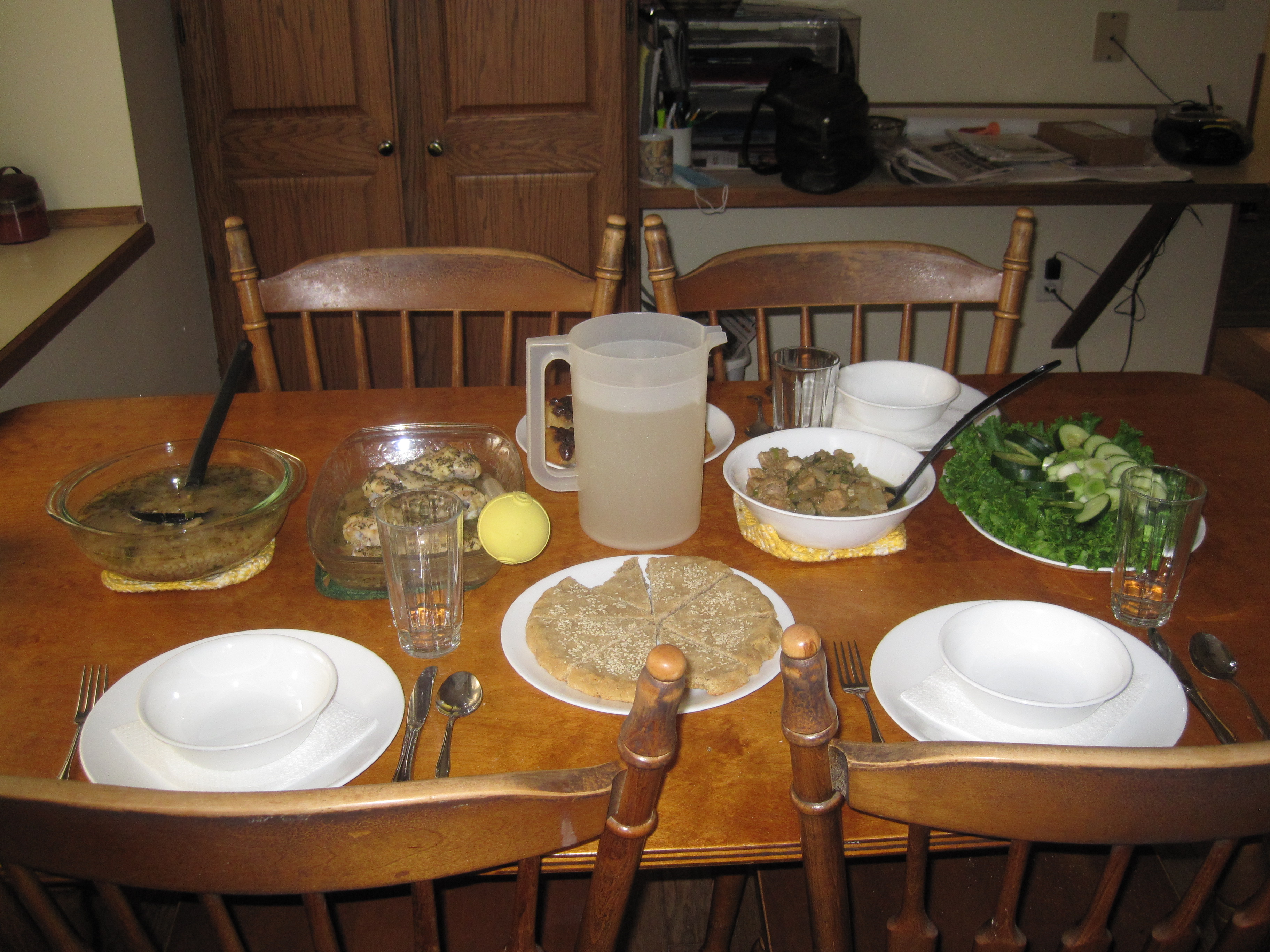
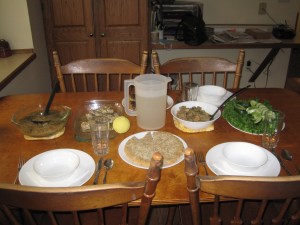
Table View From Side

IMG_0190

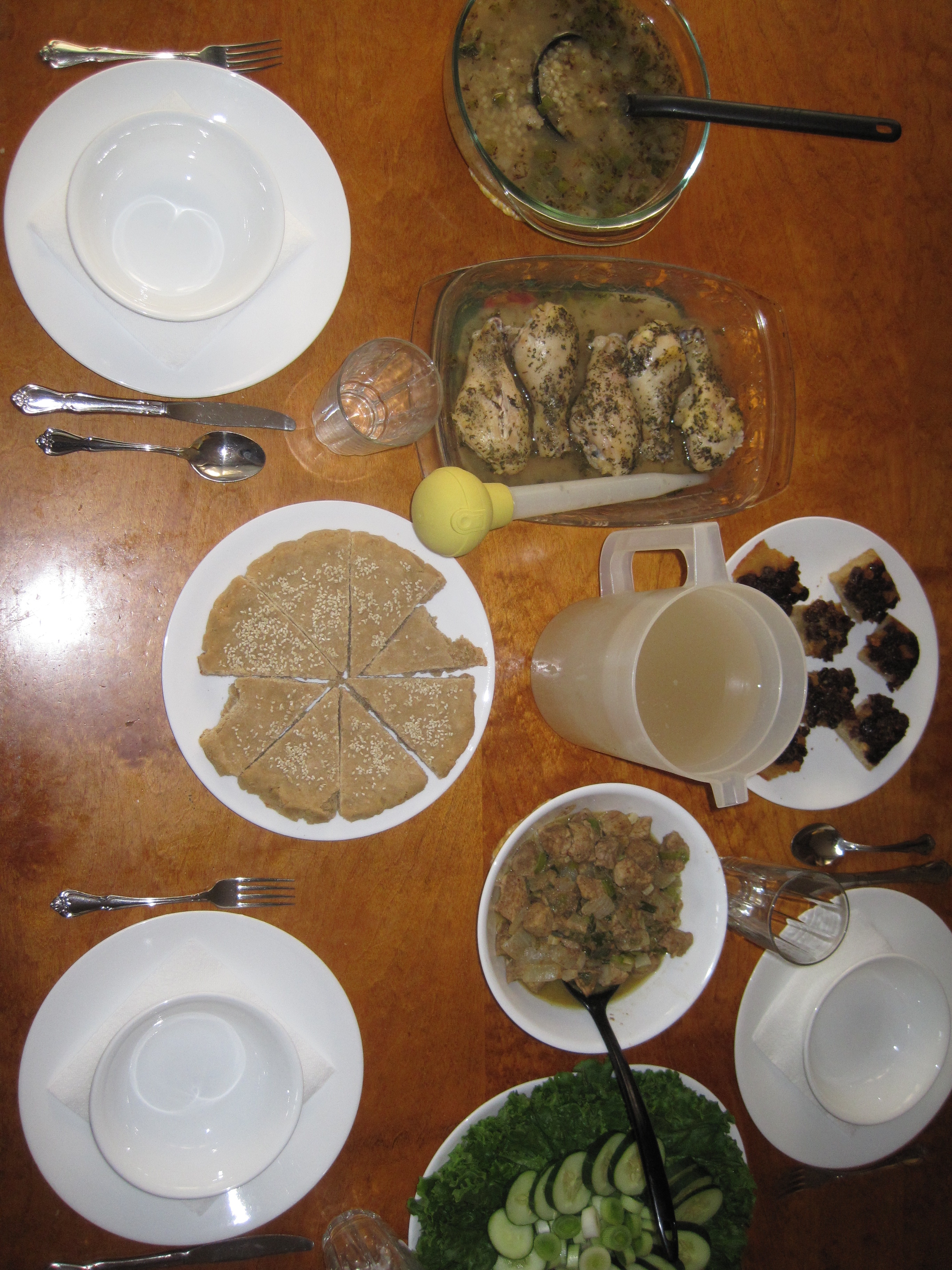
Table View From Above

IMG_0191

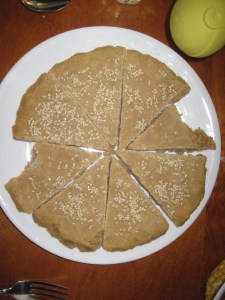
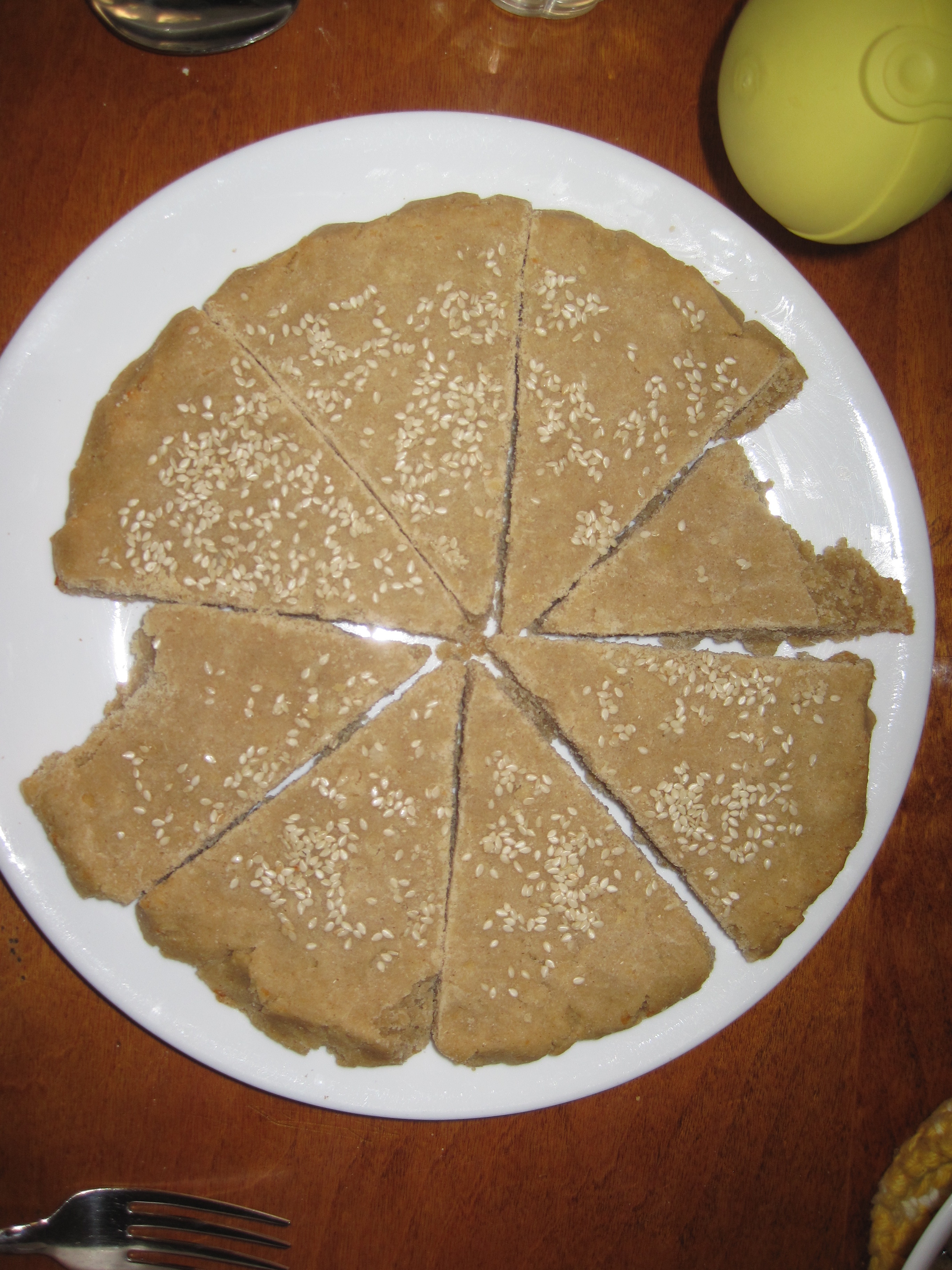
Barley Bread, Enriched with Cottage Cheese, Milk, Egg, and Sesame Seeds
IMG_0192

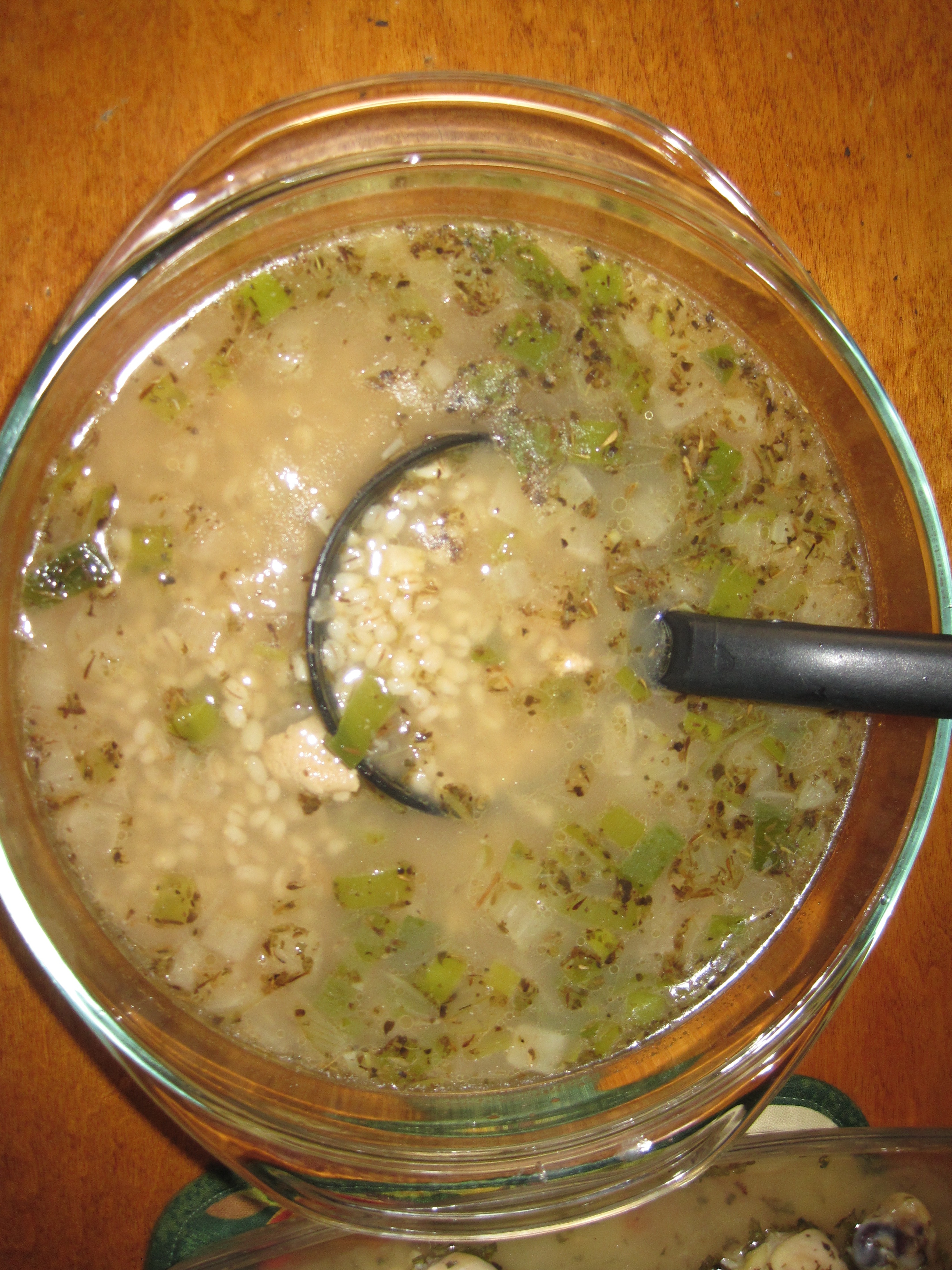
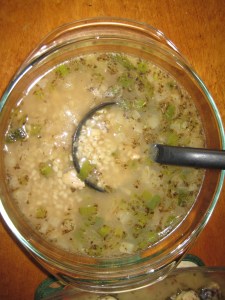
Barley Soup with Onion, Garlic, Leek, Pork, and Seasonings
IMG_0193

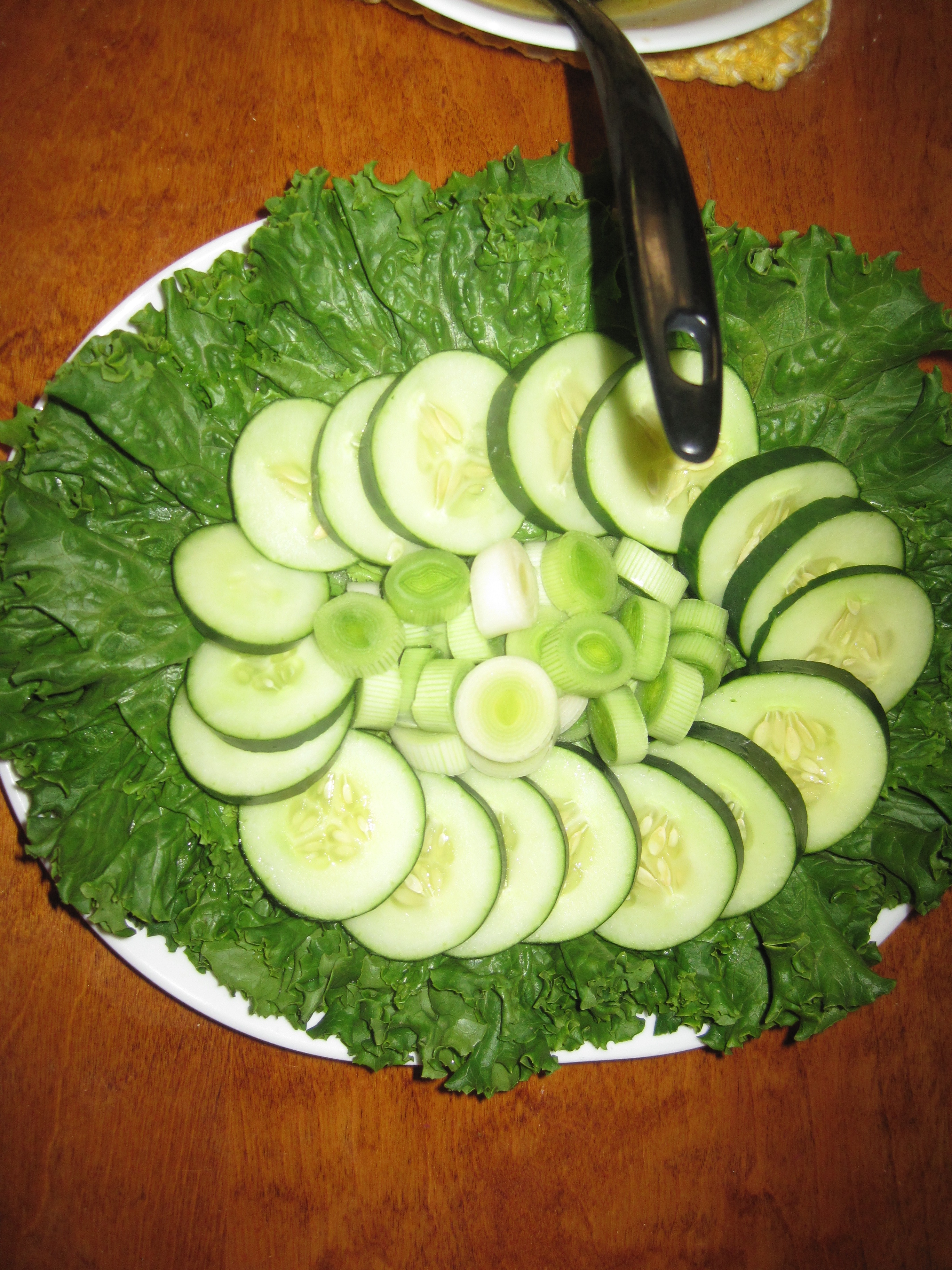
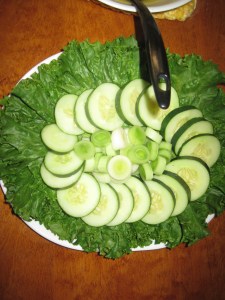
Vegetable Platter with Green Lettuce, Cucumbers, and Leeks
IMG_0194

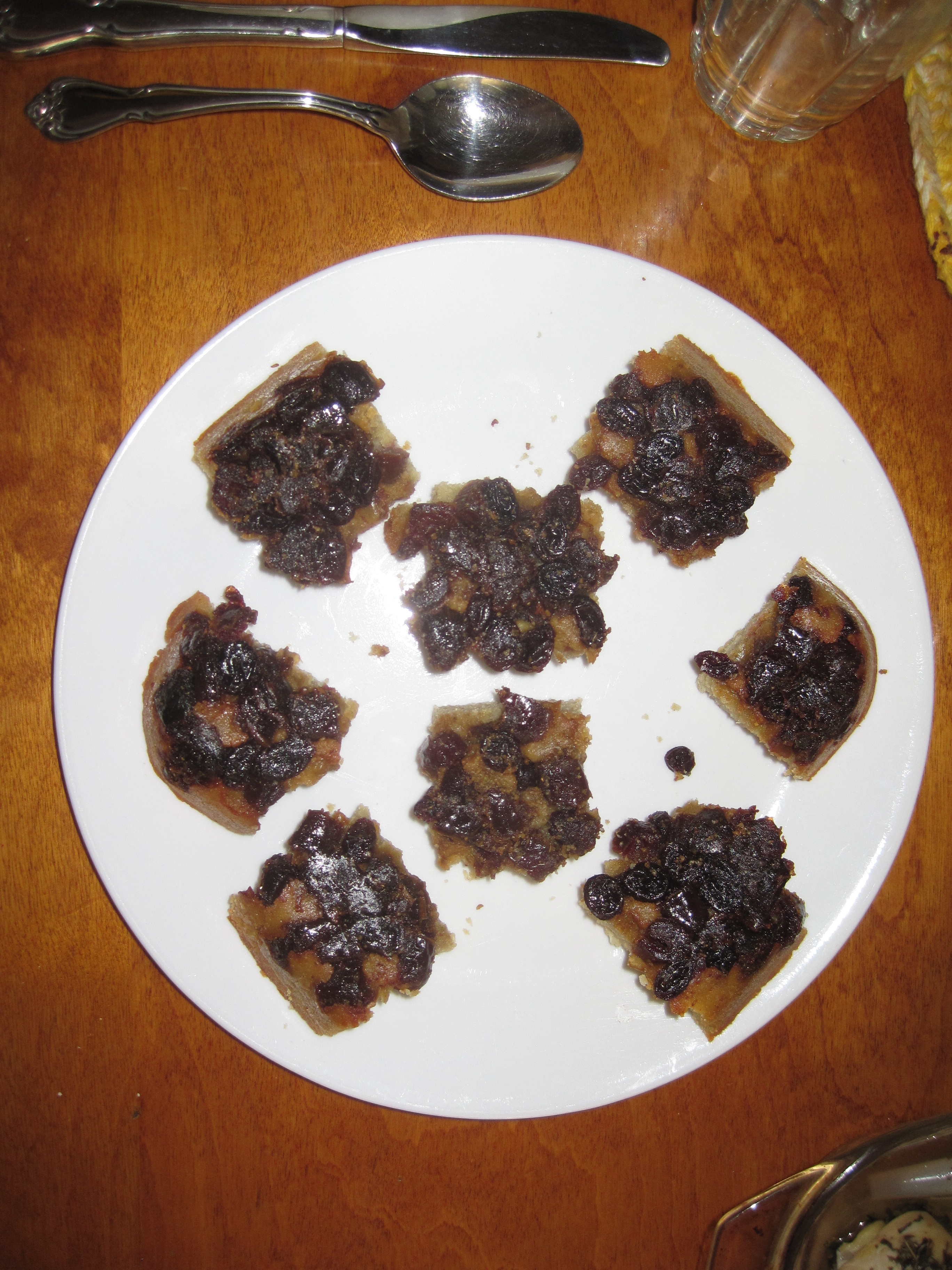
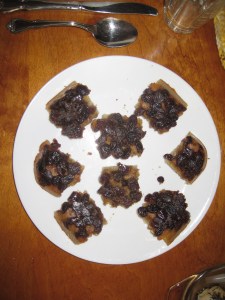
Palace Cake, Enriched with Cottage Cheese, Milk, and Lots of Butter, Flavored with a Bit of Fennel, and Sweetened with Raisins and Dates
IMG_0195

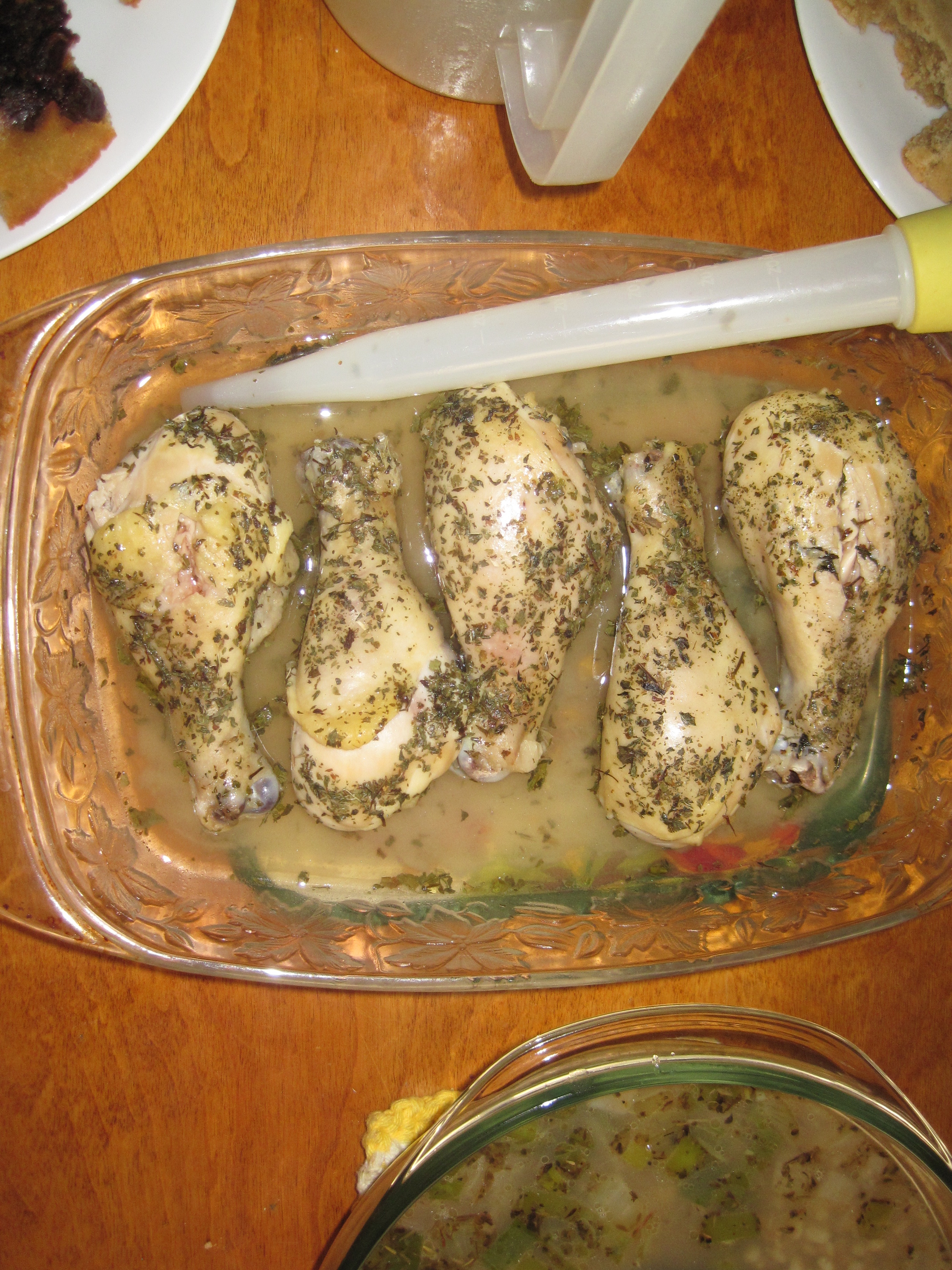
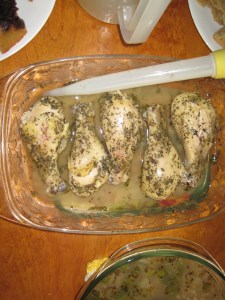
“Partridge” Basted in Vinegar and Coated with Spearmint and Salt
IMG_0196

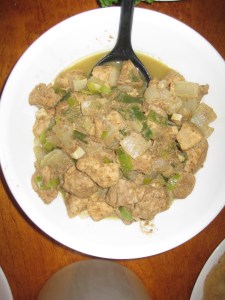
Pork with Onion, Garlic, Leeks, Cumin, Coriander, Salt, and Mustard Powder
IMG_0197

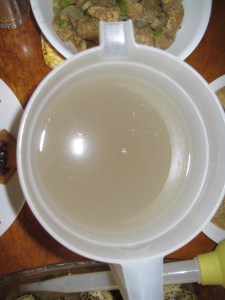
“Beer,” Actually Water in Which Barley Was Cooked

Place Represented: Sumer/Akkad, Modern-Day Iraq

Time Represented: Between 3000 BC and 2400 BC

Culture: Sumerian/Akkadian

Religion: Ancient Mesopotamian Polytheism

For the first feast, I went back to the dawn of civilization, ancient Mesopotamia. While I had originally considered a hunter-gatherer or Garden of Eden feast, I ultimately decided that those eras probably did not have feasts to represent. The hunter-gatherers probably ate especially well when they had especially good luck in their endeavors, while it would make sense that food was always plentiful in the Garden of Eden. Therefore, I would imagine that neither eras had planned feasts, in the first case due to lack of knowledge of when there would be the largest surplus, in the latter case due to lack of necessity. Therefore, since those holding significant wealth and power have always been the ones holding feasts, it would make sense that feasting would appear at the dawn of civilization, at the same time significant social inequality appeared.

That leads us to ancient Mesopotamia, home at the time being studied to the Sumerians and the Akkadians, and during the next millennium and later to the Assyrians and Babylonians, as well as countless other peoples. While the people and customs changed over time, I am focusing on the earliest time period, Sumer and Akkad in the 4th and 3rd Millennia BC. During this time, as was still done until modern times, crops were grown in the rich soil deposited by the annual floods of the Tigris and Euphrates rivers and watered by irrigation systems. Livestock were grazed on the more marginal land nearby, and fish and fowl were harvested from the rivers. Although inconsistency in the flooding fairly often led to poor harvests and famine, most of the time there was a healthy diet of grains, legumes, vegetables, and beer, supplemented by dairy, fruit, and fish. For the elite and for special occasions there would be meat and poultry as well.

From my research, mostly on foodtimeline.org, but also a few other sites, I found that the most common grain was barley, although emmer and spelt (varieties of wheat) were also grown, especially in northern Mesopotamia, where the soil was less saline. The grain was made into an enormous variety of breads, as well as porridge and beer. These were the staples of the ancient Mesopotamian diet, supplemented with a fair amount of legumes such as broad (fava) beans and lentils. The most popular vegetable varieties were lettuce, cucumbers, and especially onions, garlic, and leeks, whose flavor profile was dominant in the cooking style. Spices such as cumin, coriander, mustard, mint, dill, fennel, and salt were also used to flavor the food, along with vinegar and honey. Fruits, however, were the main sweetener, especially dates, although figs, apricots, and quinces were also native to the area. It seems that pomegranates and grapes were introduced slightly later, although they seem to be present relatively early in history, and grapes certainly by Akkadian times, since raisins are an ingredient in one of the recipes I ended up using. Fish and river fowl such as duck were the most common sources of animal protein, with goat, mutton, oxen, pork, and land fowl such as pigeon, partridge, and quail available after temple sacrifices, at feasts, and for the wealthy. Eggs, cheese, and butter were quite common, and butter was viewed especially highly.

Two items regularly associated with Middle Eastern cooking that were not present at first and less common later in this time period were olives and grapes, as well as their most common derivatives, olive oil and wine. The reason for this seems to be that those crops were not native to Mesopotamia and did not grow as well there as around the Mediterranean Basin. When they began to be grown there I am not sure, but despite beer being more common throughout ancient history in the region, especially in the south, wine, whether domestic or imported, was present in the north during Akkadian times, along with raisins. Olive oil, however, was not in use at this time in Mesopotamia, despite an already long history around the Mediterranean.

With the history lesson mostly concluded, I now move on to discuss the dishes served. To make the preparation manageable, I used a combination of dishes that could be prepared ahead and those to be made soon before dinner. Since I had originally planned on attempting to make a beer of the time period, I my first thoughts were on the beverage, since it needed time to ferment. However, I then remembered that alcohol does not mix with one of my medications, and thought about how the process would probably make the kitchen smell very unpleasant while it fermented. Thus, I found a reasonable non-alcoholic substitute on a medieval cookery website that involved infusing water with a light barley flavor by boiling water and adding barley as it cools. So I made the barley water a day ahead and put the barley, which was cooked by the process, in the refrigerator to use over the next few days. I then made a recipe from foodtimeline.org as a dessert. This was a royal cake recipe that, in addition to the flour, milk, and eggs, was enriched by a bit of white cheese (cottage cheese used) and a lot of butter, was flavored with ground fennel seeds, and was sweetened by raisins and dates. After that baked, I used the leftover barley flour and cottage cheese, as well as an egg and some milk, to make an approximation of a bread from the period, topped with sesame seeds.

The next day, I started preparation by starting the “partridge” recipe. Since I am not sure where to find partridges and if I could they would probably be fairly expensive, I originally planned to use Cornish hens as a rough approximation, since they are relatively close in size. However, when I got to the store I saw that they were frozen solid, and since the feast was that evening, there was no time to thaw them. Thus, I used a package of chicken drumsticks instead. Once I got home, I followed the recipe mentioned somewhere online (I can’t remember where) and basted them with apple cider vinegar (by the time they were familiar with grapes they were familiar with apples, even in the hot climate apples would be transportable in vinegar form, and that is the vinegar I am most familiar with). They were then rubbed with spearmint and salt and put in the oven to bake.

While the chicken cooked, I started the pork and the soup. Pork was not taboo for the ancient Mesopotamians, and there were a large variety of grain and legume soups, so those seemed like good options. The boneless pork ribs was cooked in oil with onions, garlic, leeks, salt, cumin, coriander, and mustard powder, and the soup was sautéed onions, garlic, and leeks, flavored with salt, cumin, coriander, and a bit of pork, and the barley added for the last few minutes to heat through. While that all cooked, I arranged a vegetable platter of green leaf lettuce, cucumber slices, and sliced leeks. By then, everything was ready, and it was time to eat.

Overall, the feast was a success. The pork and the soup had a good flavor, and the chicken was excellent, having an excellent flavor and being very tender. The salad was good and added a nice bit of freshness, and the cake was quite a hit. I had actually been a little worried that it would not be sweet enough without any added honey, but it turned out that the dates and raisins made it plenty sweet. It kind of tasted like really buttery biscuits with jam.

However, although they did not taste bad, the bread and barley water were just okay. The bread was kind of bland, and denser than I expected, and the barley water did not have as much flavor as I had anticipated. There was nothing to complain about, but since leavened white bread has been available to the elites of society almost as long as there have been elites, from now on I am using the fresh pizza dough from the grocery store to make the bread. In addition, since wine was preferred over beer where it was available, from now on almost every feast will have grape juice. Still, it was a good experiment, and I look forward to many feasts to come.

Standard
Uncategorized

Relatively Recent Changes in Tastes

Although a bad cold has delayed the first feast, I thought I would share some of my observations of relatively recent food trends. I do this somewhat by remembering how food was different when I was little to how it is now, but mostly by looking at old cookbooks from the 1950s through the 1990s and comparing them to a modern cookbook. Although dietary staples change slowly, flavorings and preparation methods change much more rapidly, and in the last 30 – 60 years I can see some significant changes. First, what was required to make a “complete” meal has changed significantly, generally becoming simpler over time. However, while having less time available for cooking certainly plays a role, there is also the possibility of greater realism by cookbook authors, who now realize that even for those that have the time and money, it seems silly to prepare a soup or salad, protein, starch, vegetable, and cooked dessert every night for dinner. Despite what the ideals seemed to be, I doubt that the average 1950s household actually ate what was seen in movies and TV shows, especially since real income was lower and food prices, especially meat prices, were higher relative to income. Perhaps the upper middle classes, which could afford such food and to have a stay-at-home-wife, did, but just as huge banquets were the exception rather than the rule during Victorian times and earlier, so such abundance seemed unlikely for the average. With that in mind, however, the average worker’s diet was much better than it had been even half a century earlier, as society became somewhat more equal. Even while not being able to dine on the ideal fare on a daily basis, most of the populace could afford to recreate more modest versions of the ideal feast on special occasions. Now, with those qualifications aside, how have ideals and general preferred tastes changed over the last six decades? Looking at the main course, what is considered complete has changed significantly. While in the past it was typically separate meat, starch, and vegetables, now there are more one-dish meals, and vegetarian dishes are more mainstream. Quicker cooking methods are preferred, and there is often heavier spicing than in the past. Even the types of foods have changed. Beef is still a preferred meat, while chicken has gained a lot of popularity. Pork has lost some ground, but mutton and lamb have become very rare except for holidays and special occasions, along with goose, duck, and other game. Except for hunters, any game except duck is very hard to come by. Variety meats have also lost a lot of popularity. As for vegetables, there has been less change, but more exotic vegetables are gaining ground, as is the case with fruit. Tastes in fruit have changed, especially in desserts. Raisins, figs, dates, prunes, and candied fruits have lost a lot of popularity. This may in part be due to better preservation of fresh fruits, and may also be due to increased usage of chocolate, which has largely displaced fruit in many favorite desserts. Even beverages have changed. In the past, no formal dinner was considered complete without wine, but now, although many non-alcoholic drinks are not considered formal enough for a formal dinner, only serving water with the food is perfectly acceptable. If I have rambled in this post, I apologize, I have just had a lot to think about. The first feast will be coming up soon, focusing on Ancient Mesopotamia.

Standard
Uncategorized

Introduction

For a long time, I have been interested in both cooking and history, so I suppose that it is only natural that I would develop an interest in food history. My interest further increased when I discovered Guns, Germs, and Steel, a brilliant anthropological study by Professor Jared Diamond. This may seem like a jump between two topics, but there is a connection. The conclusion of the study is that certain geographic factors and local resources widely affect when (or even if) a society makes the transition from foraging for food to active food production and how rapidly and fully this change takes place. Essentially, it is all about what foods are available and how they are obtained. Hence, the study of food history and anthropology are intertwined. What is eaten, both by the elites and the common people, says a lot about the society. Ideals and norms about food share an insight into the ideals and norms of the world they were produced in. In the process, we can learn from history and often learn a bit about ourselves.

With that in mind, and inspired by the BBC series The Supersizers (available on Youtube, I highly recommend it), I will hold a feast of the time period being studied in each post. However, due to budget, time, and space restrictions, I will simplify and “tone down” the feasts to something that I can manage. Since I don’t have unlimited access to the state treasury, a kitchen large enough to roast a dozen oxen alongside all manner of fowl and fish, dozens of servants to staff the said kitchen, a feasting hall large enough to feed a few hundred people, or a convenient place to buy such historic delicacies as peacocks, swans, or flamingoes, I am unable to create a perfect representation of such feasts. However, with a bit of research into foods and cooking methods and some improvisation to fill in the gaps, I believe that I can, with a few substitutions for prohibitively expensive or hard-to-find foods, create a reasonable idea of the food and its culture using my average middle class kitchen to prepare a feast for my parents and a few friends and neighbors. After all, food prices relative to income are much lower than in the past, and many onetime luxuries are now commonplace. Thus, I can create what would have been considered a fairly good meal by a moderately wealthy family of the age with summer job income while still saving most of it for college expenses. Considering that, despite some of the issues of modern life, we live much better than our ancestors did even a hundred years ago. Now that is something to celebrate. So please, join us while we celebrate how the past made us who we are today. We have food.

Standard