food history, italian cuisine

Italian Christmas Treats After Christmas

Panettone, Pandoro, Panforte

1000 Foods (pgs. 214, 215)

            Looking at the names of these three treats, you probably noticed something. The all start with the word part “pan,” Italian (and Spanish) for bread. Festive breads, especially sweet enriched breads, have long been Christmas specialties. Before baking powder was invented, breads and cakes were strictly leavened with yeast. As sugar was much more expensive in the past, dried fruits were a frequent addition to make them sweeter. Panforte isn’t actually a bread at all, but still has the name.

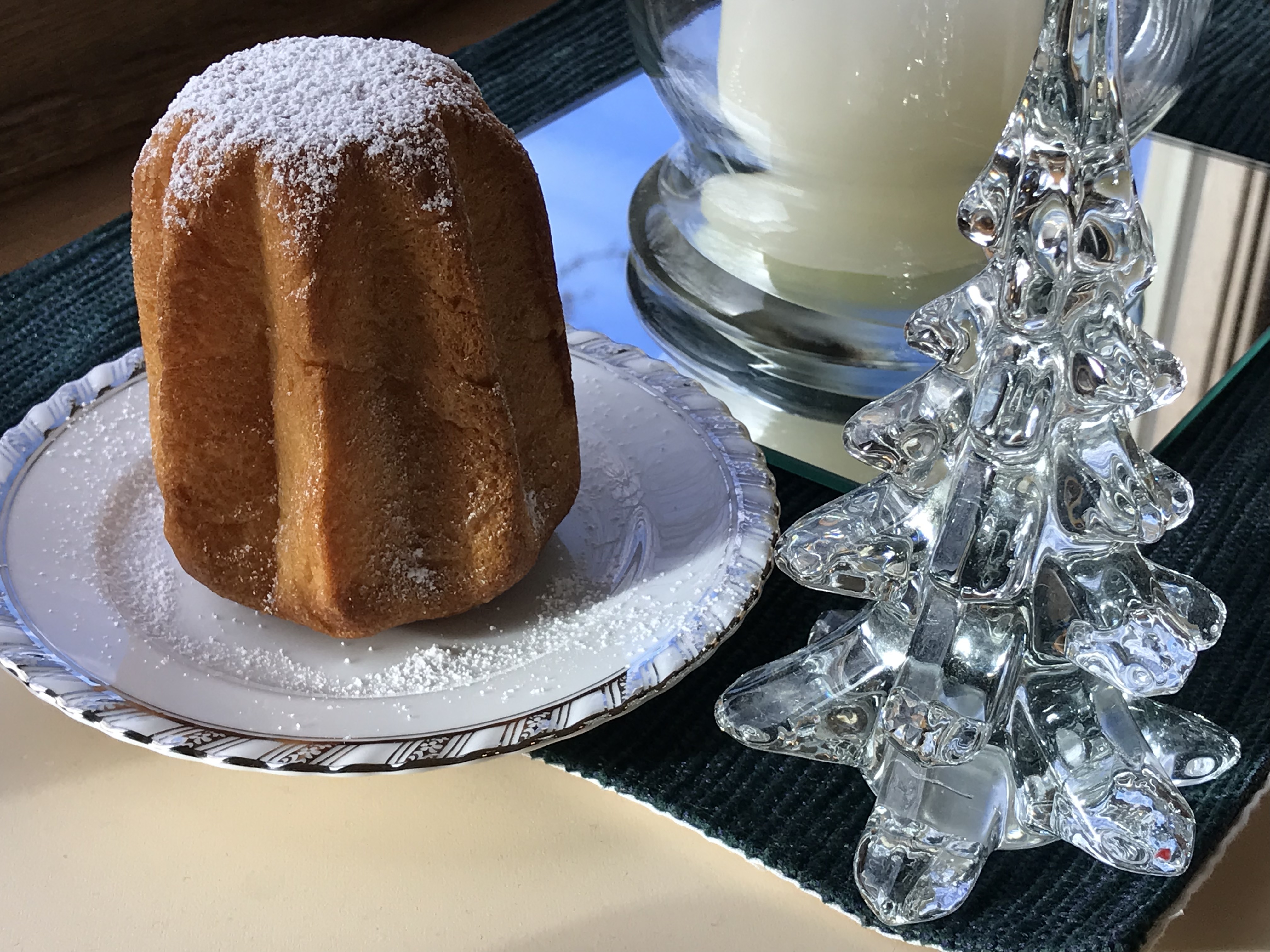
            Panettone is a perfect example of these sweet, special occasion breads. Its exact origin is unclear, and there are many stories, but one thing is certain: it was invented in Milan. The dough is enriched with lots of butter and egg yolks, which give the finished panettone a lovely golden color. Flavor comes from a combination of sugar, assorted dried and candied fruit, and warm spices. Occasionally saffron is included to make the yellow color even stronger. Over time, panettone spread from Milan to the rest of Italy, then to the rest of the world. In most places, people seem to purchase their panettone, rather than make it themselves. At World Market, I’ve seen pumpkin spice and chocolate varieties, but decided to stick to the original. They even have mini versions, for those who want a taste without a lot of extra.

            There were also mini versions of pandoro, native to Verona. It’s a vanilla-scented bread/cake, whose named literally translates to “golden bread.” Verona is located in the Veneto region of northern Italy along the Adige River, about halfway between Milan and Venice. In the Middle Ages, Verona was an influential city in its own right, trading and fighting with the other city-states that ruled most of Italy north of Rome. At one point, Milan ruled Verona, allowing another opportunity for Milanese culinary influences to spread. The Veronese not only adopted panettone, but developed their own variation.

            Further south is Siena, home of panforte. In the 13th and early 14th centuries, Siena vied with Florence and Pisa to dominate Tuscany. Florence pretty much always came out on top, but Siena managed to put up quite a fight. Some of the greatest artists of the Late Middle Ages, whose work would eventually pave the way for the Renaissance, lived and worked there. By 1348, construction was underway on what was to be the largest cathedral in Europe. Then the plague struck.
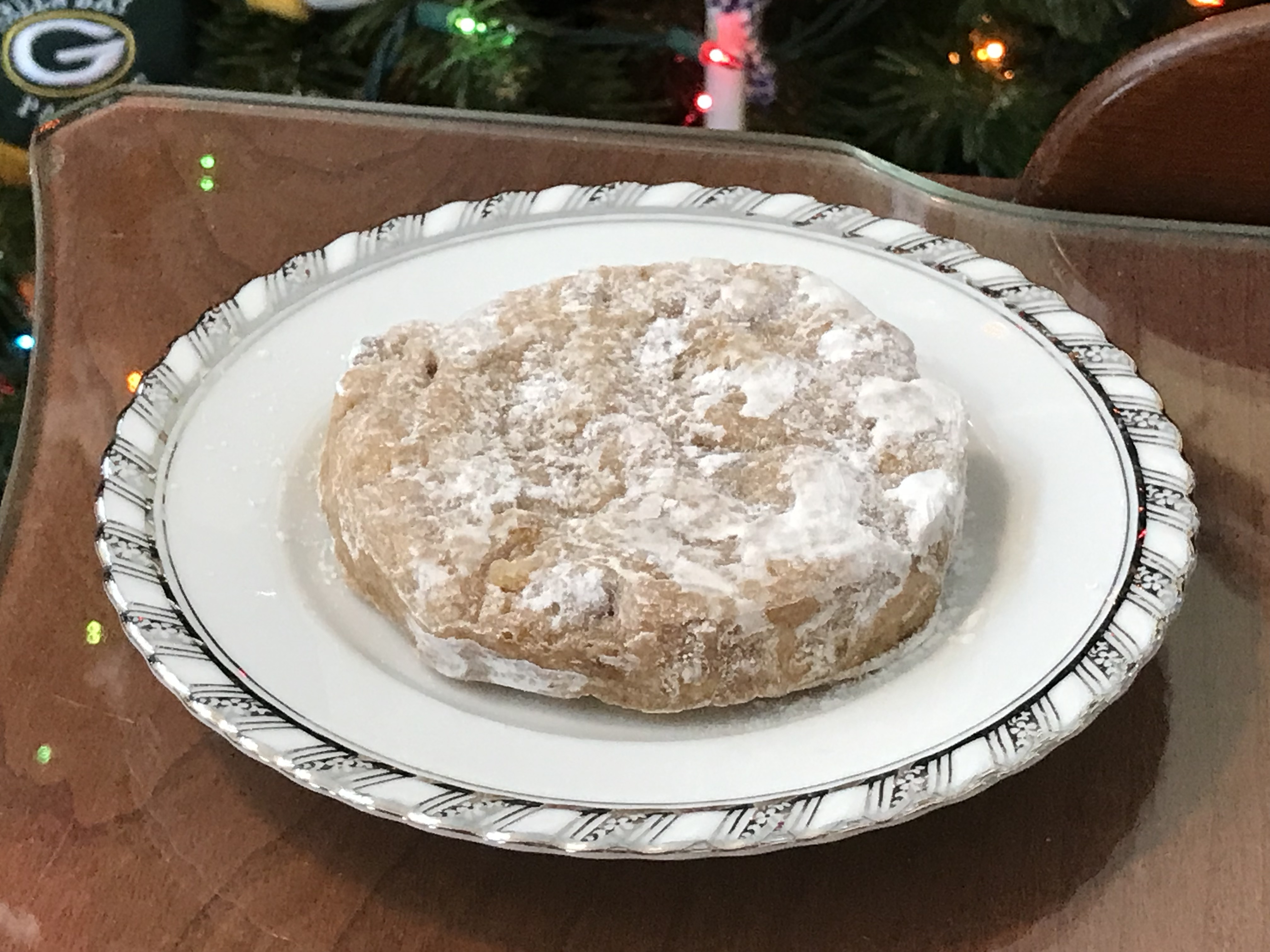
Not a rice cake

            The Black Death first arrived in Sicily in late 1347. Over the next six years, it reached every corner of Europe. Mortality rates varied, but tended to be higher in urban areas, where there were enough hosts for the bacteria responsible to keep circulating. Heavily urbanized Italy was among the worst affected. Many of the large cities had death tolls of 50 or 60 percent, compared to the continental average of about one third. Records suggest that Siena lost about 80 percent of its population. Even if some losses came from citizens fleeing to the countryside, the death toll was devastating. Siena never fully recovered. The cathedral remains unfinished to this day. Tuscany as a whole suffered greatly, but the story wasn’t over.

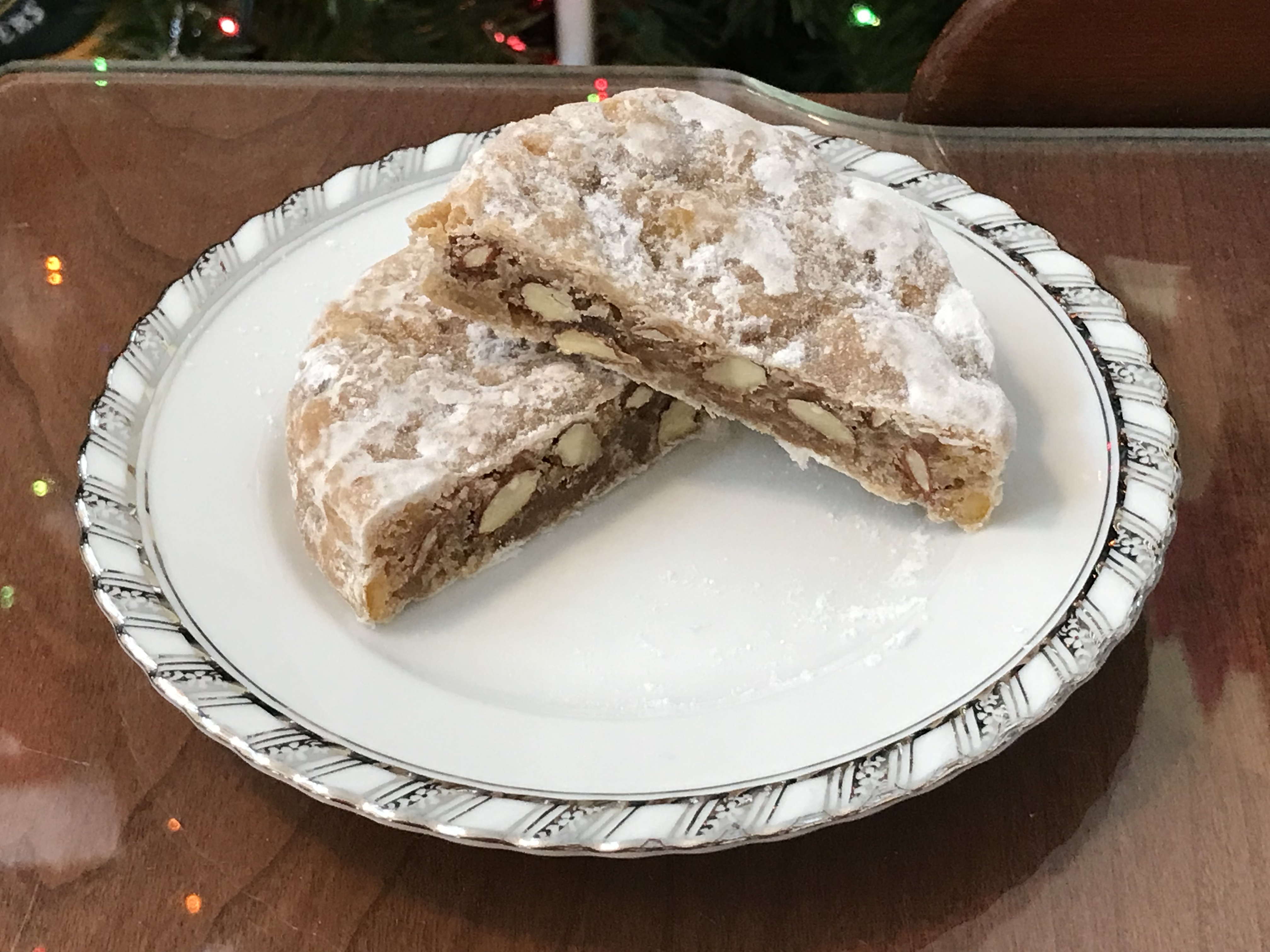
            Florence rebounded, becoming the birthplace of the Renaissance. Even Siena, despite its setbacks, produced a few more great artists of its own. In the culinary sphere, Siena contributed the almond cookies called riciarelli, and panforte. Despite its name, panforte is made of nuts and dried fruit, not bread. The mix is spiced much like panettone, and honey holds everything together. Conveniently, World Market also carries those in miniature.

            All three were pleasantly sweet and festive. It took a while to get used to the panettone and pandoro, since they were kind of a cross between bread and cake. With the exception of cinnamon rolls, sweet yeast-leavened breads are not as common in America as in Europe. The rich vanilla pandoro and warmly spicy, fruity panettone and panforte were enjoyable, but I still prefer the usual holiday treats – peppermint cookies, buttery cutouts, brownies with peppermint ice cream, the toffee-coated cereal the neighbors brought over, etc. And candy. Lots of candy.

Standard
food history, french cuisine

Delights of the Duty-Free Store: Paris

Macarons, Calissons, Nougat

1000 Foods (pgs. 80 – 82)

            Many people like to buy alcohol at the duty-free store. The Charles de Gaulle airport in Paris appears to be no exception, based on the relative amount of shelf space occupied. There were also an assortment of cheeses, pates, dried sausages, and confectionary. A few of the cheeses featured in 1000 Foods were in the cooler, but I wasn’t sure if they would be allowed through customs. Plus, the smell upon opening the cooler door was, for lack of a better term, “weird.” Kind of the like the camembert that I didn’t like. Attempting to carry it in my backpack for the 8-hour flight home, layover in Chicago, and then back to Green Bay didn’t seem like the best plan. Especially when there were so many amazing-looking sweet items. After perusing and admiring the displays, I settled on calissons and Montelimar nougat, which can be hard to find, plus macarons and a box of assorted mini chocolate batons, for good measure.

            Macarons have been extremely fashionable for the last decade or so. Their bright colors are cheerful, and the flavor possibilities are endless. The exact origin or macarons is unclear, but cookies have been made with ground almonds, sugar, and egg whites for centuries. At some point, the cookies became lighter and more meringue-like, and they began to be sandwiched together with a buttercream or ganache filling. As for the difference between macaron and macaroon, macaron = these colorful sandwich cookies, and macaroon = a simpler mix of almonds or coconut, sugar, and egg white. Usually. Both macarons or macaroons are easily made gluten-free, and the lack of wheat flour and chemical leavening make them a popular Passover dessert, when Jewish dietary laws forbid both.

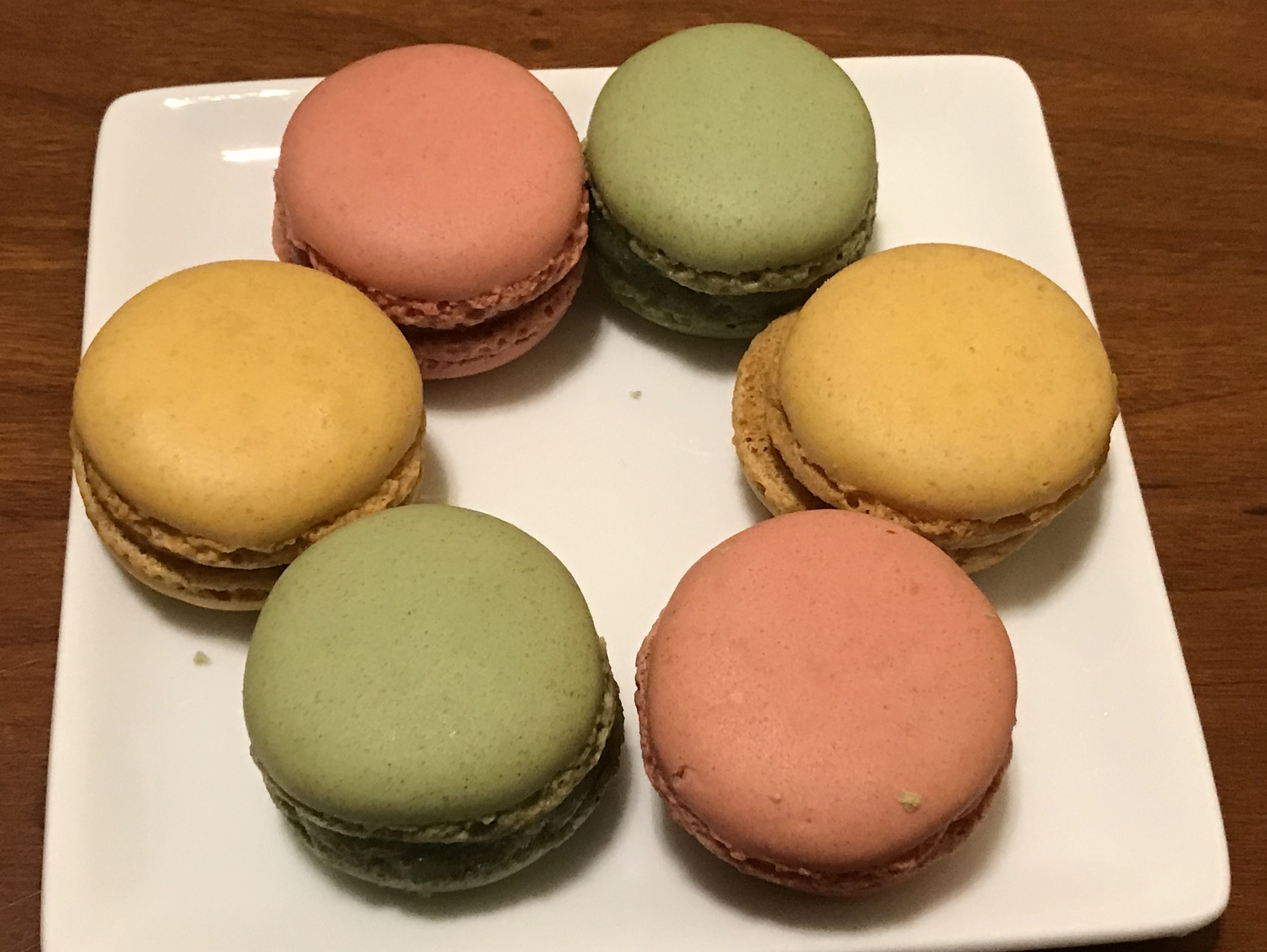
            Properly made macarons are amazing, but are supposedly quite touchy to make. Relying on whipped egg whites for leavening is part of this. Another issue is that gluten makes it easier for a batter to trap air bubbles, which expand in the oven. Both of these factors increase the risk of the macarons not rising properly. Adding the fact they are based on expensive almond flour, macarons can be quite pricey. While a reasonably-priced, pre-packaged box cannot compare to the bakery variety, this mix of strawberry, lemon, and pistachio was pretty good.

Color-coded for your convenience

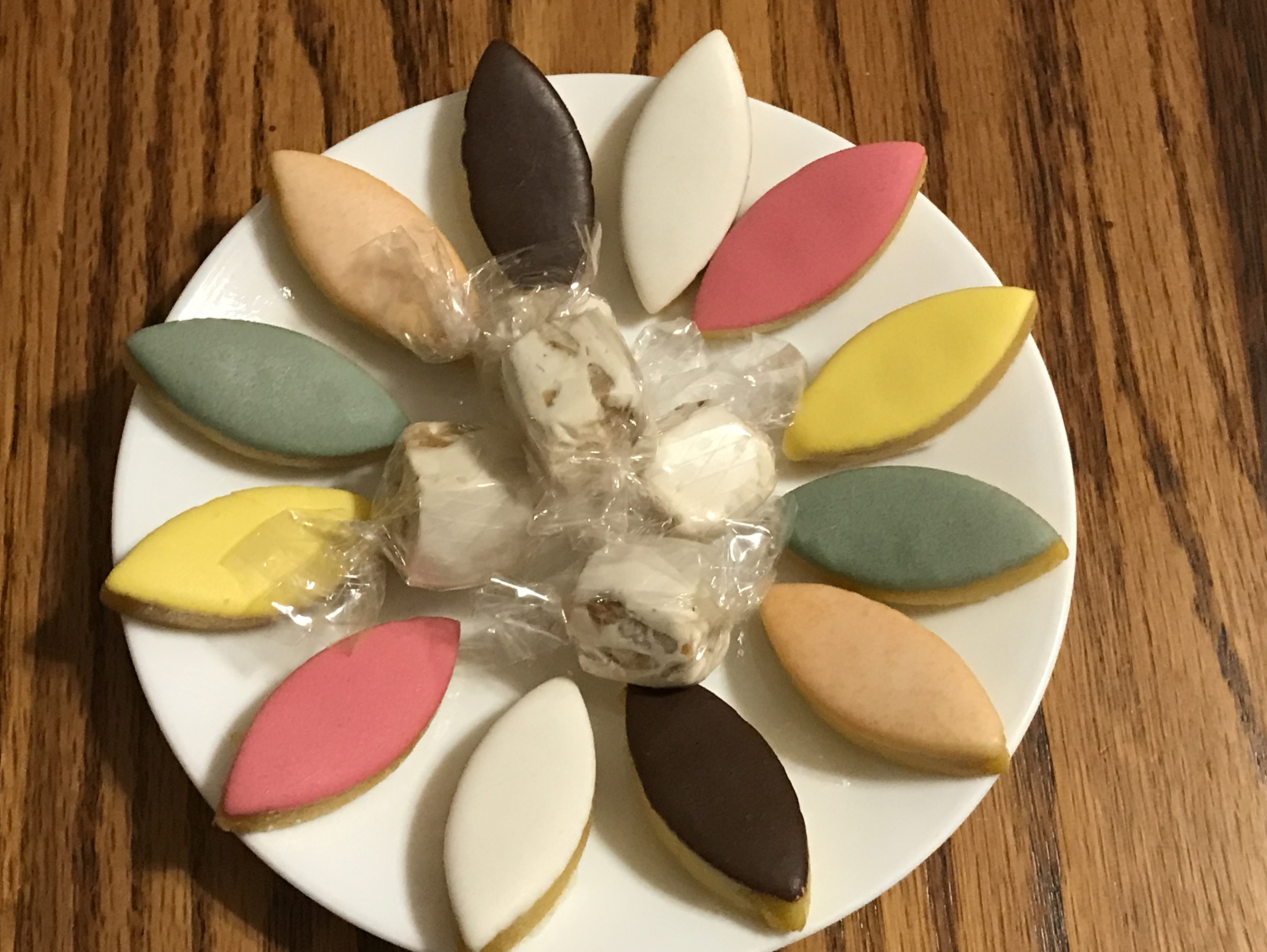
            Calissons are also almond-based. In addition to almond paste, their defining ingredient is candied melon. The gold standards are calissons d’Aix, made in the Provence region of southern France for hundreds of years. To legally use the coveted name, the calissons can only include almonds, sugar, and the candied cantaloupe-like melon, egg whites as a binder, plus a royal icing of egg white and sugar. Sometimes a bit of rose or orange flower water is added, but no other flavorings are permitted. While the ones I got weren’t calissons d’Aix, the primary ingredients were almonds and candied melon, making them a good representation of the confection. The different icing colors all have a different flavor. The white is the plain original. The other flavors are chocolate, raspberry, tangerine, lemon, and pistachio. At first, I wasn’t sure if I liked them. The melon is hard to taste, the almond is very subtle, and the texture was stickier than I expected. But as I kept chewing, the almond flavor and somewhat marzipan-like texture came through. I’d rather have marzipan, but the calissons were not bad at all.

            Continuing on a similar theme, traditional nougat is based on egg whites and sugar, loaded with toasted almonds. It isn’t actually in the book, but the nougat looked good. The variety from Montelimar, which this was, happens to be a particular favorite, so was definitely worth trying. It was nice and chewy, with the almonds cutting the sweetness and adding a pleasant crunch. Hands down, it was the best of the three. All three of the almond/sugar/egg white confections were enjoyable, explaining why those ingredients have been used together for so long. The chocolate was good too. Who needs alcohol when you can have sugar?

Seriously, who can resist?
Standard