Tagliatelle baked with two cheeses
food history, italian cuisine, pasta

Cook’s Tour of Italy Menu 54 (Pgs. 170 – 171): Tagliatelle Baked with Two Cheeses

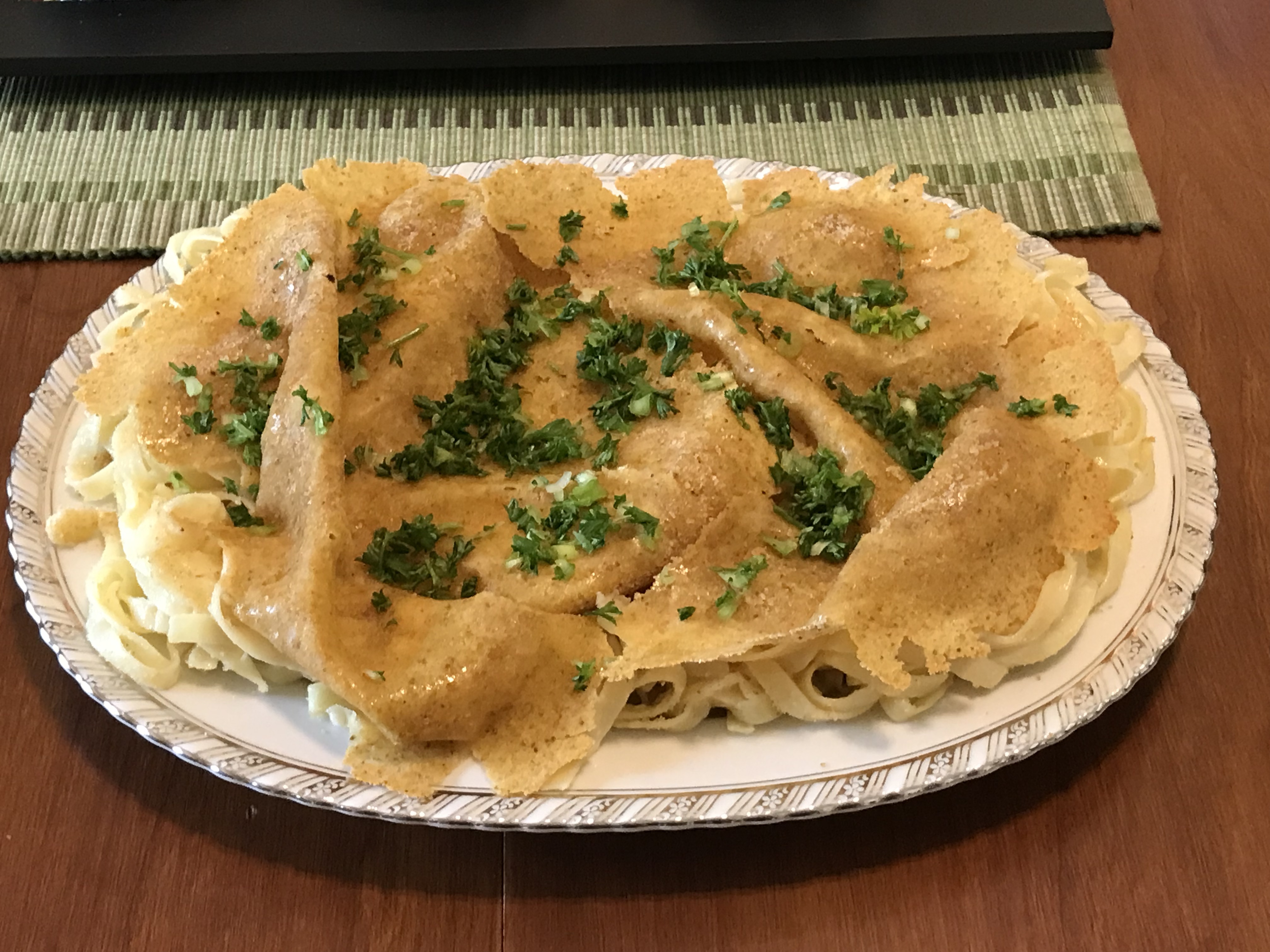
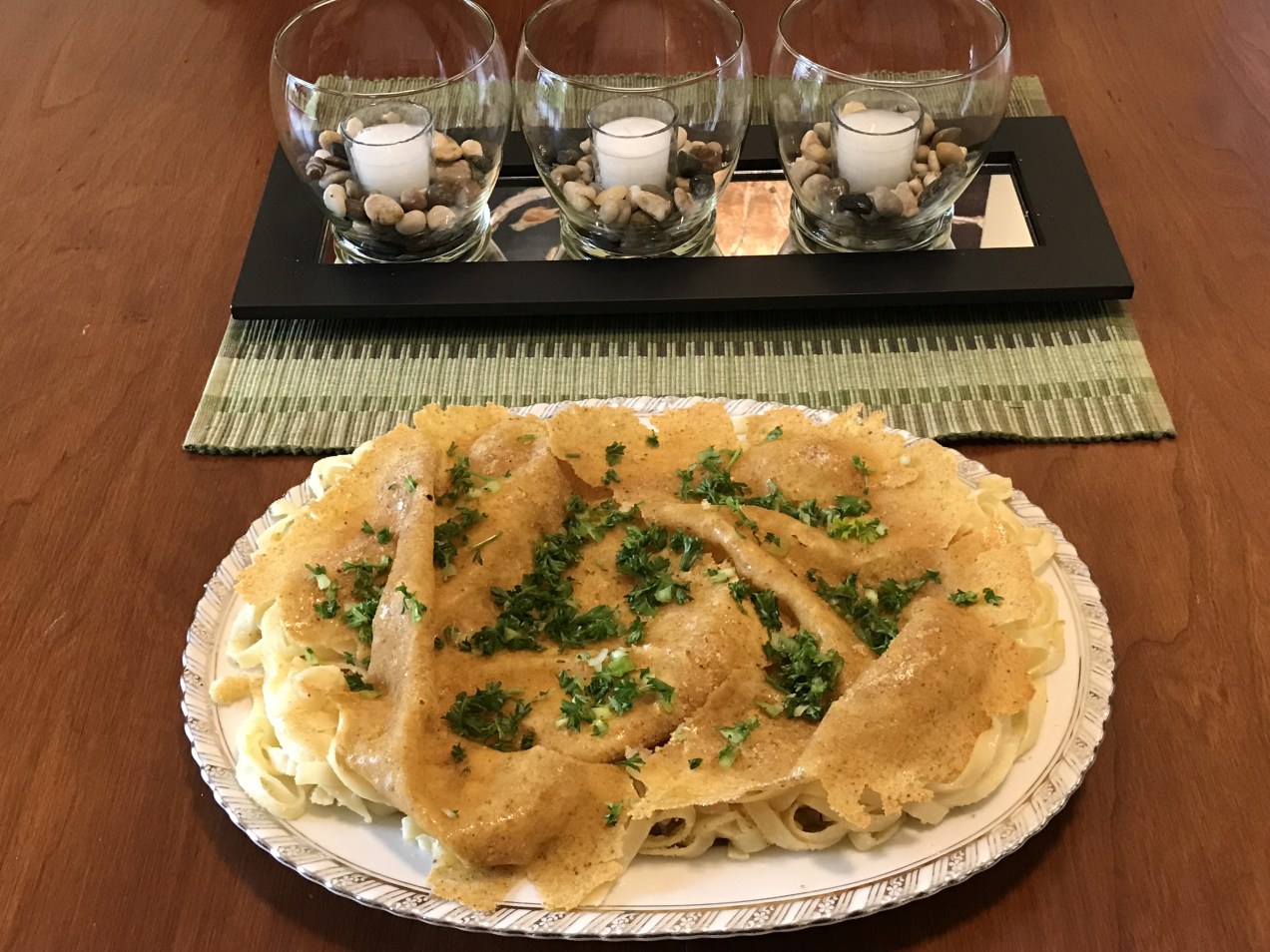
Two cheese baked tagliatelle

Region: Emilia-Romagna

            As mentioned before, Emilia-Romagna is known for its fresh pasta and dairy products. Fettuccine-like tagliatelle is frequently served with Bolognese ragu, which is never served with spaghetti. Wider pasta strands hold the sauce better. Tagliatelle can also be baked with cheese, as it is here. In this case, the two cheeses are Emilia-Romagna’s native parmesan, as well as fontina. More dairy is supplied by butter and cream.

            Parmesan and fontina are both cow’s milk cheeses, which predominate in northern Italy. Here, the cheese is front and center. The only contrast comes from breadcrumbs lining the baking dish and a mix of scallions and parsley minced together. Interestingly, instead of sprinkling the breadcrumbs over the top, the baking pan is buttered, coated in a layer of crumbs, then a layer of egg, then another layer of crumbs. After baking, the whole pan is inverted onto a serving platter.

            I had an issue with the crumb layer sticking to the pan. It was easy to peel off, but the presentation wasn’t as pretty as it could be. And the texture wasn’t what I expected. It was more of an eggy film than the crisp crust I anticipated. Maybe it was supposed to be this way, maybe the extra egg I added because one didn’t fully coat the pan affected the texture. It was good, but in the future, I would just sprinkle the bread crumbs over the top. It’s easier and ensures that they stay crisp.

            This dish reminded me of alfredo pasta, but lighter and with a stronger flavor. The scallions and parsley added a pleasant fresh contrast, and a salad would balance things out nicely. So would a cooked vegetable like green beans, and/or a bowl of fruit for dessert.

Standard
Uncategorized

Cook’s Tour of Italy Menu 50 (Pgs. 163 – 166): Dinner at a Friend’s House, Parma

Region: Emilia-Romagna

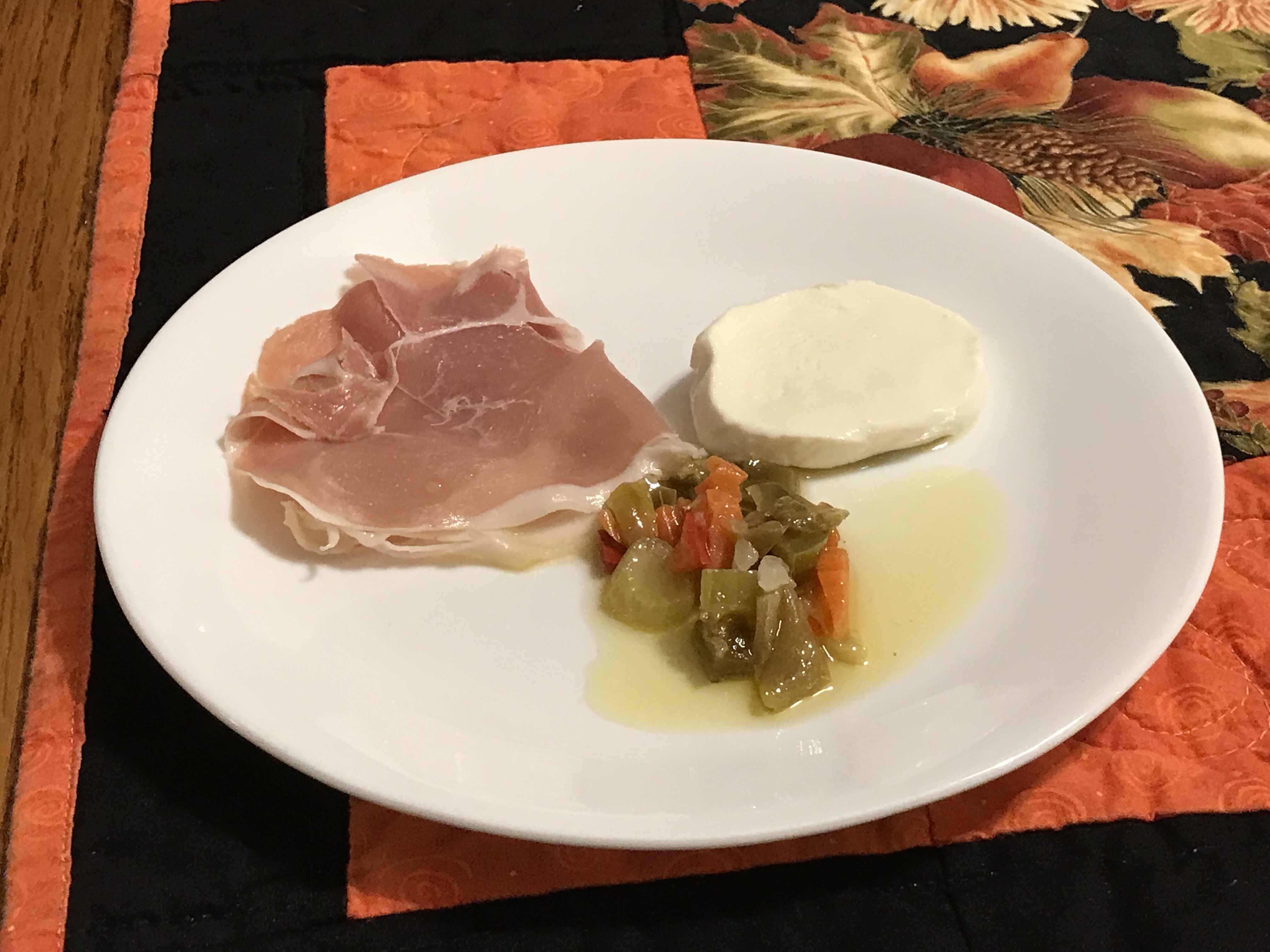
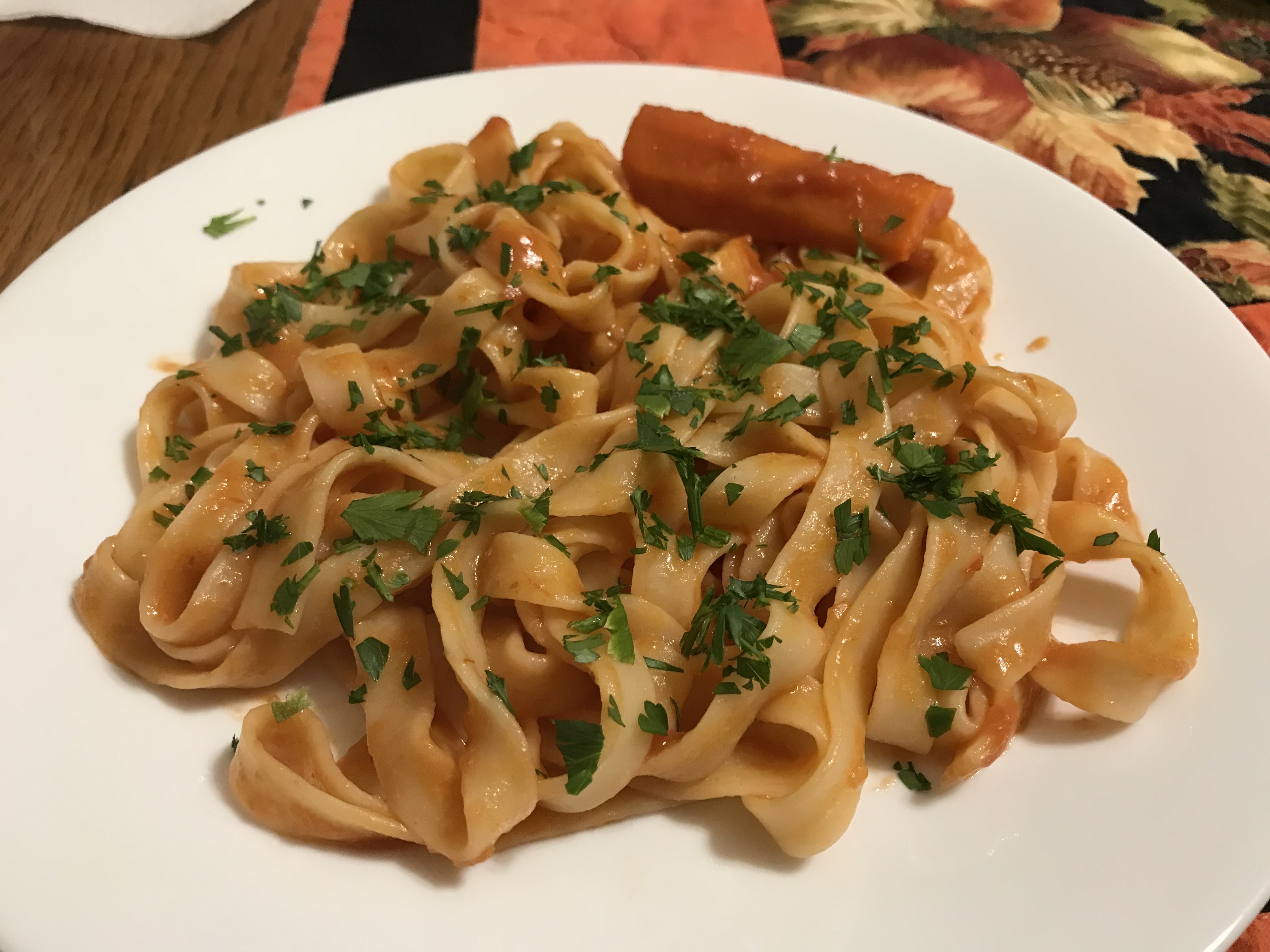
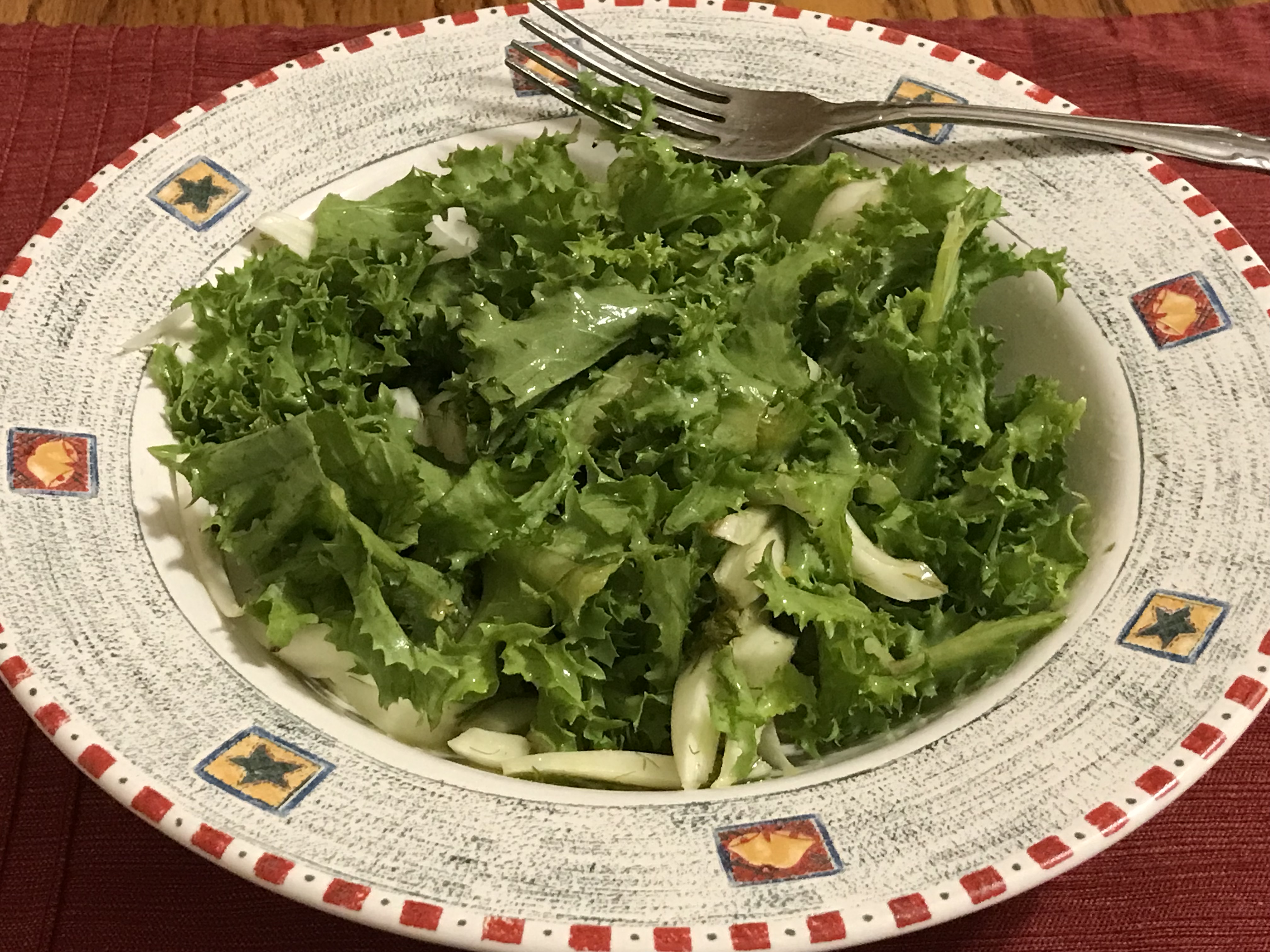
Menu: Cured Meats and Pickled Vegetables, Tagliatelle with Buttery Tomato Sauce, Salad with Herb Dressing, Pears Baked in “Wine” with Mascarpone

Recommended Wine: Sparkling Lambrusco or Lambrusca di Sobara

            In Parma, as in the rest of Emilia-Romagna, fresh egg pasta is a specialty. As mentioned in a previous post, eggs used to be a bit of a luxury. While the common people couldn’t eat them in pasta on a daily basis, it was more affordable in historically richer Emilia-Romagna than in much of the South, where poverty and social inequality were more extreme. Thus, fresh pasta, made with eggs and often stuffed, is associated with Northern Italy, while dried, eggless pasta is more common in Southern Italy. This menu includes not only a fresh pasta, but other regional specialties like Parma ham, mortadella, a buttery sauce, orchard fruit, and cow’s milk cheese.

            The first course is a selection of preserved items, an essential part of the diet in the days before refrigeration. Salting, drying, and pickling are all featured here. For thousands of years, people have salted and air-dried meats, especially pork, all over Italy. The variety of hams and sausages are endless, and in Emilia-Romagna, the most famous are prosciutto ham and mortadella, a lightly-spiced sausage often studded with pistachios. Vegetables are often preserved in vinegar, which tends to be plentiful in areas with a lot of wine production. Salt and vinegar both inhibit bacterial growth, while drying removes the water that bacteria need to survive.

            I had some trouble finding mortadella. The closest thing I could find was ring bologna, which while based on the original and probably of very good quality was not quite the same. I ended up replacing the mortadella with mozzarella cheese, which was a nice contrast to the stronger-flavored prosciutto and pickled vegetables.

            Normally, tomato-based sauces are bright and zesty while white sauces are rich, but this sauce bridged the gap in a remarkable way. Flavored with onion, carrot, and a lot of butter, it’s filling but not heavy and has a nice depth of flavor. With a sprinkling of parmesan cheese and parsley, this dish is simple and delicious, with an interesting history. Pasta has been eaten with butter and parmesan cheese since at least the Renaissance, but at that time adding sugar and spices was as common as adding herbs like parsley or basil. Heavy spices and sugar became less popular in the 16th and 17th Centuries, but tomato sauce did not become popular until the late 18th or early 19th Century. All of this means that until about 200 years ago, this seemingly classic dish would not have been found.

            The salad was better than I expected. Even though I don’t usually like anything with a strong licorice flavor (like fennel), here it’s sweetness and aroma balanced the bitter chicory and sour dressing really well. In fact, given how bitter and sour the mix was, it probably could have used more fennel. Another option would be to add in another green with the chicory and dilute the lemon juice a bit.

            Whether raw or cooked, pears have been a dessert favorite for over 2000 years. The Ancient Romans ate them plain or baked them in a sort of custard. Baking or stewing them in wine with spices has been common since the Middle Ages. Here, they are baked with white wine, sugar, cinnamon, and cloves, then served with a bit of mascarpone cheese. The recipe calls for white wine to keep the color from “competing with the mascarpone” (Text, pg. 165). That wasn’t an option here, since I wanted a non-alcoholic dish and red grape juice was easier to find. And personally, I think the red exterior and beige interior, with a little bit of white cheese in the center, is just so pretty. The pears tasted as good as they looked, though I must admit that I liked the dessert even better when replacing the mascarpone with a scoop of ice cream. Still, the fabled cuisine of Emilia-Romagna didn’t disappoint.

Standard
Uncategorized

Cook’s Tour of Italy Menu 49 (Pgs. 159 – 162): Light Lunch on the Via Emilia (Emilia-Romagna)

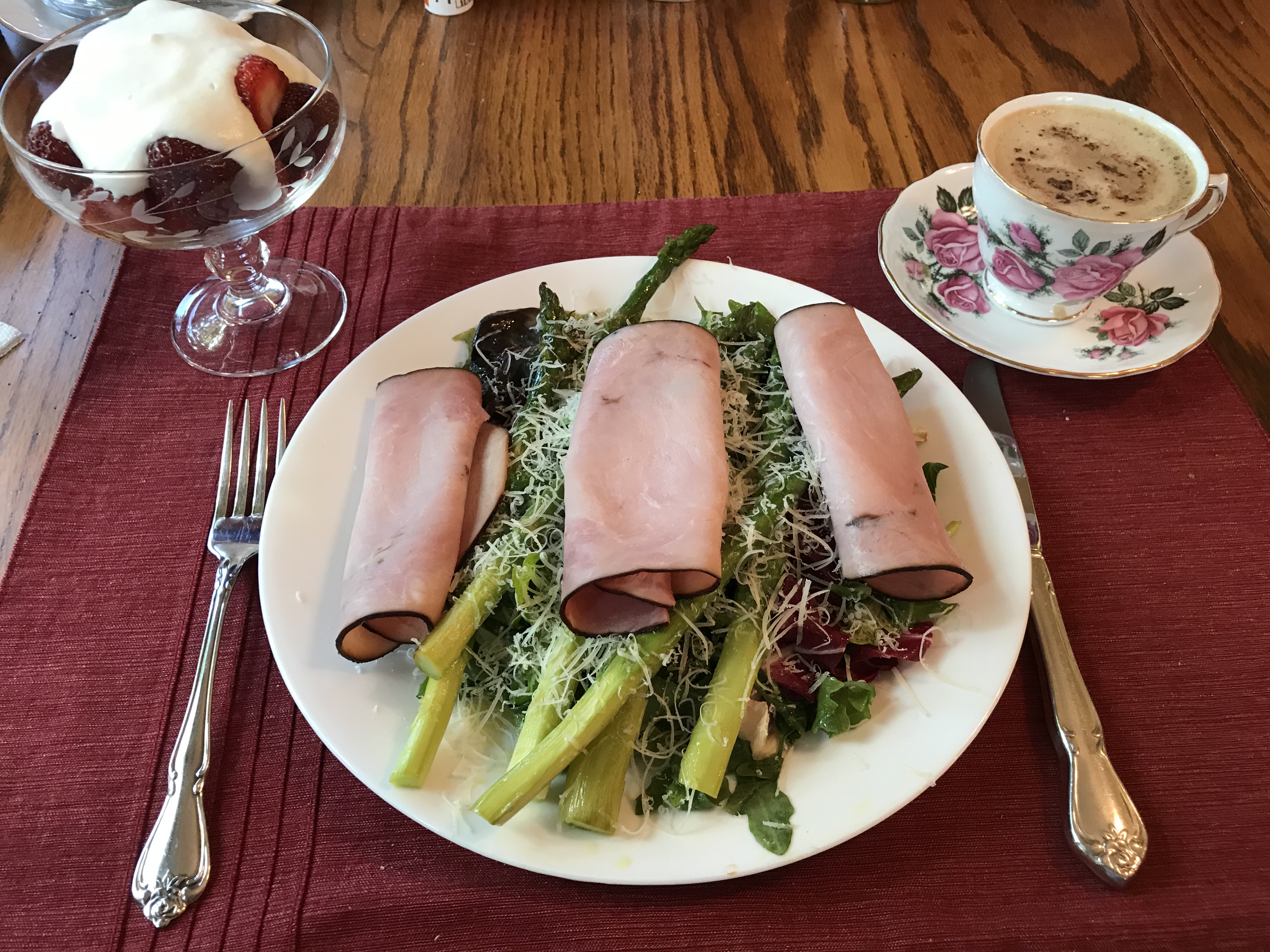
Menu: Grilled Asparagus and Parma Ham Salad, Fresh Berries with Almond Cream, Cappuccino, Fruit Vinegars

Recommended Wine: Verdicchio (Yellow-Green Color, Higher Alcohol)

IMG_2681

In Emilia-Romagna again, we have one of the most seasonal menus in the book, featuring fresh asparagus and berries. While they are generally available year-round, their quality is highest and prices lowest when they are in season. In the introduction to this menu, Mr. Famularo describes a light lunch during a trip in early summer, featuring a variety of seasonal produce and regional specialties. Also described is a balsamic vinegar factory with a peacock on the roof and learning how to make fruit-infused red and white wine vinegars, in this case peach, raspberry, and orange. I gave this method a try last year with some extra peaches and strawberries at risk of going bad if not used, and the results were remarkable, especially the strawberry vinegar. Though not used in the menu, these fruit vinegars are a tasty and interesting change of pace on salads, and the strawberry is fantastic on slices of cucumber. I imagine the peach would be as well.

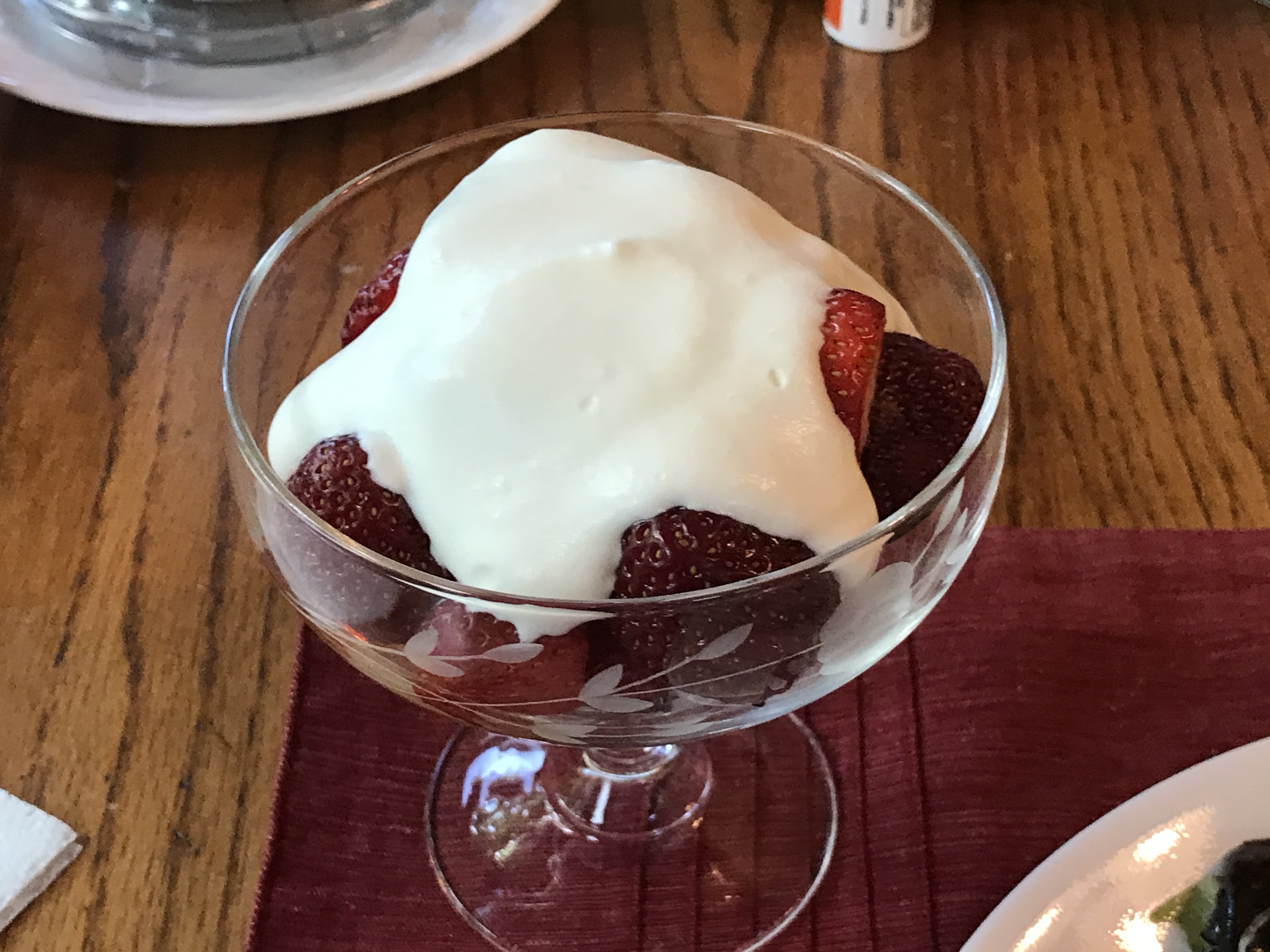
Returning to the menu, we have a salad of baby greens tossed with a mustard vinaigrette, topped with grilled (or broiled) asparagus, a bit of grated parmesan cheese, and Parma Ham (or, if that is unavailable, as it was in this case, Black Forest Ham), fresh strawberries and blueberries topped with almond-scented whipped cream for dessert, and homemade cappuccino to drink. Walnut liqueur is also included on the list of dishes but not mentioned again, so I’m not sure what that means. Is it supposed to go in the cappuccino, or is it a mistake by the publisher from the revision process? Either way, with no clear answer on that and not wanting to buy an entire bottle, I skipped that part.

IMG_2682

There is some interesting food history here that goes back all the way to the Ancient Romans. Salads were common appetizers, even then served with a vinegar and oil dressing, often flavored with mustard. The Romans loved asparagus, often cooking it with eggs in omelet-like patinas. They also enjoyed strawberries, especially those from around Lake Nemi, though they were not cultivated until the Middle Ages so were only available wild. Almonds, like other nuts, were popular desserts, though the flavorful but toxic if improperly prepared bitter almonds, used to make the extract, did not seem to come into use until later. Whipped cream and coffee also arrived later, during the Early Modern Era.

IMG_2683

Just as described, this was a taste of early summer. The contrast of the warm asparagus on the cool greens, the meaty ham and cheese against the tangy dressing, were exceptional. Wild strawberries are recommended for the dessert if they can be found, indeed the Italian recipe name fragole di bosco translates roughly as “forest strawberries,” but surely fresh local berries in season are just as good. Due to having several quarts of these, super sweet and with an intoxicating aroma, I skipped the blueberries and put extra strawberries in the dessert glasses. The whipped cream, scented with almond extract, was the perfect accompaniment. I would have preferred it with a small amount of sugar (in many cases in the book whipped cream is unsweetened), but it was a fantastic dessert overall, perfect during those few weeks when strawberries are in season.

IMG_2684

I even enjoyed the homemade cappuccino, though I don’t normally like the taste of coffee (its aroma is another matter entirely). It was surprisingly easy to make, just make some espresso (I used the granules I had on hand from some other recipes), heat some milk until it steams, whisking to make it foamy, and top the cups with a sprinkle of cocoa powder. Again, I would have preferred a little sugar in the coffee, but that’s a matter of personal preference. Overall, this was a delicious way to celebrate the start of summer’s bounty.


Standard
Uncategorized

Cook’s Tour of Italy Menu 53 (Pg. 170): Pasta with Mascarpone, Sage, and Toasted Breadcrumbs (Emilia-Romagna)

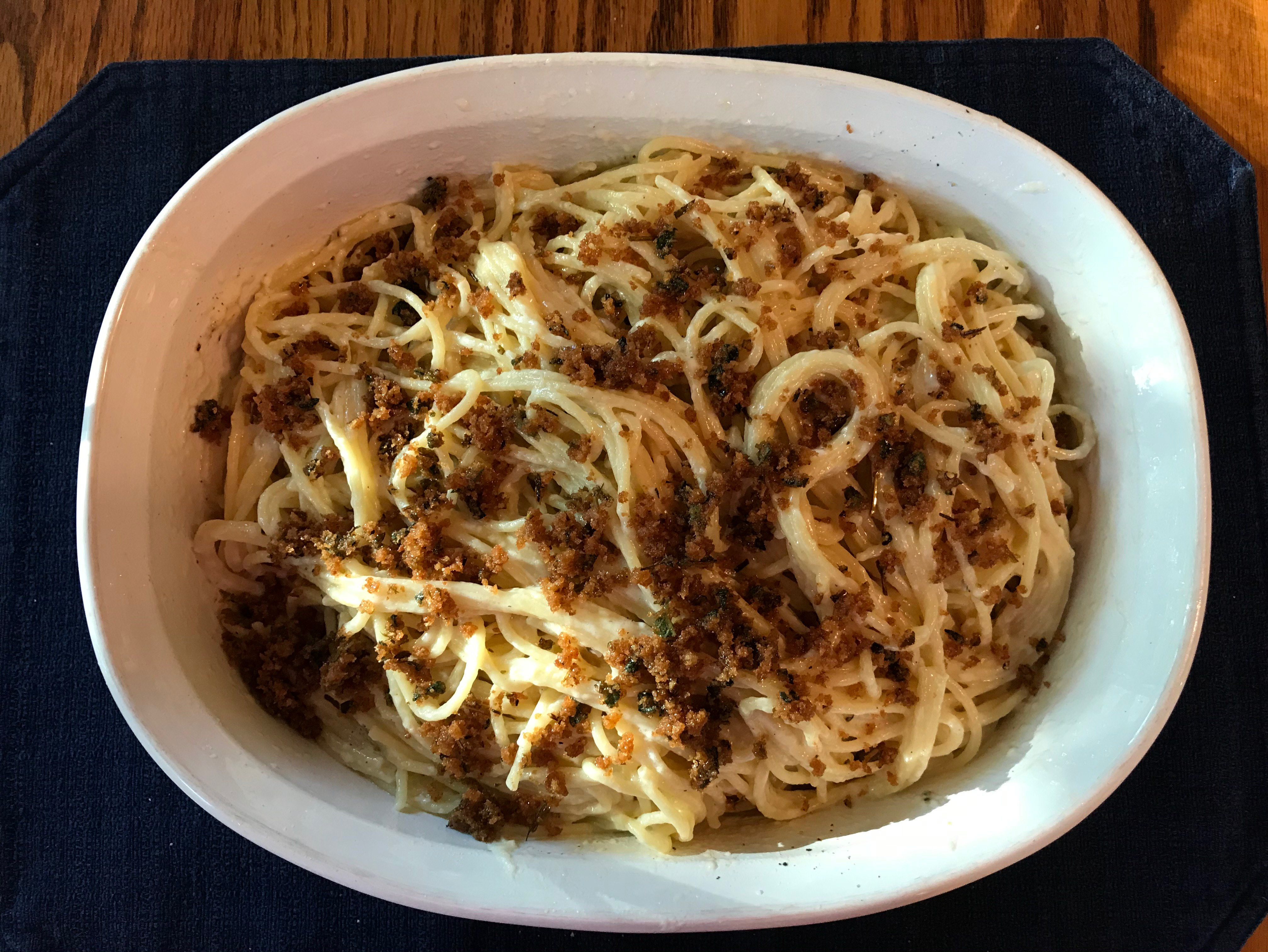
Menu: Spaghetti with Mascarpone, Parmesan, and Sage-Flavored Breadcrumbs

IMG_2661

Heading back to Emilia-Romagna, we now focus on one of the things the region is most famous for: its pasta. Historically more prosperous than in some other regions, the populace was able to afford a richer diet. Along with prosciutto di Parma, mortadella (an ancestor of the American baloney, named after its supposed origin in the city of Bologna), Parmigiano-Reggiano, and true balsamic vinegar, fresh egg pasta was and still is a favorite. Eggs used to be more expensive relative to income than they are now, hence the luxury of the fresh pasta.

While this recipe uses dried spaghetti, the main component of the sauce is mascarpone cheese, a creamy cow’s milk cheese common in Northern Italy. Mixed with the mascarpone is grated Parmesan cheese, and the whole dish is topped with buttery, sage-scented breadcrumbs. With the rich, creamy, cheesy pasta, the contrasting crunch of the breadcrumbs really makes the dish. Another welcome contrast is to include a salad on the side, as the book recommends. In the text, Mr. Famularo says this is one of his favorite ways to make spaghetti. With how easy and tasty it is, I can see why.

IMG_2663


Standard
Uncategorized

Cook’s Tour of Italy Menu 46 (Pgs. 143 – 145): Specialty Food Shop Tart Menu for 6 (Bologna)

Menu: Parmesan Custard Tart, Sliced Cucumbers with Mint, Baked Peaches Stuffed with Amaretti and AlmondsIMG_2543

Recommended Wine: Cinque Terre Bianco (Liguria), Dry and Full-Flavored

We now travel to Emilia-Romagna, a region a distance northeast of Rome, centered on the fertile Po River Valley. According to the tour guides again, olive trees do not grow north of Tuscany except along the coast, hence butter is more commonly used here. Though the tour didn’t stop in any of the cities there, we traveled through the region on our way from Florence to Venice. The land is a fairly flat, fertile plain, with numerous vineyards, orchards and, interestingly enough, fields of sunflowers. Said sunflowers were pretty dried out by the time we passed through in mid-September, but their heavy tops, bending from their abundance of oily seeds, were nonetheless distinctive. We were told when I asked about them that sunflower oil is often used as a replacement or supplement to the more expensive olive oil in applications like frying where a more neutral flavor is acceptable. Despite the massive number of olive trees, Italy does not produce enough for even its own use.

Major cities here include Bologna, Parma, Modena and Ravenna. The region was conquered by the Romans in the 3rd Century BC from various Celtic peoples, known to have a diet richer in meat and dairy than the newcomers. This influence lingers to this day, with an abundance of butter, cheeses, veal, and pork, both fresh and cured. (text, pg. 142) The most famous are parmesan cheese and prosciutto. There is also fresh pasta, often stuffed, balsamic vinegar, and a variety of tree fruits and vegetables. To be sure, historically few people would have enjoyed these things on a regular basis, at least in large quantities, but they do tell us about the region’s tastes and preferences.

This menu was both rich and balanced. It is based around a quiche-like tart available for take-out at a specialty food shop in Bologna. Omelets and custards have been eaten in Italy at least since Apicius, the famous Roman gourmet, was published in the early centuries AD, but the crumbly, buttery pastry is a more recent invention. The ancient Romans considered butter a barbarian food and made what pastry they had (which according to the recipes of Apicius was surprisingly little) with oil or lard, while medieval pastry was usually a thick, inedible pie crust used to cook, serve and preserve the filling.

This pastry was strong enough to stand up on its own without a tin or baking dish and supposedly, as long as it stayed dry and didn’t crack, could preserve the fillings for months. (On a side note, that is one food history experiment I have no intention of trying. I wonder how often people got food poisoning in the past from pastry that wasn’t as dry or airtight as they thought.) Until edible “short crust” pastry was introduced during the 16th Century, it was the normal practice to remove the pastry lid, eat the filling, and either discard the bottom crust or feed it to the dogs or pigs. Man’s best friend or nature’s delicious garbage disposals, respectively.

Thankfully, that was not the pastry featured today. With more than four times the amount of butter as water (icy to help keep the butter from melting during mixing), the crust was so crumbly I couldn’t lay it in the pan without it falling apart. (In retrospect, I probably should have added an extra tablespoon of water.) Eventually I managed to patch the pieces together in the bottom of the pan before adding the filling, a rich, creamy custard spiked with parmesan cheese and white pepper with little pieces of pancetta on the bottom. Since I didn’t have a tart pan with a removeable bottom, I had to use an ordinary 9-inch round cake pan, resulting in the crust crumbling as each piece was removed. They were delicious crumbs, though, with a delicious filling, even if the serving presentation was lacking.

The cucumbers and baked peaches provided a nice contrast. Cucumbers and mint go well together, and mixing them with ice and salt and leaving them for some time both flavors and sort of pickles the cucumbers. They ended up a little salty, but were still enjoyable. The peaches were another surprise, stuffed with a mix of crushed amaretti, almonds, and cocoa, topped with a little mascarpone cheese. I would not have thought of peaches as one of the fruits that go with chocolate, but this mixture really worked. I suppose that just goes to show that sometimes what we think of as “what goes together” is surprisingly arbitrary. Why do strawberries, bananas or oranges go with chocolate, but not pears or peaches?

Standard