


Region: Tuscany
Menu: Cantaloupe with Prosciutto, Lasagnette with Meat Sauce, Fennel and Watercress Salad, Orange Ring Cake
Recommended Wine: Vino Nobile de Montepulciano (like Chianti, but with some white grapes mixed in with the red)
Believe it or not, at one time, doctors thought melons were unhealthy and even dangerous. During the Middle Ages and Renaissance, raw produce in general was mistrusted. In the 15th and 16th Centuries, when salads and beautifully-arranged platters of fresh fruit became fashionable, doctors freaked out, thinking the trend would make their patients sick. People did sometimes get sick after eating fresh, raw fruit, but the problem wasn’t the fruit itself. Most likely, the water used to wash it was contaminated, or cooks didn’t adequately clean their work surfaces.
Melons were even implicated in the death of a 15th Century pope. The story goes that in July 1471, Pope Paul II ate two large melons, and died shortly thereafter. Sources don’t say what kind of melons they were, what was meant by large (most fruits and vegetables were smaller at the time), or the timeframe they were eaten over. Since Rome gets really hot in July and this was before air conditioning, His Holiness probably found them refreshing, and may not have had much appetite for other food. If that was the case, eating two melons the size of small modern cantaloupes over the course of a hot day sort of makes sense.

Supposedly, cantaloupes originated in either Persia (modern Iran) or Armenia before being brought to the Mediterranean. Regardless of what doctors thought, people living there, especially Italians, went crazy for them. During the hot summer months, when melons were at their peak, people found them irresistible. Supposedly, eating them with a bit of salty ham or some wine reduced the risk, which is where melon and prosciutto came from. Personally, I think prosciutto is stringy and overpriced, so had the melon plain. It was good as always, but was definitely different as an appetizer.
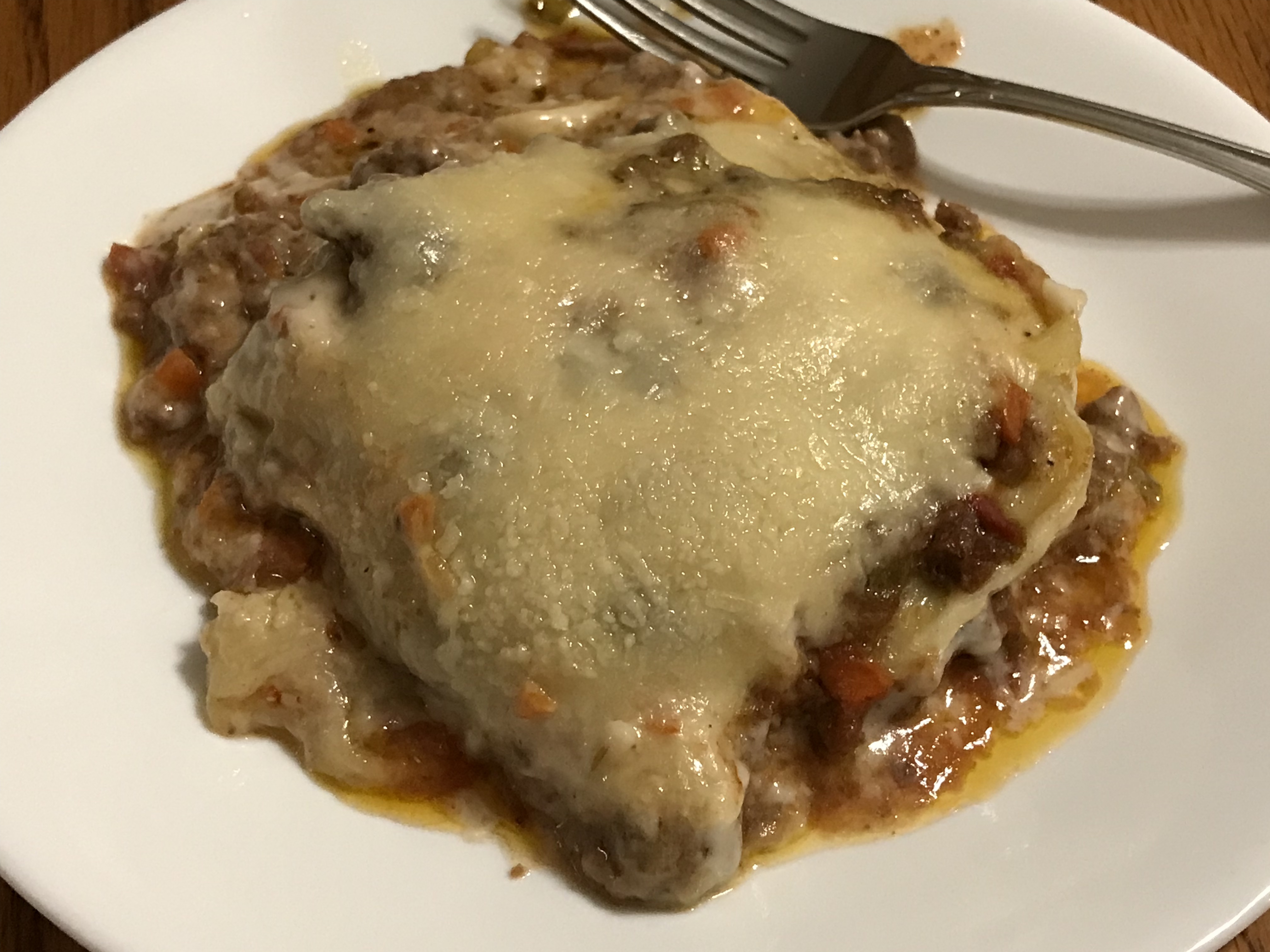
The name “lasagnette” suggests a miniature lasagna, but this recipe filled a full pan. Like the Bologna-style lasagna, this one used a ragu with a high proportion of meat to tomato, bechamel sauce, and parmesan cheese. I think there must have been a typo in the bechamel recipe. It calls for one cup flour to three of milk. At that ratio, a sticky dough-like substance forms, not a sauce. It was salvageable with extra milk, whisking, and straining the lumps out, but it probably would have been easier to restart with a different bechamel recipe. Everything else with the lasagna went smoothly, and it was quite tasty, but I still prefer the mozzarella and ricotta version. Maybe if I made my own pasta dough instead of purchasing it, I would feel differently.
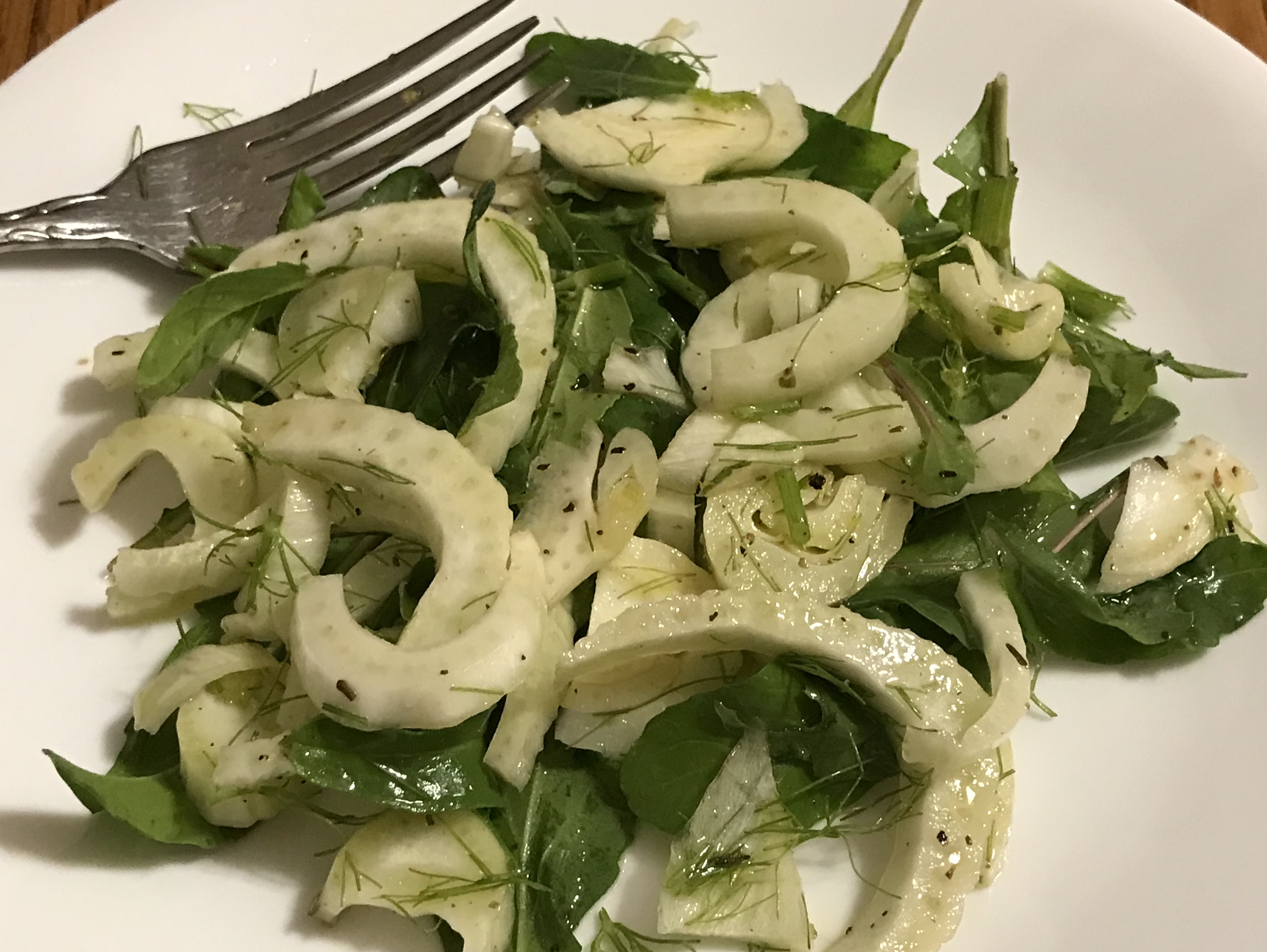
The fennel and watercress made for a fascinating combination. Supposedly, Medieval Florentine wine merchants would give potential buyers fennel to snack on, hoping it would overwhelm their taste buds and make wine faults less noticeable. Here the sweet, licorice-like flavor served no such nefarious purpose. The watercress was distinctly peppery, much like arugula, which was a nice contrast with the fennel.
Everything was good, but the orange ring cake was incredible. The cake itself is flavored with grated orange peel, which seems to be popular in Italian recipes. The juice, meanwhile, goes into a syrup with lemon juice, which gets drizzled on the hot cake after baking. It was delicious, and would probably be even better if holes were poked in the cake first to let the syrup soak in more. Whipped cream was a delightful contrast to the sweet and tart flavor, in a fascinating change of pace from regular chocolate and yellow cakes. Not that there’s anything wrong with those, especially with fluffy homemade chocolate frosting, but the orange cake was delicious and pretty.


 Feasting Through Time