

Region: Umbria/Marches
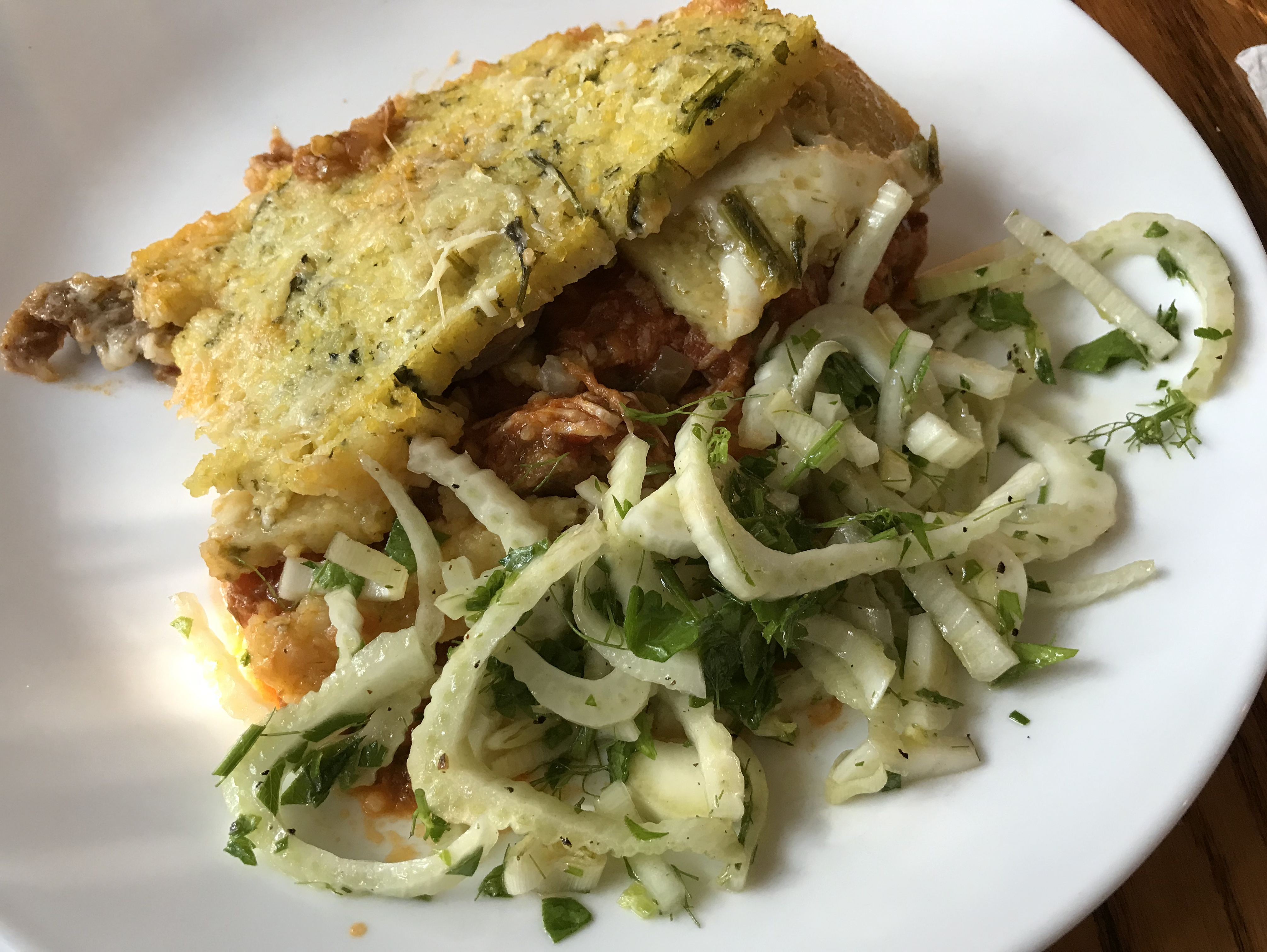
Menu: Spicy Polenta with Cheese, Broccoli Rabe, and Sausages, Fennel Salad with Parsley, Pineapple Sorbet
Recommended Wine: San Giorgio (full-bodied Lungarotti red, made in Torgiano [Note: I don’t actually know much about wine. This is just what the author recommends, but I haven’t actually tried it.])
In a previous post, I wondered why corn-based polenta caught on widely in northern Italy, but not the south. Almost by accident, I came across the answer while watching a video on US geography. While discussing the tactical advantage provided by vast stretches of Midwest farmland, the narrator brought up an interesting point. Corn is more often grown in the eastern part of the region, around the Great Lakes, because this area has higher rainfall and corn needs more water. Wheat, with lower water requirements and greater drought tolerance, thrives on the drier Great Plains. Since southern Italy is drier than the north, I think I may have found the answer.
Since ancient times, people across Italy have made polenta with a variety of grains, especially millet. Once corn was introduced from the Americas, it quickly became dominant due to its high yields. On the one hand, this was great, because it meant more available calories, but there was a problem. Much of the protein and niacin in corn is chemically “locked up,” unavailable to the body unless the grain is processed in an alkaline solution. This process, called nixtamalization, was widely used in the Americas, but didn’t find its way across the Atlantic. In places where the poor came to rely on corn, such as northern Italy, many people developed niacin deficiencies. This resulted in the disease pellagra. Those higher on the social scale may have eaten corn-based polenta, but consumed enough other foods to avoid getting sick.

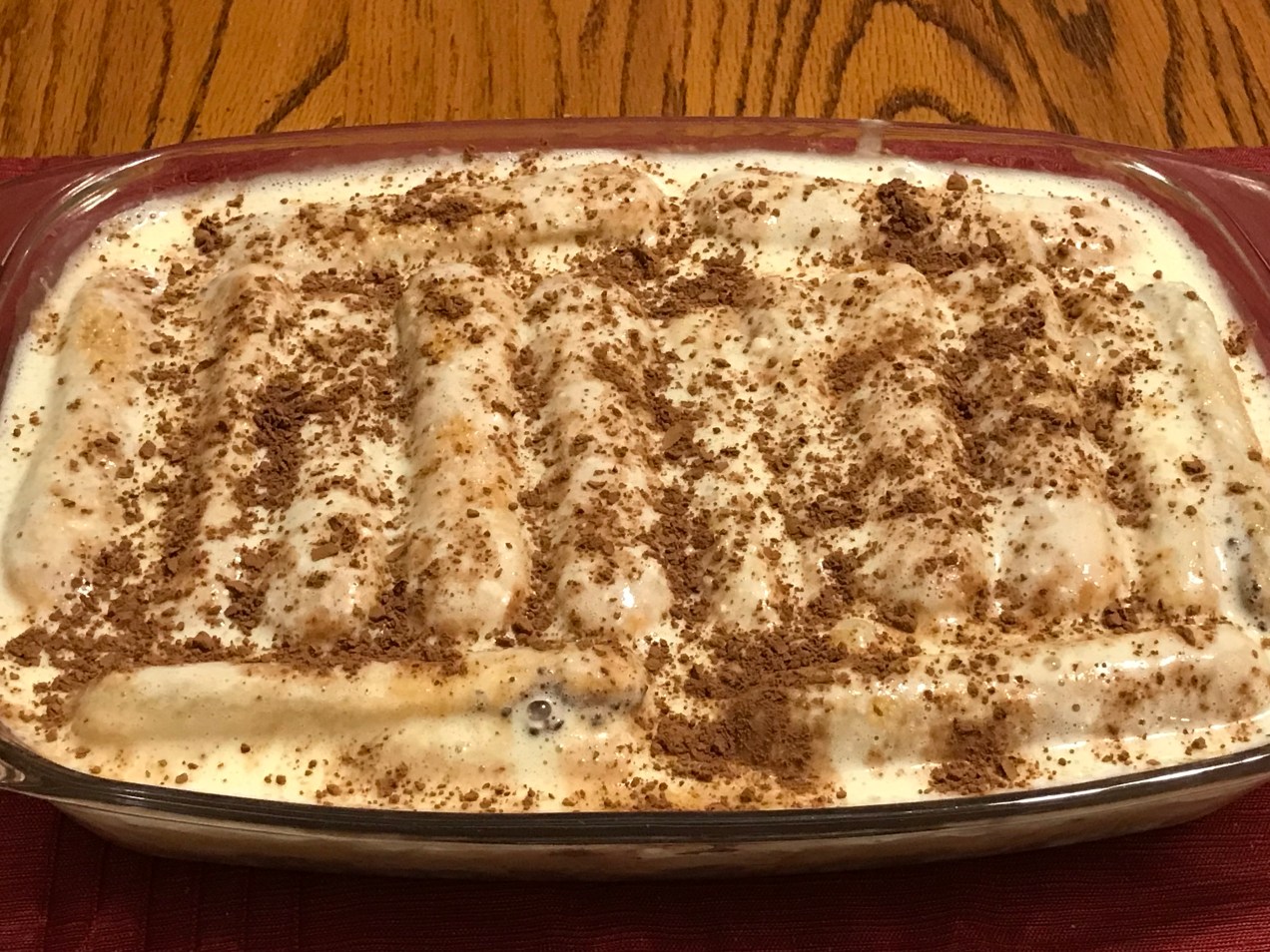
Here the polenta is chilled, sliced, and layered with other ingredients, almost like a lasagna. There are slices of hot Italian sausage, pork-infused tomato sauce, mustard greens for broccoli rabe, and grated provolone and pecorino cheeses. Scamorza cheese is popular in Abruzzi, a mountainous region along the Adriatic coast, but it was unavailable near me. Since provolone is similar, I used that, with good results. Personally, I still prefer pasta in lasagna, but the sliced polenta was an interesting change of pace.
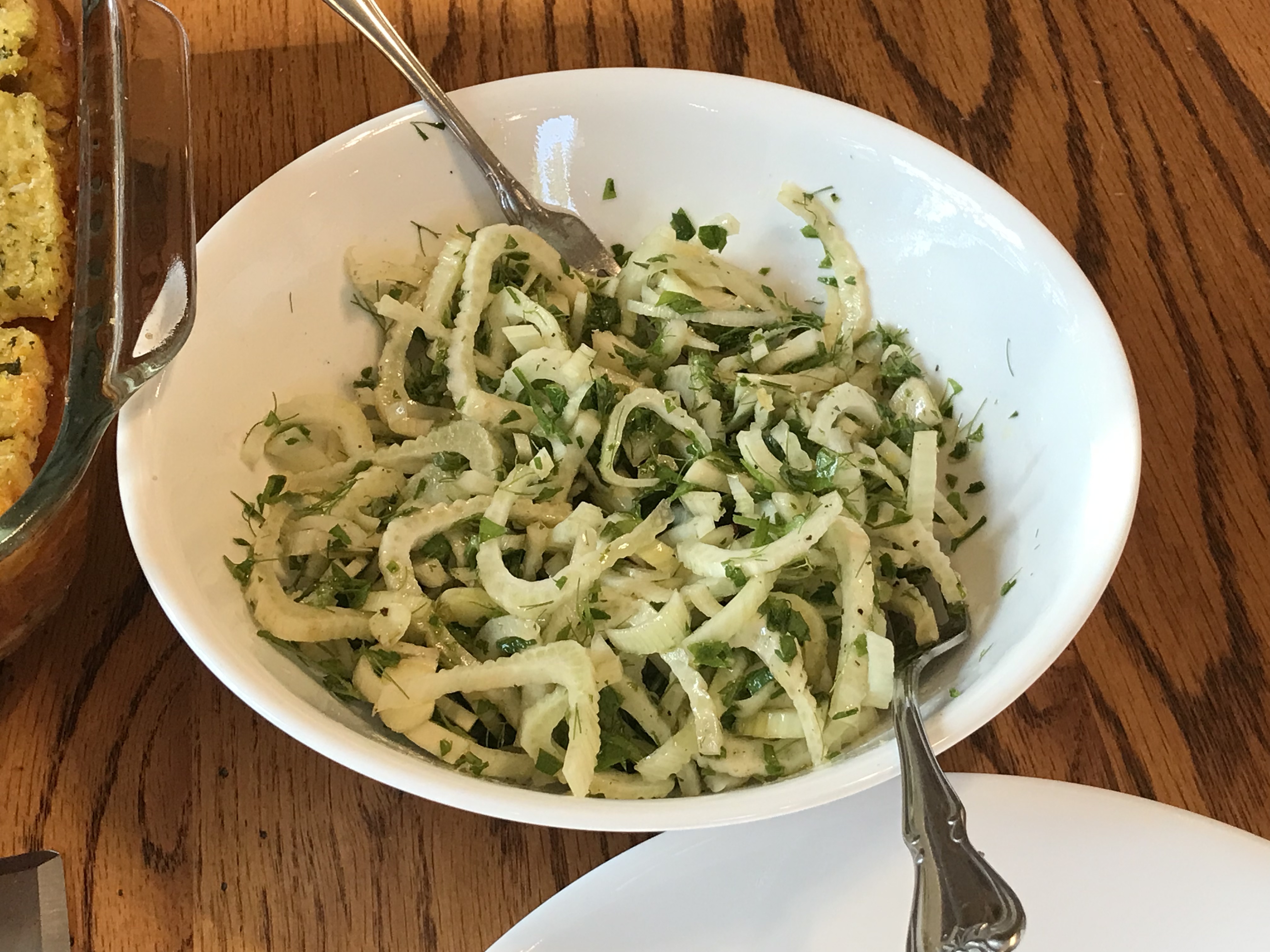
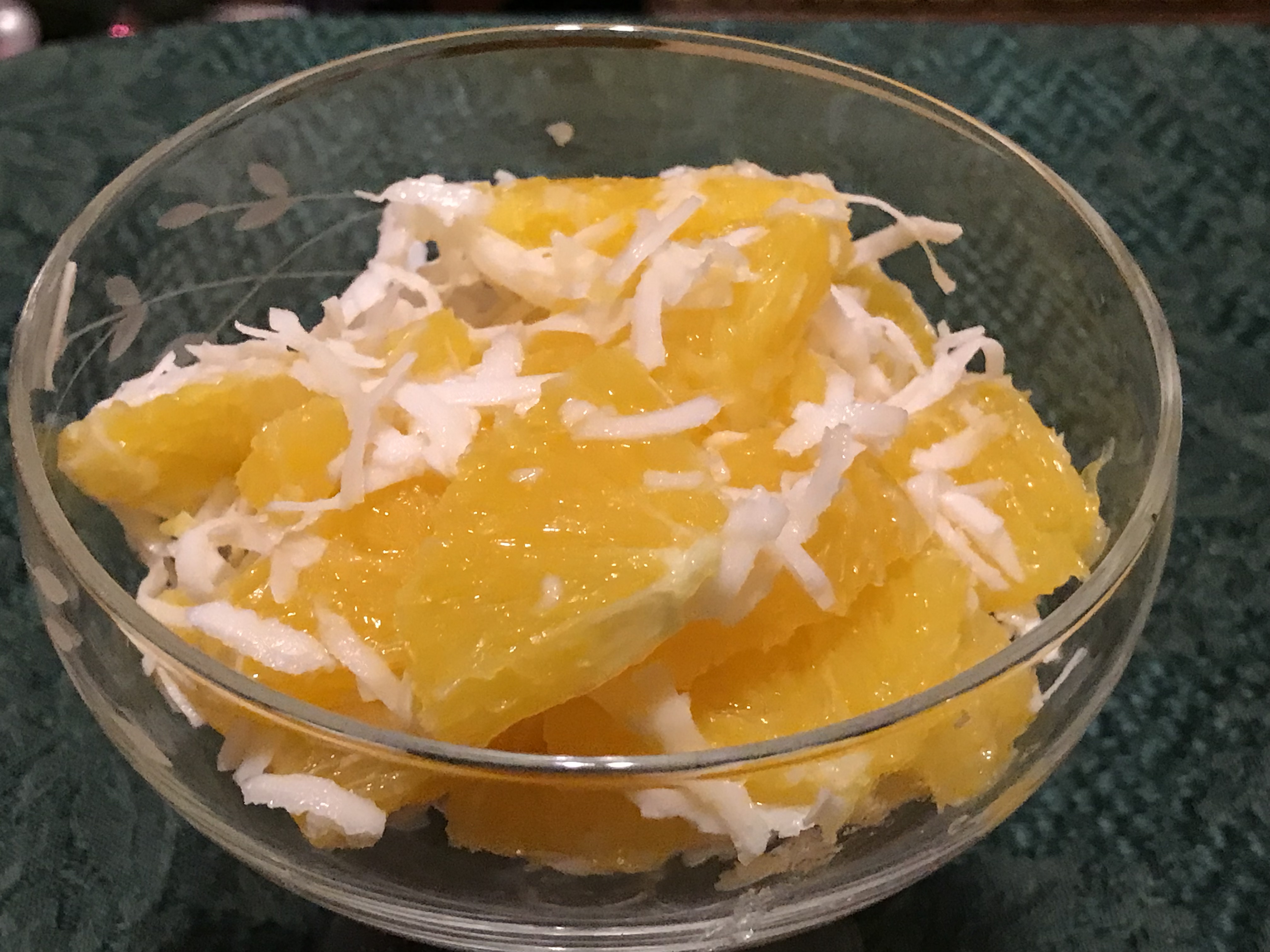
The fennel salad provided a fresh contrast to the strongly-flavored polenta, as did the sorbet. Interestingly, in addition to the pineapple juice, lemon juice, and sugar, this sorbet recipe had gelatin. It took a lot longer to solidify in the ice cream maker, but the texture was extra smooth and almost creamy. The sorbet also melted much more slowly than most. I omitted the strawberry sauce, but even plain, the pale-yellow sorbet looked beautiful in the coupe glasses. It tasted just as good.








 Feasting Through Time