food history, italian cuisine

Cook’s Tour of Italy Menu 15 (Pgs. 62 – 66): Menu for 8, La Foce

Region: Tuscany

Menu: Cantaloupe with Prosciutto, Lasagnette with Meat Sauce, Fennel and Watercress Salad, Orange Ring Cake

Recommended Wine: Vino Nobile de Montepulciano (like Chianti, but with some white grapes mixed in with the red)

            Believe it or not, at one time, doctors thought melons were unhealthy and even dangerous. During the Middle Ages and Renaissance, raw produce in general was mistrusted. In the 15th and 16th Centuries, when salads and beautifully-arranged platters of fresh fruit became fashionable, doctors freaked out, thinking the trend would make their patients sick. People did sometimes get sick after eating fresh, raw fruit, but the problem wasn’t the fruit itself. Most likely, the water used to wash it was contaminated, or cooks didn’t adequately clean their work surfaces.

            Melons were even implicated in the death of a 15th Century pope. The story goes that in July 1471, Pope Paul II ate two large melons, and died shortly thereafter. Sources don’t say what kind of melons they were, what was meant by large (most fruits and vegetables were smaller at the time), or the timeframe they were eaten over. Since Rome gets really hot in July and this was before air conditioning, His Holiness probably found them refreshing, and may not have had much appetite for other food. If that was the case, eating two melons the size of small modern cantaloupes over the course of a hot day sort of makes sense.

Delicious treat, or heartless killer?

            Supposedly, cantaloupes originated in either Persia (modern Iran) or Armenia before being brought to the Mediterranean. Regardless of what doctors thought, people living there, especially Italians, went crazy for them. During the hot summer months, when melons were at their peak, people found them irresistible. Supposedly, eating them with a bit of salty ham or some wine reduced the risk, which is where melon and prosciutto came from. Personally, I think prosciutto is stringy and overpriced, so had the melon plain. It was good as always, but was definitely different as an appetizer.
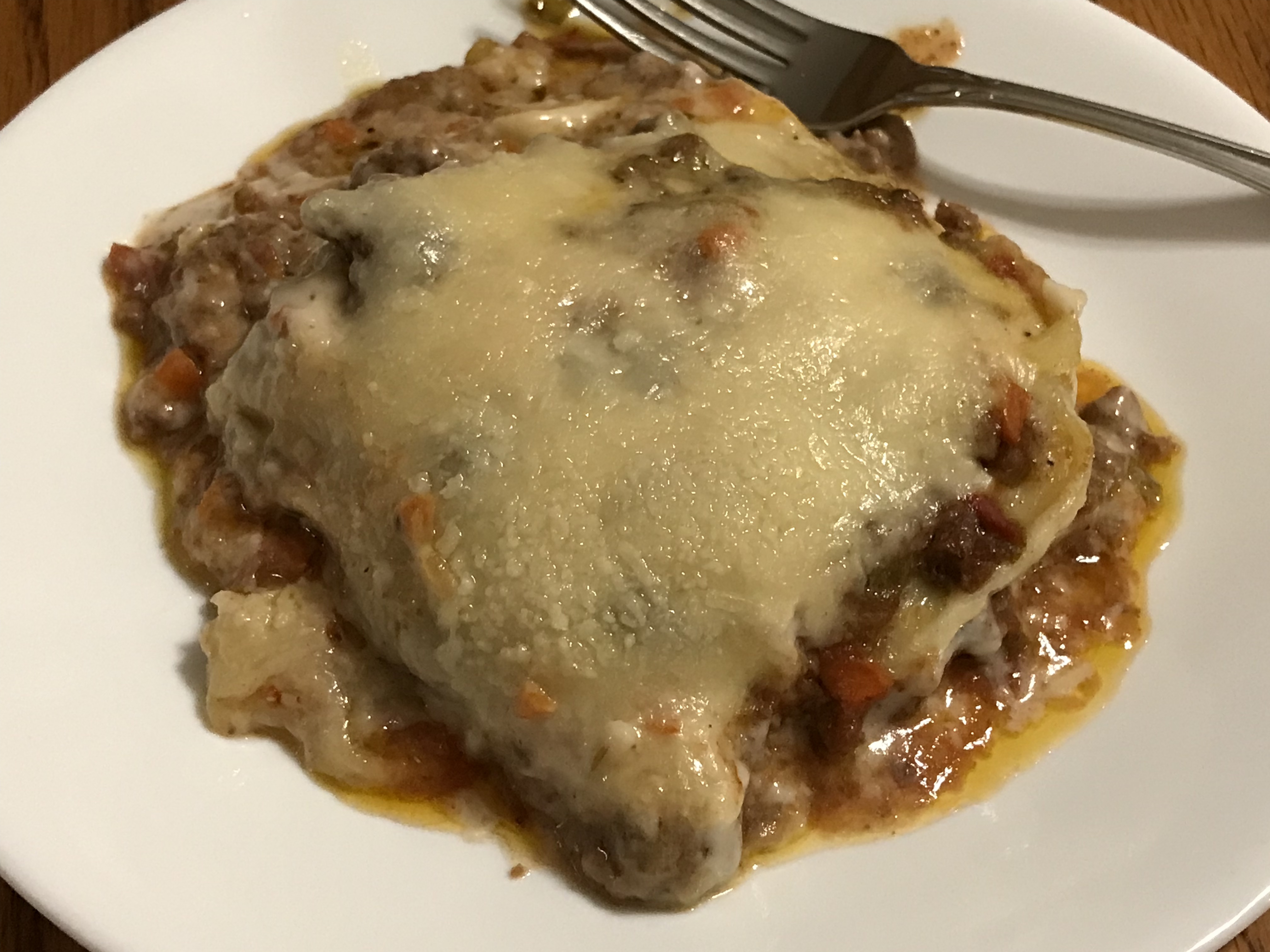
            The name “lasagnette” suggests a miniature lasagna, but this recipe filled a full pan. Like the Bologna-style lasagna, this one used a ragu with a high proportion of meat to tomato, bechamel sauce, and parmesan cheese. I think there must have been a typo in the bechamel recipe. It calls for one cup flour to three of milk. At that ratio, a sticky dough-like substance forms, not a sauce. It was salvageable with extra milk, whisking, and straining the lumps out, but it probably would have been easier to restart with a different bechamel recipe. Everything else with the lasagna went smoothly, and it was quite tasty, but I still prefer the mozzarella and ricotta version. Maybe if I made my own pasta dough instead of purchasing it, I would feel differently.
Instrument of fraud

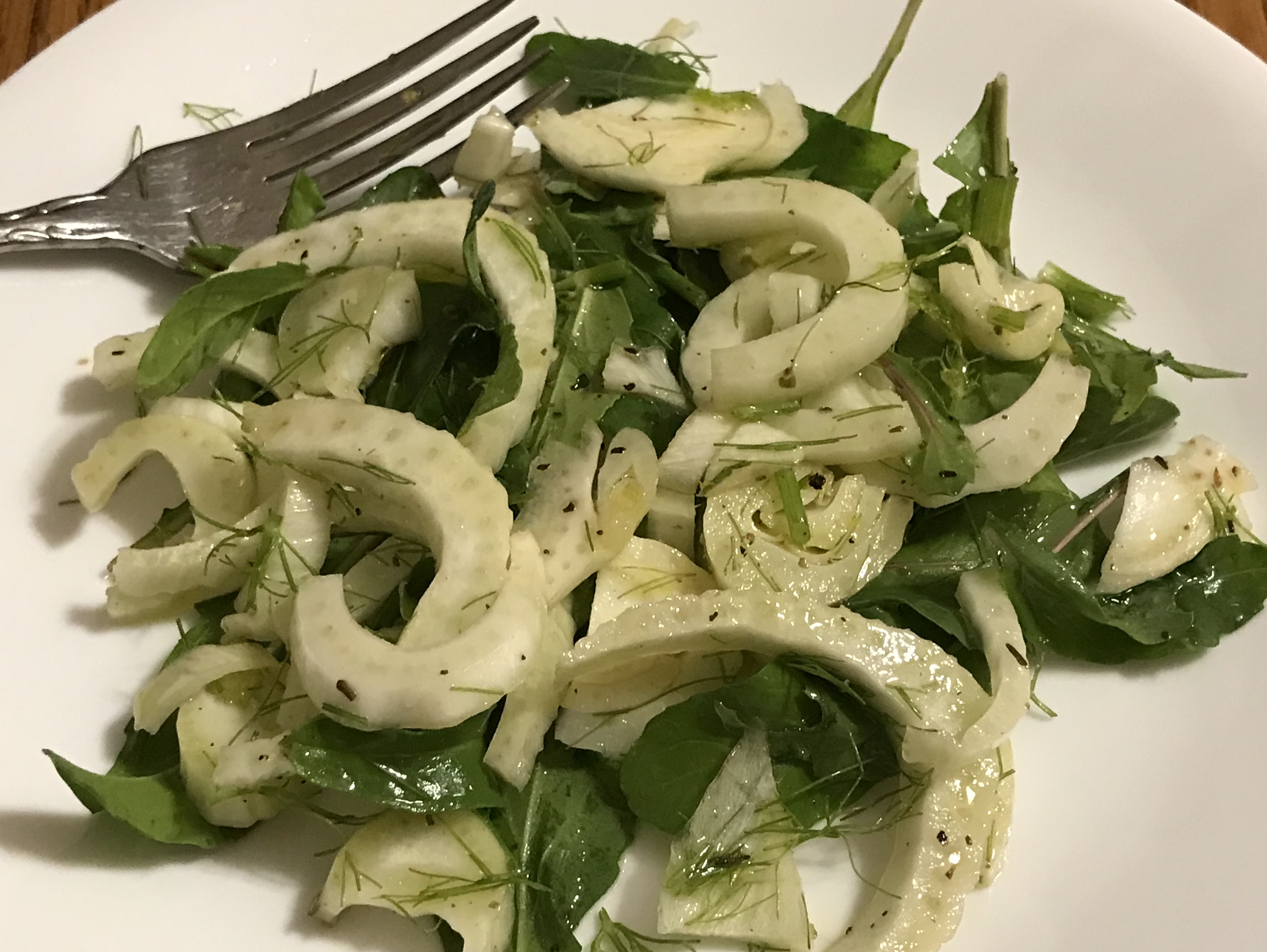
            The fennel and watercress made for a fascinating combination. Supposedly, Medieval Florentine wine merchants would give potential buyers fennel to snack on, hoping it would overwhelm their taste buds and make wine faults less noticeable. Here the sweet, licorice-like flavor served no such nefarious purpose. The watercress was distinctly peppery, much like arugula, which was a nice contrast with the fennel.

As the author says, the secret is the syrup. And the whipped cream.

            Everything was good, but the orange ring cake was incredible. The cake itself is flavored with grated orange peel, which seems to be popular in Italian recipes. The juice, meanwhile, goes into a syrup with lemon juice, which gets drizzled on the hot cake after baking. It was delicious, and would probably be even better if holes were poked in the cake first to let the syrup soak in more. Whipped cream was a delightful contrast to the sweet and tart flavor, in a fascinating change of pace from regular chocolate and yellow cakes. Not that there’s anything wrong with those, especially with fluffy homemade chocolate frosting, but the orange cake was delicious and pretty.

Standard
food history

Foods Not Eaten: Personal Taste Part 1 (Blue Cheese, Boiled Eggs, and Raw Seafood)

Blue/Funky Cheeses: Stilton, Stinking Bishop, Epoisses de Bourgogne, Fourme d’Ambert, Roquefort, Gorgonzola, Cabrales, Picon Bejes-Tresviso, Kase mit Musik, Liederkranz Cheese

Boiled/Runny Eggs: Aselila (walnut egg salad), Deviled Eggs, Fried Eggs, Pidan (preserved duck egg)

Raw Seafood: The Oysters of Locmariaquer (farmed there or elsewhere in Brittany), Nieuwe Haring (new herring eaten raw), The Fine Art of Oysters (view but not eat), Sild (Scandinavian herring), Pickled Herring, North Atlantic Clams on the Half-Shell

1000 Foods (pgs. 27 – 28, 87, 91, 127 – 128, 195, 257, 298 – 299, 592 – 593, 381, 555 – 556, 571 – 572, 778 – 779, 108 – 109, 155 – 157, 342 – 344, 457 – 458, 604 – 605)

            Everyone has their own personal tastes, so we all have different opinions about what to eat at least once in our lifetimes. For the most part, I trust Mimi Sheraton’s advice on this, but there are a few things I just don’t like. Most notably, there’s strong cheese, hard-cooked egg yolks, runny eggs (usually), raw seafood (usually), meat or fish in gelatin, ketchup, mayonnaise, most bottled salad dressings, or anything with the “wrong” temperature or texture.

            If that sounds familiar, like it might be autism-related, that’s certainly possible. I am, in fact, on the autism spectrum, which might be how I’ve managed to stay obsessed with this project for so many years. It could be a sensory thing, and I do have sensory issues with loud noise and rough/itchy clothing. On the other hand, it could also be a learned behavior. My mom won’t eat most of those things either, except for bottled salad dressing.

            Let’s start with a common aversion: blue or stinky cheese. Even when it’s a type safe to eat, I find visible mold on or in cheese most unappetizing. It isn’t just the appearance. When ground into a burger, blue cheese messes up the taste. That means there’s no point trying Stilton (British), Fourme d’Ambert, Roquefort (both French), Gorgonzola (Italian), Cabrales, or Picon Bejes-Tresviso (both Spanish). Stinky cheeses are also out. No matter how good the flavor is, getting past a “mushroomy,” “barnyard,” or “putrid” (all descriptors used in the text) smell is a tall order. That eliminates four more cheeses: the British stinking bishop, French epoisses de Bourgogne, German kase mit musik, and American Liederkranz.

            For eggs, I don’t like hard-cooked yolks, which smell like sulfur and have a weird texture. Deviling the eggs doesn’t solve either issue, and even looking at egg salad grosses me out. A poached or fried egg is sometimes okay in soup or on a burger or rice bowl, as long as the yolk isn’t cooked hard (texture issue just like hard-boiled eggs), but I don’t usually like runny eggs either. Ideally, they should be scrambled and fully cooked, used in an omelet, quiche, or casserole, or mixed into baked goods. Two exceptions to this rule are Tollhouse chocolate chip cookie dough and my homemade brownie batter. Since I can’t taste the raw eggs, they are no longer gross. And no matter now good the Chinese preserved duck eggs, sometimes called century eggs, are, they look scary.

            The Dutch, Scandinavians, and New York Jewish population seem to like herring, either raw or pickled, but I do not. This might be a partially learned behavior, since my mom hates the smell of seafood (and is actually allergic). Regardless, the idea of eating whole raw herrings, bones, skin, and all, is not appealing. They have a fairly strong, “fishy” flavor, and the texture is off. Oily fish like (presumably) snoek are also too strong. Raw oysters have a slimy texture, and I can’t imagine raw clams being any better. They make a pretty still-life painting, but actually eating them is another story.

            Speaking of oysters in the French region of Brittany, here’s a story our tour director told us on the way back to Paris from Versailles. On a previous tour, most of the group decided to get (raw) oysters in the Breton former pirate city of Saint-Malo, since the area is famous for them. The tour director himself and a handful of people opted for crepes instead. You can probably guess where this is headed. The only people who didn’t get sick were the crepe group. Everyone else was miserable for the next few days. When we got to Saint-Malo a few days later, I went with the safe option. Brittany is also known for buckwheat crepes, with both sweet and savory fillings. The buckwheat crepe with ham, cheese, and egg was delicious and affordable, even in a touristy area. After eating some real food, I could enjoy a few buttery pastries and walk off the calories exploring. Bottom line: unless you really like oysters, stick with the crepes and pastries.

Standard
food history, french cuisine, italian cuisine

Foods Not Eaten: Prohibitive Cost

Poularde en Demi-Deuil (chicken with black truffles), Insalata de Ovoli e Tartufi (oval mushroom and white truffle salad), Risotto Piedmontese (with white truffles)

1000 Foods (pgs. 118, 198, 233)

            You’ll probably notice a theme here. Truffles, particularly from the Perigord region of France and Piedmont region of Italy, are really expensive. There are two reasons for this. First, they are highly sought after. Second, these varieties have resisted all attempts to farm. Truffles generally only grow among the roots of oak and chestnut trees, but not with any predictability. They must be foraged by truffle hunters with trained dogs. Based on the laws of economics, a limited supply plus high demand equals high prices. Truffles’ reputation as an aphrodisiac, whether accurate or not, only increases their allure.

            At one time, truffle hunters used pigs, which are great at sniffing out the elusive fungi, even under several inches of soil. Problem was, pigs also like to eat the truffles, so the industry switched to dogs, who are content with a treat and some petting. Since pigs also disturb the soil when rooting out the truffles, making it harder for the spores to grow new tubers, their use has since been banned in many areas.

            While actual truffles from Perigord and Piedmont are too expensive, especially for a fungus that grows in the dirt, the chocolate variety is another story. Made of chocolate and cream and rolled in cocoa powder, they only resemble the fungus in appearance. The great thing about chocolate truffles, aside from how easy they are to make, is how customizable they are. Dark chocolate orange, milk chocolate mint, white chocolate mocha, rolled in chopped almonds, the possibilities are endless.

Standard
beverages, food history, italian cuisine, recipes

Northwestern Italy’s Afternoon Pick-Me-Up: Bicerin

1000 Foods (pgs. 165 – 166) for information, recipe is my own creation

            Italians seem to love their coffee, but have some interesting opinions about what kind of coffee to drink when. Any coffee with milk, such as cappuccino, should only be drunk in the morning. Maybe that’s because many Italians don’t eat much breakfast and need the calories. Unless they’re drinking gallons of café lattes or adding sweeteners, they probably won’t be getting many, but maybe black coffee is too irritating on an empty stomach. It seems like adding milk to coffee in the afternoon, or after dinner, would cut the caffeine and allow for better sleep, but apparently that’s culinary heresy. But I don’t care for coffee unless it has a fair amount of milk and sugar, so what do I know?

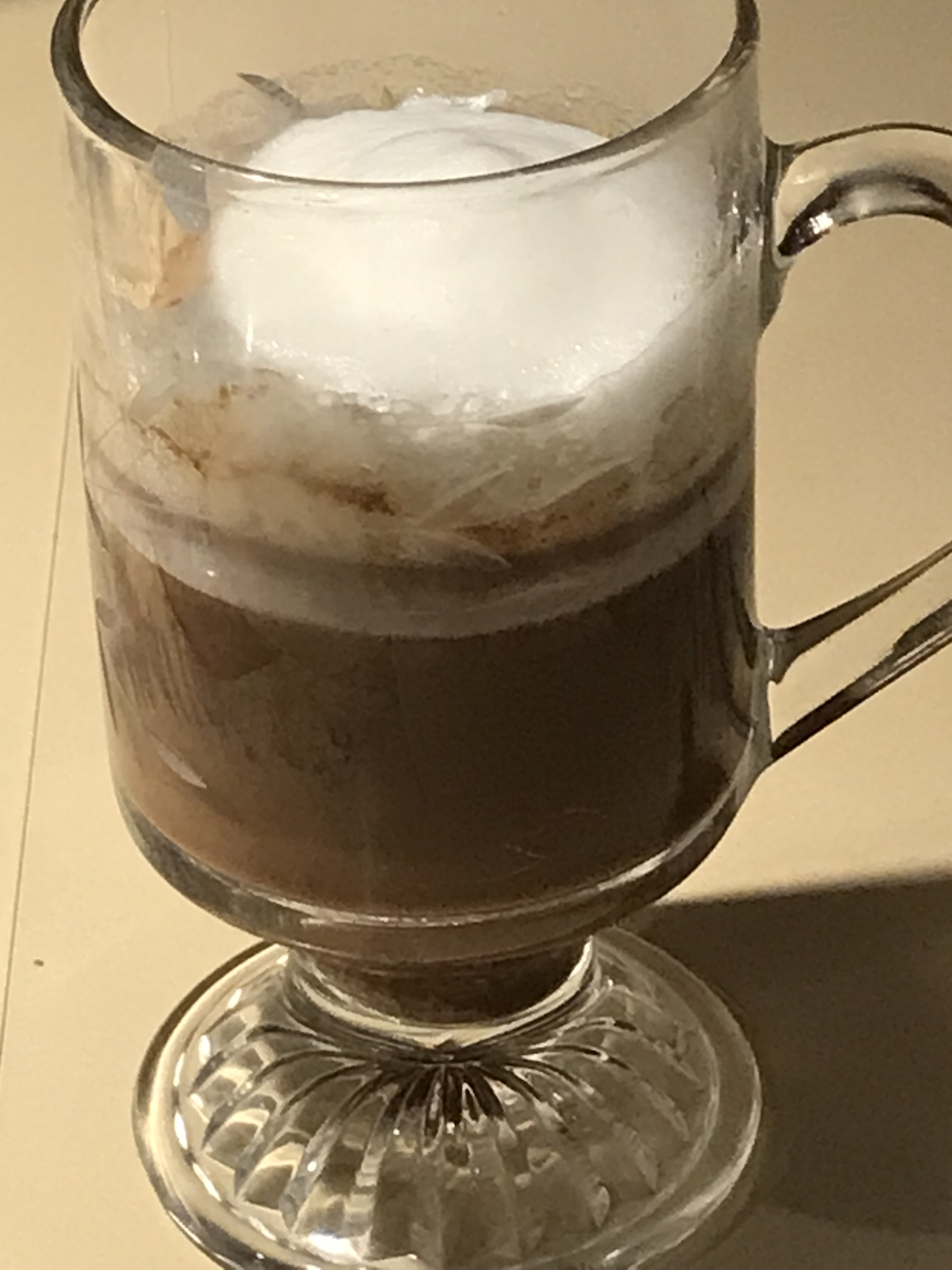
            One particularly delicious coffee drink is bicerin, essentially a fancy layered mocha native to Turin. A number of 19th Century authors loved it. To enjoy it at home, a heatproof glass is essential, as is “a steady hand,” in the words of Mimi Sheraton. The servings are small by American standards, but the drink is rich and meant to be savored. Espresso goes into the glass first, followed by thick hot chocolate. If this is done correctly and the chocolate is thick enough, it will sink to the bottom. Foamed milk goes on top, carefully, so it will stay separate, at least temporarily. Bicerin is not stirred. Rather, the layers mix as you drink it, and flavor gradually shifts from mostly coffee and milk to mostly chocolate.

            Charges of culinary heresy aside, bicerin is a great afternoon treat. Drinking it in the morning seems like a recipe for a sugar crash before lunch. Plus, it’s a bit fiddly to make, not ideal for someone who isn’t a morning person. For the right consistency, almost like a syrup, the hot chocolate should be made from scratch with chocolate pieces and milk. 2 ounces of bittersweet chocolate and 4 ounces (1/2 cup) of milk seems to be the right amount for two servings. Espresso needs to be made, and milk needs to be heated and foamed. For two servings, 6 ounces of espresso and 1 cup of a 50/50 mix of milk and half-and-half is about right. None of this is particularly difficult, but having all three elements hot and ready at the same time can be a logistical challenge to anyone still half-asleep.

            So in summary, you need: 2 ounces of bittersweet chocolate, 1 cup milk, 6 ounces espresso, and ½ cup half-and-half. Melt the chocolate in half of the milk, stirring frequently, until smooth. Remove from heat. Prepare the espresso however you choose. Combine the remaining milk with the half-and-half and heat, whisking almost constantly, until the mixture is foamy and steaming. The coffee goes in the glasses first, then the chocolate. Spoon the milk foam over the top, don’t stir, and serve. And enjoy by mid-afternoon at the latest. With three ounces espresso and an ounce of dark chocolate per serving, it will keep you up otherwise.

Standard
food history, italian cuisine

Italian Christmas Treats After Christmas

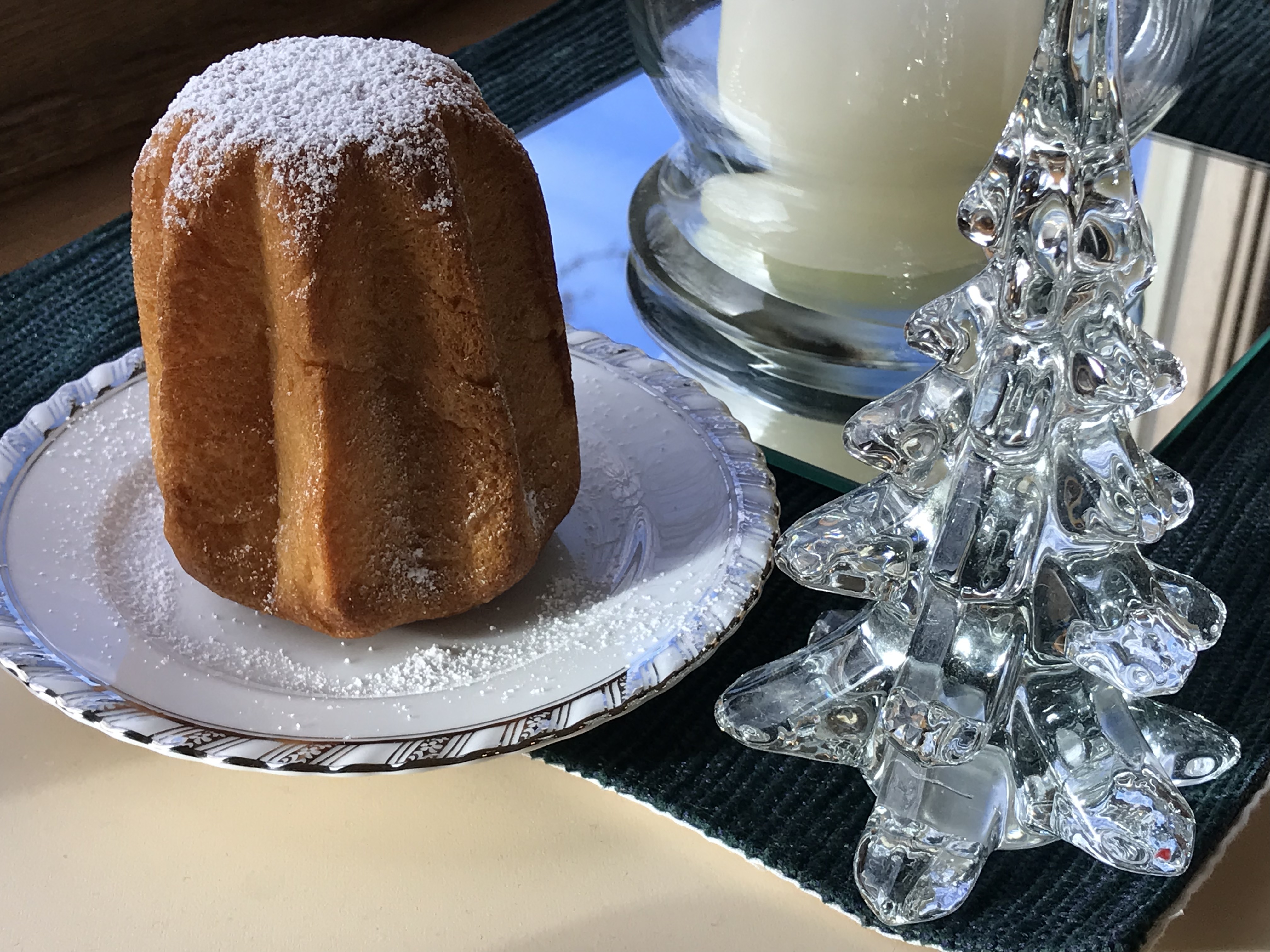
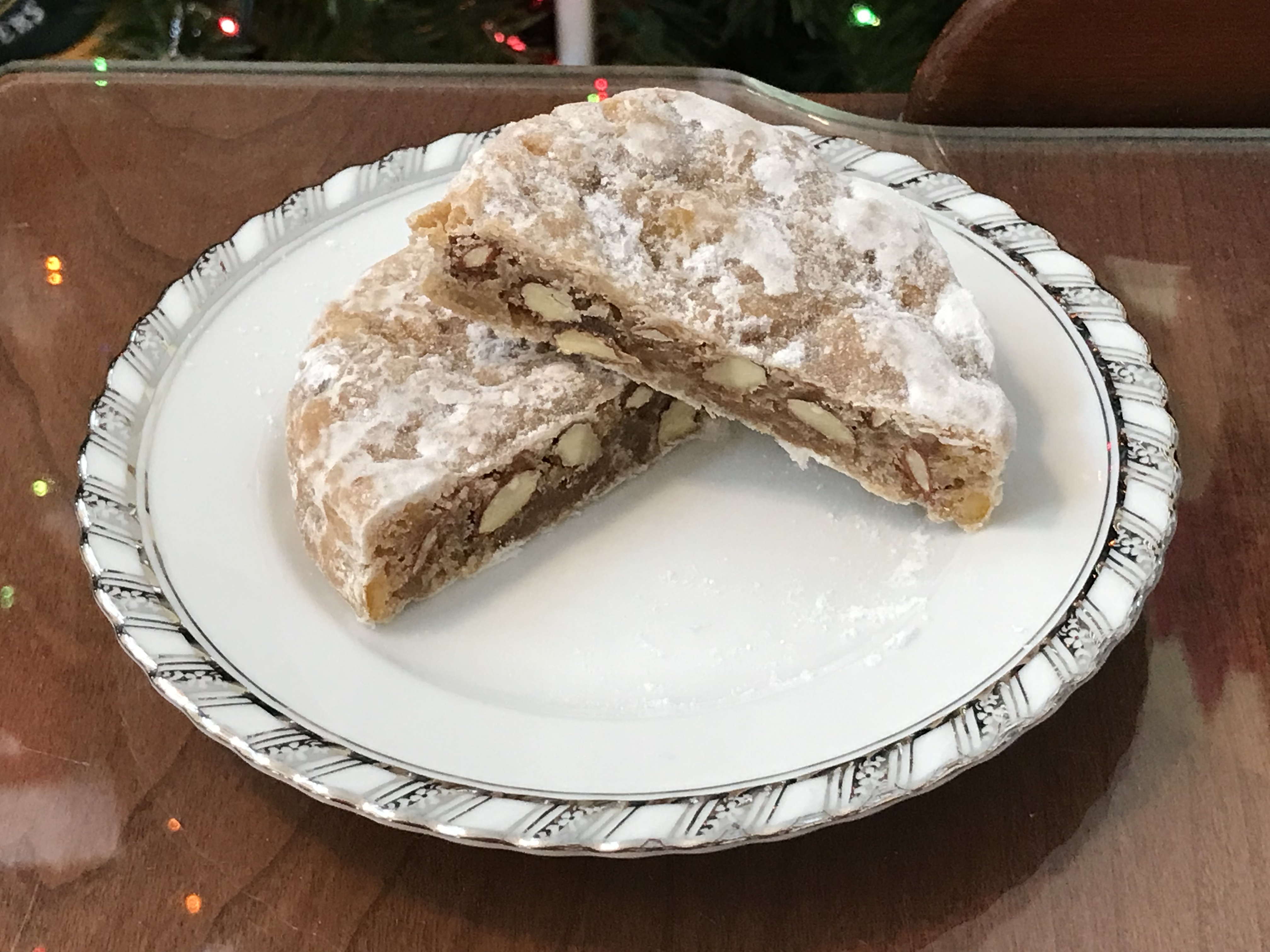
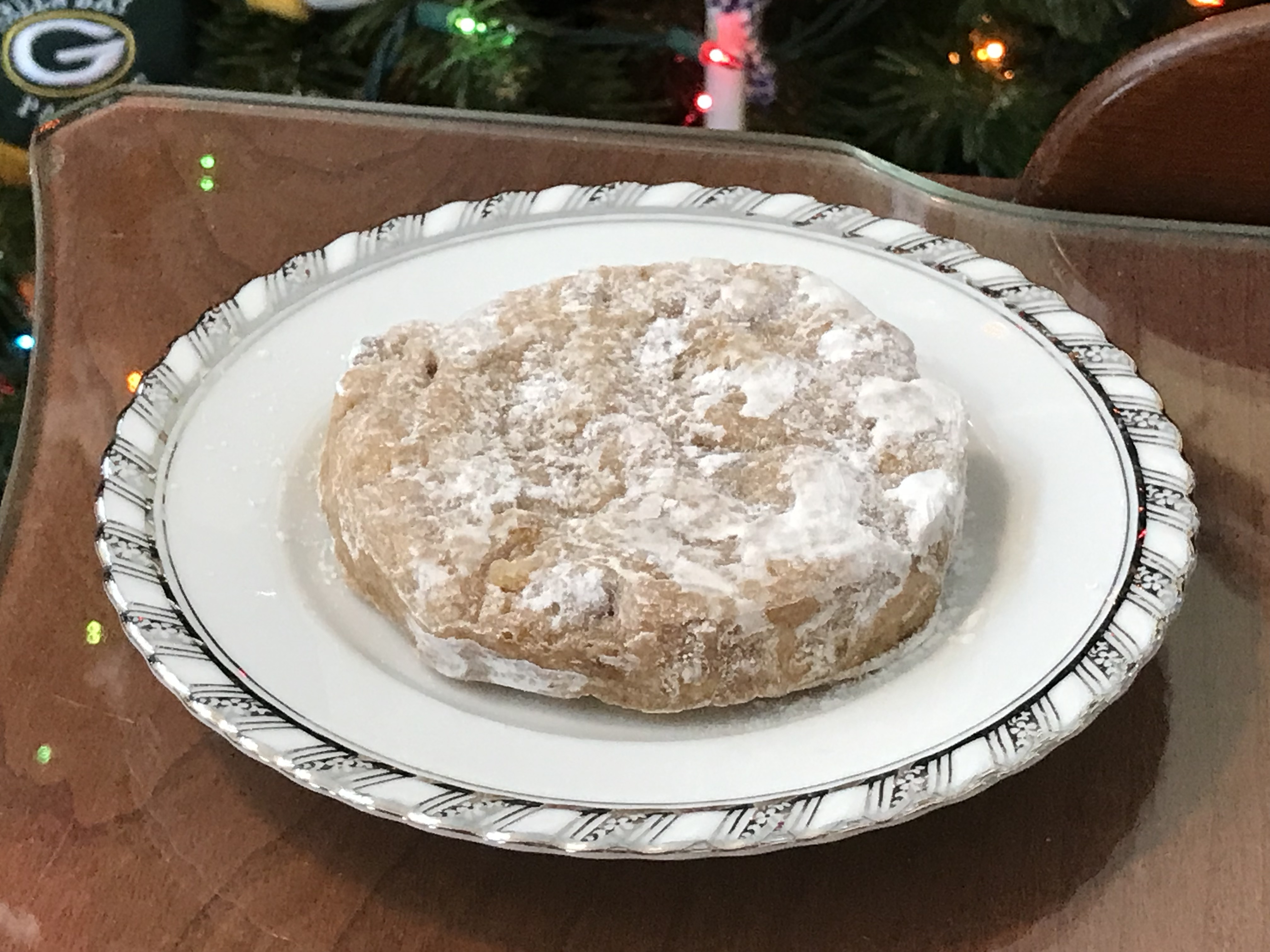
Panettone, Pandoro, Panforte

1000 Foods (pgs. 214, 215)

            Looking at the names of these three treats, you probably noticed something. The all start with the word part “pan,” Italian (and Spanish) for bread. Festive breads, especially sweet enriched breads, have long been Christmas specialties. Before baking powder was invented, breads and cakes were strictly leavened with yeast. As sugar was much more expensive in the past, dried fruits were a frequent addition to make them sweeter. Panforte isn’t actually a bread at all, but still has the name.

            Panettone is a perfect example of these sweet, special occasion breads. Its exact origin is unclear, and there are many stories, but one thing is certain: it was invented in Milan. The dough is enriched with lots of butter and egg yolks, which give the finished panettone a lovely golden color. Flavor comes from a combination of sugar, assorted dried and candied fruit, and warm spices. Occasionally saffron is included to make the yellow color even stronger. Over time, panettone spread from Milan to the rest of Italy, then to the rest of the world. In most places, people seem to purchase their panettone, rather than make it themselves. At World Market, I’ve seen pumpkin spice and chocolate varieties, but decided to stick to the original. They even have mini versions, for those who want a taste without a lot of extra.

            There were also mini versions of pandoro, native to Verona. It’s a vanilla-scented bread/cake, whose named literally translates to “golden bread.” Verona is located in the Veneto region of northern Italy along the Adige River, about halfway between Milan and Venice. In the Middle Ages, Verona was an influential city in its own right, trading and fighting with the other city-states that ruled most of Italy north of Rome. At one point, Milan ruled Verona, allowing another opportunity for Milanese culinary influences to spread. The Veronese not only adopted panettone, but developed their own variation.

            Further south is Siena, home of panforte. In the 13th and early 14th centuries, Siena vied with Florence and Pisa to dominate Tuscany. Florence pretty much always came out on top, but Siena managed to put up quite a fight. Some of the greatest artists of the Late Middle Ages, whose work would eventually pave the way for the Renaissance, lived and worked there. By 1348, construction was underway on what was to be the largest cathedral in Europe. Then the plague struck.

Not a rice cake

            The Black Death first arrived in Sicily in late 1347. Over the next six years, it reached every corner of Europe. Mortality rates varied, but tended to be higher in urban areas, where there were enough hosts for the bacteria responsible to keep circulating. Heavily urbanized Italy was among the worst affected. Many of the large cities had death tolls of 50 or 60 percent, compared to the continental average of about one third. Records suggest that Siena lost about 80 percent of its population. Even if some losses came from citizens fleeing to the countryside, the death toll was devastating. Siena never fully recovered. The cathedral remains unfinished to this day. Tuscany as a whole suffered greatly, but the story wasn’t over.

            Florence rebounded, becoming the birthplace of the Renaissance. Even Siena, despite its setbacks, produced a few more great artists of its own. In the culinary sphere, Siena contributed the almond cookies called riciarelli, and panforte. Despite its name, panforte is made of nuts and dried fruit, not bread. The mix is spiced much like panettone, and honey holds everything together. Conveniently, World Market also carries those in miniature.

            All three were pleasantly sweet and festive. It took a while to get used to the panettone and pandoro, since they were kind of a cross between bread and cake. With the exception of cinnamon rolls, sweet yeast-leavened breads are not as common in America as in Europe. The rich vanilla pandoro and warmly spicy, fruity panettone and panforte were enjoyable, but I still prefer the usual holiday treats – peppermint cookies, buttery cutouts, brownies with peppermint ice cream, the toffee-coated cereal the neighbors brought over, etc. And candy. Lots of candy.

Standard
food history, italian cuisine

Cook’s Tour of Italy Menu 59 (Pgs. 189 – 192): Abruzzi Polenta Dinner

Region: Umbria/Marches

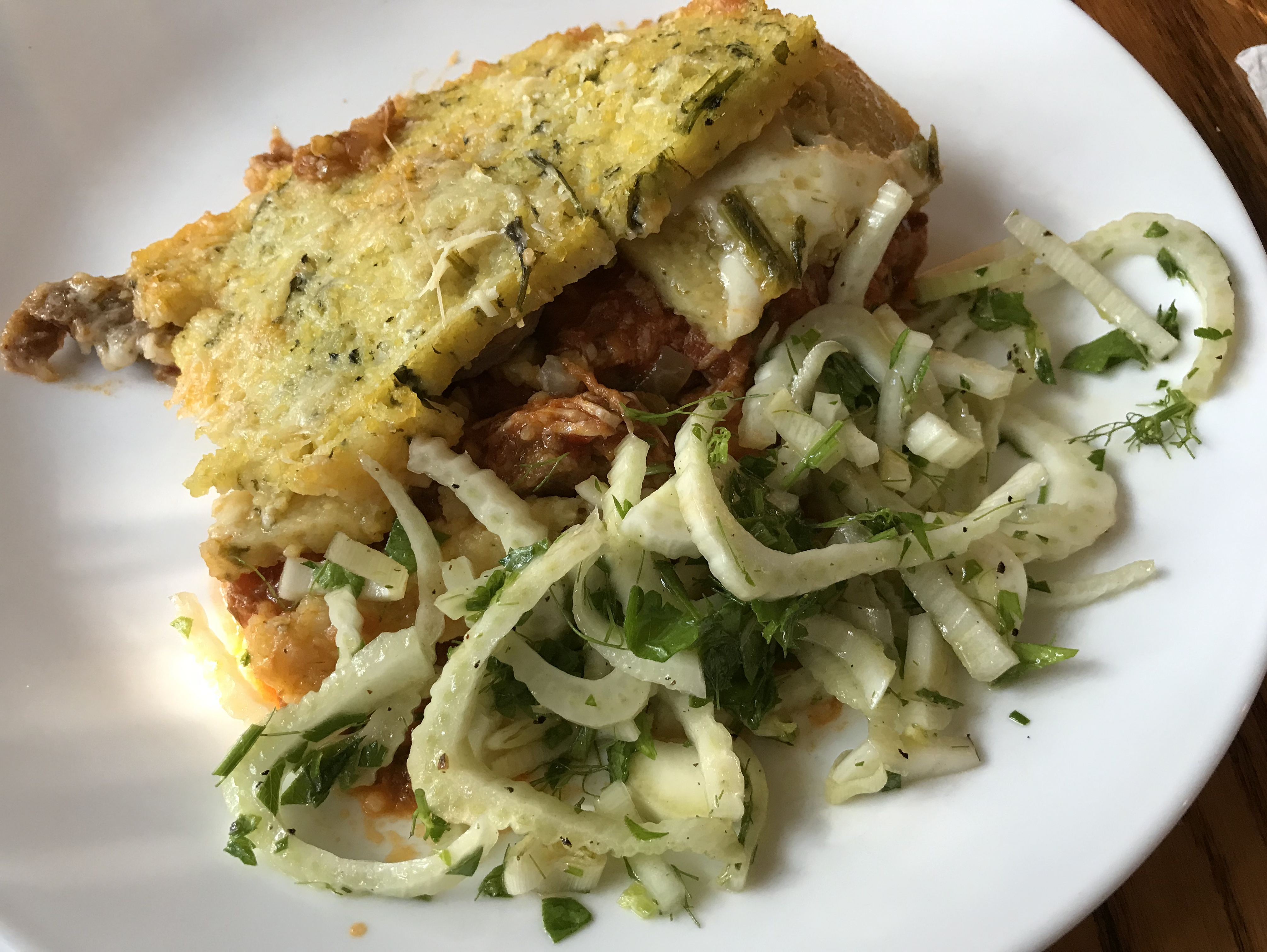
Menu: Spicy Polenta with Cheese, Broccoli Rabe, and Sausages, Fennel Salad with Parsley, Pineapple Sorbet

Recommended Wine: San Giorgio (full-bodied Lungarotti red, made in Torgiano [Note: I don’t actually know much about wine. This is just what the author recommends, but I haven’t actually tried it.])

            In a previous post, I wondered why corn-based polenta caught on widely in northern Italy, but not the south. Almost by accident, I came across the answer while watching a video on US geography. While discussing the tactical advantage provided by vast stretches of Midwest farmland, the narrator brought up an interesting point. Corn is more often grown in the eastern part of the region, around the Great Lakes, because this area has higher rainfall and corn needs more water. Wheat, with lower water requirements and greater drought tolerance, thrives on the drier Great Plains. Since southern Italy is drier than the north, I think I may have found the answer.

            Since ancient times, people across Italy have made polenta with a variety of grains, especially millet. Once corn was introduced from the Americas, it quickly became dominant due to its high yields. On the one hand, this was great, because it meant more available calories, but there was a problem. Much of the protein and niacin in corn is chemically “locked up,” unavailable to the body unless the grain is processed in an alkaline solution. This process, called nixtamalization, was widely used in the Americas, but didn’t find its way across the Atlantic. In places where the poor came to rely on corn, such as northern Italy, many people developed niacin deficiencies. This resulted in the disease pellagra. Those higher on the social scale may have eaten corn-based polenta, but consumed enough other foods to avoid getting sick.

            Here the polenta is chilled, sliced, and layered with other ingredients, almost like a lasagna. There are slices of hot Italian sausage, pork-infused tomato sauce, mustard greens for broccoli rabe, and grated provolone and pecorino cheeses. Scamorza cheese is popular in Abruzzi, a mountainous region along the Adriatic coast, but it was unavailable near me. Since provolone is similar, I used that, with good results. Personally, I still prefer pasta in lasagna, but the sliced polenta was an interesting change of pace.

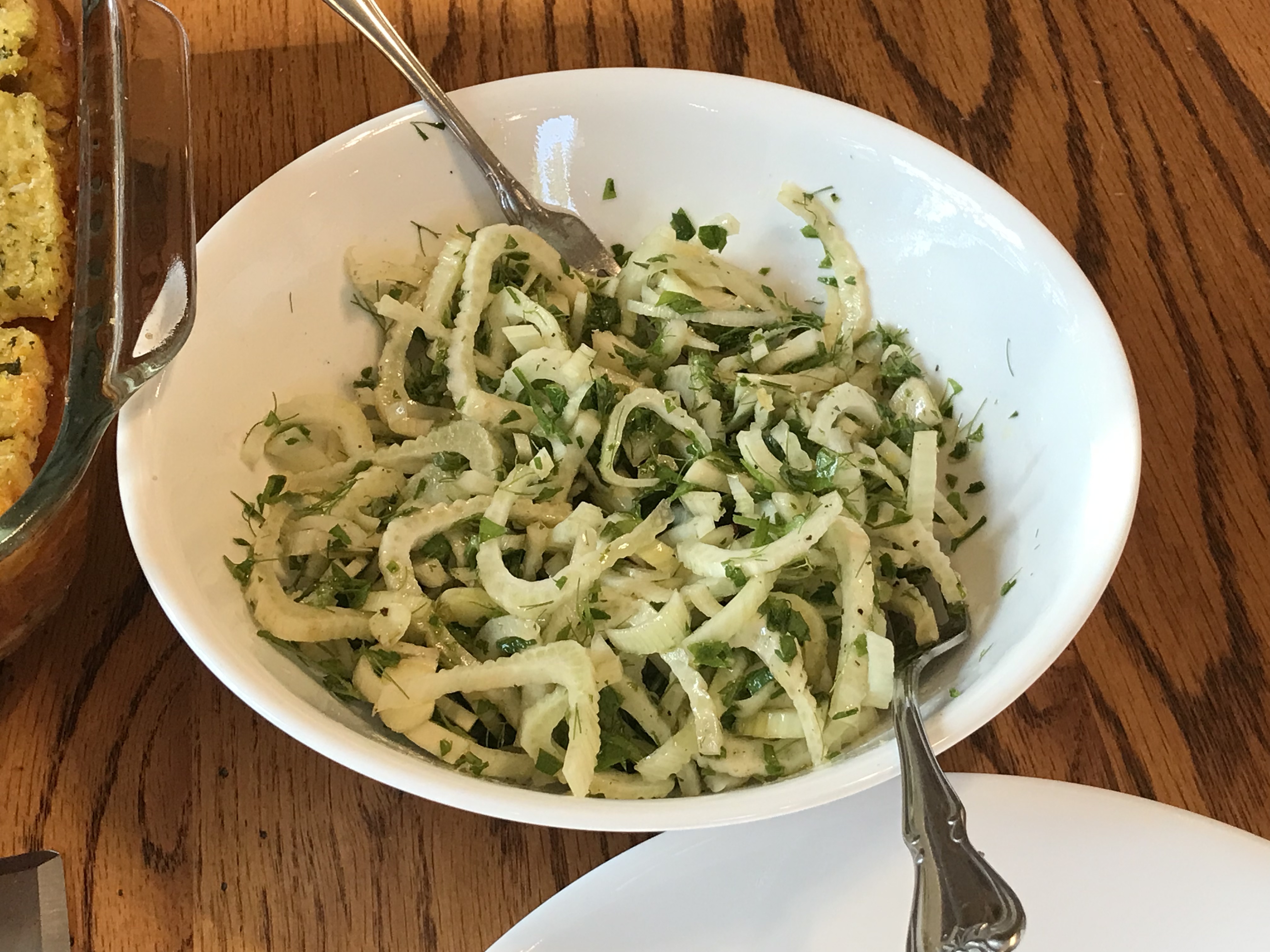
            The fennel salad provided a fresh contrast to the strongly-flavored polenta, as did the sorbet. Interestingly, in addition to the pineapple juice, lemon juice, and sugar, this sorbet recipe had gelatin. It took a lot longer to solidify in the ice cream maker, but the texture was extra smooth and almost creamy. The sorbet also melted much more slowly than most. I omitted the strawberry sauce, but even plain, the pale-yellow sorbet looked beautiful in the coupe glasses. It tasted just as good.

Standard
food history, italian cuisine

Cook’s Tour of Italy Menu 12 (Pgs. 48 – 52): Restaurant-Style Dinner in Pisa

Region: Tuscany

Menu: Yellow Pepper Soup, Chicken with Ricotta and Tarragon Under the Skin, Green Beans with Pancetta and Savory, Tiramisu with Amaretto

Recommended Wine: Young Chianti (Tuscan red) or Lacrima d’Arno (local white)

            The world-famous Leaning Tower of Pisa was originally designed to be a bell tower. In the Middle Ages, Pisa was one of Europe’s leading naval powers, rivaling Genoa and Venice. Pisan fleets battled Arab emirs in Sicily and Sardinia, eventually gaining control over much of the latter. During the 11th and 12th centuries, Pisa was flourishing from trade and ready to show off. To do so, they built a fabulous cathedral complex. As was common at the time, the baptistry and bell tower were built separate from the main cathedral. The bell tower was built on soft soil and soon began to tilt, hence the nickname.

            The main cathedral is a prime example of Romanesque architecture, characterized by heavy construction, rounded arches, and relatively small windows. It was built in the late 11th and early 12th Century, around the same time as St. Mark’s in Venice. I haven’t been to Pisa, but based on pictures, the interiors are similar. Byzantine-style mosaics and gold leaf decoration are reminders of just how important both trade and the Ancient Roman influence were on Medieval architecture. In the 13th Century, Gothic architecture, with soaring ceilings, pointed arches, flying buttresses, and dazzling stained glass windows, came to dominate Europe, but many Romanesque elements made a comeback in the Renaissance. In the 19th Century, there was a neo-Gothic trend. Who knows what the future might bring?

            As far as food is concerned, Pisa seems to have a lot in common with the rest of Tuscany, with more seafood included. This is hardly surprising, since unlike Florence, Siena, and Lucca, Pisa is close to the coast, where the Arno River flows into the sea. By controlling this strategic port, the city was the gateway between western Mediterranean merchants and Tuscany’s hill towns. Here the protein is chicken, specifically Cornish hens, served with green beans, preceded by yellow pepper soup, and followed by tiramisu.

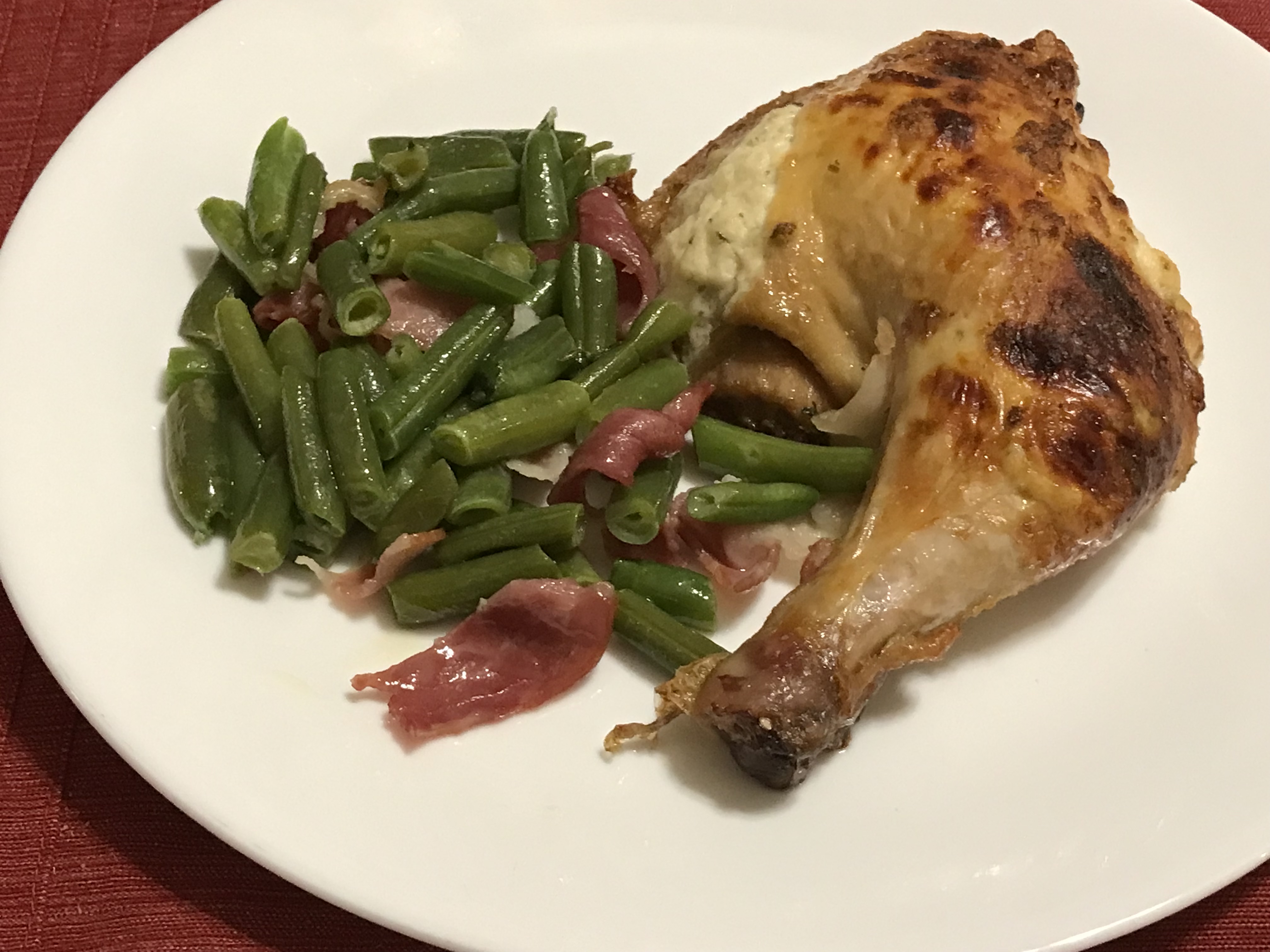
            Only the chicken dish could date back to Pisa’s Medieval glory days. The Ancient Romans had chicken, ricotta cheese, and a variety of herbs, as did later Tuscans. The wealthy, who were most likely to eat chicken or other poultry, often preferred spices or fruit with it, but may have eaten it with these less prestigious flavorings when they weren’t trying to impress someone. I replaced the halved Cornish hens with chicken thigh/leg quarters, since they’re easier to eat. The tarragon didn’t necessarily have a distinctive flavor, but the dish as a whole was enjoyable.

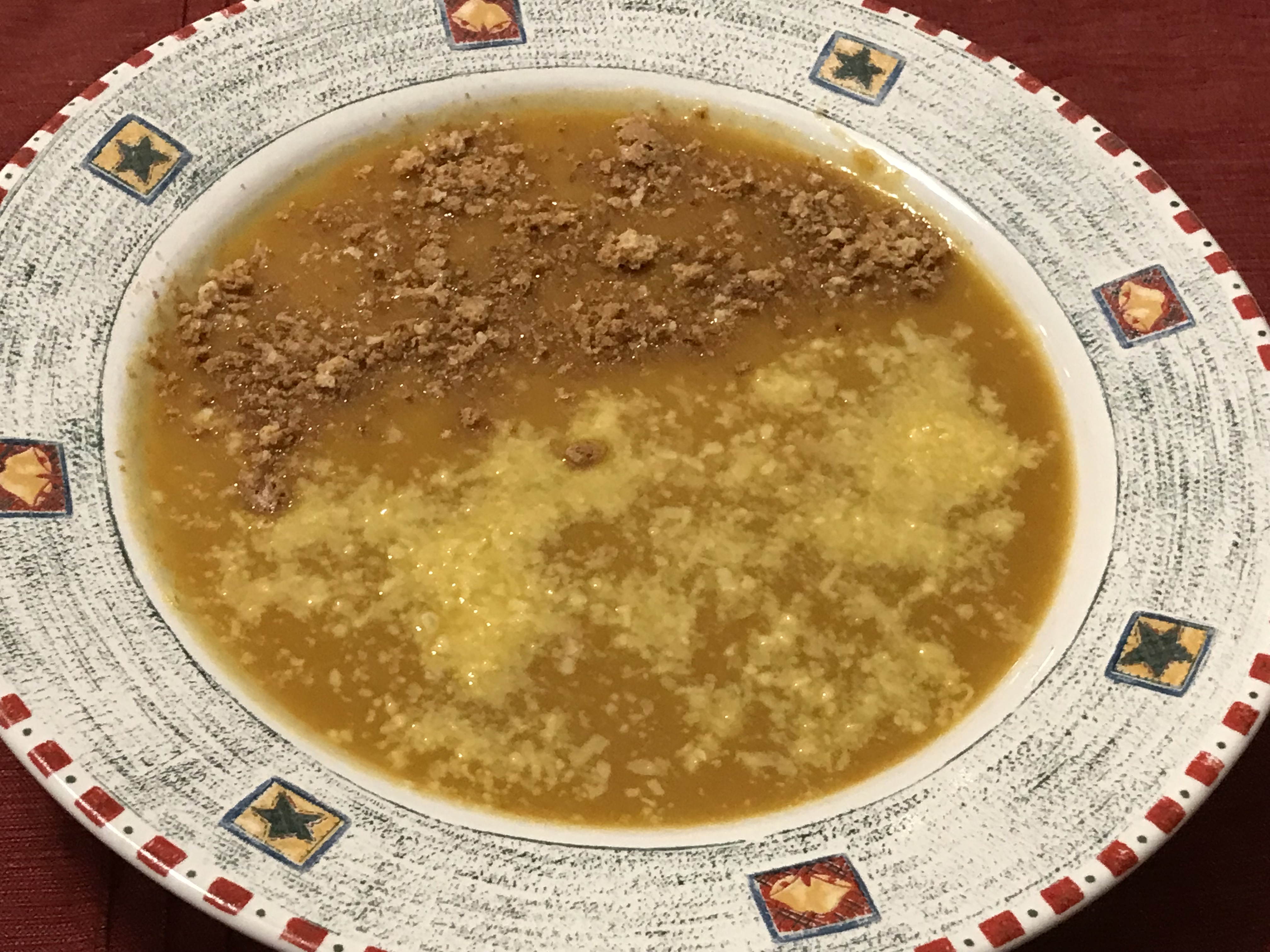
            The yellow peppers in the soup, plus the potatoes used to thicken it, came from the Americas, but the topping is Medieval in character. Half of each serving is topped with grated parmesan, half with crushed amaretti. This combination of sweet and savory is less common than it once was, at least in western cuisines, but it worked well here. The soup tasted good, though I would have preferred a bit more texture.

            Pancetta is much like unsmoked bacon, and green beans with bacon are hard to mess up. I used bacon pieces that I already had rather than buy pancetta. The marjoram/savory didn’t affect the flavor much, but the dish wasn’t lacking in it. New world green beans and old world cured pork work perfectly with each other.

Tasted better than it looked

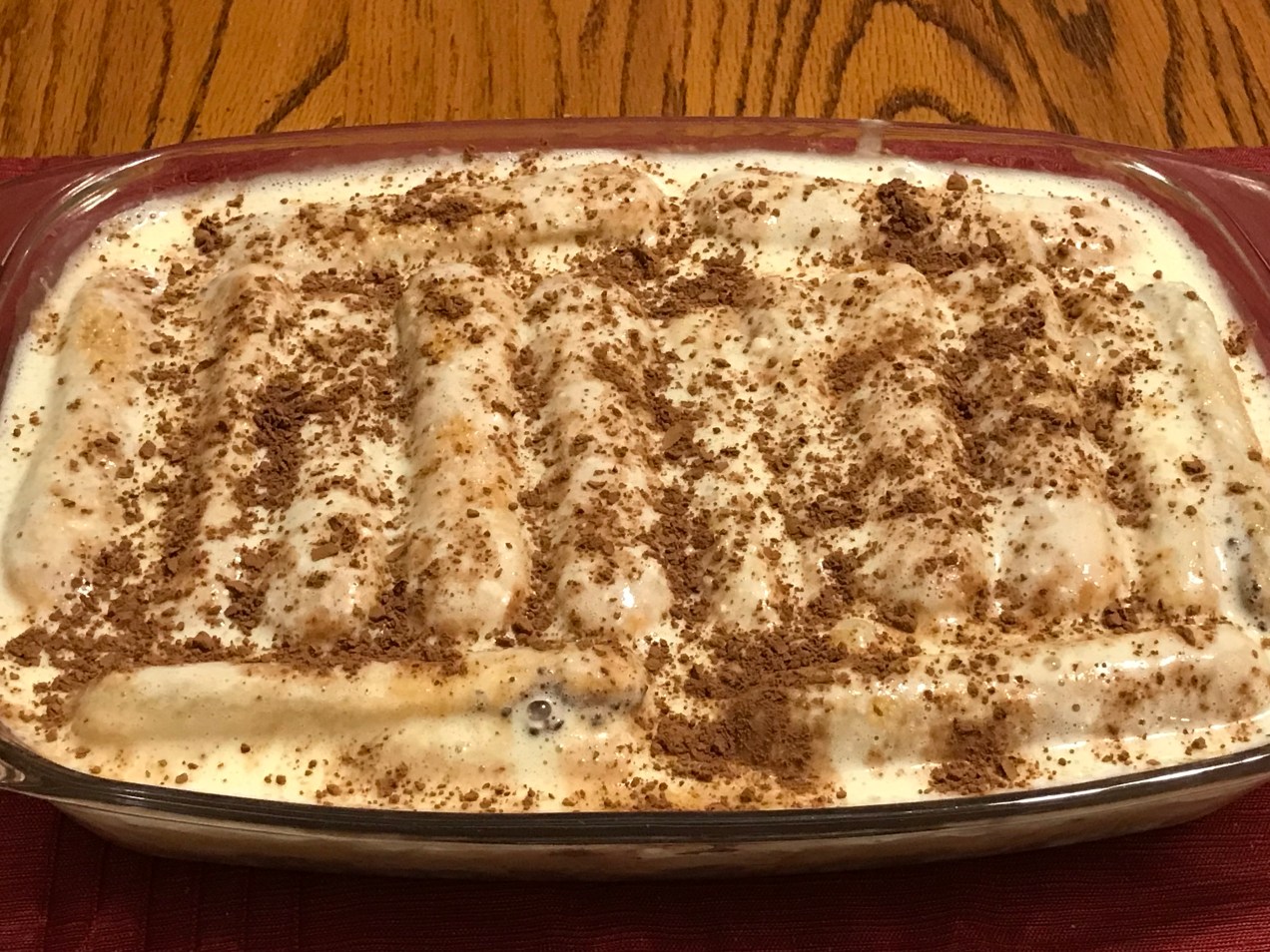
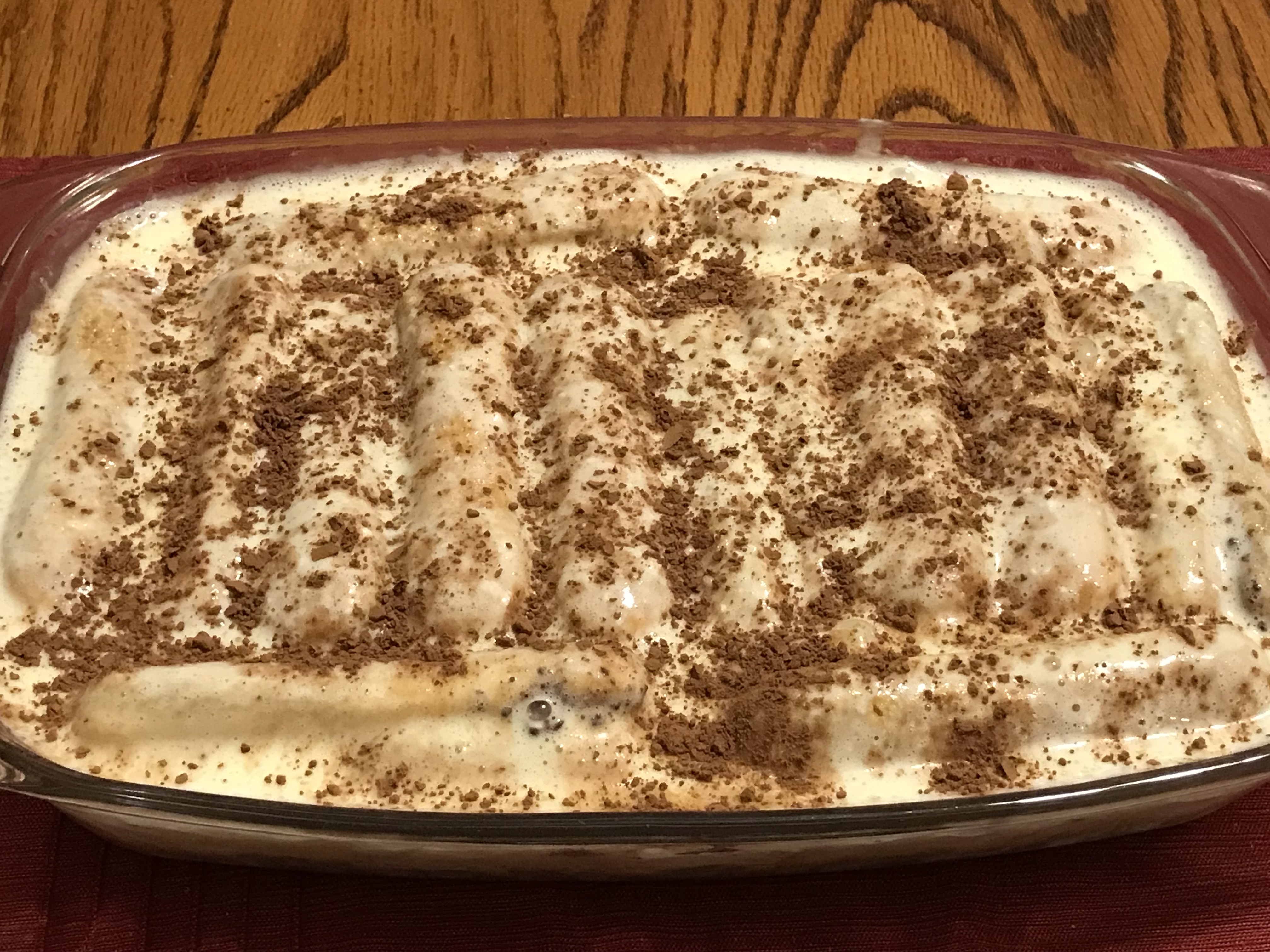
            The coffee in tiramisu originally came from East Africa, then spread to the Middle East. Coffee seems to have reached Europe in the late 16th Century via Venetian trade with the Ottoman Empire. Tiramisu came later, in the 20th Century. Supposedly, the layered dessert of ladyfinger biscuits, coffee, mascarpone custard, and grated chocolate or cocoa powder was invented in the Veneto region around the middle of the century. Its name means “pick-me-up,” which the coffee, sugar, and chocolate achieve. Presumably, the common variation where liquor or fortified wine is added with the coffee is less effective in this regard. Since I didn’t have amaretto and didn’t want to buy a whole bottle for one recipe, I added a few drops of almond extract to the coffee instead.

Ladyfingers, swimming in a custard lake

            The flavor was great, but the custard was runny. That was my fault. Rather than mix the egg yolks/sugar/mascarpone first, clean the mixer bowl, then whip the egg whites separately before folding them in, I mixed everything together and assumed some extra mixing time would whip in enough air. It didn’t work as hoped. The custard was runny, becoming a lake under the ladyfingers, instead of a blanket over them. I guess that’s what I get for cutting corners. It was still delicious.

Standard
Uncategorized

Cook’s Tour of Italy Menu 51 (Pgs. 166 – 168): Lasagna, Bologna-Style

Menu 51 (Pgs. 166 – 168): Lasagna, Bologna-Style

Region: Emilia-Romagna

Menu: Lasagna Baked with Meat Sauce, Bologna-Style (also mentioned in 1000 Foods)

            Let’s revisit ragu. In a previous menu, I discussed the Neapolitan/southern style, where tomatoes play a central role. In Bolognese/northern style ragu, the meat predominates, while the tomatoes are just a flavoring. The meat is ground, rather than in big pieces, and is eaten in the sauce with the pasta, rather than as a separate course. Bologna-style ragu is frequently eaten with tagliatelle (but not spaghetti), as well as in lasagna.

Advertisements

            Different types of lasagna are eaten all across Italy and have spread around the world. The type most familiar in the US features dried pasta, tomato sauce, ricotta and mozzarella cheeses, and usually ground beef or sausage. In the Naples region, recipes sometimes include slices of meatballs and hard-boiled eggs. In Bologna, fresh pasta, tinted green with spinach, Bolognese ragu, and bechamel sauce are used. Grated parmesan is the only cheese.

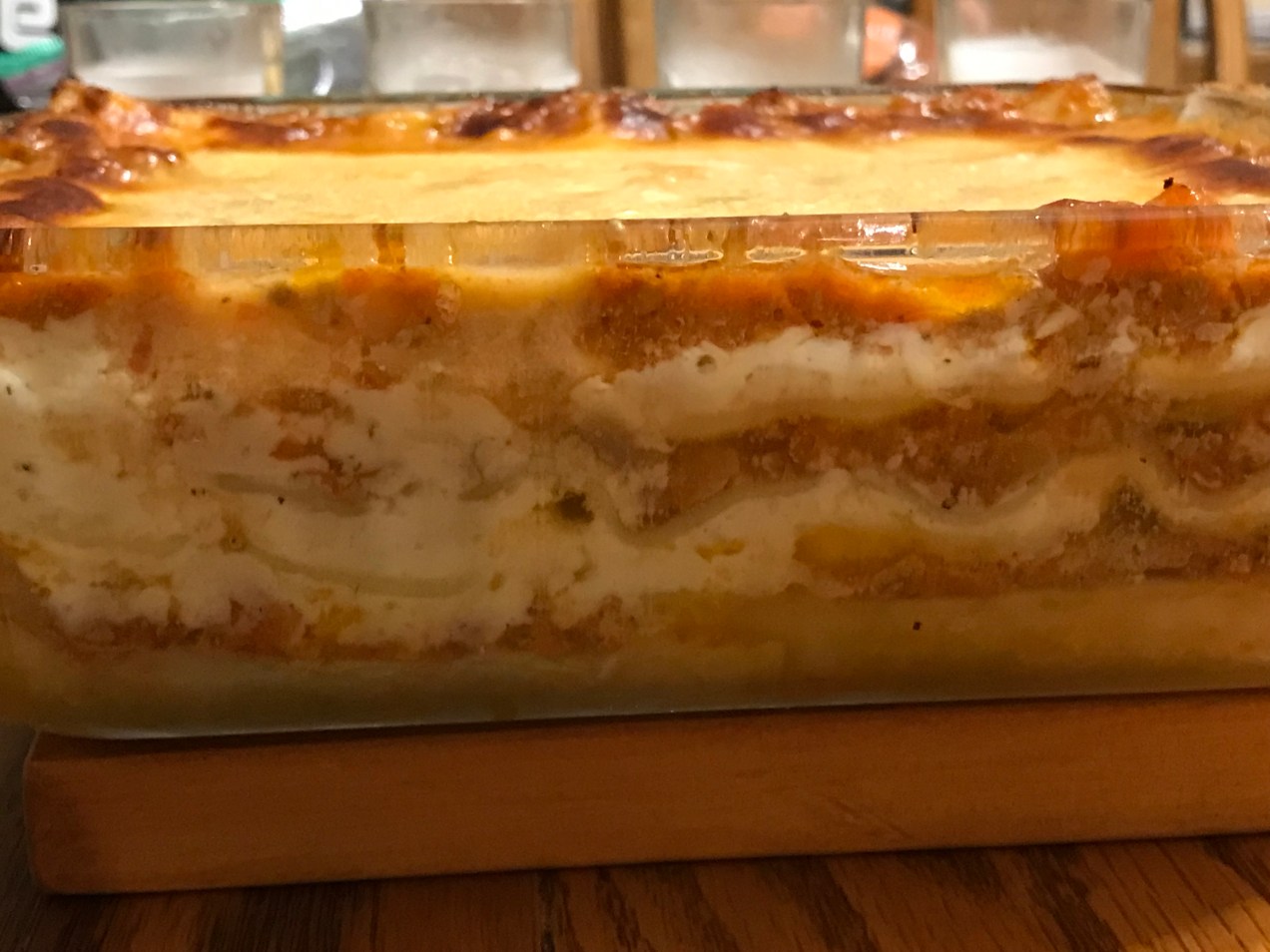
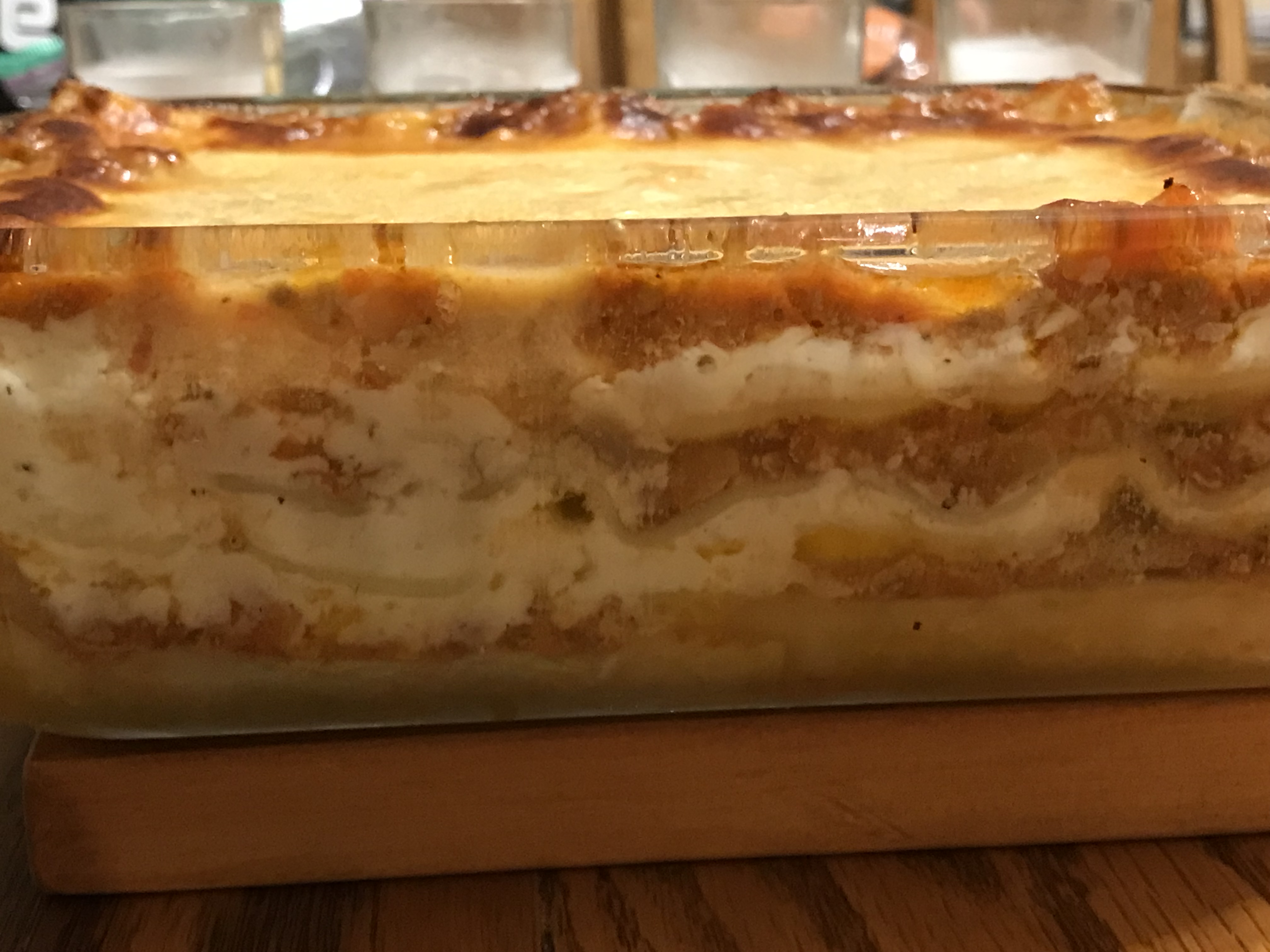
Side view, showing the layers

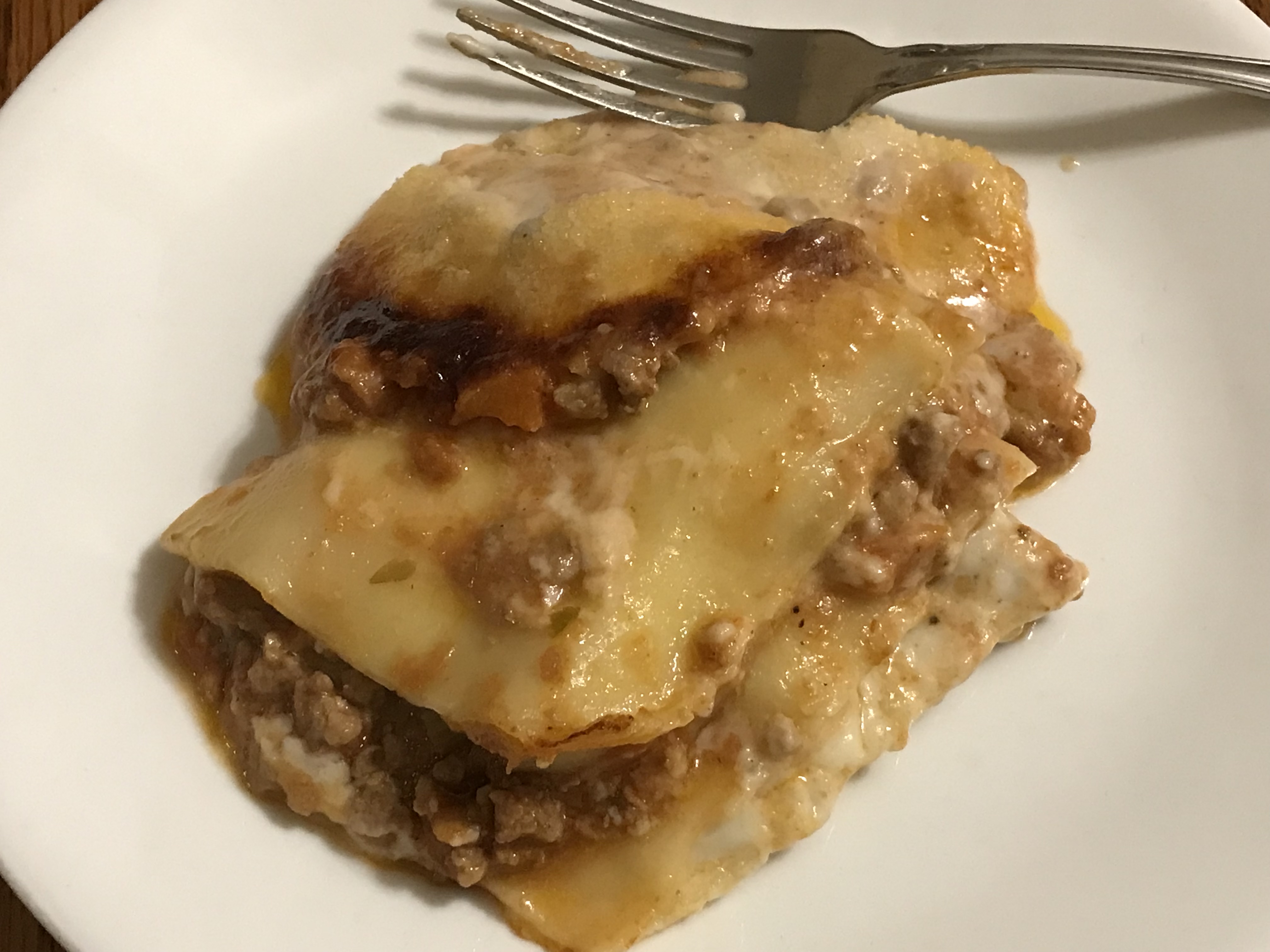
            I didn’t have fresh spinach pasta or the time to make it, so I used store-bought fresh pasta sheets, pre-cooked before layering in the dish. Since the pasta and both sauces are already cooked, the lasagna only needs to be baked until it’s heated through and the parmesan is browned. With more meat, less tomato, and bechamel in place of most of the cheese, it was a tasty change of pace from my usual “Midwest potluck” recipe.

            That said, I still prefer the Italian-American “red sauce” version. The pasta has more of an “al dente” texture, and having two cheeses is better than having just one. It does take at least an hour to bake, but this isn’t active time. But that’s just my personal preference, and the Bologna variation was good. And like all varieties of lasagna, it reheats well. The leftovers provided several enjoyable lunches.

If you enjoyed this post, subscribe to get new contents by email! It’s free, and you can unsubscribe at any time.

Standard
Uncategorized

Friuli’s Twist on Risotto: Orzotto

Friuli’s Twist on Risotto: Orzotto

1000 Foods (pgs. 211 – 212)

            Risotto comes in many varieties. I’ve already made four of them as part of menus in A Cook’s Tour of Italy, and there are several more in 1000 Foods to Eat Before You Die. This particular version comes from the Friuli region near Venice. Close to the borders with Austria and Slovenia, Friuli was even controlled by Austria for much of the 18th and 19th Centuries. During this time, and from large-scale trade before and after, a number of Germanic dishes worked their way into the cuisine of northeastern Italy. Sauerkraut is found across the region, and in Trentino-Alto-Adige, apple strudel is a local specialty. The transfer went in the other direction, too, with Italian influences reaching Vienna and beyond.

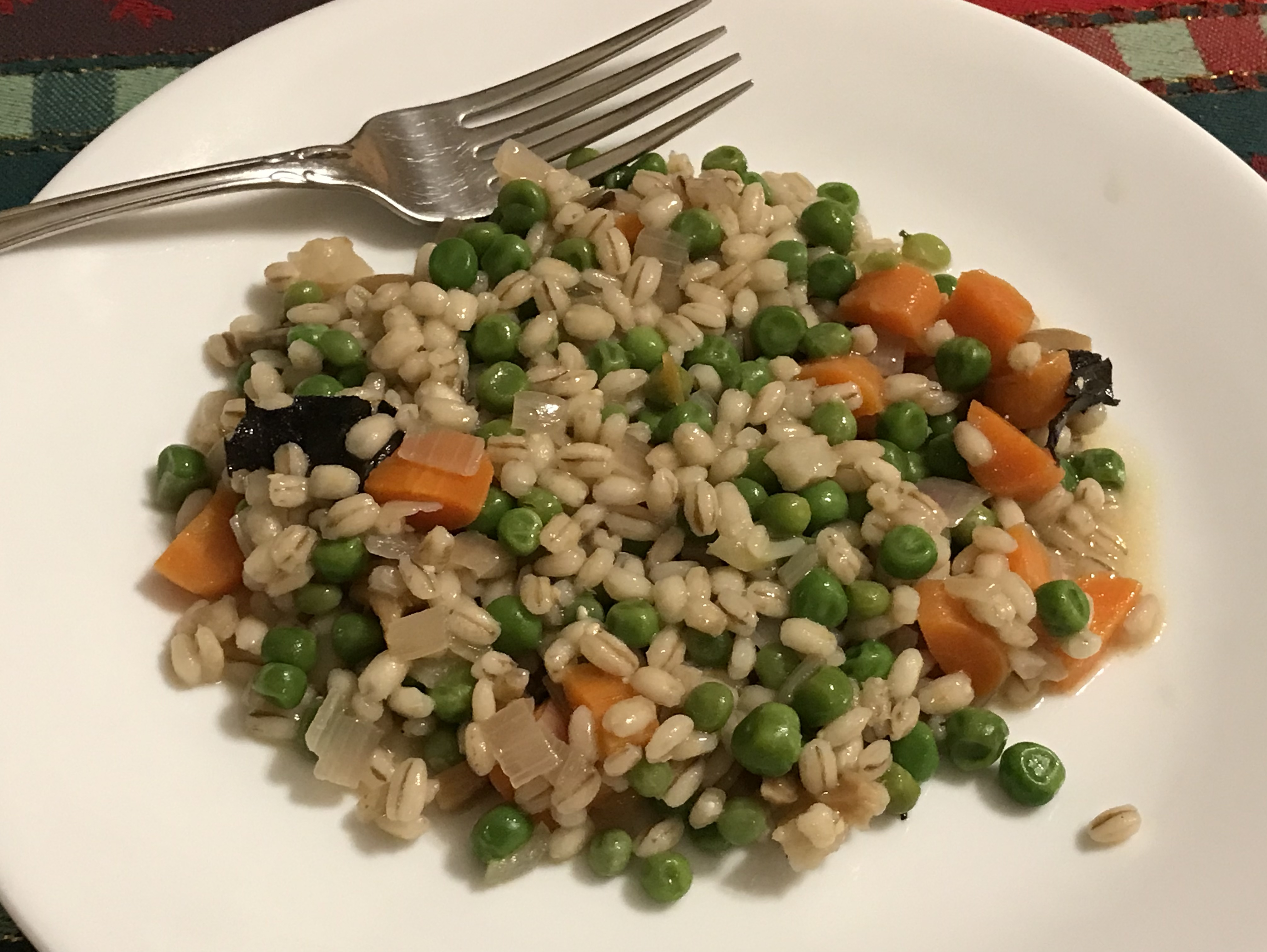
            Instead of using rice, a risotto-type dish is made in Friuli with barley, or orzo, hence the name. Exactly why barley replaces rice is unclear, but it seemed like an interesting variation. Since store-bought pancetta is somewhat pricey, I made my own with side pork and kosher salt, curing in the fridge for two days. Bacon is a decent substitute, but its smoked flavor is noticeably different. After sautéing the chopped pancetta with butter and shallots, the barley is added. Like with risotto rice, it soaks up the broth, which is added bit by bit. Constant stirring rubs starch off the barley grains and mixes it into the broth, creating a creamy texture. Vegetables can also be added. I used carrots, dried mushrooms, and frozen peas, all of which are consistently good over the winter. Other options might include asparagus in spring or zucchini in summer. A bit of local parmesan cheese, grated in at the last minute, finished everything perfectly.

Advertisements

            The barley gave the orzotto a fascinating texture and flavor. It was chewier than rice and had a bit more flavor, but wasn’t overpowering. All the flavors were in balance except for the salt, which was, as in the caldo Gallego, a bit strong. Interestingly enough, I made the two recipes on the same day, ready for the next week’s lunches and weeknight dinners. Unlike the soup, I do know where the extra salt in the orzotto came from – the homemade pancetta. Not realizing how much salt the pork strips had absorbed, I didn’t even think to wipe the extra off the outside. With low-sodium broth and no added salt, I thought the balance would be right. It was still very good, and I have everything to make another batch except shallots.

Standard
Uncategorized

Cook’s Tour of Italy Menu 63 (Pgs. 197 – 203): Christmas Eve Dinner in Naples

Region: Naples/Adriatic South

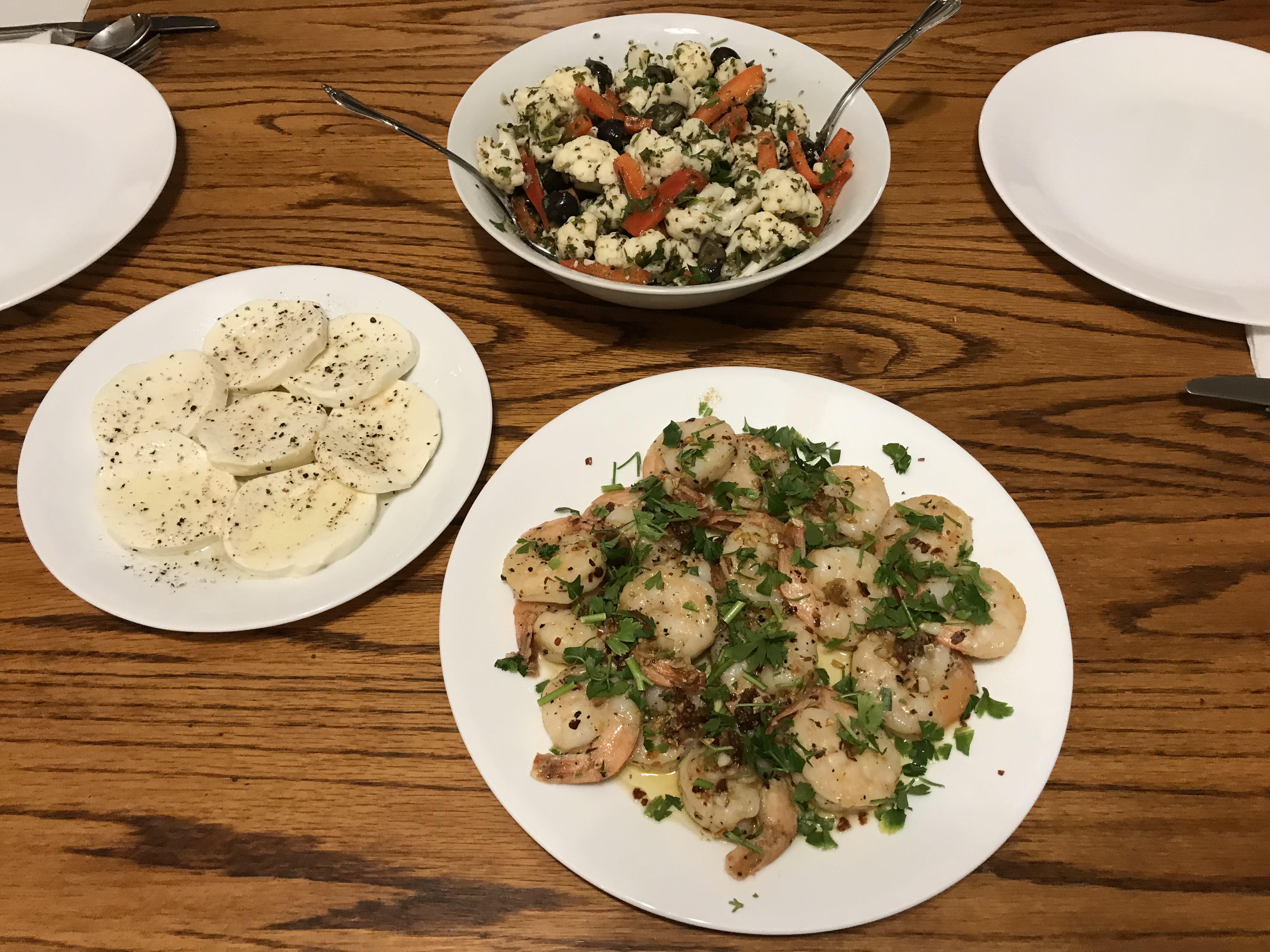
Menu: Seasoned Fresh Mozzarella, Peppery Shrimp 1-2-3, Neapolitan Cauliflower Salad, Spaghettini with Clams, Carrots, and Wine, Fish Filets Neapolitan Fishermen’s Style, Spinach with Oil and Lemon, Hearts of Escarole with Red Pepper Confetti, Panettone Bread Pudding

Recommended Wine: Capri or Sicilian dry white

            Anywhere Christmas is celebrated, it is an occasion for feasting. Medieval Europeans loved a whole roasted boar with an apple in its mouth and hot spiced beer and wine. Gingerbread and other sweets were banquet treats in Elizabethan England, especially at Christmastime. Victorians liked roast beef, goose, or turkey, with plum pudding, mince pies, oranges, and nuts. In modern Australia, where Christmas is in the summer, holding a barbecue is popular. Exactly what people eat depends on personal preferences and cultural traditions, but the important thing is sharing it with loved ones.

            In many places, including parts of Italy, the biggest feast is on Christmas Eve. This is interesting, because at one time, people fasted during Advent. There would be a simple meatless meal on Christmas Eve, people would go to midnight mass, then on Christmas Day enjoy eating lots of meat after a month of abstaining. Over time, the Christmas Eve meal became more elaborate. Eventually, in the area around Naples, it became the Feast of the Seven Fishes, supposedly for the seven sacraments. In some cases, it would even be twelve, for the twelve Apostles. To make things more complicated, the seven (or twelve) types of fish had to be in different dishes. A soup or salad with multiple varieties could only count as one dish.

            To make everything easier to cook and eat, Mr. Famularo reduces the number of seafood dishes to three. This could be for the Trinity (text, pg. 198), but regardless, three “fishes,” plus all the other dishes in the menu, were a big enough challenge. The cauliflower salad could be made ahead of time, ingredients could be prepared, and the bread pudding assembled and left to soak up the custard, but a lot of last-minute prep was unavoidable. To make things easier, I split things up and made the fish filets and escarole salad on a second night.

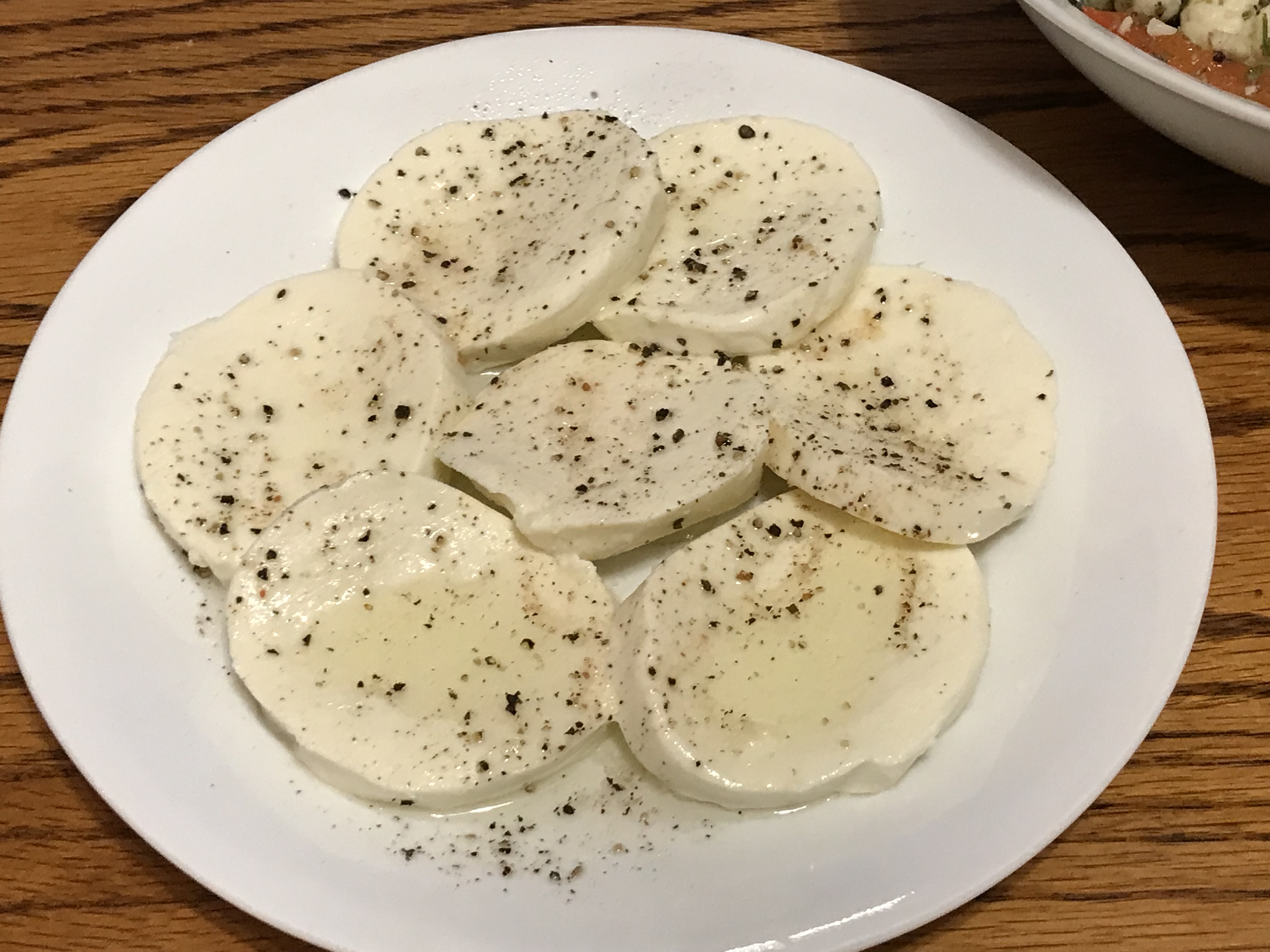
            The first dish was composed of fresh mozzarella slices, sprinkled with olive oil and black pepper. Ideally, the cheese would be provolone burrinos, which have a piece of butter in the center. Since there is no Italian deli or food store near me that stocks them, I used the suggested alternative. The best fresh mozzarella in Italy is made from water buffalo milk (mozzarella di bufala), though cow’s milk varieties seem to have always been common. Some historians think the water buffalo was introduced to Italy by the Goths in the 5th and 6th Centuries AD. The technique of stretching the curds in hot water to produce mozzarella’s characteristic chewy texture appears to have been developed at some point after that. A few factories near me produce high quality fresh mozzarella, and you can even buy it ready-sliced in a log. The oil and pepper added some extra flavor, but even on its own, it was delicious.

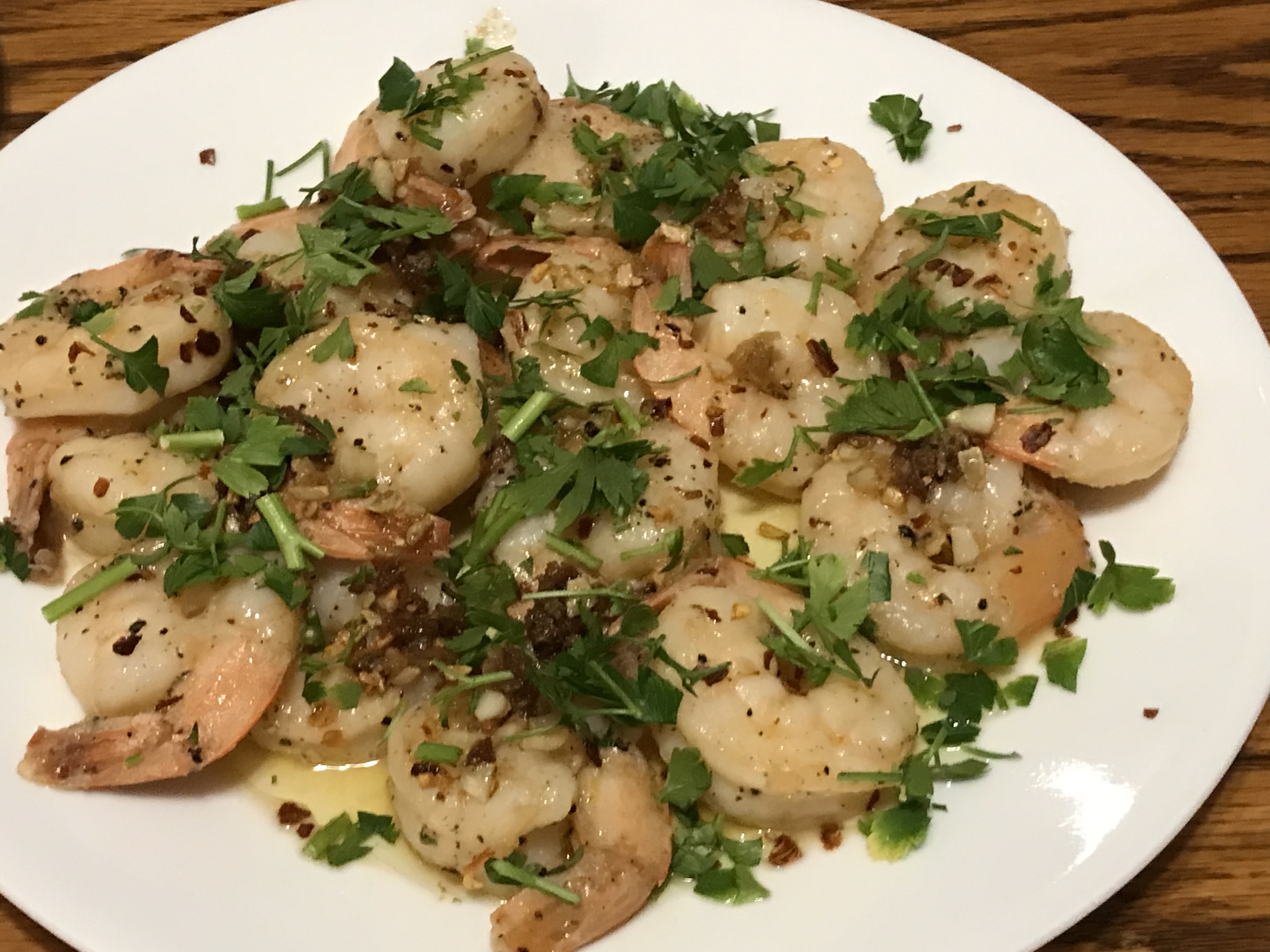
            Success continued with the shrimp. What was unusual was that red pepper flakes were only sprinkled over it after it was sauteed. The oil was kept on the stove to briefly cook the garlic, just enough to add color before the garlic oil was sprinkled over the dish. It was interesting to add the seasonings after the shrimp was finished cooking, but it kept the pepper and garlic from scorching or darkening. A sprinkle of green parsley contrasted nicely with the red pepper.

            The cauliflower salad was definitely different, but tasted great. Another great thing about it is that it can, and for the best flavor should, be made a day ahead. Cauliflower is firm enough not to get soggy when marinating and soaking up the flavor from the dressing. I wouldn’t have thought of cauliflower as a salad vegetable, but it worked beautifully.

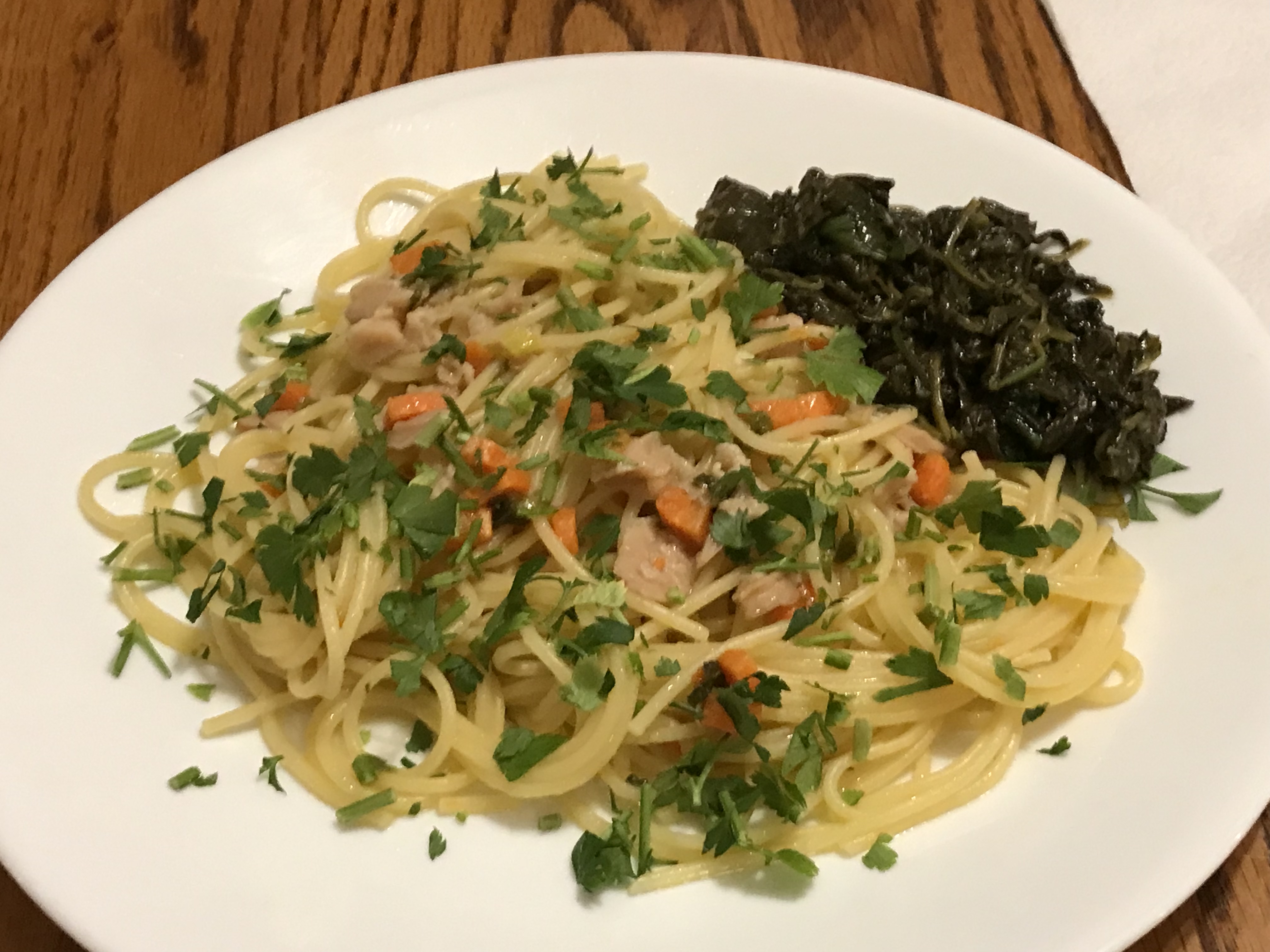
            The second fish, the thin spaghetti with clams and carrots, was not such a success. While I hadn’t cared for the steamed clams in the Liguria/Portofino seaside menu, I had enjoyed chopped clams in a tomato-clam sauce in one of the Venetian menus, so I expected this would be similar. It wasn’t bad, but I still didn’t enjoy its strong fishy flavor. Tomato sauce had helped balance it, but there was no tomato in this recipe. Fortunately, Mr. Famularo does not follow a strict “no combining seafood and dairy” rule common in Italian cuisine, since some extra parmesan cheese made the pasta almost good. Good enough to eat the leftovers, in fact, but not good enough to make again.

            The spinach was less edible. Part of the issue was that I was too cheap to buy fresh spinach in December and used frozen instead. That one was on me. But there was another issue. After cooking, the spinach got its addition of lemon juice. The problem is that the color and texture of some foods are affected by the pH of the dish, or how acidic it is. Bases are the opposite of acids. When green vegetables are cooked with a base, usually baking soda, their color stays especially green. Cooking them with an acid turns them an unappealing brown color, though their texture is unaffected. Lemon juice is highly acidic, and adding it after cooking didn’t help. The spinach immediately changed color, and using frozen instead of fresh did affect the texture, creating a gross-looking brown sludge. Maybe using fresh spinach is the key, since this is supposedly one of the favorite ways to cook spinach in Italy (text, pg. 202). The taste was ok, but the texture and appearance of this dish made it hard to eat.

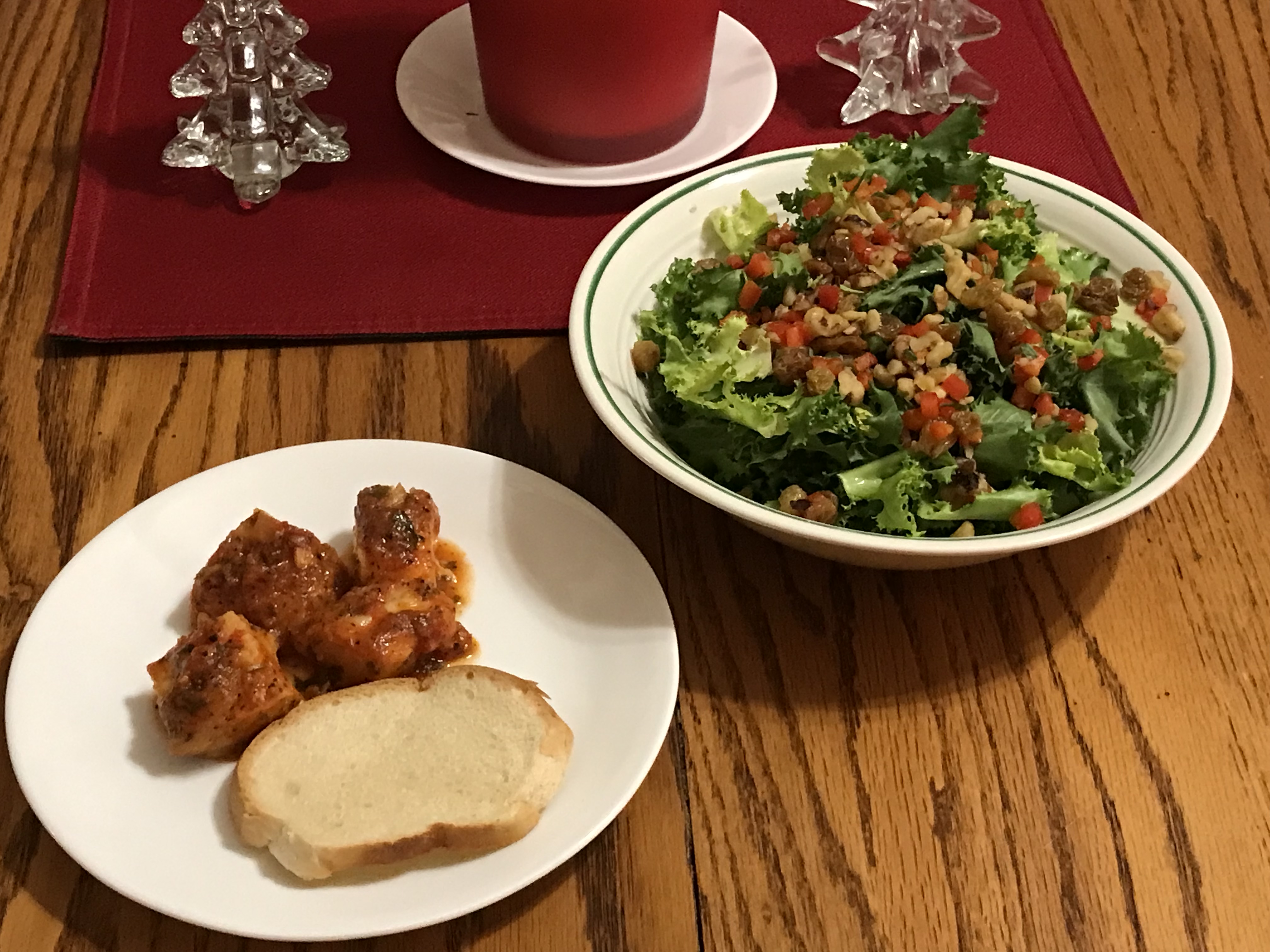
            I had better luck with the fish filets and salad. Due to time constraints, those were made on a second night. The fish was eaten with a tomato-garlic-herb sauce. I wouldn’t have thought of using it with seafood, but the flavors worked together well. The escarole in the salad was a little bitter, but balanced with diced red pepper “confetti,” golden raisins, walnuts (replacement for pine nuts), and capers.

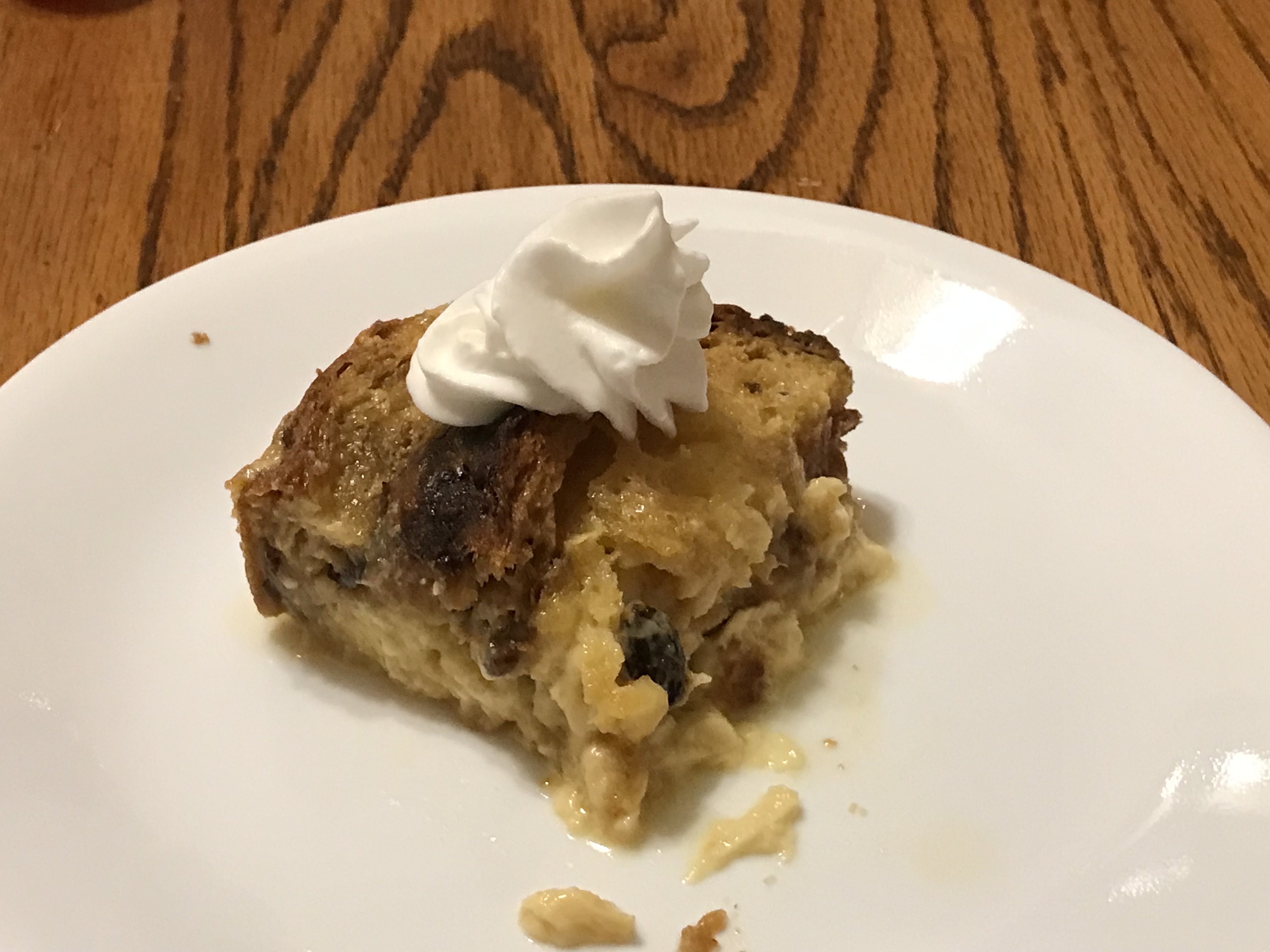
            People have been making bread pudding for hundreds of years. Along with toasting, soaking stale bread with eggs is a great way to revive it. This particular variety, made with sweet, eggy panettone, soaked in a honey syrup and a creamy custard, was particularly rich. Panettone was originally from Milan, and is now a Christmas staple across Italy. Making a bread pudding was a unique way to include it in the menu. The cooking time was a lot longer than the recipe said, but dessert was worth the wait.

Standard