Uncategorized

Cook’s Tour of Italy Menu 75 (Pgs. 231 – 235): Lunch in Ruoti

Region: South Mainland/Islands (Basilicata)

Menu: Grilled Peppers in Anchovy Sauce with Roasted Olives, Eggs in Purgatory with Grilled Sausages, Fried Zucchini Slices, Chocolate Souffle with Fig Preserves

Recommended Wine: Agliatico (high-alcohol Sicilian red)

Capers also found in 1000 Foods

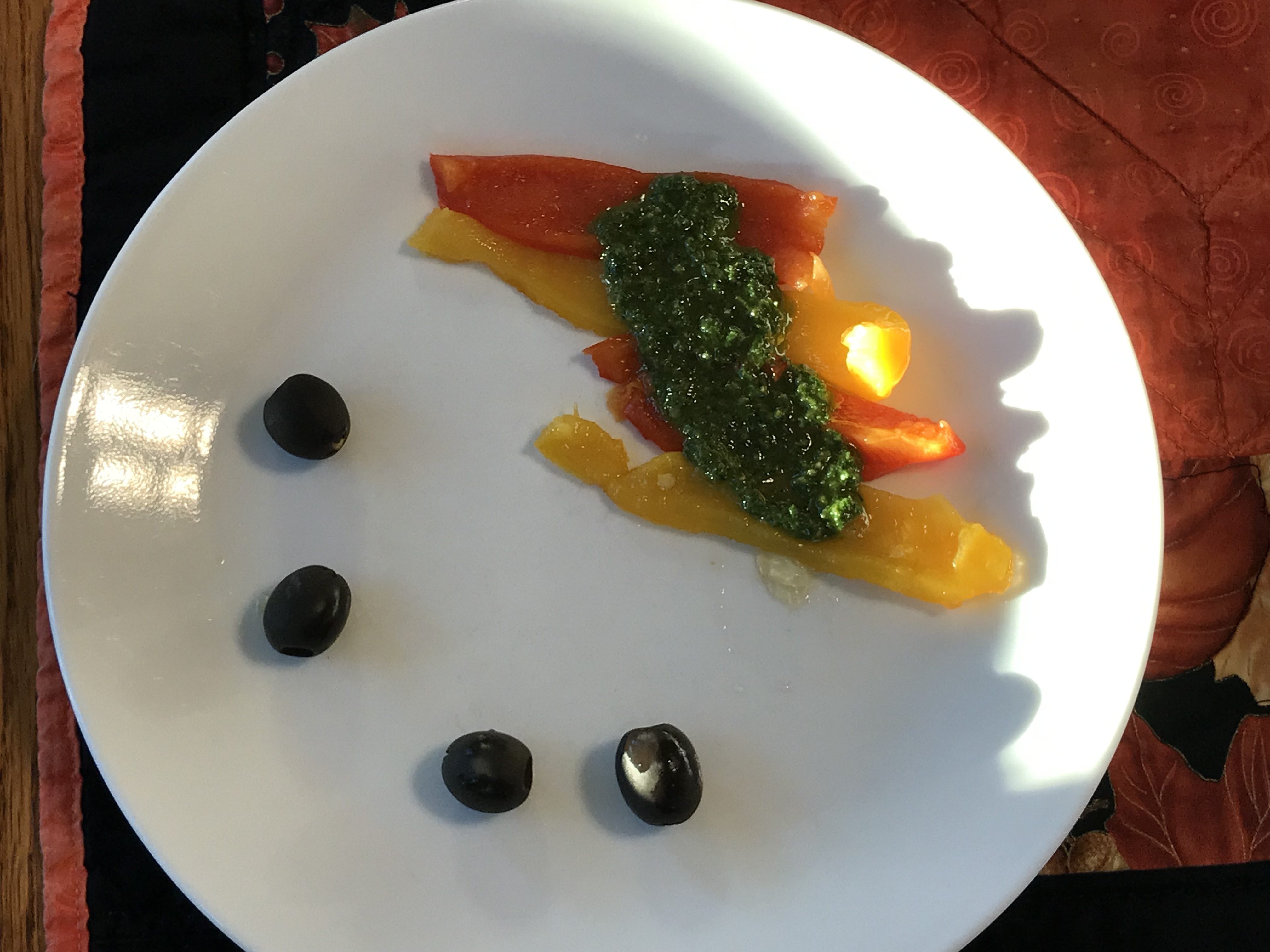
            Like tomatoes and potatoes, peppers originated in the Americas. Europeans distrusted them at first, preferring to use them as decorative plants instead of as food. The reason seems to be that peppers are part of the nightshade family, which has several deadly members, but eventually, either through necessity or curiosity, sweet bell peppers became popular around the Mediterranean. Hot peppers had better luck in Africa and Asia. One popular way of preparing them is by grilling or roasting.

            An interesting addition to the roasted peppers is an anchovy sauce. While anchovies are often viewed as “gross” in much of America, they have been popular for over 2000 years. They were a popular flavoring in Ancient Rome, as was garum, a salty fermented fish sauce. There are references to them as bar snacks in Shakespeare’s time, salty nibbles to stimulate thirst. I think it would be funny if, instead of pretzels or salted peanuts, a modern bar set out plates of anchovies. Just to see patrons’ reaction.

            I don’t typically care for anchovies or olives, though the preparation methods in this menu did help. Combining the anchovies with oil, garlic, and herbs softened their flavor, and baking the olives with rosemary to infuse them had a similar effect. They were still not my favorite dishes, but that was just a matter of personal taste.

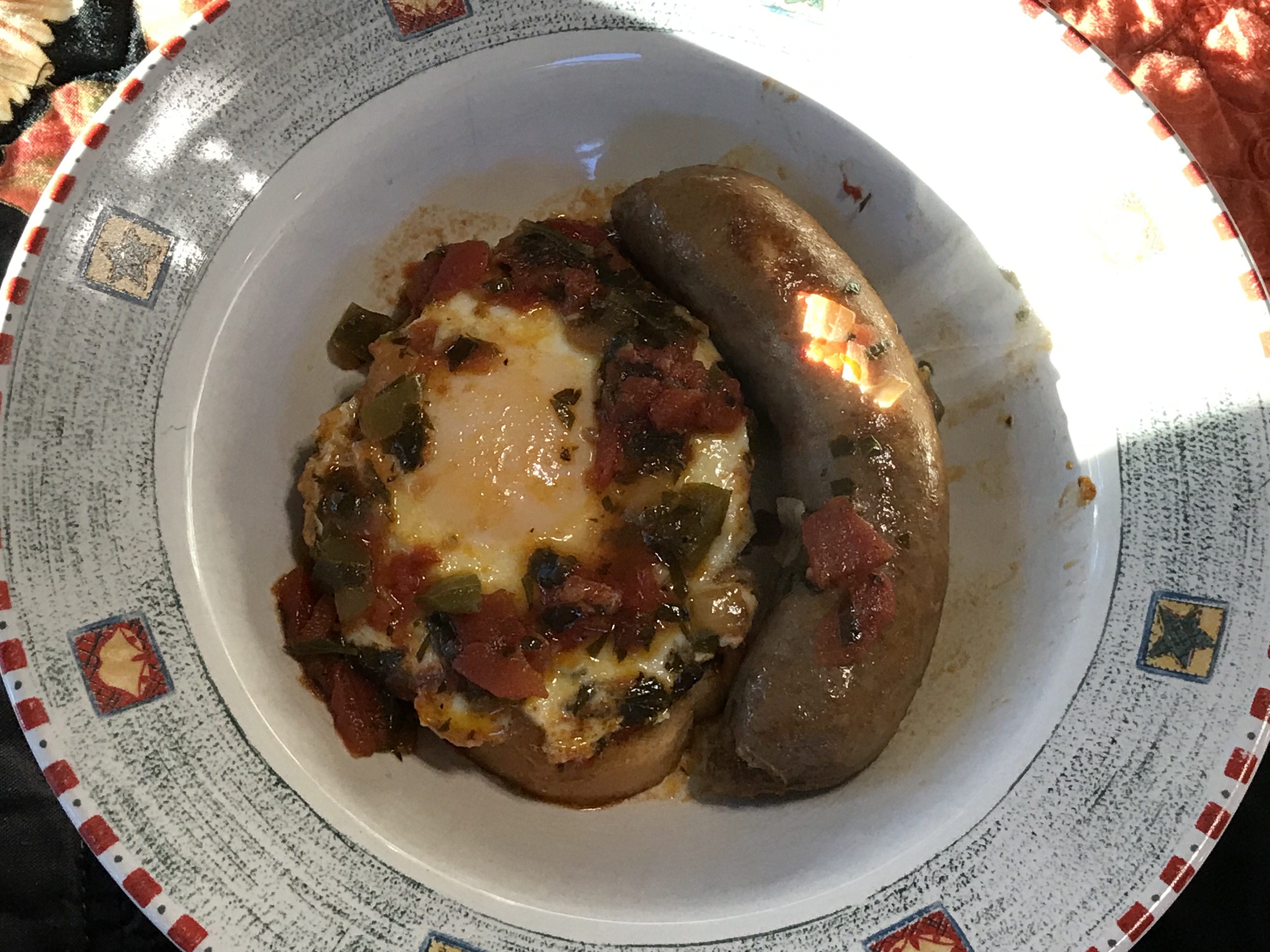
            The eggs and tomato sauce with sausage was more successful. I’m not sure how the name “eggs in purgatory” came about, but poaching them in tomato sauce was an interesting experiment. They got a bit more cooked than I meant to, resulting in an unpleasant grainy texture for the yolks, but the whites and sauce were good, as was the bread to soak it up. The sausage used was hot Italian, since chili peppers are a popular flavoring in Basilicata and Calabria.

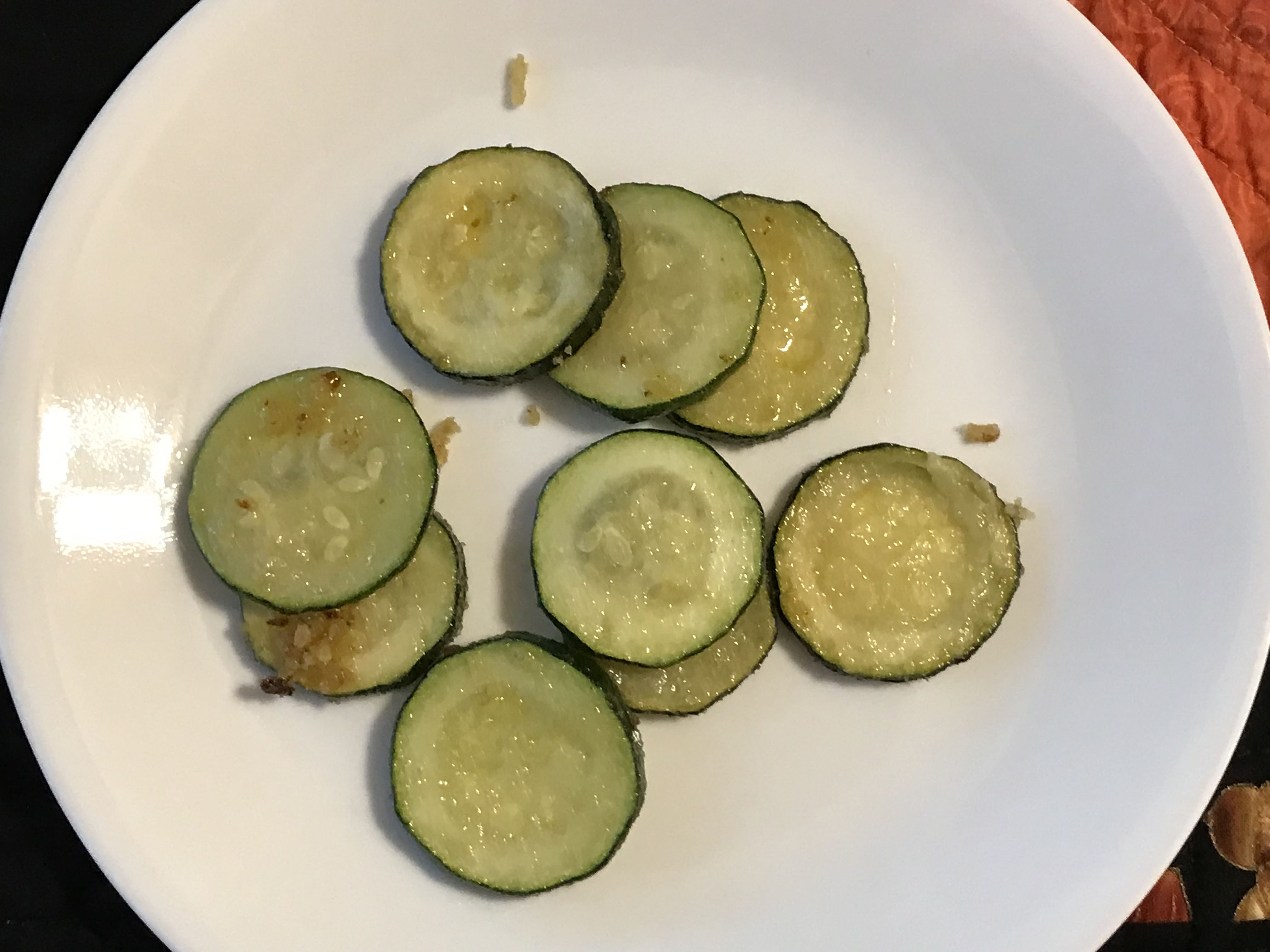
            Among the many ways to cook zucchini is to fry it. Because they are high in water, zucchini slices must be dried before frying or they won’t brown properly. Here a dip in flour with salt and pepper absorbs any excess moisture while providing a bit of extra texture. The surface coating isn’t thick enough to become a breading, but it does produce a very thin, crispy layer.

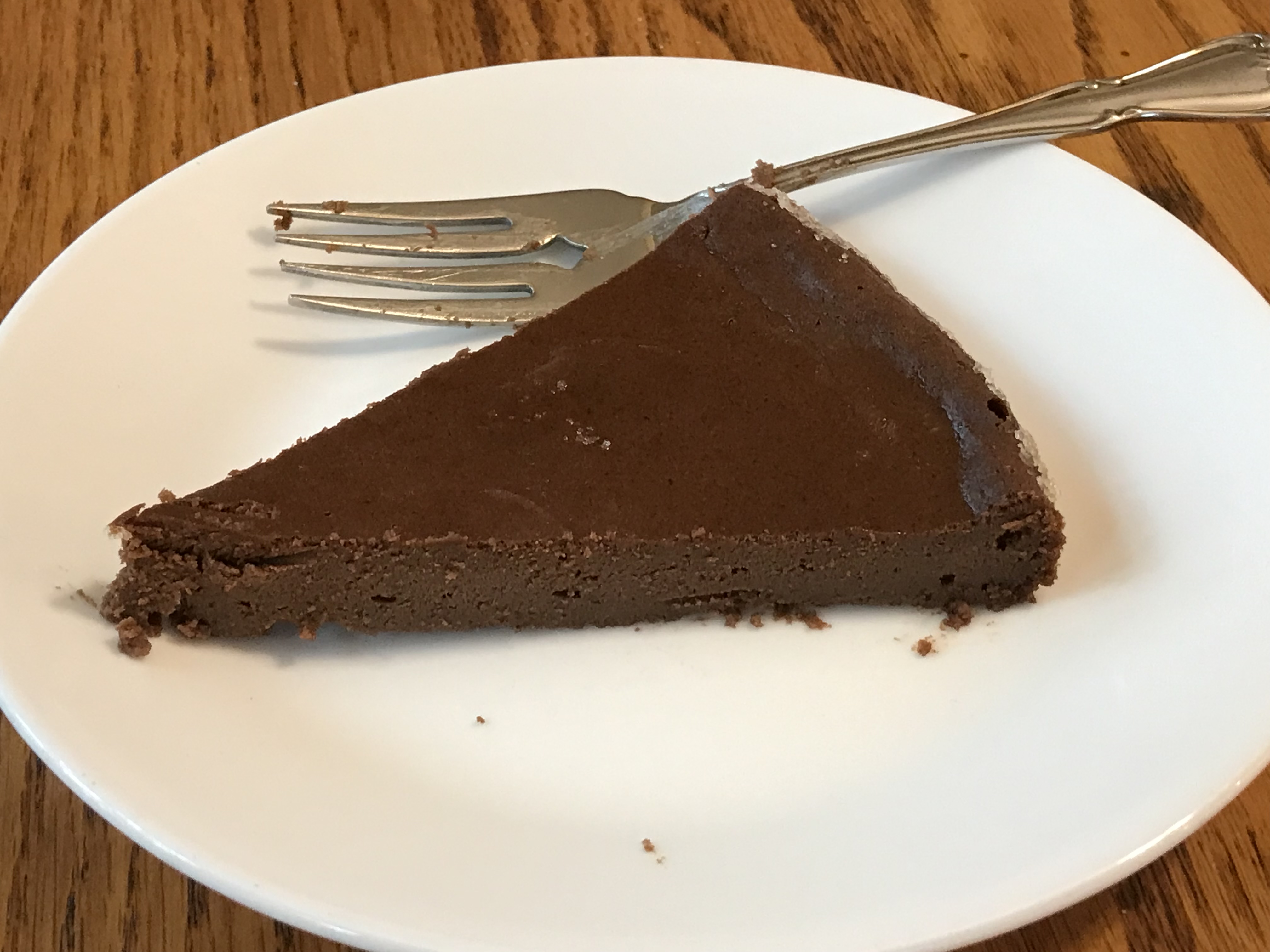
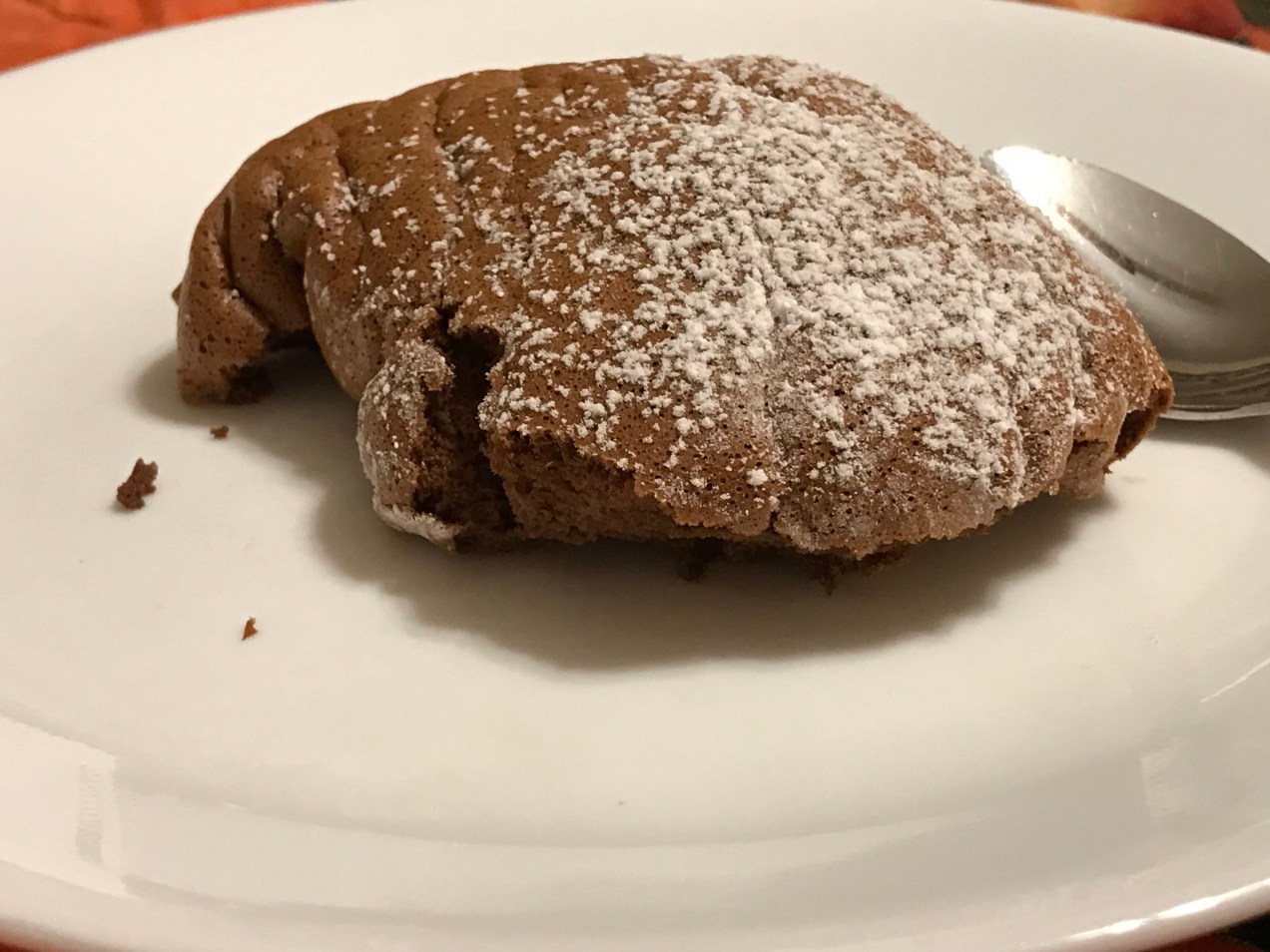
            I had never made a souffle before, but it was fascinating. Here’s how it works. Egg whites are whipped to introduce tiny air bubbles. They are carefully folded into the remaining ingredients to avoid popping the bubbles. Because gases expand when heated, the souffle will rise in the oven. The same principle is used in Genoese sponge cakes to make them rise. The tricky part with souffles is serving them without deflation. As the air bubbles trapped inside cool down, they shrink. I’ve heard somewhere that “guests must wait for the souffle; the souffle will not wait for the guests,” this is why.

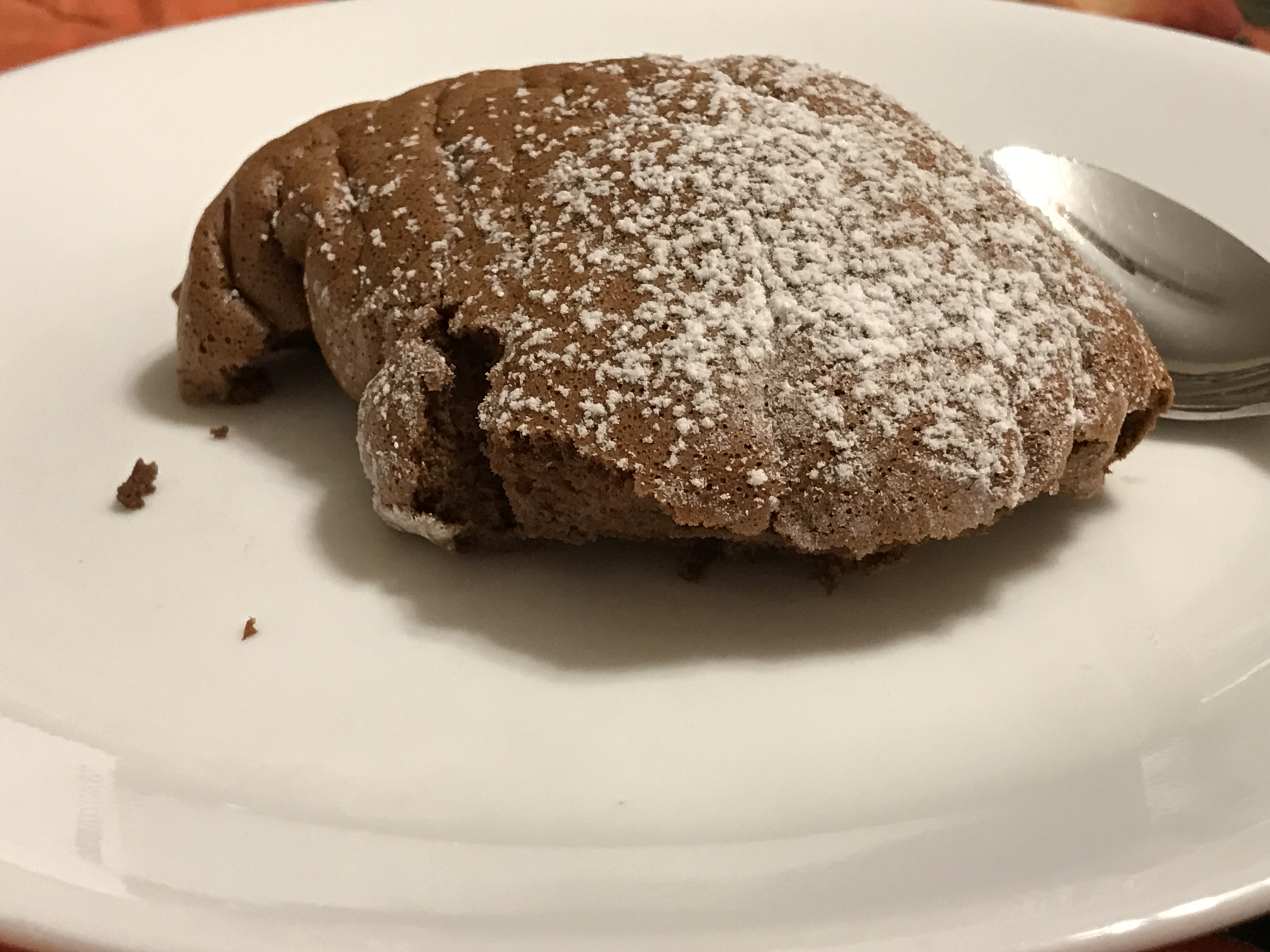
            When I first pulled it out of the oven, the souffle was puffed up well over the top of the ceramic baking dish. It started to deflate before I could get a picture, but it still had a nice spongy texture and good flavor. The fig jam was a little sweet. In the future, I would probably use strawberry or cherry instead, but that’s a minor thing. The rest comes down to figuring out how much deflation is inevitable, how much can be avoided, and enjoying the experiments along the way.

If you would like to fund further experiments, I would be delighted if you supported my work.

One-Time
Monthly
Yearly

Make a one-time donation

Make a monthly donation

Make a yearly donation

Choose an amount

$5.00
$15.00
$100.00
$5.00
$15.00
$100.00
$5.00
$15.00
$100.00

Or enter a custom amount

$

Your contribution is appreciated.

Your contribution is appreciated.

Your contribution is appreciated.

DonateDonate monthlyDonate yearly
Standard
Uncategorized

Cook’s Tour of Italy Menu 22 (Pgs. 77 – 81): Dining at Sea Level in Portofino

Region: Liguria/Piedmont

Menu: Prosciutto with Roasted Peppers, Fresh Clams with Wine, Green Peas Grandmother Style, Lemony Apple Cake

Recommended Wine: Cinque Terre dry white

Roasted peppers also found in 1000 Foods

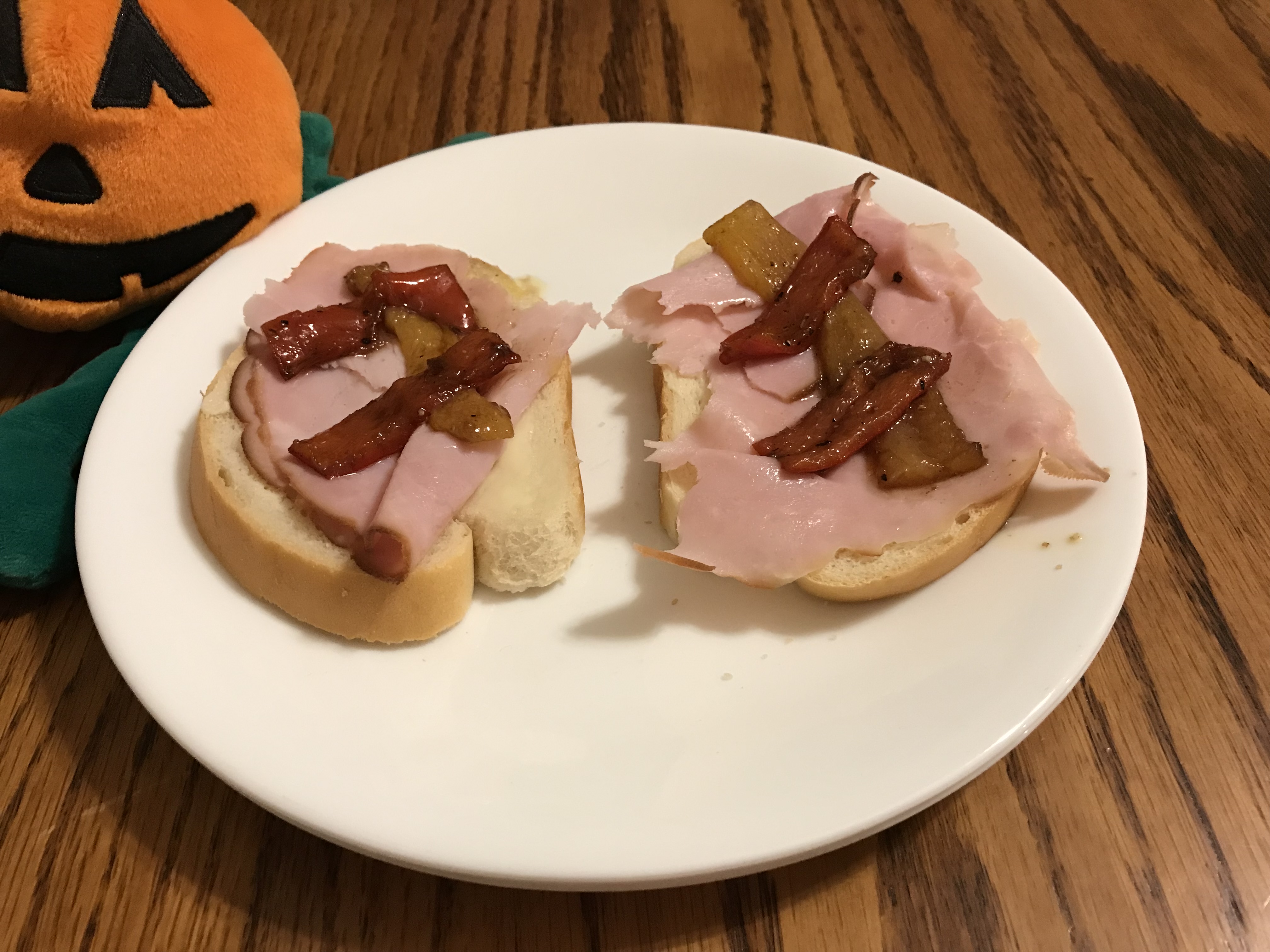
            Roasted peppers are a popular appetizer all over Italy. The red variety are especially pretty and tend to be the sweetest. A particularly attractive presentation involves a combination of red and yellow, sometimes with orange and/or green added to the mix. The peppers can be served plain, marinated, in salads, in sauces, or on canapes. Here they have a vinegar-based marinade and are served with on buttered white bread with ham. The recipe calls for prosciutto, but since it is kind of expensive and has a stringy texture, I used black forest deli ham instead. The combination worked very well. Side note: In Italy, pepperoni refers to peppers, not the spicy red salami disks found on pizzas.

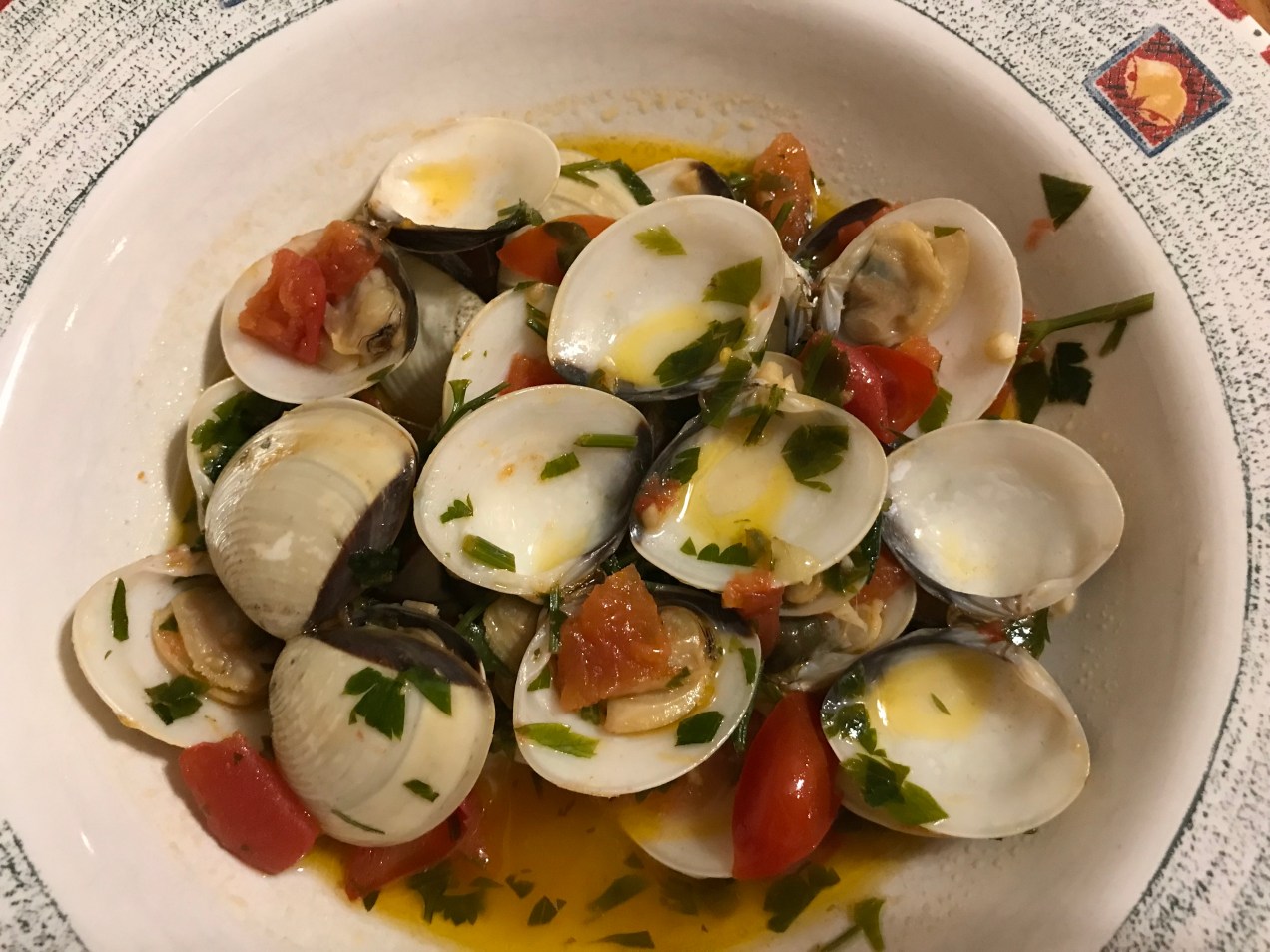
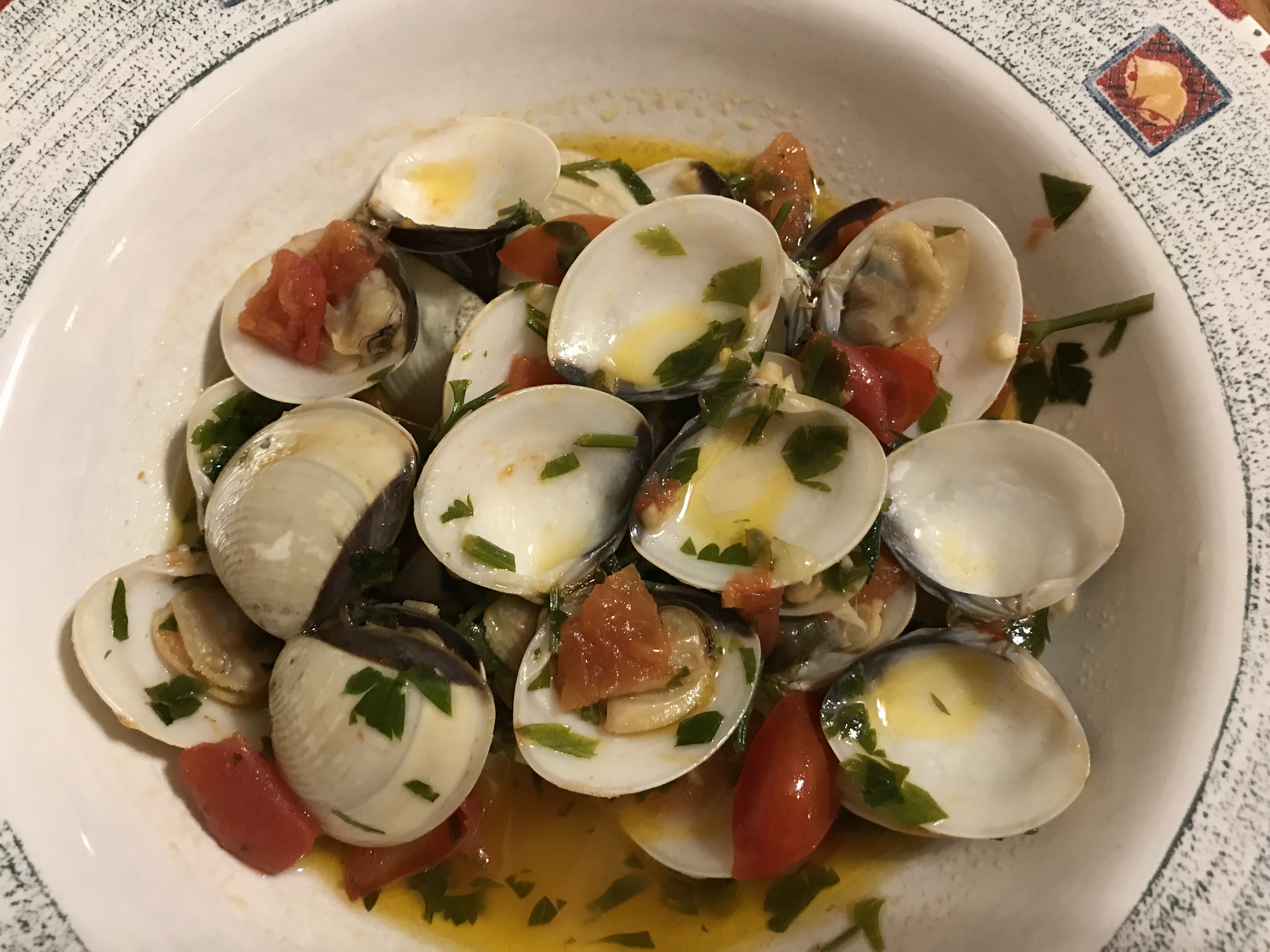
            I’m not usually a fan of clams, but after being pleasantly surprised by the tomato-clam sauce a while back, I had high hopes for this recipe. Frozen clams were steamed/braised in precooked wine (to burn off the alcohol), which seemed like it would counter the “fishy” flavor like tomatoes did. That didn’t work as well as hoped. They were edible, but I didn’t necessarily enjoy them.

            People have been eating starchy “field peas” for millennia, but sweet “garden peas” came much later. Most likely, they were developed by Dutch botanists in the early 17th Century. In France, the court of Louis XIV went crazy for them. Since the French court set fashions for the rest of Europe, sweet peas were soon found across the continent. Presumably the Italians, who had always appreciated vegetables more than most, adopted them quickly. One popular way of cooking them is in the Venetian risotto, risi e bisi.

            There are a number of “homestyle,” or “grandmother’s-style,” recipes for peas. In this case, a small amount of pancetta or bacon is used as a flavoring, and a bit of butter, flour, and chicken broth make a light sauce. Some fresh herbs brighten the dish. Everything is balanced; sweet, fat, and salt, but the flavors are mild and easy to enjoy. There’s nothing here that most picky eaters would have an issue with.

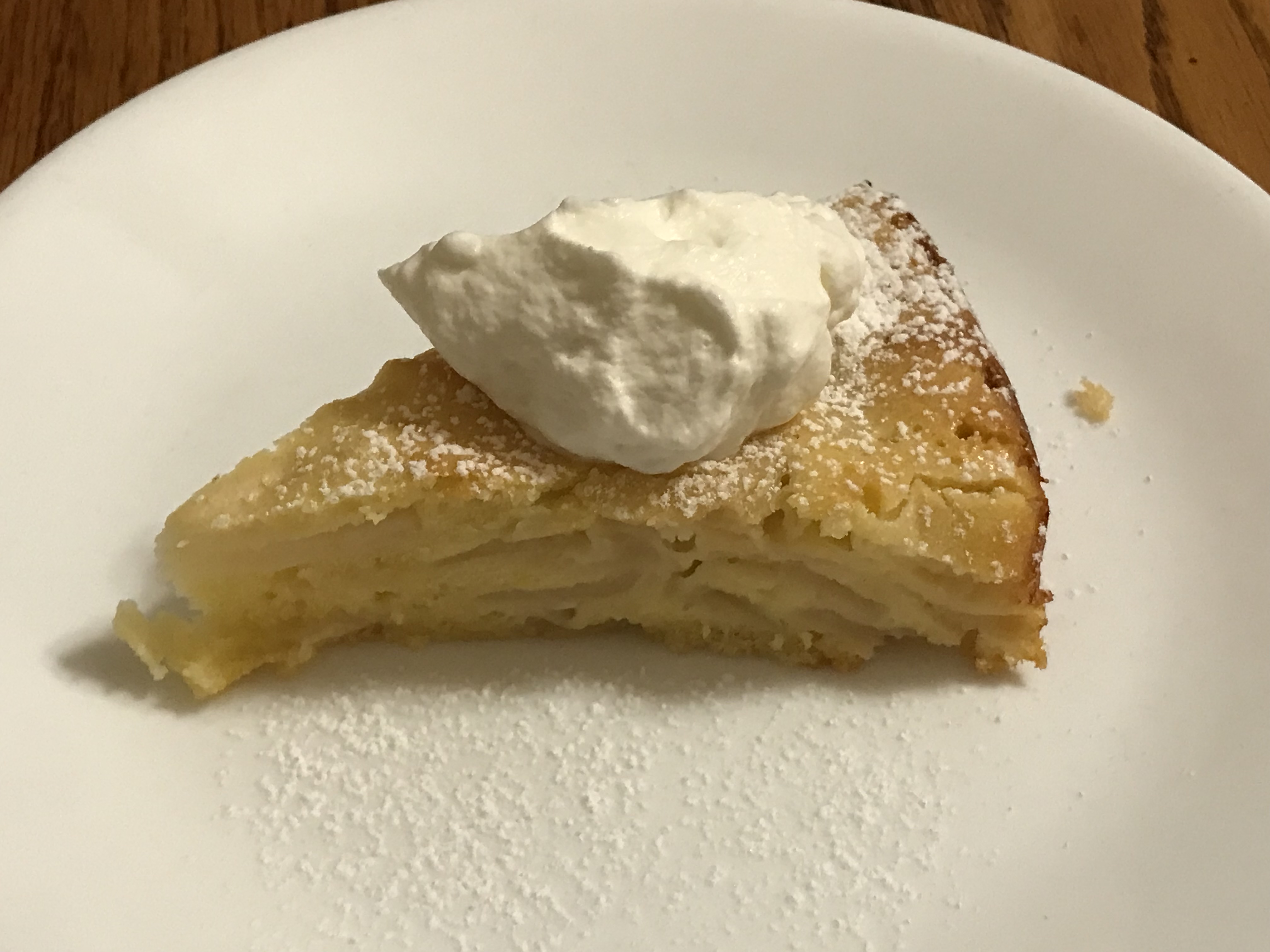
The cake tasted as good as it looks.

            The best dish in the menu was the apple cake. A sponge cake batter is flavored with lemon peel and extract, apple slices are folded in, and everything is baked in a springform pan. That was an unusual touch, but made unmolding easy. The lemon flavor was a nice complement to the apple, and adding a bit of lemon zest to some whipped cream made an excellent dessert even better. Minus the clams, everything was delicious.

If you’re enjoying my writing, please consider supporting my work with a small donation. I really appreciate any support.

One-Time
Monthly
Yearly

Make a one-time donation

Make a monthly donation

Make a yearly donation

Choose an amount

$5.00
$15.00
$100.00
$5.00
$15.00
$100.00
$5.00
$15.00
$100.00

Or enter a custom amount

$

Your contribution is appreciated.

Your contribution is appreciated.

Your contribution is appreciated.

DonateDonate monthlyDonate yearly
Standard
Uncategorized

Cook’s Tour of Italy Menu 79: Operatic Pasta in Sicily

Region: South Mainland/Islands (Sicily)

Menu: Rigatoni with Eggplant in a Creamy Curry Sauce, Salad of Assorted Lettuces with Capers and Tarragon, Peach “Soup” with Marsala

Recommended Wine: Sicilian Rosso del Conte

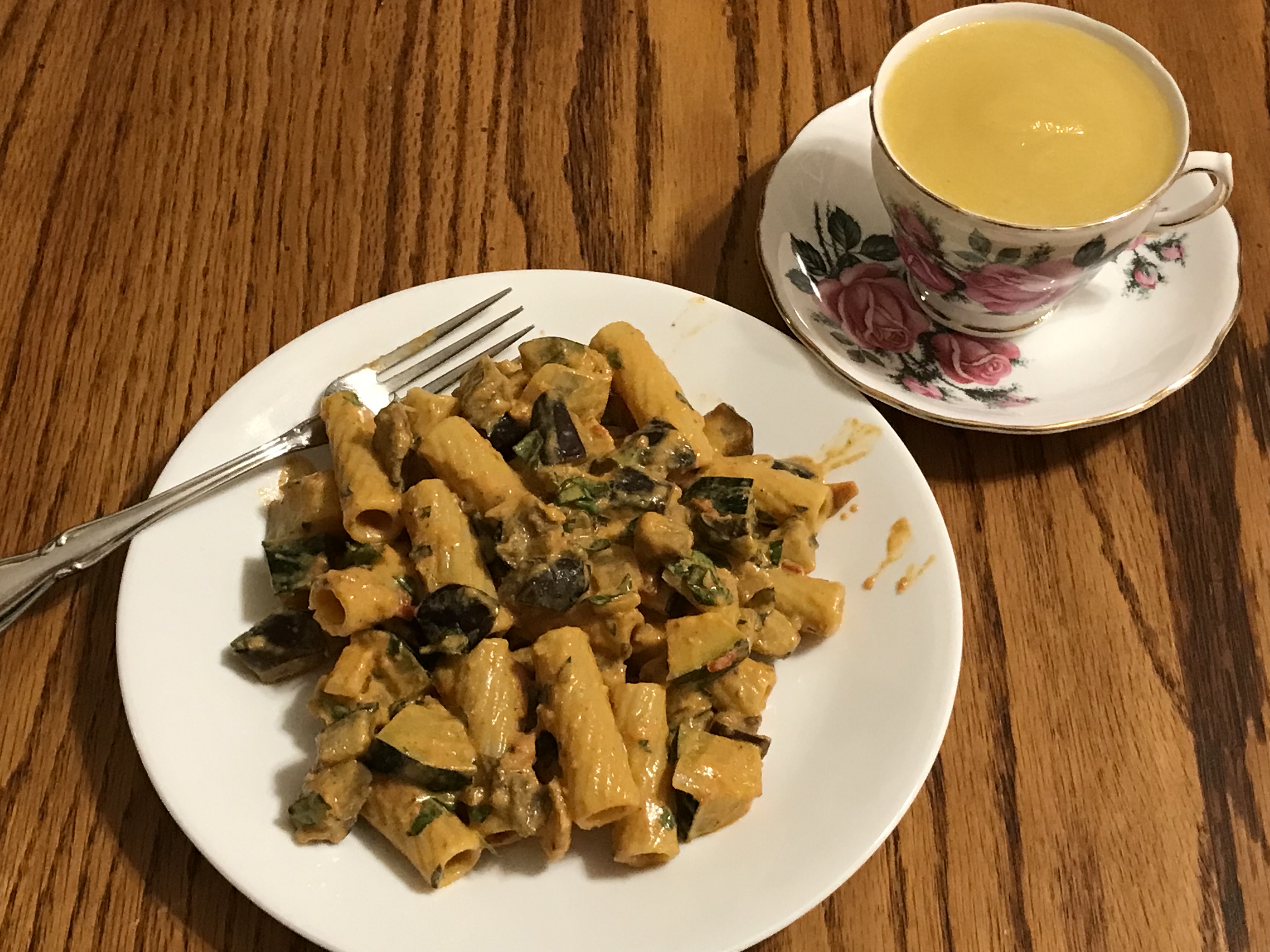
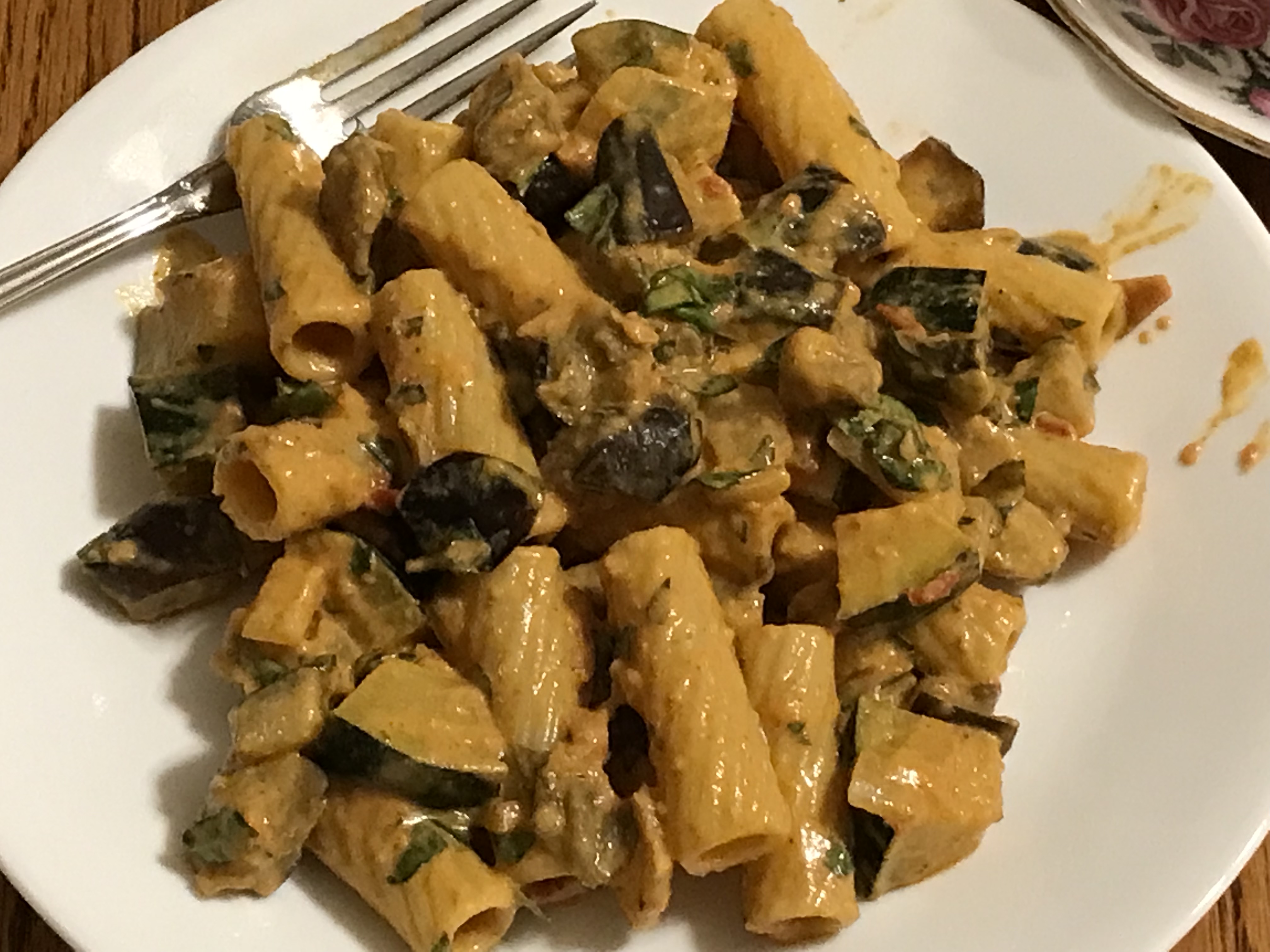
            Sicily has been known for the quality of its wheat since antiquity. Good agricultural land drew colonists from the Greek city-states, and it was one of the main granaries of the Roman Empire. The hard durum wheat grown there makes particularly good dried pasta, which is prepared in a huge number of different ways. One popular recipe uses sardines for pasta con sarde. A recipe with perhaps more universal appeal is pasta alla Norma, with tomatoes, eggplant, and zucchini, and named after a famous opera. This particular variation is enhanced with curry powder and enriched with half-and-half.

            The flavor was good, but using a zucchini the size of my lower arm from fingertips to elbow was not the best choice. When they get that big, zucchini tend to get tough. This one had a distinctly woody texture and peel that was a bit hard to cut through. But as long as I ate around the zucchini, the pasta, eggplant, and creamy tomato-curry sauce was worked well together. I wouldn’t have thought of putting curry in a pasta dish, but it turned out to be a good combination.

            Capers grow wild all around the Mediterranean. The buds, preserved in salt or pickled in brine, have a strong, olive-like flavor. As long as they are used in small amounts, capers are an interesting enhancement for meat, fish, and vegetables. A few of them chopped up added a salty bite to the salad dressing. They have been popular since the days of Ancient Rome, when strong, salty flavors were particularly appreciated.

            Peaches originated in China and spread west from there. By the time of the Roman Empire, they had reached the Mediterranean. Sweet, juicy, and perishable, they were often viewed as somewhat luxurious compared to fruits that could be effectively dried or cellared. Heavily associated with summer, fresh peaches are difficult to ship even today, at least when fully ripe. As a result, out-of-season specimens are often picked underripe and tend to be pricey. This recipe avoids those problems by using frozen peaches, which are usually the best choice during the rest of the year.

            In an interesting twist on tradition, here the peaches are used to make a dessert “soup,” with a bit of sugar and marsala. Personally, I didn’t like the flavor or texture. The peaches clashed with the marsala, and pureed soups in general are not my favorite. Replacing the marsala with a bit of lemon juice helped with the flavor, but didn’t solve the texture issues. Sometimes a new idea works, but sometimes it’s better to stick with tradition.

Standard
Uncategorized

Cook’s Tour of Italy Menu 33 (Pgs. 112 – 113): Baked Meat-Stuffed Turkey Roll

Region: Lombardy

Menu: Meat-Stuffed Turkey Roll, Steamed Broccoli

            With Thanksgiving just finished and Christmas around the corner, let’s talk about turkey. As one of the few domesticated livestock native to the Americas, it was a favorite treat for the Aztecs. They often ate it in tamales. When Columbus brought the first turkeys to Europe, they were immediately added to poultry yards. Not all Europeans knew where they came from, hence the names like “Turkey cock” or “Indian chicken.” But their origin didn’t matter. European diners knew that a previously unknown type of edible fowl had appeared from somewhere. It was big and showy, tasted good, and therefore belonged on holiday tables. By the time English settlers in Virginia and Massachusetts saw wild turkeys in North America, their domestic cousins were widespread in England.

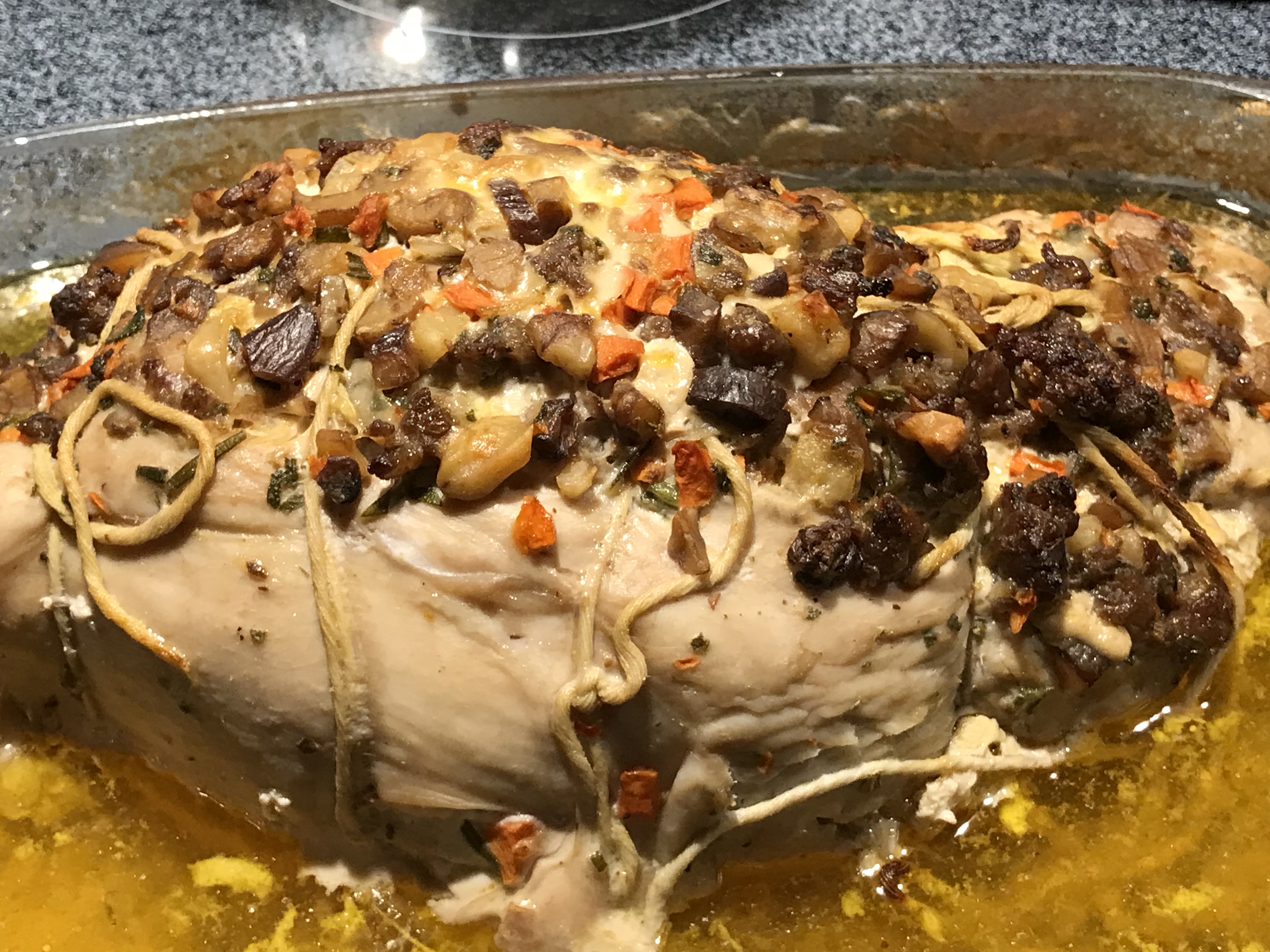
            Roasting and stuffing a whole turkey is just one way of preparing it. Another showy presentation comes from flattening a boned turkey breast, adding a stuffing, and rolling everything up like a giant jelly roll. In this particular recipe, popular in Lombardy (around Milan), the stuffing includes sausage meat, chestnuts, walnuts, vegetables, and herbs. After baking, the roast is sliced to reveal the spiral pattern and served with a sauce of slightly-thickened pan drippings. I didn’t manage to flatten the meat enough to get a spiral roll, just a stuffed circle, but it still tasted good. Steamed broccoli complemented the meat without overpowering it. The turkey roll was too complicated to make regularly, but would be great for a small Thanksgiving or Christmas.

If you enjoy this blog, please consider making a donation. Any contributions help offset the cost of ingredients and help make more posts possible.

One-Time
Monthly
Yearly

Make a one-time donation

Make a monthly donation

Make a yearly donation

Choose an amount

$5.00
$15.00
$100.00
$5.00
$15.00
$100.00
$5.00
$15.00
$100.00

Or enter a custom amount

$

Your contribution is appreciated.

Your contribution is appreciated.

Your contribution is appreciated.

DonateDonate monthlyDonate yearly
Standard
Uncategorized

Reflecting on the Growing Season: Basil, Pesto, San Marzano Tomatoes, and Seed Saving

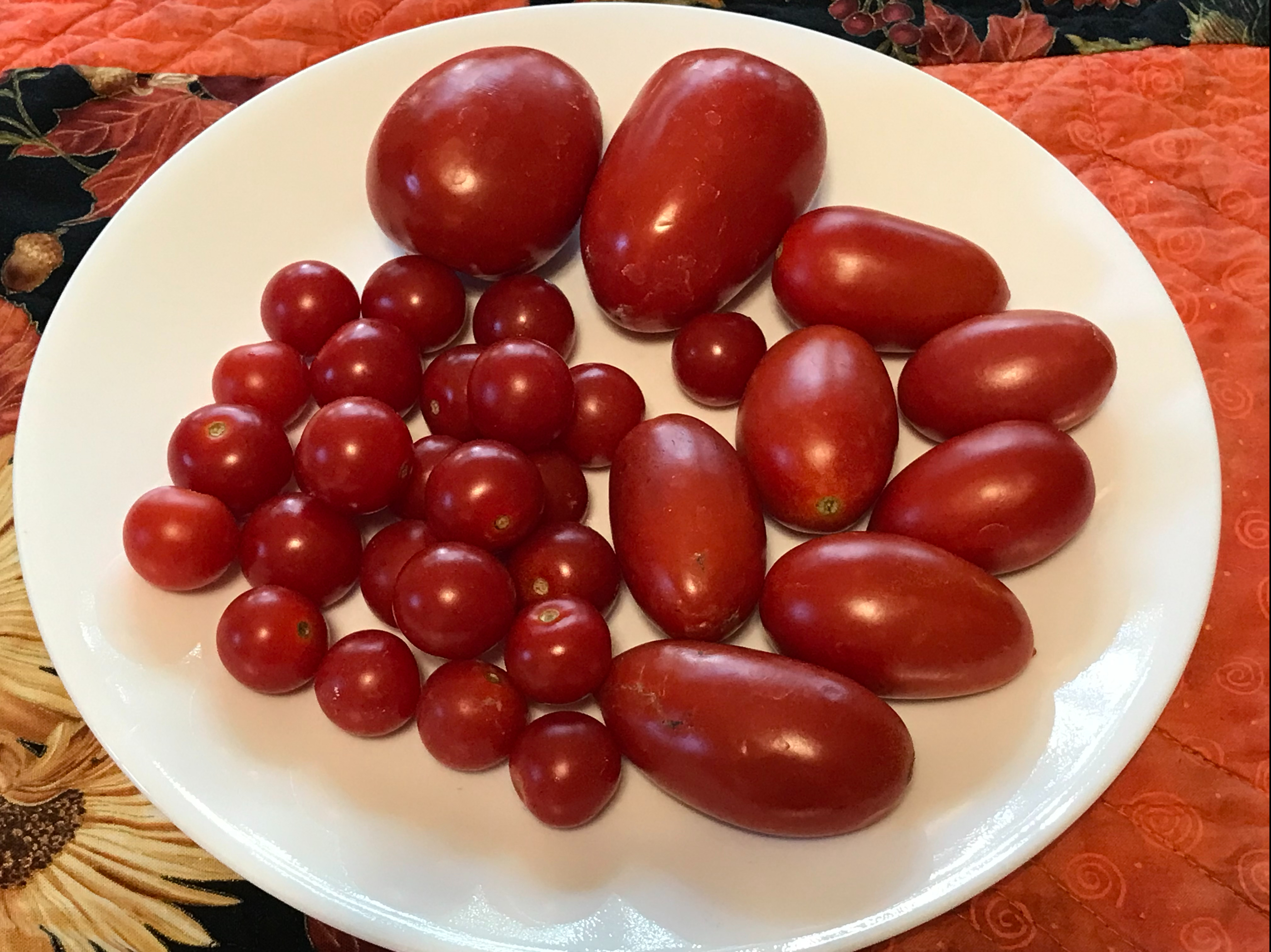
Clockwise from the top: Roma, San Marzano, and cherry tomatoes

1000 Foods (pgs. 220, 223 – 224, 235 – 236)

            This last summer, after removing part of the deck that was in disrepair, I had a small garden bed to use. For my birthday back in March one of my aunts gave me a gift card for a seed savers catalog, which had some particularly interesting selections, including two types of sunflowers, giant zinnias, arugula, and cress. After buying more herb plants than necessary and planting them in pots, I had a plan for the new garden bed. The larger type of sunflowers would go in the back row. Three tomato plants would get half of the middle row instead of their usual 5-gallon buckets. On the other side I had a bean plant given to me by a student after an experiment to determine where plants get their mass from as they grow. (Answer: it’s mostly the carbon and oxygen in the air.) I planted a few leftover seeds in the row to keep it company. In the corner was an unknown plant from a different student (turned out to be mustard greens). The front row was half arugula, almost half cress. Marigolds on the sides would hopefully keep rabbits away. It sounded tidy and organized.

            Plants don’t necessarily do tidy and organized. With plenty of space, the tomato plants spread out and covered much of the arugula. The bean plants, which I was not aware were pole beans (it didn’t say on the package) grew in every direction. By the time I got the stakes in it was too late to manage the chaos. They didn’t produce many beans and those few were tough, but the plants themselves may have had an additional benefit. The sunflowers on that side of the garden were taller than those on the side with the tomatoes. Since the change was gradual it may have had as much to do with drainage patterns, but the nitrogen-fixing bacteria that live on bean roots may well have enriched the soil and given them a boost. Finally, the marigolds ended up about two feet tall. Whether they or the fence was more effective at rabbit control is an open question.

            Along with Roma and cherry tomatoes, I planted a San Marzano plant. Technically, to be 100% authentic, the tomatoes would need to be grown in the rich volcanic soil near Naples, but this was a way to taste them fresh. The plants are scraggly-looking with long, thin, pointy fruits, but they are said to be one of the best tomatoes for canning. In fact, the use of tomatoes in Italian cuisine increased significantly once the canning industry developed. I couldn’t taste much difference in the three types of fresh tomatoes, but I’m not normally a fresh tomato fan. They seemed to work well in the various soups and salsas over the course of the season. It will be interesting to compare canned San Marzanos with other varieties at some point in the future.

            I probably could have managed with one basil plant instead of two. They were small when I got them, and so had me fooled. Each in their own pot, with lots of sunshine and daily watering, they thrived to the point of my not knowing what to do with all the basil. With a potent, distinctive aroma, basil is widespread around the world. In its homeland of South and Southeast Asia, it has religious as well as culinary significance. Pesto is perhaps basil’s most popular use in the West, but it can also be used in sauces, salads, and even lemonade and sorbet. It actually works as well with strawberries as it does with tomatoes.

            What’s interesting about pesto is that while pesto-type sauces have existed since Ancient Rome and basil was introduced to the Mediterranean in the Medieval era, the two were not combined until well into the Early Modern period. Perhaps the speed at which basil oxidizes once cut made people suspicious of it. (The darkening/browning is oxidation. The same process happens with guacamole.) Or maybe Medieval cooks were underwhelmed, since they didn’t like to serve raw ingredients and basil loses much of its flavor when cooked. Fortunately for us, the Italians eventually figured out the best way to use it, and many other cuisines followed.

            Like most popular foods, pesto has a number of variations. The classic form has basil, salt, garlic, olive oil, and pine nuts. Usually a hard cheese such as Parmesan or Romano is included, but not always. Some or all of the basil might be replaced with parsley or arugula, reducing the discoloration on the surface but changing the flavor. One modification that does not affect the flavor much is to substitute almonds or especially walnuts for the pine nuts. With all the garlic and basil, it’s hard to tell the difference, and walnuts are a lot more affordable. They thicken and enrich the mixture just as well. Some versions, like the one in the book, even replace part of the olive oil with butter. Garlic is a constant, as is salt. In addition to adding flavor, the salt is *supposed* to reduce discoloration, but that was not my experience. A reliable solution is to scrape off the discolored part. The pesto below will be as green and aromatic as ever.

            In the meantime, winter is here. For next year, I’ve embarked on some seed saving of my own, gathering hundreds of sunflower seeds, along with a few small bags of marigold and one of zinnia seeds. I’m not sure where the petunias that appeared in the garden bed with the small sunflowers and zinnias came from. Most likely, some petunia seeds got mixed in with the other seeds by mistake, or some seeds blew over from another plant. However it happened, they grew so well and lasted so long into the fall that I saved some of their seeds too. Planting slightly earlier and starting some of the sunflowers inside should ensure an even better display next summer. Just not a tidy one.

Standard
Uncategorized

Cook’s Tour of Italy Menu 40 (Pgs. 128 – 132): Bachelor Party with Romeo, Verona

Menu 40 (Pgs. 128 – 132): Bachelor Party with Romeo, Verona

Region: Veneto

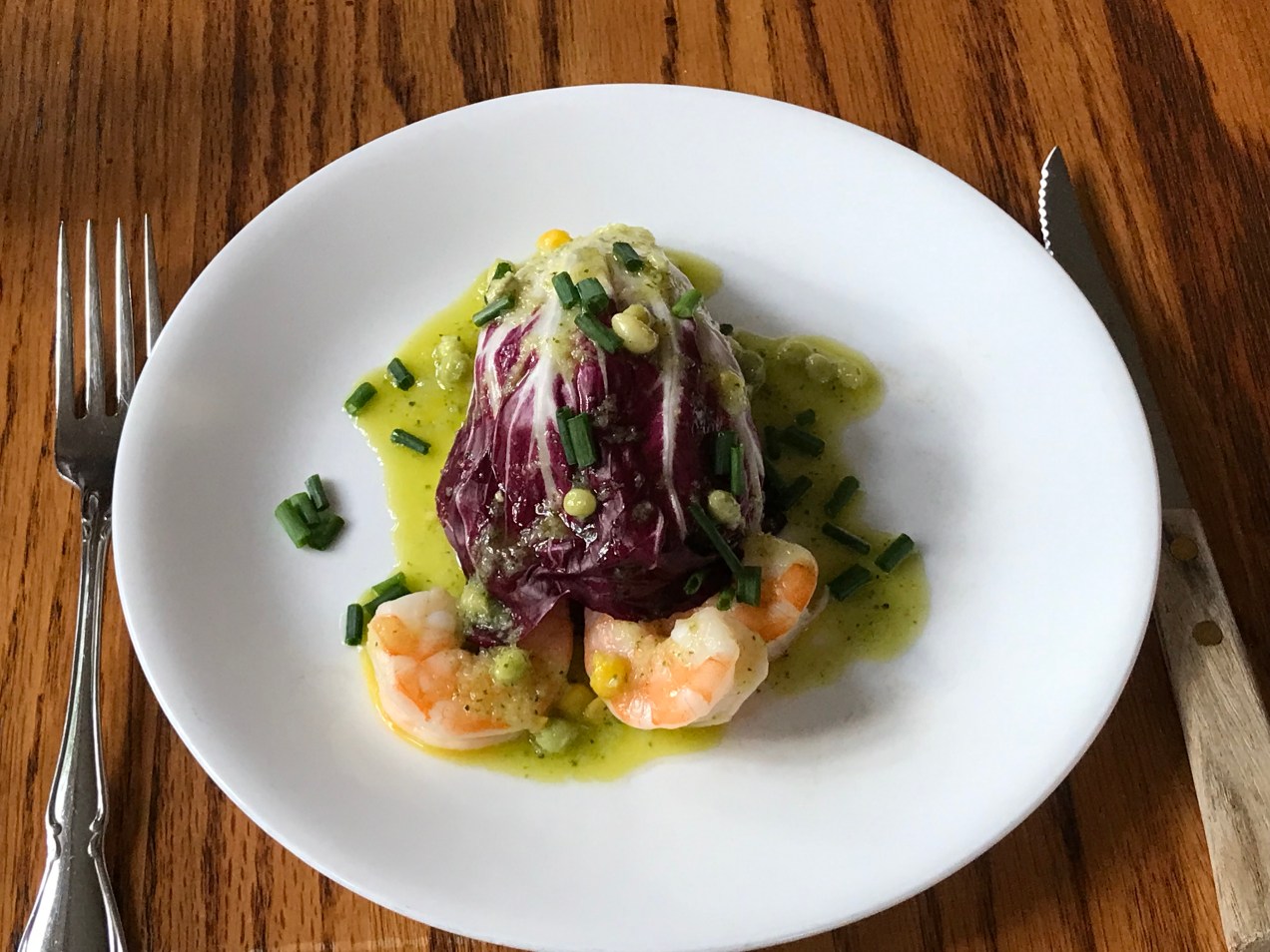
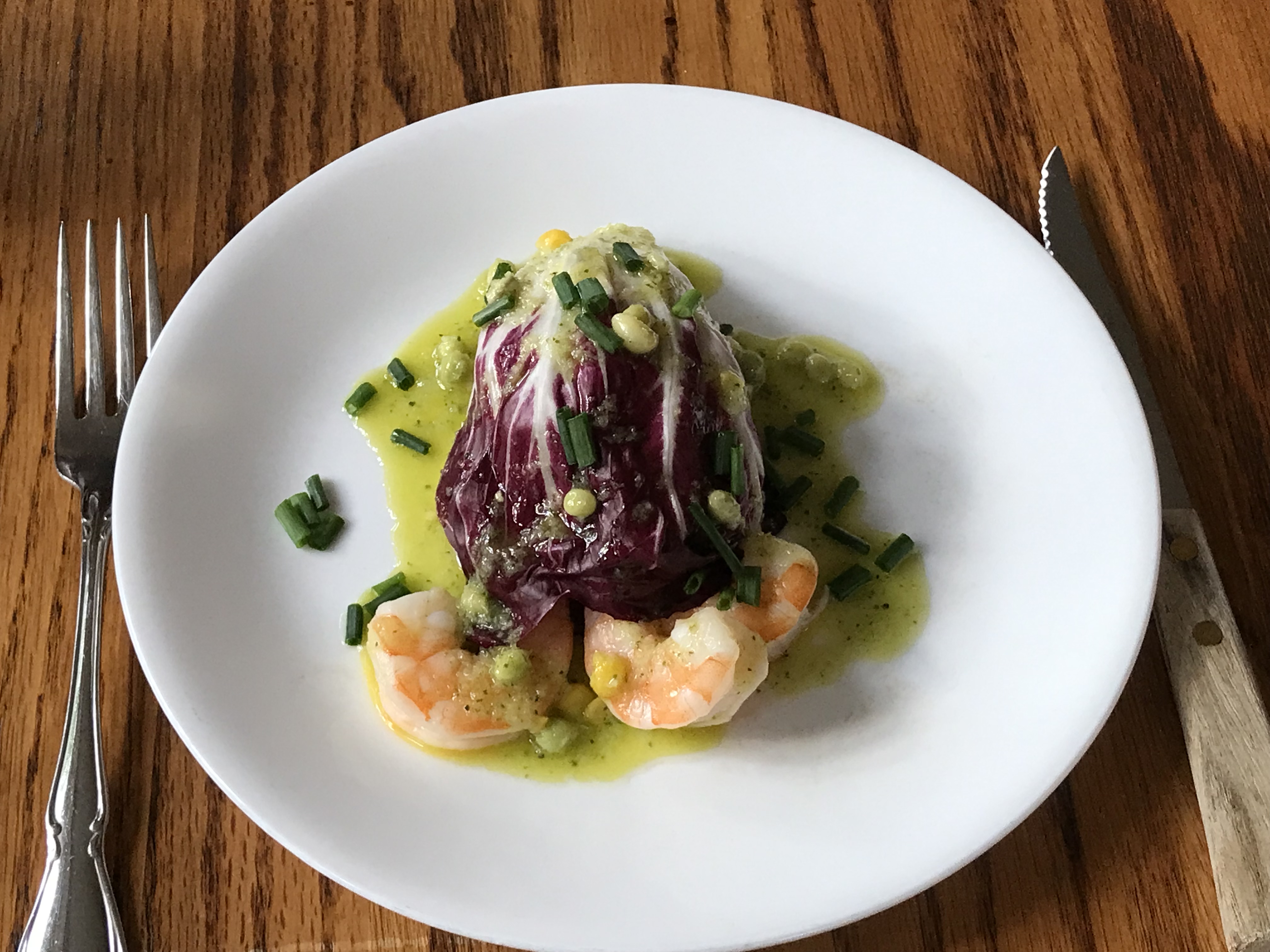
Menu: Shrimp and Radicchio with a Sweet and Sour Sauce, Fried “Soft-Shell Crabs,” Asparagus with Oil, Vinegar, and Fried Eggs on Radicchio, Sweet Semolina Cookies with Grana and Honey

Recommended Wine: Frontego (Soave, bright yellow with citrus aroma)

            If you’ve ever read Romeo and Juliet, you’ll know that the title characters’ secret wedding did not allow for a bachelor party, but here we can imagine one. Pizza, hot wings, and lots of beer seem more likely fare for such a party, but maybe Romeo preferred the specialties of the Veneto region. These include fish, shellfish, and cephalopods of all sorts, including soft-shell crabs and cuttlefish, a variety of sweet and sour sauces, and radicchio. While this menu does not match up to the story’s Medieval origins very well, it was tasty and interesting.

            Note that I did make a few substitutions for economy, convenience, and personal preference. The recipe called for using smoked salmon to form a “cornucopia” for the shrimp and vegetable pieces, but with all the other flavors in the mix it would be hard for the fish to shine. While the smoky flavor probably would have been a nice contrast with the sweet corn, peas, and sauce, the benefit didn’t justify the added cost. The contrast was provided by radicchio instead. Its bitter flavor worked well with the other ingredients, and it looked pretty on the plate. Even though I care more about how food tastes, having it look good is a nice bonus.

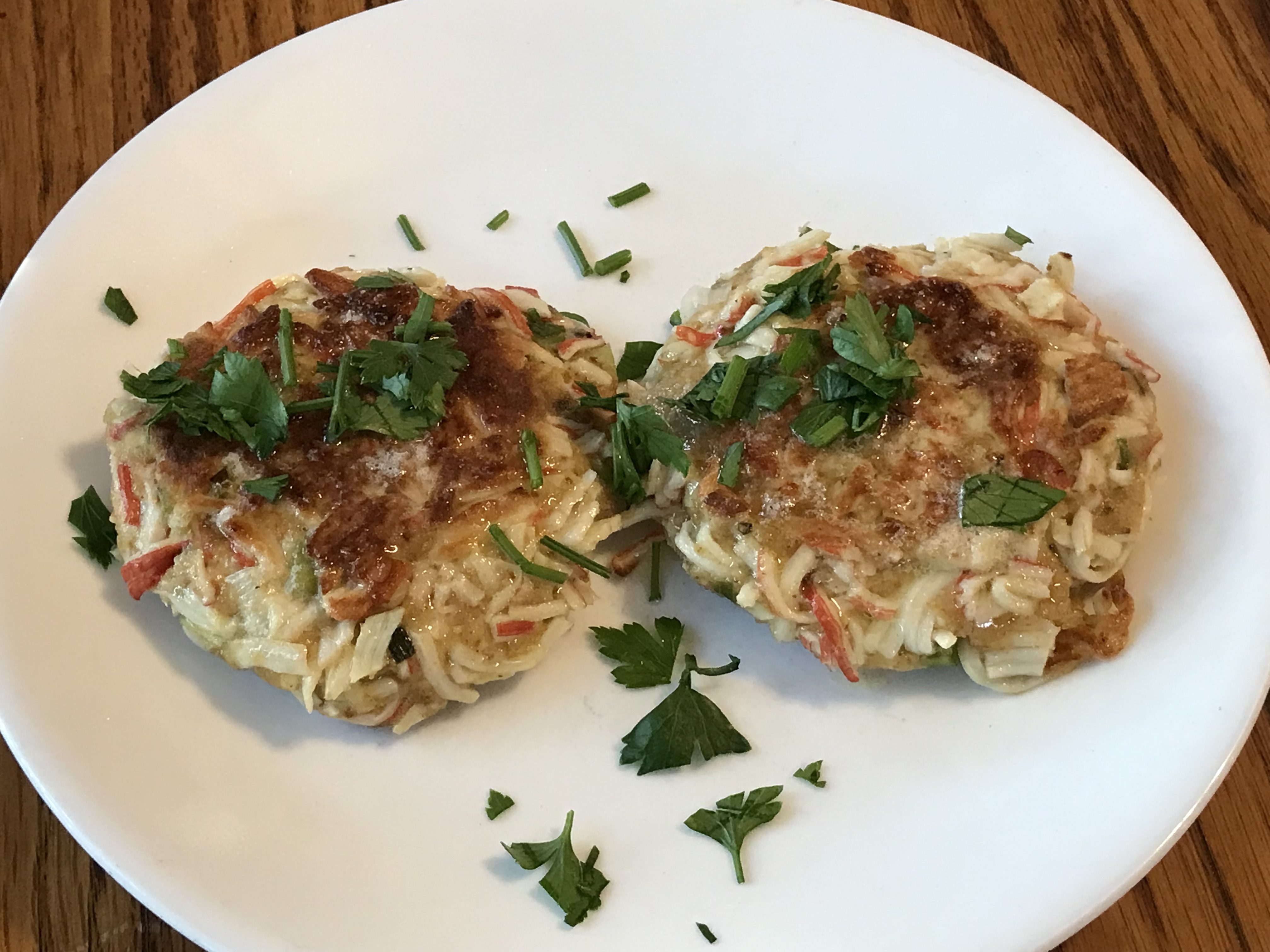
            Soft-shell crabs are hard to come by when you live several states away from the nearest ocean. The two options are 1) have them delivered (which is impractical unless buying a large quantity of items) or 2) drive three hours to one of the fish markets in Chicago (possibly at night to accommodate their early hours). As neither option was feasible, I decided to make crab cakes instead. Specifically, imitation crab cakes, because frozen crab was too expensive and I didn’t trust the canned variety. So I combined chopped imitation crab, bread crumbs, and eggs, shaped them into cakes about the width of a palm (roughly the size of actual soft-shell crabs), and made those the main course. They were delicious.

            The asparagus was closer to the recipe in the book. I cooked and marinated it as directed and plated it on radicchio. The difference was in the topping. The recipe calls for working chopped hard-boiled egg into the sauce. Since I don’t like hard-boiled eggs, I used another common method mentioned in the recipe: topping the asparagus with butter, fried eggs, and parmesan cheese. This all worked very well together and isn’t as weird for a bachelor party as it might seem.

            Asparagus has been viewed as an aphrodisiac since the days of Ancient Rome. After falling out of favor for several centuries, it became popular again in the Renaissance. There was even a way to tell if someone was eating it in secret: by the distinctive odor it left in their chamber pot. People have noticed for centuries that asparagus made their urine smell funny. Both Benjamin Franklin and Marcel Proust mention it at least once in their writings, and one 18th Century club insisted that gentlemen not urinate in the coat rack during asparagus season. Why that was too much to ask for during the rest of the year is unclear, but it was a different time.

            Moving on from aphrodisiacs and asparagus pee, we have dessert. These cookies are made crunchy and slightly gritty with semolina flour, flavored with rum and raisins, and served with parmesan-like grana cheese and honey. I’m not usually a raisin fan, but they were a good match with the light sweetness of the cookie and texture from the semolina. There is actually a Medieval connection here. At the end of a feast, it was common to serve wafers and cookie-like sweets, along with aged cheese, dried fruit, and spiced wine sweetened with honey. While the idea that this helped close the stomach and aid digestion was incorrect, the cookies, cheese, and honey worked surprisingly well together for a treat that stands the test of time.

Standard
Uncategorized

Cook’s Tour of Italy Menu 69 (Pgs. 220 – 224): Dinner for 4, Taranto

Region: Naples/Adriatic Coast

Menu: Taranto-Style Baked Oysters, Grilled Red Pepper Shrimp, Whipped Potatoes with Olive Oil, Farm-Style Zucchini in a Hot Sauce, Blueberry Ice with Melon Ball Spears

Recommended Wine: Rosa del Golfo (rosé from Apulia, coral pink with berry aroma)

            Like many other cities in Southern Italy, Taranto was originally founded by the Greeks. For centuries, the inhabitants fished, traded, and fought with other city-states. The first two activities remained important after the region was conquered by the expanding Roman Republic in the 3rd Century BC. The Romans were followed by the Visigoths, Byzantines, Lombards, Holy Roman Empire, Normans, French, Spanish, and finally the unified nation of Italy. Through all the changes in control, the inhabitants looked to the sea for an essential part of their diet.

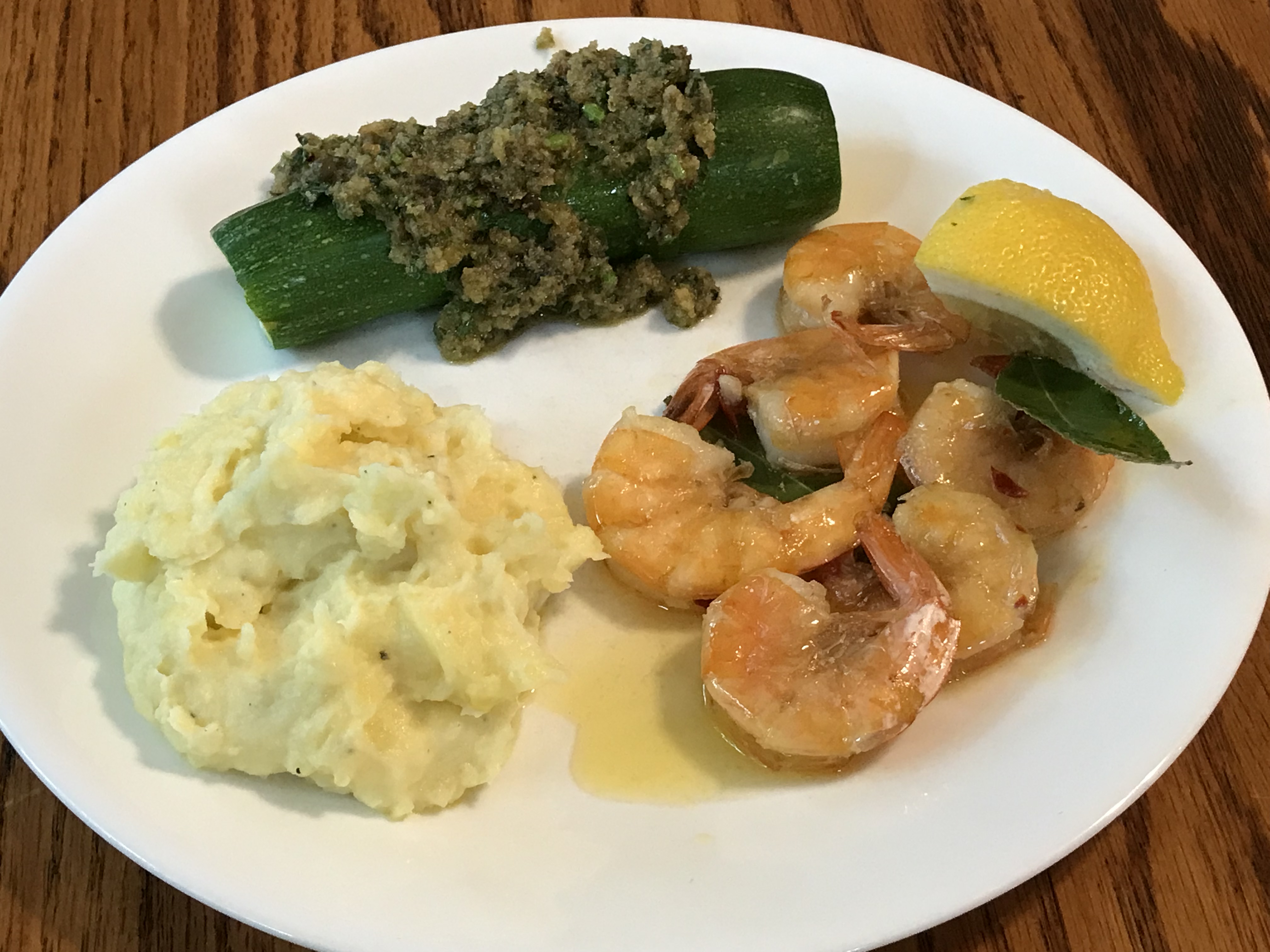
            Oysters have a complicated history. The Ancient Romans prized them and they are a luxury today, but for centuries they were peasant food. Perhaps this was because they were abundant by the coast and could not safely be transported inland as transportation networks broke down. Oysters did not become popular again until the Early Modern Era, with the exact date varying from place to place. As population rose and more oysters were eaten, they went from cheap protein, to mid-priced staple, to special treat, at least for some people. I’m not usually an oyster fan. They have an odd flavor and slimy texture, but baking them with bread crumbs was a significant improvement. The oysters tasted good, but were not spectacular. The shrimp was much better, with a nice garlic flavor and just a bit of spice.

            What’s interesting about this menu is how much it relies on ingredients originally from the Americas. The red pepper on the shrimp, potatoes, and zucchini were all part of the Columbian Exchange. While potatoes became much more important in Northern Europe, their high yields helped them achieve a place in Italian cuisine as well. Here they are whipped with olive oil, cream, and pecorino cheese. I wouldn’t have thought of putting olive oil in mashed potatoes or serving them with seafood, but the combination worked surprisingly well.

            Zucchini is everywhere is Italian cuisine. Exactly when it caught on is unclear, but since Europeans were already growing vine crops like melons and cucumbers when zucchini arrived from the Americas, it seems unlikely that there was much resistance. There is a joke in the US that you can’t leave your car unlocked in late summer or someone might put zucchini in it, which points to two of its virtues. It’s easy to grow and famously (or infamously) productive, hence the number of different recipes to use up the bounty.

            This is one of the more interesting recipes. The zucchini is simply boiled, but then it’s served with a sauce made from vinegar and oil, flavored with herbs and hot pepper flakes, and thickened with breadcrumbs. While the pepper flakes are a New World introduction, the sauce has a definite Medieval character. Most sauces at the time were strongly flavored with spices, herbs, and/or vinegar, contrasting with rather than complementing whatever they were served with. Because roux and flour were not yet used as thickeners, breadcrumbs filled that role, producing thicker sauces with much more texture. I was expecting a soggy sludge, but was pleasantly surprised. The flavor was the perfect balance for the neutral zucchini, and the thicker texture helped the sauce stay where it was supposed to rather than spill all over the plate.

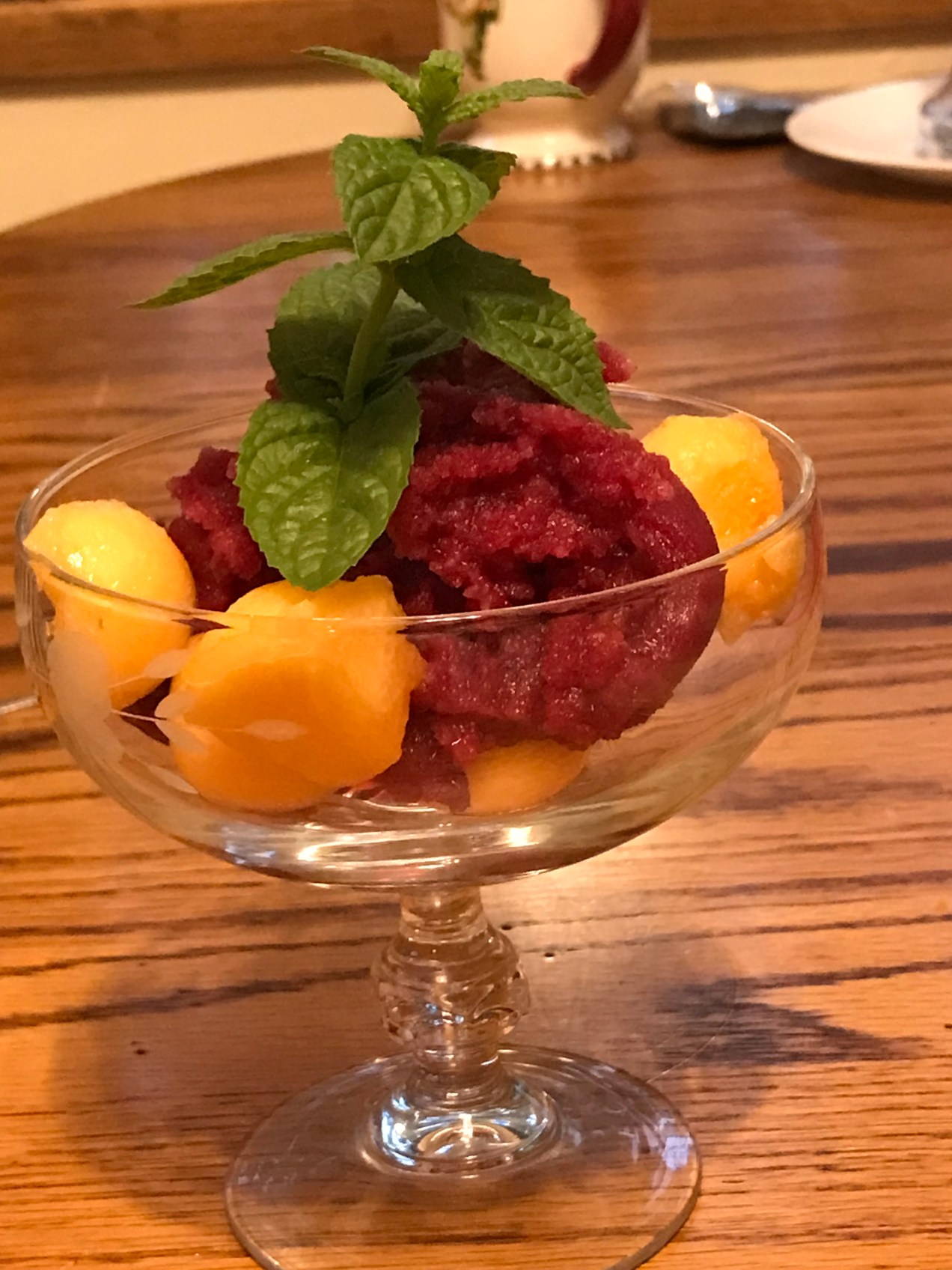
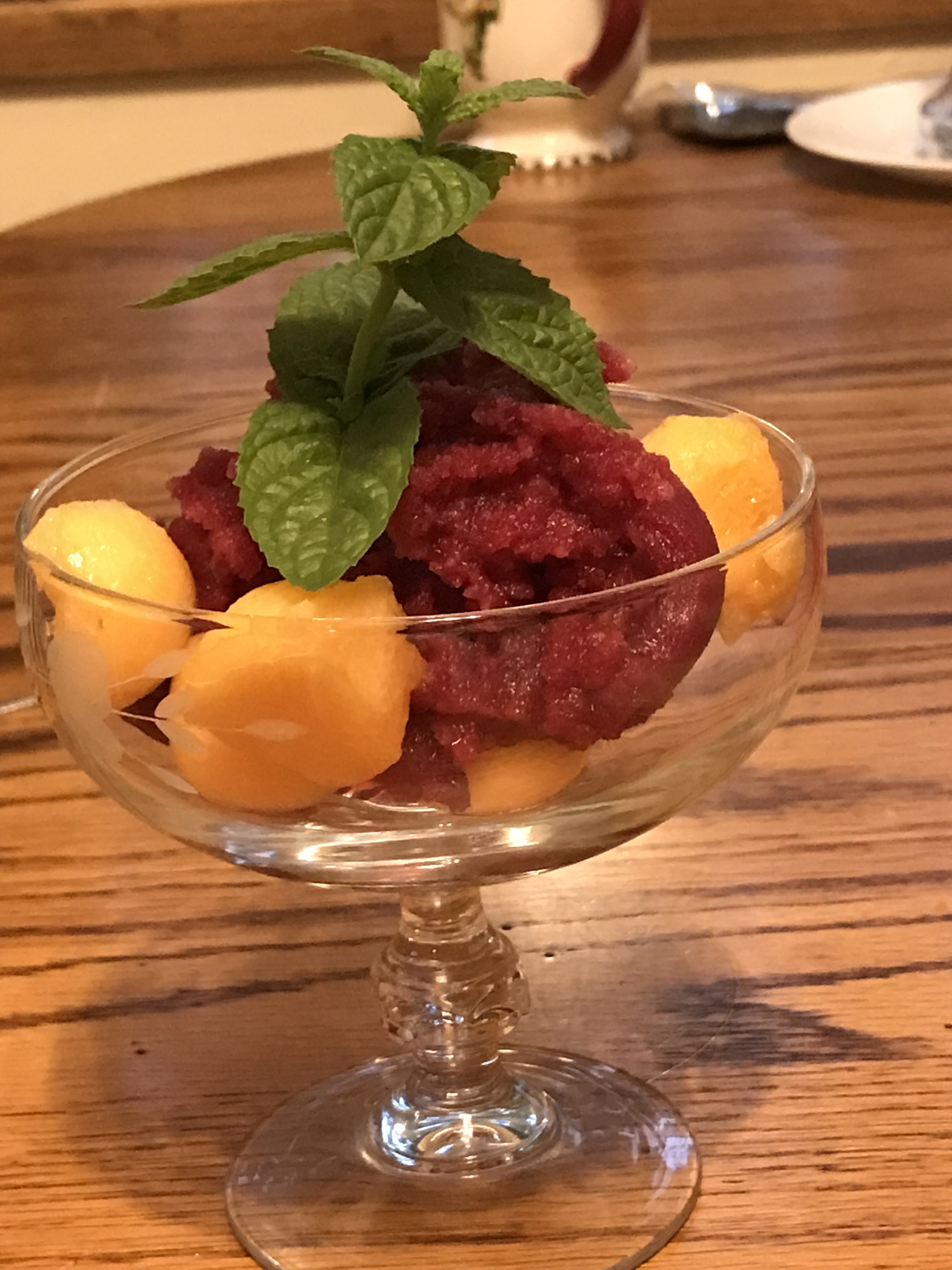
            For dessert was blueberry sorbet. I didn’t think that there were many blueberries in Southern Italy, but the recipe looked interesting and I was excited to try out my new ice cream maker. The flavor was unique and tasty, but what really stood out was the deep purple color. Just look how pretty it is.

Look at it!
Standard
Uncategorized

Cook’s Tour of Italy Menu 20 (Pgs. 72 – 74): Lunch for 6 at Home, Genoa

Region: Liguria/Piedmont

Menu: Genovese Squid Salad with Vegetables, Focaccia with Sage, Chocolate Mocha Ricotta Cheesecake

Recommended Wine: Cinque Terre

            Squid might seem like a strange salad ingredient, but various seafood salads are common in Genoa and the rest of Liguria. With hilly terrain and mountains close to the sea limiting grazing land, seafood has long been a staple in the Ligurian diet. One of the most elaborate preparations is a Christmas Eve specialty called cappon magro, or “lean capon.” At one time, Christmas Eve was a “lean” or meatless day, as was the rest of Advent. To compensate for the lack of meat, cooks for wealthy clients created numerous elaborate seafood dishes. Some of these specialties included “ham” made of salmon, “bacon” made with different colors of fish layered together, “game birds” made of spiced pike, and custard made with fish and almond milk.

            Liturgical fasting has a fascinating history. As Christianity spread around the Mediterranean, meat was more of a luxury than fish, so replacing meat with fish made sense. This changed once Christianity reached Northern Europe, especially inland regions, and over the centuries those who could afford to do so increasingly followed the letter of the law, but not its spirit. By the Late Middle Ages, what could be considered “fish” was truly mind-boggling.

            Considering whales and dolphins as fish was probably an honest mistake, but I’m not sure how the confusion persisted. Surely whoever was responsible for preparing them noticed that they lacked gills and had lungs like a cow or pig, but maybe animals were classified by where they lived rather than how they breathed. Other “fish” included beavers and barnacle geese, which were believed to come from barnacles instead of eggs, though this was doubted by many people, including at least one Pope. If you’re wondering, barnacle geese do hatch from eggs, but since they nest in the Arctic no Europeans saw the evidence until the 16th Century. By the time that confusion was cleared up, Spanish settlers in South America had decided that the capybara counted as a fish because it spends a lot of time in the water. Apparently, the fact that they look more like giant guinea pigs than fish was irrelevant.

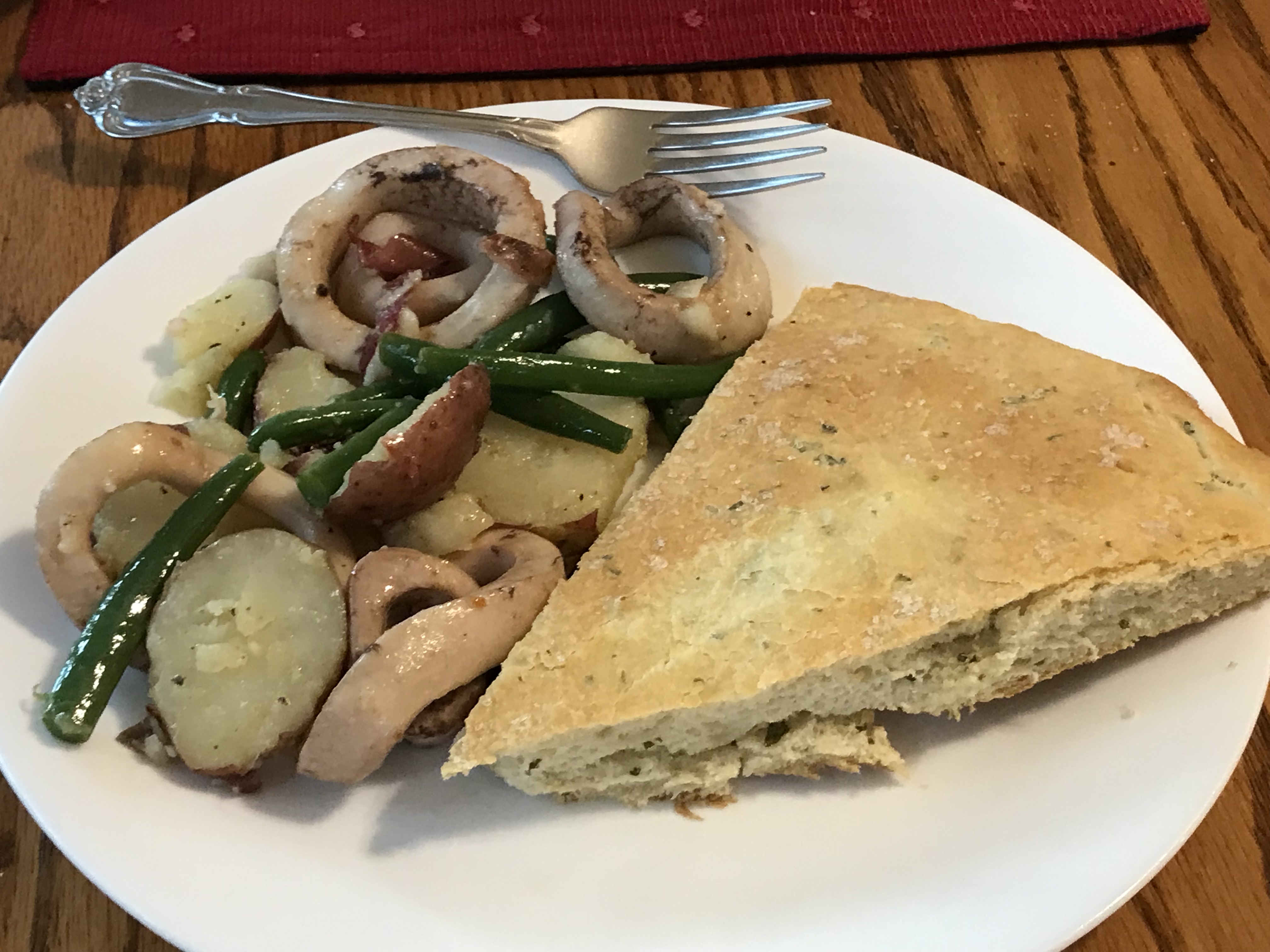
            There is no doubt, however, that squid counts as a fish. In this salad, it is baked, combined with potatoes, cooked vegetables, and a vinaigrette dressing, and served slightly warm. While the dish didn’t stand out like some that I’ve tried, it had a nice balance between protein, starch, and vegetable, none of the flavors overpowered the others, and the leftovers were almost as good cold the next day. And based on everything I’ve learned, the mix of seafood and fresh vegetables is very Ligurian.

            So is the focaccia, with lots of olive oil and herbs. Personally, I had some trouble with it. Despite following the recipe exactly, it wasn’t thick and spongy like what you find in the store and see on cooking shows. It was thinner and crispy, almost like a hand-tossed pizza crust. It still tasted great, but I couldn’t figure out what went wrong. Maybe the recipe is for a different variety of focaccia. With the number of bread varieties in Italy, that would not be surprising.

            I do know what went wrong with the cheesecake. The recipe called for a 6-inch springform pan, which I do not have. Rather than buy a new piece of equipment, I just used a regular springform pan, set the timer for less, and kept a close eye on the progress. It was good that I did, because even the shorter time was plenty. Many people would probably consider it overbaked, but it wasn’t burnt and I liked the firmer texture. The mocha flavor was excellent and it was a generally nice dessert.

Standard