middle eastern cuisine, recipes, vegetarian

Lent Friday Special: Shakshuka (eggs in tomato sauce)

1000 Foods (pg. 697) for information, recipe is my own creation

            Lent recently ended, along with its associated dietary restrictions. Fortunately for those of us inclined to follow Lent Friday fasting rules, eggs and dairy products have been permitted for the last few hundred years. Fish fries are always an option, but for an easy dinner at home that follows both the letter and spirit of Lent, it’s hard to beat eggs. (Or cheese, but that’s a topic for another post. Seriously, instead of fried fish sandwiches, fast food places should offer fried cheese as a meat alternative. I guarantee there’s a market for it.) They’re quick-cooking and versatile, perfect for an evening when you’re tired after the work week. An easy, quick-cooking egg recipe is the Middle Eastern dish shakshuka.

            Tomatoes aren’t just for Italian food. Once they were introduced to the Mediterranean, they were widely adopted across the Middle East and North Africa. The plants thrive in the abundant sunshine, as do sweet and hot peppers. One use for them is in shakshuka, a thick, spicy tomato sauce used to poach or scramble eggs. It’s often a breakfast dish in the Middle East, but also makes a great vegetarian lunch or dinner. The prettiest appearance comes from poaching the eggs whole, producing a mix of red, white, and yellow. Personally, I prefer to scramble the eggs and pour them into wells in the sauce. Either way, a sprinkle of cilantro brightens it up and adds even more color. If you happen to have the gene that makes cilantro taste like soap, I’m sure chopped parsley would be a good substitute. This should be served alongside some bread.

            Ingredients:

  • 1 – 2 tablespoons olive oil
  • 1 onion, chopped
  • 1 green pepper, chopped
  • 2 garlic cloves, smashed and minced
  • ½ teaspoon red pepper flakes
  • ½ teaspoon cumin
  • 1 can (about 15 – 16 oz) crushed tomatoes (not tomato sauce)
  • 4 eggs
  • 2 tablespoons milk
  • 1 bunch cilantro (also called fresh coriander), chopped
  • Bread, for serving

            Directions:

  1. Heat the olive oil in a large skillet over medium heat, then add the onions and peppers with a pinch of salt, sautéing until soft.
  2. Add the garlic, red pepper flakes, and cumin, stirring for about a minute. Stir in the crushed tomatoes.
  3. Reduce the heat to medium-low. Cook for about 10 minutes, stirring occasionally, until the sauce thickens.
  4. Meanwhile, beat the eggs with the milk and a pinch of salt.
  5. Make four “wells” in the sauce, then pour in the eggs, dividing evenly. If the wells overflow a bit, that’s fine. Cover the pan and cook until the eggs are set, about 5 – 8 minutes.
  6. Sprinkle with about half the cilantro, setting aside the remainder for anyone who wants extra. Serve with bread.

This quantity serves two people, but to feed more, just add another two eggs and one tablespoon milk per person. If serving more than four, double the sauce and use two skillets. And for more fun facts and recipes, make sure to subscribe for free.

Standard
Uncategorized

Cook’s Tour of Italy Menu 20 (Pgs. 72 – 74): Lunch for 6 at Home, Genoa

Region: Liguria/Piedmont

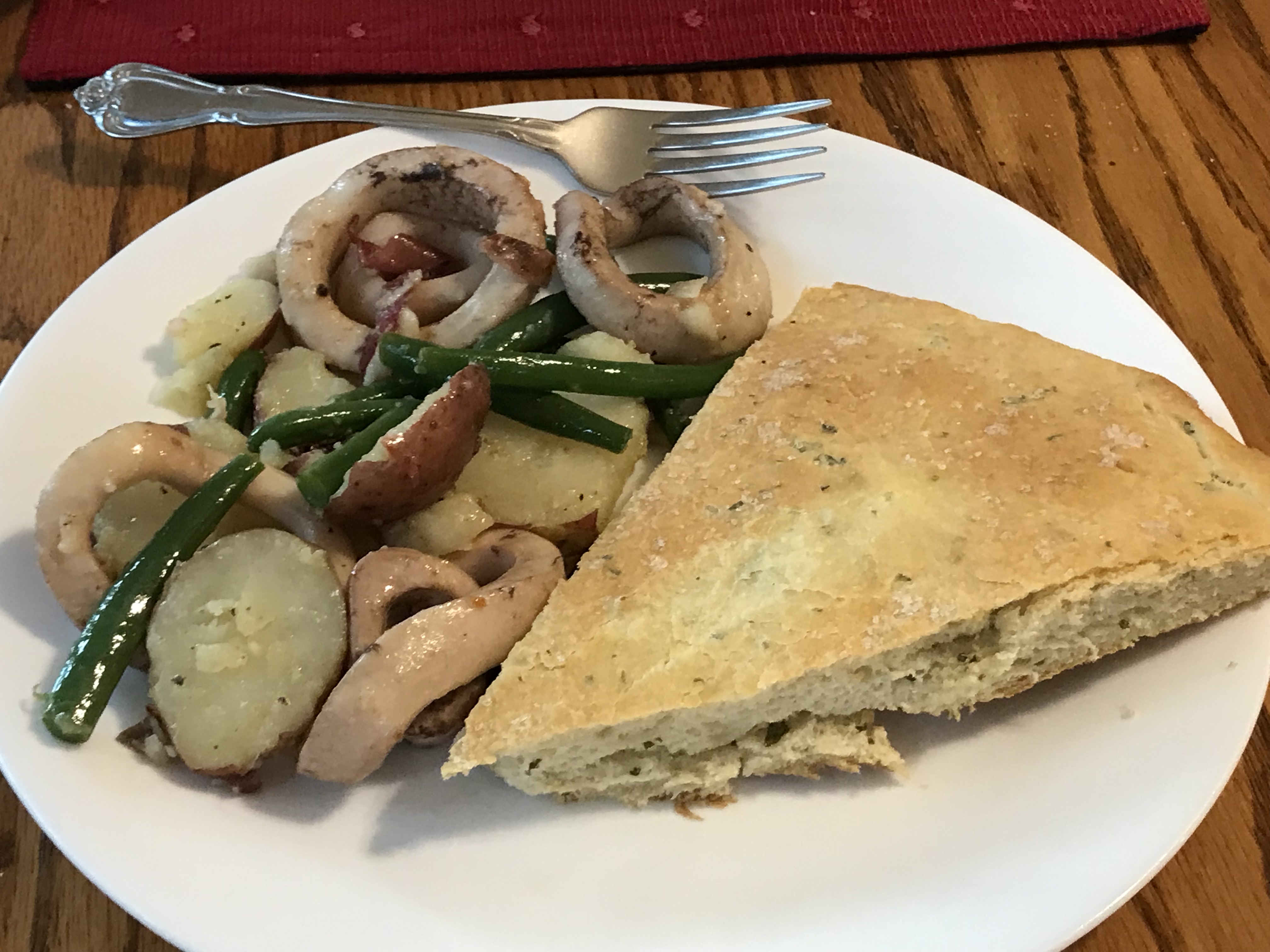
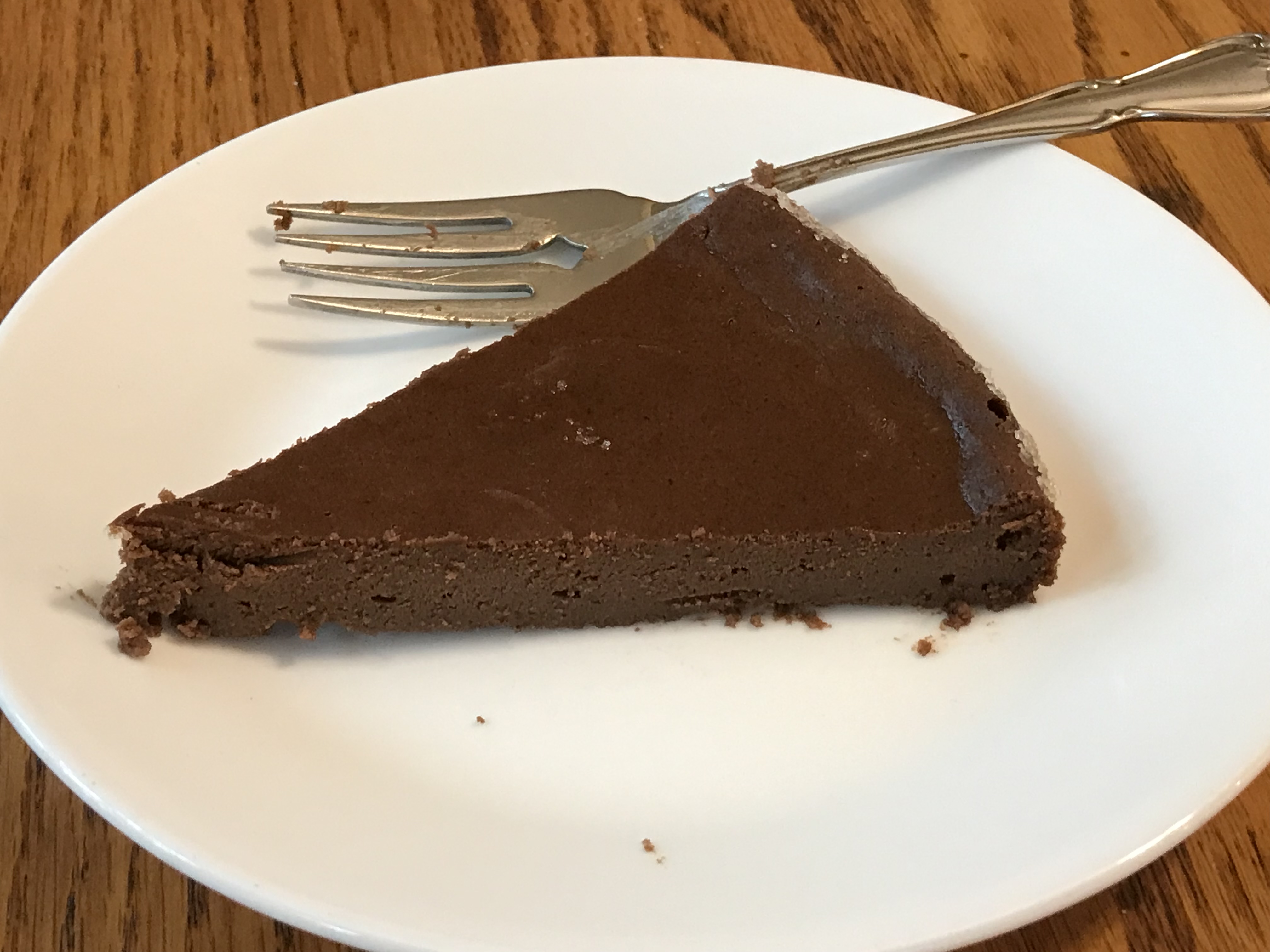
Menu: Genovese Squid Salad with Vegetables, Focaccia with Sage, Chocolate Mocha Ricotta Cheesecake

Recommended Wine: Cinque Terre

            Squid might seem like a strange salad ingredient, but various seafood salads are common in Genoa and the rest of Liguria. With hilly terrain and mountains close to the sea limiting grazing land, seafood has long been a staple in the Ligurian diet. One of the most elaborate preparations is a Christmas Eve specialty called cappon magro, or “lean capon.” At one time, Christmas Eve was a “lean” or meatless day, as was the rest of Advent. To compensate for the lack of meat, cooks for wealthy clients created numerous elaborate seafood dishes. Some of these specialties included “ham” made of salmon, “bacon” made with different colors of fish layered together, “game birds” made of spiced pike, and custard made with fish and almond milk.

            Liturgical fasting has a fascinating history. As Christianity spread around the Mediterranean, meat was more of a luxury than fish, so replacing meat with fish made sense. This changed once Christianity reached Northern Europe, especially inland regions, and over the centuries those who could afford to do so increasingly followed the letter of the law, but not its spirit. By the Late Middle Ages, what could be considered “fish” was truly mind-boggling.

            Considering whales and dolphins as fish was probably an honest mistake, but I’m not sure how the confusion persisted. Surely whoever was responsible for preparing them noticed that they lacked gills and had lungs like a cow or pig, but maybe animals were classified by where they lived rather than how they breathed. Other “fish” included beavers and barnacle geese, which were believed to come from barnacles instead of eggs, though this was doubted by many people, including at least one Pope. If you’re wondering, barnacle geese do hatch from eggs, but since they nest in the Arctic no Europeans saw the evidence until the 16th Century. By the time that confusion was cleared up, Spanish settlers in South America had decided that the capybara counted as a fish because it spends a lot of time in the water. Apparently, the fact that they look more like giant guinea pigs than fish was irrelevant.

            There is no doubt, however, that squid counts as a fish. In this salad, it is baked, combined with potatoes, cooked vegetables, and a vinaigrette dressing, and served slightly warm. While the dish didn’t stand out like some that I’ve tried, it had a nice balance between protein, starch, and vegetable, none of the flavors overpowered the others, and the leftovers were almost as good cold the next day. And based on everything I’ve learned, the mix of seafood and fresh vegetables is very Ligurian.

            So is the focaccia, with lots of olive oil and herbs. Personally, I had some trouble with it. Despite following the recipe exactly, it wasn’t thick and spongy like what you find in the store and see on cooking shows. It was thinner and crispy, almost like a hand-tossed pizza crust. It still tasted great, but I couldn’t figure out what went wrong. Maybe the recipe is for a different variety of focaccia. With the number of bread varieties in Italy, that would not be surprising.

            I do know what went wrong with the cheesecake. The recipe called for a 6-inch springform pan, which I do not have. Rather than buy a new piece of equipment, I just used a regular springform pan, set the timer for less, and kept a close eye on the progress. It was good that I did, because even the shorter time was plenty. Many people would probably consider it overbaked, but it wasn’t burnt and I liked the firmer texture. The mocha flavor was excellent and it was a generally nice dessert.

Standard