Uncategorized

Cook’s Tour of Italy Menu 64 (Pgs. 204 – 207): Neapolitan Macaroni Menu

Region: Naples/Adriatic Coast

Menu: Penne with Pork Tomato Sauce, Sliced Pork, Carrots with Marsala, Romaine Watercress and Snow Peas with Lemon, Almond-Orange Meringue Cookies

Recommended Wine: Gragnano

            Ragu, a rich sauce with tomatoes and meat, is popular all over Italy, but two main styles are most famous. The first, Bologna-style, is more of a meat sauce flavored with tomatoes and is popular across the North. The second, Neapolitan-style, is a tomato sauce flavored with meat, which is then served as a separate course. Variations of this second style are prevalent across the South, and here we have a basic version, flavored with pork shoulder. The difference in the two styles probably has to do with the fact that in the historically less affluent South, there was more incentive for diners to fill up on pasta before serving the meat.

            This brings up an important point about typical Italian meal structure. The number of courses included depends on if it is an everyday or celebratory meal, but they usually follow a specific sequence: antipasti (appetizers), primi (pasta, risotto, polenta, or another starch or soup), secondi (meat or fish) with contorni (vegetable sides), salad, fruit and cheese (the most typical dessert), and dolci (sweets). If meat or fish is included (it may or may not be), it is always served after the starch. Here we have pasta with the tomato sauce as a first course, sliced pork for the second with carrots as a side, followed by salad, then cookies.

            Humans and pigs have a fascinating history. First domesticated around 8000 BC, pigs quickly proved their value to early farming peoples. While they didn’t provide wool, surplus milk for human use, or pull plows, pigs mature quickly and breed much faster than sheep, goats, or cattle. This made them the most efficient source of meat, making up for their shortcomings in other regards. Plus, they could eat almost anything. Despite all this, pork taboos have been widespread across the Middle East for thousands of years.

            At first glance, this is baffling. After all, this is where pigs were first domesticated. People in the earliest Mesopotamian civilizations ate pork without issue. Evidence suggests it was fed to workers building the pyramids. But over time, more and more taboos appeared, particularly after 1000 BC. There were some complete prohibitions like in the Hebrew Bible. In other cases, pork was seen as an inferior food for those who couldn’t afford meat otherwise, or an unclean food that was fine for the common people but unfit for priests and nobles. At the same time in Europe, where pigs had been introduced, and in China, where they were domesticated independently, no such problems arose and pork continued to be eaten widely.

            There are a number of theories for this. One is that centuries of environmental damage in the Middle East reduced the area suitable for raising pigs. Another is that the introduction of chickens, which eat similar food, are small enough to eat at a single meal, and also produce eggs, made pigs unnecessary. Regardless, pigs remained essential in Europe, where they had plenty of woodland to forage in. Plus, in the cooler climate, preserving the meat as bacon, ham, or sausage was easier to do.

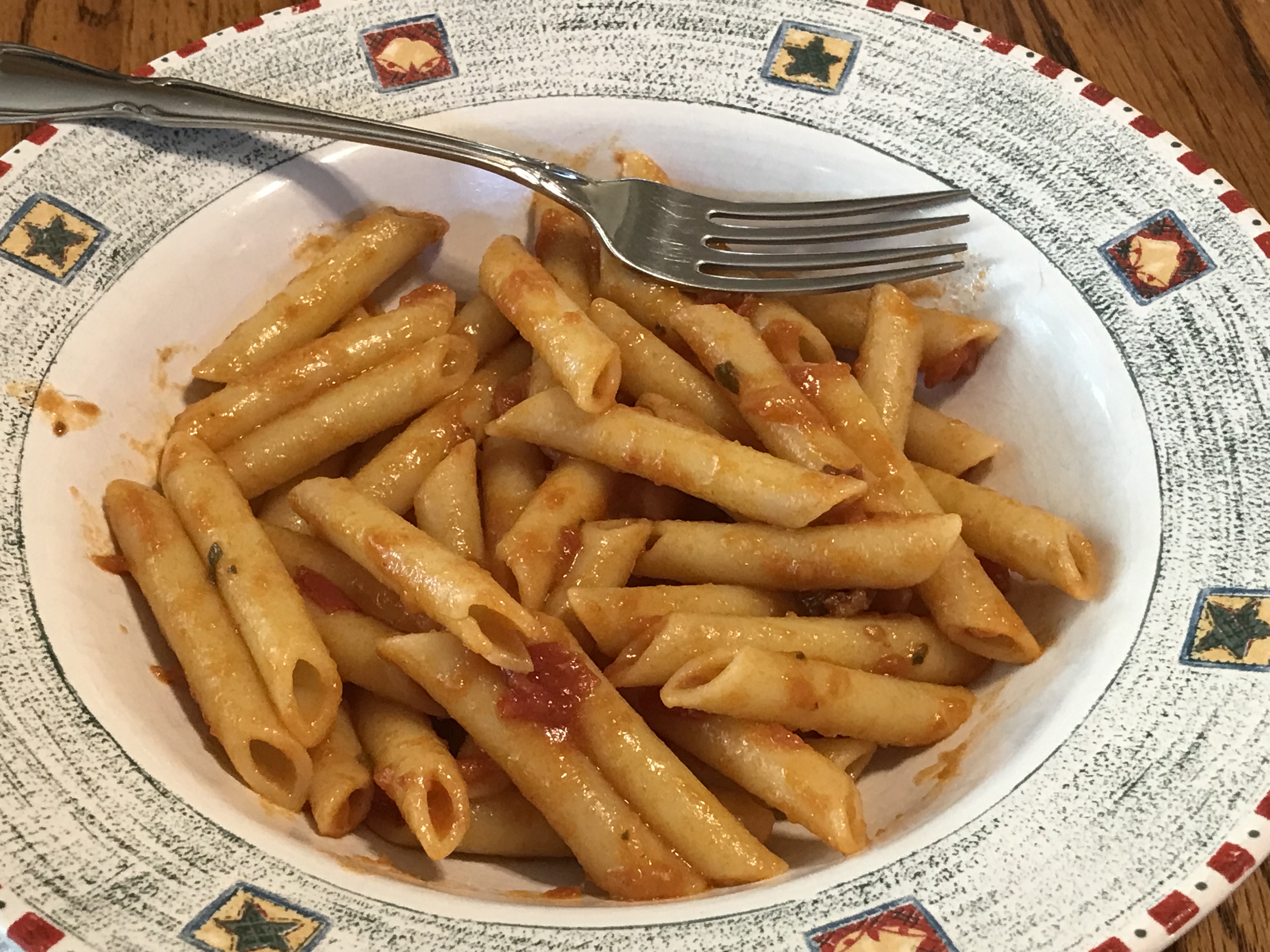
            In cuisines where meat is limited, pork often acts as much as a flavoring as a source of protein. Cured pork products are frequently used for this, but here fresh pork shoulder or butt is used. After the meat is cooked, it is kept warm while the sauce is eaten with the pasta. If serving pasta first is to encourage people to fill up before having any meat, this dish did its job. The pork flavor was clearly present and provided an incredible richness to the sauce. Saving room for the other courses took substantial willpower. As expected, the sliced pork that followed was excellent; very tender and flavorful.
            Carrots might seem surprising in an Italian menu, but they were eaten as far back as Ancient Rome, though they might not have been orange. New varieties were introduced from the east in the Middle Ages, though the story about the orange carrot being created by the Dutch to honor their ruling family in the 17th Century seems unlikely to be true. A drawing in a 6th Century manuscript clearly shows an orange carrot, though during the Renaissance white, yellow, red and purple carrots were also common. These other colors have recently regained popularity in a big way, even becoming trendy. Hopefully this particular trend sticks, as each of the varieties has a slightly different flavor, and they are just so pretty. But for this menu, we have regular orange carrots, cooked with a bit of sugar and marsala, and topped with minced scallions.
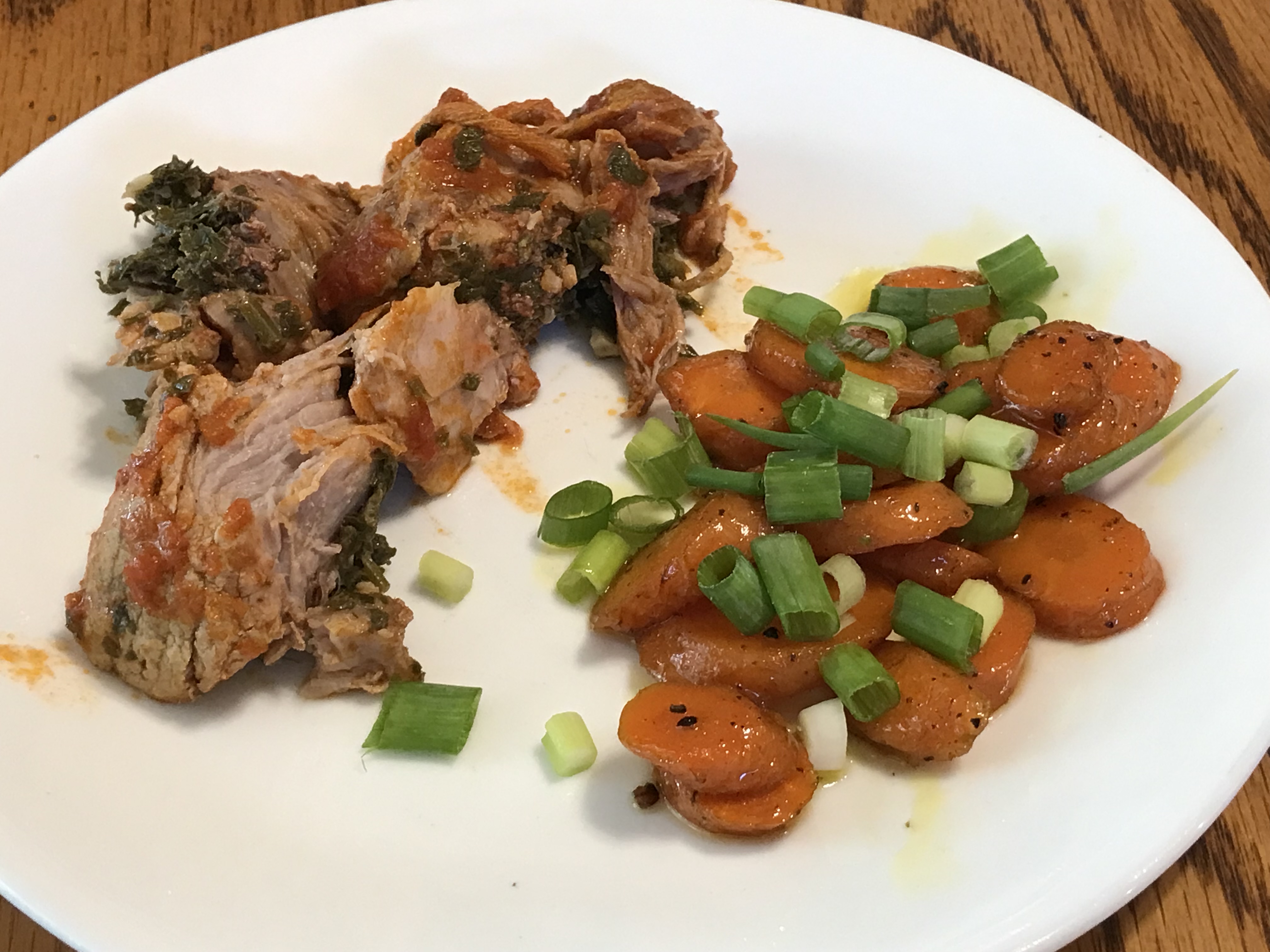
            Every now and then, there is a dish that makes me think “Whoa, I made this?” This was one of those dishes. The marsala worked a lot better with carrots than with oranges, and the sugar produced a lightly browned glaze, and everything worked together for an incredible depth of flavor. A sprinkling of scallions on top added a nice contrast in taste and color. Though made with affordable ingredients, these would fit right in on a fancy restaurant menu. The advantage of making them at home is that you can have a normal portion size, leftovers, and avoid the restaurant markup in cost.
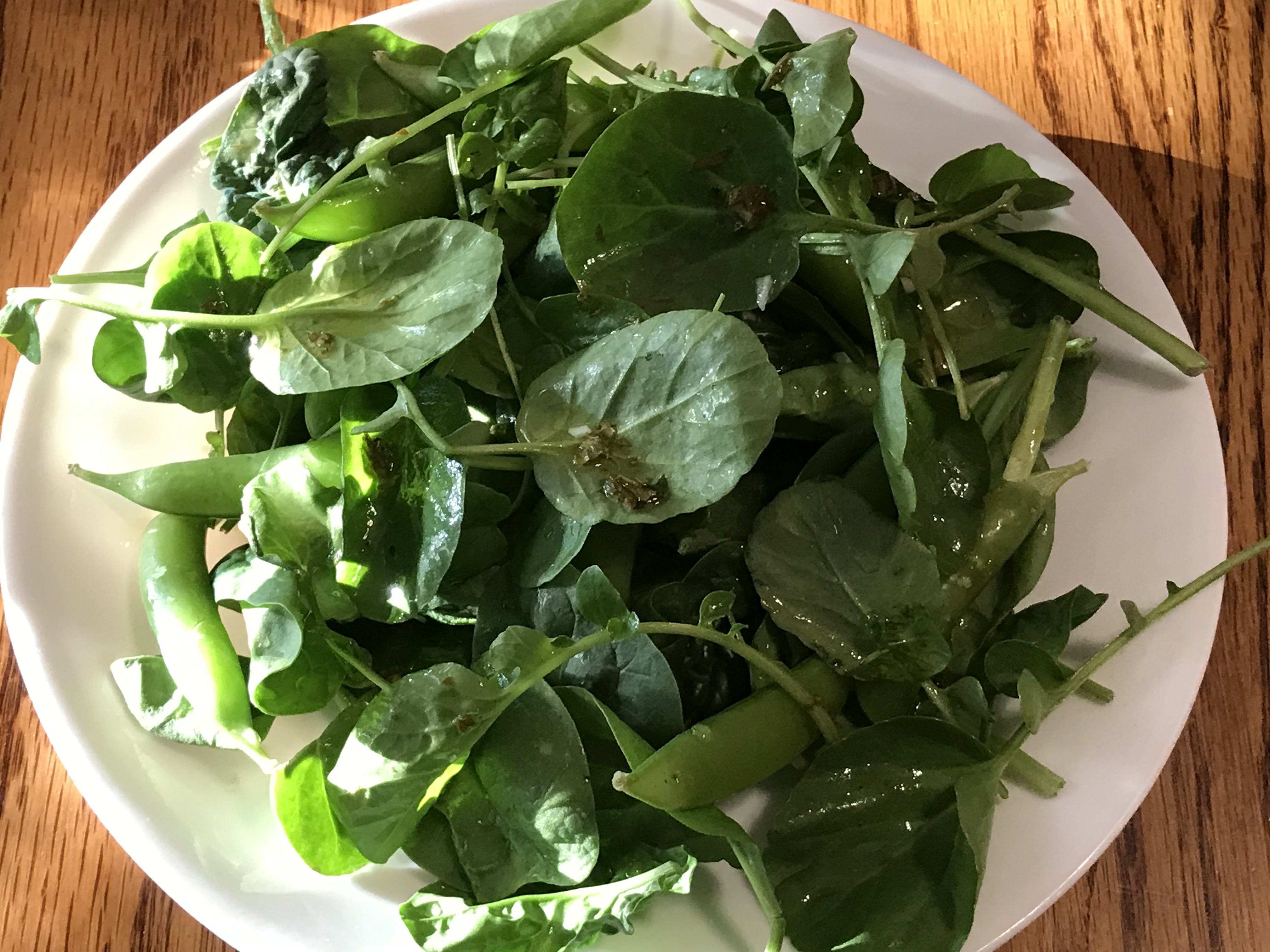
            Watercress and snow peas provided interesting contrasts for the salad; peppery for the watercress, sweet and crunchy for the snow peas. The dressing was a bit too sour, but in small quantities worked fine.
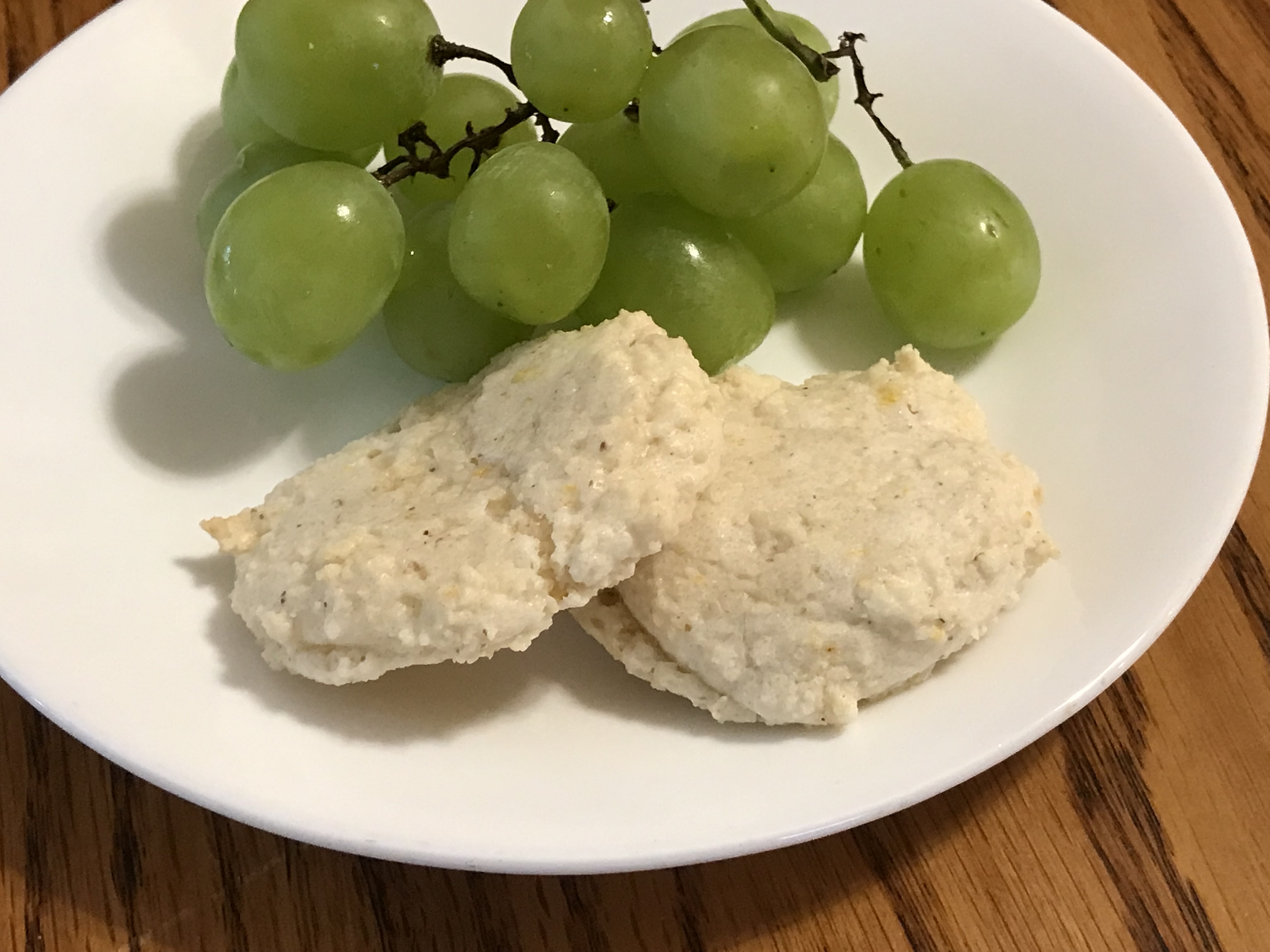
            The cookies were based on a meringue, which is a whipped mixture of sugar and egg whites. As pointed out in the book, these were sort of like the ricciarelli from Siena, with almonds and orange peel. They reminded me of macarons, with a crispy outside and chewy inside, though these were supposed to be crunchy. I suspect that humidity may have played a role in the texture not quite matching up, since meringue is known to be touchy on humid days. However they were supposed to turn out, they were delicious. Maybe I’ll tackle actual macarons at some point in the future.

Standard
Uncategorized

Cook’s Tour of Italy Menu 71 (Pg. 227): Broccoli Rabe and Goat Cheese Pizza

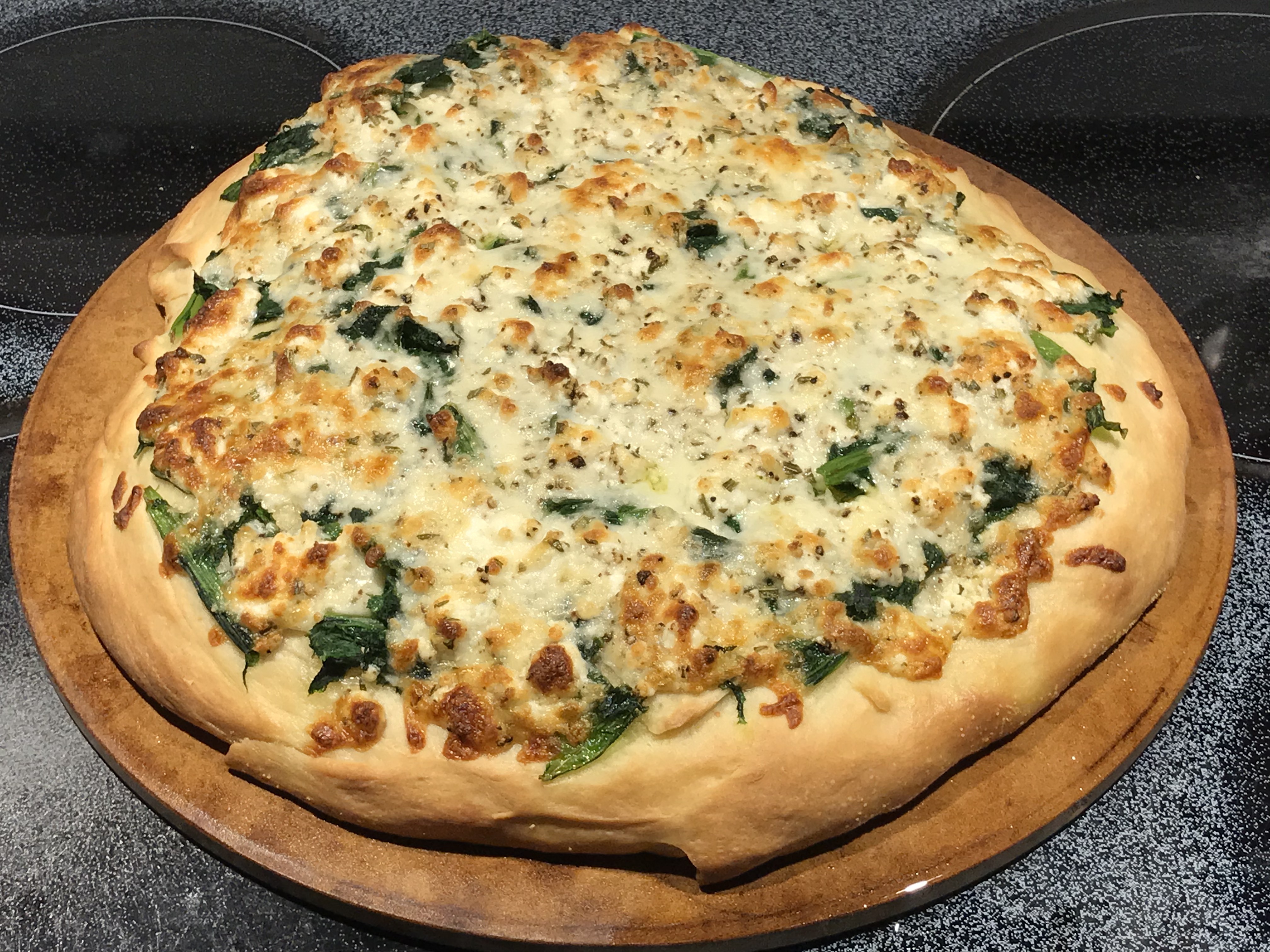
            This is another interesting, tomato-less pizza. Topped with broccoli rabe and goat cheese, it has notable bitter and tangy flavors. A thick, mild-flavored crust, garlic-infused olive oil, mozzarella, and rosemary help balance them out. One thing to note is that broccoli rabe is not the same as broccoli or broccolini. It is actually an entirely different plant, with a strong, bitter flavor that needs to be tempered by cooking. As broccoli rabe is difficult to find where I live, I used mustard greens, which supposedly have a similar flavor. They ended up a little bland, but I think that could be dealt with by reducing the blanching time. Overall, this was pretty good, but I liked the last pizza better.

Standard
Uncategorized

Cook’s Tour of Italy Menu 74 (Pgs. 228 – 229): Mozzarella Meatloaf

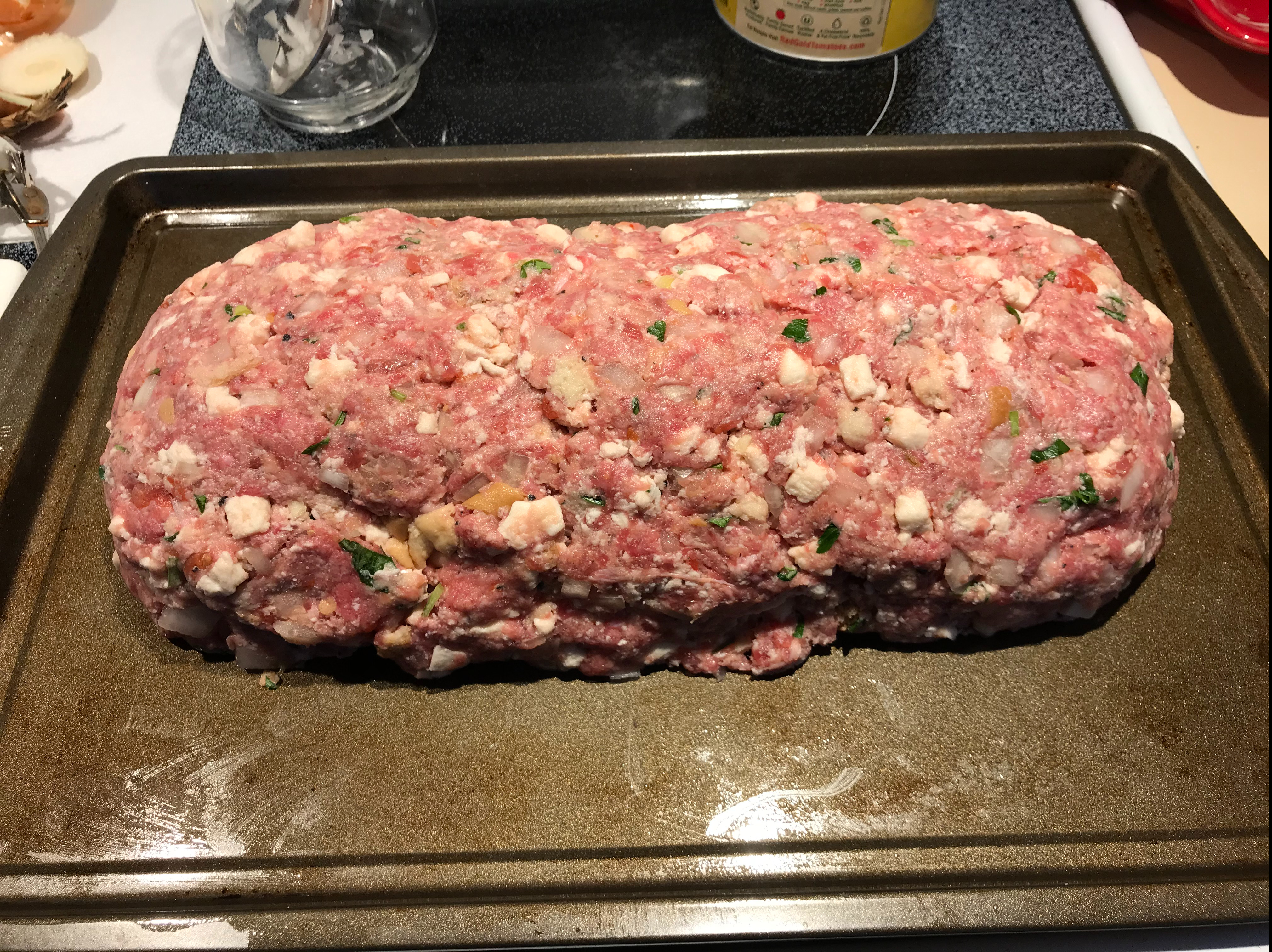
            Returning again to the South, we have what is essentially a giant, elongated meatball. The name, polpettone, is even similar to the word for meatballs, polpette. A mix of ground beef, Italian sausage, bread, parsley, eggs, fresh mozzarella, and grated Romano cheese is formed into a loaf shape and baked. The result can apparently be served warm or cold, on a sandwich if desired, with an optional tomato sauce. Since it was a weekend afternoon and I wasn’t exactly busy, I opted to make the tomato sauce on page 175 to go with it. Any left over could be used for pasta.

            This was fantastic. I never considered the choice of warm or cold, since it was the middle of winter and the idea of cold meatloaf is odd to me. After pulling it out of the oven, I let it rest for a few minutes while the intoxicating aroma saturated the kitchen, then sliced and dished it up, still piping hot. It did fall apart a little bit (it’s usually easier and neater to slice cooled food), but the taste was the important part. The flavors melded together beautifully, fat in the sausage and moisture in the mozzarella kept it from drying out, and the sweet, acidic tomato sauce was the perfect contrast to the rich meatloaf. Ultimately there was just enough sauce for the leftovers the next day. I used up the leftover ground beef and sausage to make another a few days later and we devoured it that one too. This recipe is just that good.

Standard
Uncategorized

Cook’s Tour of Italy Menu 70 (Pg. 226): Sweet Pepper Pizza with Ricotta Salata

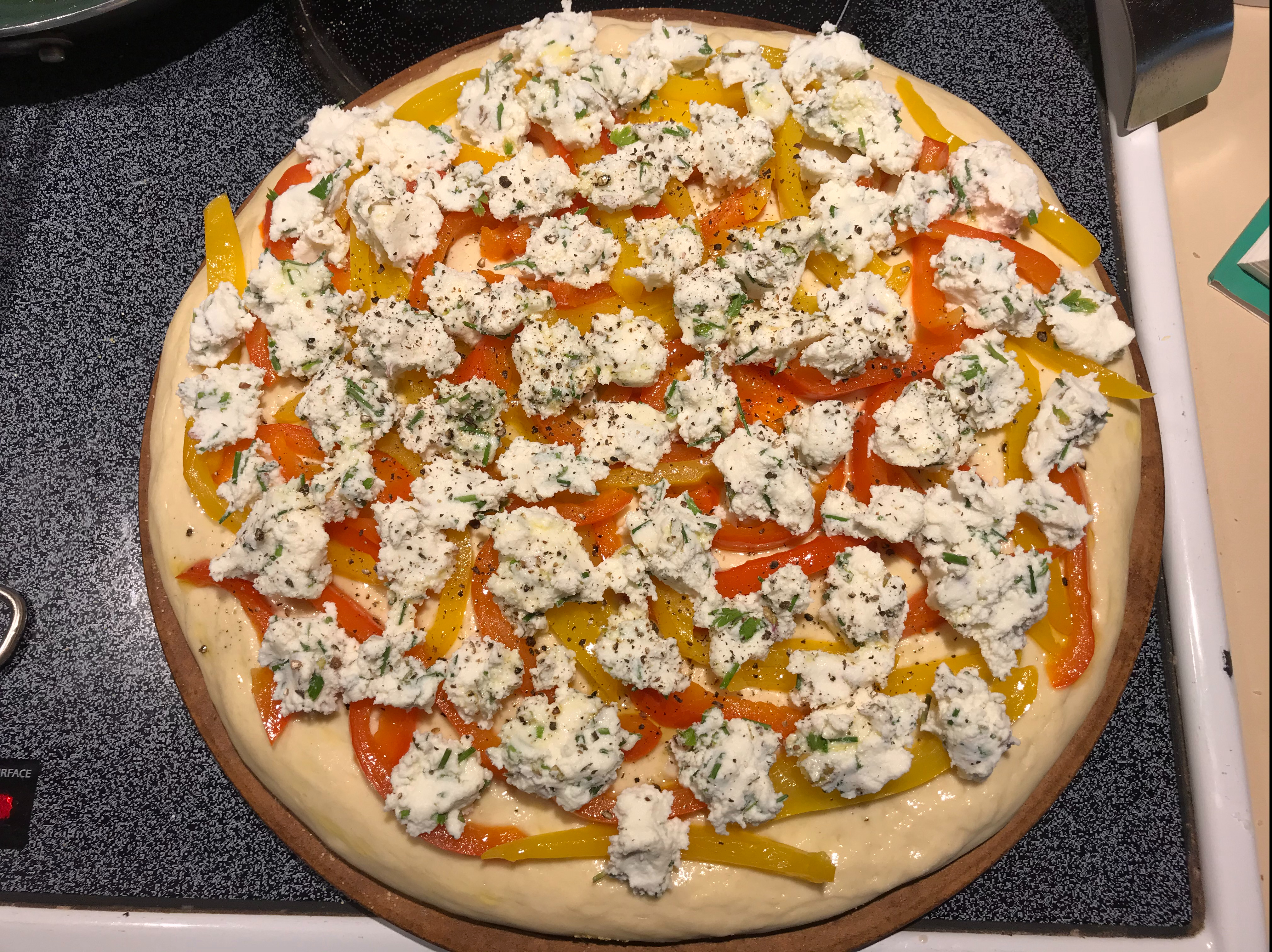
Ready for the oven

            Finally, we have one of the most iconic Italian dishes: a pizza. Three pizza recipes are featured in the text, but none of them are the stereotypical takeout or delivery staple. None of these recipes have tomato sauce, pepperoni, or sausage, and only one of them has mozzarella cheese. Not that there is anything wrong with the American staple, far from it, but it is nice to have a change of pace from time to time. In this case we have pizza dough topped with garlic-infused oil, sauteed bell peppers, and ricotta salata mixed with herbs.

            Pizza is an interesting dish with an unclear history. As discussed in the text on page 224, it does not have any special meaning and was originally commoners’ food. Bread dough with a few toppings to make it more interesting seems to have been around for hundreds of years if not longer, but perhaps because it was the food of peasants and poor urban dwellers, it was not written down. The earliest mention of it that I have found is an aristocratic recipe for a sweet dough with marzipan and crushed cookies from the 16th Century. Perhaps in the past the definition of pizza was broader than it is today. At any rate, the story goes that pizza became “respectable” in the 19th Century when a chef created the original “Pizza Margherita” for the queen at the time, Margherita of Savoy. From there, it’s popularity only grew.

            While not quite as fast as takeout or delivery, this recipe is not particularly difficult. Most of the time required is in kneading the dough and letting it rise. A stand mixer with a dough hook saves a lot of time and mess for the first part. While it’s rising, there’s plenty of time to assemble/prepare the other ingredients and make the garlic oil, if there isn’t some already made from a previous pizza (the recipe makes enough for several). There are only two real tricks here. First, make sure the water is not too hot when adding it to the yeast. If it is, it will kill the yeast and the dough won’t rise properly. Second, infuse the garlic in the oil over very low heat to prevent the garlic from scorching and imparting that flavor to the finished product.

            Since I could not find ricotta salata anywhere near me, I tried to make my own by mixing ricotta cheese with some extra salt, wrapping it in cheesecloth, and pressing it between two plates for a few days. The idea was to squeeze out some of the excess moisture, ideally enough to make the cheese firm and able to be grated. That didn’t quite work out as planned. Some moisture was soaked up by the cheesecloth, but the texture didn’t change significantly. I went ahead with the recipe anyway. Rather than mixing the herbs with the grated cheese, I just stirred them into the soft cheese and called it good. As there was no sprinkling this over the top of the pizza, I spaced globs of it on there as evenly as I could and hoped for the best.

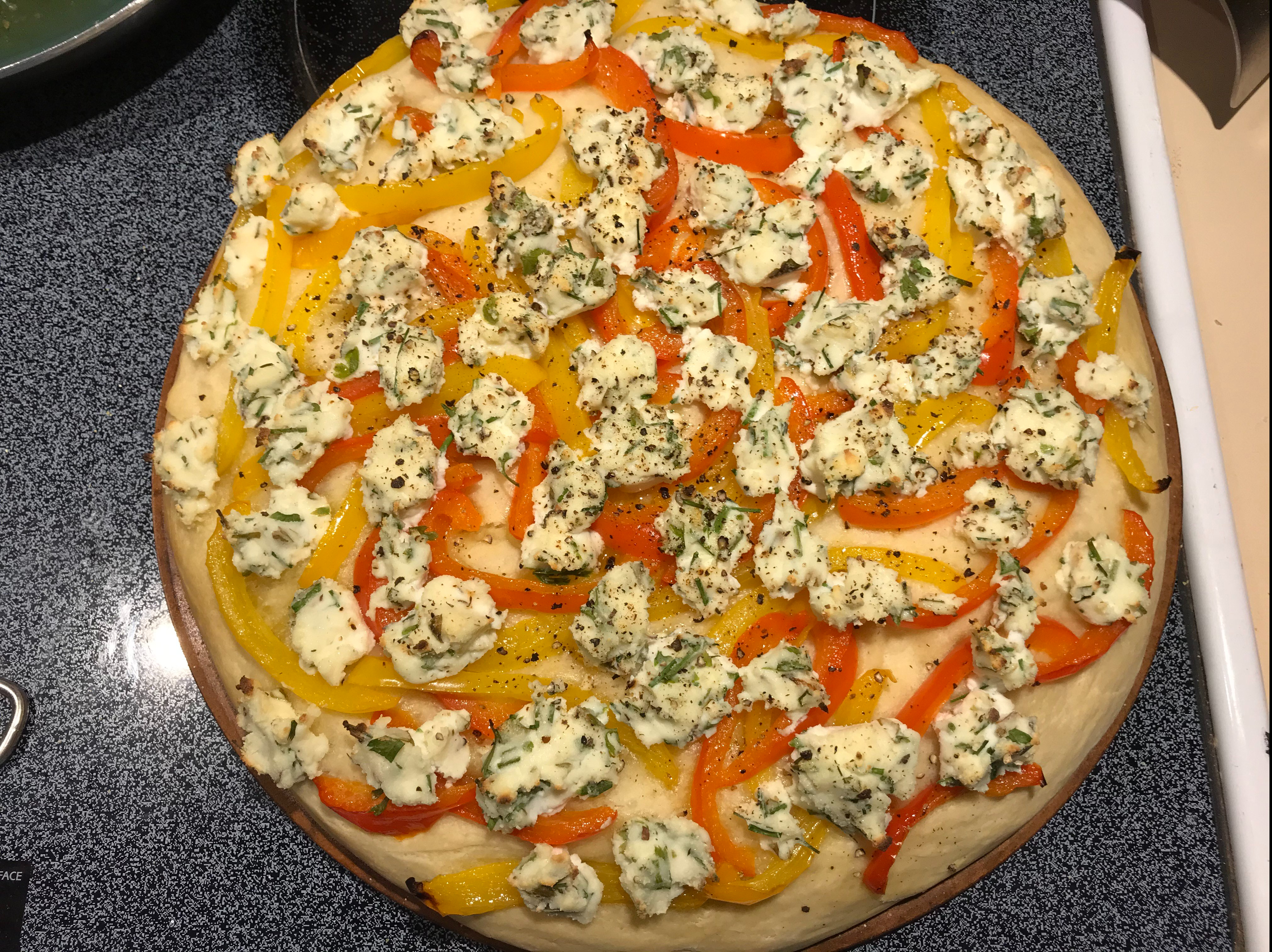
The finished product

            The cheese didn’t spread out over the surface as I thought it might, but the pizza was still delicious. The crust crisped up well on the pizza stone, the garlic flavor was clearly there but not overpowering, and the outside parts of the cheese globs browned a bit for added flavor. At some point it would be nice to try this with actual ricotta salata, but in the meantime, the modified version is more than worth making again.

Standard
Uncategorized

Cook’s Tour of Italy Menu 73 (Pg. 228): Fresh Angel Hair in Custard Mold (Naples/Adriatic South)

Menu: Fresh Angel Hair in Custard Mold with Herbs

IMG_2671

Now, for the first time in this project, we travel south of Rome. The chapter covers a large swath of Southern Italy, from Naples on the peninsula’s west coast to the region around Bari, Brindisi, and Taranto in the Southeast. Despite regional variations, common themes throughout this region include dried pasta, lots of vegetables, olive oil, citrus fruit, seafood in many parts, and lower levels of meat consumption. Tomatoes are more ubiquitous here, and the sauces tend to “not have the restraint of those in the north for we are now in the land of the Greeks, the Byzantines, the exuberant, the colorful.” (Text, pg. 204)

Time for another history lesson. In the 8th and 7th Centuries BC, large numbers of Greek colonists, driven by population pressure and civil unrest, arrived in Southern Italy. They founded or came to dominate many settlements along the coast, including Naples, Bari, Brindisi, Taranto, and Syracuse, just to name a few. The mainland colonies came to be known collectively as Magna Graecia, though they were never a unified entity. Rather, as in Greece itself, they feuded constantly and alternated between trading and fighting with the Italic peoples that remained dominant further inland. The situation was even more complicated in Sicily, where they competed with Phoenicia and later Carthage for trade and colonies, and Sardinia, where Etruscans were added to the mix.

Despite the constantly shifting alliances between the various Greek, Phoenician, and Etruscan powers, Magna Graecia prospered from the 7th to the 4th Centuries BC. In fact, as discussed by Professor Timothy B. Shutt in his audiobook lecture series “Wars That Made the Western World,” Sicily in the 5th Century BC is believed to have had a Greek population as large as in Greece itself, and Syracuse was an economic and naval power on par with Athens. Even as the Romans conquered Naples at the end of the 4th Century BC and Magna Graecia and Sicily in the 3rd, the Greek influence lingered.

IMG_2672

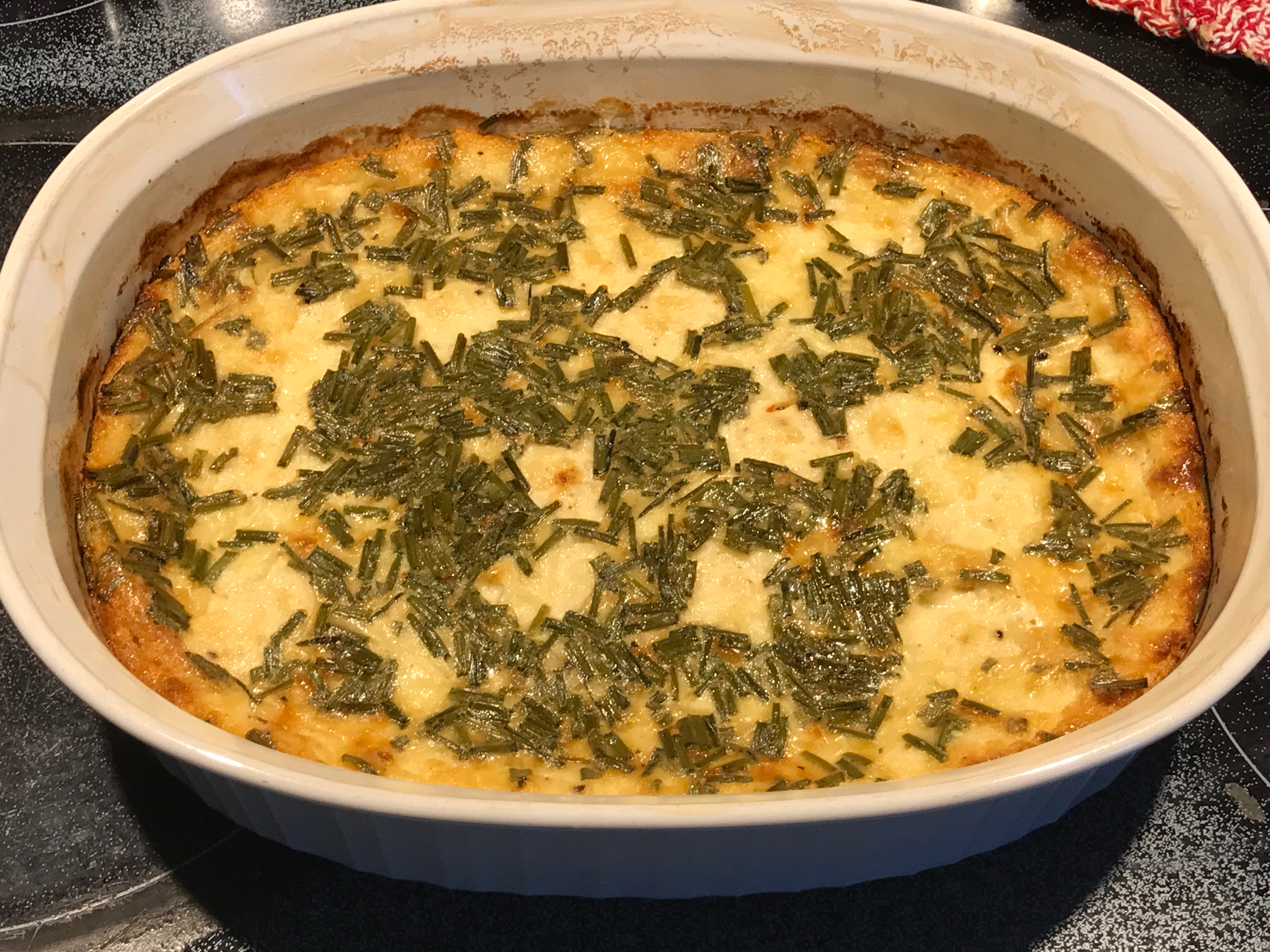
Unusually for this region, this dish contains fresh pasta, in this case fresh angel hair. After being cooked through, the pasta is mixed with a “custard” of eggs, milk, and fresh ricotta, flavored with rosemary and chives. The whole is then baked in a casserole dish, and each serving is sprinkled with more chives. For some reason the fresh angel hair was a bit gummy and clumped together, but the texture was improved upon being combined with the egg mixture. Overall, this was a pleasant dish with a mild flavor.

Standard