
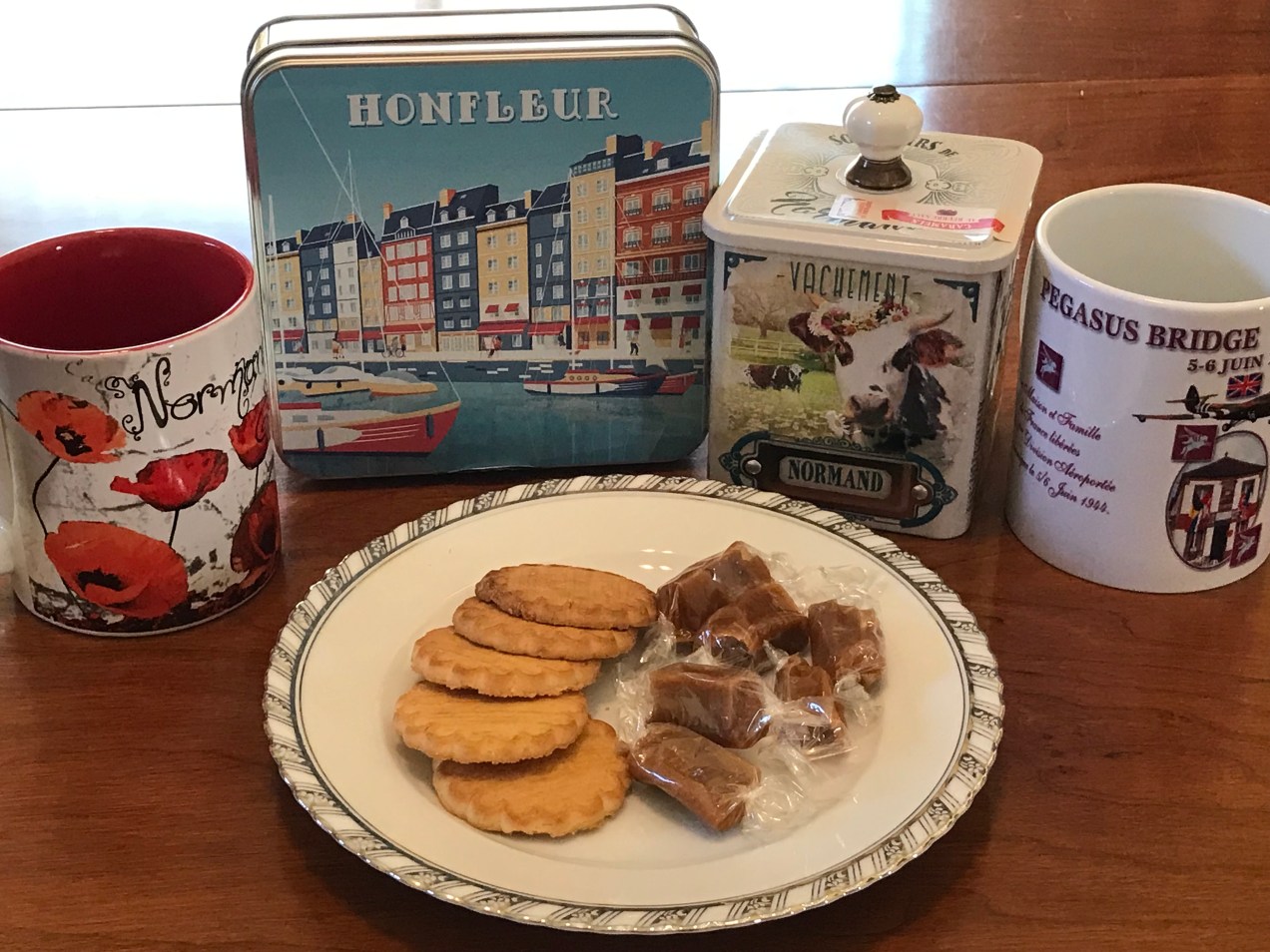
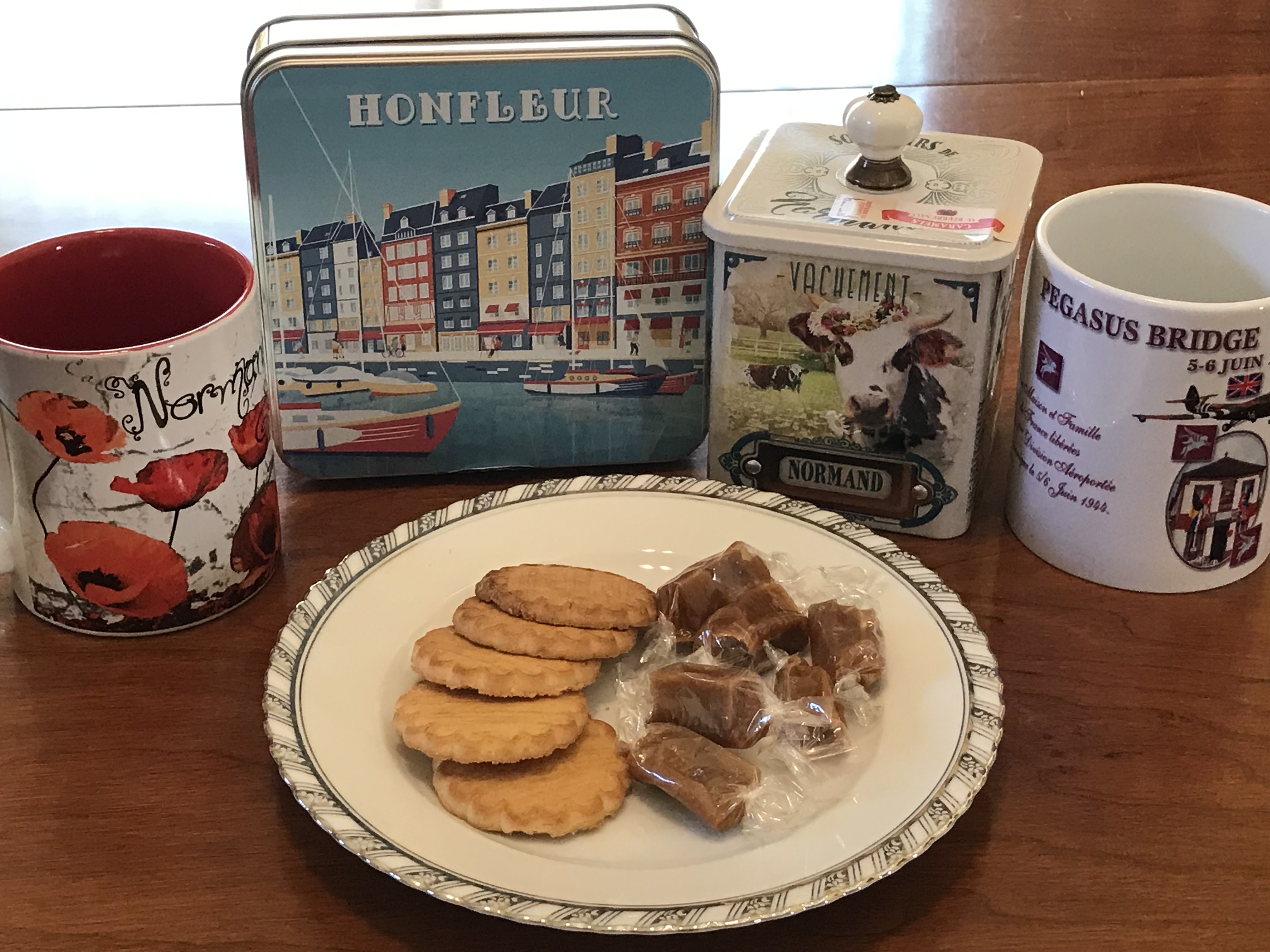
Continuing from a previous post, let’s talk about apples. Actually, let’s talk about Normandy, then we’ll talk about apples. The history of Normandy starts out like that of the rest of France. Agriculture was introduced several thousand years ago, followed by bronze working and horses. At some point after 1000 BC, so was iron working. Celtic peoples arrived a few hundred years after that and came to dominate much of Central and Western Europe. By the time of Julius Caesar, modern France, which the Romans called Gaul, was covered by a patchwork of chiefdoms. While not yet literate, the people there were expert metalworkers, had a complex social hierarchy, and often lived in large towns. This was the world conquered by Julius Caesar in the 50s BC.
After the initial conquest, the citizens of Gaul offered surprisingly little resistance to Roman rule. Most likely, the people saw certain benefits. The presence of the Roman army protected the frontier and stopped tribal warfare, reducing the chance of looting, slave raids, and destroyed harvests. Occasional heavy taxation probably seemed like a reasonable trade off. The Celts also had some things in common with the Romans. They spoke an Indo-European language and were farmers. The Romans introduced and spread new crops and built roads, which helped get those crops to market. Aqueducts provided water to the developing cities, and there were even water mills to grind grain into flour. Trade flourished, bringing wealth and new goods from across the Roman Empire and beyond. While not everyone benefitted equally and some suffered, most residents probably saw their standard of living rise.
There was another benefit, too. Unlike the Greek city-states, the Roman Empire was generous with granting citizenship. If someone learned to speak Latin (or Greek, which was the language of the upper class in the East since the days of Alexander the Great three centuries earlier) and adopted Roman customs, they were considered Roman and could often get citizenship. Since they were not permanently trapped with the status of subjects, the Gauls had an incentive to cooperate with the Romans. Like other elites in the Western Empire, the upper classes in Gaul became Romanized. Gradually the Latin language spread down the social scale. By the time the Western Empire began to collapse in the 5th Century, the residents of modern France mostly spoke a dialect of Latin, considered themselves Roman, and were ready to defend the Empire.
But it was not to be. First the Visigoths conquered much of Southern Gaul, along with most of modern Spain. Then the Franks moved in, pushing the Visigoths south and eventually controlling almost all of modern France, the Low Countries, and part of Germany. Over time, Frankish culture and language came to influence the dialect of Latin spoken, gradually giving rise to French. In fact, modern France takes its name from the Franks. Frankish influence was weaker in the South, where Latin evolved into Occitan, Provencal, and Gascon and the Roman way of life was able to continue for longer. By the time of Charlemagne in the late 8th Century, the Franks in the North were well on their way to becoming French.
In Normandy the story has another twist. Starting in the 9th Century, as Charlemagne’s empire fractured, Vikings began attacking the coasts of the Frankish kingdoms. West Francia, which would become France (East Francia would become Germany, while Lothringia was a complicated situation I’ll get into in a later post), had it especially bad. Viking longships could sail up rivers and frequently raided the settlements along the Seine, which had prospered under Charlemagne and the other members of his dynasty, the Carolingians. At one point, even Paris was besieged. Eventually, the situation got so bad that the king granted one Viking leader land between Paris and the English Channel in exchange for help fending off other Vikings. While this could easily have backfired, it actually worked. Over time, the area became known as Normandy, from “Land of the Northmen.”
The Vikings in Normandy quickly became Christian and learned to speak their own variety of French. The dukes of Normandy became powerful and often had a tense relationship with the French kings in Paris. In fact, in a book I picked up in France, I learned that 1) William the Conqueror didn’t consider himself French and hated them and 2) the Norman Conquest was not to the benefit of the French kings. Quite the opposite, in fact. Having one of their most powerful vassals become a king in his own right caused almost 400 years of headaches.
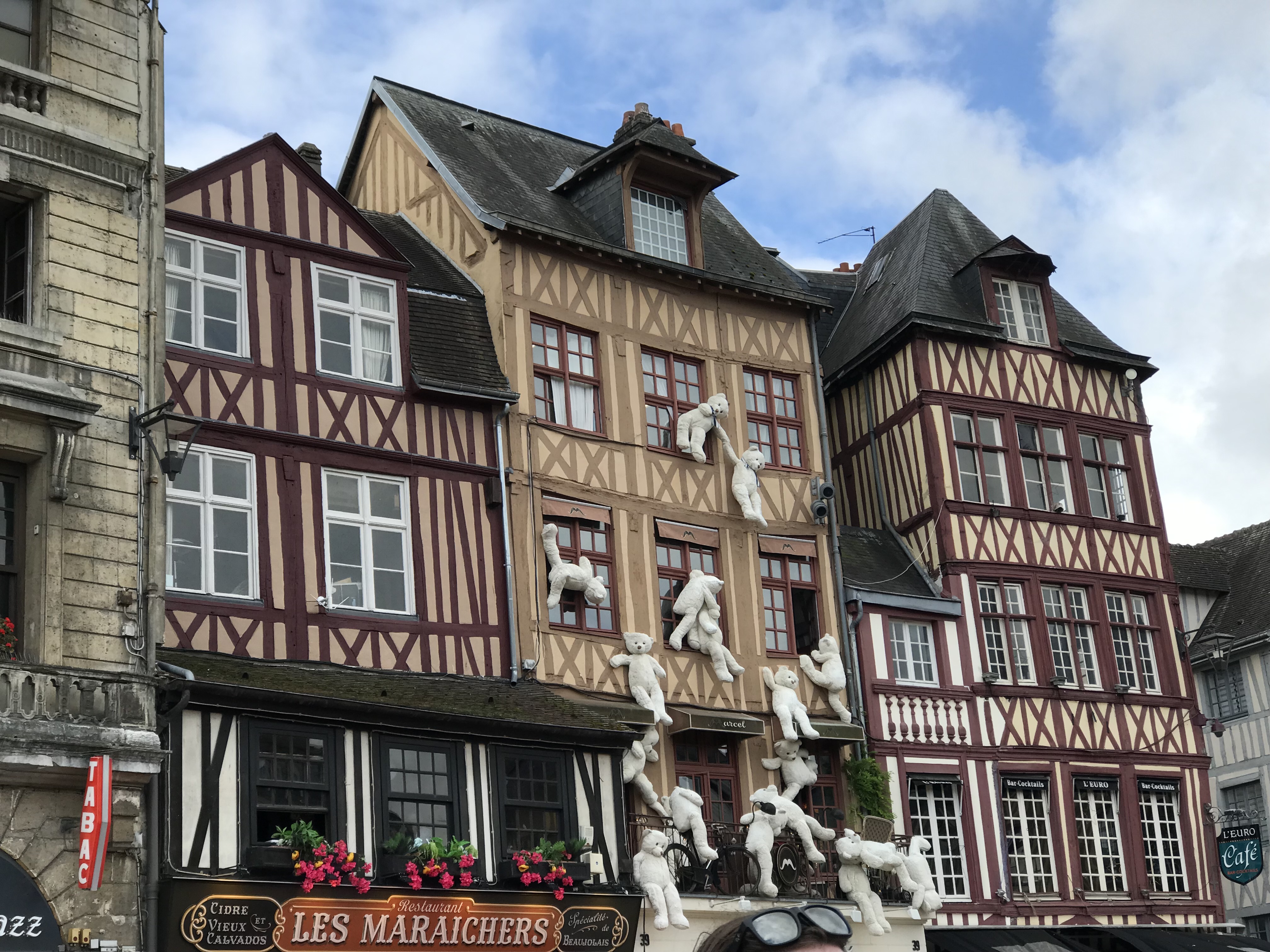
I’ll go into the history of Normandy since the Hundred Years’ War in a later post, but until then, let’s consider the culture. While the Vikings were never a majority of the population and became mostly French, they left their mark on the region. In some places, particularly Rouen and Honfleur, there are many colorful timber-framed buildings that look like they belong in Amsterdam or Scandinavia. Part of this is due to the lack of quality building stone in Normandy, but the extra Germanic influence there is also a factor. As for the food, the terrain, climate, Celtic, and Germanic influences all favor dairy products and apples.




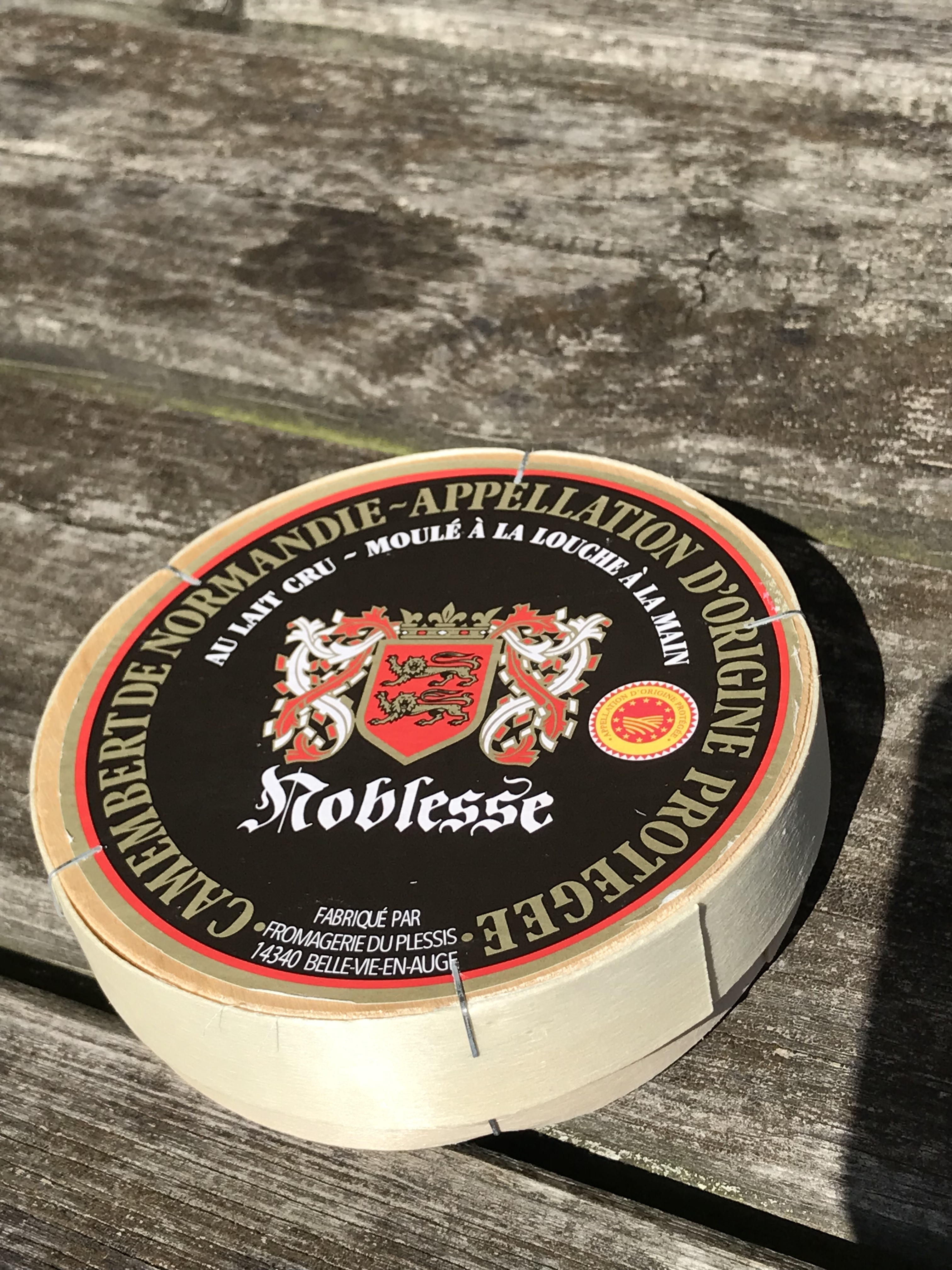
Unlike the drier, hillier lands around the Mediterranean, the North European Plain is favorable for cattle. Most cultures that raise cattle make cheese to preserve the milk, but it seems to have been especially important here. In a climate with long, cold winters, storing food in preparation was essential. Along with smoked and salted meats, cheese was a useful source of protein that could be kept for months in a cool place. Salted butter could also be stored for much of the winter. While the Ancient Greeks and Romans saw butter as a “barbarian” food and considered cow’s milk cheeses inferior to those made with sheep’s and goat’s milk, Northern Europeans consumed both widely. The Vikings seem to have been particularly fond of their dairy products.
For better or worse, humans have always enjoyed consuming alcohol. The specifics varied by culture and what was available to ferment. Beer was common in Mesopotamia and Egypt, with rich grain crops but too hot for most grape varieties. The Ancient Greeks, chronically short of land to grow grain but able to grow vines on hillsides and terraces, preferred wine so much that they considered beer drinkers barbarians. Other things that could get someone labeled a barbarian included drinking milk, drinking wine without mixing it with water, and speaking a language other than Greek. Mead was made anywhere honey was available. With few or no grape vines, Germanic and Celtic peoples drank beer and cider.
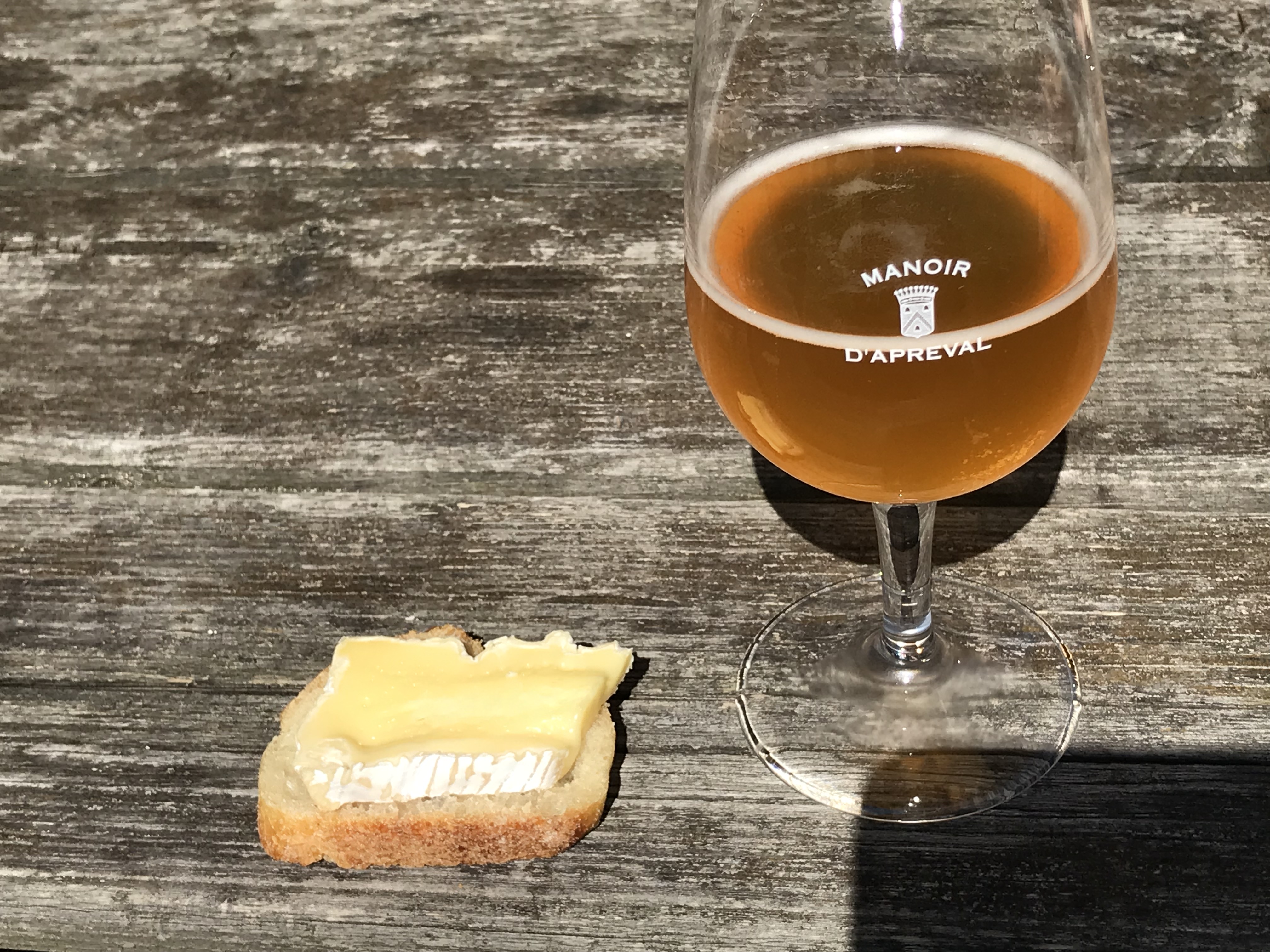
The apple was historically king of fruits in Northern Europe. Celts in particular had a lot of mythology about apples and apple trees. One crucial benefit was that unbruised apples could be stored in a cool place over the winter. Their texture and flavor might suffer a bit, and a few would go bad, but most would remain edible. Pigs could be fattened up by scavenging the windfall apples, fertilizing the orchards in the process. And of course, the fruits were fermented to make cider. Even as new cultures evolved and rulers came and went, cider remained popular in Normandy and the British Isles.


 Feasting Through Time