


Panettone, Pandoro, Panforte
1000 Foods (pgs. 214, 215)
Looking at the names of these three treats, you probably noticed something. The all start with the word part “pan,” Italian (and Spanish) for bread. Festive breads, especially sweet enriched breads, have long been Christmas specialties. Before baking powder was invented, breads and cakes were strictly leavened with yeast. As sugar was much more expensive in the past, dried fruits were a frequent addition to make them sweeter. Panforte isn’t actually a bread at all, but still has the name.
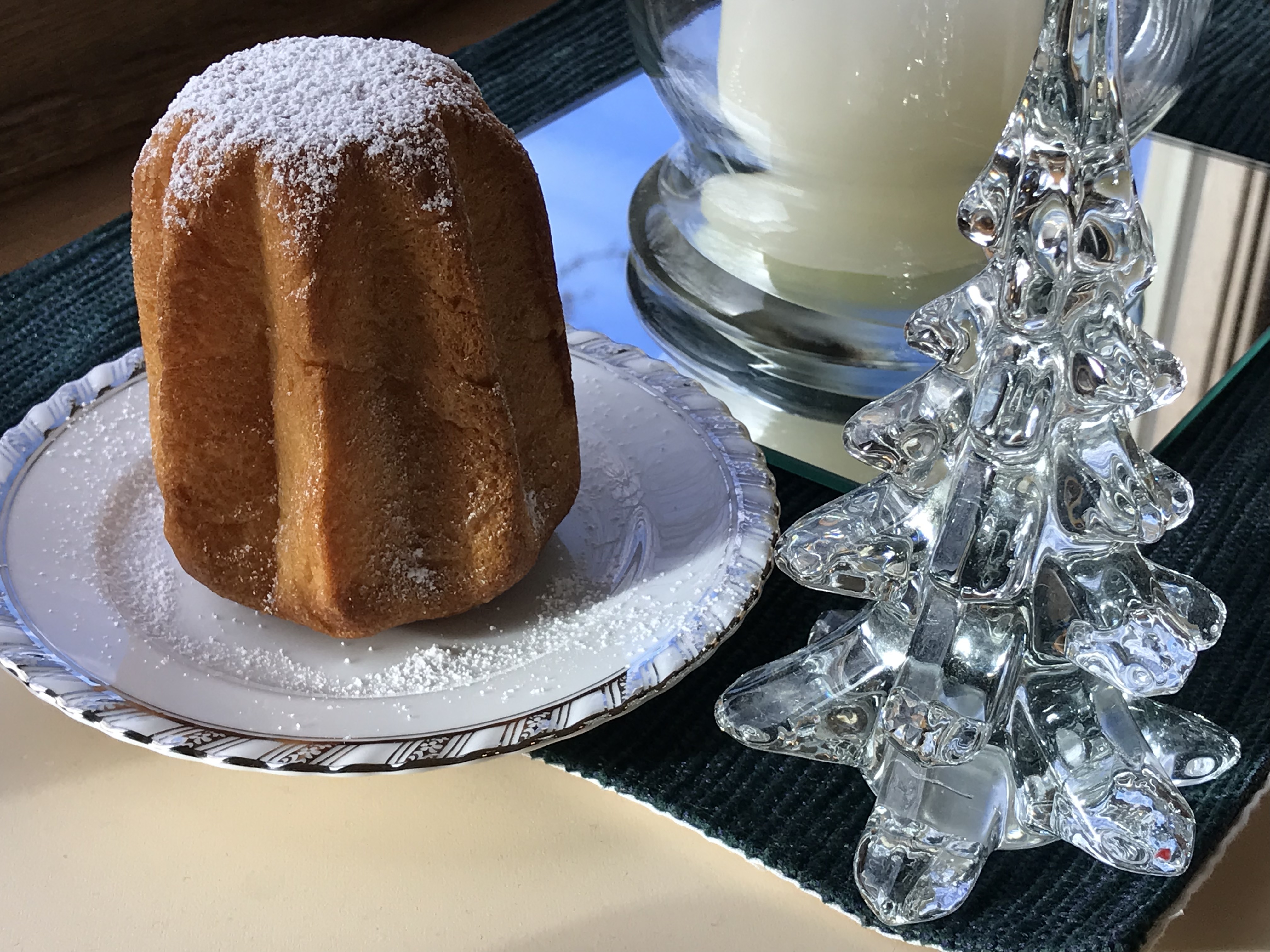
Panettone is a perfect example of these sweet, special occasion breads. Its exact origin is unclear, and there are many stories, but one thing is certain: it was invented in Milan. The dough is enriched with lots of butter and egg yolks, which give the finished panettone a lovely golden color. Flavor comes from a combination of sugar, assorted dried and candied fruit, and warm spices. Occasionally saffron is included to make the yellow color even stronger. Over time, panettone spread from Milan to the rest of Italy, then to the rest of the world. In most places, people seem to purchase their panettone, rather than make it themselves. At World Market, I’ve seen pumpkin spice and chocolate varieties, but decided to stick to the original. They even have mini versions, for those who want a taste without a lot of extra.
There were also mini versions of pandoro, native to Verona. It’s a vanilla-scented bread/cake, whose named literally translates to “golden bread.” Verona is located in the Veneto region of northern Italy along the Adige River, about halfway between Milan and Venice. In the Middle Ages, Verona was an influential city in its own right, trading and fighting with the other city-states that ruled most of Italy north of Rome. At one point, Milan ruled Verona, allowing another opportunity for Milanese culinary influences to spread. The Veronese not only adopted panettone, but developed their own variation.
Further south is Siena, home of panforte. In the 13th and early 14th centuries, Siena vied with Florence and Pisa to dominate Tuscany. Florence pretty much always came out on top, but Siena managed to put up quite a fight. Some of the greatest artists of the Late Middle Ages, whose work would eventually pave the way for the Renaissance, lived and worked there. By 1348, construction was underway on what was to be the largest cathedral in Europe. Then the plague struck.
The Black Death first arrived in Sicily in late 1347. Over the next six years, it reached every corner of Europe. Mortality rates varied, but tended to be higher in urban areas, where there were enough hosts for the bacteria responsible to keep circulating. Heavily urbanized Italy was among the worst affected. Many of the large cities had death tolls of 50 or 60 percent, compared to the continental average of about one third. Records suggest that Siena lost about 80 percent of its population. Even if some losses came from citizens fleeing to the countryside, the death toll was devastating. Siena never fully recovered. The cathedral remains unfinished to this day. Tuscany as a whole suffered greatly, but the story wasn’t over.
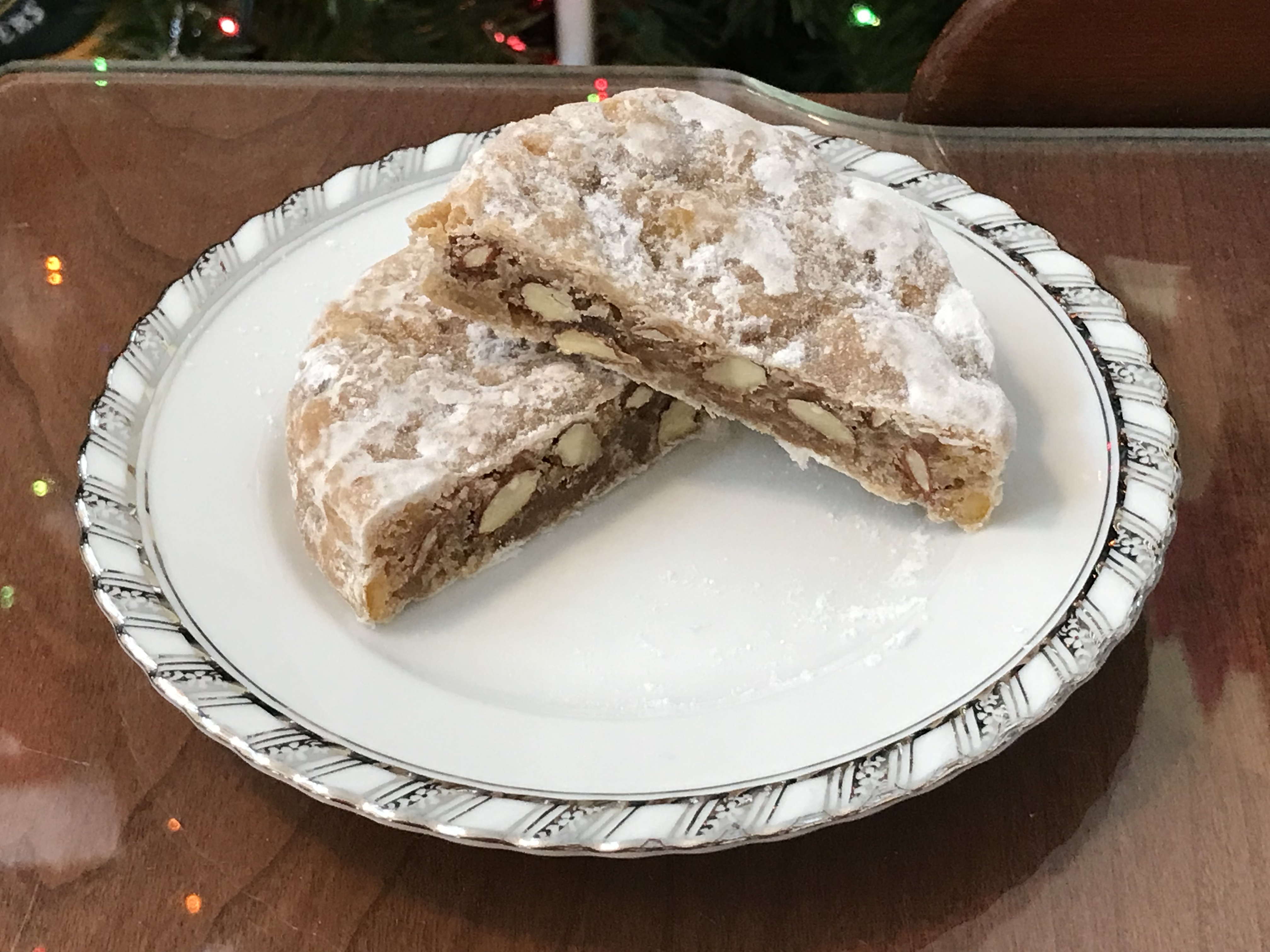
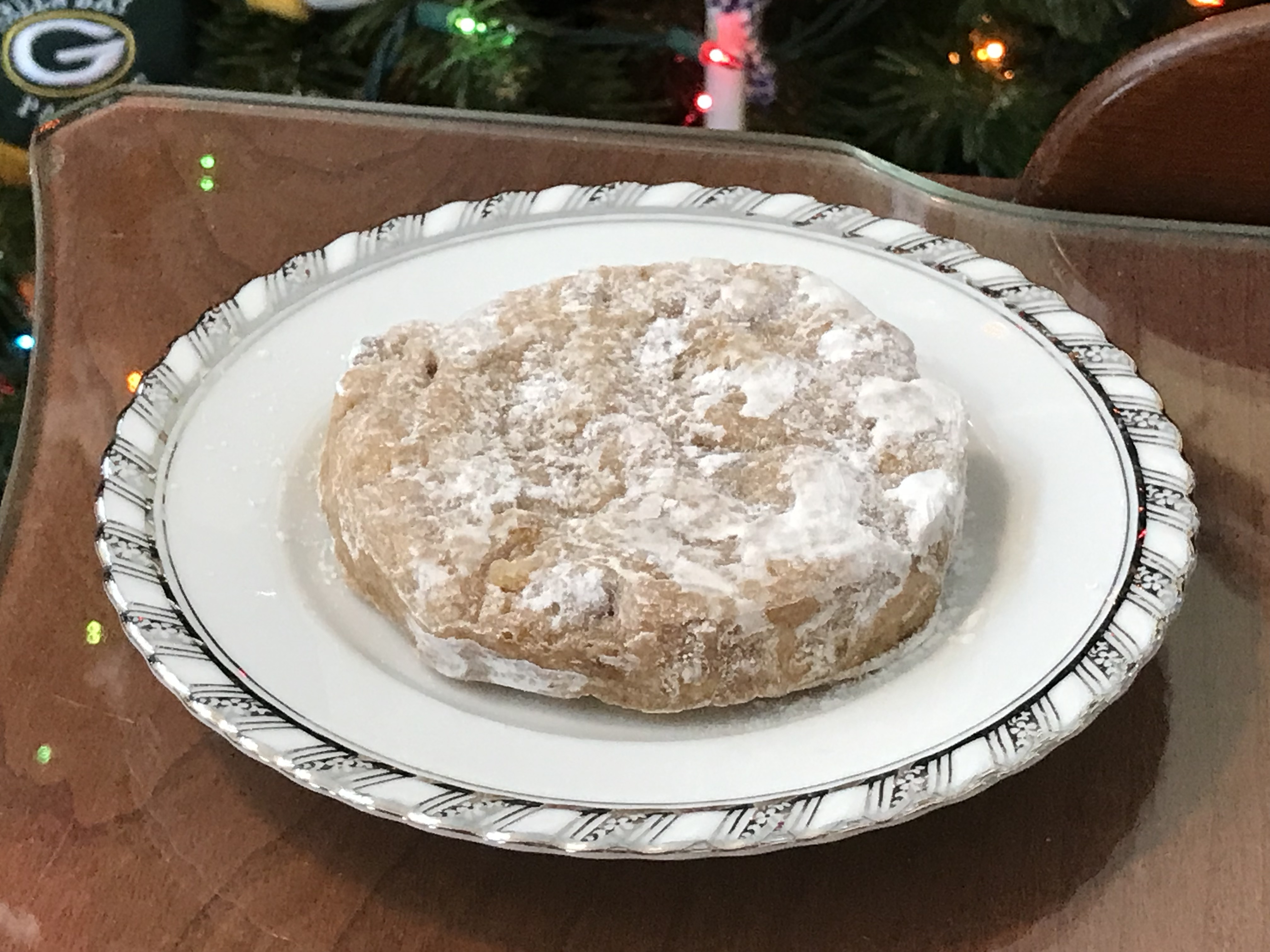
Florence rebounded, becoming the birthplace of the Renaissance. Even Siena, despite its setbacks, produced a few more great artists of its own. In the culinary sphere, Siena contributed the almond cookies called riciarelli, and panforte. Despite its name, panforte is made of nuts and dried fruit, not bread. The mix is spiced much like panettone, and honey holds everything together. Conveniently, World Market also carries those in miniature.
All three were pleasantly sweet and festive. It took a while to get used to the panettone and pandoro, since they were kind of a cross between bread and cake. With the exception of cinnamon rolls, sweet yeast-leavened breads are not as common in America as in Europe. The rich vanilla pandoro and warmly spicy, fruity panettone and panforte were enjoyable, but I still prefer the usual holiday treats – peppermint cookies, buttery cutouts, brownies with peppermint ice cream, the toffee-coated cereal the neighbors brought over, etc. And candy. Lots of candy.
 Feasting Through Time