
1000 Foods (pgs. 630 – 631)
For non-American readers, the Thanksgiving holiday might seem a little strange. Celebrating what we’re thankful for with a feast is straightforward enough. The odd part is that tradition dictates a number of specific dishes. In a large country with a huge variety of terrain, climate, and natural vegetation, not to mention national origins, millions of people are eating pretty much the same thing. Turkey is almost always the centerpiece and is the symbol of Thanksgiving. Some households will opt for ham or a vegetarian option, but that’s usually as far as variety goes. Gravy and cranberry sauce accompany the turkey. Sides include potatoes, usually mashed, stuffing, and a few vegetables, particularly corn, carrots, and green beans. Pies are the favorite dessert. The most common flavors are apple and pumpkin.
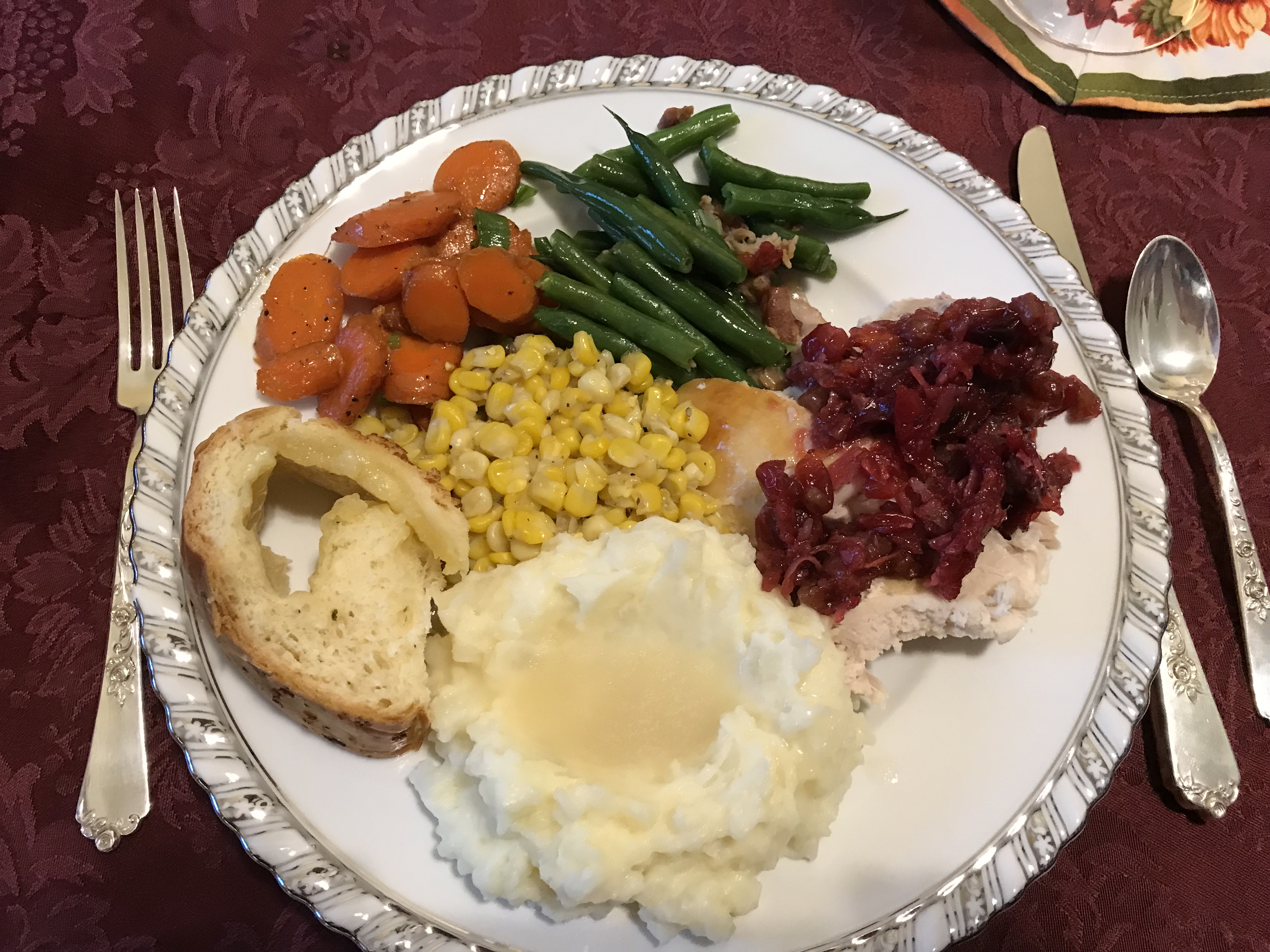
Not every menu will necessarily have every item on the list, and there is some regional variation. One feature of Thanksgiving that’s pretty universal is the large quantity of leftovers. Turkeys are massive. Even after sending leftovers home with their guests, most cooks will have quite a bit of carved meat, plus a large carcass. Usually, a fair amount of meat is stuck to the bones. One way to get it off is to make soup. Slow simmering keeps the lean turkey tender while deeply flavoring the broth. Throw in a selection of fresh and leftover vegetables, and you have an easy way to minimize waste. It’s especially great for anyone who catches a respiratory infection from a Thanksgiving get-together.
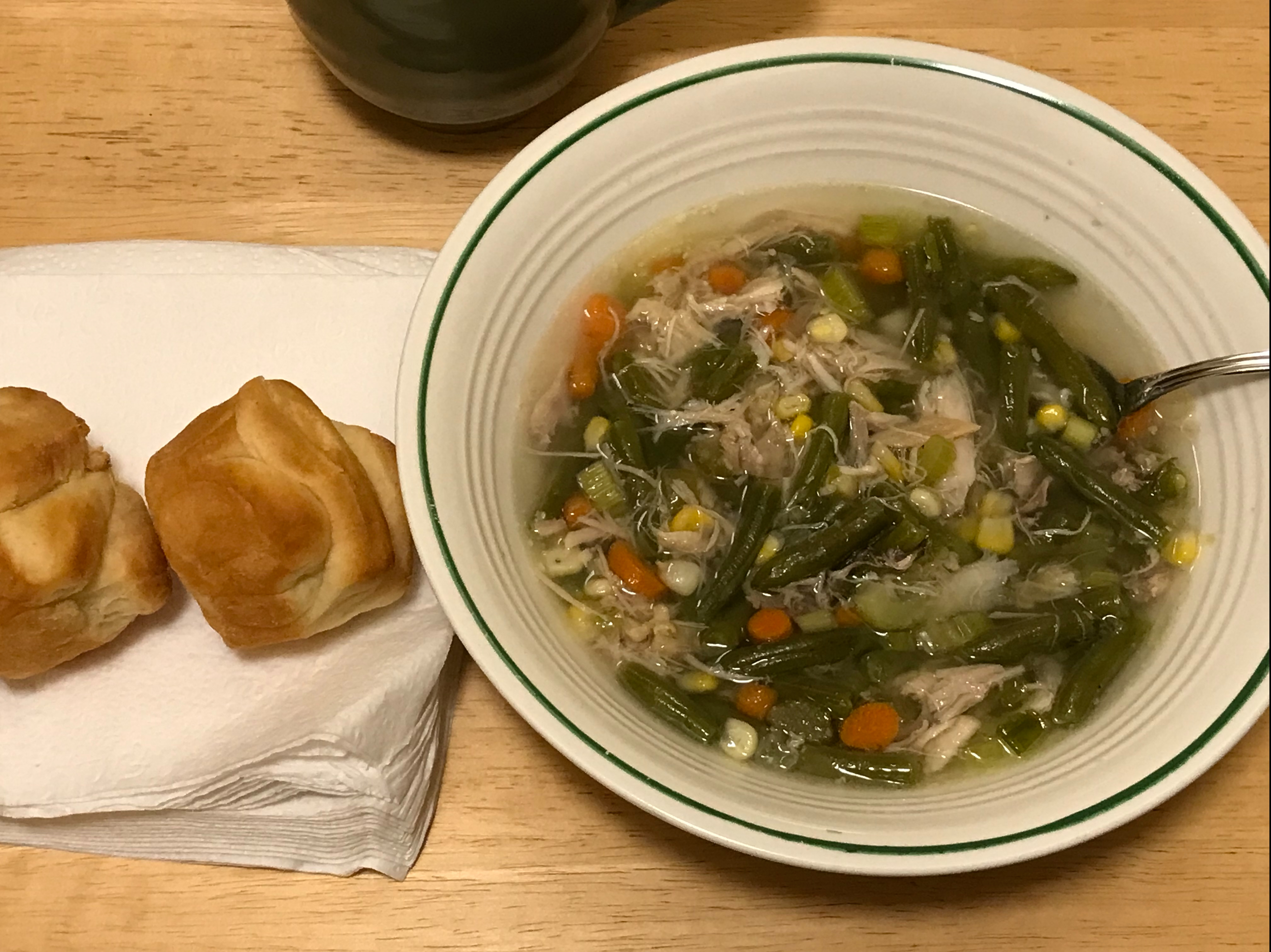
Soup actually does help with cold and flu-type illnesses. The hot liquid and the moisture evaporating from it help to open up the airways. Other common home remedies like tea and a warm shower work in the same way. While this won’t do anything against a cold or flu virus, it does help loosen up any mucus and allow it to drain more easily. This is important because mucus that gets stuck becomes a breeding ground for bacteria, leading to a sinus infection or pneumonia, depending on its location. Plus, soup is easy to eat with a sore throat. There’s a reason societies from North America to Europe to China rely on it to soothe whatever winter throws at them.

 Feasting Through Time