food history, italian cuisine

Italian Christmas Treats After Christmas

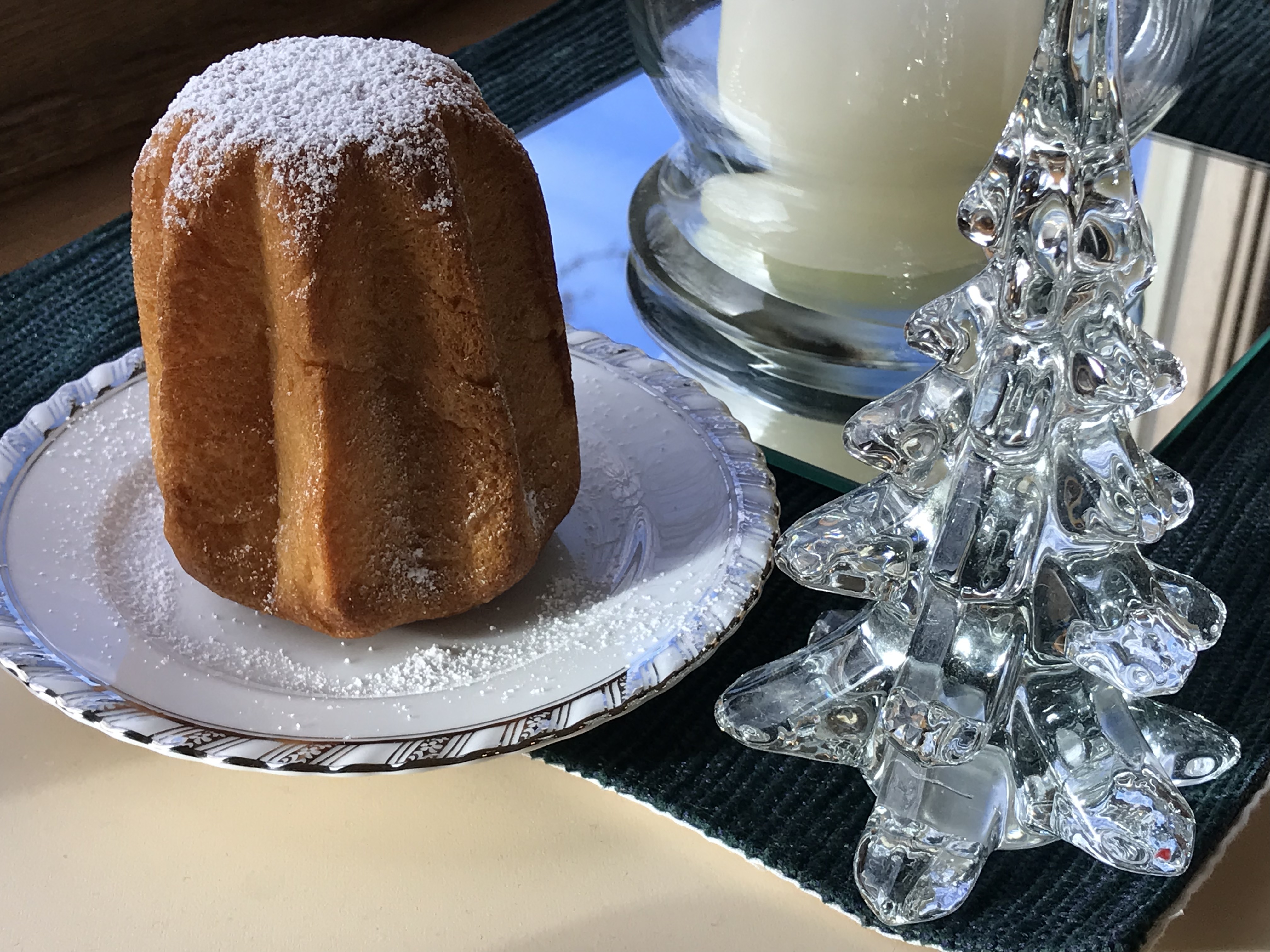
Panettone, Pandoro, Panforte

1000 Foods (pgs. 214, 215)

            Looking at the names of these three treats, you probably noticed something. The all start with the word part “pan,” Italian (and Spanish) for bread. Festive breads, especially sweet enriched breads, have long been Christmas specialties. Before baking powder was invented, breads and cakes were strictly leavened with yeast. As sugar was much more expensive in the past, dried fruits were a frequent addition to make them sweeter. Panforte isn’t actually a bread at all, but still has the name.

            Panettone is a perfect example of these sweet, special occasion breads. Its exact origin is unclear, and there are many stories, but one thing is certain: it was invented in Milan. The dough is enriched with lots of butter and egg yolks, which give the finished panettone a lovely golden color. Flavor comes from a combination of sugar, assorted dried and candied fruit, and warm spices. Occasionally saffron is included to make the yellow color even stronger. Over time, panettone spread from Milan to the rest of Italy, then to the rest of the world. In most places, people seem to purchase their panettone, rather than make it themselves. At World Market, I’ve seen pumpkin spice and chocolate varieties, but decided to stick to the original. They even have mini versions, for those who want a taste without a lot of extra.

            There were also mini versions of pandoro, native to Verona. It’s a vanilla-scented bread/cake, whose named literally translates to “golden bread.” Verona is located in the Veneto region of northern Italy along the Adige River, about halfway between Milan and Venice. In the Middle Ages, Verona was an influential city in its own right, trading and fighting with the other city-states that ruled most of Italy north of Rome. At one point, Milan ruled Verona, allowing another opportunity for Milanese culinary influences to spread. The Veronese not only adopted panettone, but developed their own variation.

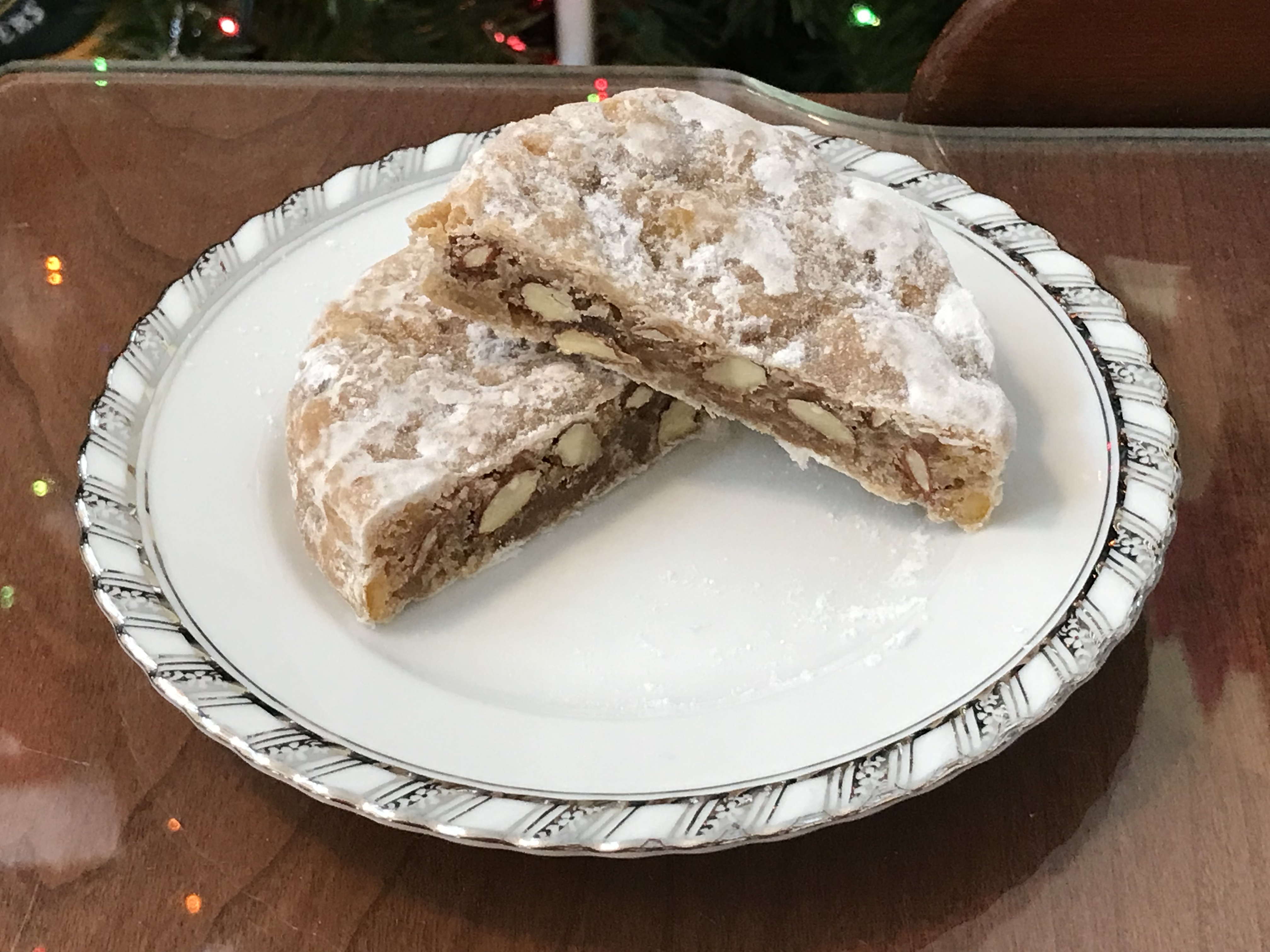
            Further south is Siena, home of panforte. In the 13th and early 14th centuries, Siena vied with Florence and Pisa to dominate Tuscany. Florence pretty much always came out on top, but Siena managed to put up quite a fight. Some of the greatest artists of the Late Middle Ages, whose work would eventually pave the way for the Renaissance, lived and worked there. By 1348, construction was underway on what was to be the largest cathedral in Europe. Then the plague struck.
Not a rice cake

            The Black Death first arrived in Sicily in late 1347. Over the next six years, it reached every corner of Europe. Mortality rates varied, but tended to be higher in urban areas, where there were enough hosts for the bacteria responsible to keep circulating. Heavily urbanized Italy was among the worst affected. Many of the large cities had death tolls of 50 or 60 percent, compared to the continental average of about one third. Records suggest that Siena lost about 80 percent of its population. Even if some losses came from citizens fleeing to the countryside, the death toll was devastating. Siena never fully recovered. The cathedral remains unfinished to this day. Tuscany as a whole suffered greatly, but the story wasn’t over.

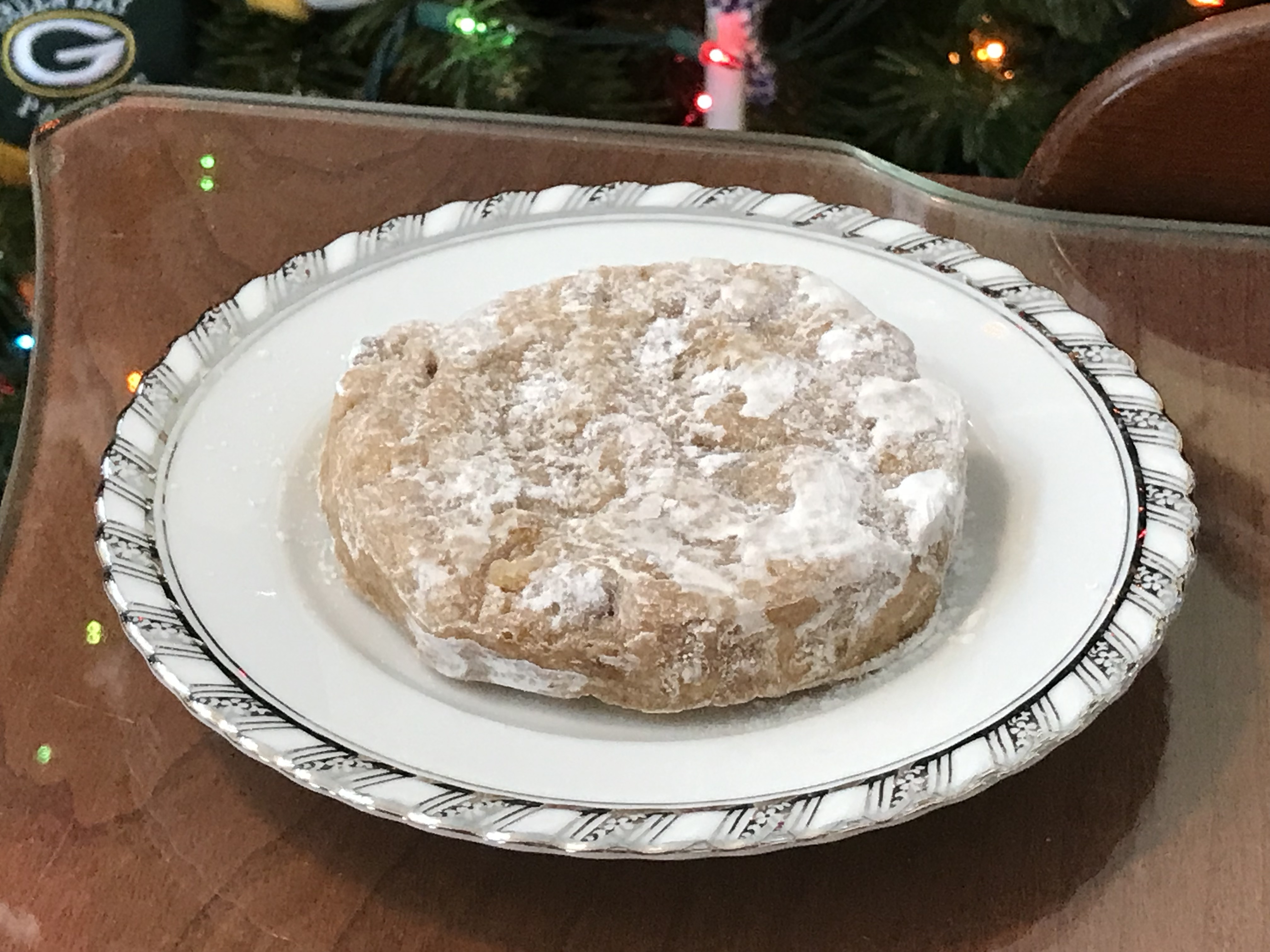
            Florence rebounded, becoming the birthplace of the Renaissance. Even Siena, despite its setbacks, produced a few more great artists of its own. In the culinary sphere, Siena contributed the almond cookies called riciarelli, and panforte. Despite its name, panforte is made of nuts and dried fruit, not bread. The mix is spiced much like panettone, and honey holds everything together. Conveniently, World Market also carries those in miniature.

            All three were pleasantly sweet and festive. It took a while to get used to the panettone and pandoro, since they were kind of a cross between bread and cake. With the exception of cinnamon rolls, sweet yeast-leavened breads are not as common in America as in Europe. The rich vanilla pandoro and warmly spicy, fruity panettone and panforte were enjoyable, but I still prefer the usual holiday treats – peppermint cookies, buttery cutouts, brownies with peppermint ice cream, the toffee-coated cereal the neighbors brought over, etc. And candy. Lots of candy.
Standard
Uncategorized

Cook’s Tour of Italy Menu 40 (Pgs. 128 – 132): Bachelor Party with Romeo, Verona

Menu 40 (Pgs. 128 – 132): Bachelor Party with Romeo, Verona

Region: Veneto

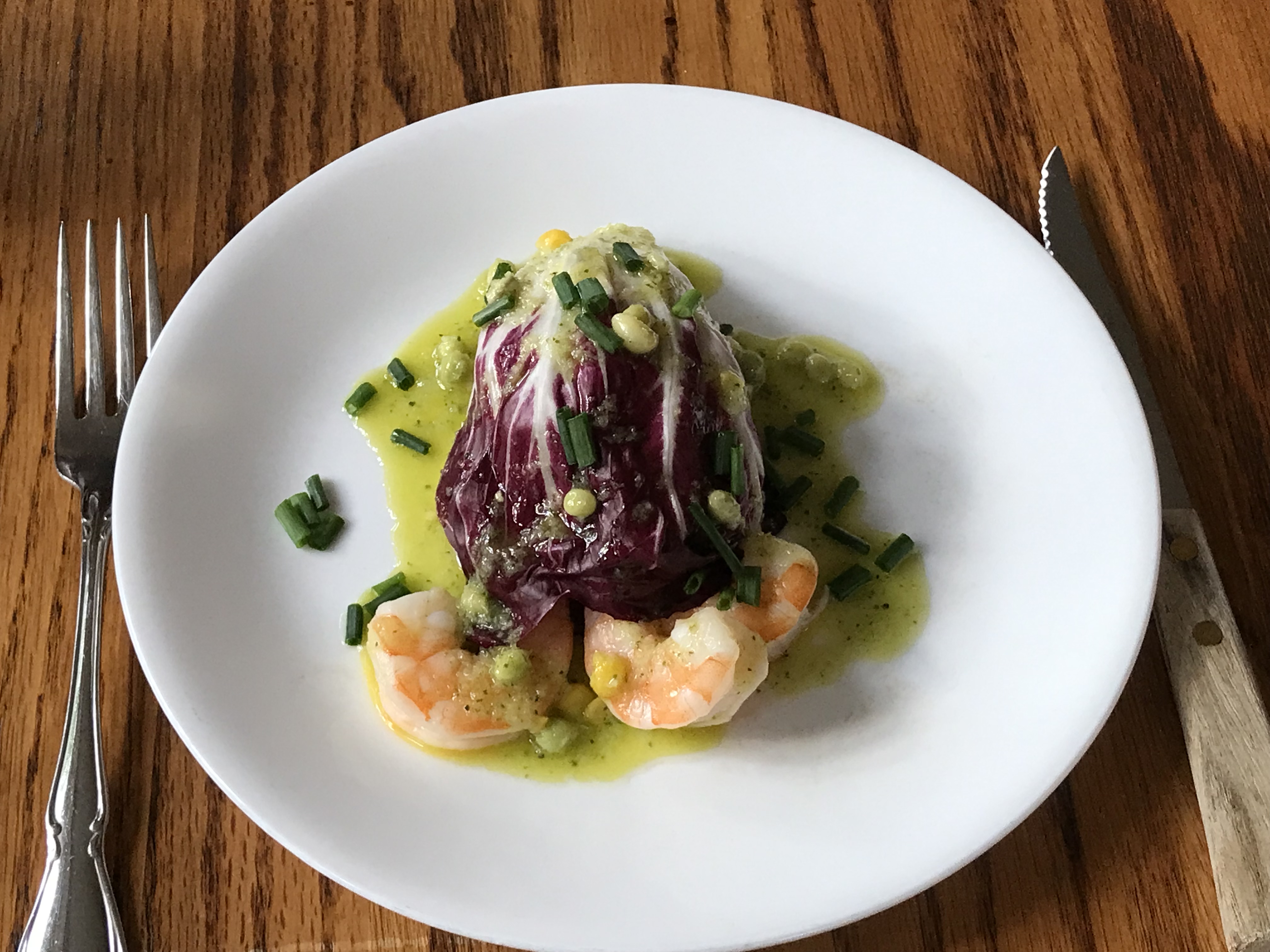
Menu: Shrimp and Radicchio with a Sweet and Sour Sauce, Fried “Soft-Shell Crabs,” Asparagus with Oil, Vinegar, and Fried Eggs on Radicchio, Sweet Semolina Cookies with Grana and Honey

Recommended Wine: Frontego (Soave, bright yellow with citrus aroma)

            If you’ve ever read Romeo and Juliet, you’ll know that the title characters’ secret wedding did not allow for a bachelor party, but here we can imagine one. Pizza, hot wings, and lots of beer seem more likely fare for such a party, but maybe Romeo preferred the specialties of the Veneto region. These include fish, shellfish, and cephalopods of all sorts, including soft-shell crabs and cuttlefish, a variety of sweet and sour sauces, and radicchio. While this menu does not match up to the story’s Medieval origins very well, it was tasty and interesting.

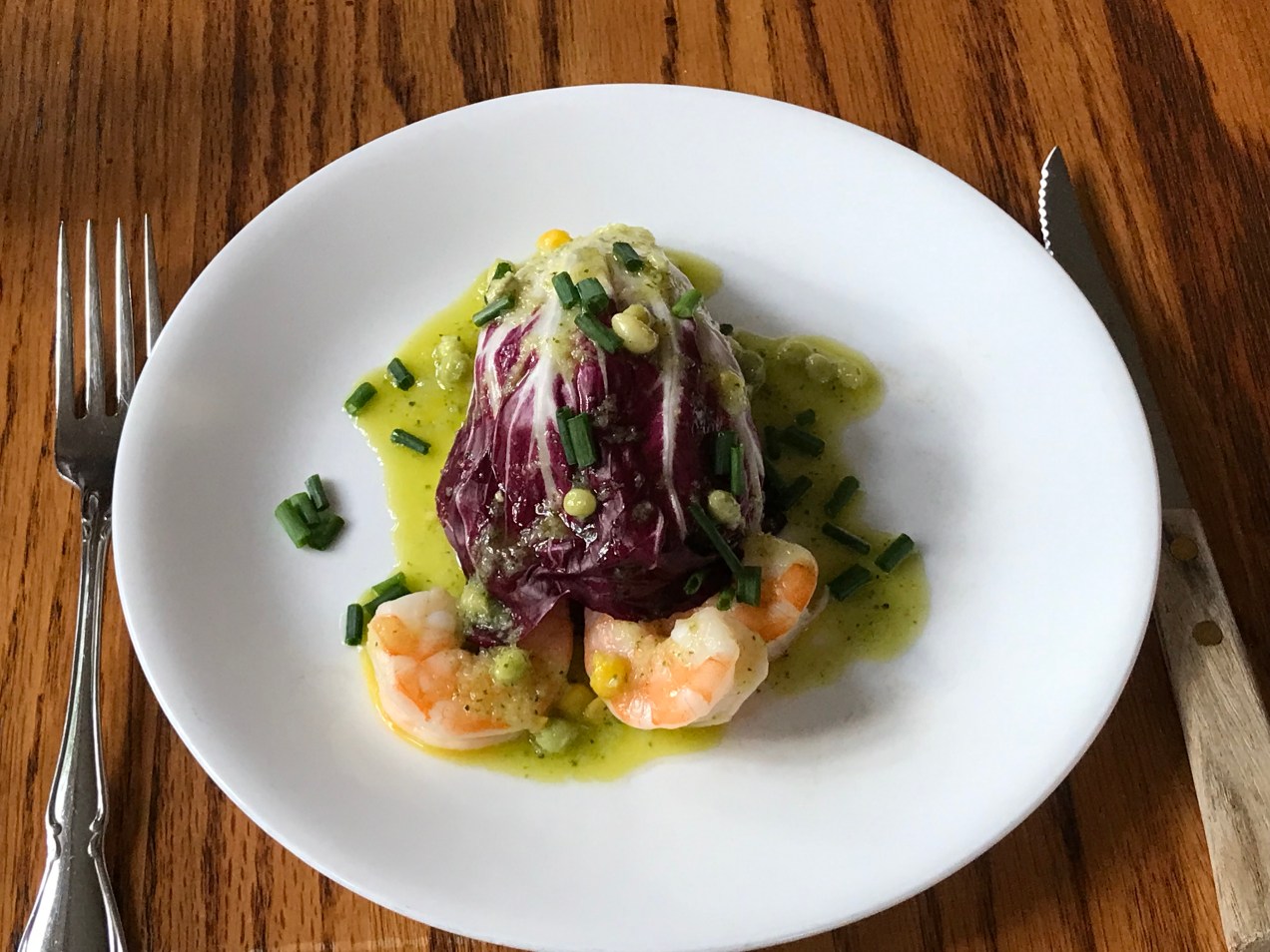
            Note that I did make a few substitutions for economy, convenience, and personal preference. The recipe called for using smoked salmon to form a “cornucopia” for the shrimp and vegetable pieces, but with all the other flavors in the mix it would be hard for the fish to shine. While the smoky flavor probably would have been a nice contrast with the sweet corn, peas, and sauce, the benefit didn’t justify the added cost. The contrast was provided by radicchio instead. Its bitter flavor worked well with the other ingredients, and it looked pretty on the plate. Even though I care more about how food tastes, having it look good is a nice bonus.

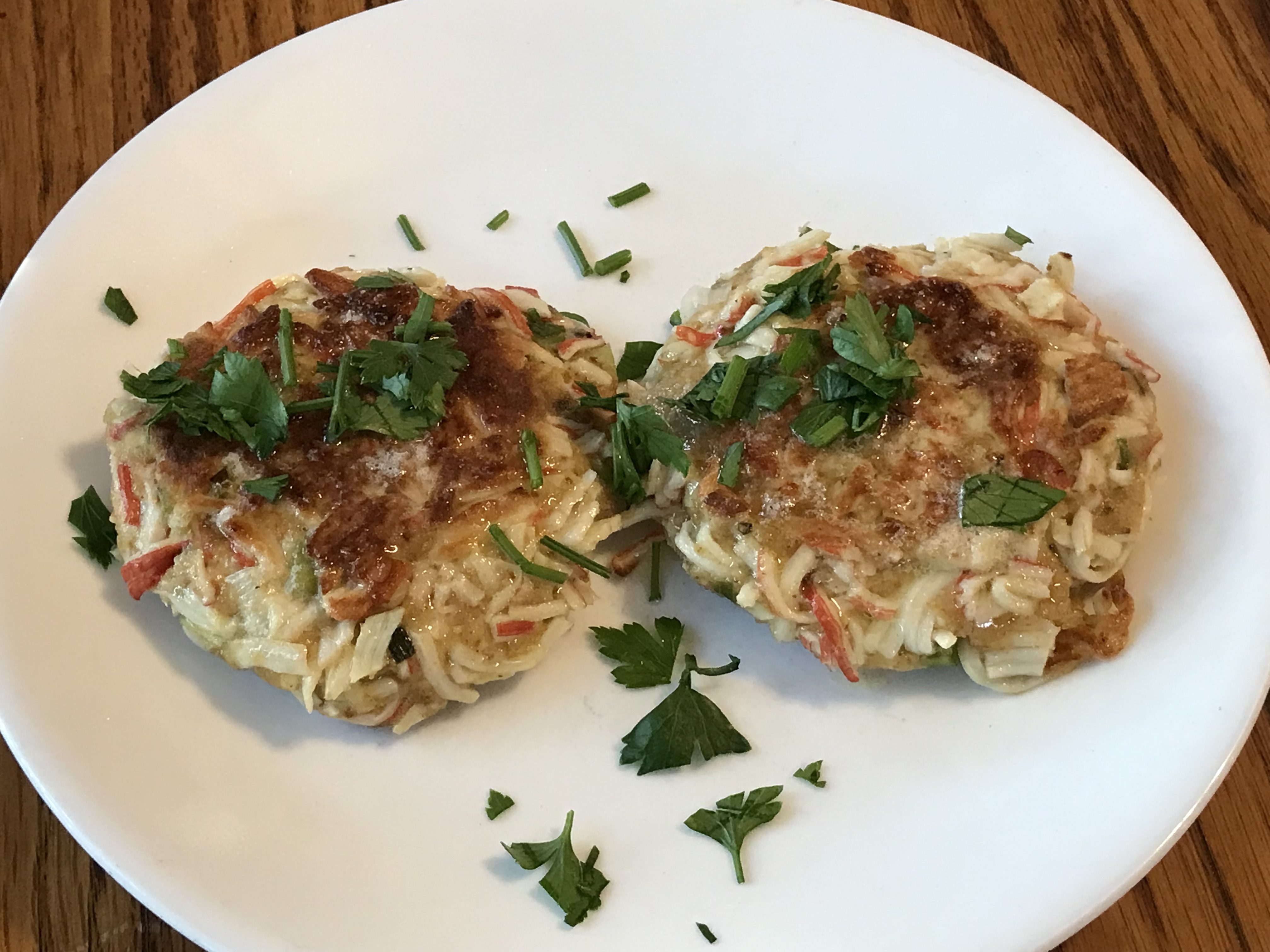
            Soft-shell crabs are hard to come by when you live several states away from the nearest ocean. The two options are 1) have them delivered (which is impractical unless buying a large quantity of items) or 2) drive three hours to one of the fish markets in Chicago (possibly at night to accommodate their early hours). As neither option was feasible, I decided to make crab cakes instead. Specifically, imitation crab cakes, because frozen crab was too expensive and I didn’t trust the canned variety. So I combined chopped imitation crab, bread crumbs, and eggs, shaped them into cakes about the width of a palm (roughly the size of actual soft-shell crabs), and made those the main course. They were delicious.

            The asparagus was closer to the recipe in the book. I cooked and marinated it as directed and plated it on radicchio. The difference was in the topping. The recipe calls for working chopped hard-boiled egg into the sauce. Since I don’t like hard-boiled eggs, I used another common method mentioned in the recipe: topping the asparagus with butter, fried eggs, and parmesan cheese. This all worked very well together and isn’t as weird for a bachelor party as it might seem.

            Asparagus has been viewed as an aphrodisiac since the days of Ancient Rome. After falling out of favor for several centuries, it became popular again in the Renaissance. There was even a way to tell if someone was eating it in secret: by the distinctive odor it left in their chamber pot. People have noticed for centuries that asparagus made their urine smell funny. Both Benjamin Franklin and Marcel Proust mention it at least once in their writings, and one 18th Century club insisted that gentlemen not urinate in the coat rack during asparagus season. Why that was too much to ask for during the rest of the year is unclear, but it was a different time.

            Moving on from aphrodisiacs and asparagus pee, we have dessert. These cookies are made crunchy and slightly gritty with semolina flour, flavored with rum and raisins, and served with parmesan-like grana cheese and honey. I’m not usually a raisin fan, but they were a good match with the light sweetness of the cookie and texture from the semolina. There is actually a Medieval connection here. At the end of a feast, it was common to serve wafers and cookie-like sweets, along with aged cheese, dried fruit, and spiced wine sweetened with honey. While the idea that this helped close the stomach and aid digestion was incorrect, the cookies, cheese, and honey worked surprisingly well together for a treat that stands the test of time.

Standard
Uncategorized

Cook’s Tour of Italy Menu 39 (Pgs. 125 – 128): Lunch with Juliet, Verona (Veneto)

Menu: Roasted Pepper and Eggplant Puree Appetizer, Pasta Bows with Fresh Spinach, Mushrooms, and Cream, Fruit Compote with Citrus Sauce

Recommended Wine: Chardonnay from Ronc di Juri in Friuli

IMG_2664

The Veneto region is not just Venice. Perhaps the most well-known of the region’s mainland cities is Verona, famous as the setting of Shakespeare’s Romeo and Juliet. While it is unclear exactly when the story was supposed to take place and Shakespeare probably never visited Italy, the feuding families really did exist and their mansions, now tourist attractions, still stand in the city today. It seems the story evolved over a few centuries, so perhaps the precise date is not important. For Shakespeare, the focus was always on the characters.

Variants of the tale of star-crossed lovers have existed for centuries if not millennia and the names Romeo and Giulietta/Juliet are used from around 1300 all the way to Shakespeare’s time in the late 16th/early 17th centuries (he probably wrote his version in the 1590s). If you want a semi-specific timeframe, I would place the story between 1349 and 1405, and here’s why. The mansions that supposedly belonged to the two families are late medieval, built in the 13th and 14th centuries (Text, pgs. 126 and 128). In addition, “Prince Escalus” is typically assumed to be a member of the Della Scala family, who ruled the city until 1405, when it was conquered by Venice. As the text implies him to be a ruler of an independent city-state with feuding aristocratic factions, it could therefore not be set later than 1405.

Due to mention of the plague, which first struck Verona in 1348 and is described in a familiar way, I would place the story in 1349 at the absolute earliest. This is further supported by the statement that Juliet is an only surviving child out of what is implied to have been several. While this would have been a tragically common occurrence at any point before the medical advances of the 19th and 20th centuries, the chance would have been even higher in the immediate aftermath of the plague, which recurred several times in the 14thcentury after the first outbreak. Thus, we have a timeframe of 1349 to 1405.

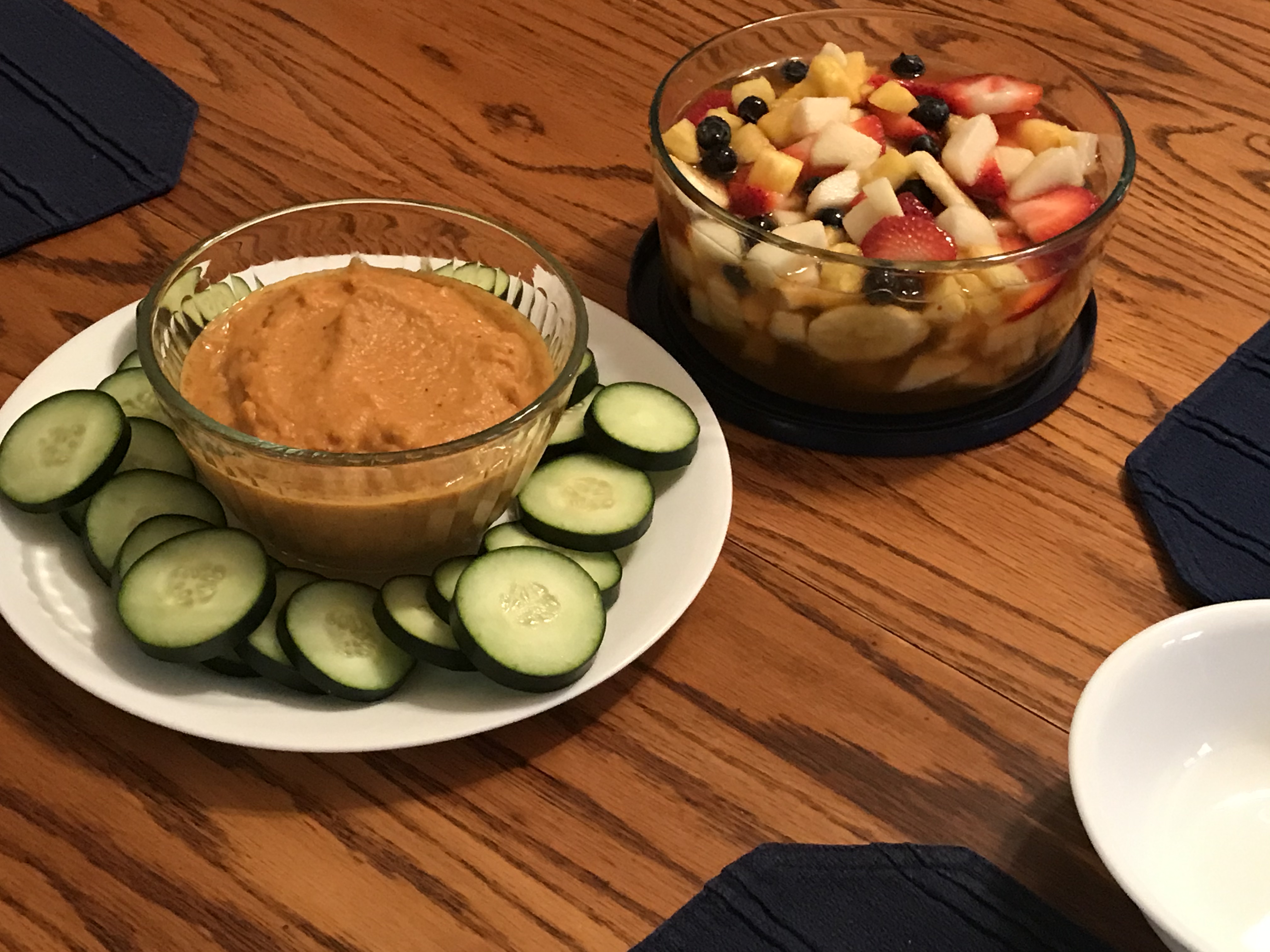
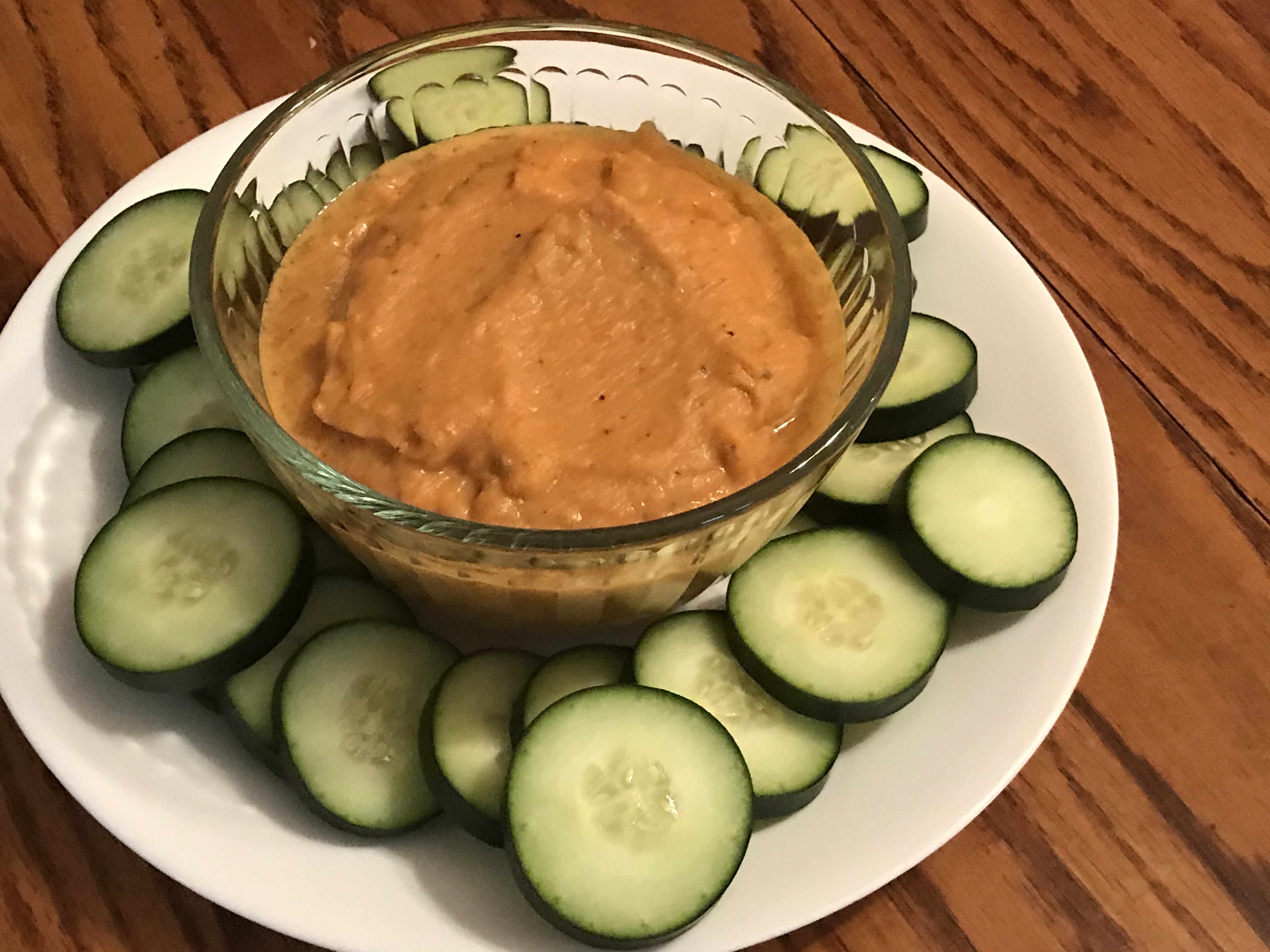
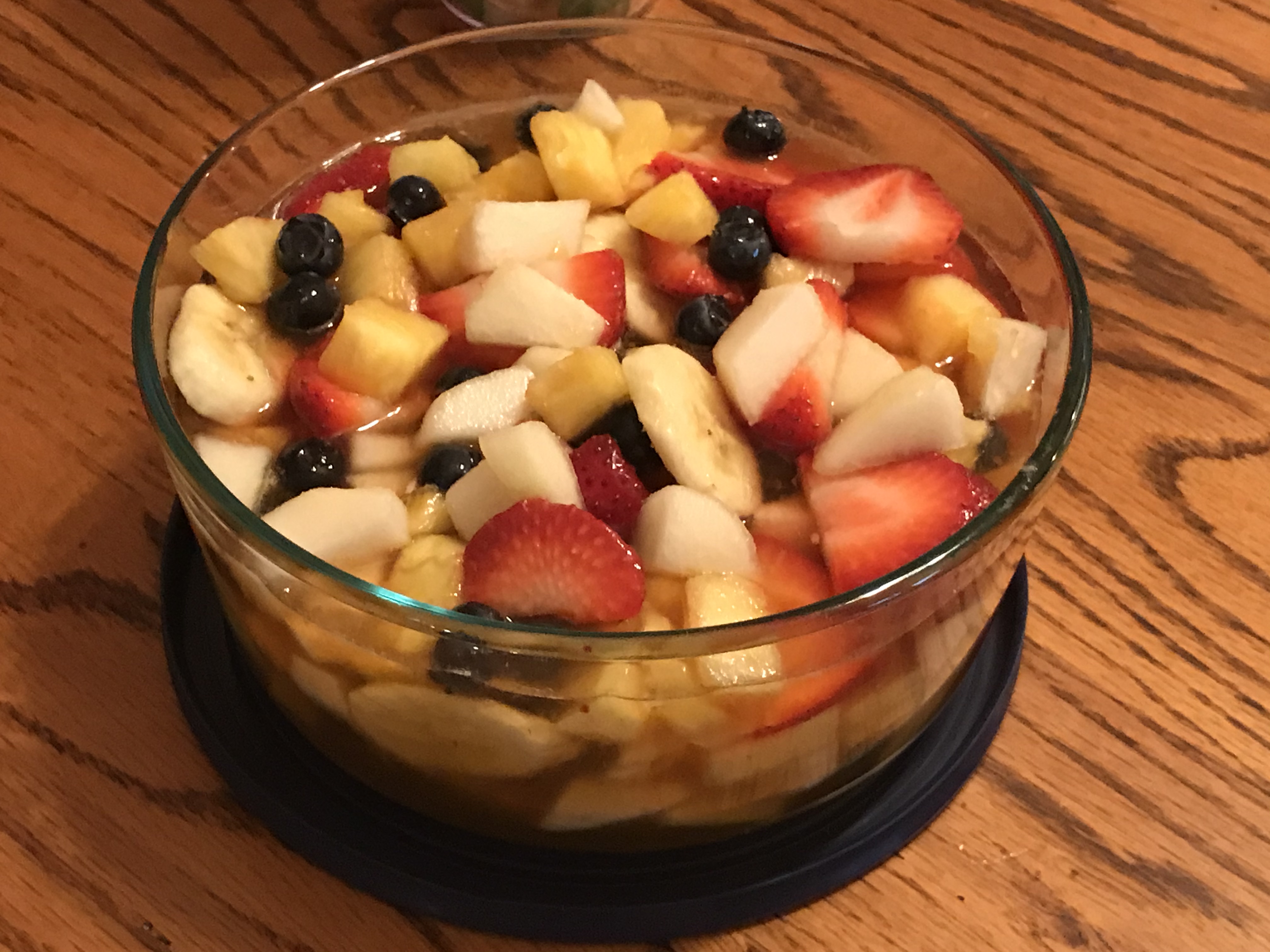
The history lesson aside, let’s turn to the menu. There’s a pureed mix of eggplant, roasted red peppers, garlic, and lemon that’s sort of like a red pepper baba ghanoush, served on slices of cucumber to start, followed by pasta bows and spinach with a mushroom cream sauce. Dessert is a mix of sliced strawberries and bananas, chopped pears and pineapple, and blueberries, dressed in a syrup of sugar, lemon, and orange juice.

Returning to history, most of this would not have been possible during the most likely historical timeframe or likely to be served even during Shakespeare’s time. The red peppers and pineapple were imports from the New World. Like tomatoes, peppers took a while to catch on in Europe (though hot peppers quickly became popular in Africa and Asia), and pineapples were still centerpieces at royal banquets in the late 17thCentury. Likewise, cream sauces were uncommon until the later part of the 17th Century and mushrooms were viewed with suspicion. It is unclear when eggplants and bananas reached Northern Italy, though the former had been introduced to Sicily centuries before by the Arabs and a few 17th and 18th Century still life banquet scenes depict bananas.

What would match with either the 14th or 16th Century, however, are the citrus juices and sugar. Sugar was a status symbol, beloved by all who could afford it, whose number gradually increased over the centuries. During the Middle Ages it was so expensive it was used like a spice. Even as supply expanded from the 15thCentury onward, it remained a luxury for a few more centuries. As mentioned in a previous post, sugar and citrus fruit fit right in with the Medieval taste for sweet and sour, inherited from the Ancient Romans. The popularity of lemons and oranges also increased over time, especially near the Mediterranean, where shorter shipping times and fewer stops meant lower prices. All of the dishes in this menu contain lemon juice, and the sauce for the fruit is fragrant with both lemon and orange juice.

Regardless of historical accuracy, this was all very enjoyable. I managed to roast the peppers without setting off the smoke alarm this time, and after briefly struggling to stuff two halved garlic cloves into cuts made in the eggplant, the baking, combining, and pureeing went without difficulty. The mix was good on the cucumbers, but I think I liked the leftovers even better on crackers the next day.

IMG_2665

Once the prep work was done, the pasta was super simple: just make the sauce, cook the pasta to al dente, toss the cooked pasta with the spinach to wilt it slightly, add the sauce, and toss to coat. The sauce started with a base of garlic and mushrooms sautéed in butter, to which a bit of marsala and lemon juice were added and allowed to cook for ten minutes to evaporate the alcohol. Cream was then added and allowed to heat through before combining with the pasta. All was then topped with a sprinkle of parmesan cheese. The pasta was excellent, though the sour taste from the lemon juice was maybe a little on the strong side. A slight reduction in lemon might benefit the sauce, but that would be a matter of personal taste. Mr. Famularo says on page 127 that he thinks Juliet would prefer this dish to potato gnocchi, and I am inclined to agree.

IMG_2669

The dessert was another treat. Though the mix here was strawberries, blueberries, pears, pineapple, and banana, anything in season would probably work. The lemon juice in the syrup prevents or slows browning, the sugar smooths out the taste of any especially tart fruit, and the juices combined add just a little more flavor. The recipe makes more syrup than is needed for the quantity of fruit, so any leftovers can be saved and used as needed. Just make sure not to add it too early, as sitting in the syrup too long can make the fruit turn soggy.

IMG_2666

Overall, this was a great menu to appreciate the summer produce coming into the stores. Even if not necessarily historical to Shakespeare’s time, that doesn’t really matter here. If given access to the foods mentioned here, there is every reason to believe Juliet would have enjoyed them.

Standard