
Region: Naples/Adriatic Coast
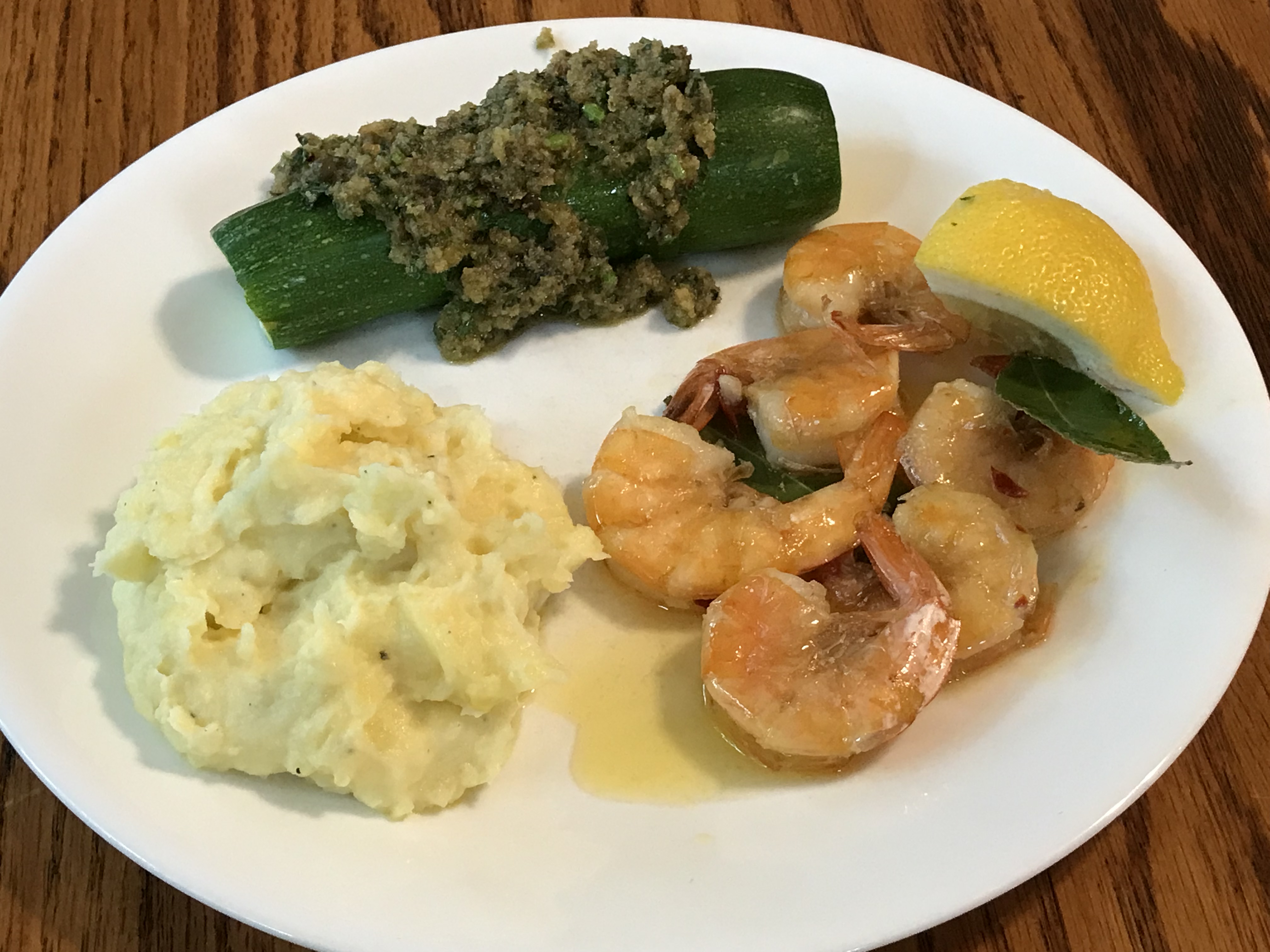
Menu: Taranto-Style Baked Oysters, Grilled Red Pepper Shrimp, Whipped Potatoes with Olive Oil, Farm-Style Zucchini in a Hot Sauce, Blueberry Ice with Melon Ball Spears
Recommended Wine: Rosa del Golfo (rosé from Apulia, coral pink with berry aroma)
Like many other cities in Southern Italy, Taranto was originally founded by the Greeks. For centuries, the inhabitants fished, traded, and fought with other city-states. The first two activities remained important after the region was conquered by the expanding Roman Republic in the 3rd Century BC. The Romans were followed by the Visigoths, Byzantines, Lombards, Holy Roman Empire, Normans, French, Spanish, and finally the unified nation of Italy. Through all the changes in control, the inhabitants looked to the sea for an essential part of their diet.
Oysters have a complicated history. The Ancient Romans prized them and they are a luxury today, but for centuries they were peasant food. Perhaps this was because they were abundant by the coast and could not safely be transported inland as transportation networks broke down. Oysters did not become popular again until the Early Modern Era, with the exact date varying from place to place. As population rose and more oysters were eaten, they went from cheap protein, to mid-priced staple, to special treat, at least for some people. I’m not usually an oyster fan. They have an odd flavor and slimy texture, but baking them with bread crumbs was a significant improvement. The oysters tasted good, but were not spectacular. The shrimp was much better, with a nice garlic flavor and just a bit of spice.

What’s interesting about this menu is how much it relies on ingredients originally from the Americas. The red pepper on the shrimp, potatoes, and zucchini were all part of the Columbian Exchange. While potatoes became much more important in Northern Europe, their high yields helped them achieve a place in Italian cuisine as well. Here they are whipped with olive oil, cream, and pecorino cheese. I wouldn’t have thought of putting olive oil in mashed potatoes or serving them with seafood, but the combination worked surprisingly well.
Zucchini is everywhere is Italian cuisine. Exactly when it caught on is unclear, but since Europeans were already growing vine crops like melons and cucumbers when zucchini arrived from the Americas, it seems unlikely that there was much resistance. There is a joke in the US that you can’t leave your car unlocked in late summer or someone might put zucchini in it, which points to two of its virtues. It’s easy to grow and famously (or infamously) productive, hence the number of different recipes to use up the bounty.
This is one of the more interesting recipes. The zucchini is simply boiled, but then it’s served with a sauce made from vinegar and oil, flavored with herbs and hot pepper flakes, and thickened with breadcrumbs. While the pepper flakes are a New World introduction, the sauce has a definite Medieval character. Most sauces at the time were strongly flavored with spices, herbs, and/or vinegar, contrasting with rather than complementing whatever they were served with. Because roux and flour were not yet used as thickeners, breadcrumbs filled that role, producing thicker sauces with much more texture. I was expecting a soggy sludge, but was pleasantly surprised. The flavor was the perfect balance for the neutral zucchini, and the thicker texture helped the sauce stay where it was supposed to rather than spill all over the plate.
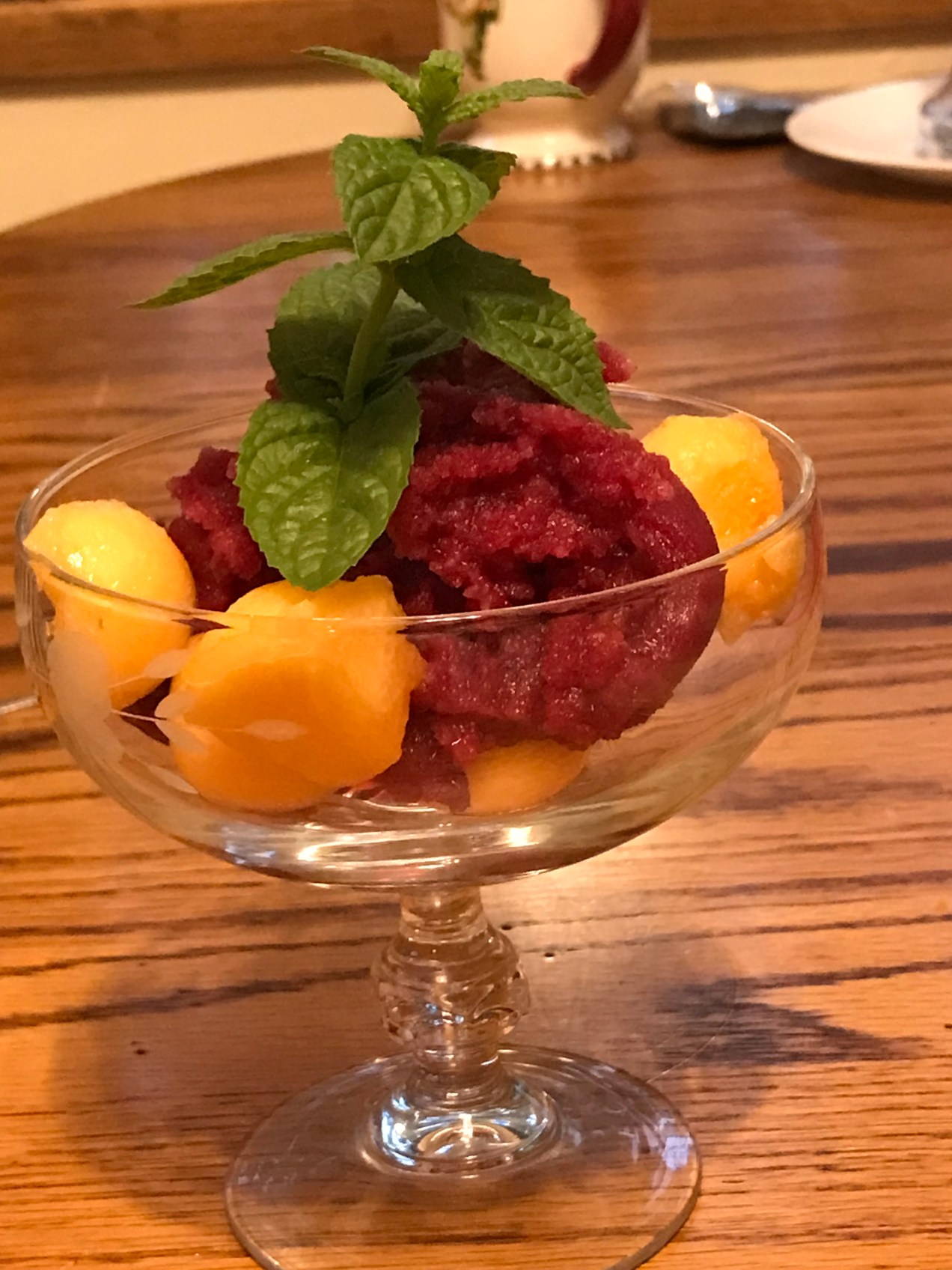
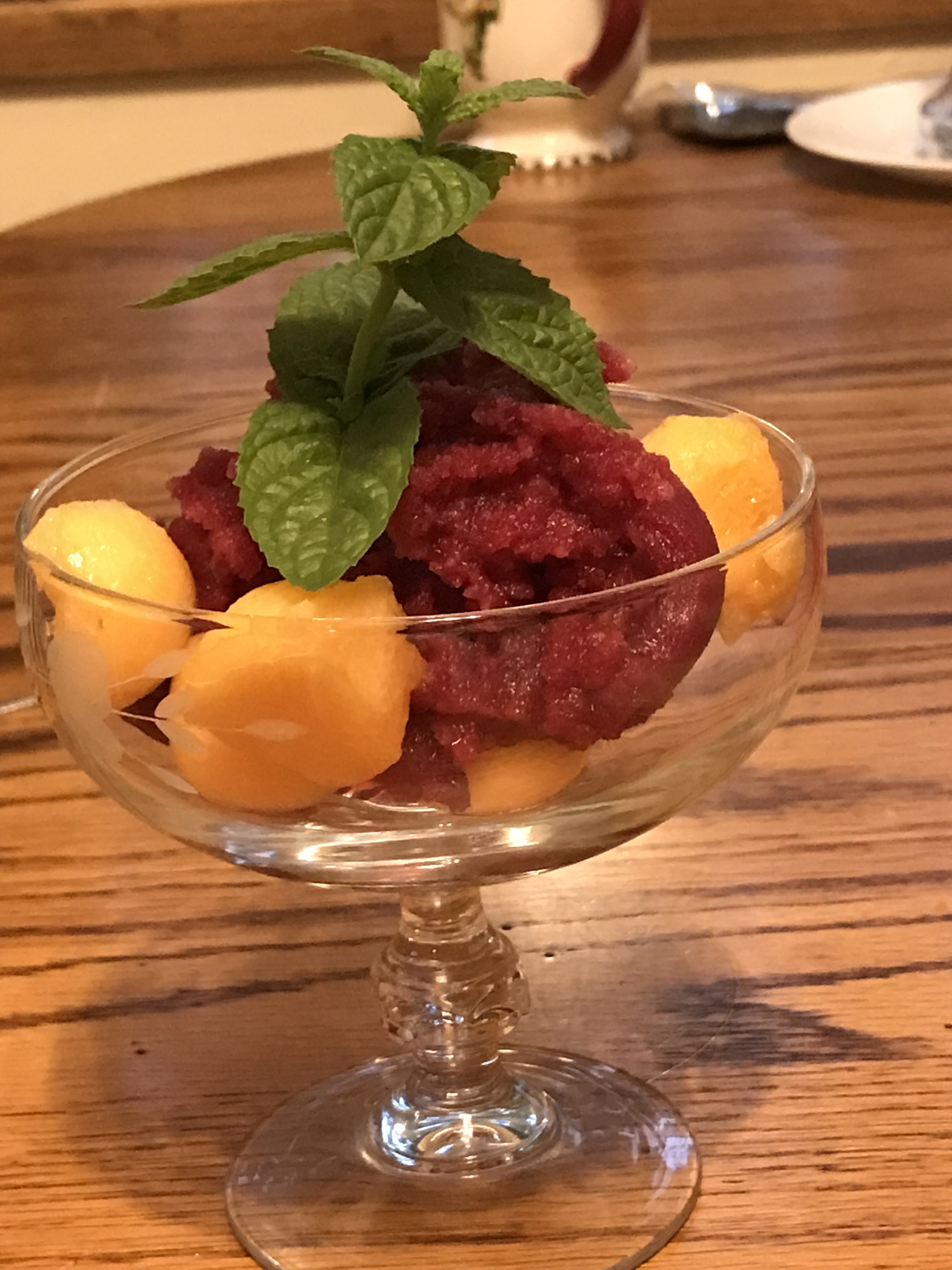
For dessert was blueberry sorbet. I didn’t think that there were many blueberries in Southern Italy, but the recipe looked interesting and I was excited to try out my new ice cream maker. The flavor was unique and tasty, but what really stood out was the deep purple color. Just look how pretty it is.
 Feasting Through Time
Excellent, as usual. I really enjoy reading about the history of various foods and ingredients.
Great Read Can i leave my thoughts ?! –
Looking To Tone Up? Lose Extra lb’s Just By Changing What You Eat?
Download Over 50 Keto Recipes , Unleash The Flavours – http://ketodietrecipes.co.uk/
I have never been able to enjoy oysters. My mother used to fry beautiful oysters. I could not believe they did not taste good to me. I have many friends that love oysters of all manner of presentation. The only oysters I care for are a few smoked oysters in salads.