schmaltz and matzo
appetizers, food history, jewish cuisine, snacks

Schmaltz: Better If You Grew Up On It

schmaltz and matzo
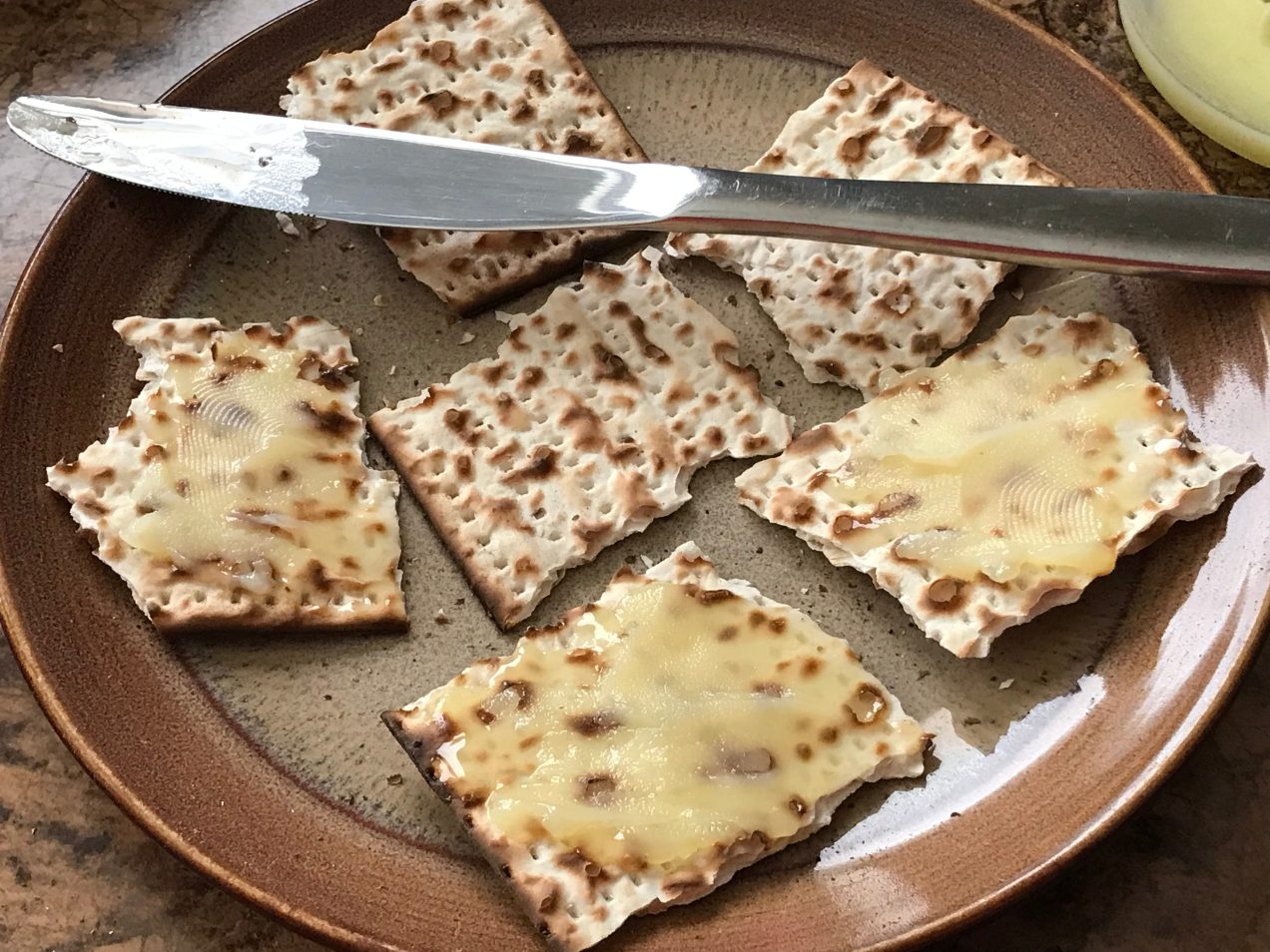
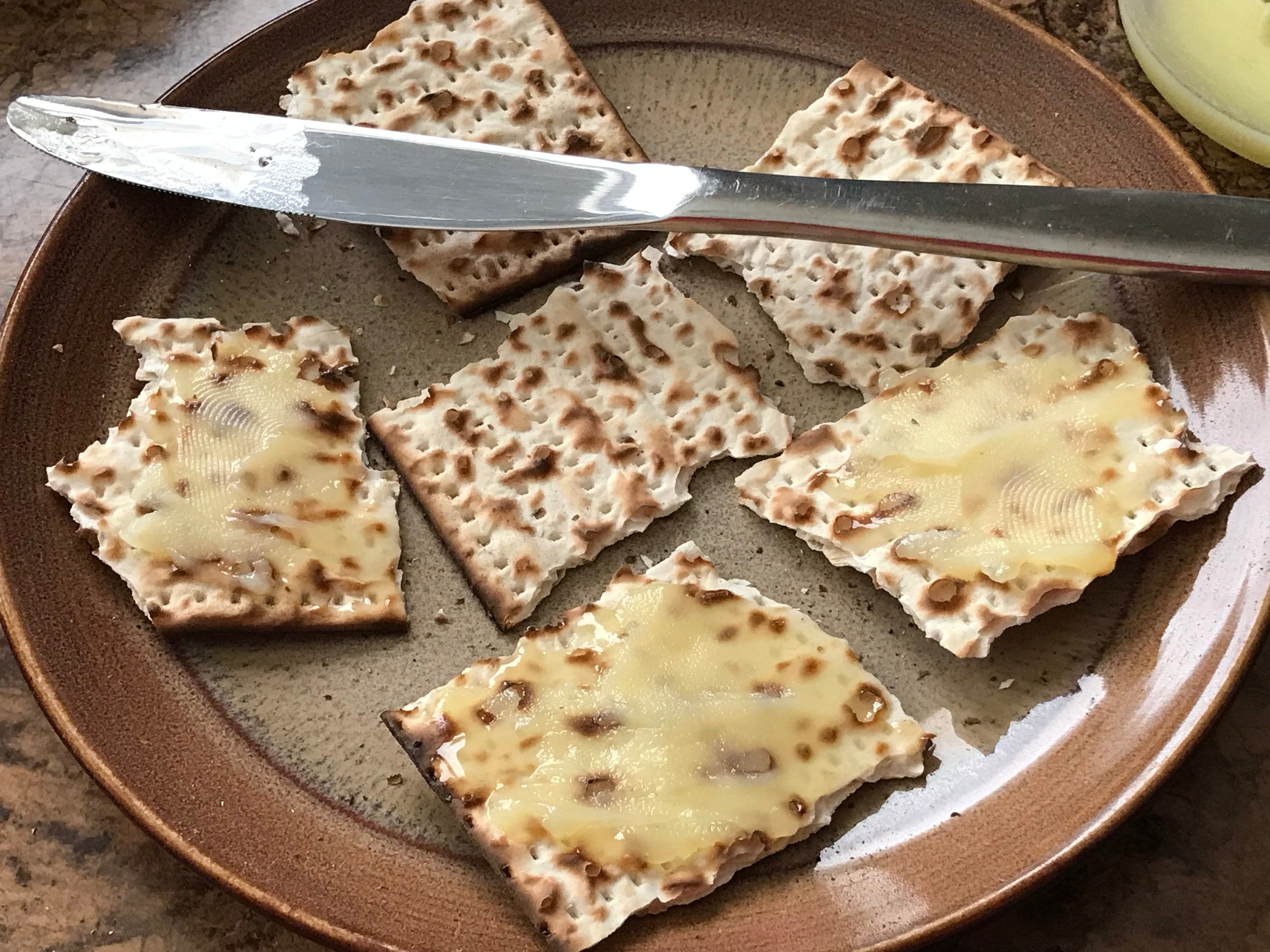
Matzo with schmaltz (a.k.a. pure chicken fat)

            Perhaps more than any other cooking fat, rendered chicken or other poultry fat is associated with a specific cuisine: Ashkenazi Jewish. It was a historical necessity. Butter couldn’t be used in a meat meal, due to the prohibition against combining meat and dairy. Certain types of beef fat aren’t kosher, which makes tallow a tricky proposition. As a pork product, lard was definitely out. Since olive trees can’t grow in Central and Eastern Europe, poultry fat was the only option before seed oils like canola and sunflower. Few other societies faced the same religious restrictions in the same kind of environment, so use of rendered poultry fat, or schmaltz, became stereotypically Ashkenazi. Jewish immigration brought it to America, especially New York.

            For generations, New Yorkers have used schmaltz in frying, knishes, and even as a spread on matzo crackers. Since the recipe on pages 464 – 465 of 1000 Foods to Eat Before You Die doesn’t make a huge quantity and I only had enough chicken skin for half, I decided to follow Mimi Sheraton’s suggestion to try it on piece of matzo with just a little salt. It wasn’t bad, tasting sort of like fried chicken cooked in slightly overused oil, and was even tasty after getting used to the flavor coming from a soft spread. The little chicken cracklings, called gribenes, were even better, tasting like pieces of fried chicken skin, which they what they are.

Advertisements

            That said, schmaltz is a lot of work for a small reward. Not to mention, half of the cracklings stuck to the bottom of my pan, requiring multiple soakings and scrapings to remove. With the widespread availability of vegetable oils, shortening, and margarine, rendered chicken or other poultry fat is no longer necessary for kosher frying. And for anyone craving the fatty chicken flavor, many grocery stores sell ready-made fried chicken.

            Schmaltz certainly has historical interest, and is currently enjoying a culinary revival, but I struggle to see the appeal. Having grown up eating non-kosher casseroles with ham and cheddar cheese, cheeseburgers, and pulled pork, the traditional “New York deli” specialties don’t have any nostalgia value. Would I scrape the solidified fat from a chilled pot of chicken or turkey soup to make gravy? Certainly – it would give the poultry flavor a nice boost. But I’m unlikely to make my own schmaltz again. It was worth trying once. In this case, once was enough.
Standard
haggis
british cuisine, dessert, food history, scottish cuisine

Haggis: Better Tasting Than Expected (with a deep-fried Mars Bar for dessert)

haggis

            Of all the world’s foods, haggis has one of the worst reputations. In the modern age, minced sheep’s organs, fat, and oatmeal, cooked together in the stomach, are a hard sell. It’s a dish born out of harder times. Traditionally, Scottish farmers often found it more productive to raise cattle and sheep than to grow grain, and oats tolerate the cool, damp climate better than wheat. Almost from the arrival of agriculture, residents of Scotland had everything they needed to make haggis.

            Today, it’s Scotland’s national dish. Traditionally, it’s heavily peppered and served with neeps and tatties. Neeps are mashed “turnips,” which are actually rutabagas. Tatties are potatoes. Aside from the potatoes, this would all be recognizable to ancient peoples.

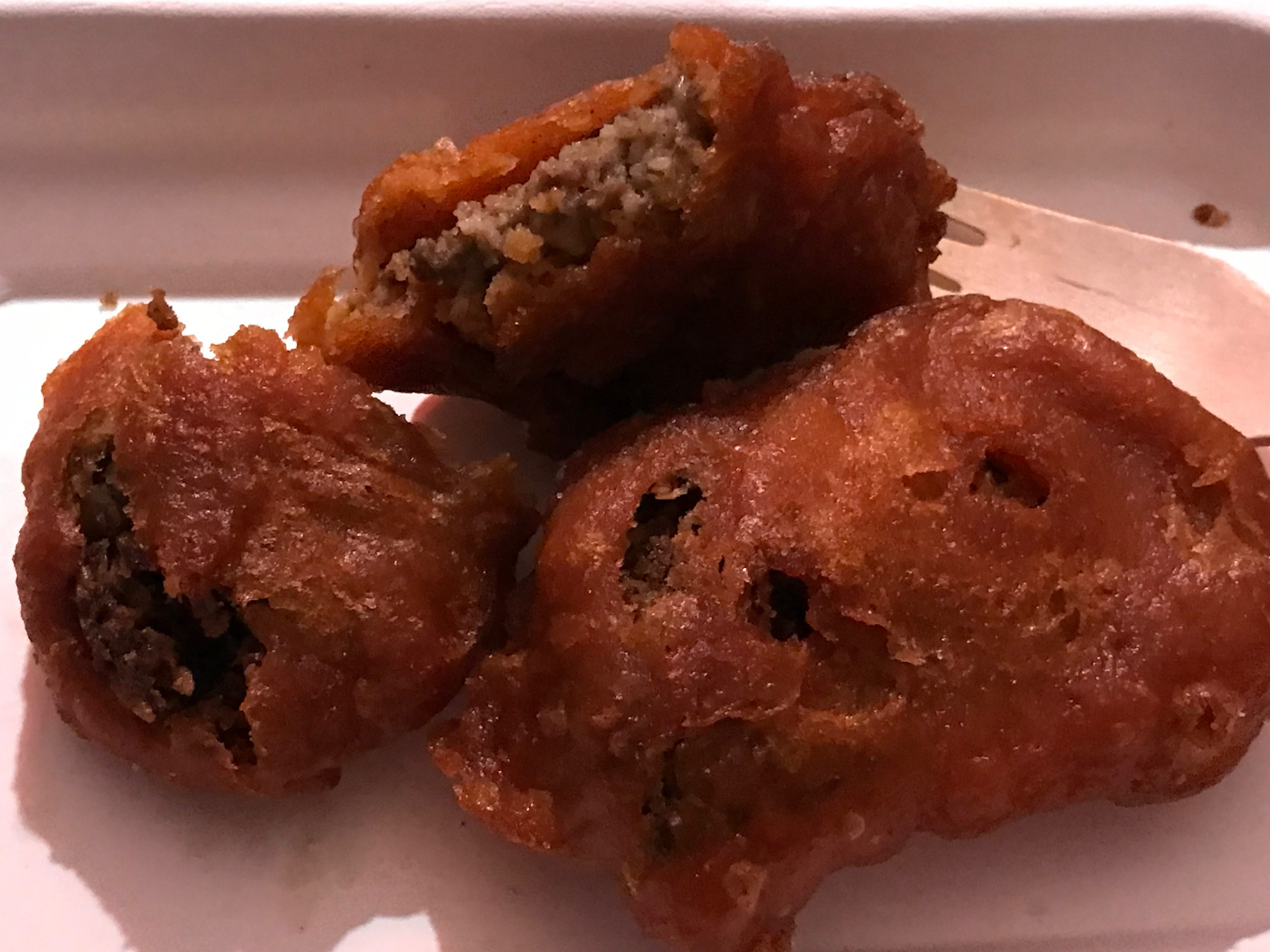
            In Edinburgh, you can even get it battered, fried, and enhanced with Indian-style spices at fish and chips shops. One such shop was within easy walking distance from the hostel where our group was staying, so was the perfect stop for a quick lunch between morning and afternoon activities. In addition to fish and chips, which were delicious, they served chicken, vegetable, and haggis pakoras, which are a sort of Indian fritter. In this case, a traditional Scottish staple was cooked Indian-style, and served by Kurdish proprietors. Talk about international cuisine.

Advertisements

            I was a little unsure about the haggis, but it was actually delicious. Since everything was ground up, it tasted like a peppery, crumbly sausage, enhanced by a spicy coating. There were no “weird” flavors at all.

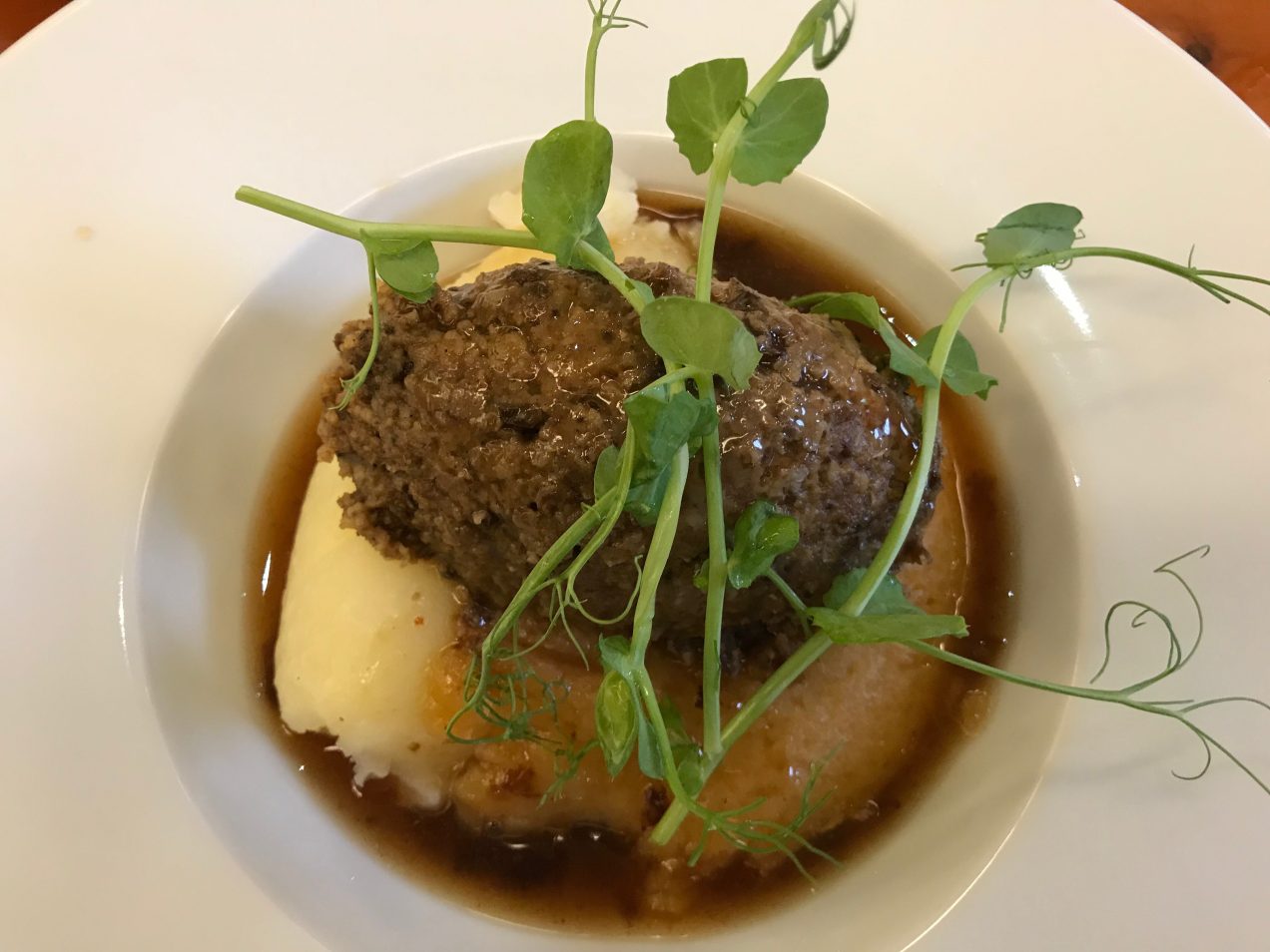
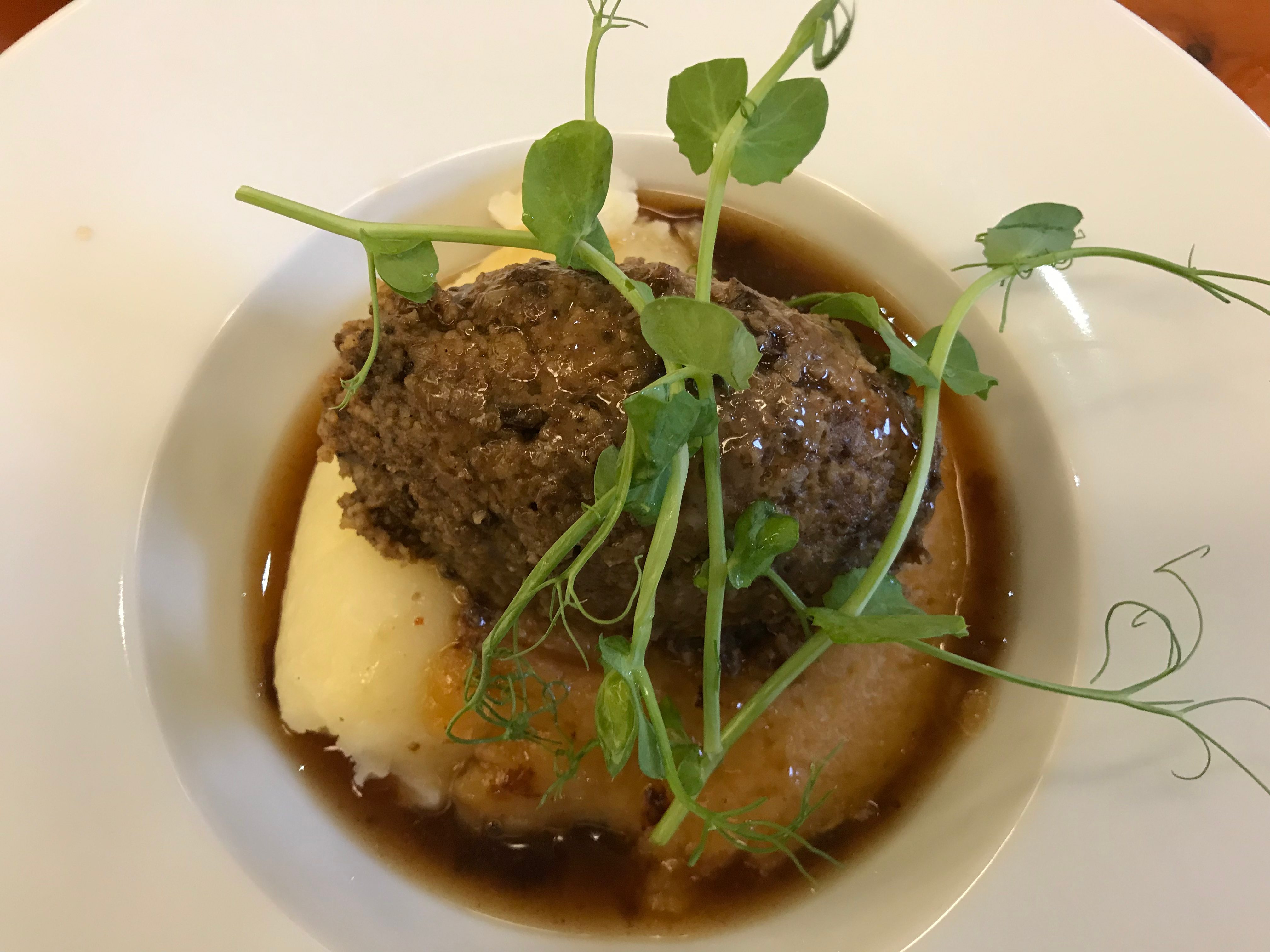
            That evening, we went to a restaurant and tried a more refined version, served with neeps, tatties, and gravy. It was sort of like sticky meatloaf, probably from the ground oats in the mix, and rather pleasant. Overall, I still preferred the pakoras, but both were good. The trick with “variety meats” must be to grind them up, add a lot of spices, and possibly fry them. Almost anything tastes good that way.

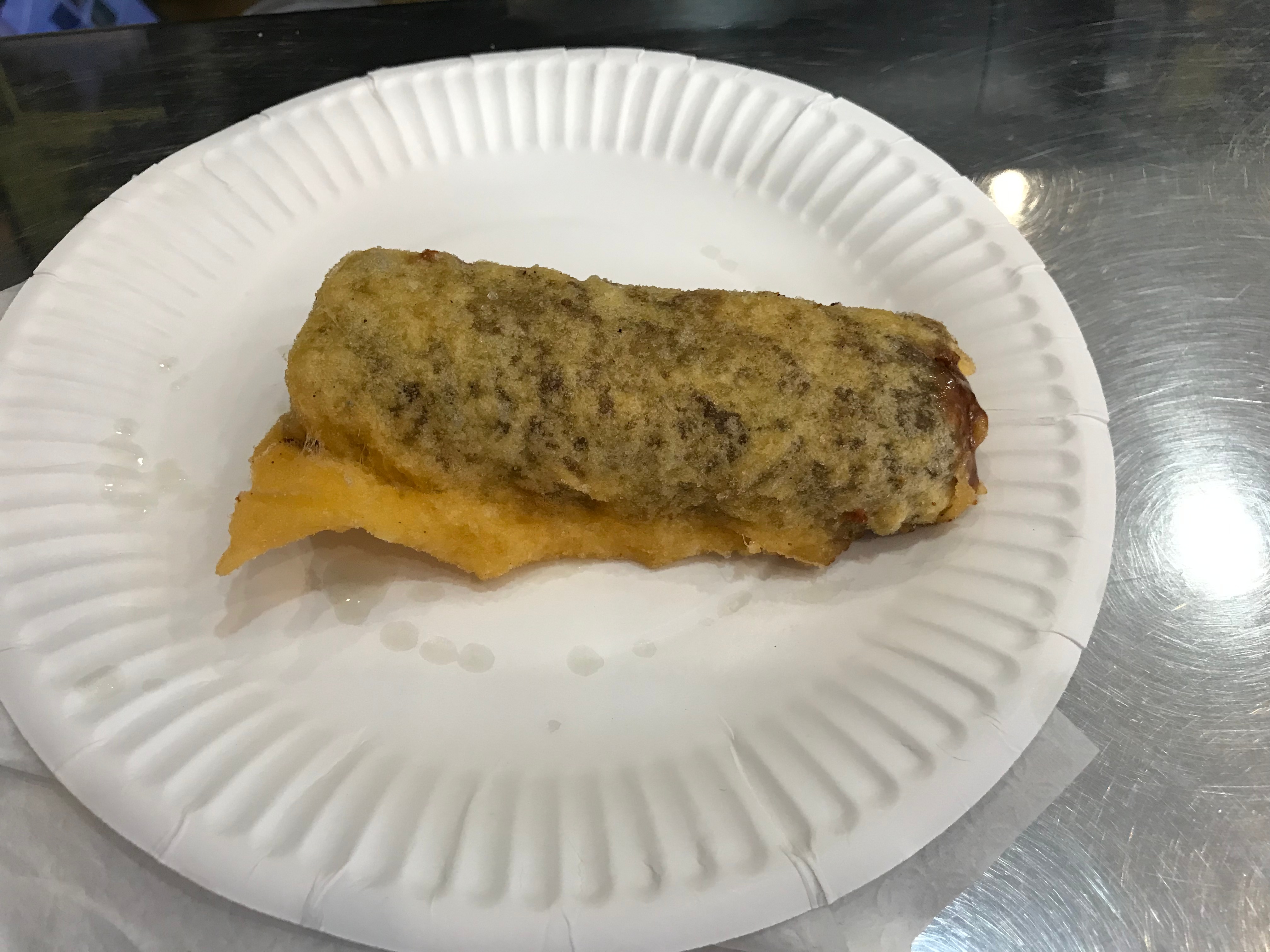
            Apparently, Scottish cuisine has a reputation for deep-frying anything, including candy bars. Mars bars are sort of like American Milky Way bars, with a nougat and caramel center. When battered and fried, they become sticky, melty, and crispy, a delightful mix of textures. It’s clear why both haggis and deep-fried Mars bars are foods to eat at some point in your life. (For more information, reference 1,000 Foods to Eat Before You Die, by Mimi Sheraton, pages 38, 40 – 41.)

One-Time
Monthly
Yearly

Make a one-time donation

Make a monthly donation

Make a yearly donation

Choose an amount

$5.00
$15.00
$100.00
$5.00
$15.00
$100.00
$5.00
$15.00
$100.00

Or enter a custom amount

$

Your contribution is appreciated.

Your contribution is appreciated.

Your contribution is appreciated.

DonateDonate monthlyDonate yearly
Standard