
poutine
food history, snacks

Poutine: Canada’s National Dish

ring of montreal
The Ring of Montreal

            A few months ago, I took a road trip to Canada, through Toronto, Ottawa, Montreal, Quebec City, and Nova Scotia. Aside from hitting as many of the must-see locations as possible during the one to two days available in each location, there was a lot of interesting food to try. Poutine is the most obvious. Originally French-Canadian, it has since been adopted across the country as Canada’s national dish.
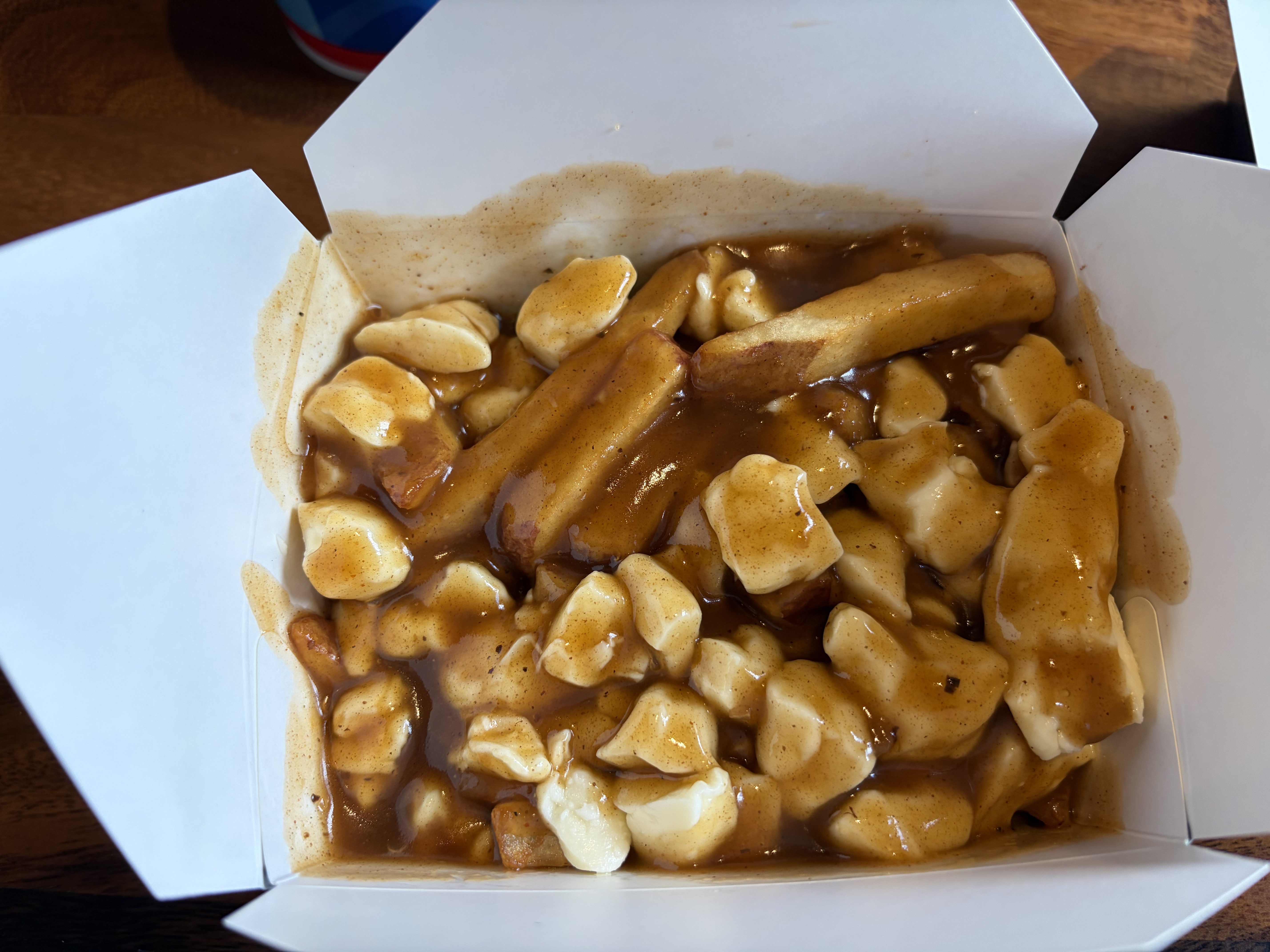
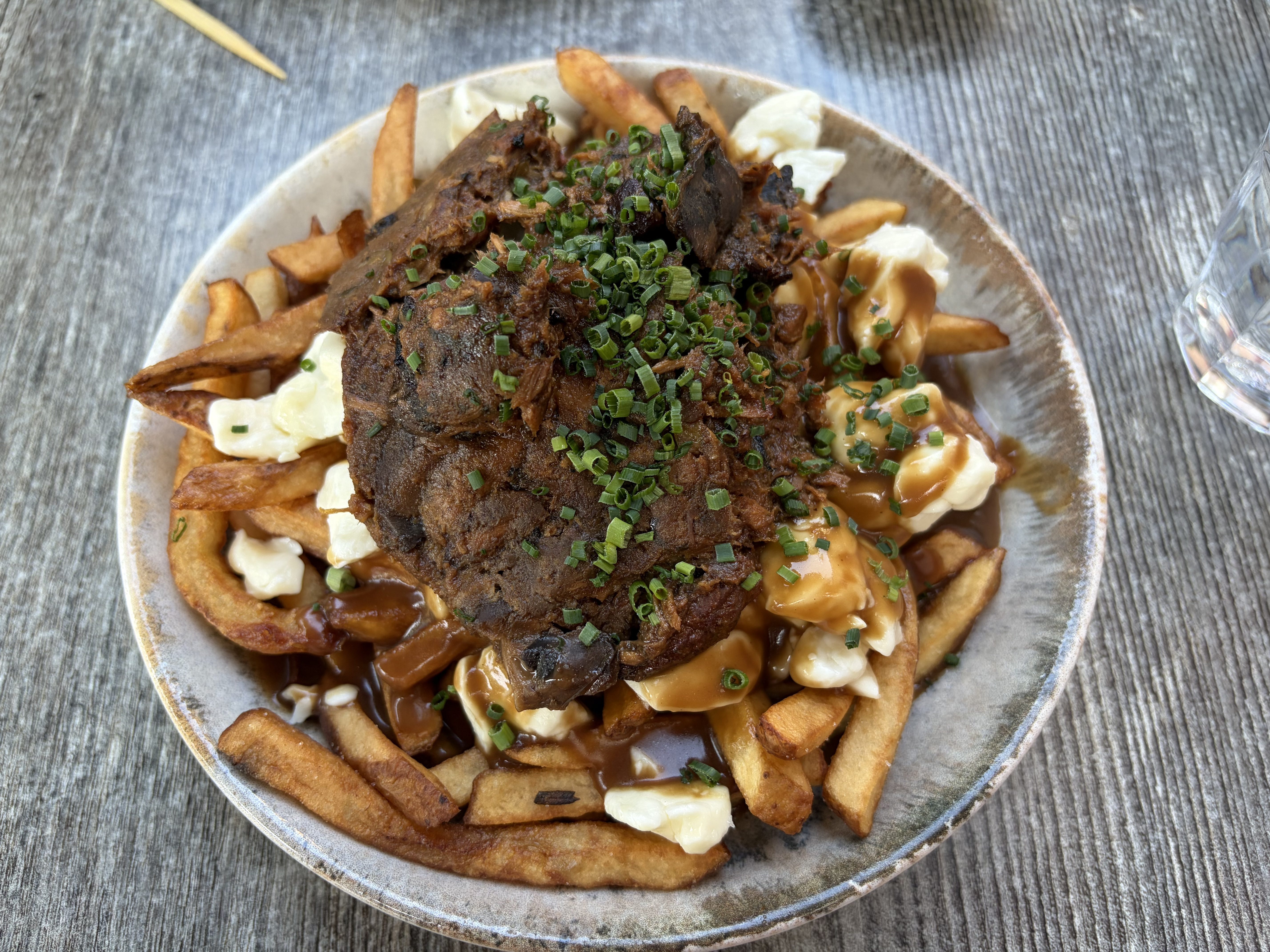
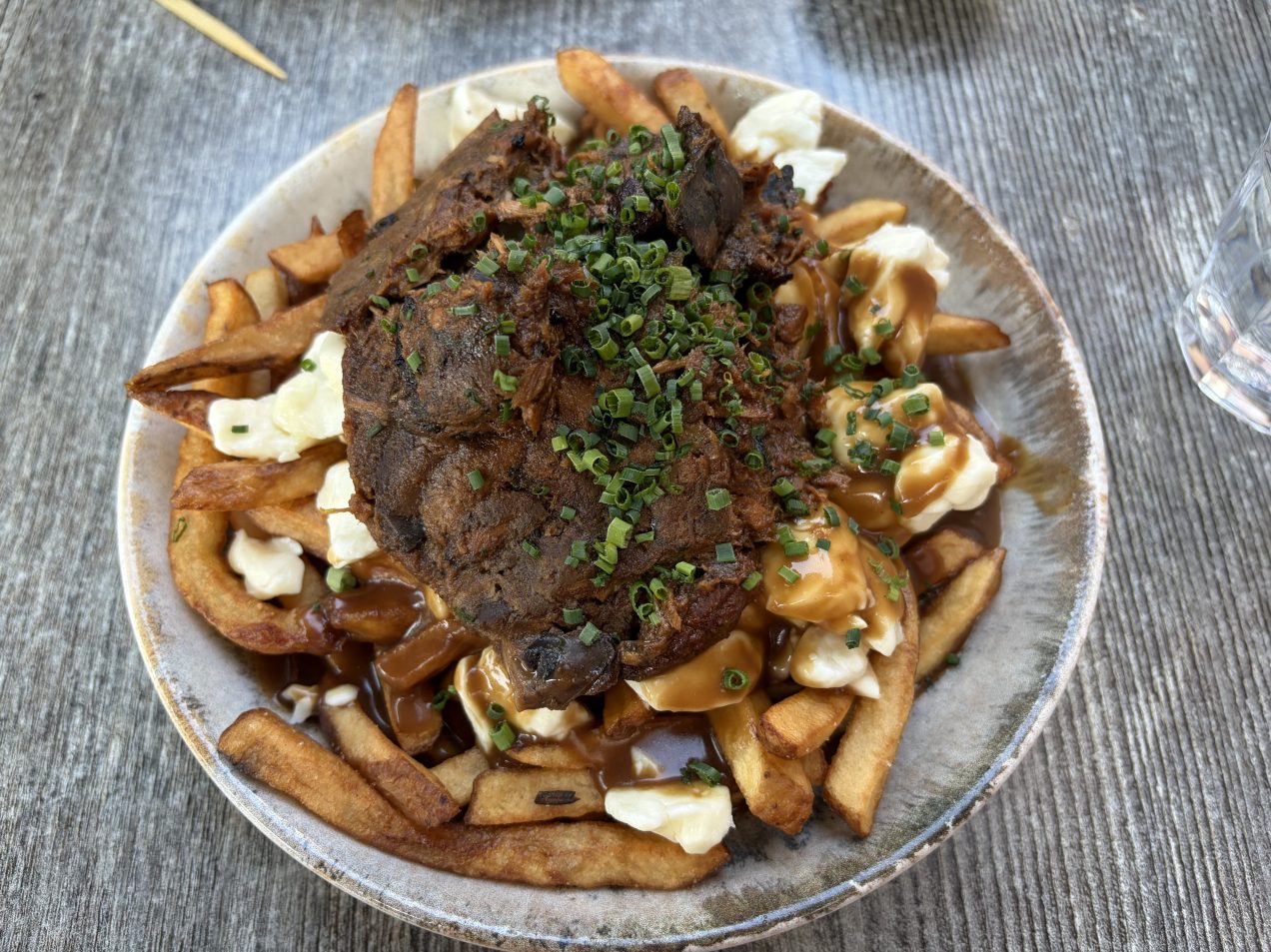
            At its most basic, poutine has just three ingredients: French fries, cheese curds, and gravy. All sorts of things can be added on top, from braised beef to chili peppers to all manner of sauces, but three things seem to be essential to success. First, the fries must be fresh and crisp. Second, the cheese curds must also be fresh. If you’re unfamiliar with these, they are pieces of cheese, typically cheddar and less than a day old, that squeak a little when you chew them.

            The gravy appears to be the biggest variable, as far as quality goes. It shouldn’t be too salty, and is best in moderate amounts. It’s important to moisten the dish and “tie” the fries and cheese curds together, but too much makes the fries really soggy and overly salty. In other words, balance is key.            

Advertisements

One addition that didn’t upset the balance was braised beef. Other good options might include classic potato toppings like bacon, scallions, or chives, fresh herbs, or spicy chicken or vegetables. The original can be very good, but it is pretty rich and heavy. Something fresh and/or spicy to add contrast would make it even better.

Standard
schmaltz and matzo
appetizers, food history, jewish cuisine, snacks

Schmaltz: Better If You Grew Up On It

schmaltz and matzo
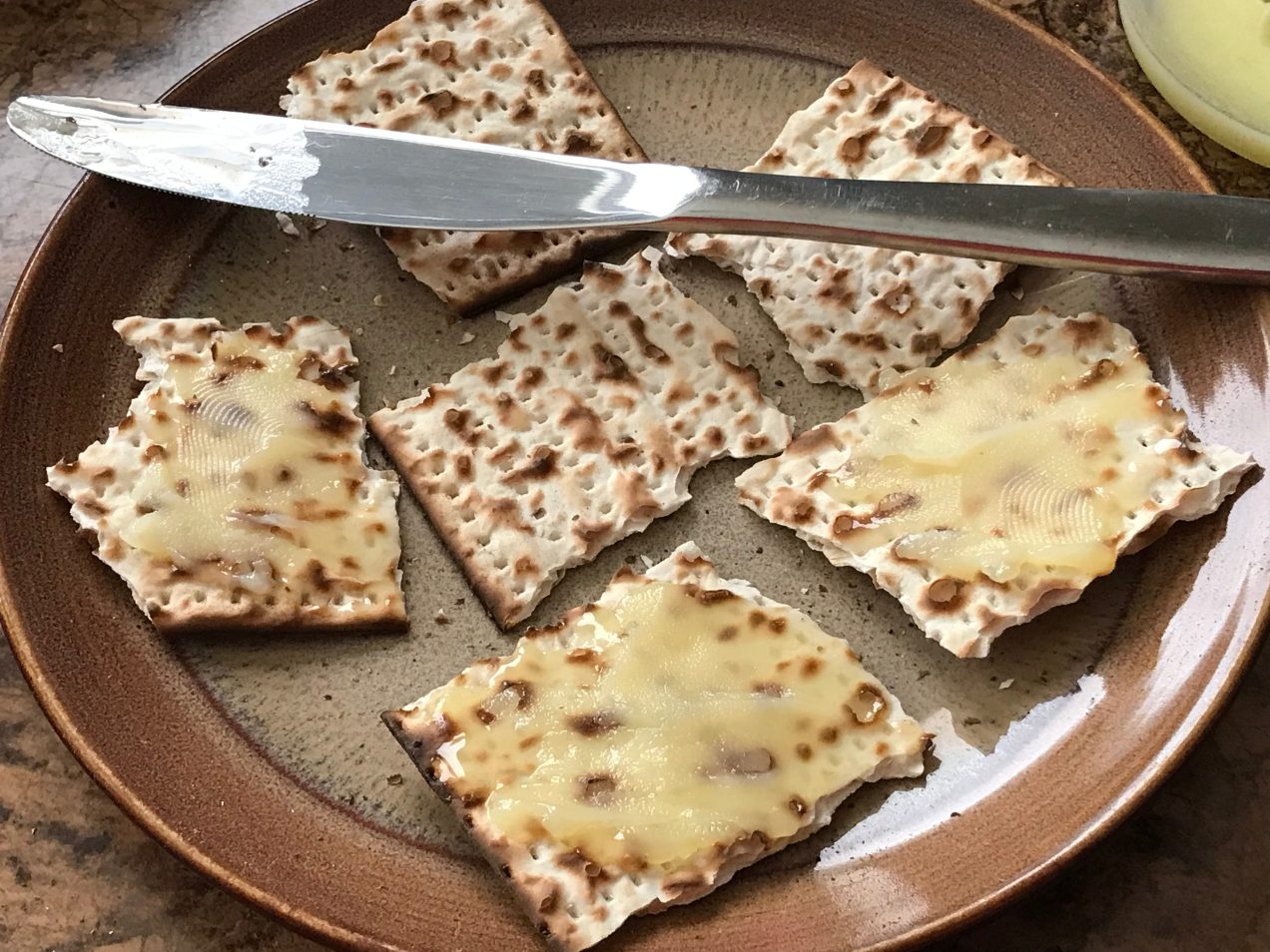
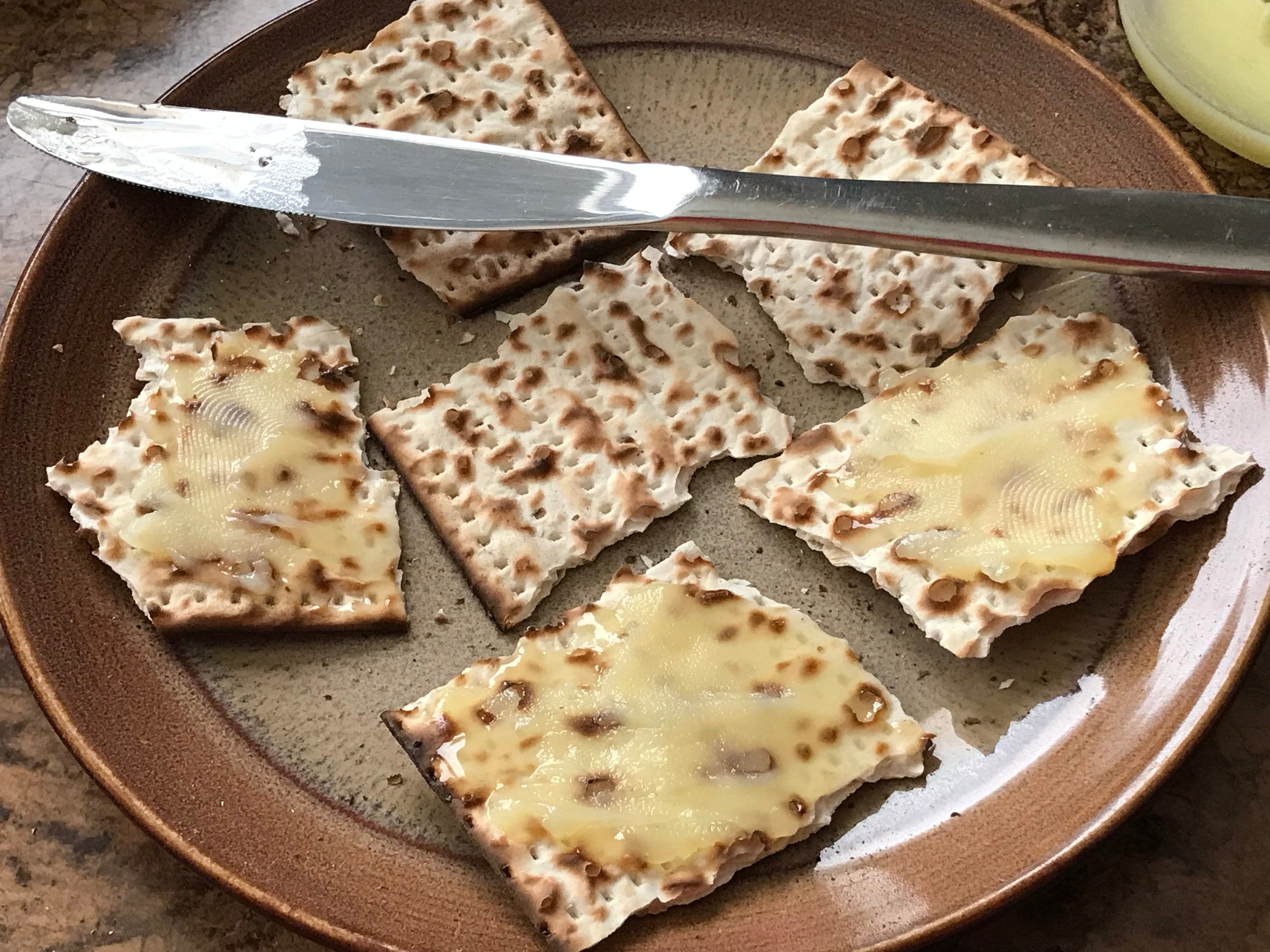
Matzo with schmaltz (a.k.a. pure chicken fat)

            Perhaps more than any other cooking fat, rendered chicken or other poultry fat is associated with a specific cuisine: Ashkenazi Jewish. It was a historical necessity. Butter couldn’t be used in a meat meal, due to the prohibition against combining meat and dairy. Certain types of beef fat aren’t kosher, which makes tallow a tricky proposition. As a pork product, lard was definitely out. Since olive trees can’t grow in Central and Eastern Europe, poultry fat was the only option before seed oils like canola and sunflower. Few other societies faced the same religious restrictions in the same kind of environment, so use of rendered poultry fat, or schmaltz, became stereotypically Ashkenazi. Jewish immigration brought it to America, especially New York.

            For generations, New Yorkers have used schmaltz in frying, knishes, and even as a spread on matzo crackers. Since the recipe on pages 464 – 465 of 1000 Foods to Eat Before You Die doesn’t make a huge quantity and I only had enough chicken skin for half, I decided to follow Mimi Sheraton’s suggestion to try it on piece of matzo with just a little salt. It wasn’t bad, tasting sort of like fried chicken cooked in slightly overused oil, and was even tasty after getting used to the flavor coming from a soft spread. The little chicken cracklings, called gribenes, were even better, tasting like pieces of fried chicken skin, which they what they are.

Advertisements

            That said, schmaltz is a lot of work for a small reward. Not to mention, half of the cracklings stuck to the bottom of my pan, requiring multiple soakings and scrapings to remove. With the widespread availability of vegetable oils, shortening, and margarine, rendered chicken or other poultry fat is no longer necessary for kosher frying. And for anyone craving the fatty chicken flavor, many grocery stores sell ready-made fried chicken.

            Schmaltz certainly has historical interest, and is currently enjoying a culinary revival, but I struggle to see the appeal. Having grown up eating non-kosher casseroles with ham and cheddar cheese, cheeseburgers, and pulled pork, the traditional “New York deli” specialties don’t have any nostalgia value. Would I scrape the solidified fat from a chilled pot of chicken or turkey soup to make gravy? Certainly – it would give the poultry flavor a nice boost. But I’m unlikely to make my own schmaltz again. It was worth trying once. In this case, once was enough.

Standard