
kutya
breakfast/brunch, dessert, food history, polish cuisine, ukrainian cuisine, vegetarian

Kutya: A Relatively Healthy Dessert (with recipe)

kutya

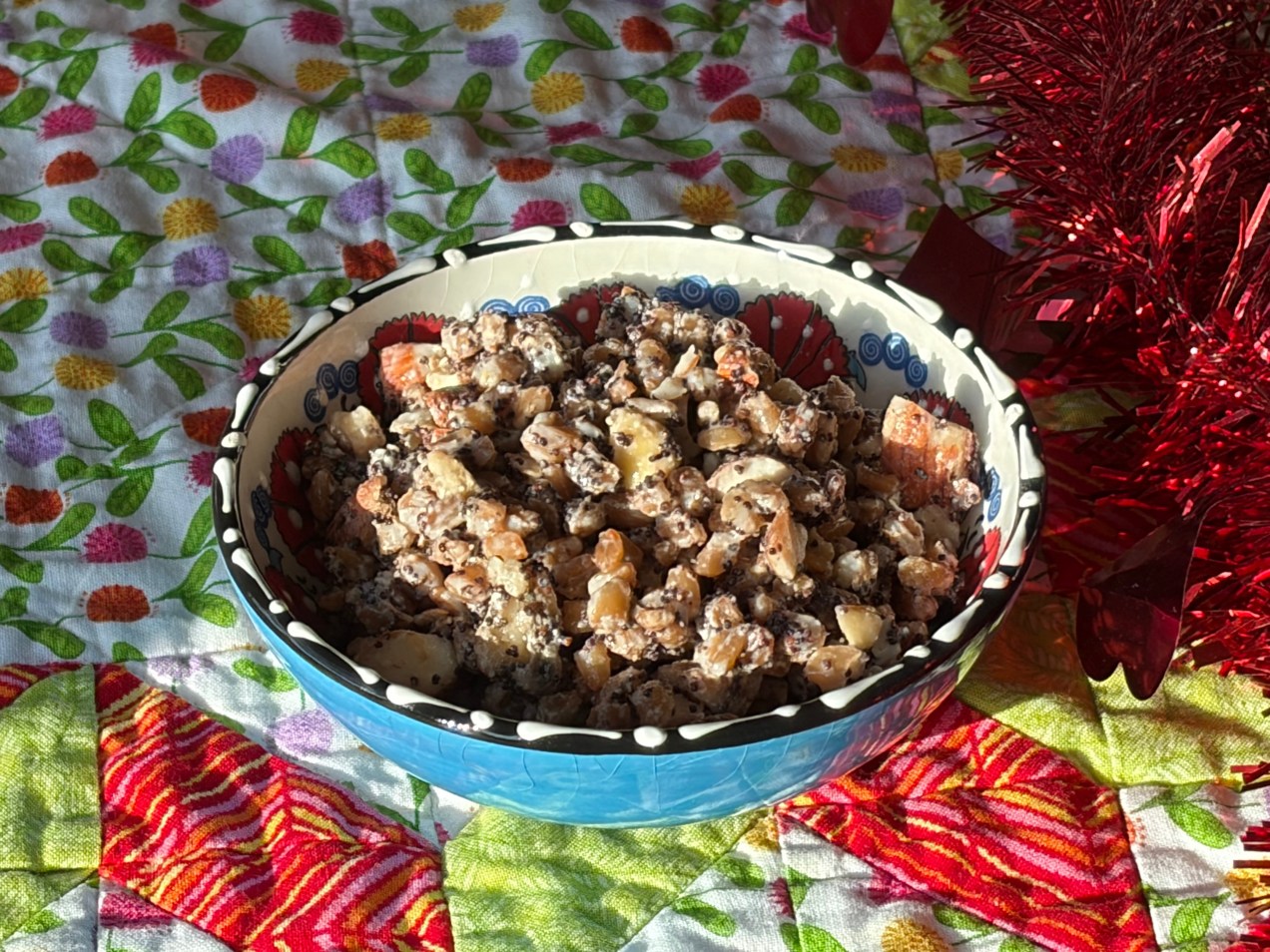
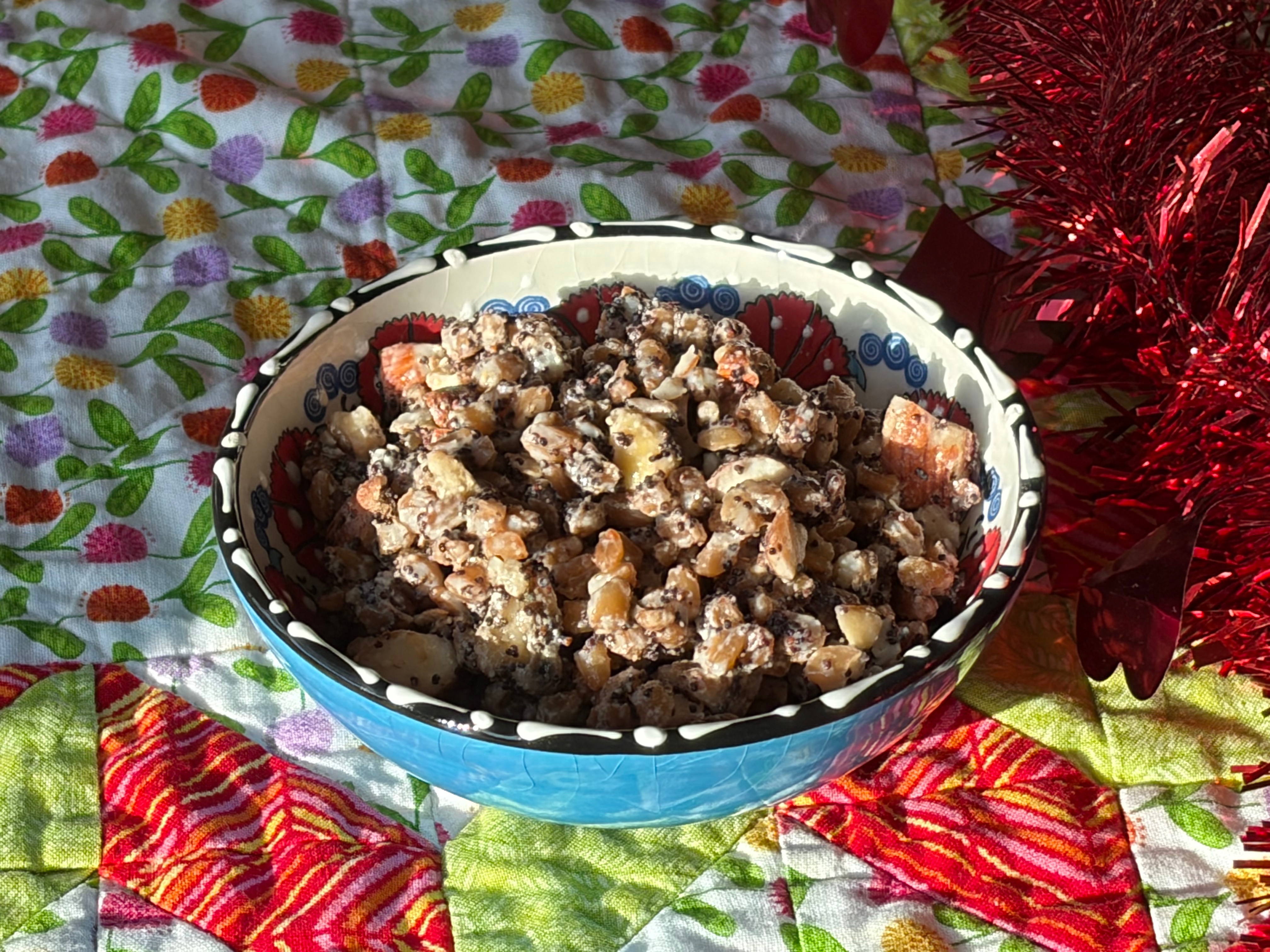
            Healthy eating can be a challenge for those of us with a sweet tooth. While nothing can fully replace the baked goods and other desserts with limited nutritional value, there are healthier ways to at least calm the cravings. One option is kutya, a dessert based on wheat berries, honey, nuts, poppy seeds, and sometimes a bit of cream. Traditionally a Christmas Eve specialty in Poland and Ukraine, it’s good enough to eat year-round. I fully agree with Mimi Sheraton in 1000 Foods to Eat Before You Die (pages 401 – 402).

            During the Early Modern Era, both Poland and Ukraine (then mostly part of the Polish-Lithuanian Commonwealth) exported huge amounts of grain, especially wheat, to Western Europe. In the 16th and early 17th Centuries, the Commonwealth was one of Europe’s great powers. The story of how the grain trade aided both the rise and fall of Poland-Lithuania is way too complicated to get into here (and I’m still trying to make sense of some of the economics). Suffice it to say, the role of grain is central to Polish and Ukrainian history – and cuisine.

Advertisements

            I liked this a lot better than the Armenian wheat pudding anoush aboor. The grains have more texture and aren’t oversalted, adding nuts gives it more crunch, and honey gives it a more dessert-like character. Many recipes call for raisins or other dried fruit. For my own recipe I omitted them, and added the optional splash of cream. It wasn’t as good as the chocolate cupcakes I made for a co-worker’s baby shower, but it’s pretty hard to compete with homemade frosting. This wheat berry pudding is still a good dessert. It’s even filling enough for breakfast, without causing a sugar crash later.

            There are two warnings I should give you beforehand. 1) Poppyseeds can cause a false positive for opiates on a drug test. This is fairly well-known, but worth a reminder. 2) Poppyseeds stick in the teeth. The problem seems worse in kutya than in cake or muffins, probably because they aren’t “bound up” in the structure. Have a toothbrush and floss handy.

Ingredients:

  • 1 cup wheat berries or farro, cooked according to package directions and cooled
  • ½ cup almonds, toasted and coarsely chopped
  • ½ cup walnut pieces, toasted and coarsely chopped
  • ¼ cup poppy seeds
  • ¼ cup honey
  • ¼ cup cream or half-and-half

Directions:

  1. Combine the poppy seeds with a quarter cup hot water and allow to soak for about an hour. Drain off the water.
  2. If you have a mortar and pestle or spice grinder, crush or grind the seeds a bit. They won’t get very fine, and this step isn’t strictly necessary, but it does help release their flavor. Mix in the cream or half-and-half.
  3. Stir together the wheat berries, nuts, honey, and poppyseed mixture. For the best presentation, serve in pretty painted bowls.

            If you thought this was interesting, don’t forget to like, share, and/or subscribe for more food history and recipes.

Standard
ginger tea
beverages, food history, korean cuisine, winter

Ginger Tea: Korean Cold Remedy (with basic recipe)

ginger tea

            It’s that time of year. Cold and flu viruses are everywhere, and most people will get sick at least once. I’ve already had a few colds, a sinus infection, and most recently the flu, and the season is only just winding down. Humans living in temperate and arctic climates have dealt with these illnesses for thousands of years. (Those living in tropical climates had a whole other host of ailments.) Around the world, home remedies consistently involve soup, tea, and other hot liquids. Only the ingredients vary.

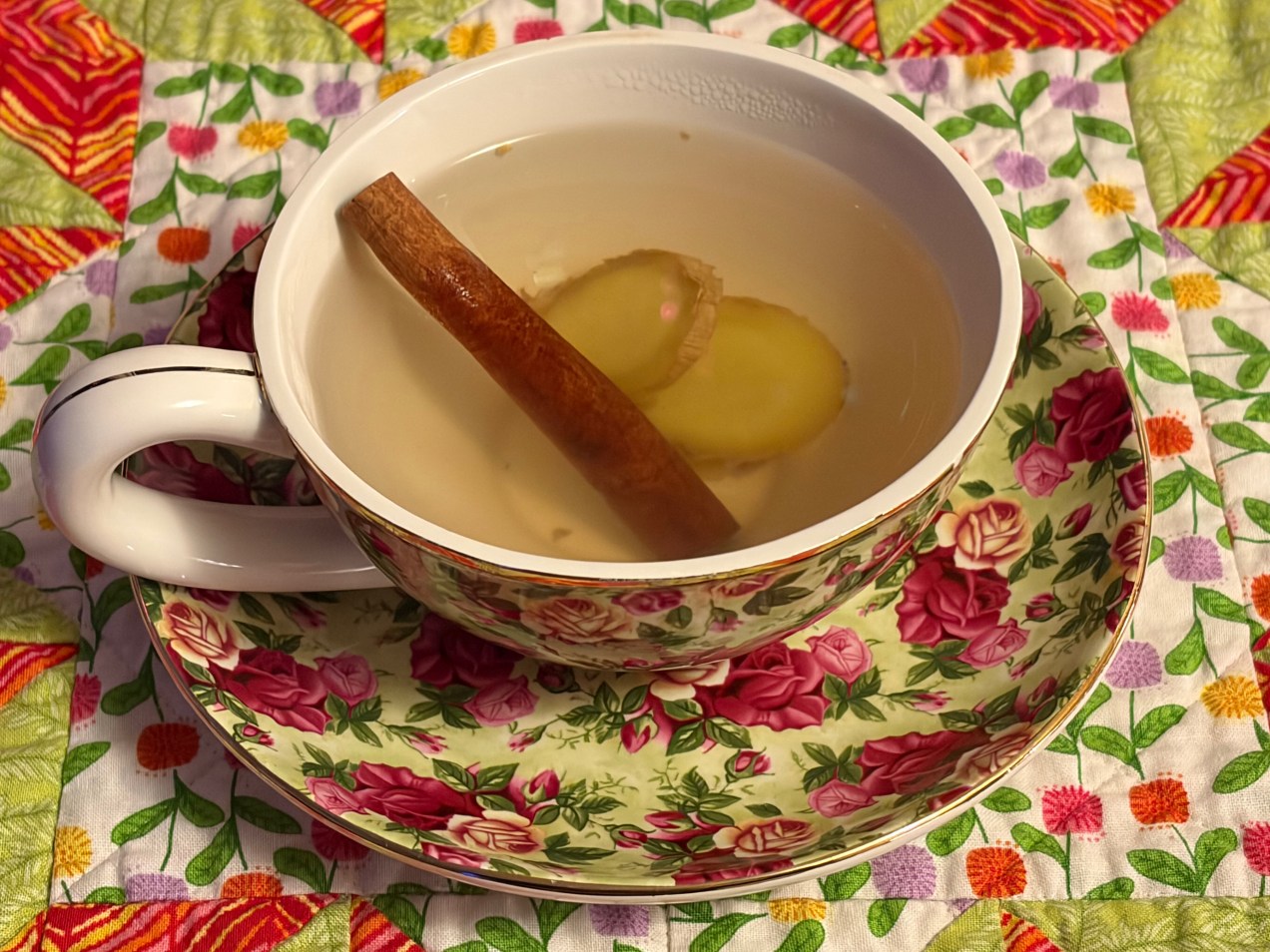
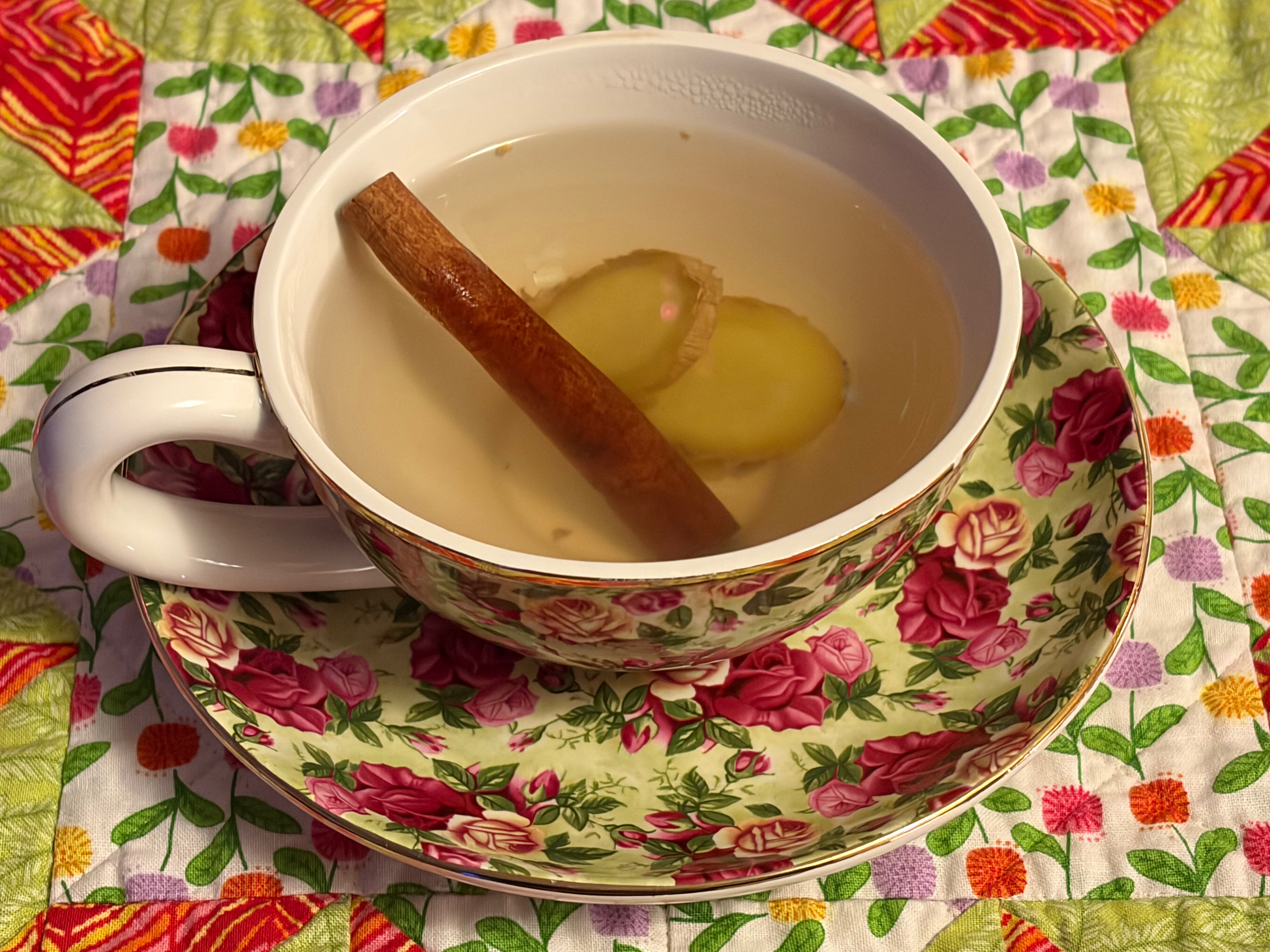
            One Korean cold remedy is ginger tea. In this case, there are no actual tea leaves involved. Hot water is poured over slices of fresh or dried ginger and often a cinnamon stick. A little honey sweetens the mix and balances the spice. Some studies suggest that ginger is an anti-inflammatory, and honey is known for its anti-bacterial properties, so this traditional remedy might have scientific backing. It certainly won’t hurt. And Korean ginger tea is delicious.

            You have to be careful with folk remedies. Many herbs and spices have some medicinal benefit, but some have side effects or interact with prescription medicines. Luckily, all the ingredients in ginger tea are widely consumed without incident, the cinnamon challenge notwithstanding. As an added bonus, it’s caffeine free, for the perfect evening drink.

To make it:

            All you need is a few slices of fresh ginger and about a teaspoon of honey per cup. Add boiling water, stir with a cinnamon stick, and leave it in.  The normal cassia cinnamon sticks found at the grocery store are good – there’s no need to hunt down the softer, more expensive “Ceylon cinnamon.” The subtler Ceylon cinnamon would be completely overwhelmed by the ginger. Once the tea is cool enough to drink, the flavors will be fully infused. Just give it another stir before enjoying. The ginger slices and cinnamon stick can be reused for a second cup of tea. The flavor won’t be as strong, but it is still distinctive and tasty.

Standard