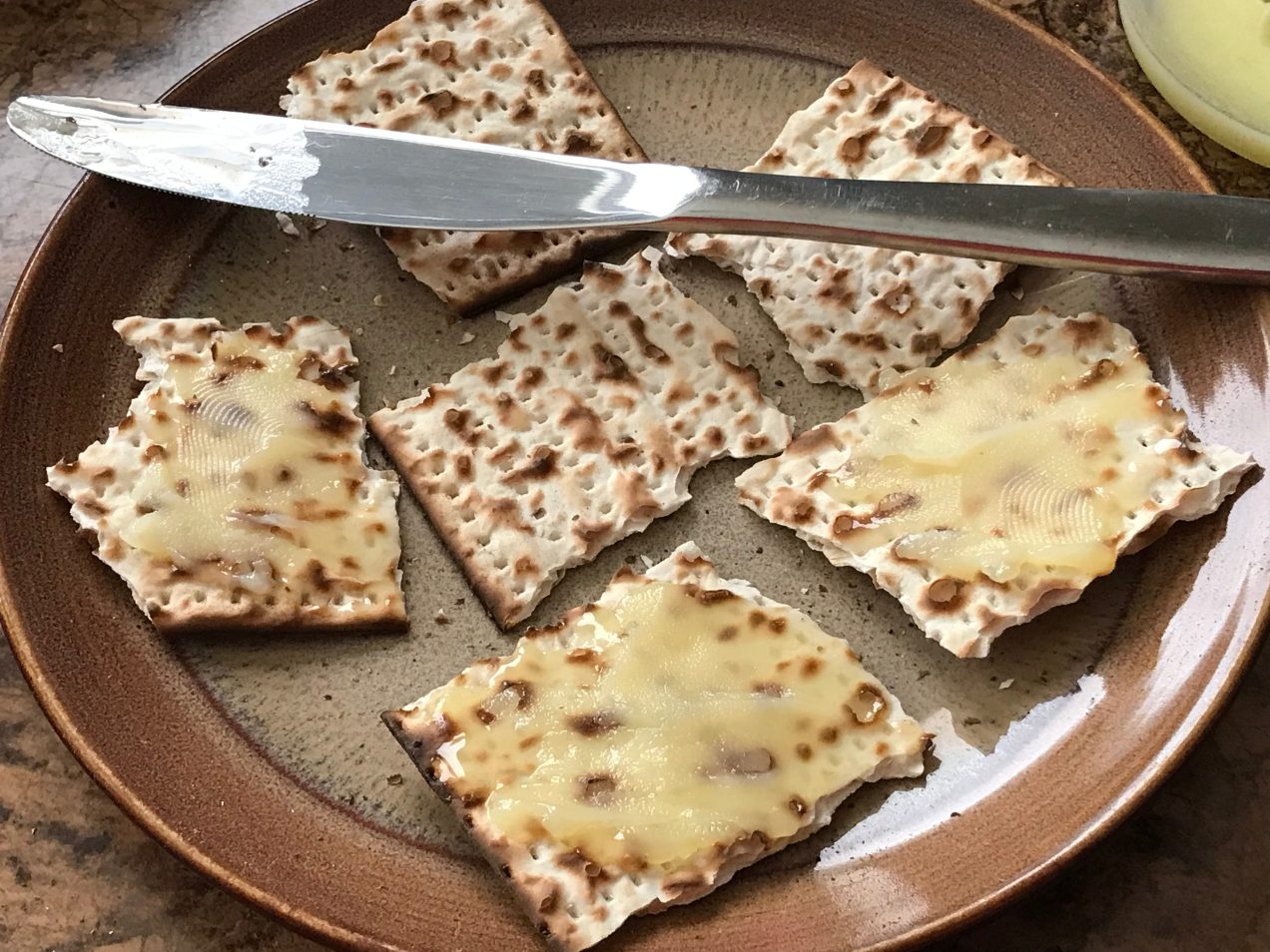
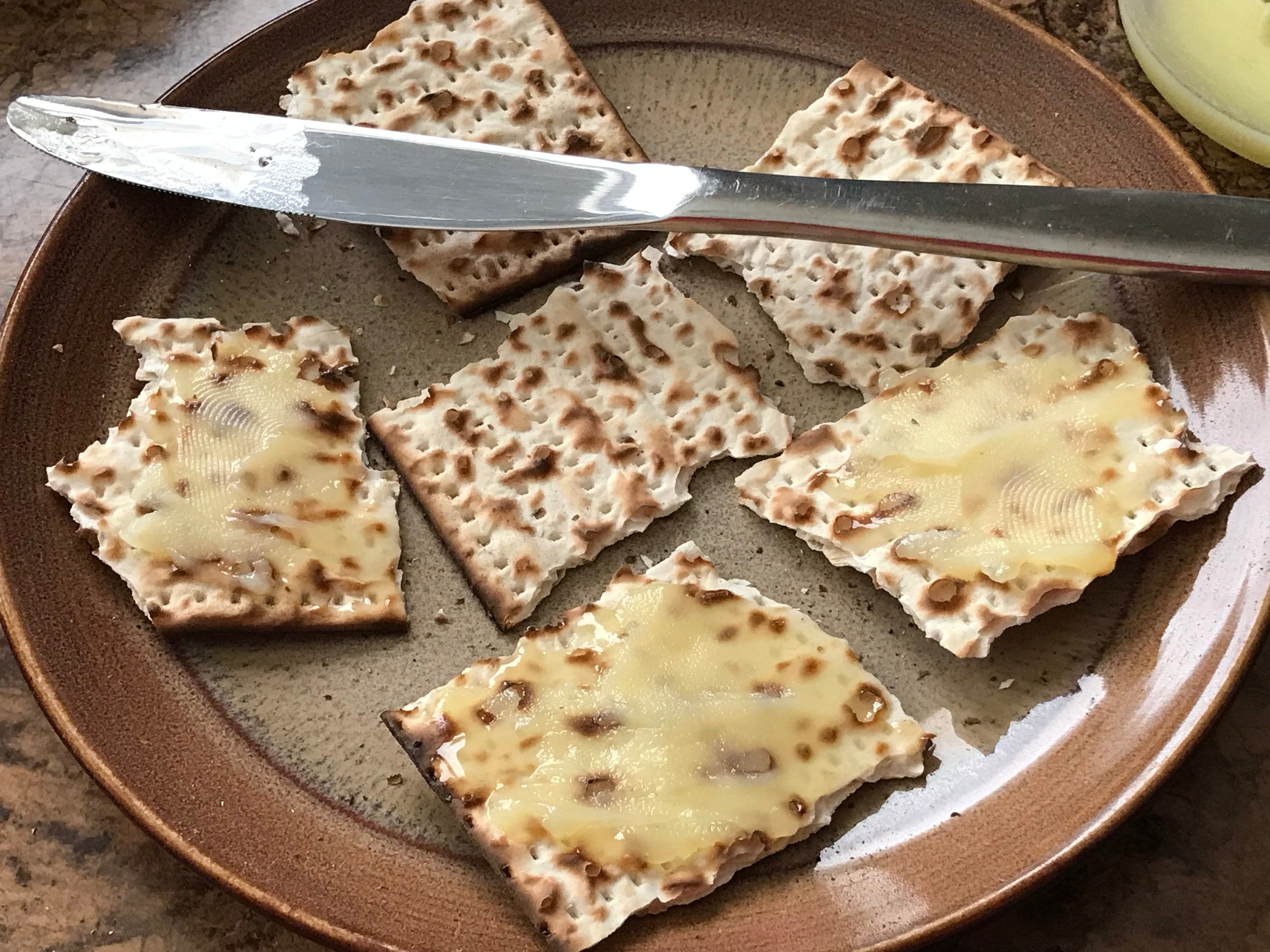
schmaltz and matzo
appetizers, food history, jewish cuisine, snacks

Schmaltz: Better If You Grew Up On It

schmaltz and matzo
Matzo with schmaltz (a.k.a. pure chicken fat)

            Perhaps more than any other cooking fat, rendered chicken or other poultry fat is associated with a specific cuisine: Ashkenazi Jewish. It was a historical necessity. Butter couldn’t be used in a meat meal, due to the prohibition against combining meat and dairy. Certain types of beef fat aren’t kosher, which makes tallow a tricky proposition. As a pork product, lard was definitely out. Since olive trees can’t grow in Central and Eastern Europe, poultry fat was the only option before seed oils like canola and sunflower. Few other societies faced the same religious restrictions in the same kind of environment, so use of rendered poultry fat, or schmaltz, became stereotypically Ashkenazi. Jewish immigration brought it to America, especially New York.

            For generations, New Yorkers have used schmaltz in frying, knishes, and even as a spread on matzo crackers. Since the recipe on pages 464 – 465 of 1000 Foods to Eat Before You Die doesn’t make a huge quantity and I only had enough chicken skin for half, I decided to follow Mimi Sheraton’s suggestion to try it on piece of matzo with just a little salt. It wasn’t bad, tasting sort of like fried chicken cooked in slightly overused oil, and was even tasty after getting used to the flavor coming from a soft spread. The little chicken cracklings, called gribenes, were even better, tasting like pieces of fried chicken skin, which they what they are.

Advertisements

            That said, schmaltz is a lot of work for a small reward. Not to mention, half of the cracklings stuck to the bottom of my pan, requiring multiple soakings and scrapings to remove. With the widespread availability of vegetable oils, shortening, and margarine, rendered chicken or other poultry fat is no longer necessary for kosher frying. And for anyone craving the fatty chicken flavor, many grocery stores sell ready-made fried chicken.

            Schmaltz certainly has historical interest, and is currently enjoying a culinary revival, but I struggle to see the appeal. Having grown up eating non-kosher casseroles with ham and cheddar cheese, cheeseburgers, and pulled pork, the traditional “New York deli” specialties don’t have any nostalgia value. Would I scrape the solidified fat from a chilled pot of chicken or turkey soup to make gravy? Certainly – it would give the poultry flavor a nice boost. But I’m unlikely to make my own schmaltz again. It was worth trying once. In this case, once was enough.
Standard
Ashkenazi charoset
dessert, fall, jewish cuisine, recipes, spring

Healthy Spring (or fall) Dessert: Ashkenazic Charoset

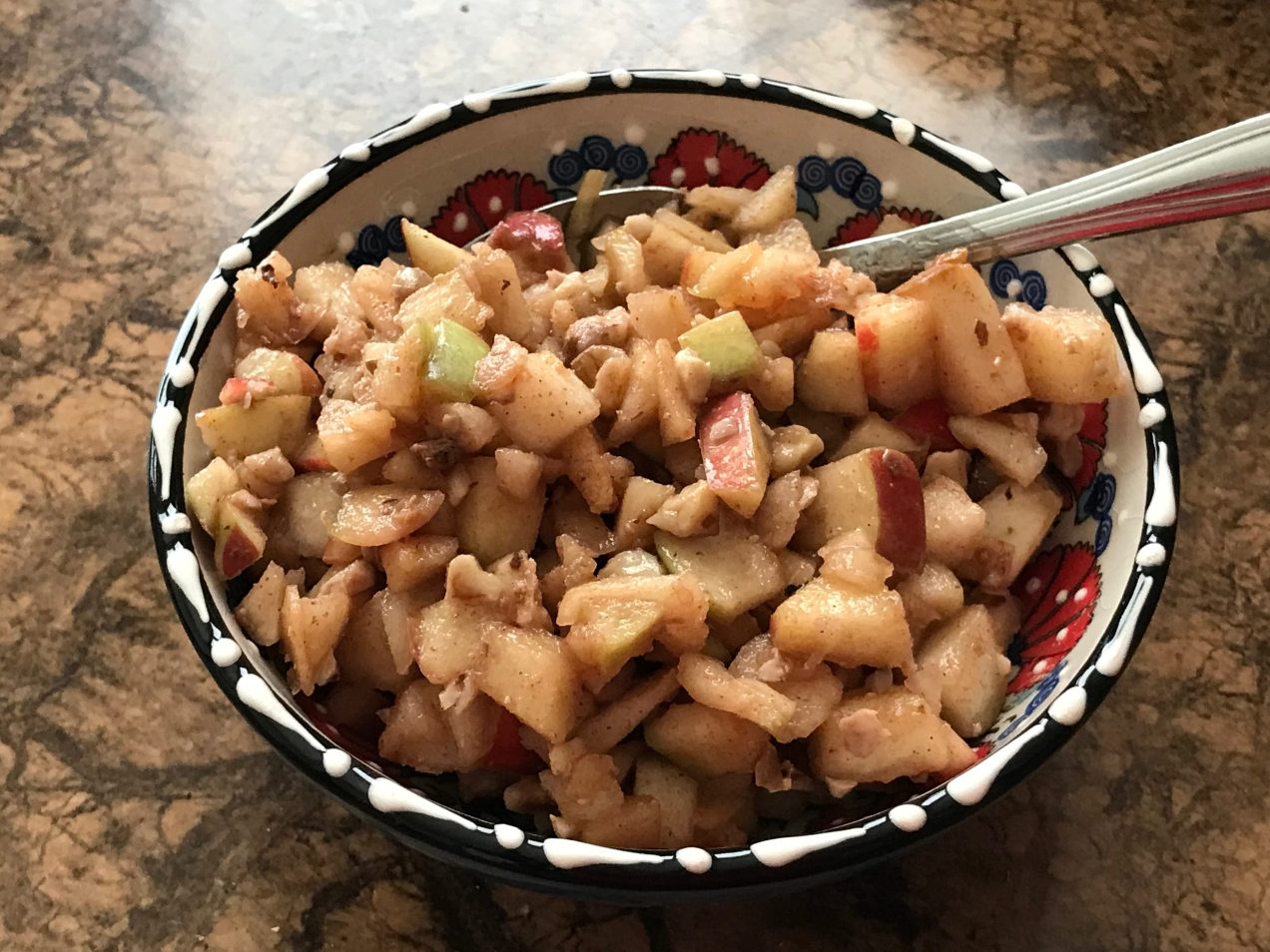
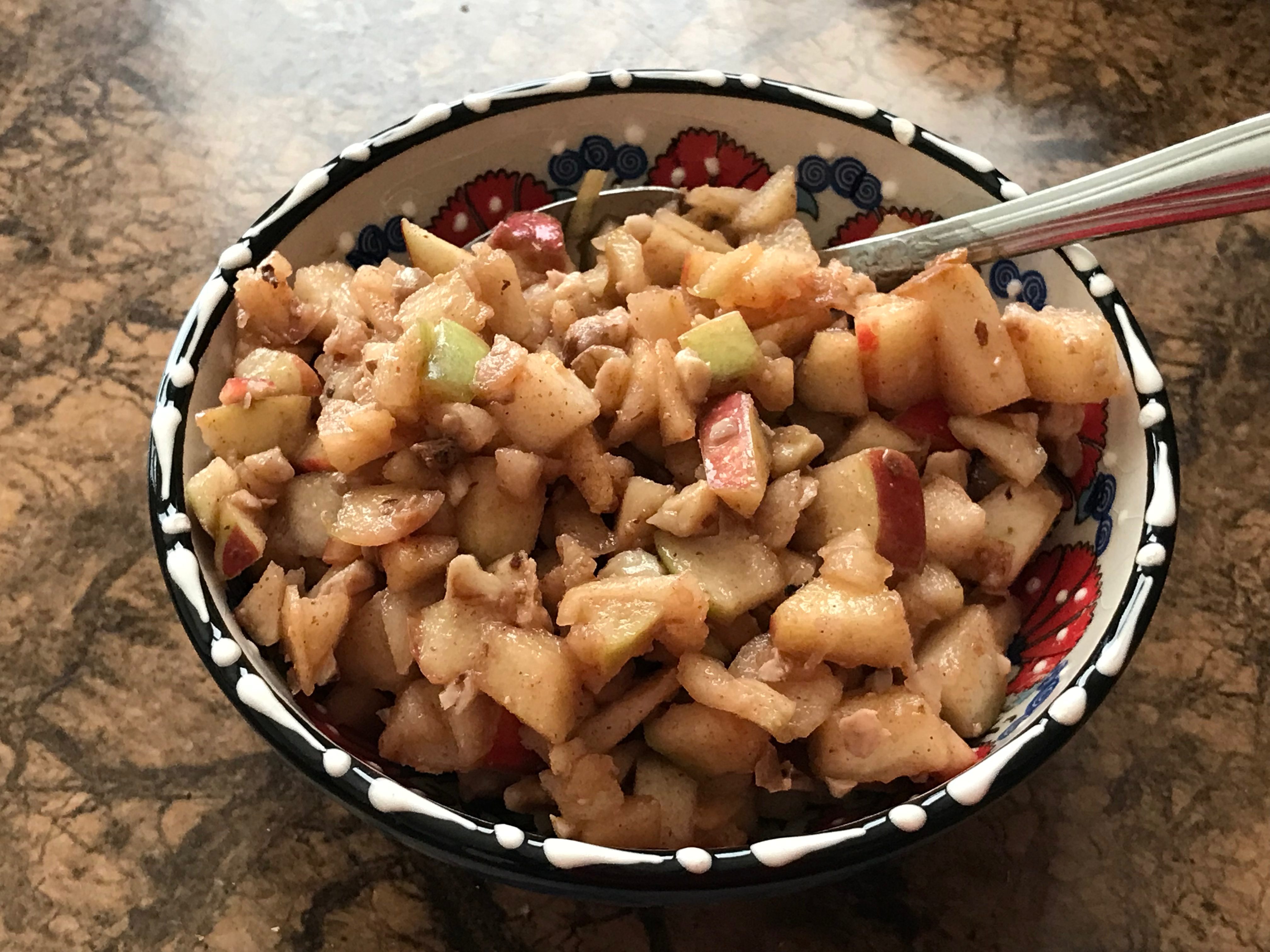
Ashkenazi charoset

            At first, it might seem strange to have apples in a dish for a spring holiday. Passover, the most important holiday on the Hebrew calendar, celebrates the Israelites’ Exodus from Egypt. It always occurs in the spring (in the Northern Hemisphere), while apples are a symbol of fall. On further reflection, the use of apples actually does make sense.

            Charoset is a blend of chopped fruit and nuts, representing the mortar enslaved Israelites used in Egypt, and is an essential element on the Passover Seder plate. Historically, most Ashkenazi Jews lived in Central and especially Eastern Europe. Not many fruits are in season there in March or April, but apples could be stored in a cold cellar over the winter. The only other option might be rhubarb, at least when there is plenty of sugar to counter the acid. Holiday food traditions seem to change more slowly than what people eat every day, so even with modern shipping and preservation, apples remain the base fruit.

            There are many recipes out there, typically including walnuts, sugar, spices, and an acidic liquid to keep the apples from oxidizing and turning brown. Most common is sweet, kosher red wine. Not all kosher wines are sweet, but Manischewitz, the most common brand (for all sorts of kosher products, in fact), is. With at least 51% concord grapes and a bit of extra sweetener, it tastes exactly like the classic non-fermented grape juice, with the alcohol flavor only coming in at the end. Naturally, grape juice would be the perfect non-alcoholic substitute.

Advertisements

            If you’re wondering why wine isn’t all kosher (as I was), it’s because ancient pagan people often used it in their rituals. To ensure their wine hadn’t previously been used in these rituals, the production from picking to transportation to serving had to be done by kosher-observant Jews. Unless, if I understand things correctly, it gets heated, which renders it unsuitable for pagan rituals. Once that’s done, anyone can handle it.

            Ashkenazi charoset is delicious, regardless of faith or season. It’s sweet, tart, two different kinds of crunchy, juicy, and especially tasty during the fall, when apples are freshest. Walnuts make the mix more substantial, and spices like cinnamon and ginger make it taste like crustless apple pie.

Ingredients:

  • 4 medium sweet-tart apples (I used 2 cortlands and 2 zestars)
  • ½ cup walnut pieces
  • A few drops of lemon juice, if desired
  • ½ teaspoon ground cinnamon
  • ¼ teaspoon ground ginger
  • ¼ cup (4 tablespoons) sweet kosher red wine or red concord grape juice
  • Sugar to taste

Directions:

  1. Core the apples, slice, and mince as finely as you can with a knife. (One of those devices that cores an apple and cuts it into 8 or 10 slices works perfectly for the first part, and I don’t bother peeling. If using a food processor for the second part, be careful not to overprocess.) Place in a large bowl. Toss with a few drops of lemon juice if desired.
  2. Mince the walnuts and stir in, distributing evenly. Add the spices and wine and stir again.
  3. Taste for sweetness. Depending on the apples, you may or may not need sugar. If the mix needs it, add sugar a tablespoon at a time, tasting as you go.
  4. Let rest in the refrigerator for 24 hours for the best flavor.

            If you enjoyed this, please like, share, and/or subscribe.

One-Time
Monthly
Yearly

Make a one-time donation

Make a monthly donation

Make a yearly donation

Choose an amount

$5.00
$15.00
$100.00
$5.00
$15.00
$100.00
$5.00
$15.00
$100.00

Or enter a custom amount

$

Your contribution is appreciated.

Your contribution is appreciated.

Your contribution is appreciated.

DonateDonate monthlyDonate yearly
Standard