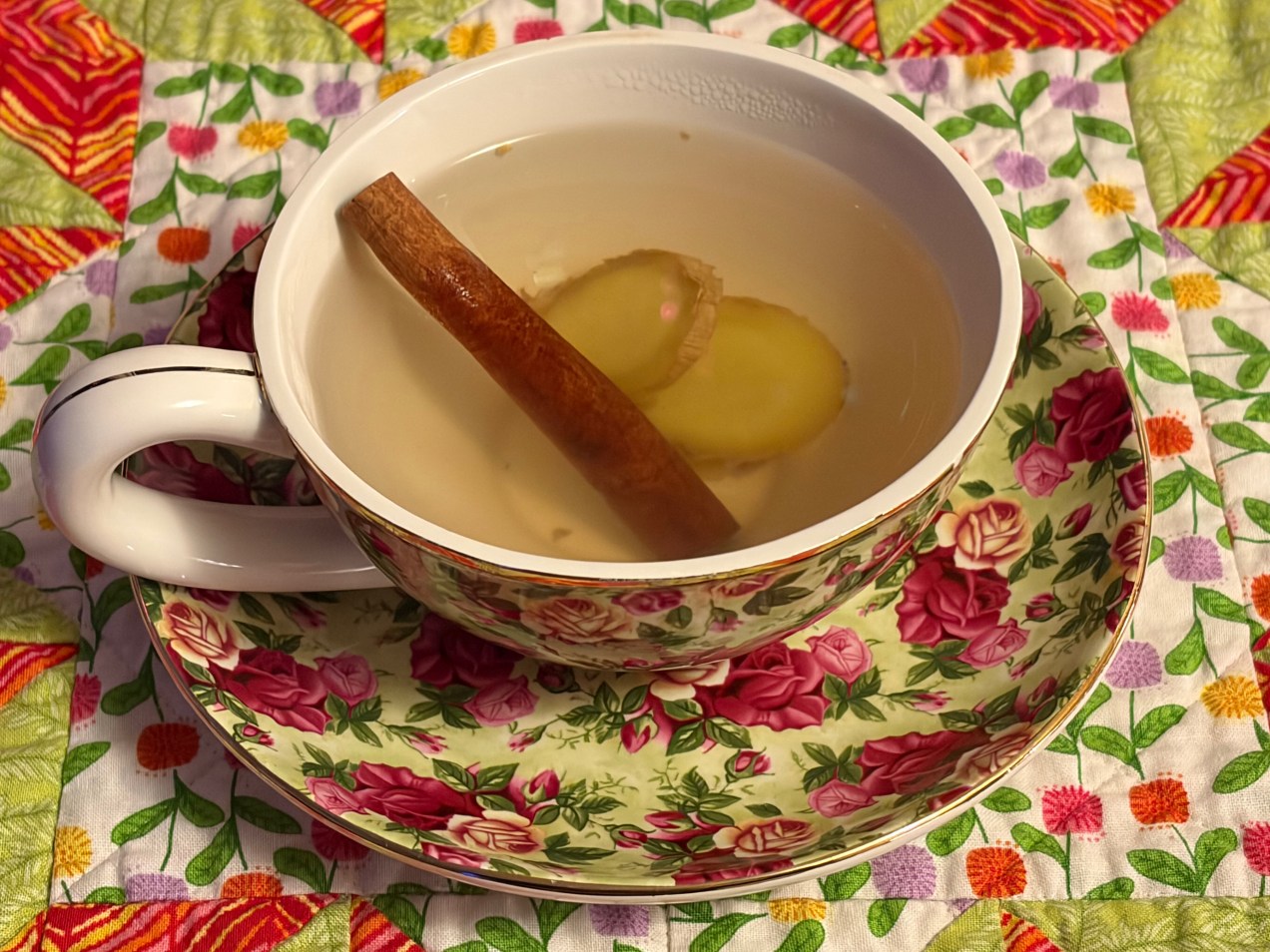
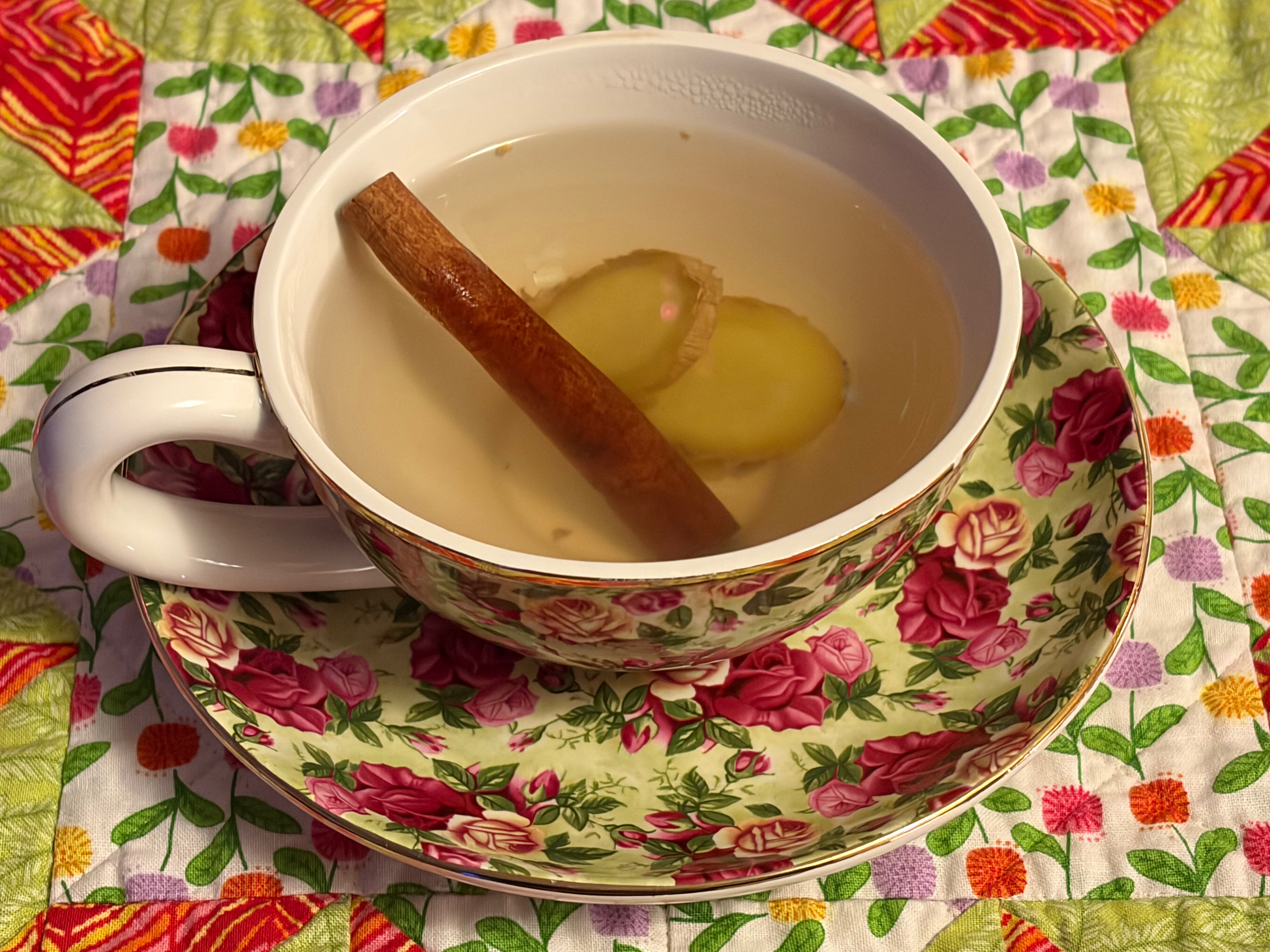
ginger tea
beverages, food history, korean cuisine, winter

Ginger Tea: Korean Cold Remedy (with basic recipe)

ginger tea

            It’s that time of year. Cold and flu viruses are everywhere, and most people will get sick at least once. I’ve already had a few colds, a sinus infection, and most recently the flu, and the season is only just winding down. Humans living in temperate and arctic climates have dealt with these illnesses for thousands of years. (Those living in tropical climates had a whole other host of ailments.) Around the world, home remedies consistently involve soup, tea, and other hot liquids. Only the ingredients vary.

            One Korean cold remedy is ginger tea. In this case, there are no actual tea leaves involved. Hot water is poured over slices of fresh or dried ginger and often a cinnamon stick. A little honey sweetens the mix and balances the spice. Some studies suggest that ginger is an anti-inflammatory, and honey is known for its anti-bacterial properties, so this traditional remedy might have scientific backing. It certainly won’t hurt. And Korean ginger tea is delicious.

            You have to be careful with folk remedies. Many herbs and spices have some medicinal benefit, but some have side effects or interact with prescription medicines. Luckily, all the ingredients in ginger tea are widely consumed without incident, the cinnamon challenge notwithstanding. As an added bonus, it’s caffeine free, for the perfect evening drink.

To make it:

            All you need is a few slices of fresh ginger and about a teaspoon of honey per cup. Add boiling water, stir with a cinnamon stick, and leave it in.  The normal cassia cinnamon sticks found at the grocery store are good – there’s no need to hunt down the softer, more expensive “Ceylon cinnamon.” The subtler Ceylon cinnamon would be completely overwhelmed by the ginger. Once the tea is cool enough to drink, the flavors will be fully infused. Just give it another stir before enjoying. The ginger slices and cinnamon stick can be reused for a second cup of tea. The flavor won’t be as strong, but it is still distinctive and tasty.

One-Time
Monthly
Yearly

Make a one-time donation

Make a monthly donation

Make a yearly donation

Choose an amount

$5.00
$15.00
$100.00
$5.00
$15.00
$100.00
$5.00
$15.00
$100.00

Or enter a custom amount

$

Your contribution is appreciated.

Your contribution is appreciated.

Your contribution is appreciated.

DonateDonate monthlyDonate yearly
Standard
Black-Eyed Susan Cocktail
american cuisine, beverages, food history, recipes

Preakness Stakes Mocktail: The Black-Eyed Susan

Black-Eyed Susan Cocktail

            Tomorrow is the Preakness Stakes, the second leg in the Triple Crown. The Preakness is always run on the third Saturday in May at Pimlico in Baltimore. Some trainers say the two-week turnaround time is not enough for the horses to recuperate, and sometimes the Kentucky Derby winner won’t race. Sovereignty will not race tomorrow, meaning there will not be a Triple Crown winner this year. While not as famous as the Derby, the Preakness is still an interesting event, with two associated food traditions. Since Maryland is associated with blue crab from the Chesapeake Bay, it’s no surprise that the Preakness is known for crab cakes.

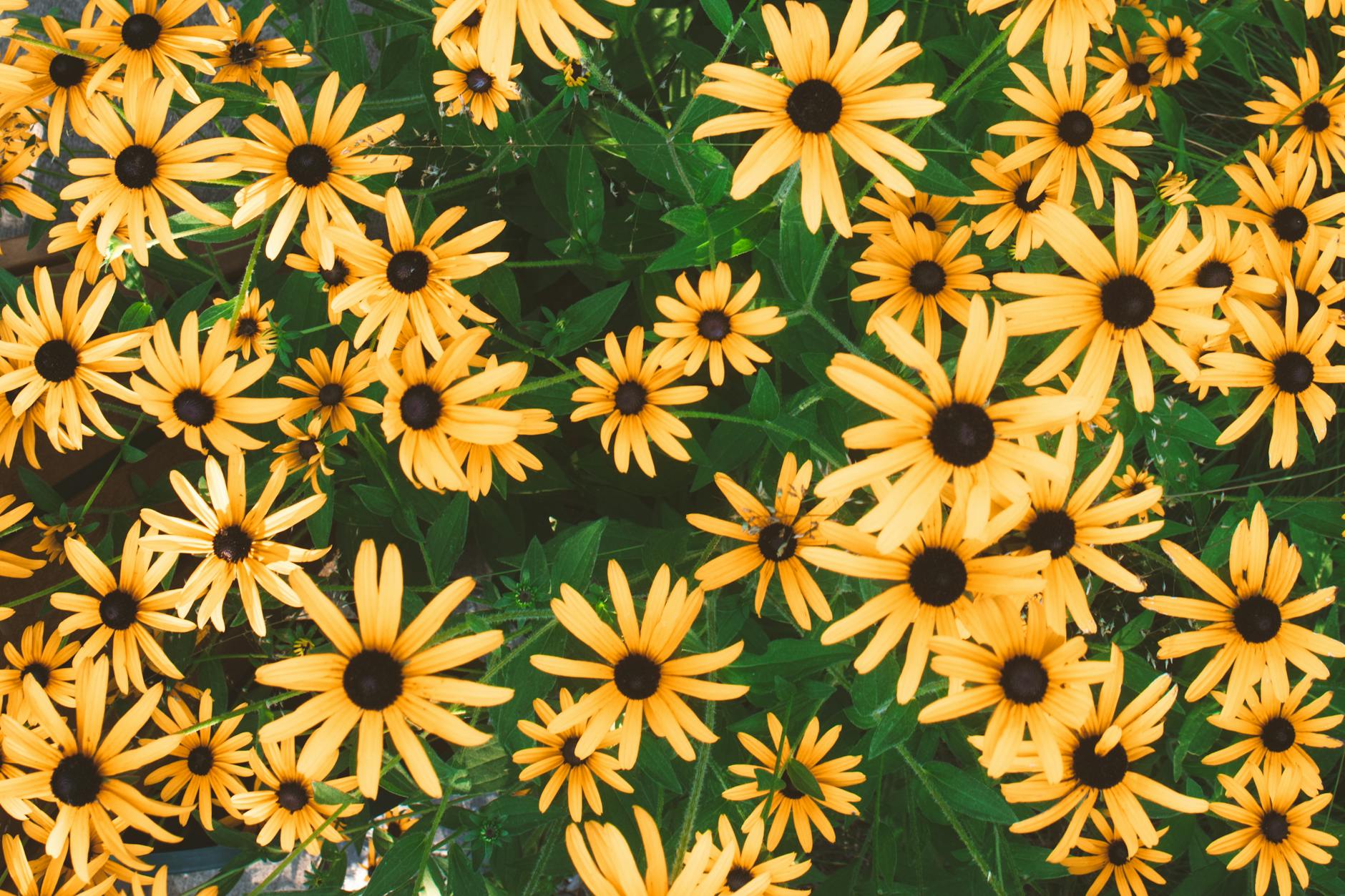
            The Preakness Stakes also has its own signature cocktail, called the black-eyed Susan. Most likely, it was named for the blanket of flowers draped over the winner. The Kentucky Derby has red roses, the Preakness has black-eyed Susans, and the Belmont Stakes has white carnations. Ideally, the cocktail will be about the same yellow-orange color as the flowers. Interestingly, black-eyed Susans are not yet blooming in Maryland.

Photo from Pexels.com

            Unlike the mint julep, the black-eyed Susan never seems to have had an “official” recipe. Invented in the 1970s, ingredients varied over time, even at Pimlico, and according to the drinker’s personal taste. The only constants are orange juice and vodka. Other ingredients might include pineapple juice, grapefruit juice, peach schnapps, rum, or bourbon. Frequently the drink will be finished with a blueberry or blackberry for the characteristic “black eye.” As long as there are at least two fruit flavors, pretty much anything goes.

Black-Eyed Susan Cocktail
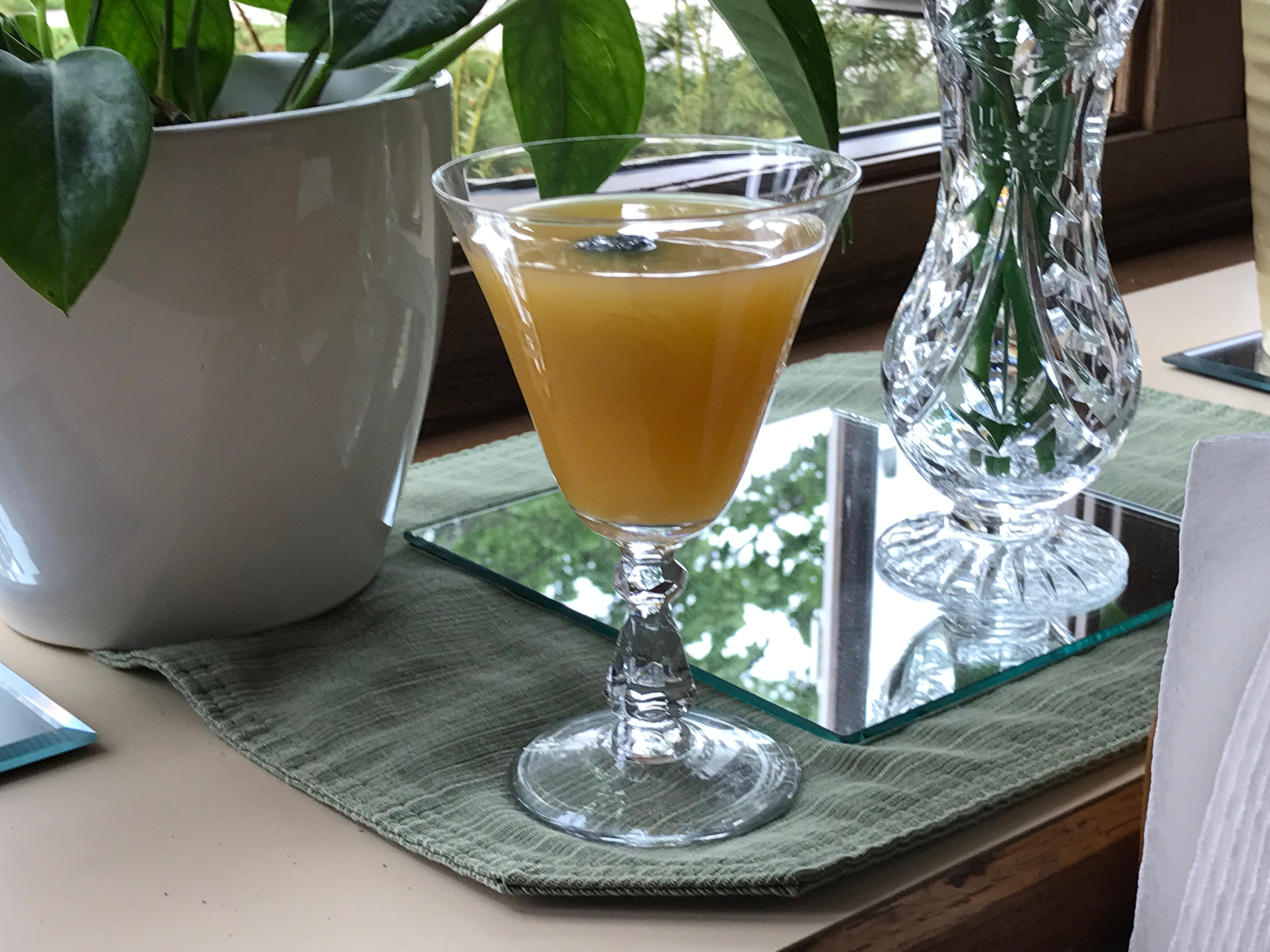
Black eye demonstrated here. Definitely a resemblance, in an abstract way.

            Fruity cocktails lend themselves well to non-alcoholic variations. For my own version, I keep things simple with equal parts orange juice, pineapple juice, and tonic water with a bit of peach syrup. The tonic water is the “secret ingredient” that makes non-alcoholic cocktails more complex, and its bitter edge tastes a bit like grapefruit.

Here’s how to make it:

            For each serving, combine 1/3 cup orange juice, 1/3 cup pineapple juice, and 1/3 cup tonic water with a few ice cubes. Stir in a tablespoon of peach syrup (like what’s used in Italian sodas), or more to taste. For a low-alcohol but not completely alcohol-free cocktail, the syrup can be replaced with peach schnapps. If desired, add a blueberry or blackberry. It’s that simple, unlike the system for betting on the race.

            To get notifications of new posts sent straight to your inbox, make sure to subscribe for free. Of course, if you want to make a contribution, you’re more than welcome to.

One-Time
Monthly
Yearly

Make a one-time donation

Make a monthly donation

Make a yearly donation

Choose an amount

$5.00
$15.00
$100.00
$5.00
$15.00
$100.00
$5.00
$15.00
$100.00

Or enter a custom amount

$

Your contribution is appreciated.

Your contribution is appreciated.

Your contribution is appreciated.

DonateDonate monthlyDonate yearly
Standard